Pongal is the harvest thanks of Tamil Nadu, and it is a festival you can take in by walking through a village at sunrise. It is not about monuments. It is about a doorstep patterned in white powder, a family under a courtyard sky, a cow with painted horns, and the first rice of the new harvest cooked in the open air.
Thai Pongal, the main day, is usually on 14 or 15 January, the day the sun enters the month of Thai. Check the year's calendar before booking.
Four days, four ideas
The festival runs for three or four days, beginning on the last day of the Tamil month Margazhi. Each day has its own meaning. Bhogi is for clearing out, Thai Pongal for the sun, Mattu Pongal for the cattle, and Kaanum Pongal for family.
If you are travelling, plan around the second day, when the pot boils over, and the third day, when the animals are honoured. The first and last are quiet, domestic and lovely.
Bhogi: out with the old
On Bhogi, families clean the house from top to bottom, discard old belongings and burn them in a bonfire at the door. It is a kind of spring-cleaning in the middle of winter, and a new year of the heart.
Come to a Tamil street on Bhogi morning and you will smell the smoke before you see it. Homes are being decorated for the next day.
Thai Pongal: the pot and the sun
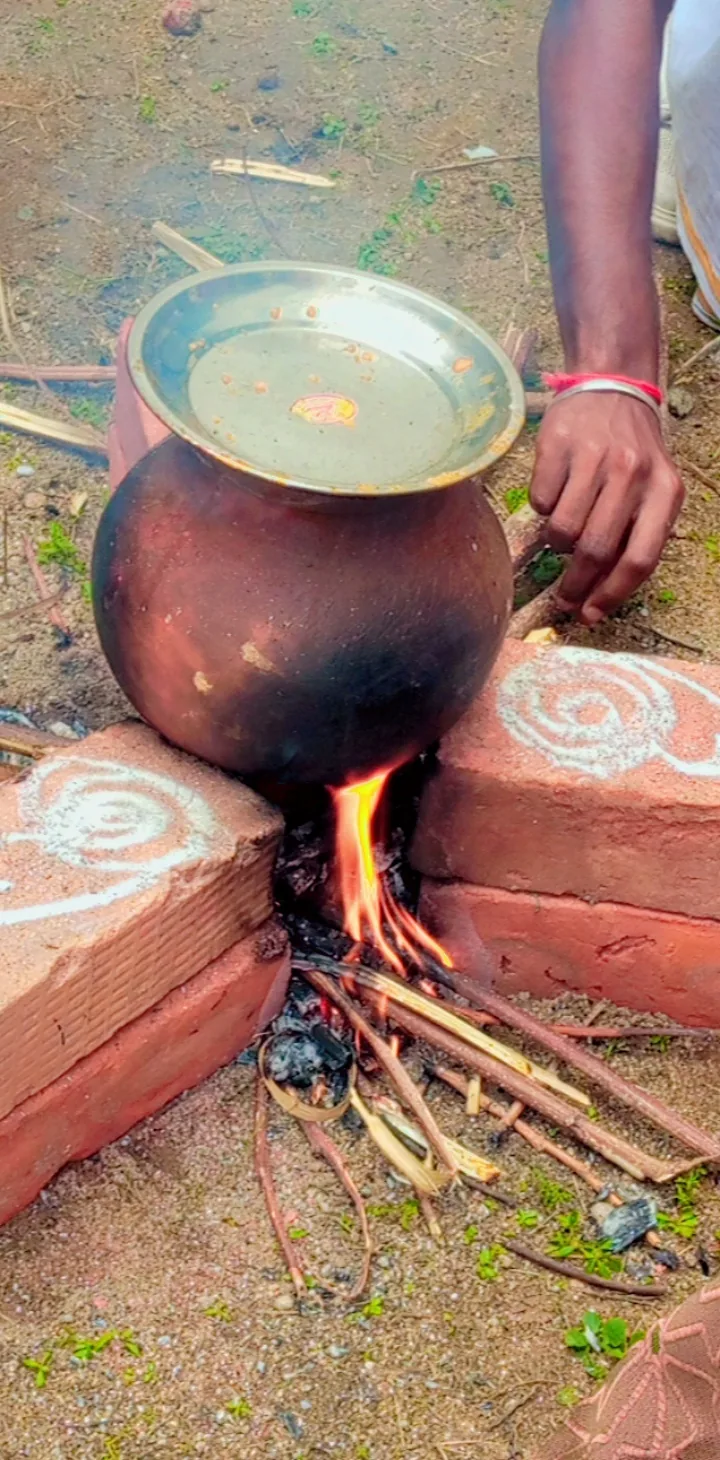
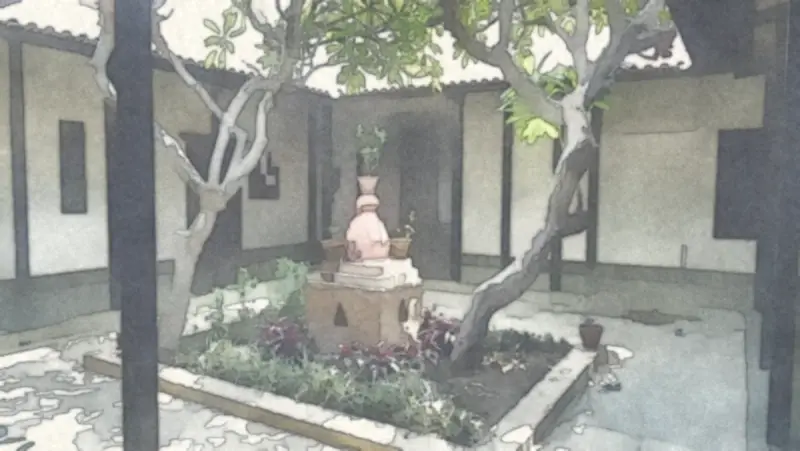
The main day is for Surya, the sun god. Rice goes into a new clay pot with milk and jaggery and cooks in the open sunlight, usually in the courtyard, and when the pot overflows the family shouts and the rice is offered to the sun and the gods. Then it is shared. The dish takes its name from the word for boiling over.
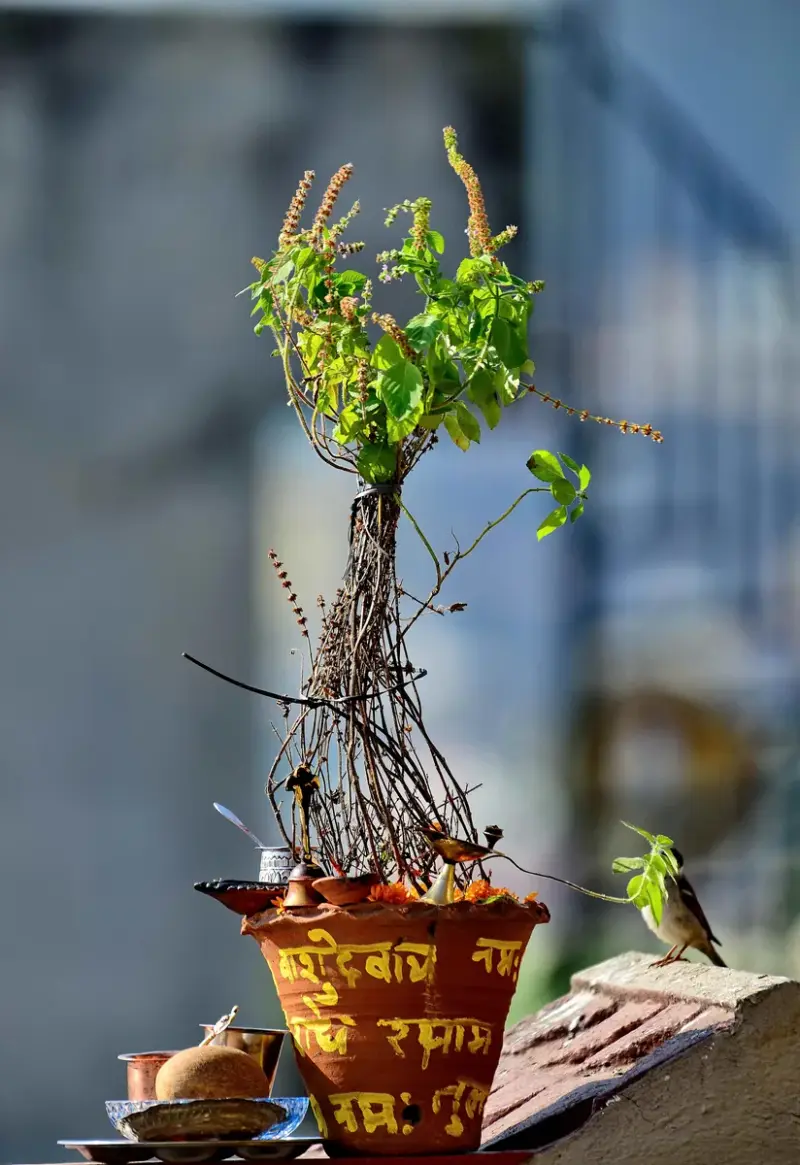
Sugarcane stands in the corners of the courtyard, and the clay pot is often tied with turmeric plants at its neck. Ask permission before photographing, and if you are invited to eat, do it.
Kolam: the doorstep drawing
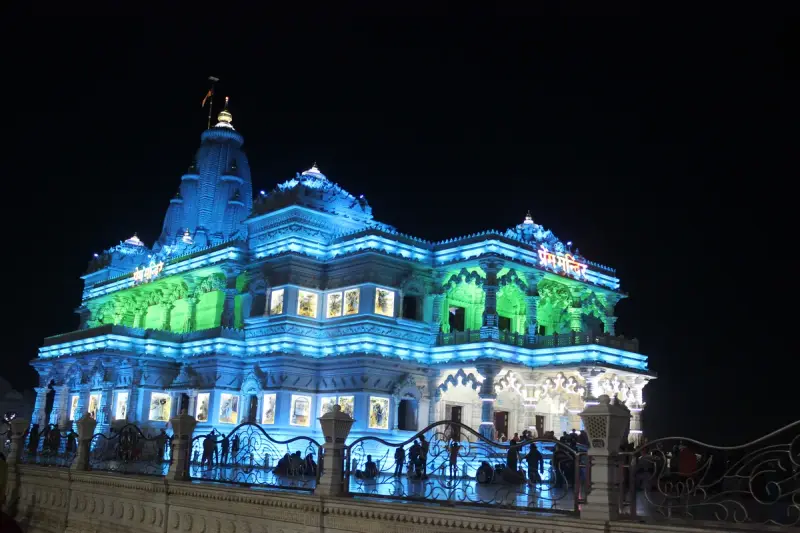
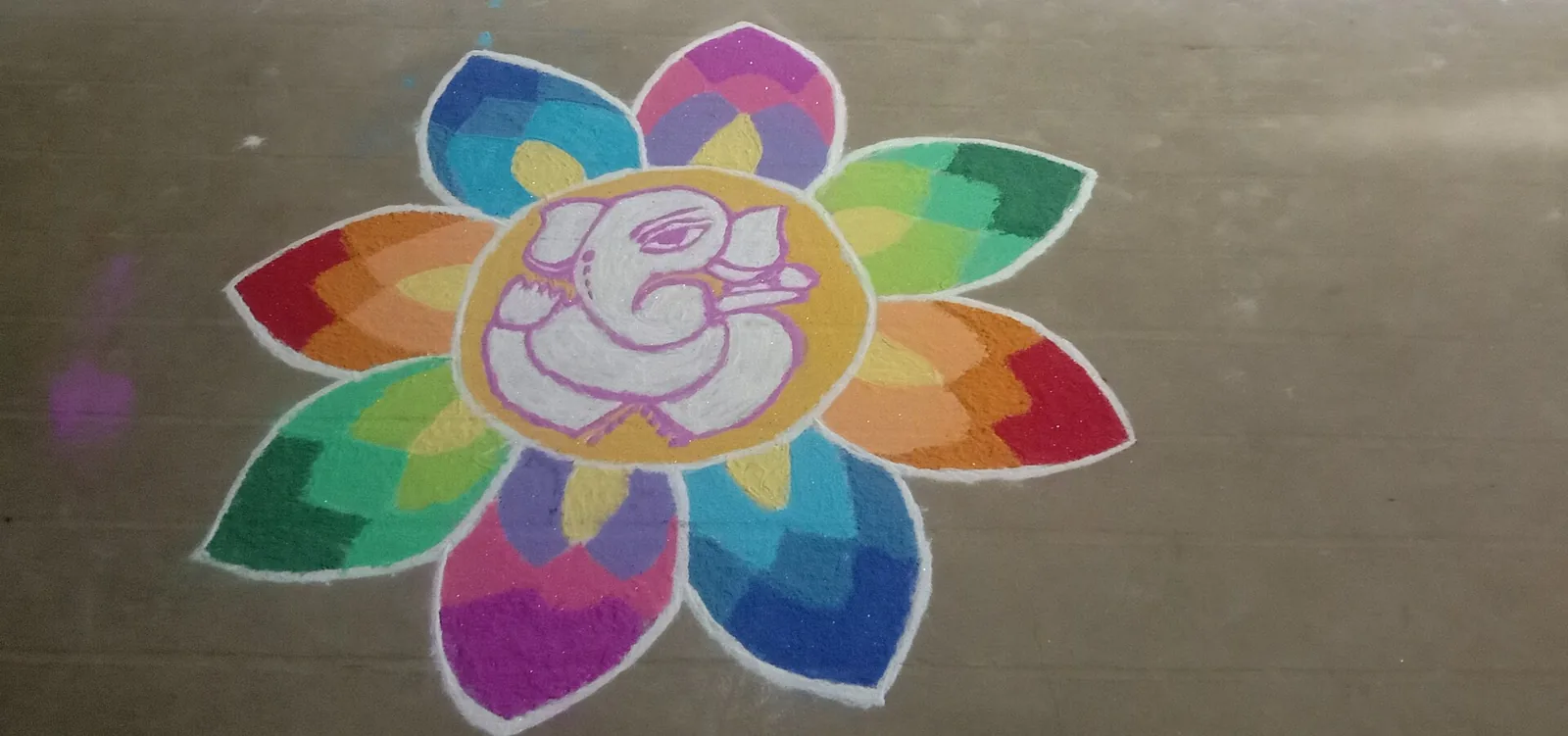
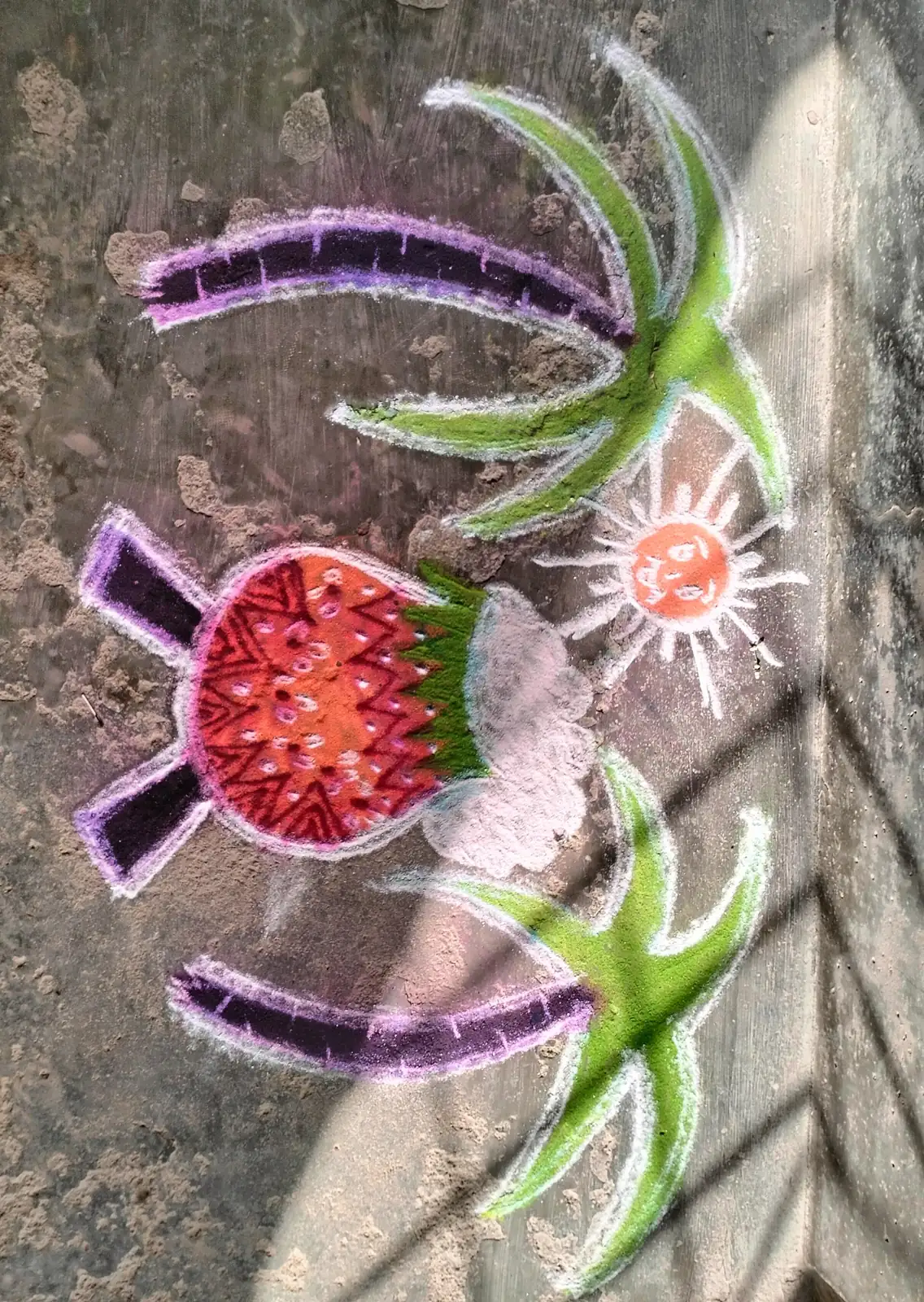
Every Tamil morning begins with a kolam, a pattern traced in white rice flour at the threshold, so that the first thing that enters the house is a gift to ants and birds. At Pongal the kolams are larger and often coloured, and the streets of a town become a gallery.
Kolams are drawn by hand, from memory, around a grid of dots, and every household has its own style. A walk through a neighbourhood early in the morning, before the sun has hardened the day, will teach you more about Tamil Nadu than any museum.
Mattu Pongal: the cattle's day
On the third day, farm cattle are bathed, their horns painted, and they are garlanded in thanks for the labour on which the harvest depends. In villages you will see bulls and cows in bright colours being walked from house to house.
Jallikattu, the bull-taming event, is held in some places around this period. It is a contested spectacle, with rules and crowds, and it is best seen as a spectator from the places set aside for visitors.
Kaanum Pongal: visiting day
The last day is for visits. Young people go to see their elders and take their blessings, relatives meet, and families go out for picnics and walks. It is the day on which a visitor is most likely to be welcomed.
If a family invites you, take sweets, and take your shoes off at the door.
Where to go in Tamil Nadu
For old temple towns, Madurai and Thanjavur are the places that most people choose for Pongal, and the countryside around them is where the harvest is still the centre of life. Chennai is the arrival city, and Coimbatore is the entry to the west of the state.
If you can stay with a family or in a village homestay for the Thai Pongal morning, do. A hotel in a big city makes it a spectator event, and a courtyard turns it into your own festival.
Taking the trip from Delhi
Tamil Nadu is far from Delhi, and mid January is the season when everybody is travelling. Laladham can pick you up in Delhi and run the whole trip: your flights or train, a cab and driver in the south, a village or courtyard stay for Pongal morning, a temple day in Madurai and Thanjavur, and the way home.
Write to us on the booking page with your dates and group size, and we will send a quote.
Questions, answered
When is Pongal?
Thai Pongal falls on 14 or 15 January in most years, and the festival runs three or four days.
What is the Pongal dish?
The festival's own sweet rice, simmered until it spills, then offered to the sun and passed around.
What is a kolam?
A threshold drawing made fresh each morning. At Pongal it grows bigger and often takes colour.
Can a visitor take part?
Yes, and families are happy to share the pot. Ask permission before photographs.