It is a small festival with a very large heart. There is no temple at its centre, no complicated rite. There is a fire, a circle of people, a handful of sesame and jaggery to throw into it, and drums. If you have seen bhangra on a stage and wondered what it looks like when nobody is performing, go to a Lohri.
Lohri is kept on 13 January in most years, as the eve of Makar Sankranti, called Maghi in Punjab. Check the year all the same.
What Lohri marks
Lohri is a midwinter and harvest festival. It marks the passing of the winter solstice and the coming of the longer days, and it is tied to the farming year, with the end of the rabi season's field work and the sugarcane harvest in the same weeks. In Punjab, a farmer's winter is not idle, and Lohri is his first moment of rest.
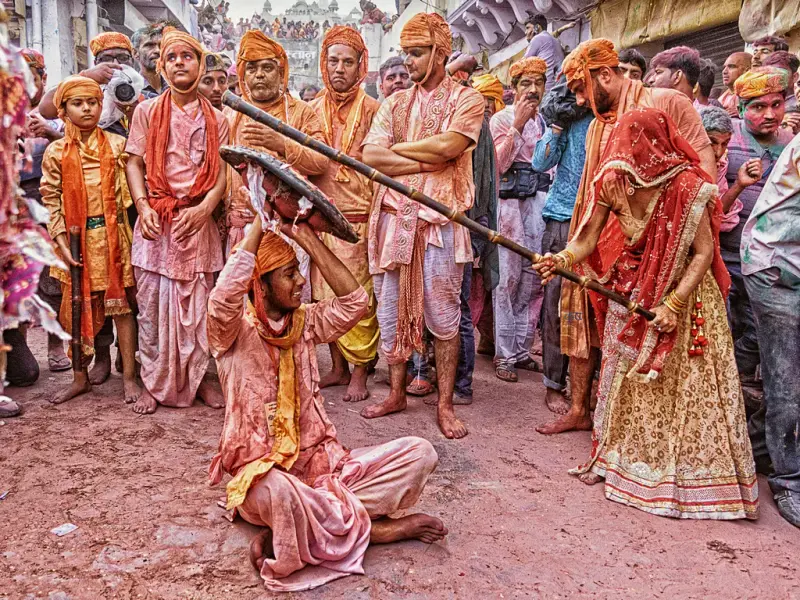
It is celebrated mostly in Punjab, on both sides of the border, and in parts of the north, Jammu, Haryana and Himachal Pradesh, and people of several faiths take part. It is a public holiday in Indian Punjab, Jammu and Himachal Pradesh.
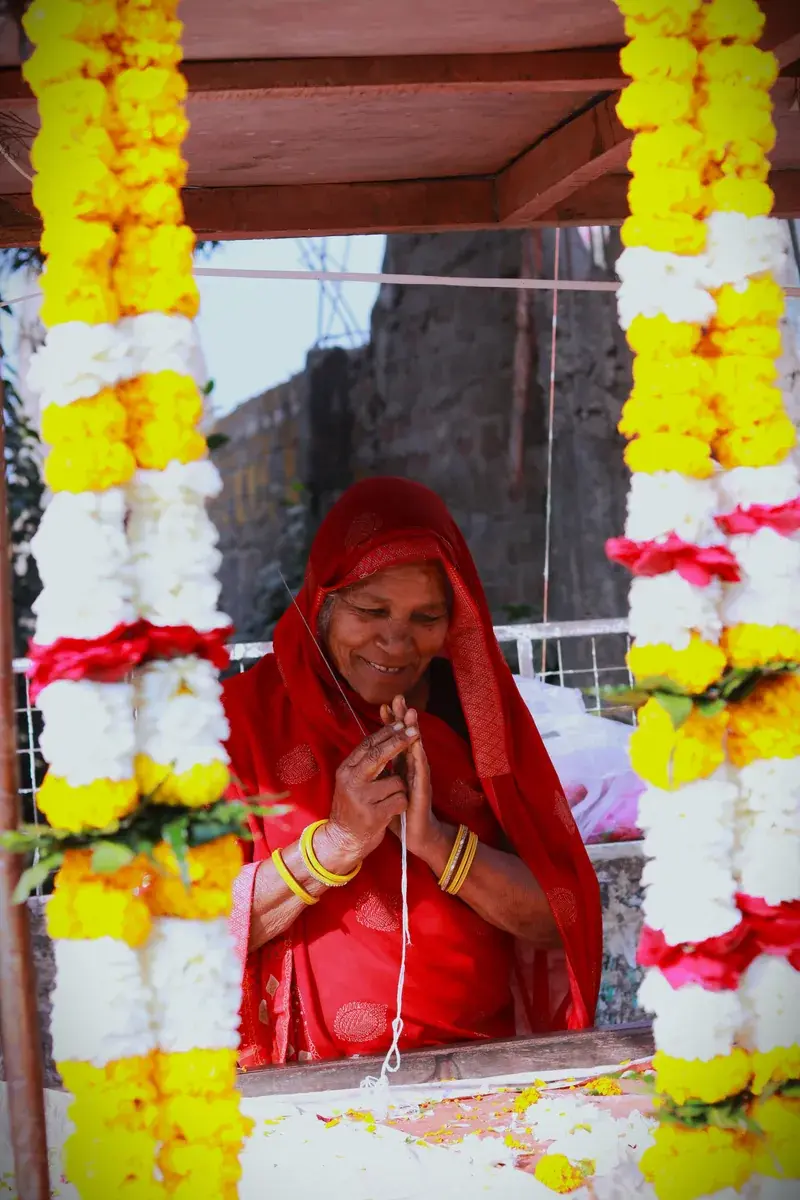
The fire and what goes in it
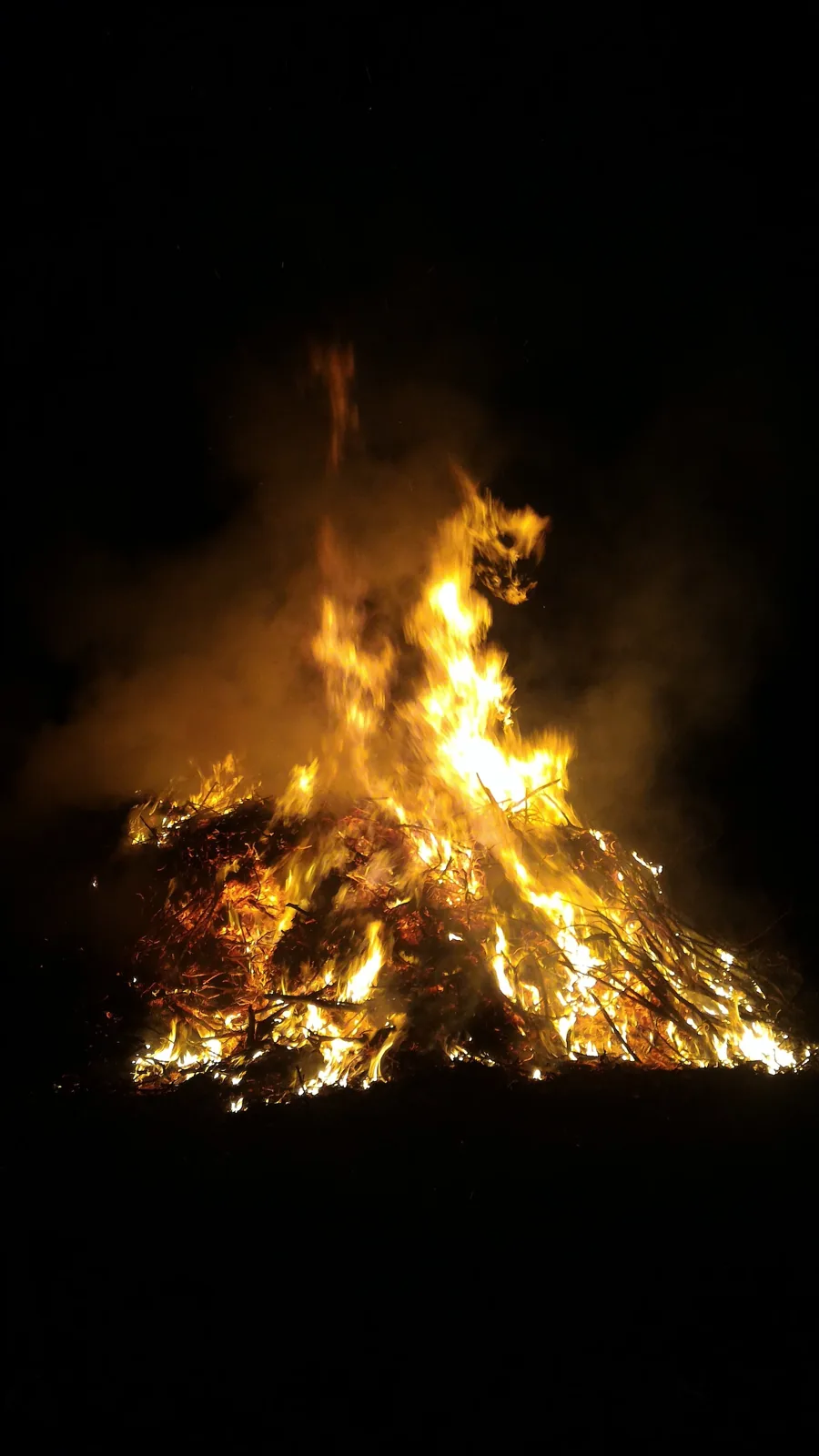
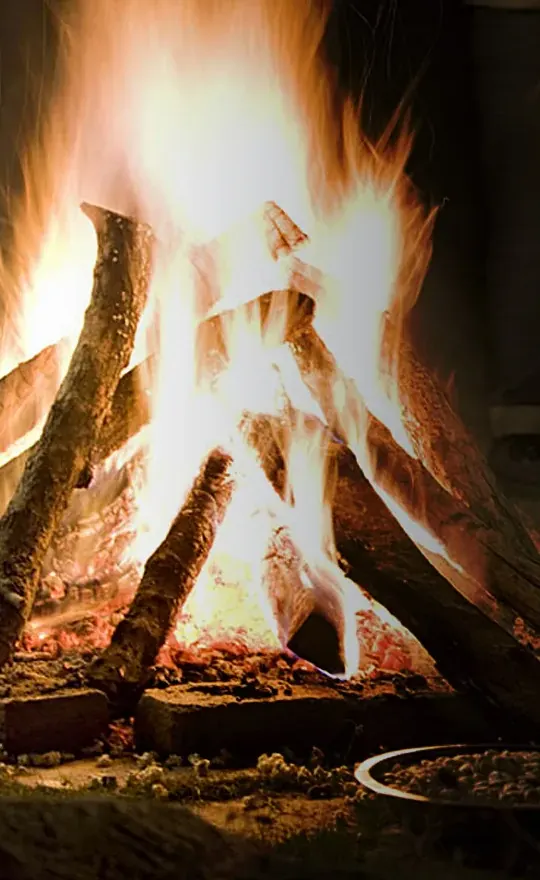
At sunset a bonfire is lit. People walk around it, some pour a little milk and water on the ground around it in thanks to the sun, and everybody throws in offerings: sesame seeds, jaggery, sugar candy and rewari. Then the fire is shared by the circle, with singing and dancing.
The offerings are part of the pleasure. You throw a handful of til, you say a wish, and you hold the warmth on your face. The smell of burning sugarcane husk and wood is the smell of Lohri.
Dulla Bhatti and the children's songs
Many Lohri songs are about Dulla Bhatti, a landlord of Akbar's time who, the story says, rescued girls from being sold into slavery and arranged their weddings. He is remembered as a kind of Robin Hood of the Punjab, and his name is sung by the rows of children who go from door to door in the days before Lohri.
The children are given sweets, peanuts, popcorn or a little money. If a group knocks at your door, even as a guest, give something and ask them to sing. The refrain they know best is the song of Dulla Bhatti.
Food of the night
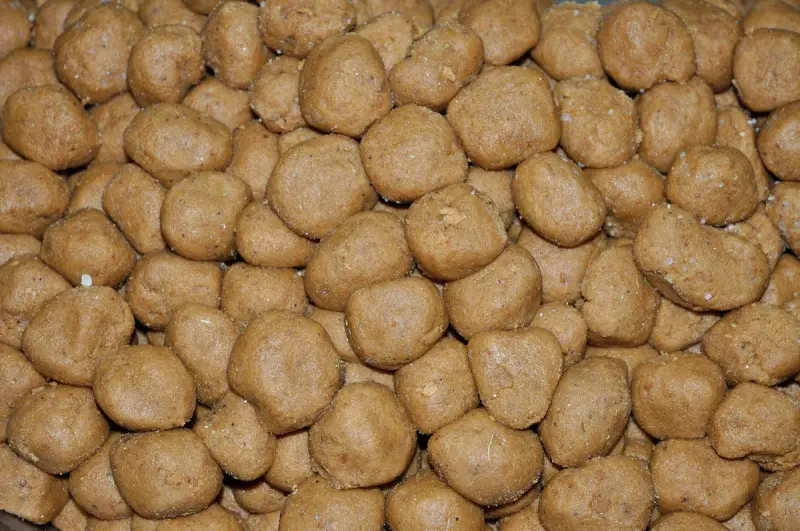
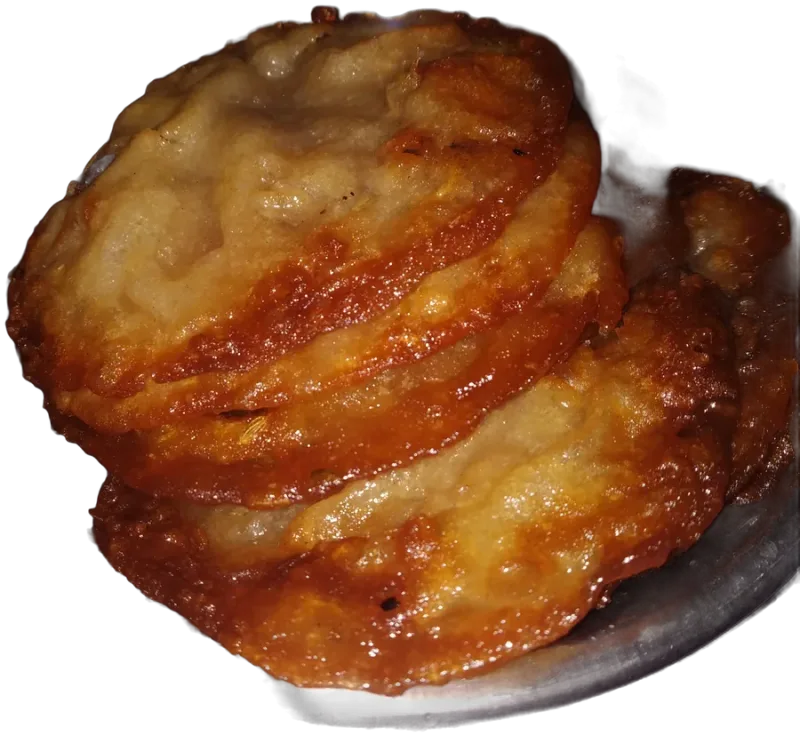
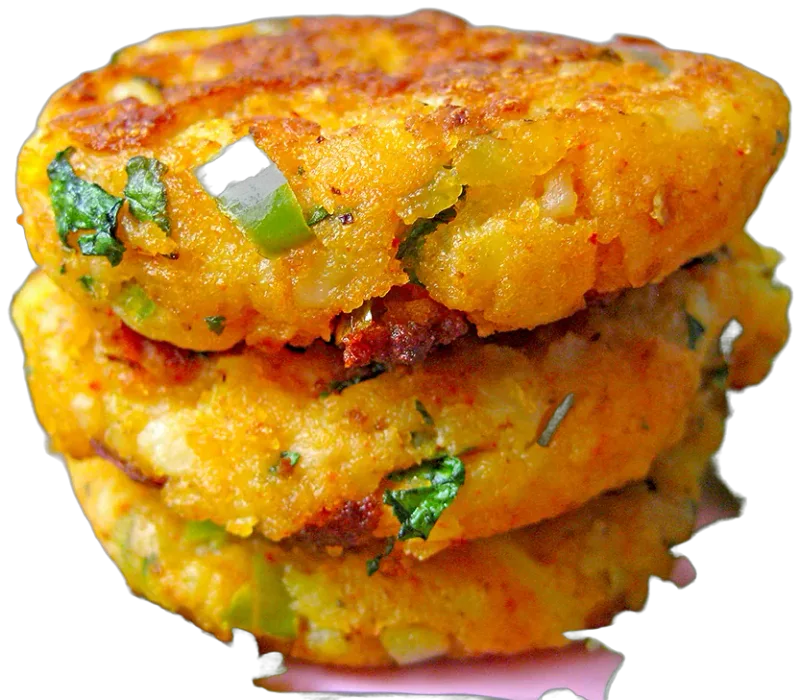
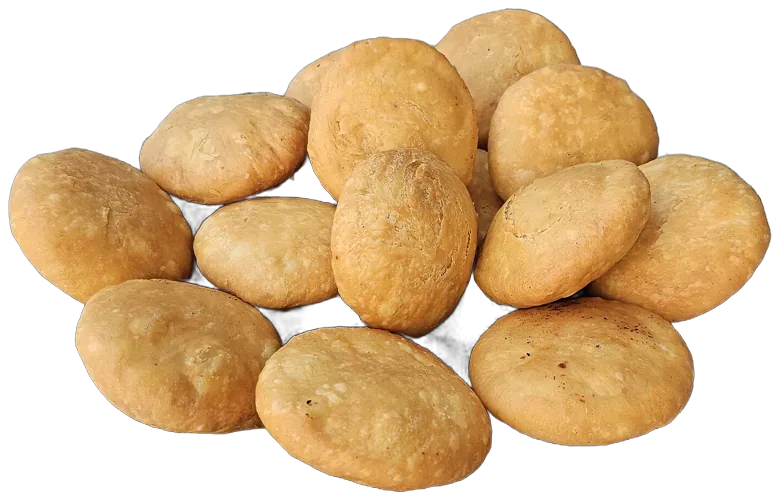
The traditional foods of Lohri are gajak, gur, peanuts, popcorn, til rice and radishes, and the supper that follows is often sarson da saag with makki di roti. The trays of peanuts, rewari and gajak that go around the fire are as important as the main meal.
If you are invited home for Lohri, accept a second helping, because the saag is the point. Wash it down with a glass of sweet lassi or hot milk. And leave room for the sweets.
Bhangra, giddha and the new baby
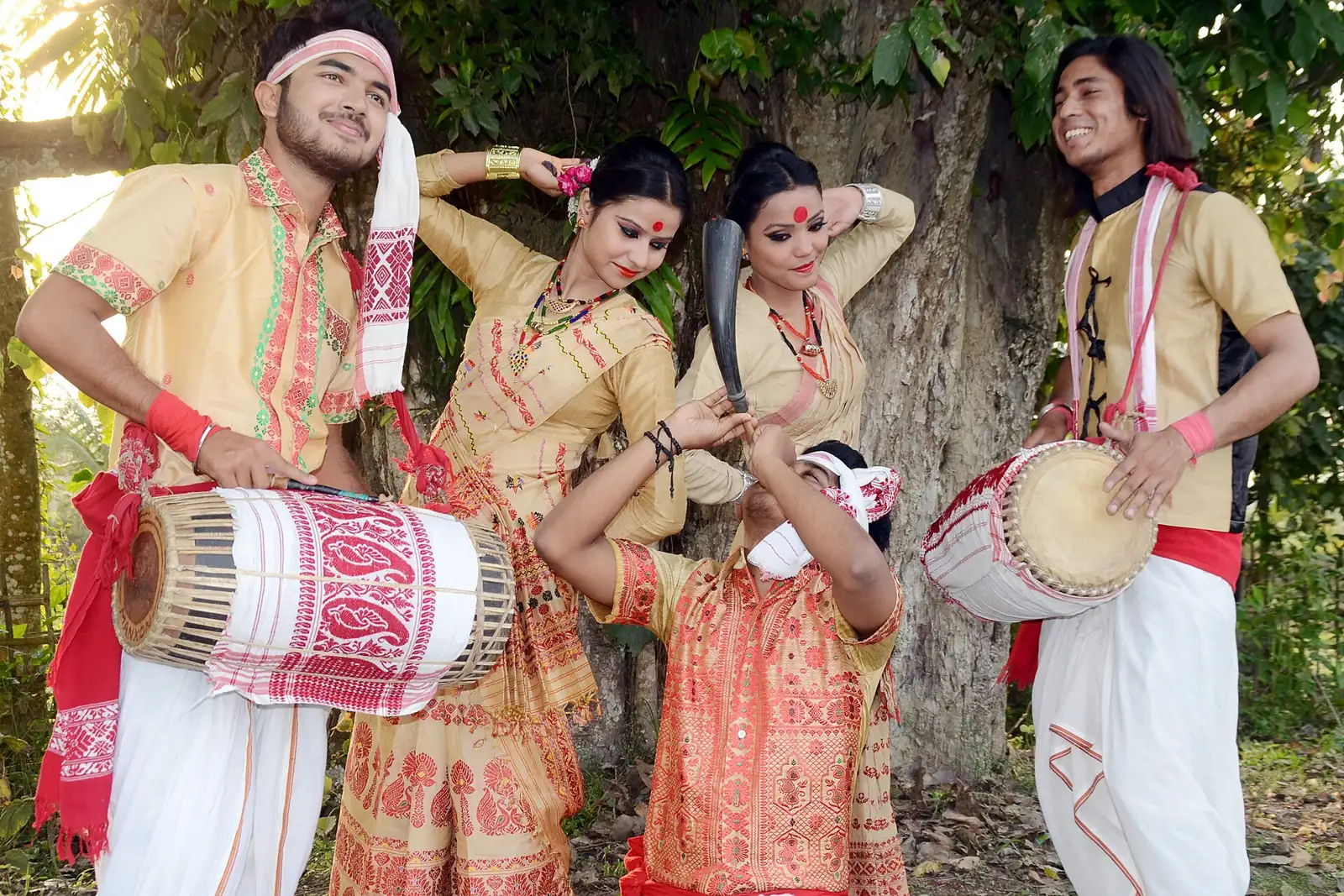
After the fire is lit, the dhol begins. Men dance bhangra and women dance giddha, in bright clothes, and a house that has had a wedding or a birth in the past year throws a larger celebration. The first Lohri of a newborn or of a newly married couple is a family event, with relatives and neighbours.
The feeling is of a street party. A visitor is more likely to be pulled into the dancing than to be allowed to stand and watch.
Where to go for Lohri
Punjab is where Lohri is at its strongest, and any town or village will have its fires. Amritsar, Ludhiana and Chandigarh are the easy places to base yourself, with good food and transport. Delhi has its own Lohri in the Punjabi neighbourhoods, and that is a gentle first taste if you cannot travel.
An invitation to a family fire is the best of all, and Punjabi hospitality is famously generous. Without one, ask your hotel about a community celebration, where they are public and a visitor is welcome.
A trip from Delhi
Punjab is a day's drive or an overnight train from Delhi, and in January the roads are foggy. Laladham can pick you up in Delhi and run the whole trip: a cab and a careful driver, a stay in Amritsar or Ludhiana, the Golden Temple in the morning, and the road back.
Say on the booking page how many days you have and who is coming, and we will send a quote.
Questions, answered
When is Lohri?
Mostly 13 January. It is the eve of Maghi, as Makar Sankranti is called in Punjab, and the date drifts slowly.
What do you throw into the Lohri fire?
Sesame, jaggery, sugar candy, rewari and popcorn, as an offering and a thanks to the sun.
Who is Dulla Bhatti?
A landlord from the time of Akbar, sung about each Lohri for protecting girls and seeing them married.
Can visitors join in?
Yes. Join the circle only when invited, and take a gift of sweets if you are at a family fire.