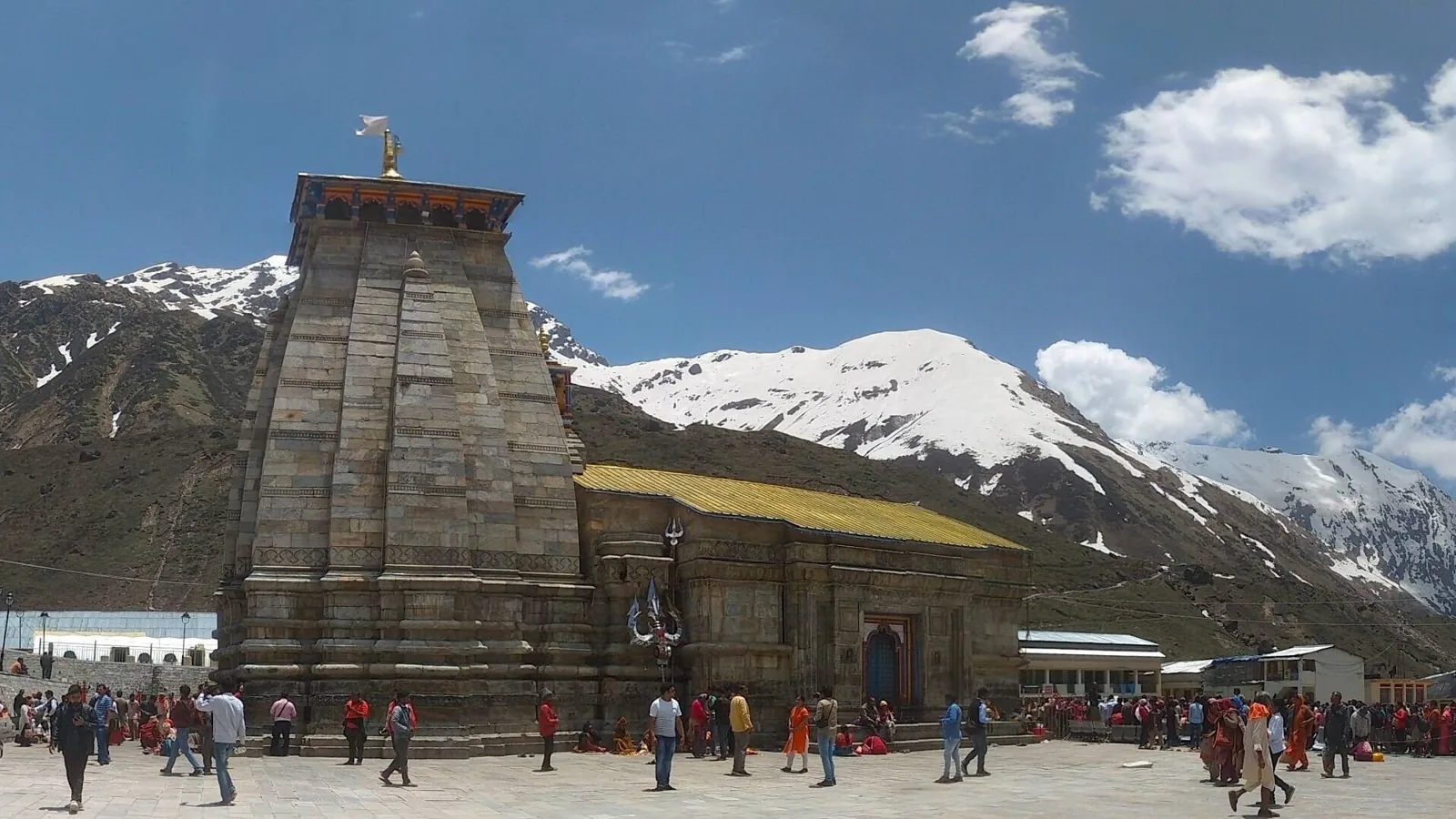
Seven days is tight for these two places, and the people who write about them are fairly candid about it. Kedarnath alone takes up three of them once you count the base-village night, the walk up and the walk down. What you get in exchange for the squeeze is the heart of the Garhwal circuit without the extra valleys, and a plan with one real rest day built in.
Kedarnath is the effort and Badrinath is the reward for it. The first means sixteen kilometres on foot from Gaurikund, and accounts of the climb run from a long working day to something close to ten hours of walking, depending on fitness, weather and whether a mule helps. The second is a town you reach by road, with a hot spring below the temple and a village beyond it that calls itself the last before the border.
This plan suits fit adults, families with teenagers, and parents who are happy to be carried part of the way. It is wrong for anyone who cannot walk an hour at a stretch without a break and has no appetite for riding a mule. In that case the helicopter option, or a different trip, deserves a serious look.
From your pickup
Same trip, four starting points. Road times are real driving times; a long drive becomes its own travel day so nobody arrives wrecked.
Day by day
Day 1 · night in Guptkashi or Sonprayag
Haridwar up the Ganga to the Mandakini side
Haridwar to the Sonprayag side via Rishikesh, a long day on the road
The day belongs to the road. You follow the Ganga to Devprayag, where two rivers join, and then the Alaknanda and Mandakini valleys carry you toward Rudraprayag and the Kedar side. Travellers who did this as a long first leg say the real hardship is not the bends but the lack of clean places to stop, so eat a proper breakfast.
Where you sleep matters for tomorrow. One family who stayed in Sonprayag found the hotels basic, full and short of power in the evenings, and wished they had slept nearer the junction instead. Another pair did it differently, spending the night in Sonprayag and registering early. Either way, the evening job is the same: pack a light daypack, leave the rest in the car, and set the alarm early.
- Rishikesh
- Devprayag
- Rudraprayag
- Guptkashi
Day 2 · night in Kedarnath
Gaurikund to Kedarnath, step by step
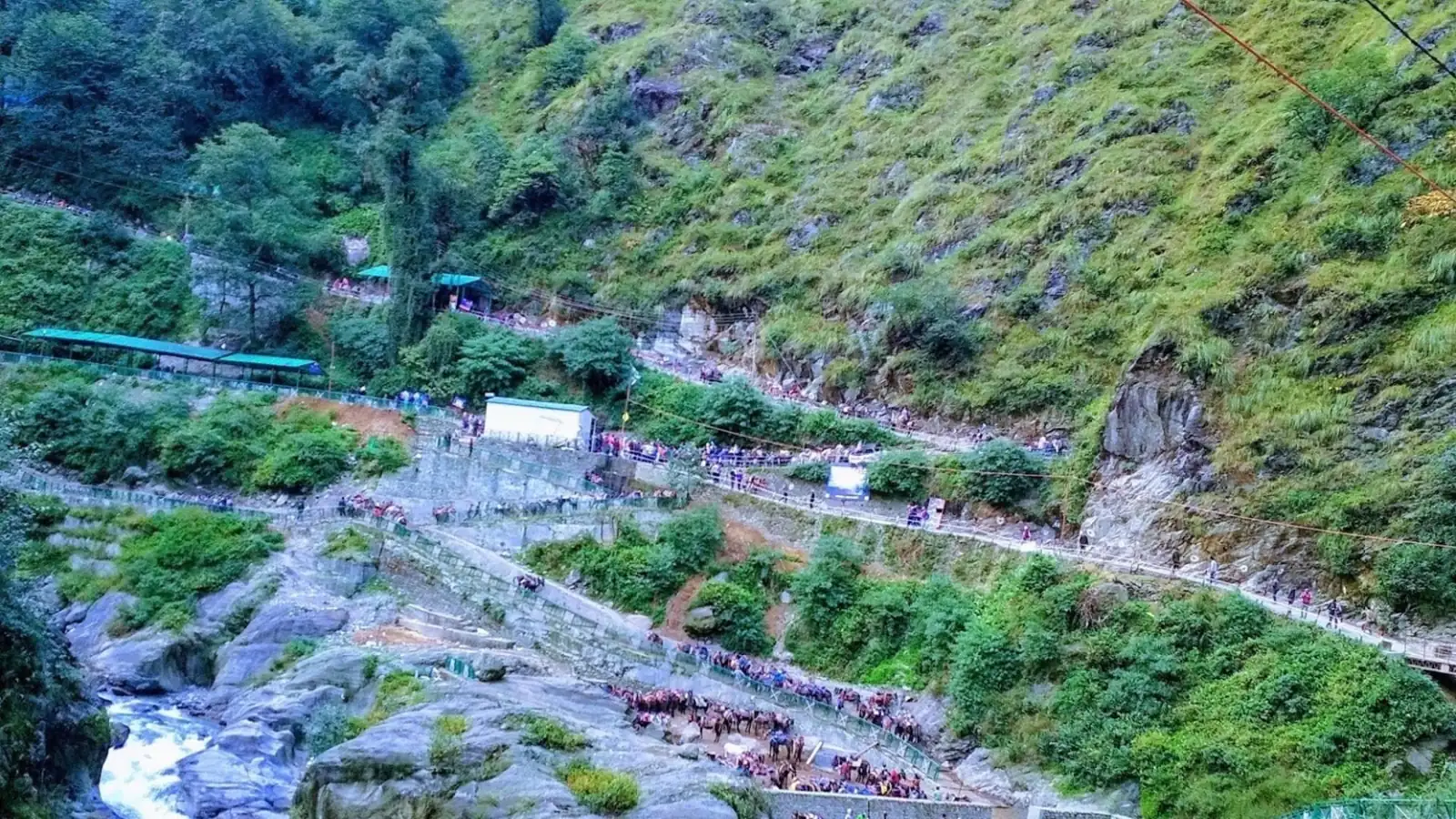
Sonprayag to Gaurikund by shared jeep, then about 16 km on foot
Sort the e-pass and the thermal check at Sonprayag counter first, then take the jeep for the last five bumpy kilometres to Gaurikund. The path is usually described in stages of three to four kilometres: Jungle Chatti, Bheembali, Lincholi, base camp, and then a last kilometre to the shrine. One couple left at eight and had lunch of alu paratha at Chhoti Lincholi around half past twelve, with snow falling at the table.
They reached the temple around four, just in time for the evening aarti, and they were over an hour behind their own plan. Another family left later, in the rain, and needed more than ten hours. Locals reportedly start around three in the morning, and people who copied them seem happier. Mules are an option, and accounts suggest leaning forward uphill and back downhill, holding the saddle firmly.
- Gaurikund
- Jungle Chatti
- Bheembali
- Chhoti Lincholi
- Kedarnath base camp
Day 3 · night in Guptkashi
The temple in the morning, then down to Guptkashi
Kedarnath to Gaurikund on foot, then by car to Guptkashi
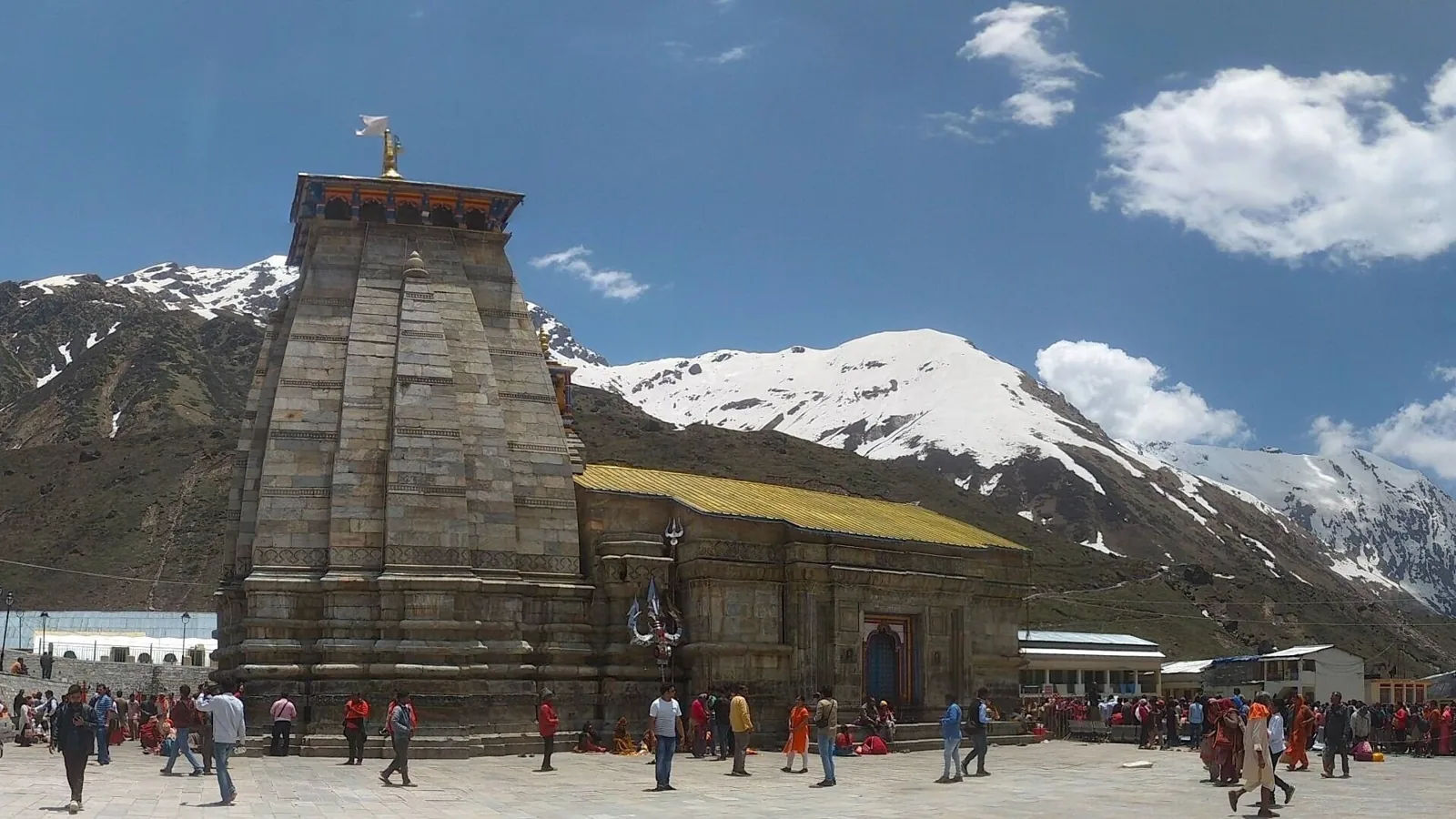
Accommodation at the top is dormitory-style in much of the village. Several writers mention buying hot water by the bucket and being given sleeping bags. Signal is patchy: one blogger reports that two operators worked and a third did not. Get the temple done early, when the queue is short, and know that phones are restricted close to the shrine.
The walk down took one pair from half past eight to two in the afternoon. That is faster than going up, and harder on the knees. One pair finished the day in Guptkashi, which is the sensible landing place, with proper food and a bed. Ice on tired legs and propped feet help, and the stay tonight can be quiet.
- Kedarnath temple
- Gaurikund
- Guptkashi
Day 4 · night in Badrinath
Chopta side road to Joshimath and Badrinath
Guptkashi to Joshimath and on to Badrinath, a full day
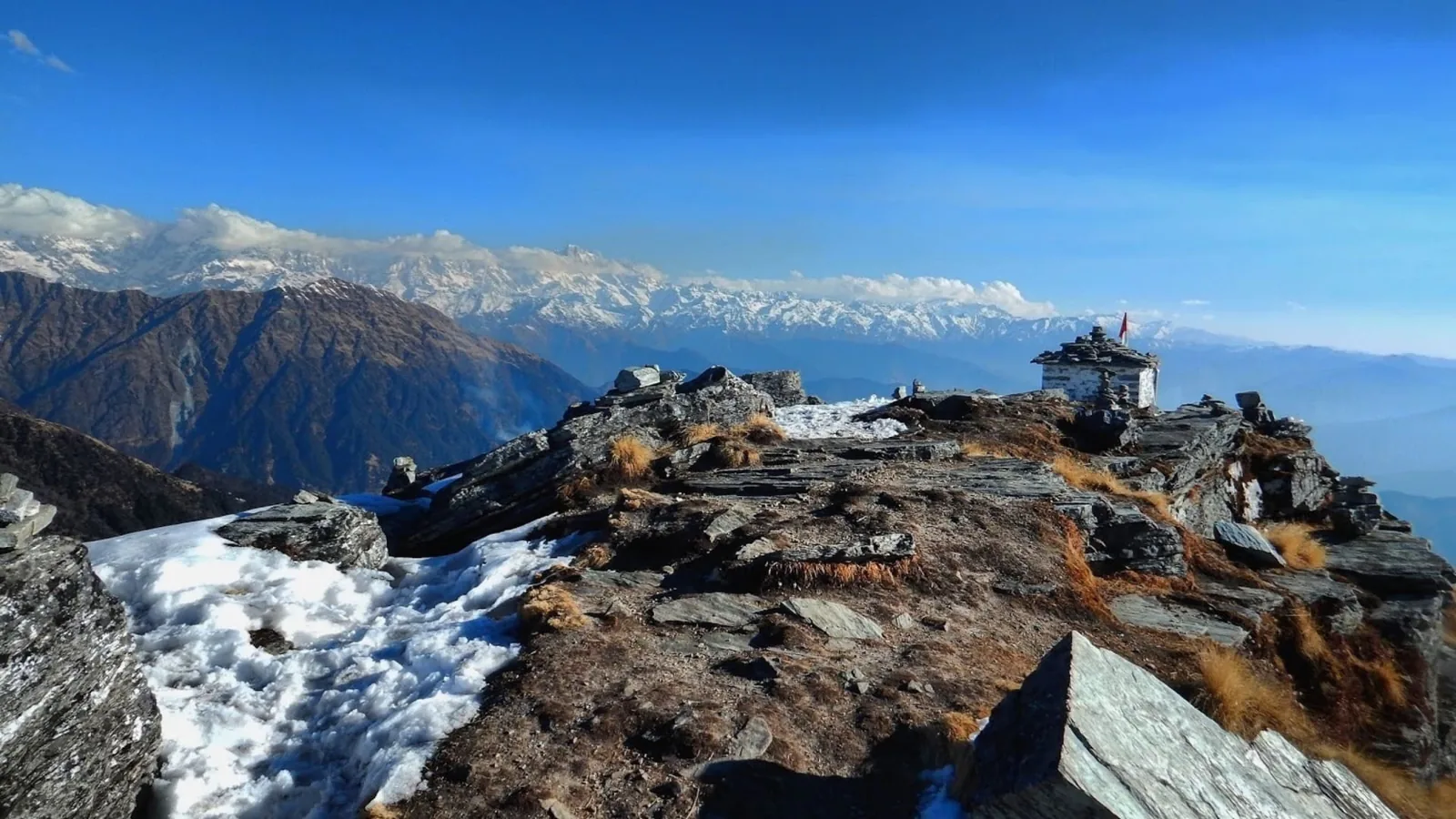
The drive crosses to the Alaknanda side through Chamoli district. One blogger who made the same crossing stopped at Chopta and Tungnath on the way, and that detour is possible only if you leave early and the weather is clear. Skip it if the morning is grey.
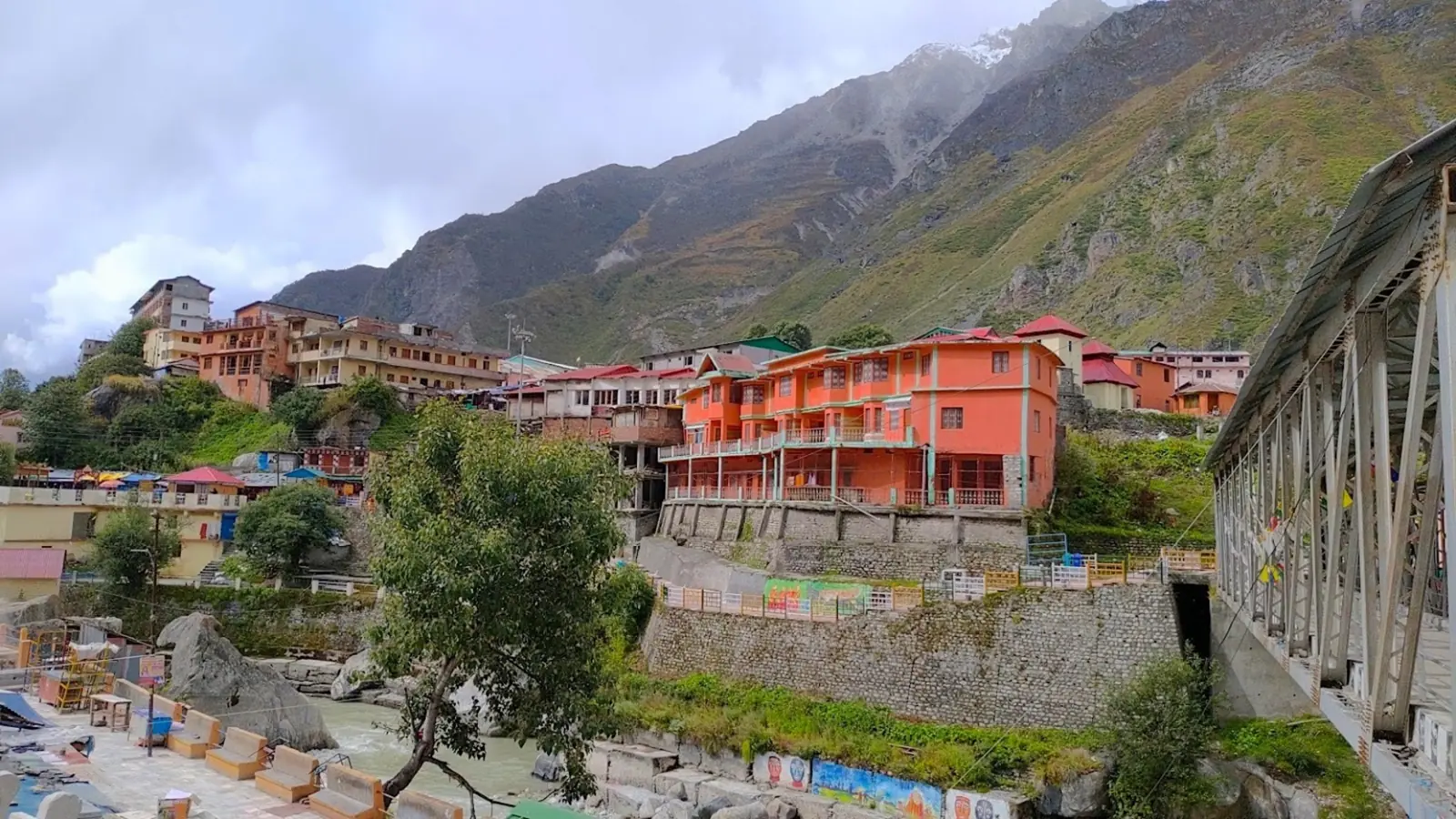
Joshimath to Badrinath is about an hour in one account, but the whole day easily runs to dusk. Arrive and eat before anything else. The temple is close by, and the cold hits faster than people expect, even in early summer. Official advisories for these shrines warn of extreme cold, low humidity, strong sun and thin air, so the usual advice about layers and sun cream applies in full.
- Chopta
- Joshimath
- Alaknanda valley
Day 5 · night in Badrinath
Tapt Kund, the temple and Mana village
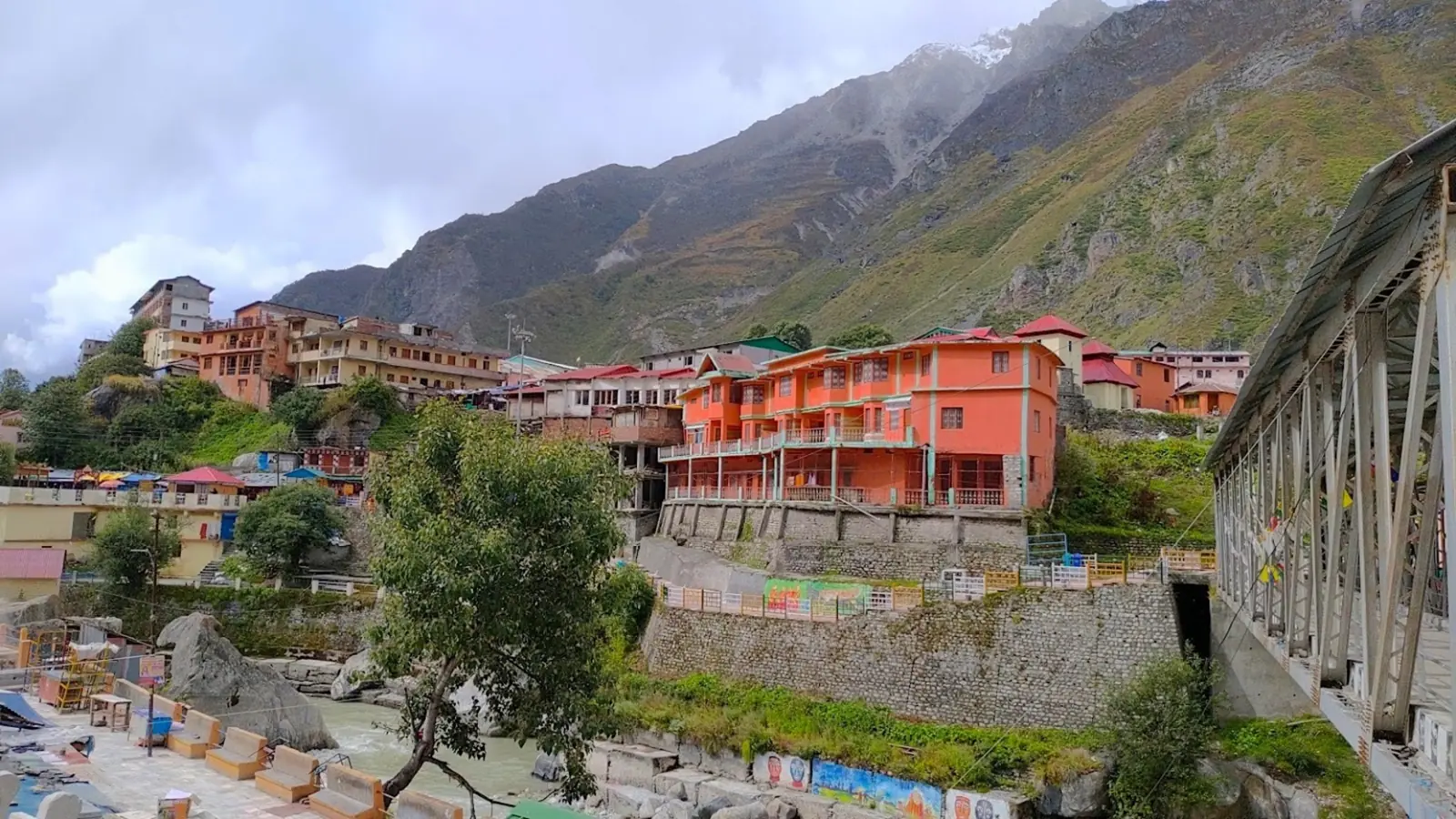
Begin at Tapt Kund, the hot spring beneath the temple, where bathers gather first. Accounts describe a striking contrast between the warm water and the cold air above it. Then join the line for darshan while the crowd is thin; a group who came after a late arrival the night before found the early hour peaceful, while others in a rainy week stood in a long unsheltered queue.
In the afternoon head to Mana, a short drive away, where a Saraswati river rock called Bheempul and two small caves are the sights. Handmade woollen gloves are sold in the lanes. One 2018 trip report says Mana has no hotels and that visitors there slept at an army guest house. The falls at Vasudhara are a longer walk beyond the village, reportedly easy and not steep, but crossing snow patches early in the season, so treat it as an option only if you have energy left.
- Tapt Kund
- Badrinath temple
- Mana
- Bheempul
- Vasudhara Falls
Day 6 · night in Devprayag or Srinagar
Downhill along the Alaknanda
Badrinath down the valley to Devprayag, a long afternoon
Most of the day is descent, and it is a lot easier on the nerves than the way up. Leave after a slow breakfast and look for a lunch stop at one of the towns on the river; the prayags, where tributaries meet the main Alaknanda, are good places to stretch.
Tonight's stay is chosen to cut tomorrow's drive. Take it easy, wash off the dust of the mountains and make sure phones are charged for the last day. If your body is stiff, a hot dinner helps more than another temple.
- Karnaprayag
- Rudraprayag
- Devprayag
Day 7 · night in Haridwar
Devprayag to Haridwar
Devprayag to Haridwar, a half day
The short run down to the plains passes Rishikesh. If time allows, a stop at a riverside cafe is a gentle way to end a trip that began in the mountains' thin air.
You reach Haridwar by early afternoon, ready for the onward car, train or airport run. Laladham can arrange the return to Delhi, Agra, Mathura or Jaipur from here.
- Rishikesh
- Haridwar
Paperwork before the road
Registration of travellers and vehicle is free and mandatory through the state portal, which produces a QR letter. The temple committee's site adds that vehicles need a Green Card and Trip Card, and that the helicopter shuttle to Kedarnath is booked only on the IRCTC helicopter portal. Do all three before leaving home rather than from a roadside counter with one bar of signal.
Pace, mules and honest limits
Of the accounts we read, the most common regret is going up too fast or too late. One writer had not walked in over a year and admitted wishing for a mule several times. Another family started well after local walkers and arrived exhausted, with slush and a queue for tented beds waiting.
If you use a mule, agree the arrangement in daylight and avoid riding after dark. A group who rode in the evening suffered a bad fall, so aim to be off the animals by late afternoon.
What the weather does
Gates typically open from late April or May and shut around Bhai Dooj; in 2024 Kedarnath closed on 3 November, Badrinath on 17 November. Rain can arrive suddenly, snow reached the trail even in late autumn one year, and plastic raincoats saved more than one group.
Pack a warm layer, gloves, a cap, a rain jacket and shoes with grip. A small torch and some dry snacks complete the bag. Skip heavy foods on the trail.
What the price covers
- One car and driver from your pickup to the final drop
- 8 nights in hand-picked stays
- Breakfast and dinner every day
- Local guide at the main sights
- Tolls, parking and fuel
- Lunches
- Monument tickets, permits and activity fees
- Personal shopping
Questions people ask
Is seven days enough for Kedarnath and Badrinath?
Just. It leaves one buffer day after the climb and none beyond that, so a blocked road eats directly into the end of the trip. If you want slack, take the longer loop that adds Gangotri and Yamunotri.
How hard is the walk from Gaurikund?
It is about sixteen kilometres, split into short legs, and the trail has medical posts and tea stops. Reports range from around eight hours to over ten. Training for a few weeks beforehand matters more than anything else you pack.
Can we skip the walk with a helicopter?
Helicopters fly a shuttle to Kedarnath from the lower villages, but tickets are sold only through IRCTC, and weather can ground them. Book first, then plan the rest around the slot.
Do phones work at Kedarnath and Badrinath?
Patchy. One writer reported that two networks worked at Kedarnath and one did not. Download maps, keep numbers on paper and do not count on payment apps.
Is the Badrinath side easier for older parents?
Yes. You drive almost up to the temple, and the walk is short. The long road days are the hard part, so break them with a night in a comfortable town.
Can the trip start from Jaipur, Agra, Mathura or the Delhi airport?
Yes. The longer drive up to Haridwar becomes a separate travel day ahead of day one, and the same car stays with you throughout.
- Opening and closing dates of the temples, fixed by the committee each season
- Helicopter ticket windows and schedules on the IRCTC portal
- Daily registration limits and darshan slots
- Whether private vehicles may go beyond Sonprayag that season
 11 days
 4 days
 5 days