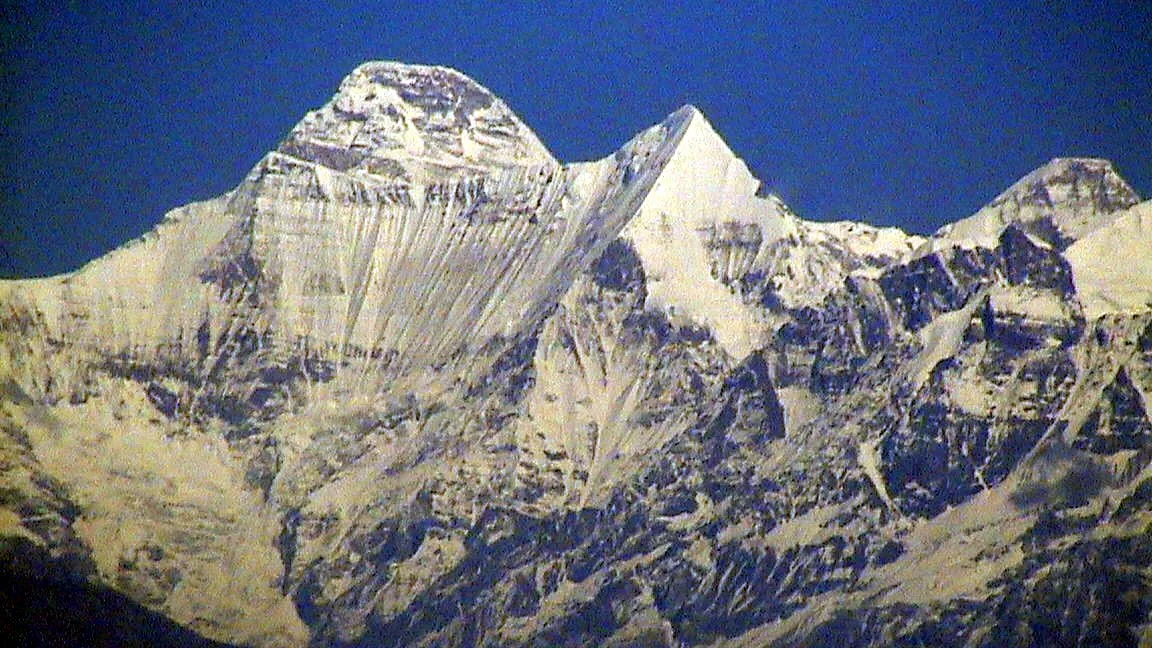
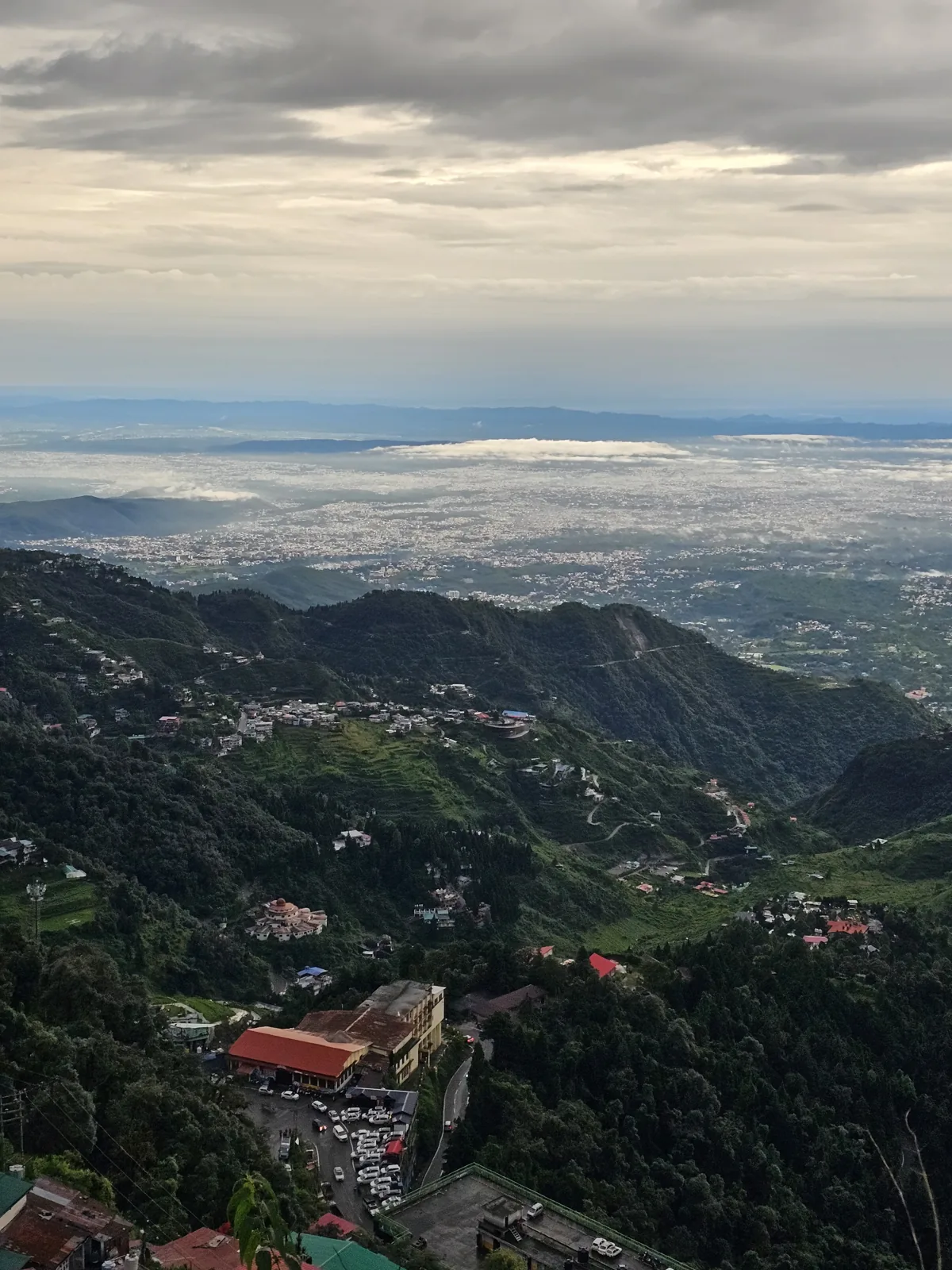
Kausani is not a place with many things to do, and nearly every person who writes about it says that is the point. The town is one street along a ridge at about 1,890 metres, and the entire show is to the north: Trishul, Nanda Devi and, on a clear morning, Panchachuli standing in a row. One family who arrived in the afternoon said their room view of the range under a deep blue sky left everyone on the balcony silent for a while. A solo bike traveller in December liked the late sun on the snow even before he reached town.
So this plan is deliberately slow. Two of the four days are tied to the early hour when the peaks are clear, and the other two give you the valley below: the old Katyuri temples at Baijnath, the town of Bageshwar where two rivers meet, and short walks in the pine forest. Travellers who tried to squeeze Munsiyari or Chaukori in as well mostly describe a driving trip instead of a rest, so we leave those out.
It suits couples, parents who want cool air and a view rather than a trek, and anyone who needs a few days of quiet. It is a poor choice in the middle of the monsoon, when the peaks stay hidden for days and landslides close stretches of road.
From your pickup
Same trip, four starting points. Road times are real driving times; a long drive becomes its own travel day so nobody arrives wrecked.
Day by day
Day 1 · night in Kausani
Arrive on the ridge and meet the range
Most people reach Kausani in the afternoon after a long drive up through Almora, and the first sight of the town is usually a single road with hotels strung along it. Check in, then leave the unpacking for later and go straight to a window or terrace that faces north. Guides advise asking which way a room faces before anything else, because a room on the wrong side of the building gives up the one thing you came for.
Late afternoon is for the Anasakti Ashram, where Gandhi stayed in 1929. It is now a study centre with a prayer room, a small museum on his life and a library, and a terrace that looks over the same range. One traveller describes the museum as a small room on Gandhi's life, and a local guide says entry is free with donations welcome. The ashram is a short walk from most stays.
Then watch the sunset. Writers describe the last light turning Trishul orange and then a cold pink, and one father noted that the same peak catches both sunset and sunrise. Dinner is simple, homecooked food at the stay, and it is wise to eat early and sleep early.
- Kausani ridge
- Anasakti Ashram
- Trishul viewpoint
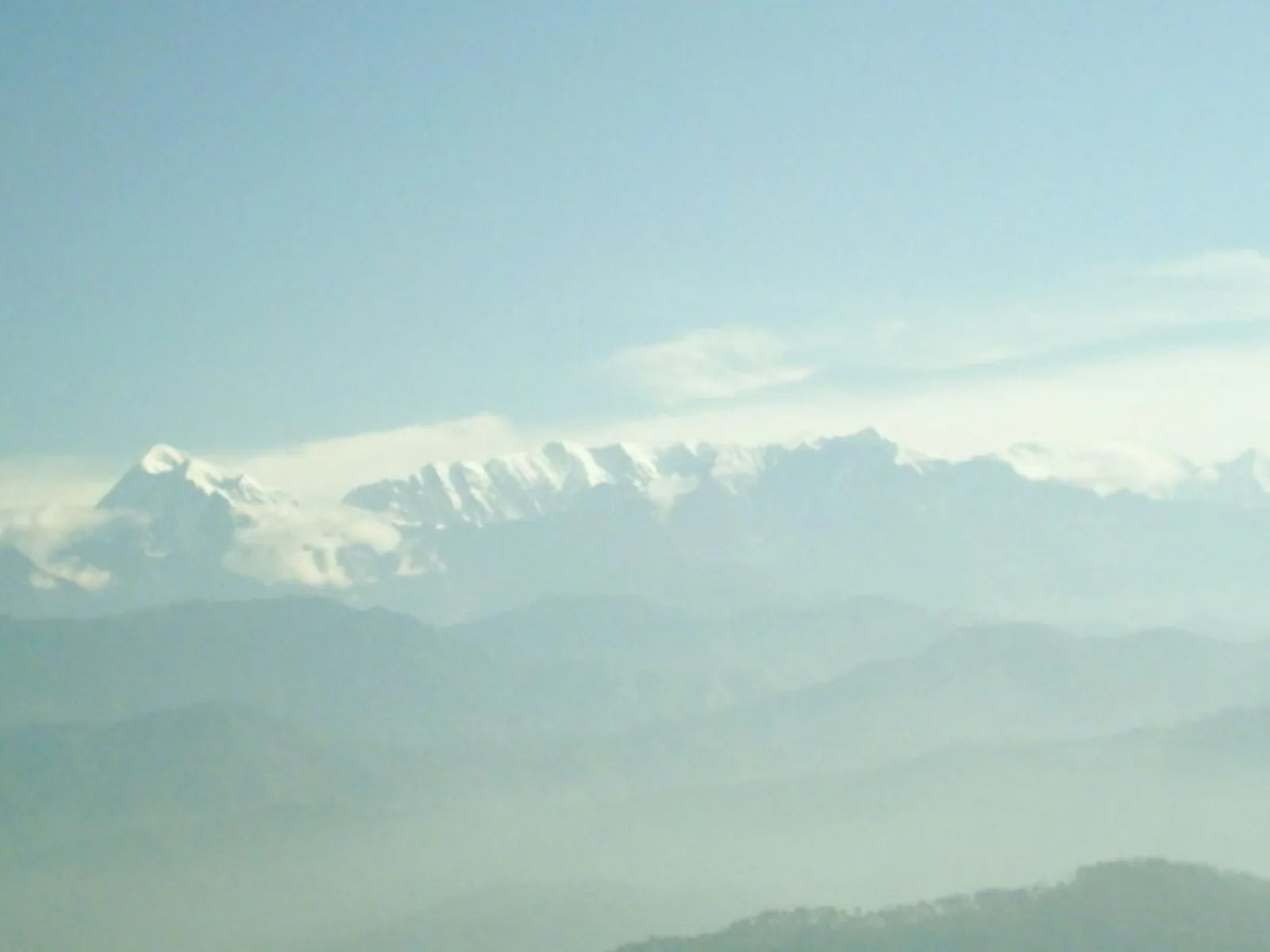
The range from the ridge Day 2 · night in Kausani
Dawn on the snow, then tea and a pine forest
Set the alarm for about five. Sunrise in the summer months falls around six, and one guide says the best colour on the snow comes roughly twenty minutes before the official time. A man who braved a December dawn at nearby Chaukori reported waiting more than an hour in biting wind for a show that lasted about fifteen minutes. At Kausani, the same writer woke the next morning, photographed the Trishul sunrise from near his room and said he hardly felt the cold. That gap is the argument for sleeping where the view is.
After breakfast, visit the Kausani tea estate, around five kilometres from town. It covers about two hundred hectares, and you can buy loose tea at its outlets and watch for birds in the orchard edges. Fee reports conflict between sources, so ask locally. The Sumitranandan Pant museum is a thirty to forty five minute stop.
Give the afternoon to doing very little. Walk the pine slope below the market, sit with a cup of local tea, and look at the range as the haze builds. The Pinnath trek, about five kilometres one way and two to three hours, is kept for day four.
- Sunrise on the ridge
- Kausani tea estate
- Sumitranandan Pant museum
Day 3 · night in Kausani
Baijnath and Bageshwar by river
Kausani to Baijnath about 19 km, then on to Bageshwar, roughly 40 km from Kausani
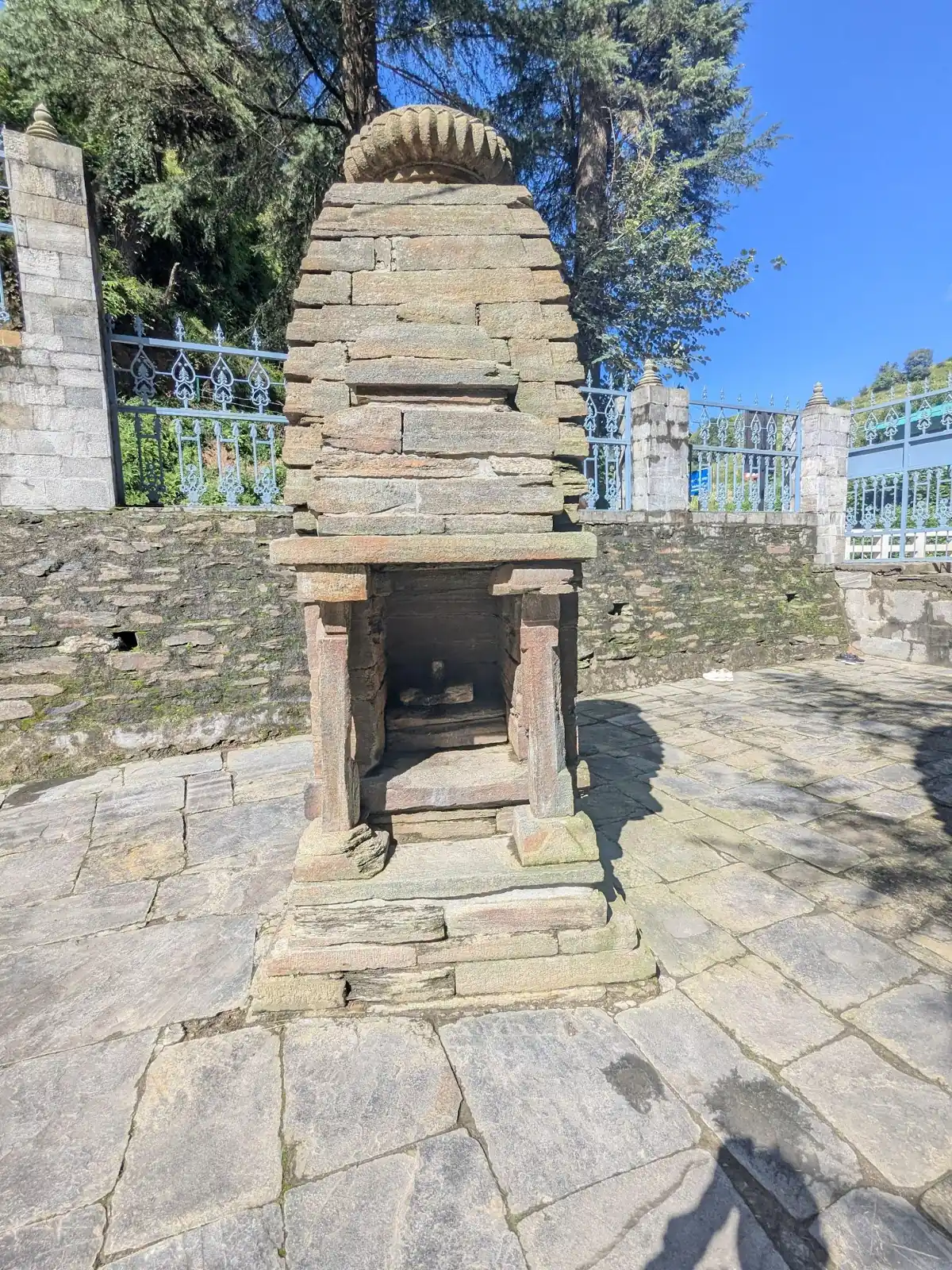
Leave after breakfast and head down to Baijnath. The group dates from the ninth to twelfth century and is credited to the Katyuri rulers. The main Shiva shrine stands among seventeen smaller ones, and the official page points out a grey schist Parvati whose crown carries twenty six tiny figures and a life size Kal Bhairava outside the sanctum. One family with a small son spent about an hour here, and the child fed the fish in the pond beside it. Plan for that kind of pace. Photography inside the main temple is not allowed, and a cyclist warned of bold temple monkeys, so keep food out of sight.
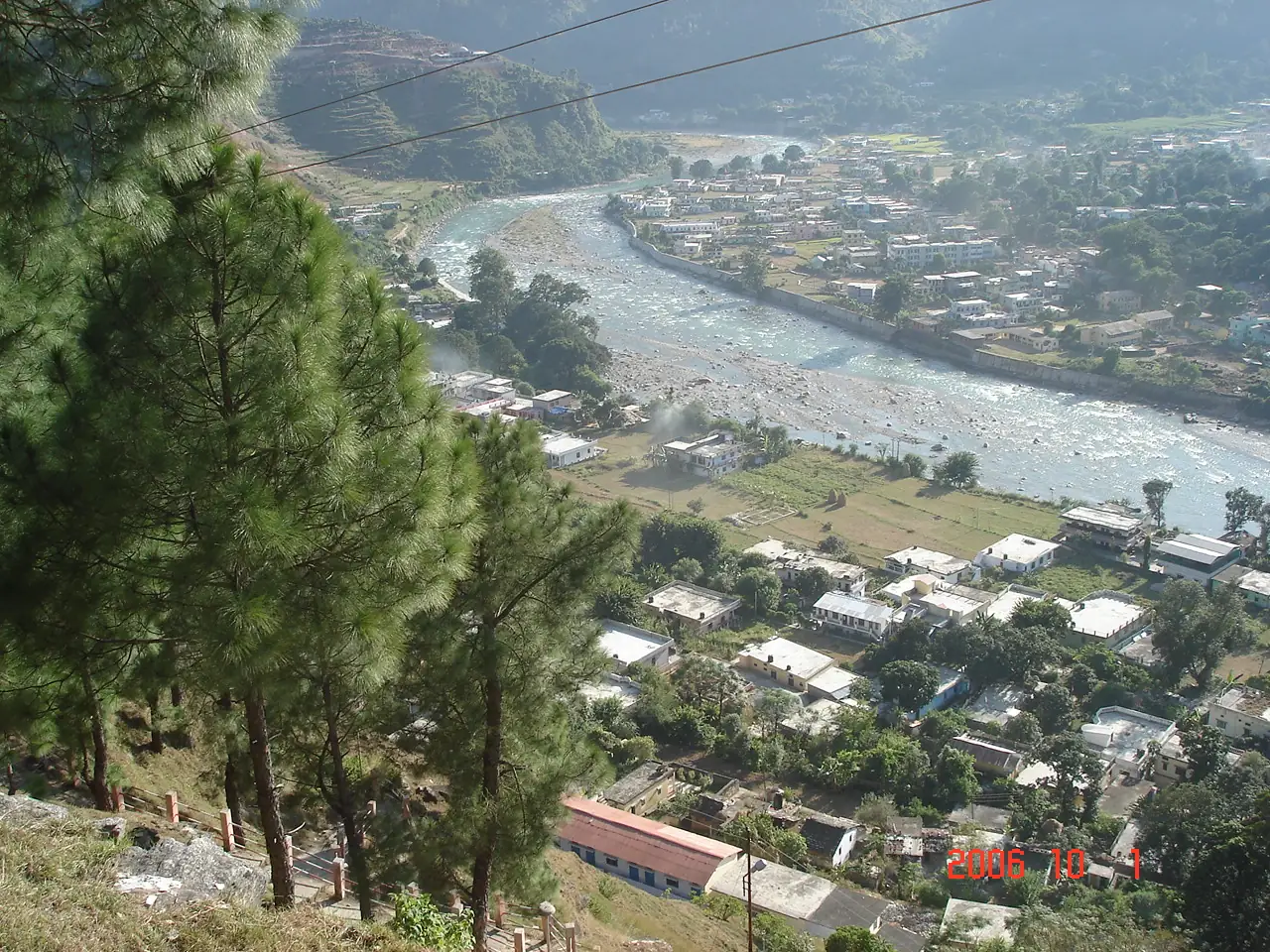
Bageshwar is the bigger town on the way, where the Gomati and the Sarayu meet. The Bagnath temple stands at the junction and its origins are put at the seventh century, with the present form shaped in 1450 under Laxmi Chand. Legend says Shiva appeared here as a tiger to meet the sage Markandeya, which gives the temple its nickname. The temple is open at all hours, but Shivratri and the Makar Sankranti fair in January bring crowds that could overwhelm a quiet visit, so check the date before you set this day.
If the temple crowd feels like too much, do what one family did and stop at a roadside stall by the river for tea and buns. They said the riverbank was a little tricky to reach but their son loved throwing stones into the water. Return up the hill in the late afternoon. The road has plenty of short bends, so anyone prone to motion sickness should take something beforehand.
- Baijnath temples
- Baijnath pond
- Bagnath temple Bageshwar
- Gomati and Sarayu confluence
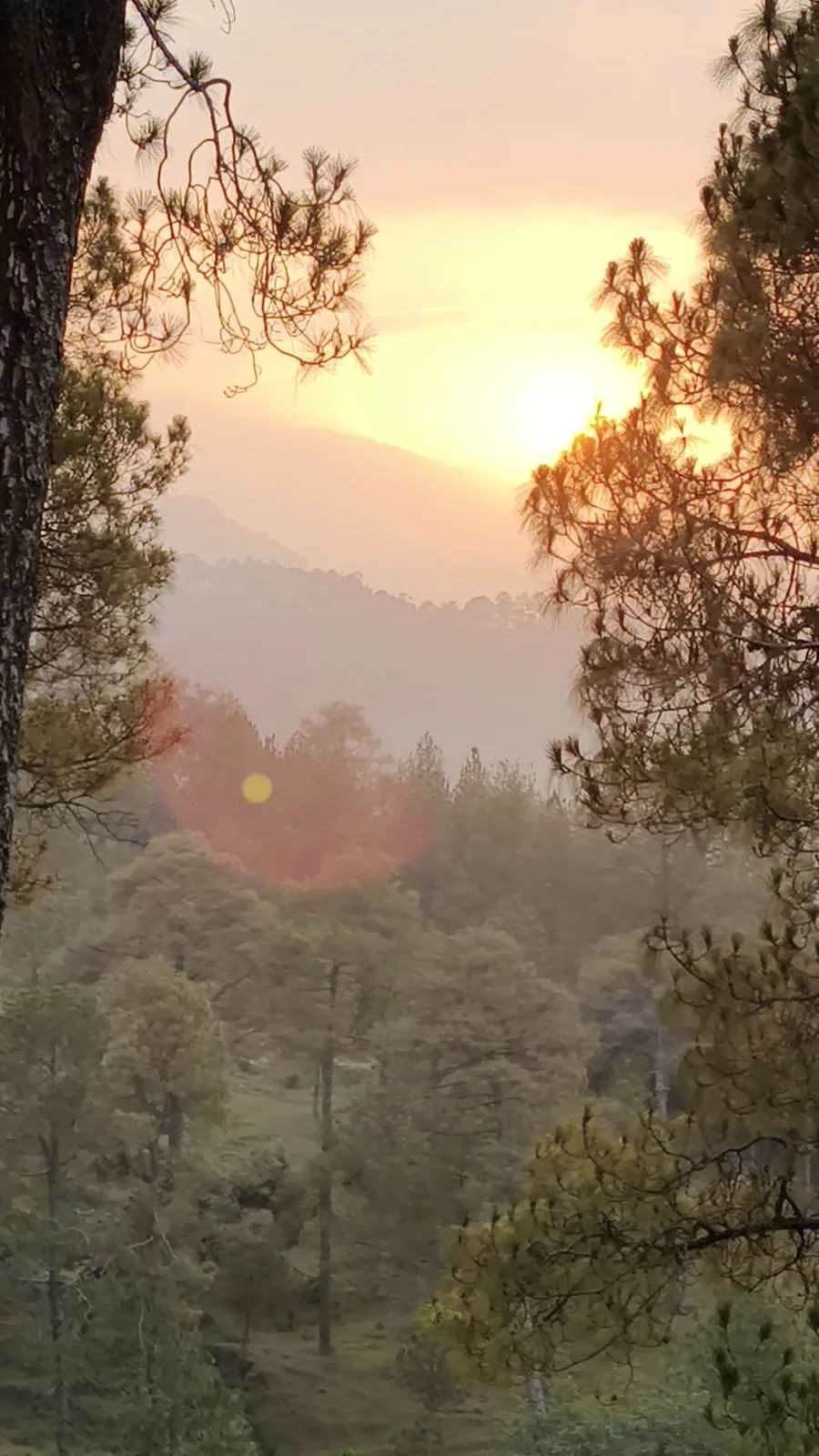
Late light through the pines Day 4 · night in Kausani
A last sunrise and the Pinnath walk
Take the sunrise again, now that you know where to stand. One writer waited about half an hour on a foggy morning for a clear view, so a second try is a sensible hedge. Then walk the Pinnath trail through forest to the village of the same name. It is roughly five kilometres each way and takes a good half day, so start after a warm breakfast with water. The car can meet you at the far end if you prefer not to walk back.
If you have more appetite for waterfalls, Rudradhari Falls lies about twelve kilometres from town by road, followed by a short trek of about a kilometre and a half to two kilometres, around forty five minutes each way. A Shiva cave temple stands on the banks of the Kosi near there. Choose one of the two; both on the same morning leaves no time for the view, which is why you are here.
Come back for a late lunch, pick up Kausani tea and the jams and pickles sold at roadside stalls and begin the long drive back toward your pickup city. One traveller who drove back to Delhi called it about four hundred and thirty kilometres, left early and skipped every stop. Our model keeps the drive as a separate travel day so you do not have to.
- Pinnath trail
- Rudradhari Falls
- Kausani market
Seeing the peaks, and what to do when you don't
Clear weather is the whole product here. From October to February the range stands out sharply. From spring into early summer it is milder, with clear mornings and hazier afternoons. In the monsoon the cloud often hides everything and landslides are common, so a guide advises against a first visit then. Even in the cold months, a Ghumakkar writer reports days of fog.
Cloud is not a failure. A traveller at Munsiyari had a cloudy evening and rain overnight and woke at five to a clear sky, and his advice was not to give up after a grey evening. Check the window again before dawn rather than deciding the night before.
Cold, roads and the practical things
Winter nights drop to between zero and four degrees at the ridge, and snow in town is unpredictable. A family who came in late December found the nights very cold and the mornings colder still. Pack real woollens. Ask about road closures if there has been snow, because snowfall can shut roads beyond Bageshwar.
Fuel is not reliably available on the ridge, so fill up in Almora or Bageshwar. Carry cash, since cash machines can run dry in peak weeks. Mobile coverage works in town, though data is slow. Winter brings clear skies but short days, so plan outdoor walks for the late morning.
For older parents and young children
Kausani is among the easier hill stays because the main attractions are views and short walks. The ashram, the sunset spot and the tea estate need almost no climbing. Skip the Pinnath trail and Rudradhari for grandparents and let them keep the terrace. For children, expect the winding road from Almora to be the hard part, not the destination.
What the price covers
- One car and driver from your pickup to the final drop
- 5 nights in hand-picked stays
- Breakfast and dinner every day
- Local guide at the main sights
- Tolls, parking and fuel
- Lunches
- Monument tickets, permits and activity fees
- Personal shopping
Questions people ask
How many days do you need in Kausani?
Two or three nights is the common advice from people who have been. The town itself is small, and the extra days go to Baijnath and Bageshwar and to a second sunrise, which most people say beats the first.
What is the best month to see Trishul and Nanda Devi?
October to February gives the clearest views, with cold nights. Spring and early summer are pleasant, with mostly clear mornings. July to September is monsoon, when peaks are often hidden.
Is Bageshwar worth the drive from Kausani?
It is about forty kilometres each way, with Baijnath roughly halfway there. People who do it enjoy the river junction and the old temple, and it makes a full day. Avoid the Shivratri and January fair days unless crowds are what you want.
Does the trip need any permits?
One online guide says no permits are needed for Kausani itself. Confirm anything for treks beyond town with the forest or district office, and see the notes below on what to check locally.
Can we start this from Jaipur, Agra or Delhi?
Yes, any of those four. Your driver from Laladham waits at the arrival point you pick, whether that is the Delhi airport, a hotel in Agra or Mathura, or Jaipur, and stays with you until you are dropped back. Writers put the road from Delhi at about four hundred kilometres, so we count the journey up the hill as a day of its own.
Will the road make children sick?
It can. One family's son was sick twice on the bends near Almora, and the father guessed the many short curves were to blame. Light meals, a front seat and short stops help.
- Kausani Tea Estate entry fee and visiting hours: sources conflict.
- Anasakti Ashram, Pant museum and Baijnath temple timings (the official Baijnath page says 6 AM to 9 PM).
- Whether the Pinnath and Rudradhari trails are open and in good shape, especially after rain or snow.
- Dates of Shivratri and the Makar Sankranti fair at Bageshwar, which fill the town.
- Winter road conditions and fuel availability on the ridge.
 11 days
 4 days
 5 days