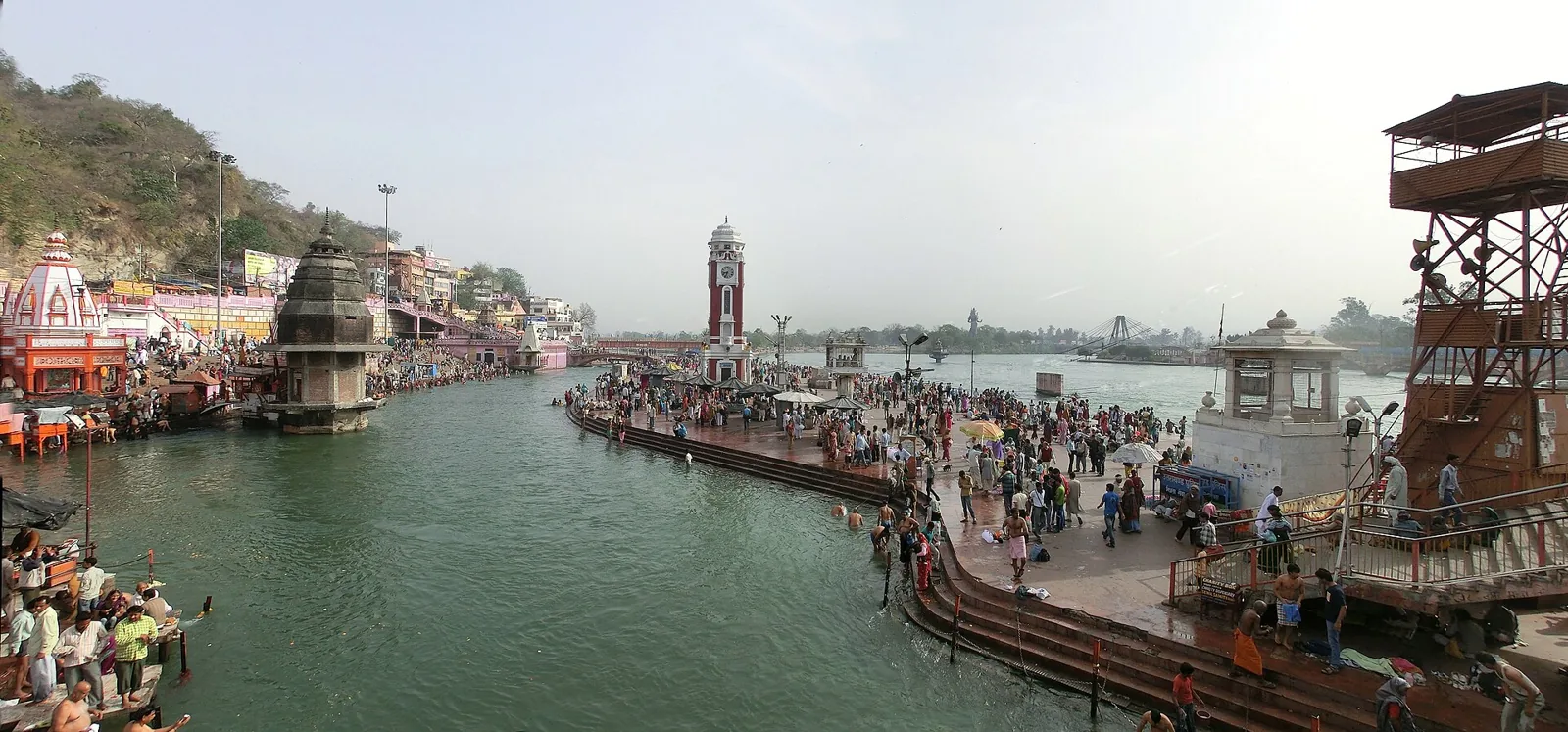
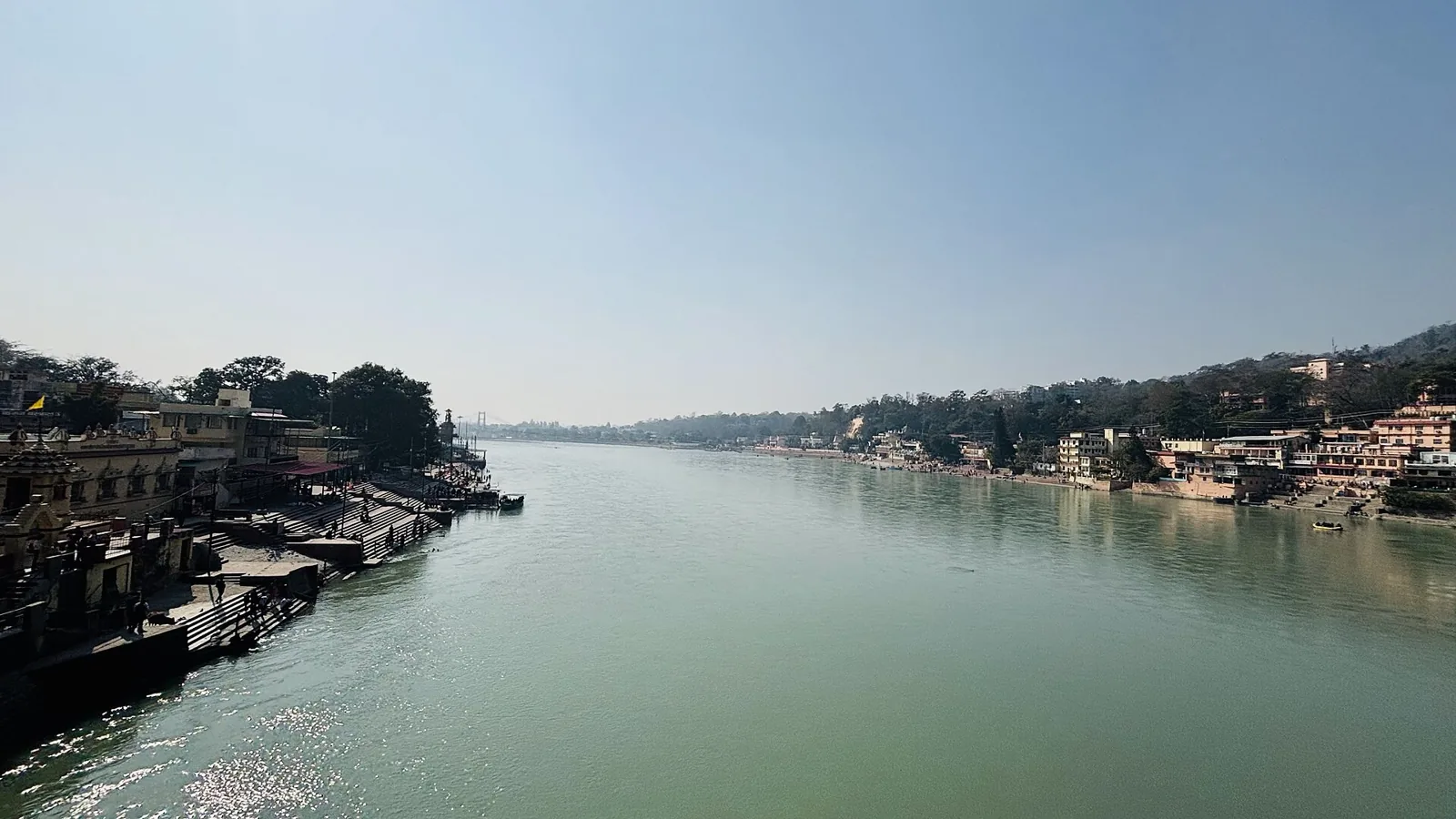
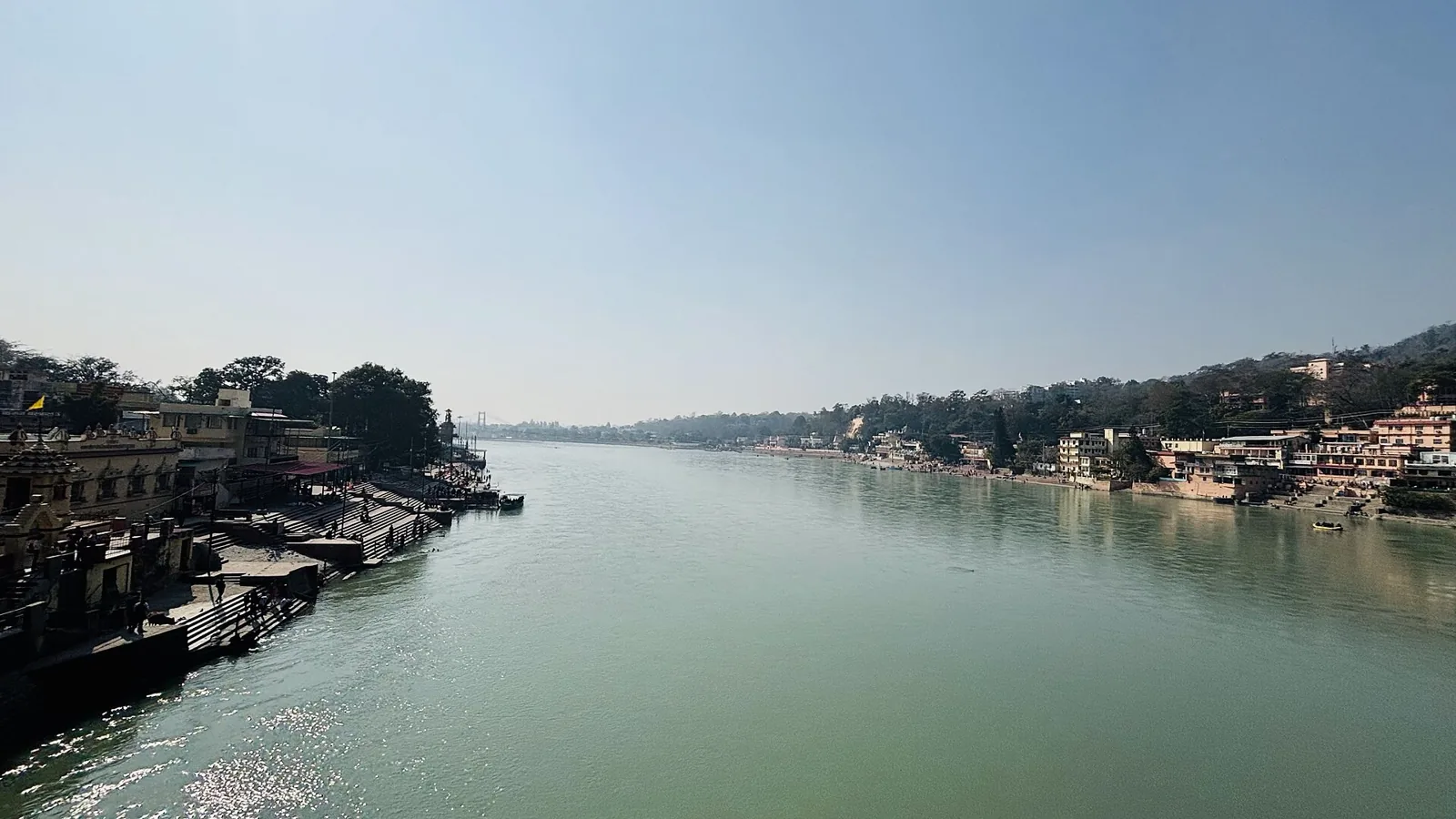
Haridwar and Rishikesh sit less than an hour apart and feel like different countries. Haridwar is a river town built around a crowd: bells, steps, shops selling brass pots, a nightly ceremony with thousands of people packed along the bank. Rishikesh is where the same river runs green and clear between forested hills, and the soundtrack changes to temple bells mixed with cafe music and the shouts of rafting guides.
Most trip reports that cover both agree on the order: Haridwar first for the big, loud devotional spectacle, then Rishikesh to unwind. This plan follows that order and stays put in each town for two nights, so no morning starts with a suitcase. The first half is about hill temples, the Har Ki Pauri aarti and eating well in the bazaar. The second half is about walking the bridges, a short forest trail to the abandoned Beatles Ashram, and, if you want it, a morning on the water in a raft.
It suits families, couples and parents who like variety but do not want a hard itinerary. Nothing here needs fitness beyond walking steps, and the one adventure activity is entirely optional. Your driver and car stay with you throughout, so the hill roads between the towns and the narrow lanes near the bridges are not your problem.
From your pickup
Same trip, four starting points. Road times are real driving times; a long drive becomes its own travel day so nobody arrives wrecked.
Day by day
Day 1 · night in Haridwar
Haridwar: the ropeway hill and the big aarti
Start with Mansa Devi, one of the three Siddhpeeth shrines on the hills around the town, as listed by the tourism board. A ropeway runs up so you can skip the steep climb, and the view over the Ganga and the town spread along its bank is the reason to go. The morning is the sensible time: the stone gets hot, the queue is shorter and you will have energy for the evening.
Spend the afternoon wandering the lanes behind the ghats. Trip reports keep coming back to the old sweet and puri shops in these lanes: puri sabji in the morning, gajar halwa in winter, and a plain vegetarian thali when you want something heavier. Ask your guide which ones are busy with local families that day. Rest at the hotel until about three.
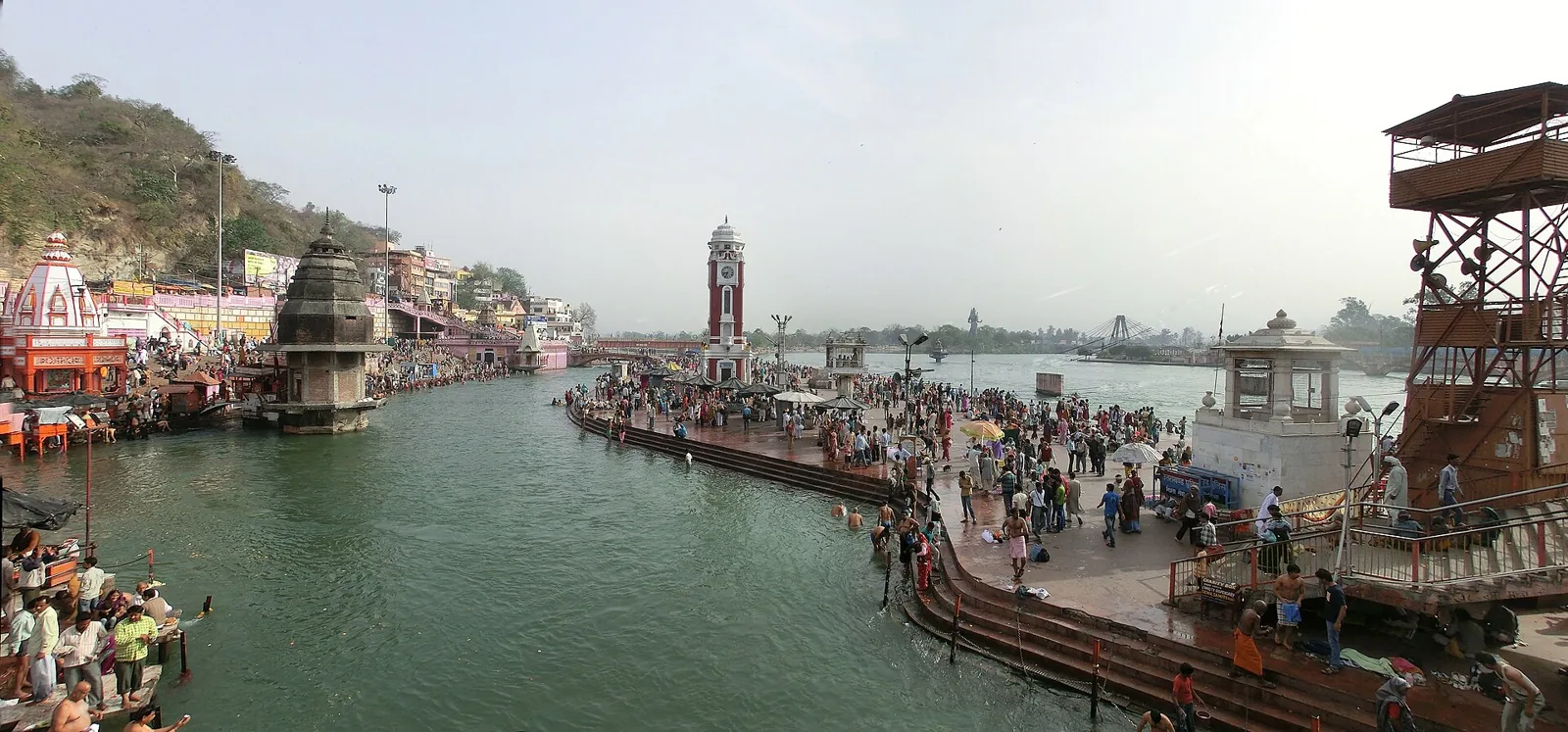
Then comes Har Ki Pauri. Everyone who writes about the aarti agrees on one thing: go early. One 2019 account describes arriving two hours before the main ceremony and sitting by the Clock Tower, where vendors sold water, snacks and sitting mats; the small rituals began around six and the main aarti at about a quarter past seven. A volunteer collecting donations walks through during the gap. The ceremony itself opens with a conch and the chant of Har Har Gange, with huge flaming lamps passed in rows, and that same writer found the open-air scale more overwhelming than he had expected. He also said the banks were cleaner than he had feared. The bridge approach is full of hawkers, so let your driver drop you as close as the police allow, and agree on the pickup point first.
- Mansa Devi
- Haridwar old bazaar
- Har Ki Pauri
- Ganga aarti
Day 2 · night in Rishikesh
Chandi Devi, a quieter ghat, then up to Rishikesh
Haridwar to Rishikesh, about 25 km, 45 minutes to an hour
The second Siddhpeeth is Chandi Devi, on Neel Parvat across the river. It also has a ropeway, and one trip report estimates four to five hours for the visit once you add queues, so plan for a morning. Go early to beat both the heat and the groups that arrive from Delhi on weekends.
Before leaving Haridwar, walk the ghats once more in daylight when the crowd is thin. Subhash Ghat, listed as one of the four main ghats, is a short distance upstream from the main steps and is calmer. Buy flower offerings in leaf cups only from the stalls closest to the steps, and ignore anyone insisting on a fixed donation for the priest. Then pack up and drive north to Rishikesh.
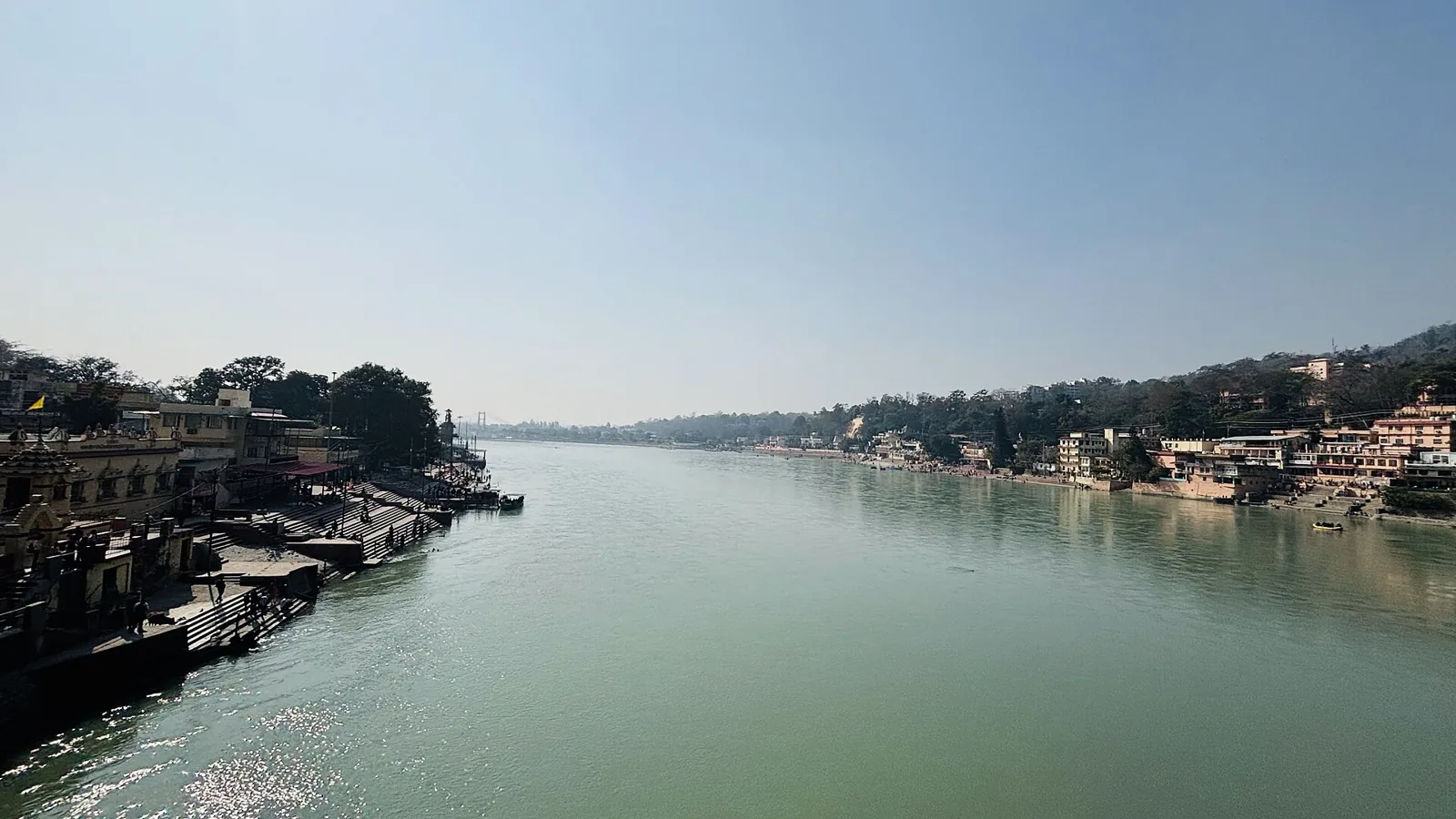
The road is short but can slow to a crawl near Rishikesh on busy days. One traveller coming the other way in May 2019 had to drop Lakshman Jhula from the plan entirely because the traffic ate the afternoon, so this plan puts the drive after a long morning and nothing urgent after it. Check in, rest, and in the late afternoon walk to the river for a first look at the green Ganga before dinner.
- Chandi Devi
- Subhash Ghat
- Rishikesh
Day 3 · night in Rishikesh
Bridges, ashram ruins, evening lamps at Triveni
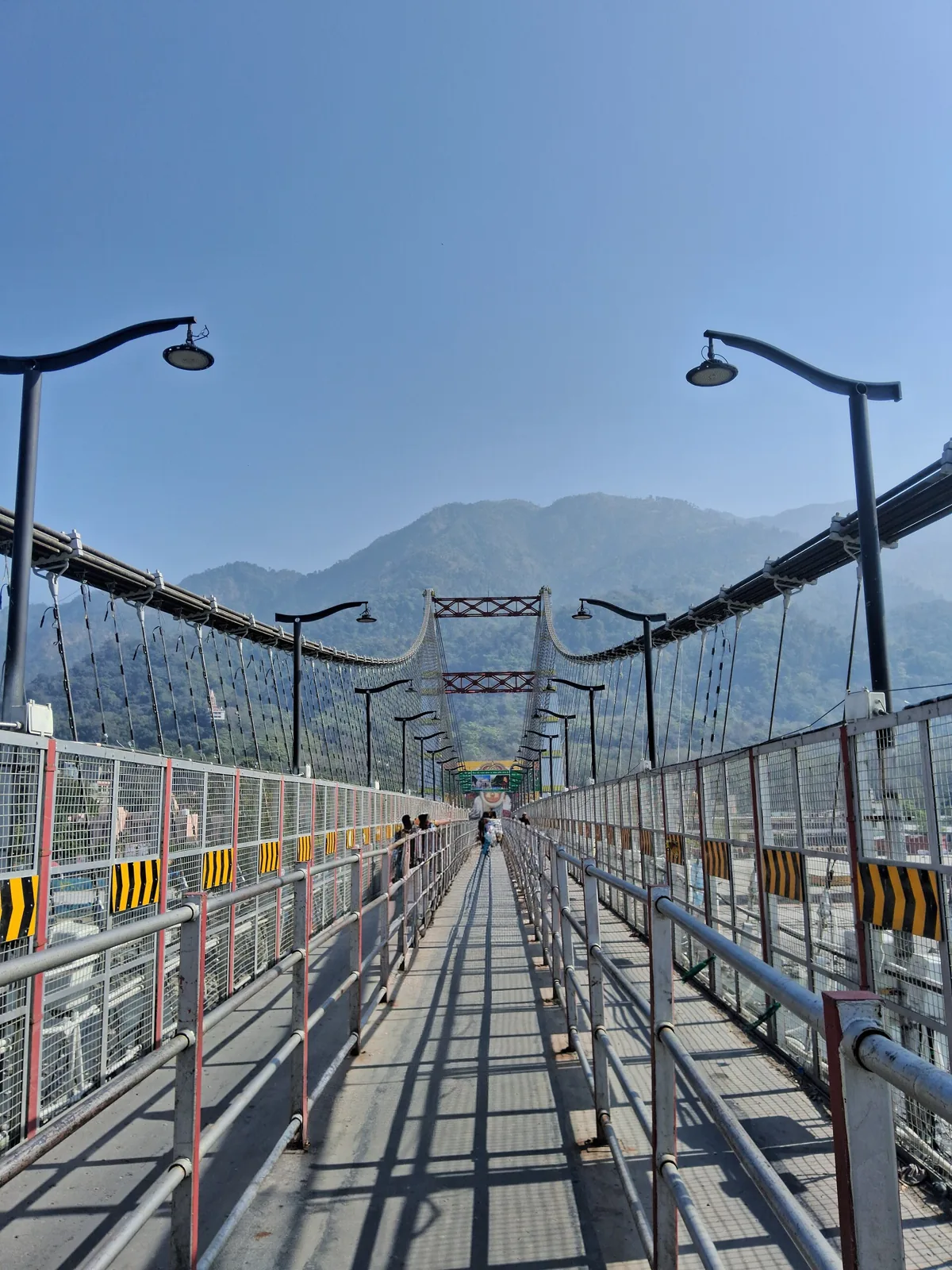
Cross Ram Jhula on foot first, while it is quiet. This suspension bridge is on the official Rishikesh page, along with a photo of its older cousin Laxman Jhula, though footfall on the bridges can be heavy and bikes also use them. The local rule of thumb is to keep to the side and let the scooters pass. The Ganga here is a clear blue green, which surprised one writer who expected something far dirtier.
From Ram Jhula, a forest path leads to the Beatles Ashram, an abandoned complex with meditation domes where the band stayed in the late 1960s with Maharishi Mahesh Yogi. Guides at the gate offer tours. Fee and hours vary between sources, one couple hit a card machine problem at the counter, so carry cash and arrive well before the four o'clock closing. The site opened to visitors only at the end of 2015. People who go describe walls of graffiti, broken cells and peacocks in the trees, and a surprisingly calm hour. Count on one to two hours, and chai outside the gate.
In the afternoon, the 13-storey Trayambakeshwar temple, known locally as Tera Manzil, is a quirky landmark that one traveller found worth the climb. Dinner at one of the cafes above the river is easy, and the upper floors are worth the stairs for the view of the bridge lights. Finish the day at Triveni Ghat for the evening aarti. It is calmer than the big ceremony in Haridwar, with diyas on the water and fewer people jostling.
- Ram Jhula
- Beatles Ashram
- Trayambakeshwar Temple
- Triveni Ghat
Day 4 · night in Rishikesh
Rapids at breakfast time, then a slow goodbye
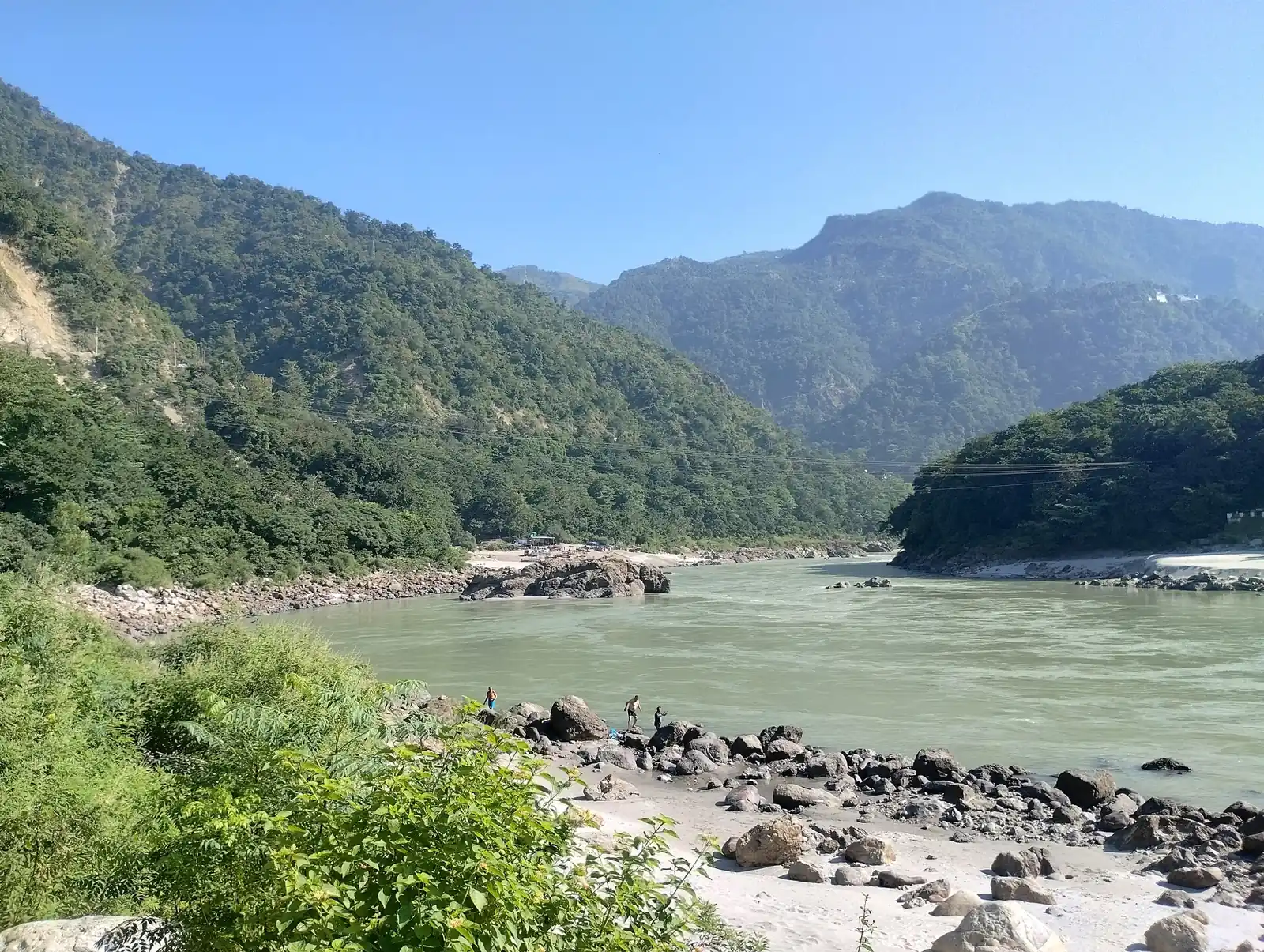
If you want adventure, this is the slot for it. The official page calls the rafting world class. One blogger describing the season as September to June. She went on a first trip in the morning and said her arms ached by evening. Her raft had five people, and several paddled very little, so she and her cousin did most of the work, with the guide even positioning someone across the front as ballast. Moral: tell your guide your group's ability honestly and listen to the safety talk.
Not everyone should go. If you have older parents or small children, skip the rafting and do a gentle walk along the river at Swarg Ashram instead, or take a long breakfast and an ashram visit. Bungee jumping is also available from a site outside town, and a reviewer who tried an early slot found the queue longer than expected, so book ahead if this is what you want.
After lunch, the driver is yours for a last stop, or you can use the free time for shopping in the lanes, yoga on the riverbank or just sitting at a ghat as the afternoon light shifts. The trip ends back in Rishikesh, and your onward plans from here are flexible.
- Rishikesh river
- Swarg Ashram
- Rishikesh ghats
Choosing your month
The tourism board names September to November and February to April for Rishikesh, with January lows near five degrees and May heat that can touch forty-six. For Haridwar, the board suggests spring from March to May or autumn in October and November for fewer crowds. In practice, the sweet spot for both towns together is late October to early April. Summer is hot and heavy; the Ganga rises in monsoon and some rafting stops.
What first timers say they got wrong
Arriving at the aarti late and standing at the back behind a wall of phones. Trusting a pundit who quotes a high figure for a ritual, when a small offering is plenty. Planning too much for the drive day, which in busy periods runs long. And choosing the wrong bridge: Laxman Jhula has seen closures before, so check locally whether you can cross it on your dates.
Going with older parents
The ropeways save the knees at Mansa Devi and Chandi Devi, and the aarti can be watched from a bench or the hotel's riverside terrace if the bank steps are too much. Ghat steps can be slippery near the water. A quieter option for the Haridwar aarti, as a hotel enclosure beside the river, is worth asking about when you book.
What the price covers
- One car and driver from your pickup to the final drop
- 5 nights in hand-picked stays
- Breakfast and dinner every day
- Local guide at the main sights
- Tolls, parking and fuel
- Lunches
- Monument tickets, permits and activity fees
- Personal shopping
Questions people ask
Is four days enough for Haridwar and Rishikesh together?
Yes, if you are happy with two nights in each. Three days is rushed, and the fourth is what lets rafting or a long ashram morning fit in without squeezing.
Which aarti is better, Haridwar or Rishikesh?
Haridwar's Har Ki Pauri is bigger and louder, with thousands around you. Triveni Ghat in Rishikesh is smaller and calmer. Do both and you will see why people compare them.
Can we start this trip from Delhi, Agra, Jaipur or Mathura?
Yes, from any of the four pickups. Laladham brings you up to Haridwar in the same car, and that drive is counted as its own travel day, so the four days described here begin when you arrive.
Is rafting safe for a first timer?
Operators run beginner stretches with a guide in the raft, and one blogger found it a manageable first trip. Wear the helmet and lifejacket, and say honestly if someone cannot swim.
Are the ropeways open all year?
They run most of the year but can close for maintenance or in bad weather, so confirm the day before. Timings and fares are on the operator's counter.
What should I wear at the ghats and temples?
Modest, easy to remove shoes, and nothing precious. Keep valuables at the hotel before an aarti, since crowds are dense.
- Aarti times at Har Ki Pauri and Triveni Ghat, which shift with sunset between seasons
- Whether Laxman Jhula is open to walkers, as it has been closed before
- Beatles Ashram fee and hours at the gate, which differ between sources
- Rafting season and river level, since operators pause in high water
 11 days
 4 days
 5 days