माँ सरस्वती · अष्टोत्तरशतनामावली
माँ सरस्वती के १०८ नाम अर्थ सहित
108 names of Saraswati with meaning
The 108 names of Goddess Saraswati (Saraswati Ashtottara Shatanamavali) in Devanagari and Roman, with meaning of every name and how to chant them.
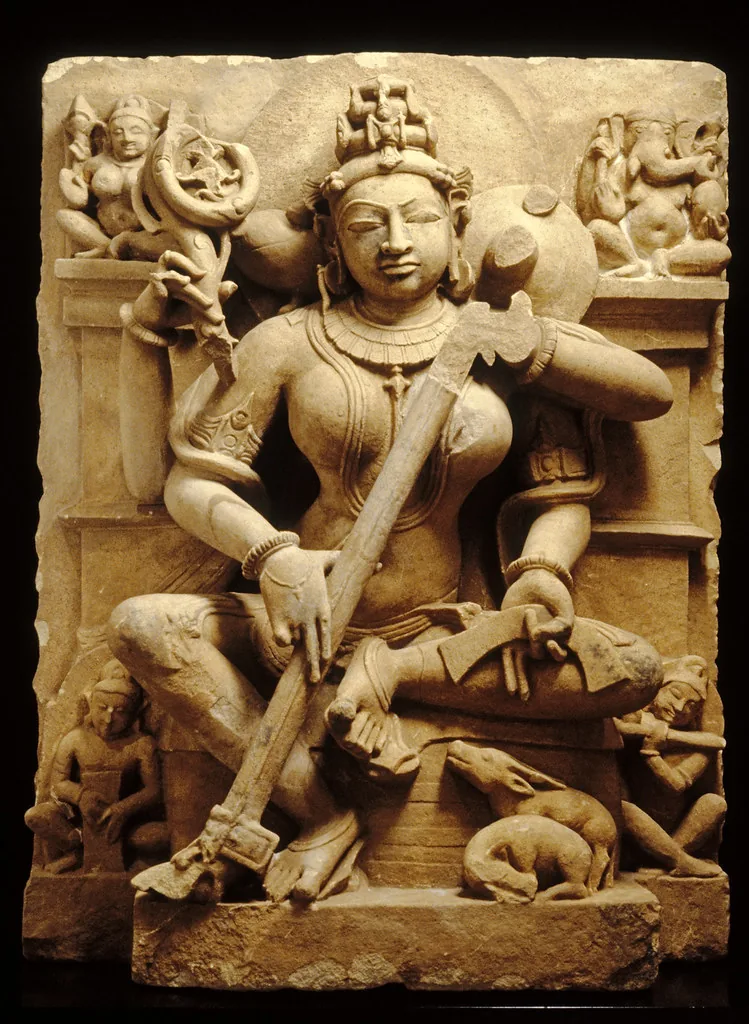
Saraswati is the goddess of speech, music, learning and the clear mind. She sits on a white lotus or a swan, holds a veena, a book and a rosary, and families light a lamp before her at the start of every school year, every exam and every new piece of learning. Many a child in India writes the first letters of the alphabet on Vasant Panchami with her name on their lips.
This page gives the 108 names of Saraswati, the Ashtottara Shatanamavali, one by one. Each name is shown in Devanagari and in simple Roman letters, with the full puja line you can say aloud, and a short meaning in English and Hindi. Some names praise her beauty and calm, some recall the fierce forms she shares with Durga, and some point to her as the source of the Vedas themselves.
You can read the list to learn what the names say about her, chant them as a daily practice, or use them in the Saraswati puja at home. Students, teachers, singers and writers have long used this garland of names as a way to ask for a steady memory and a gentle tongue.
१०८ नाम The full list, with meaning
108 of 108 names
- 1
सरस्वती
Sarasvati
the flowing one, goddess of speech and learning; also the name of the river
बहती धारा जैसी, वाणी और विद्या की देवी
- 2
महाभद्रा
Mahabhadra
the greatly auspicious one
अत्यन्त कल्याण करने वाली देवी
- 3
महामाया
Mahamaya
the great power through which the world appears
जिस महाशक्ति से यह जगत प्रकट होता है
- 4
वरप्रदा
Varaprada
giver of boons
भक्तों को वरदान देने वाली
- 5
श्रीप्रदा
Shriprada
giver of prosperity and grace
समृद्धि और शोभा प्रदान करने वाली
- 6
पद्मनिलया
Padmanilaya
she who lives in the lotus
कमल को अपना निवास बनाने वाली
- 7
पद्माक्षी
Padmakshi
lotus-eyed
कमल के समान नेत्रों वाली
- 8
पद्मवक्त्रा
Padmavaktra
lotus-faced
कमल जैसे खिले मुख वाली
- 9
शिवानुजा
Shivanuja
the younger sister of Shiva
शिव की छोटी बहन
- 10
पुस्तकभृत्
Pustakabhrit
bearer of the book
हाथ में पुस्तक धारण करने वाली
- 11
ज्ञानमुद्रा
Jnanamudra
she who shows the gesture of knowledge
ज्ञान की मुद्रा दिखाने वाली
- 12
रमा
Rama
the delightful one; also a name of Lakshmi
मन को आनन्द देने वाली, लक्ष्मी का भी नाम
- 13
परा
Para
the supreme one beyond all
सबसे ऊपर रहने वाली परम शक्ति
- 14
कामरूपा
Kamarupa
she who takes any form she wishes
इच्छा के अनुसार कोई भी रूप लेने वाली
- 15
महाविद्या
Mahavidya
great knowledge itself
महान विद्या का स्वरूप
- 16
महापातकनाशिनी
Mahapatakanashini
destroyer of the gravest sins
बहुत बड़े पापों को मिटाने वाली
- 17
महाश्रया
Mahashraya
the great refuge
सबको सहारा देने वाला बड़ा आश्रय
- 18
मालिनी
Malini
the garlanded one
गले में माला धारण करने वाली
- 19
महाभोगा
Mahabhoga
mistress of great abundance
विपुल सुख और ऐश्वर्य की स्वामिनी
- 20
महाभुजा
Mahabhuja
the mighty-armed
विशाल भुजाओं वाली
- 21
महाभागा
Mahabhaga
greatly fortunate
परम सौभाग्यशालिनी
- 22
महोत्साहा
Mahotsaha
full of great zeal
बड़े उत्साह और बल से भरी
- 23
दिव्याङ्गी
Divyangi
of a divine body
दिव्य देह वाली
- 24
सुरवन्दिता
Suravandita
saluted by the gods
देवताओं द्वारा नमन की गई
- 25
महाकाली
Mahakali
great Kali, the dark force of time
महान काली, समय की गहरी शक्ति
- 26
महापाशा
Mahapasha
holder of the great noose
विशाल पाश धारण करने वाली
- 27
महाकारा
Mahakara
of vast form; also the great maker
विशाल आकार वाली, महान रचयिता भी
- 28
महाङ्कुशा
Mahankusha
holder of the great goad
बड़ा अंकुश धारण करने वाली
- 29
पीता
Pita
the yellow-hued one
पीले रंग की आभा वाली
- 30
विमला
Vimala
spotless and pure
निर्मल, मैल से रहित
- 31
विश्वा
Vishva
she who pervades the whole universe
पूरे संसार में समाई हुई
- 32
विद्युन्माला
Vidyunmala
wearing a garland of lightning
बिजली की माला पहनने वाली
- 33
वैष्णवी
Vaishnavi
the power of Vishnu
विष्णु की शक्ति
- 34
चन्द्रिका
Chandrika
moonlight, cool and soft
चाँदनी जैसी शीतल और कोमल
- 35
चन्द्रवदना
Chandravadana
moon-faced
चन्द्रमा जैसे मुख वाली
- 36
चन्द्रलेखाविभूषिता
Chandralekhavibhushita
adorned with the crescent moon
चन्द्रकला से सजी हुई
- 37
सावित्री
Savitri
the power of the Sun that gives birth; linked with the Gayatri
सूर्य की सृजन शक्ति, गायत्री से जुड़ी
- 38
सुरसा
Surasa
full of sweet essence
मधुर रस से भरी
- 39
देवी
Devi
the shining goddess
दिव्य प्रकाश वाली देवी
- 40
दिव्यालङ्कारभूषिता
Divyalankarabhushita
dressed in heavenly ornaments
स्वर्गीय आभूषणों से सजी
- 41
वाग्देवी
Vagdevi
goddess of speech
बोली की अधिष्ठात्री देवी
- 42
वसुधा
Vasudha
the earth, bearer of wealth
धन को धारण करने वाली पृथ्वी
- 43
तीव्रा
Tivra
keen and intense in power
तीखी, प्रखर शक्ति वाली
- 44
महाभद्रा
Mahabhadra (second)
the greatly auspicious one, named again at this place
महान मंगलकारिणी, इस स्थान पर दोबारा आया नाम
- 45
महाबला
Mahabala
of great strength
अपार बल वाली
- 46
भोगदा
Bhogada
giver of enjoyment
सुख और भोग देने वाली
- 47
भारती
Bharati
the sustainer of learning, the voice of the land
विद्या को धारण करने वाली, वाणी की देवी
- 48
भामा
Bhama
radiant, glowing
तेजस्वी, दमकती हुई
- 49
गोविन्दा
Govinda
mistress of speech and the senses
वाणी और इन्द्रियों की स्वामिनी
- 50
गोमती
Gomati
rich in cattle and rays; also the Gomati river
गौओं और किरणों से सम्पन्न, गोमती नदी भी
- 51
शिवा
Shiva
the auspicious one
मंगल करने वाली
- 52
जटिला
Jatila
with matted locks
जटाओं वाली
- 53
विन्ध्यवासा
Vindhyavasa
dweller of the Vindhya hills
विन्ध्य पर्वत पर रहने वाली
- 54
विन्ध्याचलविराजिता
Vindhyachalavirajita
shining on the Vindhya mountain
विन्ध्याचल पर शोभायमान
- 55
चण्डिका
Chandika
the fierce Chandi
उग्र रूप धारण करने वाली चण्डी
- 56
वैष्णवी
Vaishnavi (second)
the Vaishnavi power, named a second time
वैष्णवी शक्ति, दूसरी बार आया नाम
- 57
ब्राह्मी
Brahmi
the power of Brahma, goddess of the word
ब्रह्मा की शक्ति, शब्द की देवी
- 58
ब्रह्मज्ञानैकसाधना
Brahmajnanaikasadhana
the one sure means to knowledge of Brahman
ब्रह्म को जानने का एकमात्र साधन
- 59
सौदामिनी
Saudamini
lightning
बिजली की तरह चमकने वाली
- 60
सुधामूर्ति
Sudhamurti
a form made of nectar
अमृत से बनी मूर्ति जैसी
- 61
सुभद्रा
Subhadra
very gracious and kind
अत्यन्त शुभ और कृपालु
- 62
सुरपूजिता
Surapujita
worshipped by the gods
देवताओं से पूजी गई
- 63
सुवासिनी
Suvasini
fragrant; also a happily married woman
सुगन्धित, सौभाग्यवती नारी भी
- 64
सुनासा
Sunasa
of a fair nose
सुन्दर नासिका वाली
- 65
विनिद्रा
Vinidra
ever awake, free of sleep
सदा जागी हुई, निद्रा से परे
- 66
पद्मलोचना
Padmalochana
with eyes like lotus petals
कमल की पंखुड़ी जैसी आँखों वाली
- 67
विद्यारूपा
Vidyarupa
learning in bodily form
स्वयं विद्या का साकार रूप
- 68
विशालाक्षी
Vishalakshi
wide-eyed
बड़ी और खुली आँखों वाली
- 69
ब्रह्मजाया
Brahmajaya
the consort of Brahma
ब्रह्मा की पत्नी
- 70
महाफला
Mahaphala
giver of great fruit
बहुत बड़ा फल देने वाली
- 71
त्रयीमूर्ति
Trayimurti
embodiment of the three Vedas
तीनों वेदों का मूर्त रूप
- 72
त्रिकालज्ञा
Trikalajna
knower of past, present and future
बीते, वर्तमान और आने वाले समय को जानने वाली
- 73
त्रिगुणा
Triguna
she who has the three gunas
तीनों गुणों से युक्त
- 74
शास्त्ररूपिणी
Shastrarupini
she who takes the form of the scriptures
शास्त्रों के रूप में प्रकट होने वाली
- 75
शुम्भासुरप्रमथिनी
Shumbhasurapramathini
crusher of the demon Shumbha
शुम्भ नामक असुर को कुचलने वाली
- 76
शुभदा
Shubhada
giver of good things
शुभ फल देने वाली
- 77
स्वरात्मिका
Svaratmika
she whose very soul is musical sound
स्वर ही जिसकी आत्मा है
- 78
रक्तबीजनिहन्त्री
Raktabijanihantri
slayer of Raktabija
रक्तबीज का संहार करने वाली
- 79
चामुण्डा
Chamunda
slayer of the demons Chanda and Munda
चण्ड और मुण्ड असुरों का वध करने वाली
- 80
अम्बिका
Ambika
the Mother
जगत की माँ
- 81
मुण्डकायप्रहरणा
Mundakayapraharana
she who strikes down the body of the demon Munda
मुण्ड असुर की देह पर प्रहार करने वाली
- 82
धूम्रलोचनमर्दना
Dhumralochanamardana
crusher of the demon Dhumralochana
धूम्रलोचन असुर का मर्दन करने वाली
- 83
सर्वदेवस्तुता
Sarvadevastuta
praised by all the gods
सब देवताओं द्वारा स्तुति की गई
- 84
सौम्या
Saumya
gentle and serene
शान्त और कोमल स्वभाव वाली
- 85
सुरासुरनमस्कृता
Surasuranamaskrita
bowed to by gods and demons alike
देव और दानव दोनों से नमस्कार पाने वाली
- 86
कालरात्रि
Kalaratri
the dark night of time
समय की अँधेरी रात का रूप
- 87
कलाधारा
Kaladhara
bearer of all the arts
सब कलाओं को धारण करने वाली
- 88
रूपसौभाग्यदायिनी
Rupasaubhagyadayini
giver of beauty and good fortune
सुन्दरता और सौभाग्य देने वाली
- 89
वाग्देवी
Vagdevi (second)
goddess of speech, named a second time
वाणी की देवी, दोबारा आया नाम
- 90
वरारोहा
Vararoha
of noble and graceful bearing
श्रेष्ठ और सुन्दर चाल-ढाल वाली
- 91
वाराही
Varahi
the boar-faced Mother, a power of Vishnu
वराह रूप धारण करने वाली मातृशक्ति
- 92
वारिजासना
Varijasana
seated on a lotus
कमल के आसन पर बैठी
- 93
चित्राम्बरा
Chitrambara
clothed in many-coloured cloth
रंग-बिरंगे वस्त्रों वाली
- 94
चित्रगन्धा
Chitragandha
of wondrous fragrance
अद्भुत सुगन्ध वाली
- 95
चित्रमाल्यविभूषिता
Chitramalyavibhushita
decked with lovely garlands
सुन्दर मालाओं से सजी
- 96
कान्ता
Kanta
lovely and beloved
मनमोहक और प्रिय
- 97
कामप्रदा
Kamaprada
fulfiller of wishes
मनोकामनाएँ पूरी करने वाली
- 98
वन्द्या
Vandya
worthy of bowing to
वन्दना के योग्य
- 99
विद्याधरसुपूजिता
Vidyadharasupujita
well worshipped by the Vidyadharas
विद्याधरों से भली भाँति पूजी गई
- 100
श्वेतानना
Shvetanana
white-faced
उज्ज्वल श्वेत मुख वाली
- 101
नीलभुजा
Nilabhuja
blue-armed
नीली भुजाओं वाली
- 102
चतुर्वर्गफलप्रदा
Chaturvargaphalaprada
giver of the four aims of life
धर्म, अर्थ, काम और मोक्ष का फल देने वाली
- 103
चतुराननसाम्राज्या
Chaturananasamrajya
queen of the realm of four-faced Brahma
चार मुख वाले ब्रह्मा के साम्राज्य की स्वामिनी
- 104
रक्तमध्या
Raktamadhya
red at the centre
मध्य में लाल आभा वाली
- 105
निरञ्जना
Niranjana
untouched by any stain
किसी भी कालिख से अछूती
- 106
हंसासना
Hamsasana
seated on a swan
हंस पर विराजमान
- 107
नीलजङ्घा
Nilajangha
blue-limbed
नीली जंघाओं वाली
- 108
ब्रह्मविष्णुशिवात्मिका
Brahmavishnushivatmika
the soul of Brahma, Vishnu and Shiva
ब्रह्मा, विष्णु और शिव की आत्मा
स्रोत Where this list comes from
The Saraswati Ashtottara Shatanamavali is a traditional liturgical text, printed in many editions of Sanskrit stotra collections and carried on the sanskritdocuments.org site. It is not tied by the printings we saw to a single named Purana, so we describe it simply as a standard devotional list in the Shakta and Vaishnava stotra tradition, not a scripture with a fixed author.
The list opens with Sarasvati and Mahabhadra and closes with Brahmavishnushivatmika, the one who is the soul of all three great gods. Midway it moves from lotus and book imagery into names that praise her victory over Shumbha and Raktabija, which shows how closely the tradition links her with the Devi of the Durga Saptashati.
This page follows the version we found in two independent online editions, which agree on all 108 names and their order. The 1000-name Saraswati Sahasranama is a much longer text; the 108 here are the short form that most homes and temples use for daily puja.
Three names appear twice in the traditional list: Mahabhadra (names 2 and 44), Vaishnavi (33 and 56) and Vagdevi (41 and 89). We keep both places because both printings do, and mark the second with the word second. Name 8 is printed Padmavaktra in one edition and Padmavaktraka in the other; we use Padmavaktra.
जप और पूजा How the names are chanted
Sit facing east or north after your bath, with a lamp and a small picture or murti of Saraswati. Say each name as Om, then the name in the dative, then Namah, for example Om Sarasvatyai Namah. With each name, offer a white flower, a few grains of akshat, or a pinch of turmeric or kumkum at her feet.
If you prefer japa, keep a mala of 108 beads and let each bead meet one name. Many families offer white sweets such as kheer or sugar crystals and keep books, pens and instruments near the picture for the time of the chant. Take the whole list in one sitting, about fifteen minutes at an easy pace.
Vasant Panchami is the day that matters most, followed by the Navratri evenings of Saraswati Puja and Wednesdays or Thursdays during exam season. A short chant on the first morning of a new school year is also a common habit. Before you start, a few quiet breaths help the mind settle.
Saraswati ChalisaOm Jai Saraswati Mata aartiSaraswati VandanaGayatri MantraSaraswati Puja at homeNavratri vrat katha
नामकरण Baby names from Saraswati
Many families pick a name for a newborn from this very list. These pages sort out the ones that work as everyday given names.
प्रश्न Questions, answered
What are the 108 names of Saraswati?
They are the Saraswati Ashtottara Shatanamavali, starting with Sarasvati, Mahabhadra, Mahamaya, Varaprada and Shriprada, and ending with Brahmavishnushivatmika. Every name is listed on this page in Devanagari and Roman letters with its puja line and meaning in English and Hindi, in the traditional order.
How many names does Saraswati have?
The short garland has 108 names, called the Ashtottara Shatanamavali. There is also a longer Saraswati Sahasranama of 1000 names. Her names also include twelve famous epithets such as Bharati, Sharada and Vagdevi that families chant as a short prayer.
Which day is best to chant the 108 names of Saraswati?
Vasant Panchami, the fifth day of the bright half of Magha, is the most loved day. Saraswati Puja in Navratri and Vidyarambham days are also good. For a weekly habit, many students chant on Wednesday or Thursday morning after bathing.
Can women and children chant Saraswati's 108 names?
Yes. These names are chanted in homes by everyone, children included. Younger children can repeat a few names after a parent, and a full round on Vasant Panchami is a lovely family habit. Nothing in the practice asks for any special initiation.
What does the name Sarasvati mean?
Sarasvati comes from saras, meaning flow or water, and the ending that means having. She is the one who flows, like the river of that name and like clear speech. She is also read as the one who has the essence of sound.
Why does Saraswati sit on a swan and a lotus?
The swan is believed to separate milk from water, so it stands for discernment between true and false knowledge. The white lotus shows purity of mind. Names such as Hamsasana, Padmanilaya and Varijasana in this list refer to these two seats.
Do I need a mala to chant the 108 names?
No mala is needed for the garland itself, since the 108 names already make one round. A mala helps you keep count if you repeat a single mantra like Om Aim Sarasvatyai Namah. For the names, simply keep a flower tray and offer one per name.
नामों के रूप और क्रम अलग-अलग परंपराओं में थोड़े भिन्न मिलते हैं; कुल की परंपरा और गुरु का क्रम सर्वोपरि है। Wording and order differ a little between traditions, so follow your family or guru's version if it differs.
Chant it where it was sung. Laladham picks you up in Delhi and runs the complete trip, so you can recite the names in the temples themselves.
Plan my trip