Give it three nights if you can. Of all the Rajasthan halts, this is where the best plan is to do less.
The City Palace, a long museum on the water
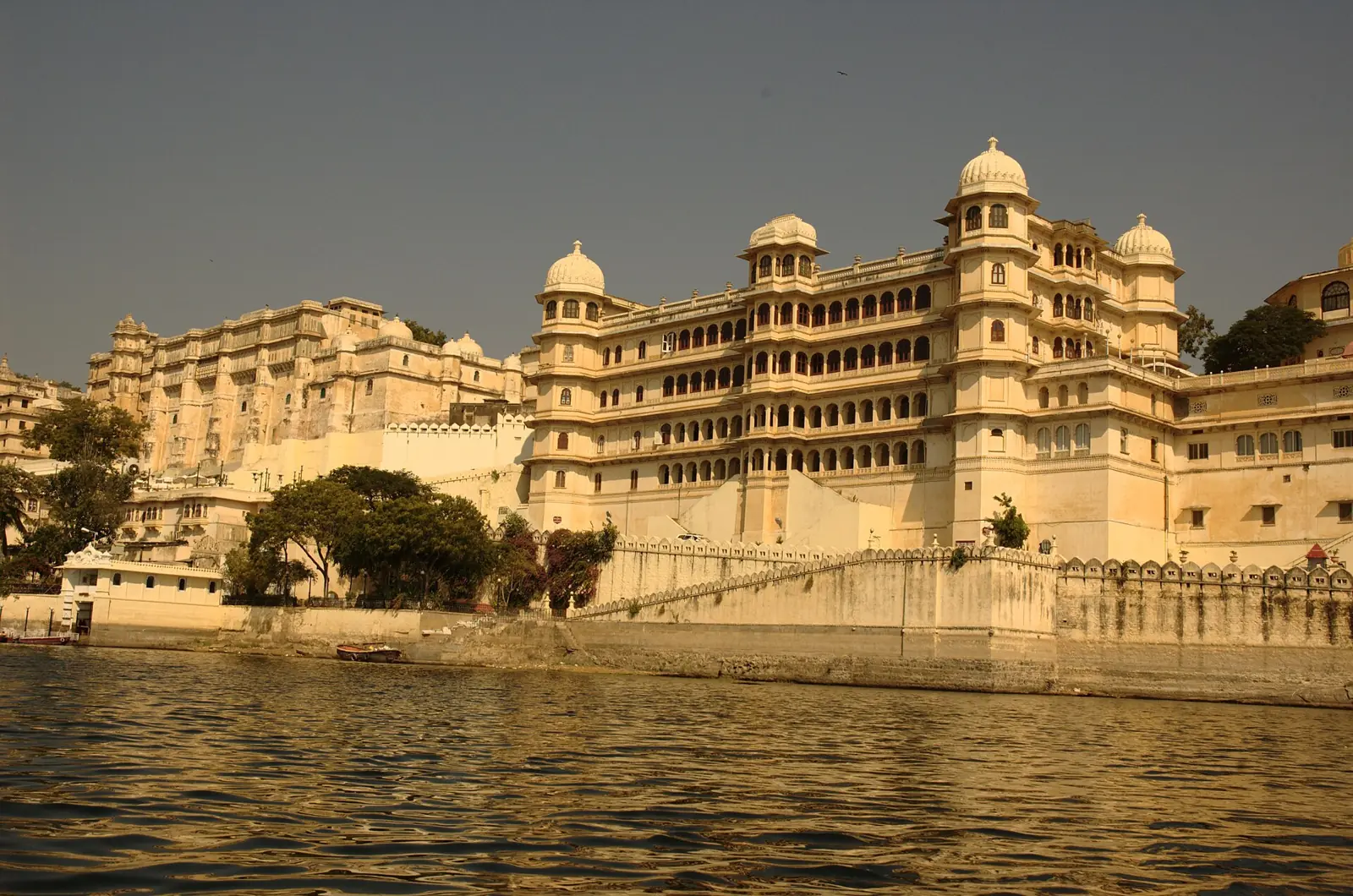
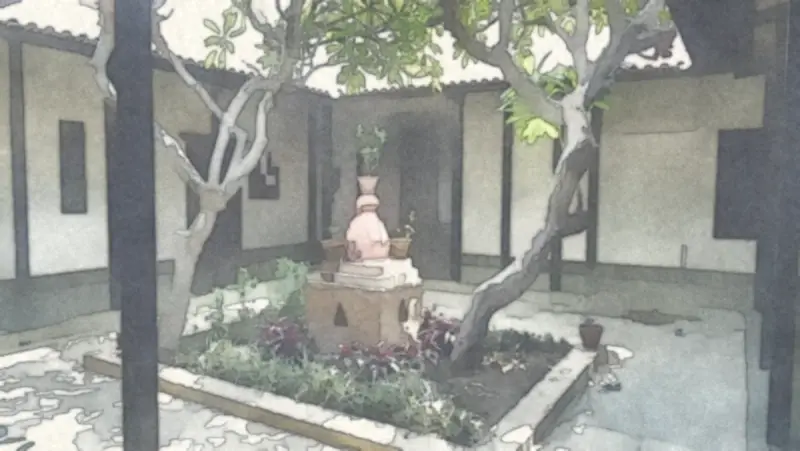
The City Palace was added to for nearly four hundred years, from 1559 to 1949, and it shows: a stack of courtyards, balconies and mirror rooms on the eastern shore of the lake. Walk through Mor Chowk with its peacock mosaics, the mirrored Sheesh Mahal, the Zenana Mahal and under the Haathi Pol, the elephant gate. Part of the complex is still lived in and part is a museum, and the lake views from the upper terraces are the best you will get from the shore. The interiors are full of narrow staircases, so elders may prefer a guide who knows the easier route.
Half past nine to half past five is the listed window, and a light and sound show runs after dark. Ticket categories are posted at the gate, so ask there rather than trusting a number from a website.
A boat on Lake Pichola
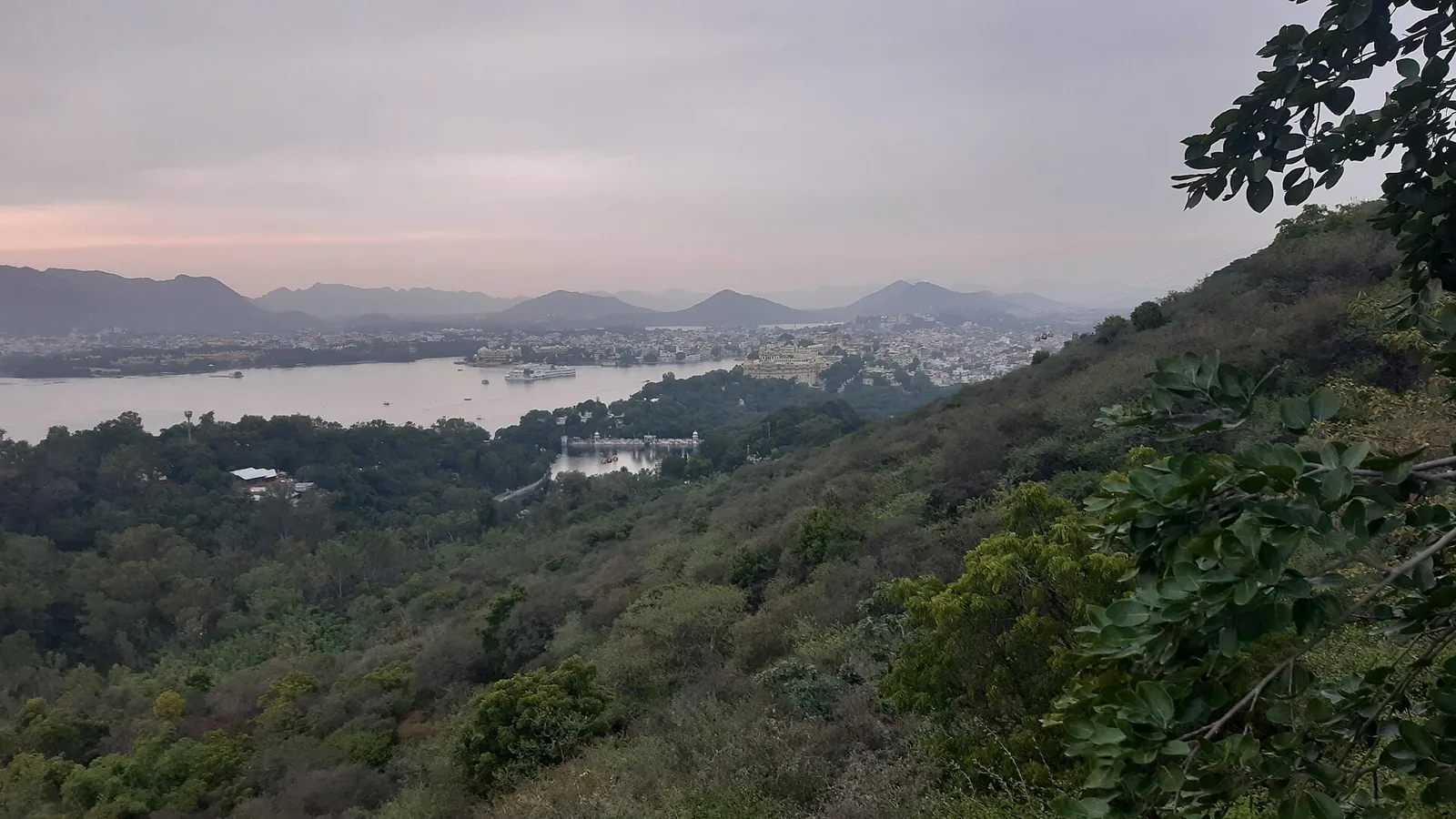
Late afternoon is the hour; the tourism board itself recommends the ride around sunset. The lake holds two island palaces. Jag Niwas, the ivory white Lake Palace built by Jagat Singh II, is now a hotel and is not open to walk-in visitors, while Jag Mandir, built by Karan Singh, is the garden palace on the second island. The palace faces the water from the east bank, so the best views of it come from a boat. Water levels change with the monsoon, so ask at the jetty which route is running.
Jagdish Temple and the old bazaars
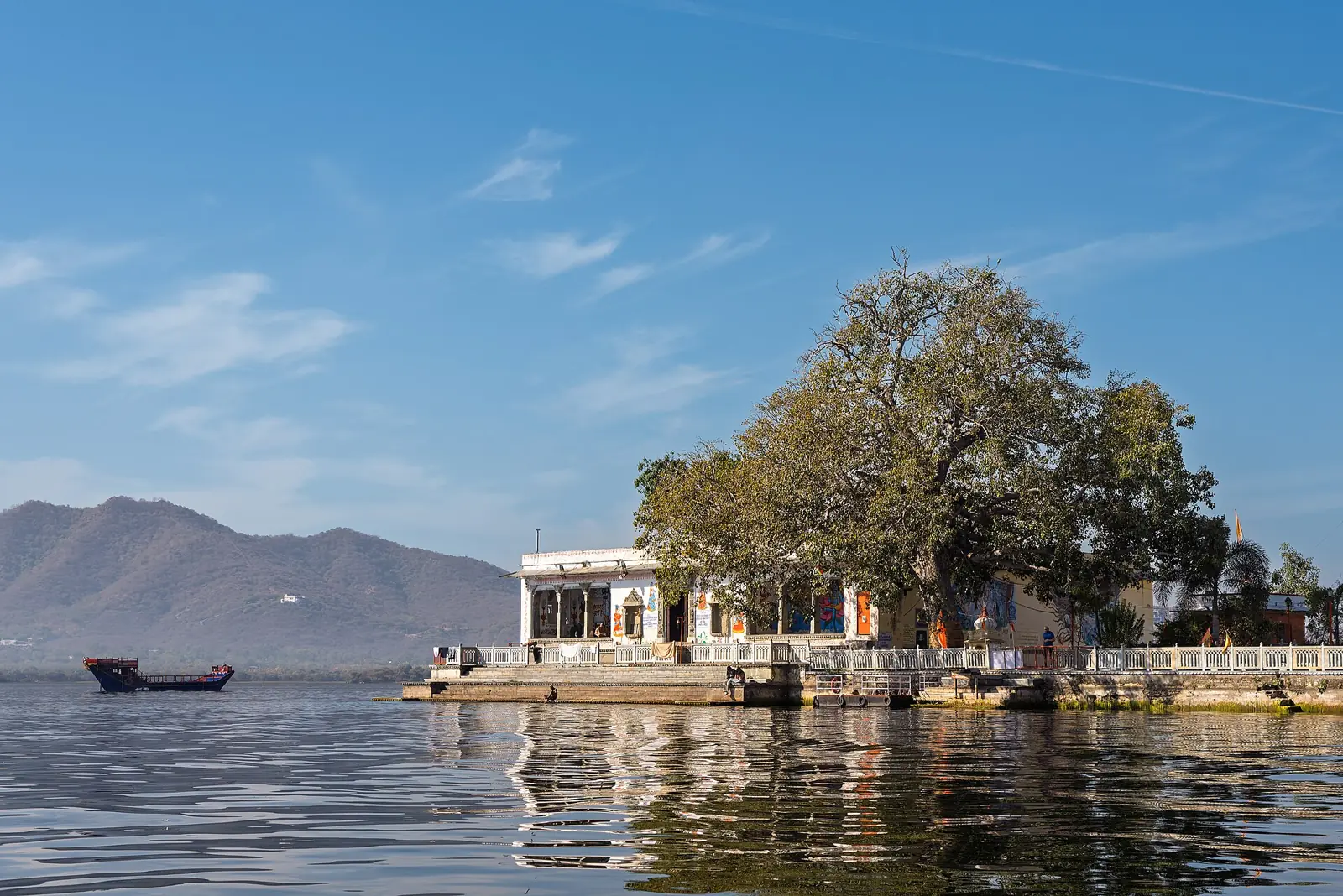
A short walk from the palace gate stands the Jagdish temple, a three-storey Vishnu shrine built in 1651 by Maharana Jagat Singh I in the Indo-Aryan style, with carved pillars and painted walls. It opens before dawn, shuts for the afternoon and reopens from five to eight, so the quiet hour is the first one. Around it the old city lanes are full of small shops, and Bagore ki Haveli, built in the eighteenth century at Gangaur Ghat with more than a hundred rooms, is a short walk away.
Sunset viewpoints and hilltop palaces
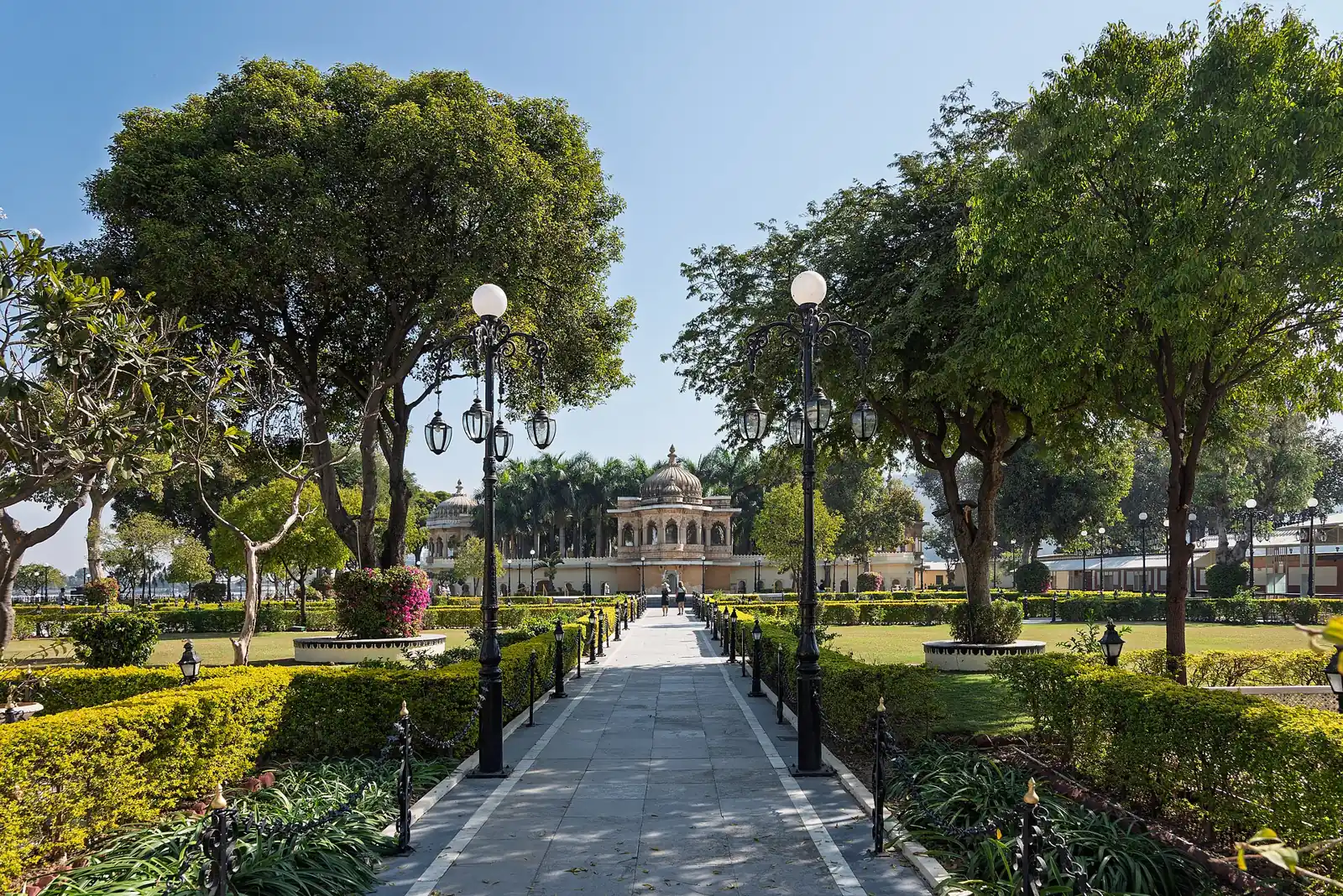
Sajjangarh, the Monsoon Palace, sits on the Bansdara hills above the city and gives wide views of the lakes and the surrounding Aravallis. It was built by Maharana Sajjan Singh, who first planned an astronomical centre there, and it is often wrapped in mist when the rains come. Fateh Sagar, the second lake, lies north of Pichola and is joined to it by a canal, with boating on it, and Saheliyon ki Bari is the tidy garden of marble elephants, fountains and a lotus pool, built for the women of the royal court.
Where to stay
The old city around Gangaur Ghat puts you within walking distance of the haveli and the gate, and the lanes are narrow and noisy at weekends. Hotels on the hillside give wide views but need a car for every outing. If travelling with parents, ask for a ground floor or lift access, and check how close the vehicle can get to the door, since some stays are reached by a short walk with luggage.
Evening, a dance show and a rooftop dinner
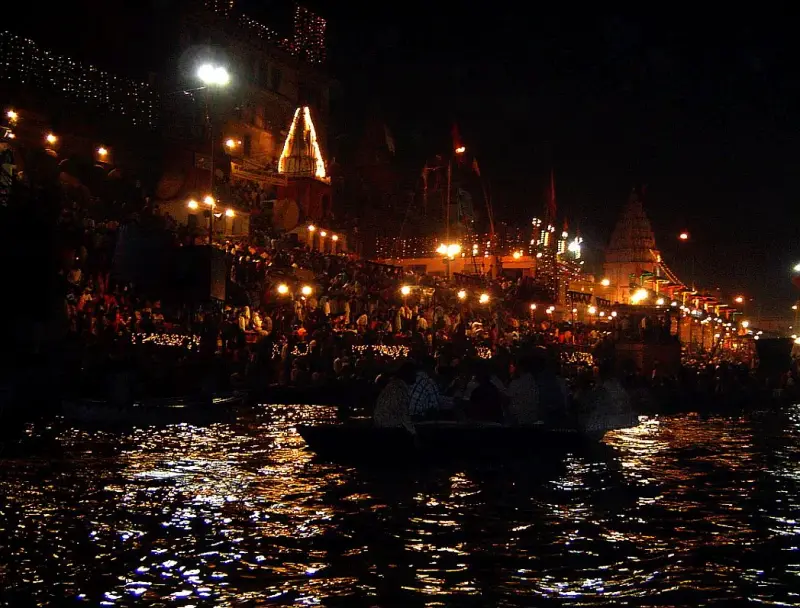
Many guesthouses have rooftop restaurants with a view of the lit palace. In the evening, the Dharohar dance show at Bagore ki Haveli, held at Neem Chowk with music and folk dances, is the one most visitors choose, and the puppet show at the Bharatiya Lok Kala Mandal is an alternative that suits children. Both have fixed timings that change by season, so confirm the same day.
A slower morning, if you have it
If the palace and boat have worn you out, spend one morning simply sitting on a ghat with a glass of chai. Watch women washing clothes, boys diving into the water and pigeons rising off the steps. Lake side cafes open early, and a book or sketchbook is a better companion than a checklist.
Day trips that deserve the drive
Eklingji, 22 km north, is the Shiva temple whose four-faced black marble idol and silver Nandi are tied to the Mewar rulers, and the shrine goes back to 734 AD. Haldighati, 44 km away, is the pass where Maharana Pratap fought in 1576, with a cenotaph for his horse Chetak. Kumbhalgarh is 85 km away and its wall runs 36 km, which is why people give it a full day. Ranakpur's marble Jain temple lies beyond it, and Nathdwara, which Rajasthan Tourism lists among the nearby spiritual stops, also lies within reach. Ask us for the distances and the order that fits your dates.
Seasons and crowds
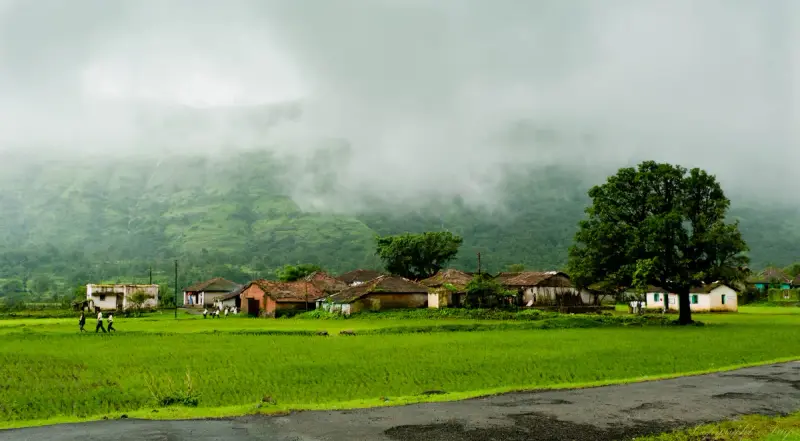
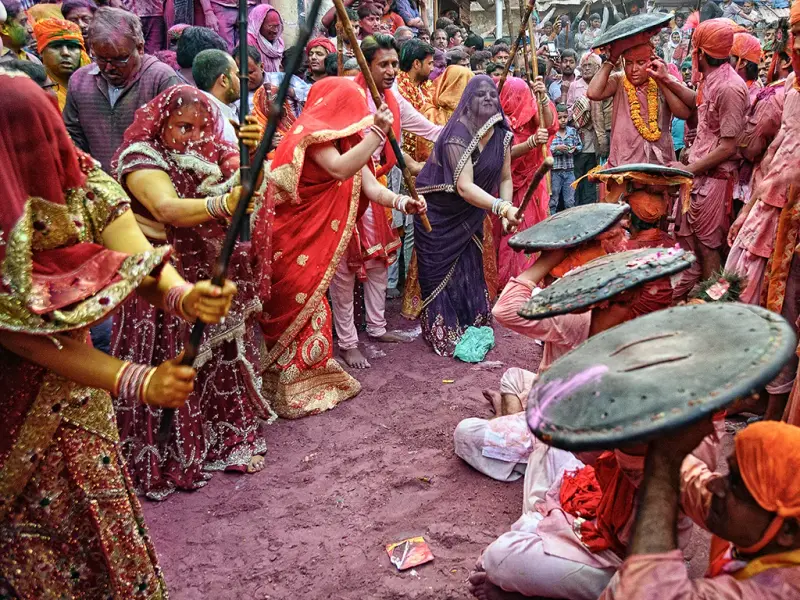
October to March is the high season, when the lakes are full and nights are cool. April to June is hot. During the monsoon the Aravallis turn green and the hilltop palaces sit in cloud, which many people prefer, though there is a lot of rain. During Diwali, Holi and New Year, book rooms early.
Getting here from Delhi
The tourism board lists a daily flight from Delhi into the airport about 25 km northeast of the city, and rail links from Delhi, Agra and Jaipur. By road Udaipur is a long day from Delhi, so many people fly or take an overnight train, and a route that stops at Jaipur and Ajmer is gentler.
How Laladham does it
We receive you in Delhi and plan every kilometre: the overnight stop that makes the drive easier, a lake side stay, the right boat time, guides at the palace and the day trips. If you wish to continue to Nathdwara and the Braj side, we continue the plan. Share your dates on the book page and ask for a quote.
Questions, answered
How many days do I need in Udaipur?
Two full days for the palace, boat, temple and hilltops. A third day lets you add Eklingji and Nathdwara.
Can tourists visit the Lake Palace?
The Lake Palace is a hotel, and entry is generally for guests and diners with reservations. A boat ride on Lake Pichola passes close by.
Is Udaipur good for elders?
Yes, with some planning. The palace and old city have steps, but boat rides and the gardens are easy.
How far are Eklingji and Kumbhalgarh from Udaipur?
Eklingji is about 22 km north of the city, Haldighati about 44 km and Kumbhalgarh about 85 km.