Most of our guests reach Jaipur from Delhi or Agra, and many stop here on the way to Pushkar, Udaipur or Jodhpur. This is the guide we give them: what to see in what order, where to sleep, what to eat and the mood of the streets.
Choose your month
October to March is the time for fort walking. The days are warm and clear and evenings call for a shawl. April to June is very hot on exposed ramparts, and the monsoon can turn the narrow streets of the old city into puddles, although the hills around Amber turn green and are lovely. The festival calendar includes Gangaur, Teej and the Jaipur Literature Festival, so check dates before you fix yours.
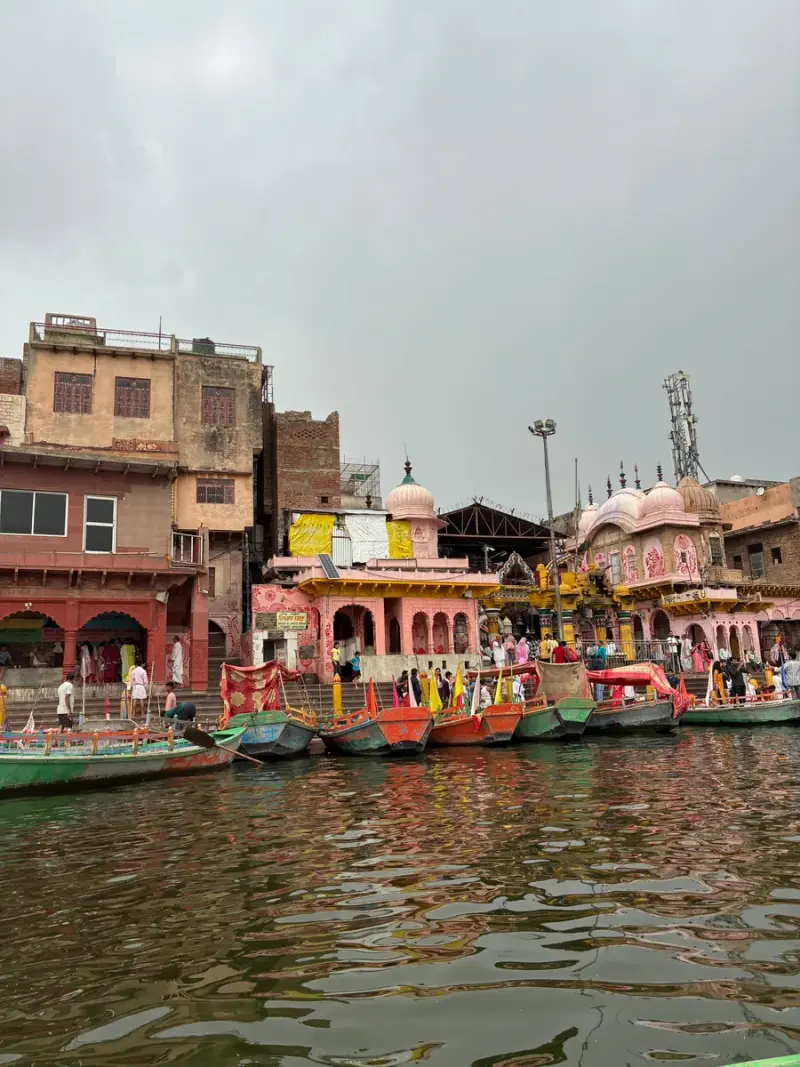
Getting in from Delhi, Agra and Braj
Delhi to Jaipur is about five hours by road on the highway, and Jaipur is on the Shatabdi, Rajdhani, Duronto and Mandor Express routes from the capital. The city also has its own airport. Ajmer is 133 km and Pushkar 145 km from Jaipur, so it works as a base for that side of Rajasthan, and finishing a Braj trip here is a long but easy day on the road.
Within Jaipur, app cabs and auto rickshaws are plentiful. Many travellers hire one car for a full day to visit the forts and return, because the hill forts sit well outside the centre.
Amber Fort in the first light
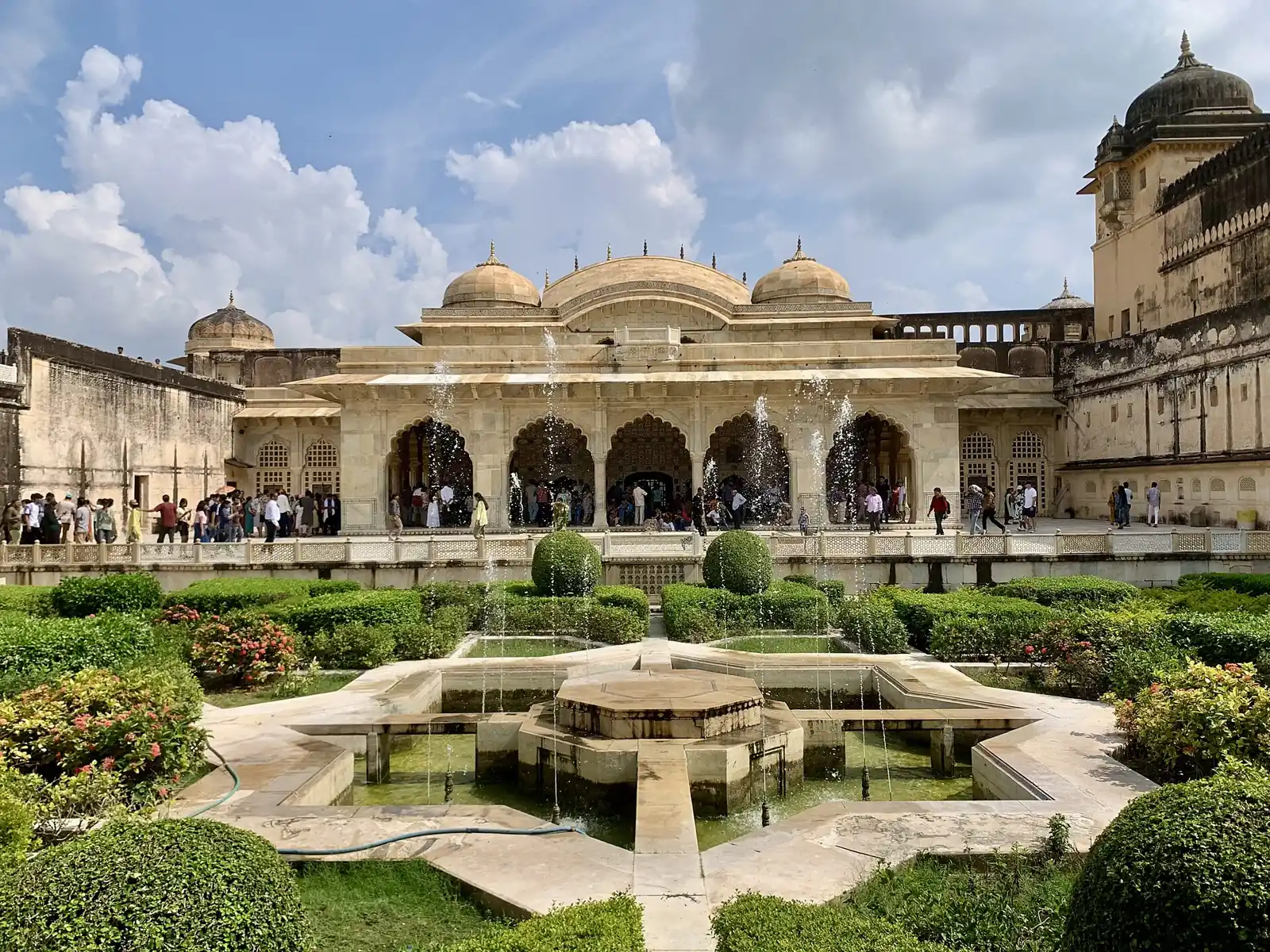
Amber, on a hillside about 11 km from the city, is the reason most people come. It was home to 28 Kachwaha kings before the capital moved, and its courtyards, mirrored hall and garden of fountains show how a Rajput court lived. Rajasthan Tourism lists the palace as open from eight in the morning to half past five, with a sound and light show after dark whose time moves with the season.
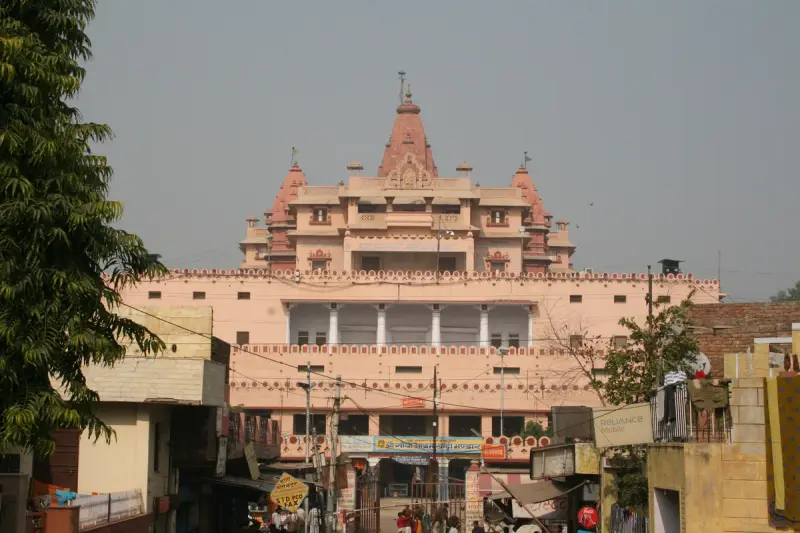
Go early. By mid morning the ramp is packed, and the stone courtyards are far better in soft light. The tourism page also lists elephant rides to the courtyard, with a daily limit that is usually used up by about eleven, which is one more reason to arrive at opening. Keep two hours for the visit itself.
The old city, and what is worth the queue
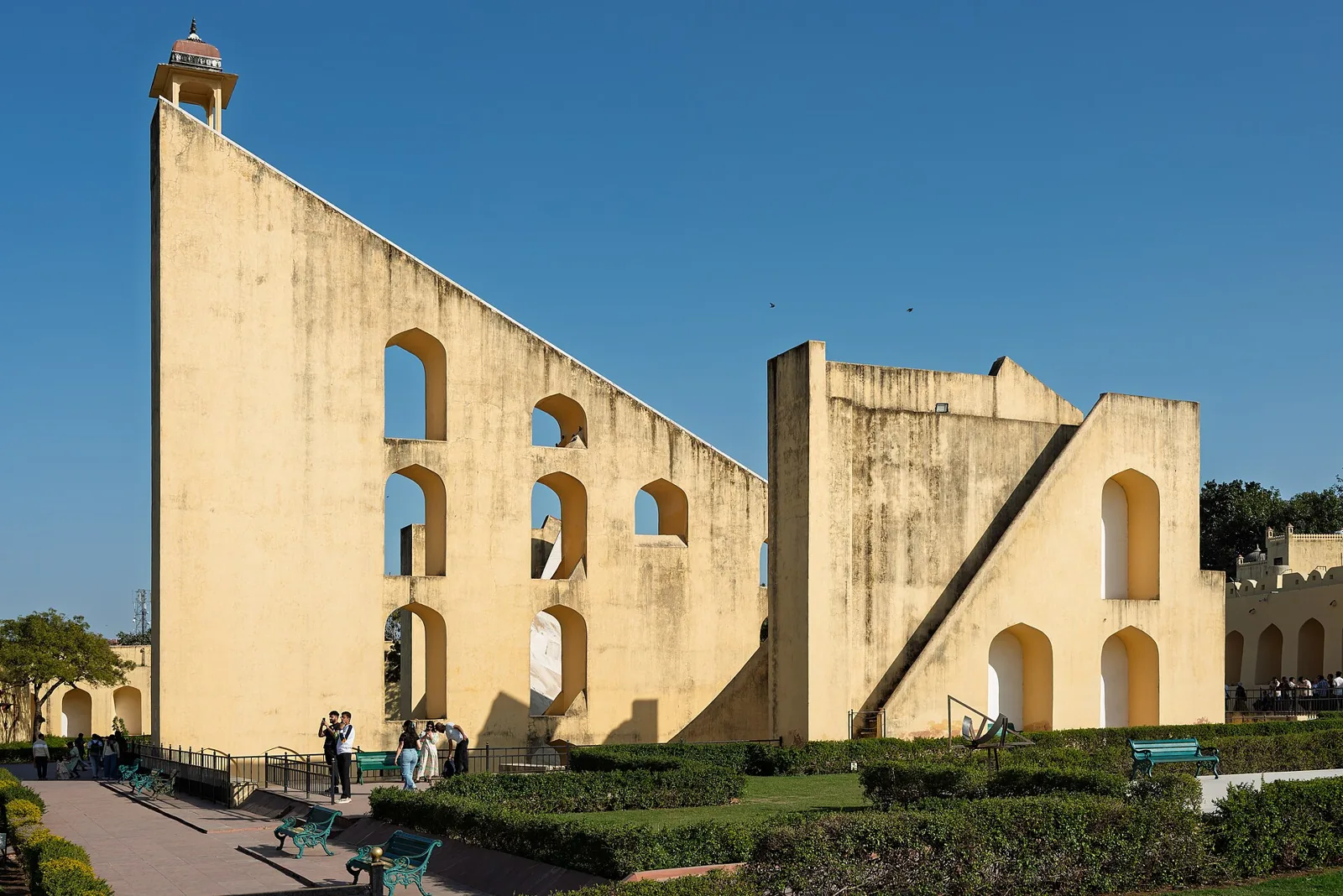
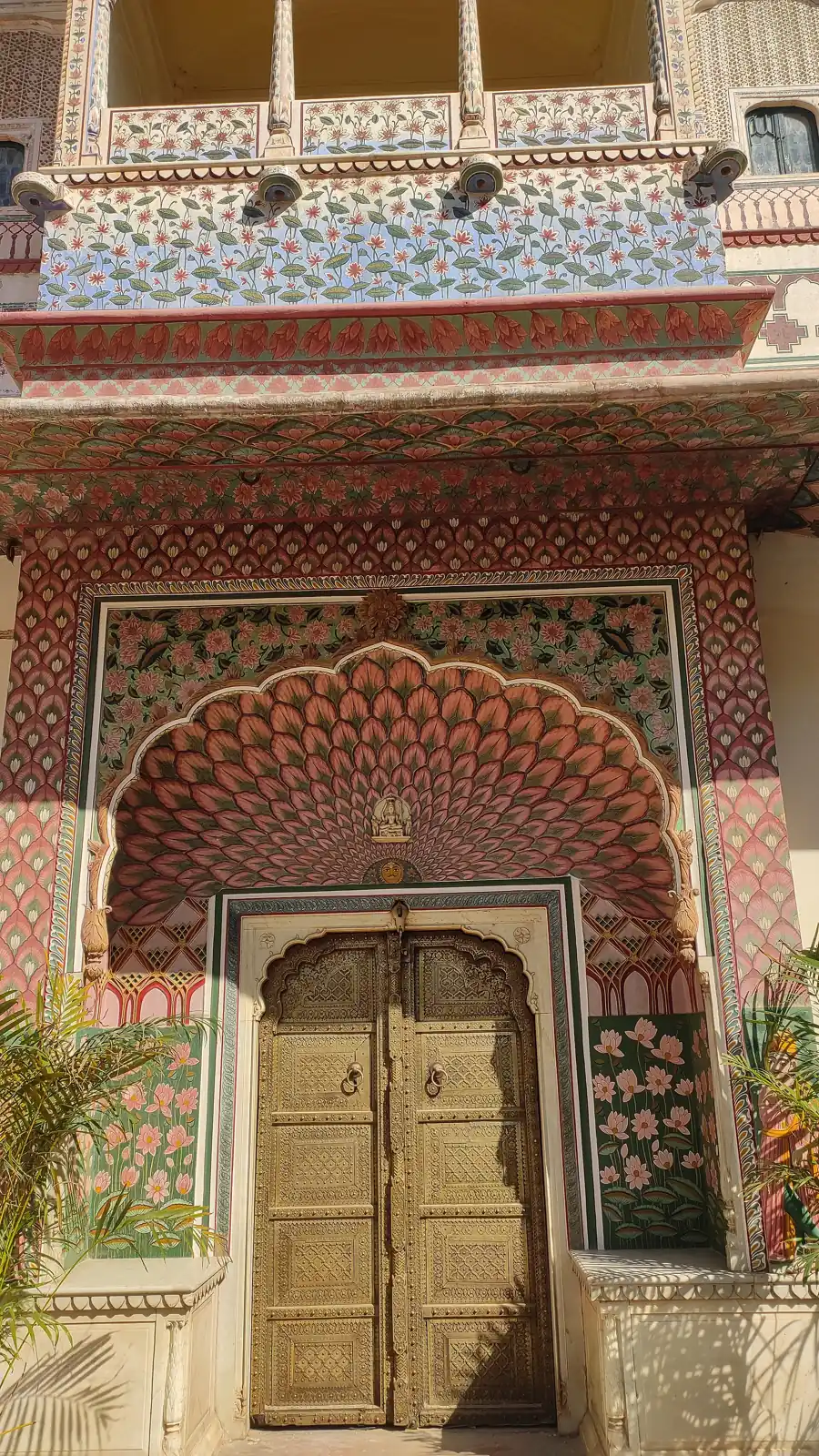
The City Palace is still partly a royal residence, with the Peacock Gate, the Chandra Mahal and Mubarak Mahal, and the listing gives half past nine to half past seven. Next to it, Jantar Mantar is an observatory of huge stone instruments, the largest of the five built by Jai Singh II, with the world's largest stone sundial, and it is on the UNESCO list. A guide helps here, since the instruments mean little without someone explaining them.
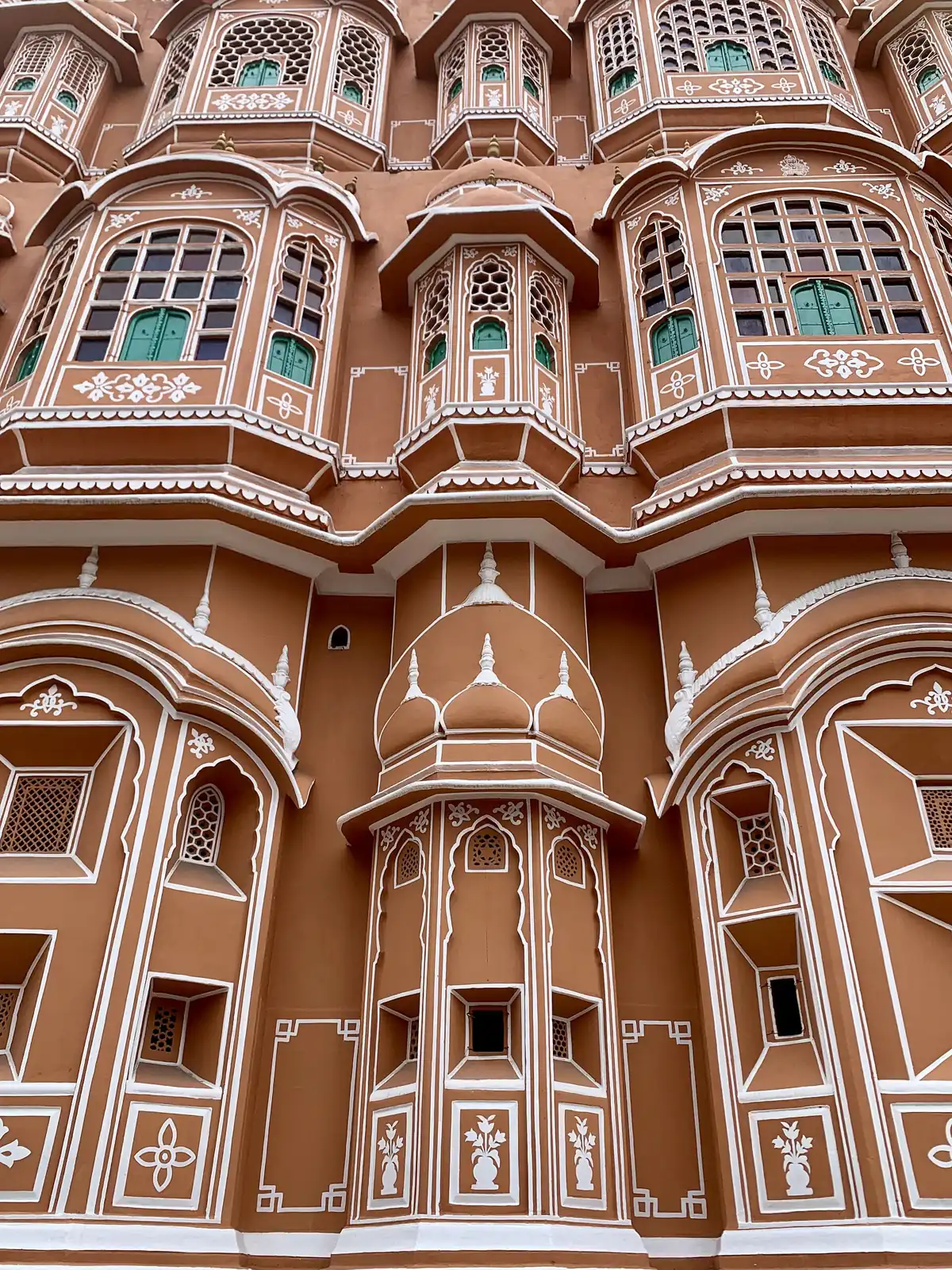
Hawa Mahal, the 1799 screen of 953 small windows, is best seen from the road opposite it, so you do not need to buy a ticket just for the frontage. Nahargarh Fort on the ridge is the place to be at sunset, when the whole grid lights up below you. Note that Jal Mahal in the lake is only a view from the road, because it is not open to visitors.
Bazaars: what to buy and how to bargain
Johari Bazaar is for jewellery, Bapu Bazaar for mojari shoes and textiles, Tripolia for bangles and fabric, and Chandpole for carved marble figures. Bargain with a smile, start at half, and walk away at least once. Ask the price before you follow anyone into a shop.
A two day shape that works
Spend the first morning at Amber, return for lunch and rest through the hot hour, then give the afternoon to the City Palace and Jantar Mantar. End with a walk to the Hawa Mahal lane when the street lamps come on. On the second day, start at Nahargarh or Jaigarh for the ridge views, then spend the rest of the day in the bazaars, with chai stops, a block printing workshop if you like, and an early dinner. This order keeps the long drives in the cool hours and the shopping when the sun is down.
Where to base yourself
The old city has guesthouses and heritage havelis, atmospheric and noisy at once. The calmer neighbourhoods further out suit families with elders, and you should choose a hotel with a lift, as many old city havelis climb several floors.
What to eat, for vegetarians especially
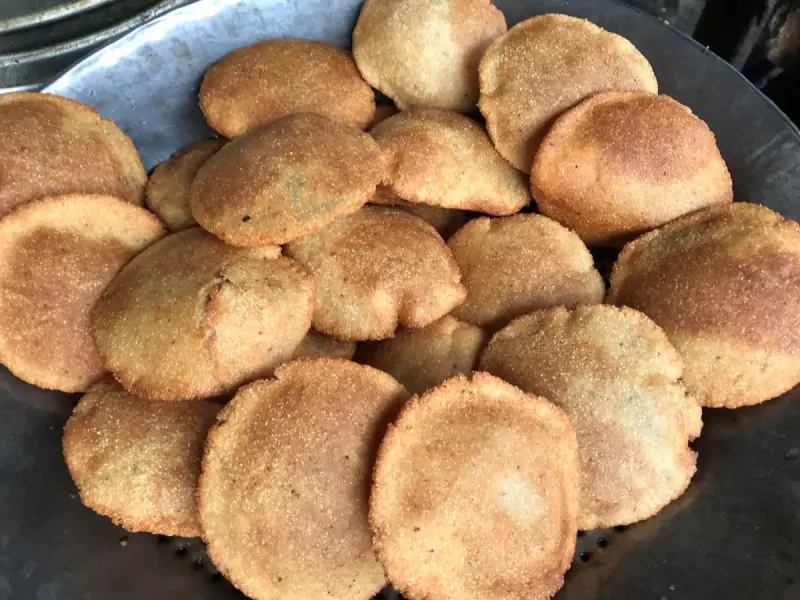
Rajasthan is a lovely place for a vegetarian. Dal baati churma, ker sangri, kachori, mirchi bada and bajra roti with garlic chutney are the dishes to try, and a lassi in a clay cup is the drink. Ghewar is a festival sweet, and laal maas is the signature meat dish for those who eat it.
Planning the road with Laladham
We pick guests up in Delhi and carry the whole journey: the road to Jaipur, the fort mornings, the hotel in the right quarter, and the onward leg to Ajmer, Pushkar or back to Braj. Tell us how many days and who is travelling, and ask for a quote on the book page.
Questions, answered
How many days do I need in Jaipur?
Two days cover Amber Fort, the City Palace, Jantar Mantar, Hawa Mahal and a bazaar evening. A third day lets you add Nahargarh and slower meals.
What is the best time to visit Jaipur?
October to March, when days are pleasant. Summers are hot and the old city is crowded in peak holidays.
How far is Jaipur from Delhi and Mathura?
Delhi is the closer one, a drive of roughly half a day with stops. Mathura is on the same side of the capital, so ask us for the Braj leg on your date.
Do I need to book Amber Fort tickets in advance?
Not always, but check the official Rajasthan Tourism page for the current rules and fees, since hours and ticketing change. Arriving at opening saves time in any case.