Each year in the month of Kartik, as the cold begins to creep into Rajasthan, herders from across the desert drive their camels, horses and cattle toward this lake. In the same days, seekers from all over India come to bathe in the water. The result is a week where a sacred town and a livestock market stand on the same sand, and nobody finds this odd.
This post tells you what the fair is, what the rituals are, how to behave, and how to plan the trip. For the 2026 edition, sources put the fair between 17 and 24 November, and the full moon on 24 November. The local administration publishes the final programme each year, so check it before you book.
Water, lotus and legend
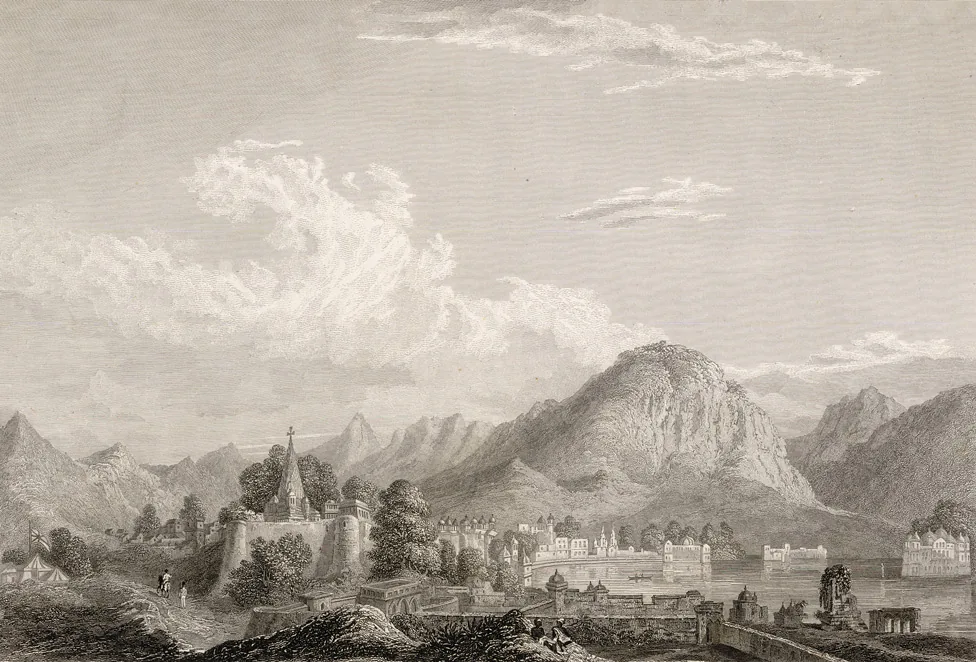
According to the local tradition, Brahma wanted to perform a yajna and needed a place. A demon was disturbing the earth, and the lotus in Brahma's hand, thrown at him, scattered petals in three places. The three sacred lakes of Pushkar are named for them, and the main one is the lake in the town.
The same story says Brahma performed his great sacrifice in the days between Kartik Ekadashi and Kartik Purnima. That is why those days are the busiest of the whole year, and why bathing on the full moon morning is held to carry a special merit.
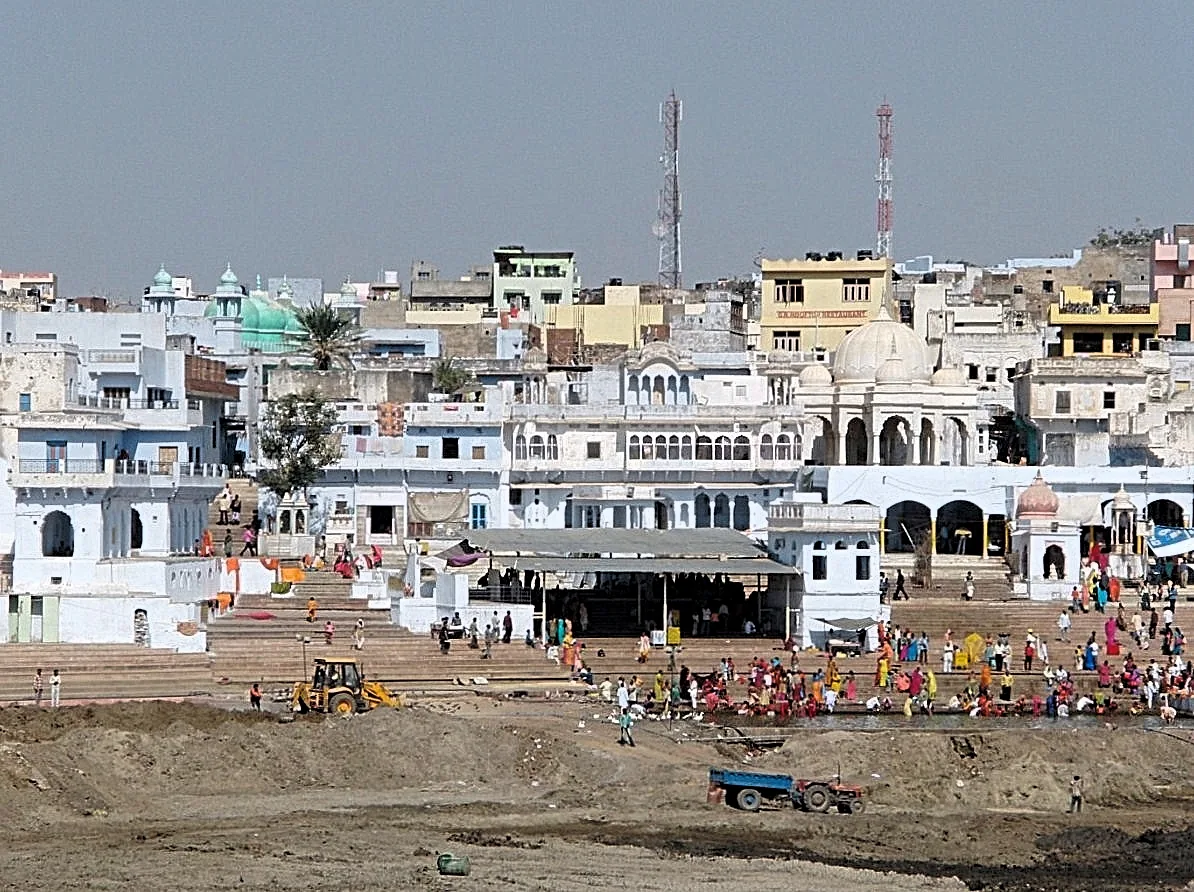
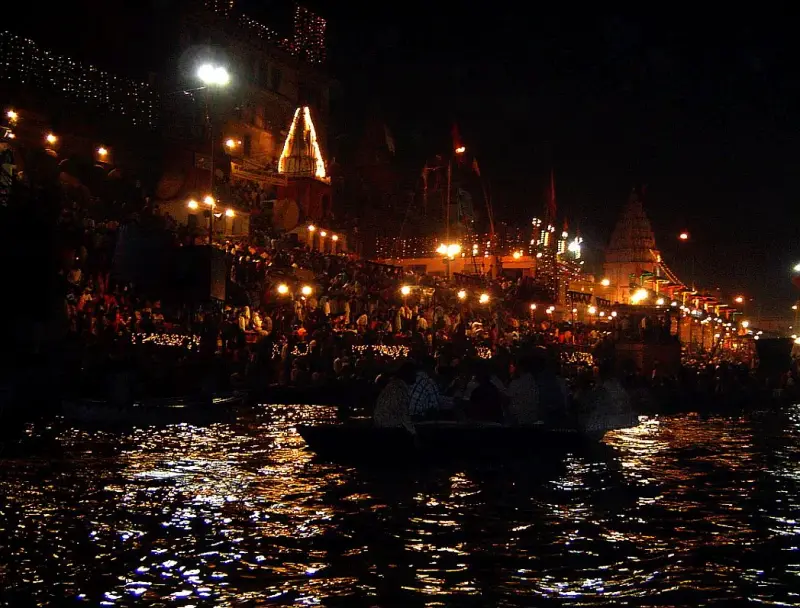
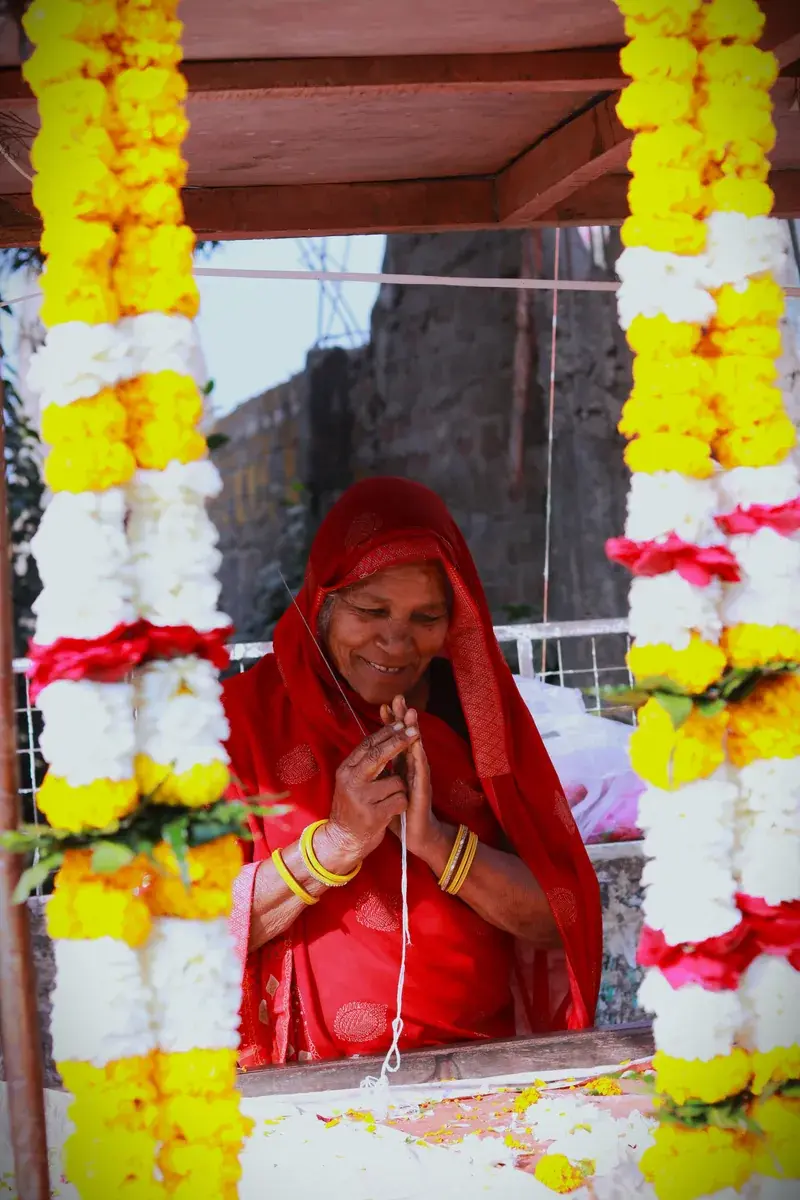
Around the water stand dozens of bathing ghats, with white and pale blue buildings running along the rim. Visitors are asked to remove their shoes at the steps, and a priest will approach you to perform a short puja for a few flowers. You are free to decline politely, and equally free to accept, but agree the offering before you begin and keep it modest.
The Brahma temple
Pushkar has one of the very few temples in India dedicated to Brahma, and it is the best known. Its red spire and carved marble entrance stand a short walk from the lake. The present building is generally dated to much later than the legend, with an older temple said to have stood on the site.
On a fair day expect a line that winds out onto the street. If you are travelling with an elder, go in the early morning of an opening day rather than on Kartik Purnima. The shrine inside is small and the queue moves slowly, but the people in it are in good humour.
A hill above the town carries a temple to Savitri, Brahma's wife, with a path or a short ropeway to reach it. The view over the water and the desert beyond it at sunset is the reason most seekers climb it.
The fair itself: camels, horses and a lot of dust
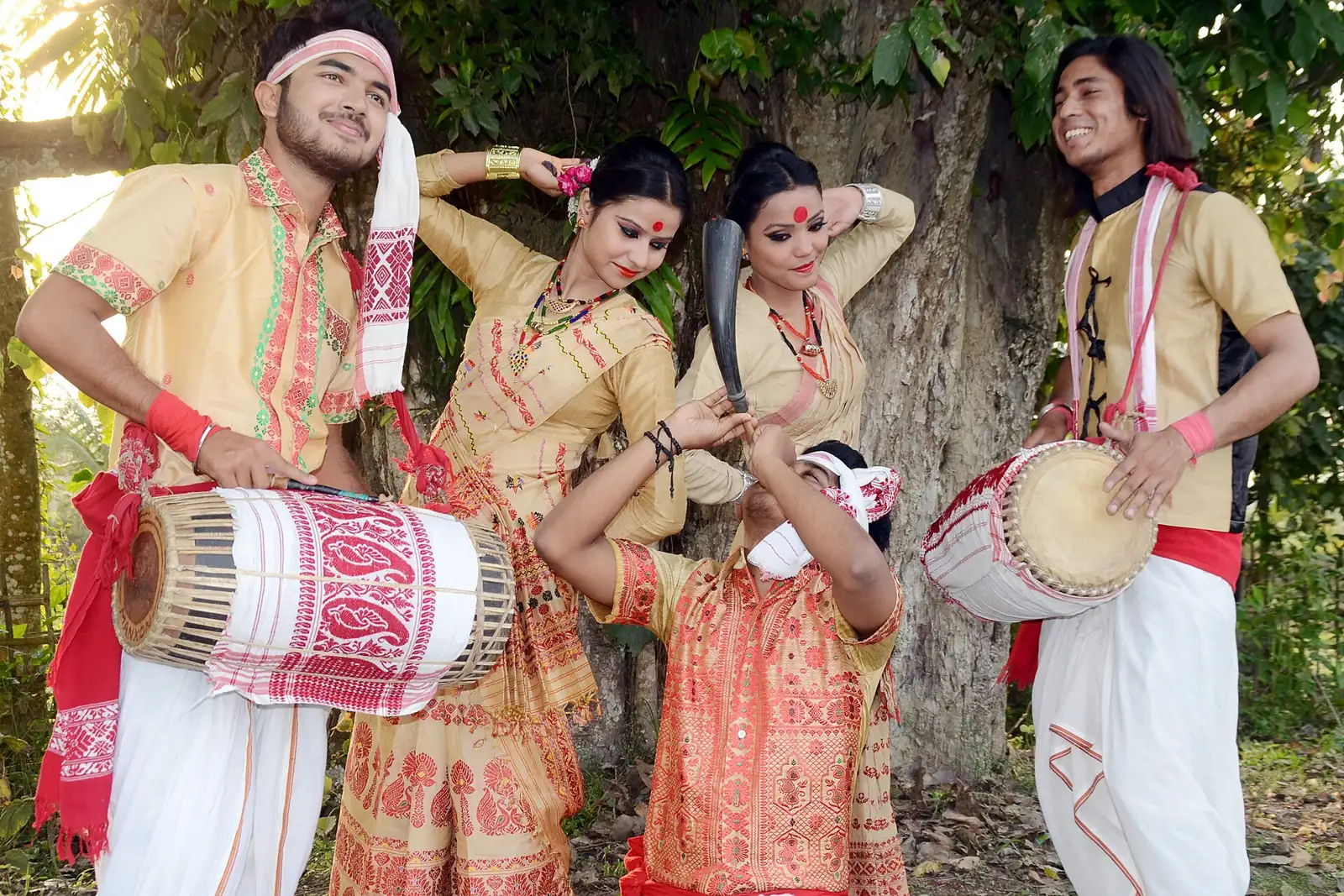
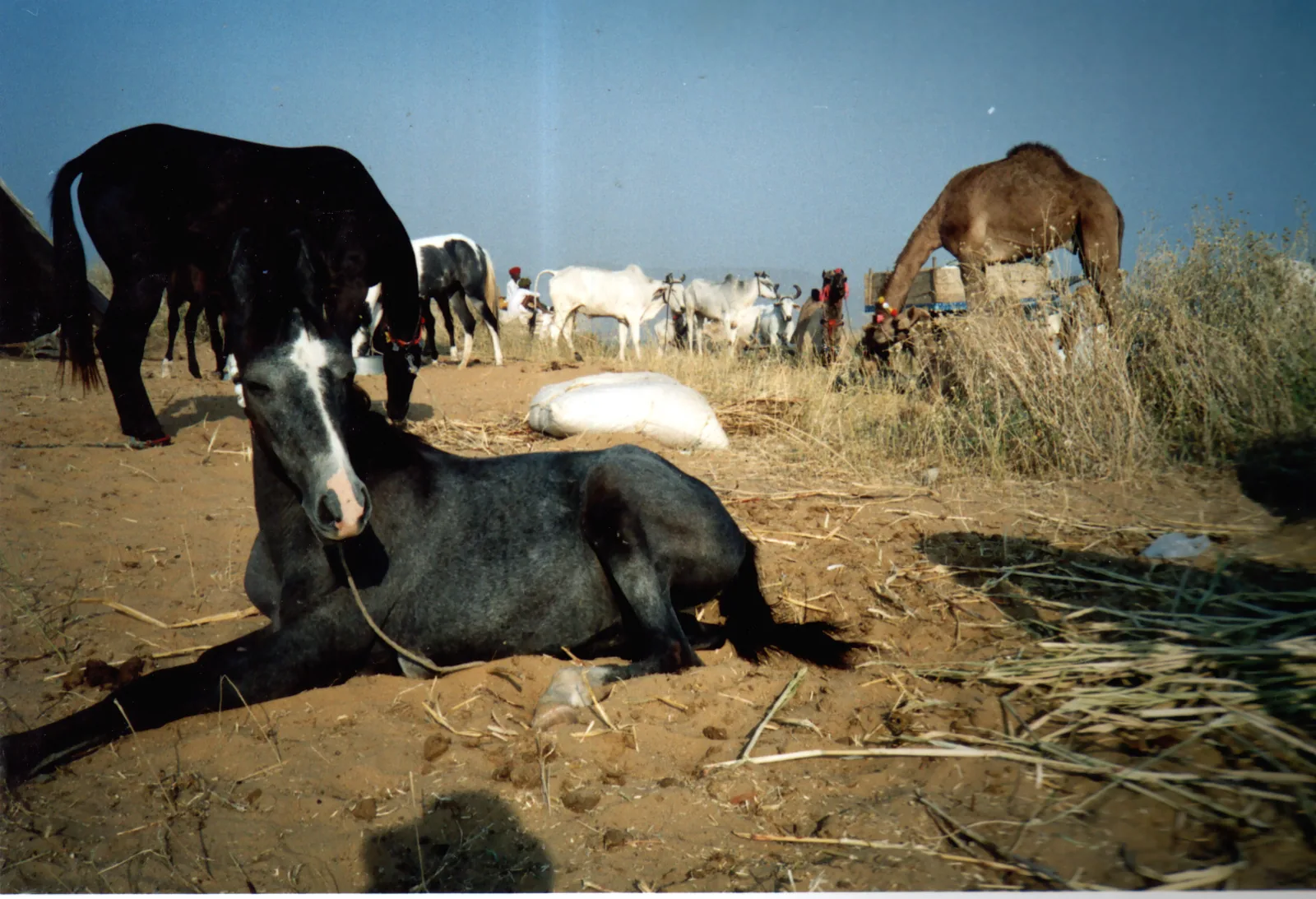
The livestock fair begins on a large sandy ground on the edge of the town. In the early days the work is the real thing: herders bargaining with traders, camels being walked up and down so buyers can judge them, horses shown at a trot. As the full moon approaches, a cultural programme begins, with competitions that include camel races, turban tying, and a moustache contest, and with folk music and dance in the evenings.
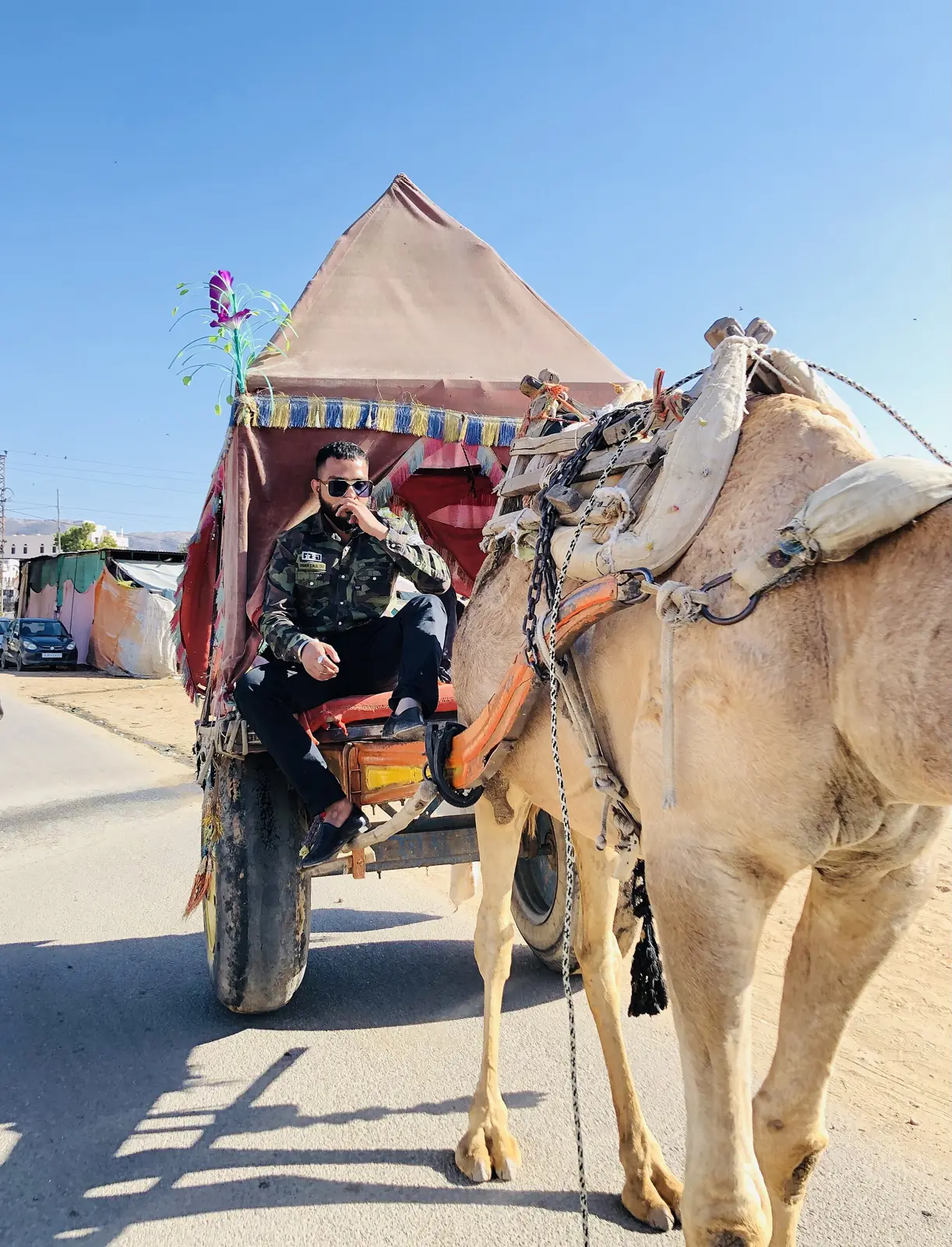
A good part of the pleasure is just walking among the animals. Camels are decorated with patterns clipped into their coats and with embroidered saddlecloths. Do not stand behind a camel and do not pet one without asking its owner, because they will bite when they are annoyed.
Hot air balloon rides are offered in some years above the sand and the water at dawn, though they depend on weather and permits. Treat them as a possible extra and not a promise.
Early morning is best for photographs, with low sun and the herders still making breakfast fires
Ask before you photograph a person. Many will say yes, and some will ask you to buy tea
Take a scarf or a cloth to cover your nose, because the dust gets into everything
Kartik Purnima: the bath at dawn
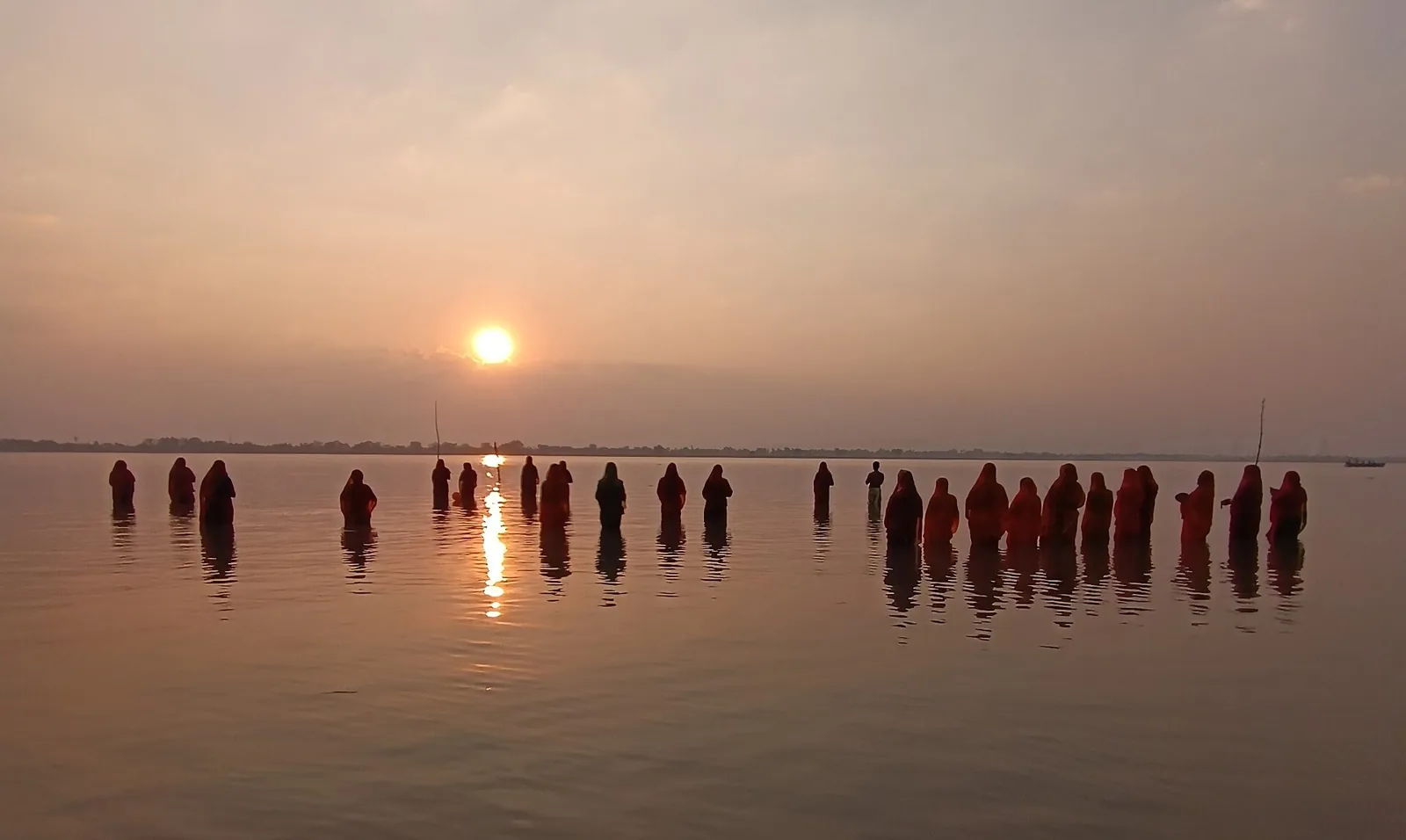
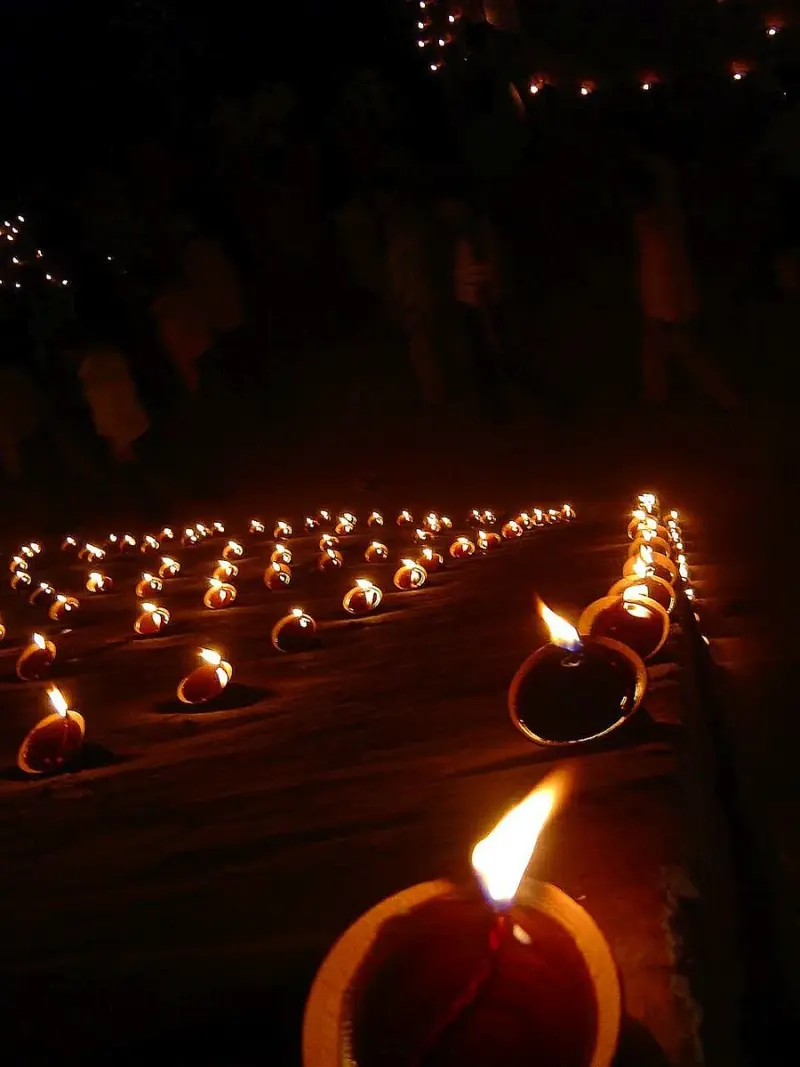
On the morning of the full moon, the ghats are packed with people entering the water at first light. Families bathe together, women send tiny leaf boats with a lamp across the lake, and afterwards many walk to the Brahma temple. In the evening, lamps are floated again for the deep daan.
Plan to be on the ghats before sunrise. After about eight the crowd becomes heavy and the water is crowded. Keep your valuables in a locker or the hotel and carry only a small bag, as pickpockets work every large fair.
When to go and where to stay
Rooms in Pushkar fill many weeks ahead, and prices climb steeply for the last few nights. Some travellers stay in tented camps on the sand dunes, which put you close to the fair but are cold at night, so bring a warm layer. Others stay in Ajmer, fourteen kilometres away, and drive in.
If the full moon crowd is too much, go in the first days of the mela. You will see the animal trading at its most genuine, find a table at the cafes, and still be in time for the cultural programme.
Planning the trip from Delhi
Delhi to Pushkar is a long day by road and a short night by train to Ajmer, with a drive over the hill to Pushkar from the station. Jaipur is a natural halt on the way.
Laladham can pick you up in Delhi and run the whole trip: transport from your door, a stay in Pushkar or Ajmer that is booked before the rooms vanish, a guide for the ghats and the sand fields, and help with a visit to the Ajmer dargah if you wish. If you would like to carry on to Jaipur, or return by way of Mathura and Vrindavan, we can shape it that way. Ask for a quote from the booking page and mention your dates and how many of you are going.
Questions, answered
When is the Pushkar Camel Fair in 2026?
Most sources give 17 to 24 November, and Kartik Purnima falling on the 24th. The state and district authorities publish the exact programme each year.
Is alcohol or meat allowed in Pushkar?
No, the town is treated as a holy place and sale of both is prohibited inside its limits.
How far is Pushkar from Ajmer?
Roughly fourteen kilometres over a short hill road, a short taxi ride, longer in fair traffic.
Is the fair good for children and elders?
Yes, with care. The ground is sandy and dusty, the crowd is thickest on the last two days, and the night is cold. Plan an early start and a warm shawl.