Parvati is Gauri in Rajasthan, and Rajasthan sings to her in both seasons. In one festival she waits for Shiva through the rains, and in the other she arrives at her husband's house with him. A visitor who knows both can see the same love told in two different seasons, and a good traveller plans the year around them.
The dates follow the lunar calendar. Teej, the monsoon festival, is the third day after the Shravana new moon, and Gangaur closes early in Chaitra. Get the year's days from Rajasthan Tourism before you book.
Teej: the monsoon, the swing and the green dress
Hariyali Teej falls in Shravana, in the rains, and celebrates the union of Shiva and Parvati.
Women put on green, set up swings under trees, apply henna, and sing monsoon songs.
The day before is known as Sinjara, when mehndi is applied.
Two later Teejs follow in the same monsoon, Kajari Teej in the dark half of Bhadrapada and Hartalika Teej on its bright third day.
In Rajasthan, the quality of Teej is joy.
The long wait for the rain ends and the city goes outside.
For the visitor, the pleasure is not in the large event only, but in the ordinary courtyards, where a swing hangs from a nim tree and girls sit with their feet in puddles.
The Teej procession in the old city
Jaipur's Teej procession is one of the finest sights of the year, and the festival is described as lasting two days. An official listing says the procession begins at Tripolia Gate and ends at Talkatora, while other accounts place the start at the City Palace. The goddess travels on a palanquin, with decorated elephants, camels, horses and bullock carts, marching bands, and troupes of singers and dancers.
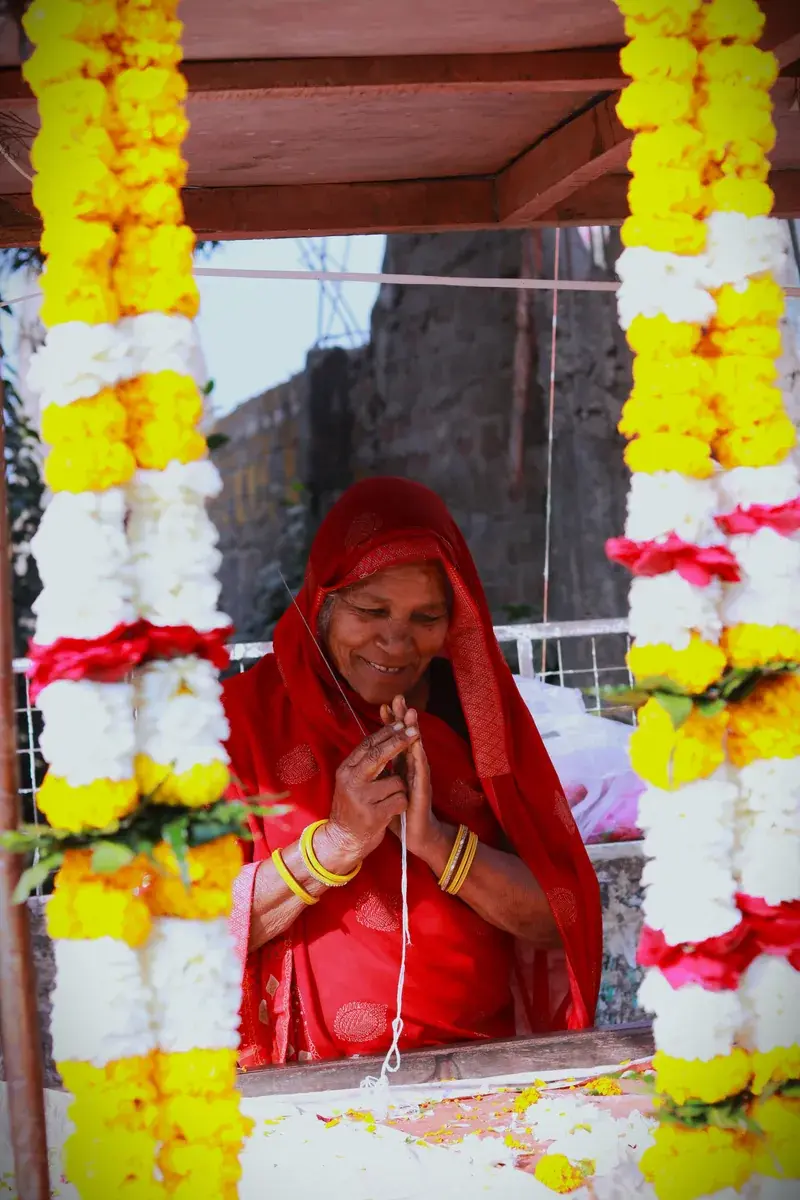
The Teej image is covered by a canopy, as is the custom, and the Gangaur image is left open. Visitors can watch from the street, and many tourists photograph from the rooftops along Tripolia Bazaar and Gangauri Bazaar, and near the Chaugan stadium. Ask your hotel about a seat in advance.
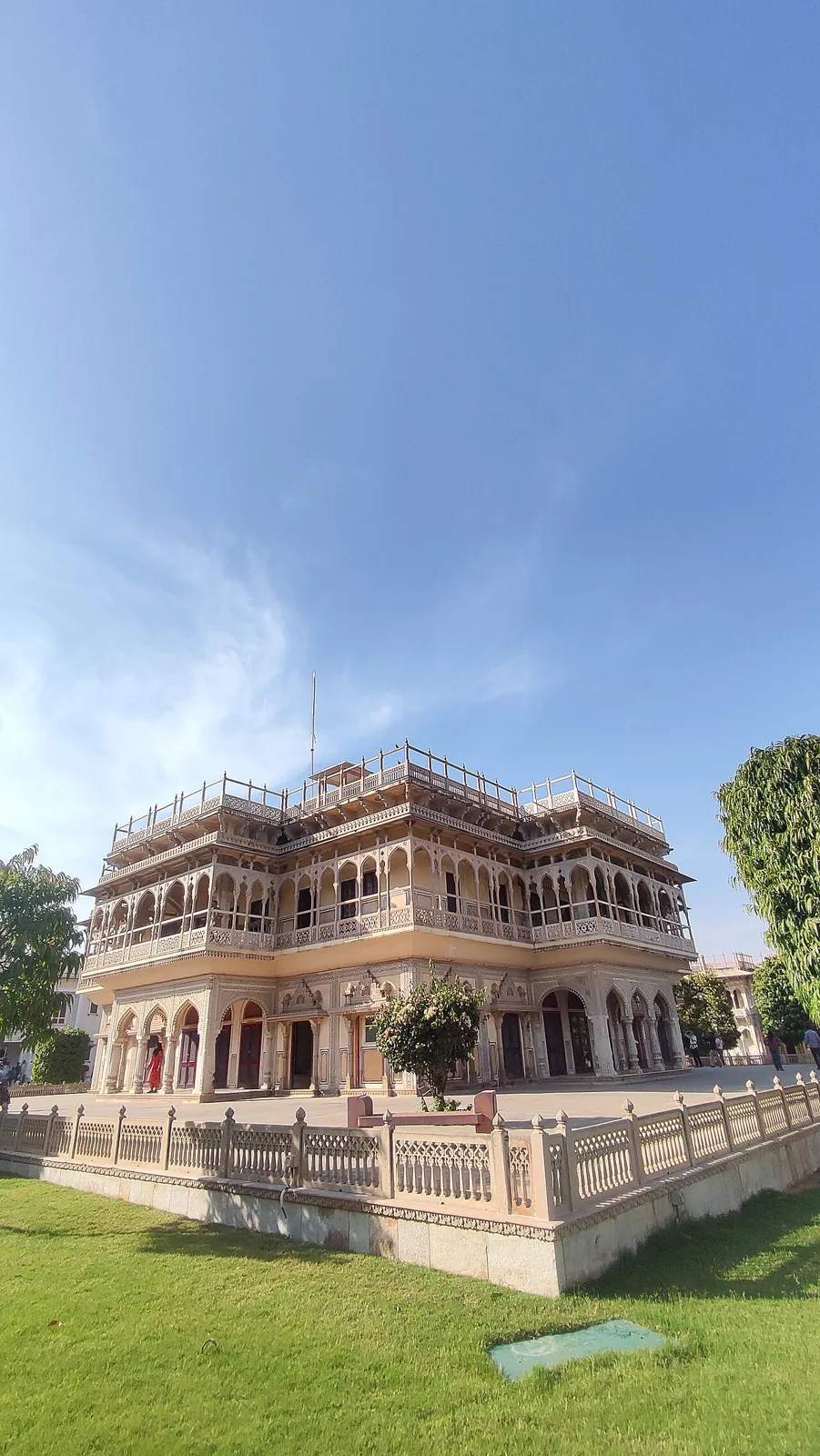
Gangaur: sixteen days of Gauri and Isar
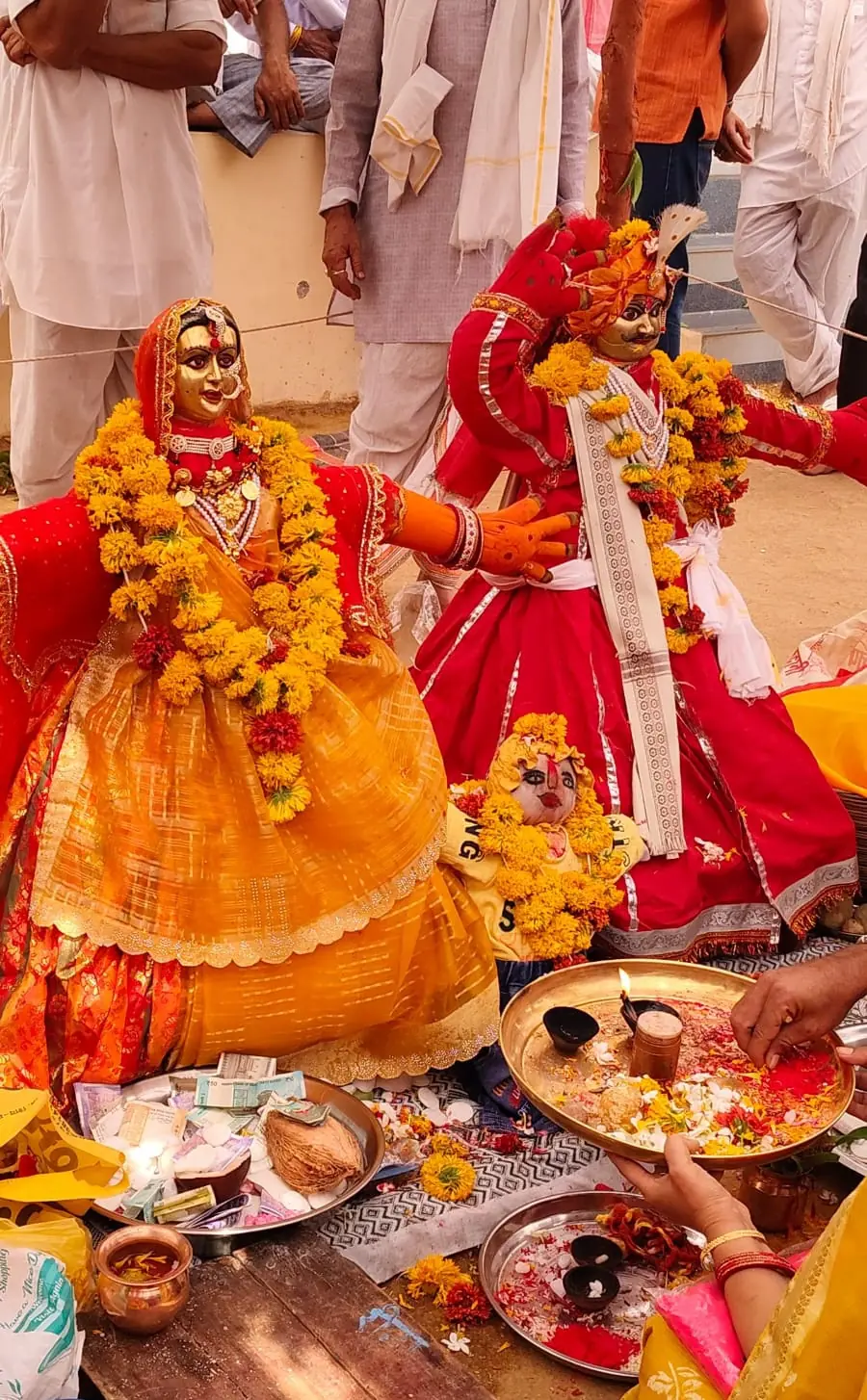
Gangaur starts the morning after Holi and ends on Chaitra Shukla Tritiya, so it fills the first weeks of spring. Women model clay images of Gauri and Isar, the local names for Parvati and Shiva, and worship them for sixteen days. Brides of the year keep an eighteen day observance, and fairs fill that stretch.
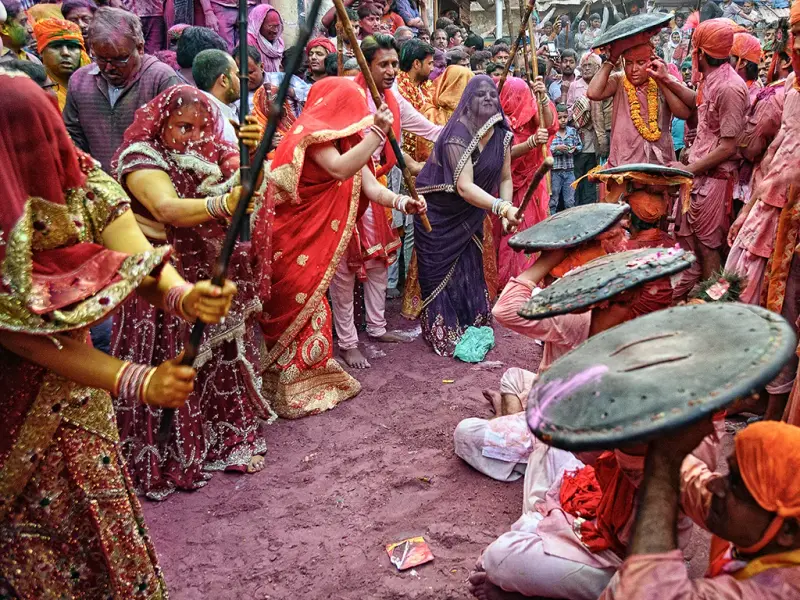
Unmarried girls pray for a good husband, and married women for the long life of theirs. The clay figures are dressed in new clothes in the last days, and on the final day they are carried to water and immersed. Gangaur is mostly a women's festival, and the most beautiful part is not the procession but the songs sung in the days before it.
The Gangaur procession and the ghevar
The Jaipur Gangaur procession brings the image of Gauri out of the Zanani Deodhi of the City Palace, through Tripolia Bazaar, Chhoti Chaupar and Gangauri Bazaar, past the Chaugan stadium, and finishes near Talkatora. It is another gathering of elephants, bands, folk dancers and women in their finest.
Ghevar, the round honeycomb sweet soaked in sugar syrup and topped with cream, belongs to these festivals in Jaipur, and the sweet shops of the old city sell it by the plate. Try one fresh and have it warm.
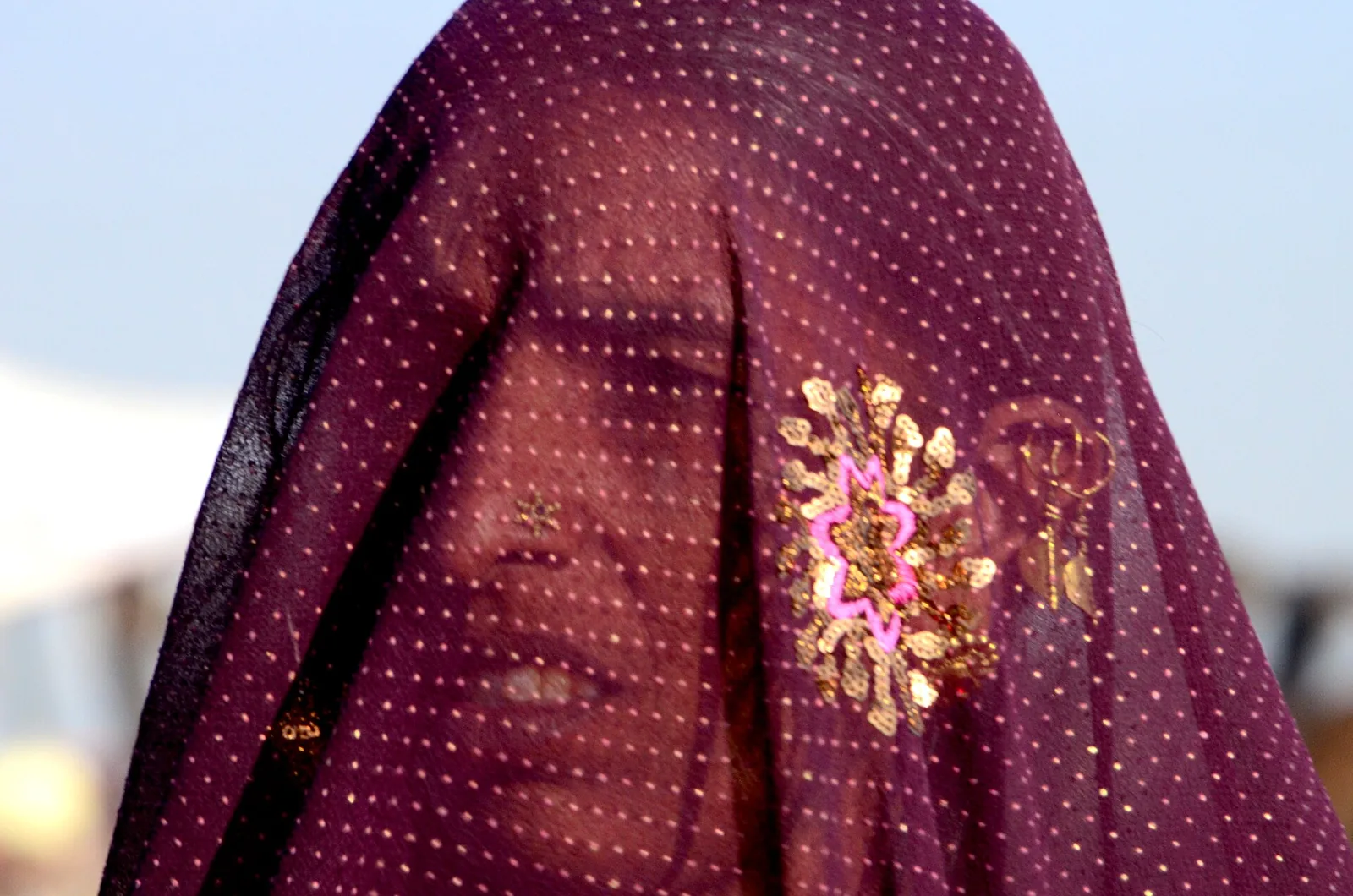
Two festivals compared
Teej is in the rains, and your clothes will be wet. Plan for umbrellas, shoes that can cope with water and a light rain jacket. Crowds are very large, but the weather helps, and the processions are in the evening.
Gangaur is a spring festival with gentle weather, which makes it the easier first visit. If you can pick only one, pick Gangaur for comfort and Teej for atmosphere.
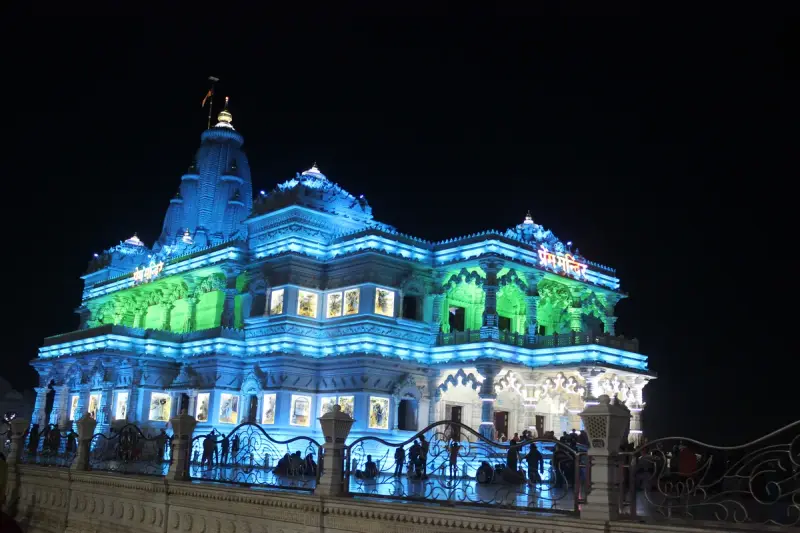
What to wear and how to behave
Wear something light and modest, and cover your shoulders. Women visitors may be invited to join the singing or to have henna applied, and it is polite to accept if you are comfortable. Do not pull at the clay images or touch the ornaments, and always ask a woman before photographing her.
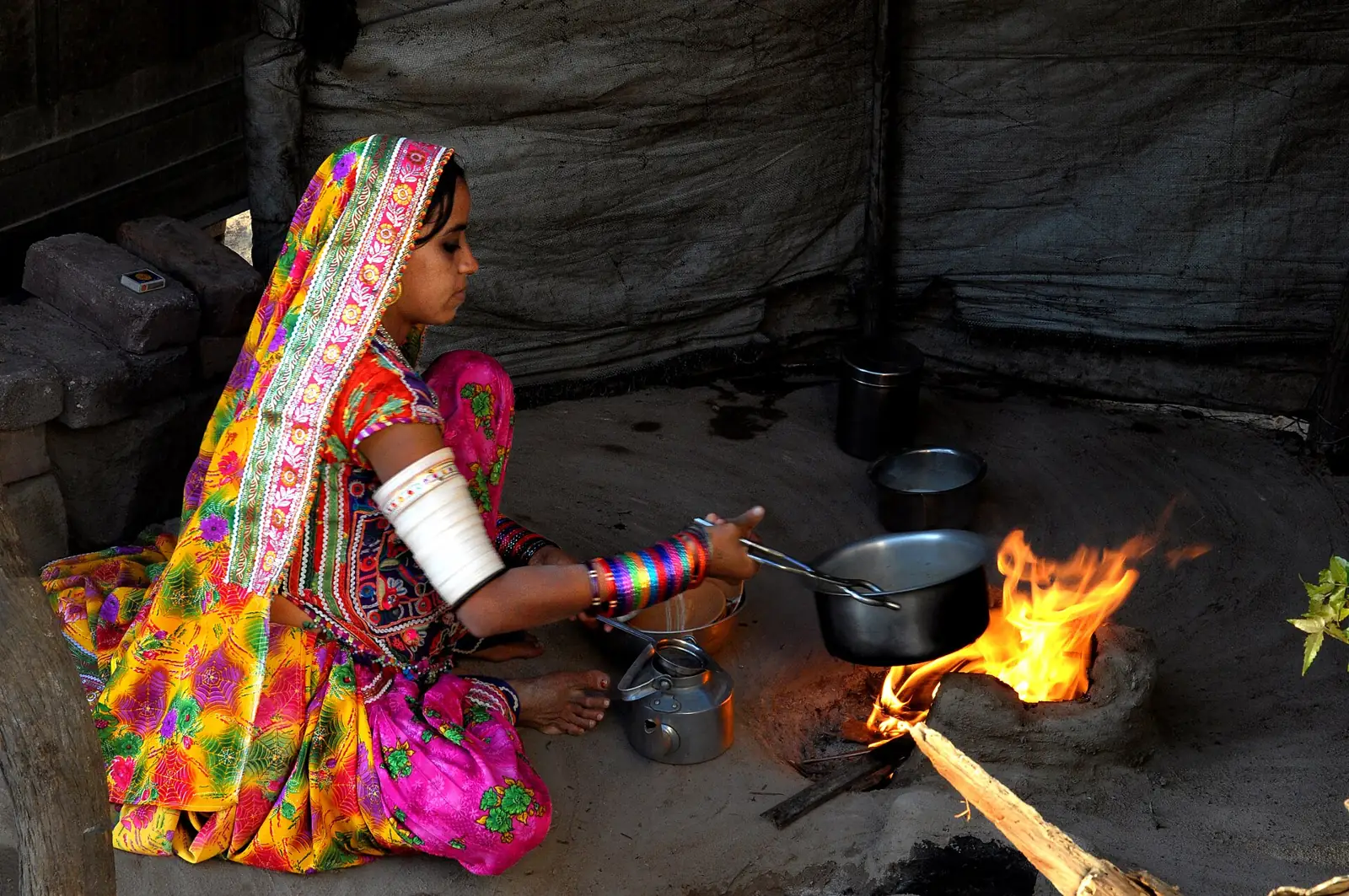
Making a plan from Delhi
Jaipur is a long drive from Delhi, and the two festivals bring heavy traffic. Laladham can pick you up in Delhi and run the whole trip: a cab and driver to Jaipur, a room in or near the old city, a rooftop seat for the procession, a day for the palaces and forts, and a return or onward trip to Agra and Braj.
Send us your dates and group size from the booking page and ask for a quote. We can also plan a journey that takes in both festivals across the year, if you want to see Jaipur in two seasons.
Questions, answered
When is Teej in Jaipur?
Hariyali Teej belongs to Shravana. One travel site gives 15 August 2026, and Rajasthan Tourism announces the procession days closer to the festival.
When is Gangaur?
It opens once Holi is over (Drik Panchang puts Holi 2027 on 22 March) and closes about two weeks later. A local calendar gives the exact day.
Where can tourists watch the procession?
From the roadside near Tripolia Bazaar, or from a rooftop along Tripolia and Gangauri Bazaar.
Is Gangaur only in Jaipur?
No. It is kept across Rajasthan and in parts of neighbouring states. Udaipur's procession starts at the City Palace and ends at Gangaur Ghat on Lake Pichola.