Getting there from Delhi
Pune Airport at Lohegaon is about 15 km from the city centre and has domestic flights, and Pune Junction is the main railway station. Outlook Traveller's guide gives the Mumbai to Pune expressway as about 150 km and two to three hours by car, so if your Delhi flight lands in Mumbai instead, a driver can take you on from there. The guide advises using app cabs, autos or the bus network in the city, and warns that many areas lack proper footpaths, so walking is best kept to Koregaon Park, FC Road and the area near the university.
Shaniwar Wada and the old city
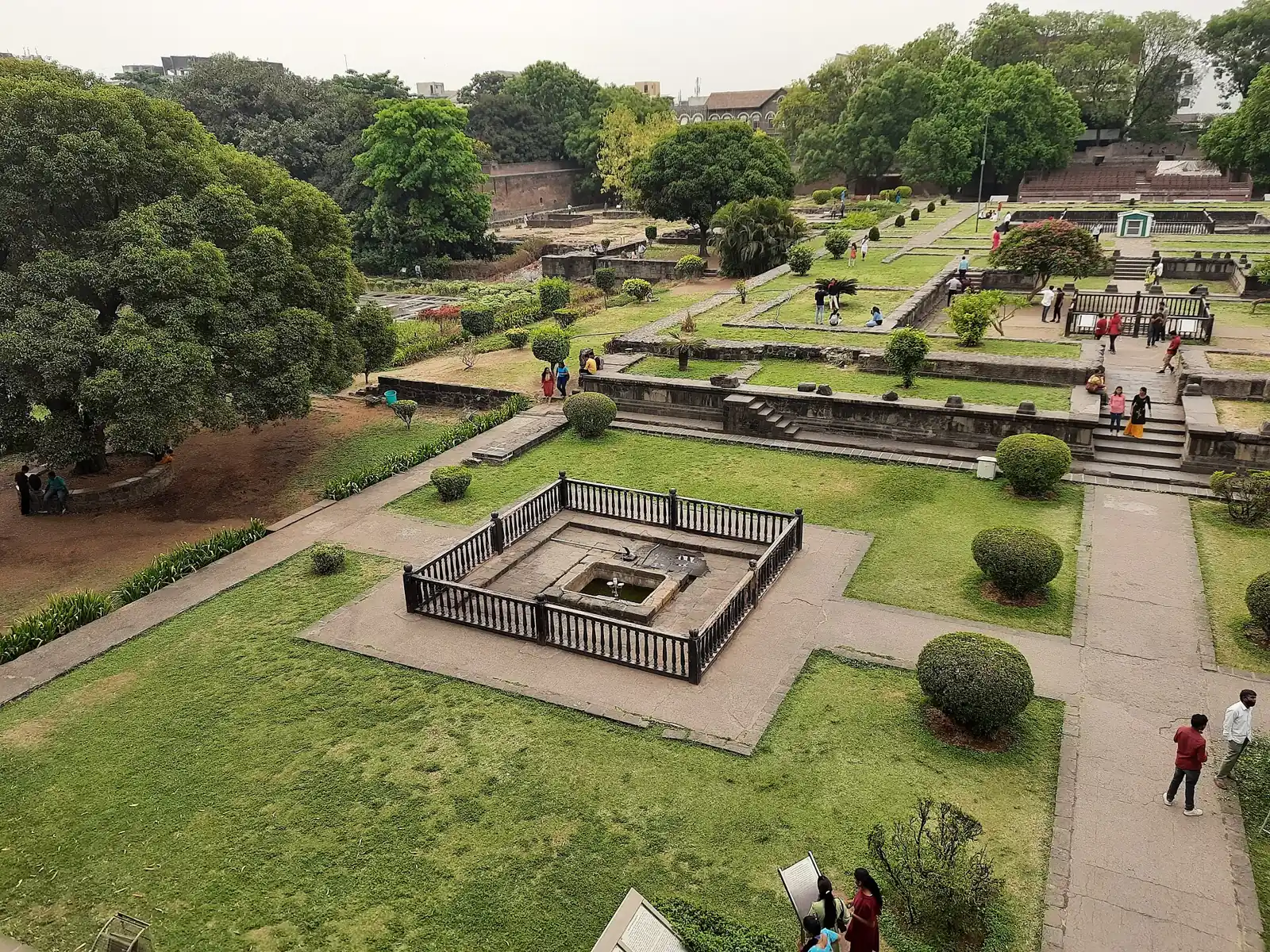
Shaniwar Wada is the former Peshwa fort in Shaniwar Peth, and Outlook Traveller lists entry at Rs 5 for Indians and Rs 125 for foreigners. Expect a Peshwa-era ruin rather than a furnished palace. The Incredible India 48-hour plan puts it at 3 pm and notes a light and sound show on six evenings a week; check the language and timing before you plan around it. Lal Mahal, the Chaturshringi temple and the lanes of Shaniwar Peth are nearby, and Pune has 17 old peths, some named after weekdays or founders.
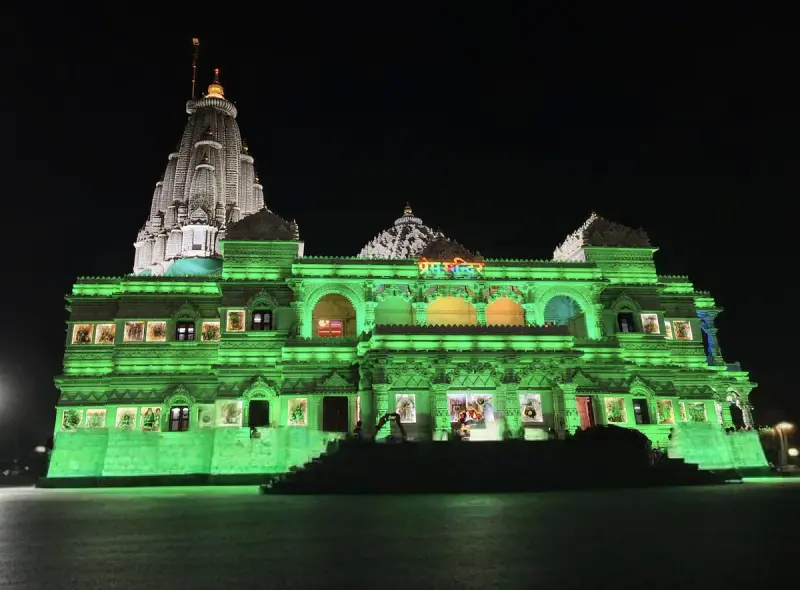
Best months for the open-air sites are October to February.
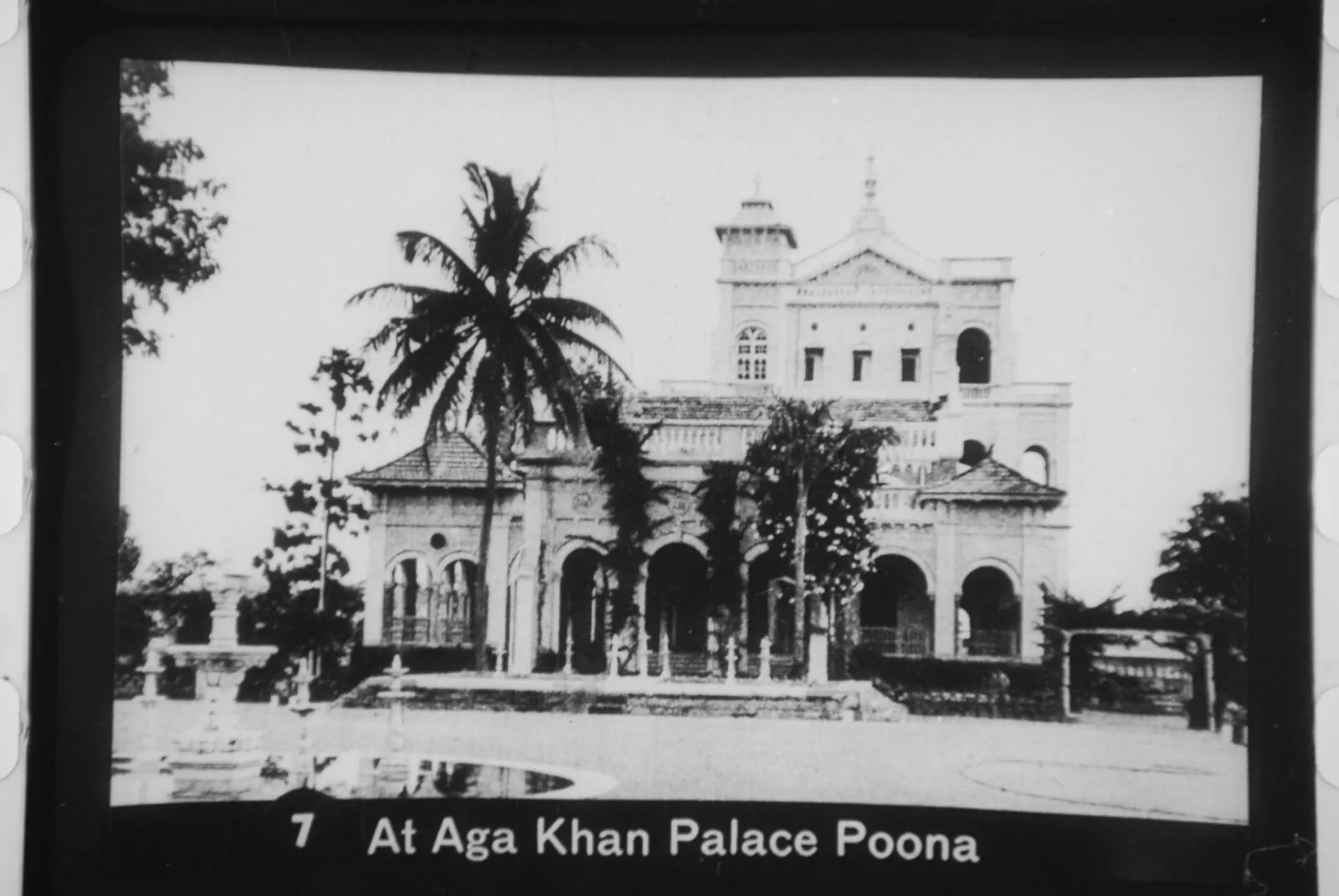
Aga Khan Palace
Built in 1892 by Sultan Muhammad Shah Aga Khan III, the palace is now a museum on the freedom struggle. In 1942, during Quit India, Mahatma Gandhi, Kasturba Gandhi, Mahadev Desai and Sarojini Naidu were imprisoned here for about two years. Kasturba's samadhi and Mahadev Desai's tomb are in the grounds. The five halls display Gandhi's spinning wheel, letters and bed, including the room he shared with Kasturba. The 48-hour plan starts the day here at 9 am, which is sensible: the grounds are open and calm early.
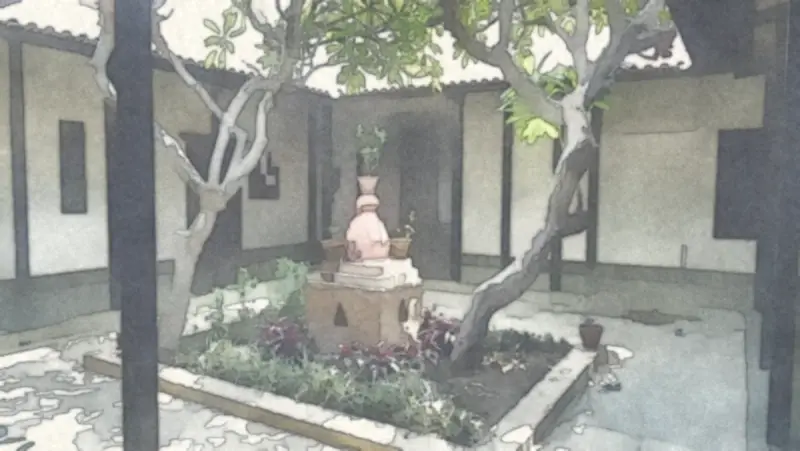
Pataleshwar, Kelkar Museum and the Mandai
Pataleshwar is an 8th century rock-cut Shiva temple in Shivaji Nagar with a carved Nandi and a linga. The Raja Dinkar Kelkar Museum holds Peshwa swords, embroidered textiles and unusual instruments, and the plan advises about half a day. Mahatma Phule Mandai, the large vegetable market in a 19th century Gothic building, is best before the day heats up, and Dagdusheth Halwai Ganpati is a good first stop early in the morning when the queue is shortest, though the sources do not give hours.
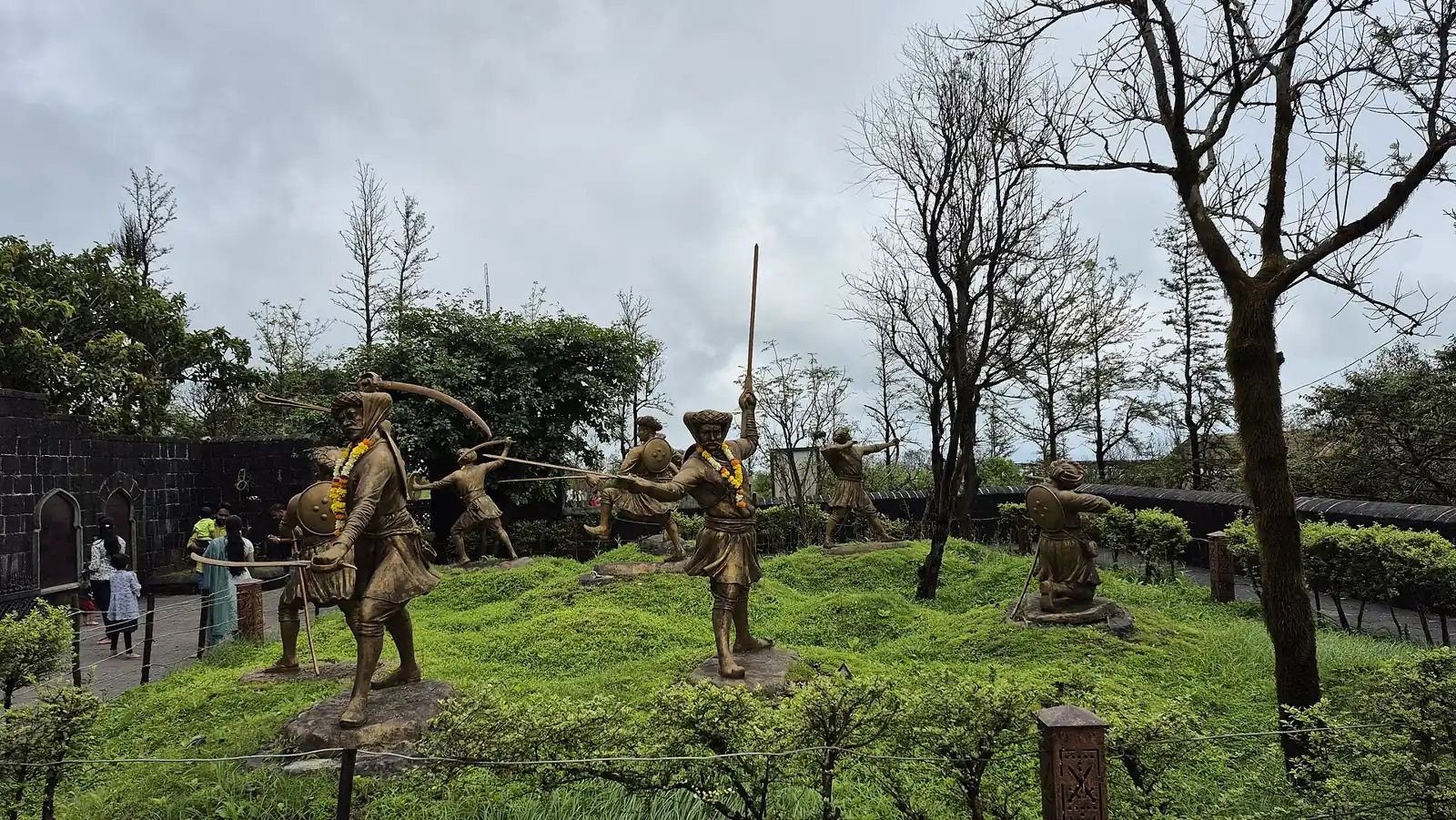
Sinhagad, the half-day escape
Sinhagad is the fort trek that most Pune visitors choose. Outlook Traveller says it is free for pedestrians, with parking at Rs 20 for two-wheelers and Rs 50 for cars. The post-monsoon months, late September to early February, are the best, when the slopes are green. Go early, wear shoes with grip, and carry water.

What to eat and where
Misal pav, a spicy sprouted-bean curry with bread, is the signature; Outlook Traveller recommends Bedekar Misal and Shabree, and the Incredible India plan has breakfast at Bedekar's Tea Stall. For vada pav it names Garden Vada Pav Centre on Bootee Street and Joshi Wadewale. Vohuman Cafe, an Irani cafe open from 6 am to 7:30 pm, is known for bun maska and chai. Dorabjee & Sons does Parsi dishes such as berry pulao and dhansak, Vaishali is the dosa and filter coffee address, and Chitale Bandhu is the stop for bhakarwadi and sweets. Kayani Bakery on MG Road is the one for Shrewsbury biscuits.
Shopping, evenings and weather
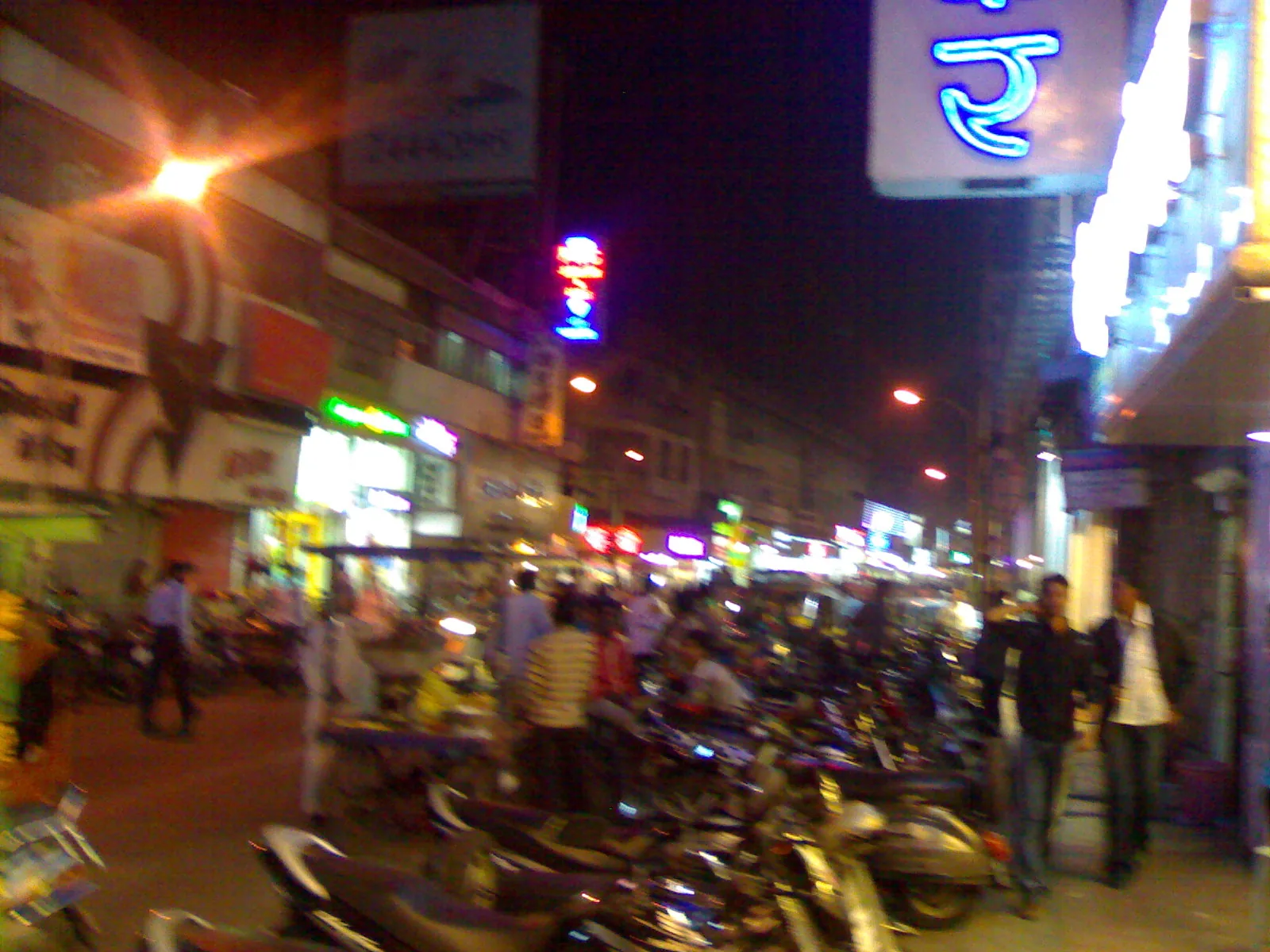
Laxmi Road is where the traditional Maharashtrian sarees are, Tulsi Baug, FC Road and Juna Bazaar are the other shopping spots, and Koregaon Park suits a late dinner. Taljai Tekdi, a forested hill, is a good sunset spot, and the 10-acre Okayama Friendship Garden is a calm afternoon stop. November to February is cool. Avoid June to September, which Outlook Traveller describes as heavy monsoon and humidity. Ganesh Chaturthi in August or September brings processions and music, so book early if you want the festival.
Let Laladham run it
Laladham can pick you up in Delhi, at the airport, station, home or hotel, and run the complete trip: the flight or train to Pune, a driver for the city and Sinhagad, a stay near the old town and a plan that puts the early morning stops first. No fixed price is published for this route, so ask for a quote on the book page with your dates.
Questions, answered
How many days do I need in Pune?
Two days cover the main sights, and a third adds Sinhagad and a slow food trail.
How much does Shaniwar Wada cost?
Entry is nominal for Indians and higher for foreigners, so check the current board at the gate.
What is Pune best known for in food?
Misal pav, vada pav, bun maska at Irani cafes and Parsi dishes.
Is Sinhagad free?
Walkers pay nothing; vehicles pay for parking.
When should I avoid Pune?
June to September, because of heavy monsoon rain and humidity.