This plan runs from the Sahyadri hills near Pune to Nashik and the Godavari, then across to the Ellora side, and finally east to Hingoli and Beed. It assumes you cover the Delhi leg by air or rail, then travel by road for the rest.
Day 1: Delhi to Pune, then up to Bhimashankar
There is no sensible road option for this circuit from Delhi, so fly or take a train to Pune and start there. Bhimashankar is about 120 km from Pune and roughly 200 km from Mumbai, reachable by car or state bus, with Pune Junction as the nearest railway station.
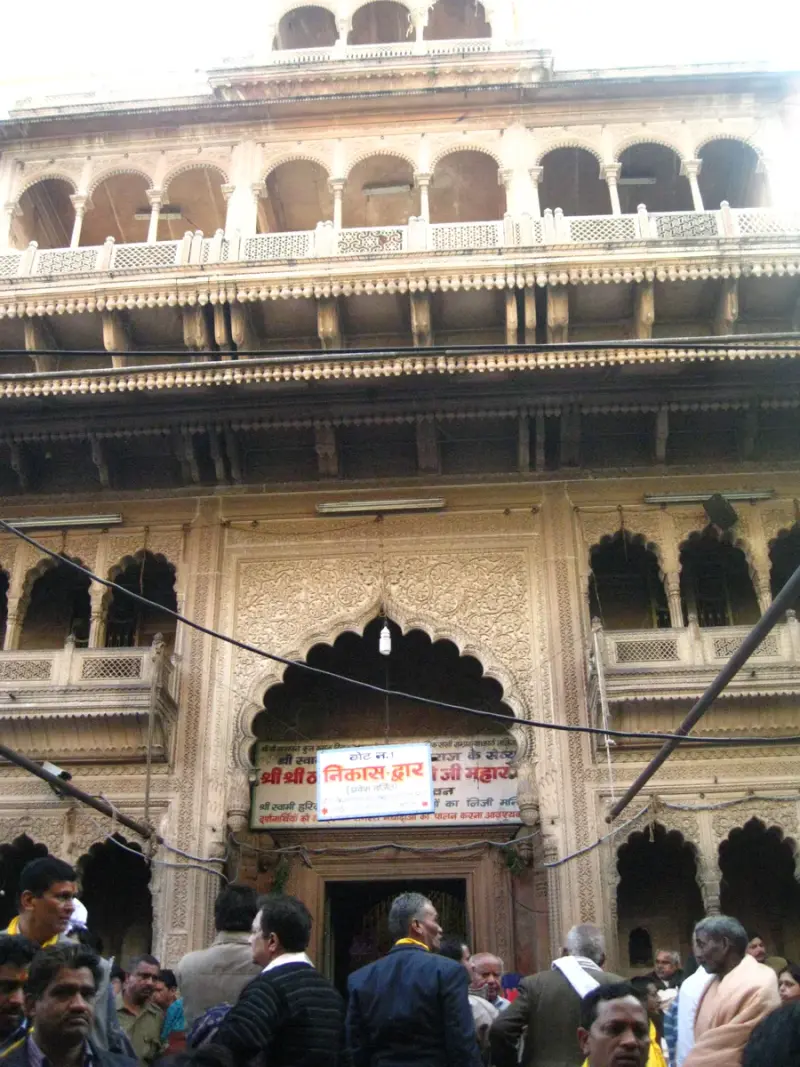
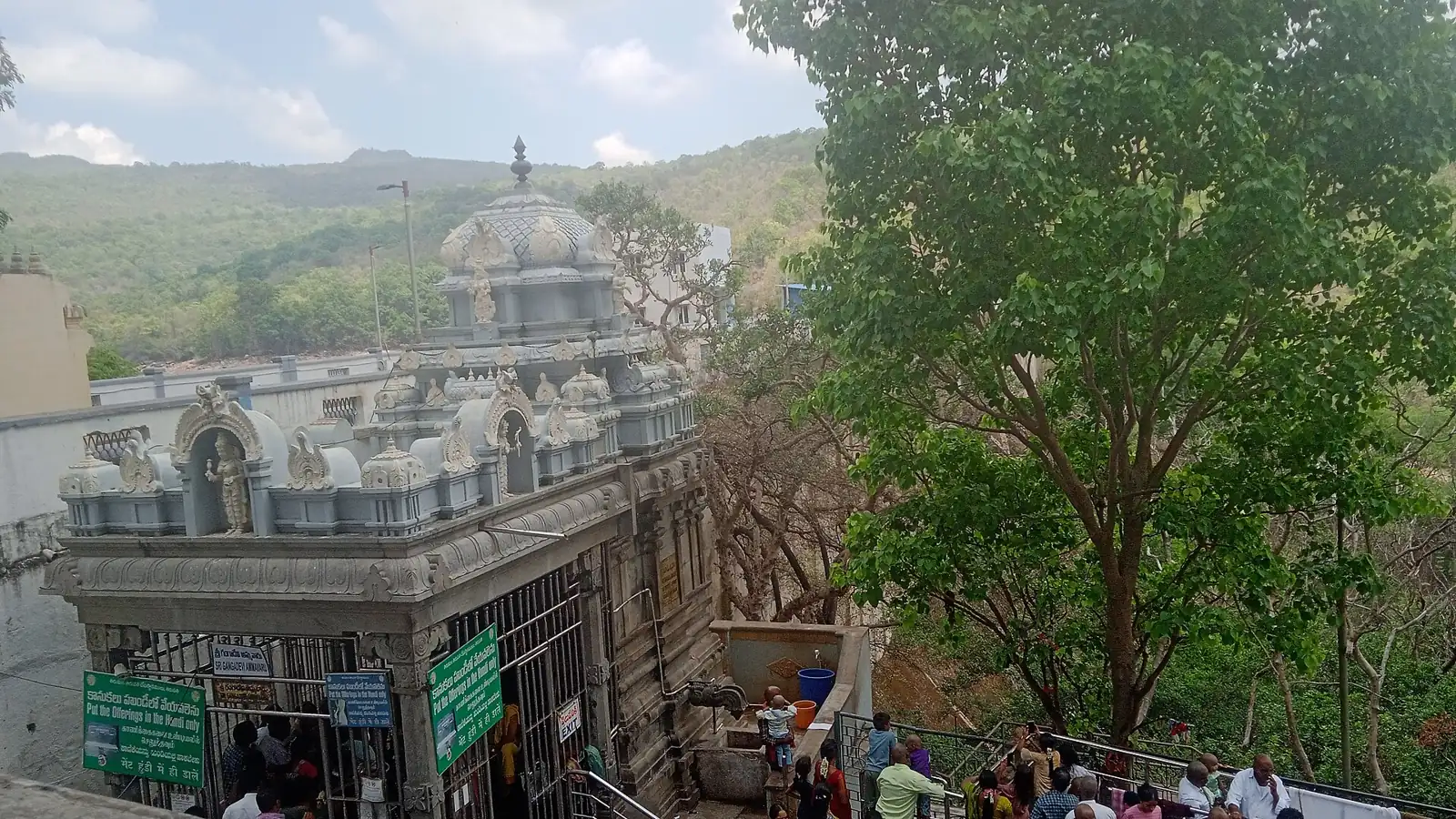
The temple is Nagara in style and hemadpanti in construction, tucked into the Sahyadri hills inside the Bhimashankar Wildlife Sanctuary, where the Indian giant squirrel lives. The sanctum has a linga that is partly submerged in water. Look up for the large bell given by Chimaji Appa after his 1739 victory over the Portuguese; its inscriptions are in Latin.
Time it for October to March if you can: the air is cool and the path is dry. June to September turns the hills green and misty, with waterfalls, but wet stone and forest paths need care. Mahashivaratri brings the biggest crowds, so avoid it if you want a calm first visit.
Day 2: the forest edge and the road to Nashik
Give Bhimashankar a slow morning. Hanuman Lake is a good birdwatching stop, Nagphani Point looks over the valley, and the Gupt Bhimashankar cave is said to be the original site of the Jyotirlinga. The Shidi Ghat and Ganesh Ghat treks are for another day if your knees want them.
Then drive towards Nashik for the night. A reasonable base is the town itself, since it also gives access to Panchvati, Ramkund and the Pandavleni caves on the next free hour.
Day 3: Trimbakeshwar, where the Godavari begins
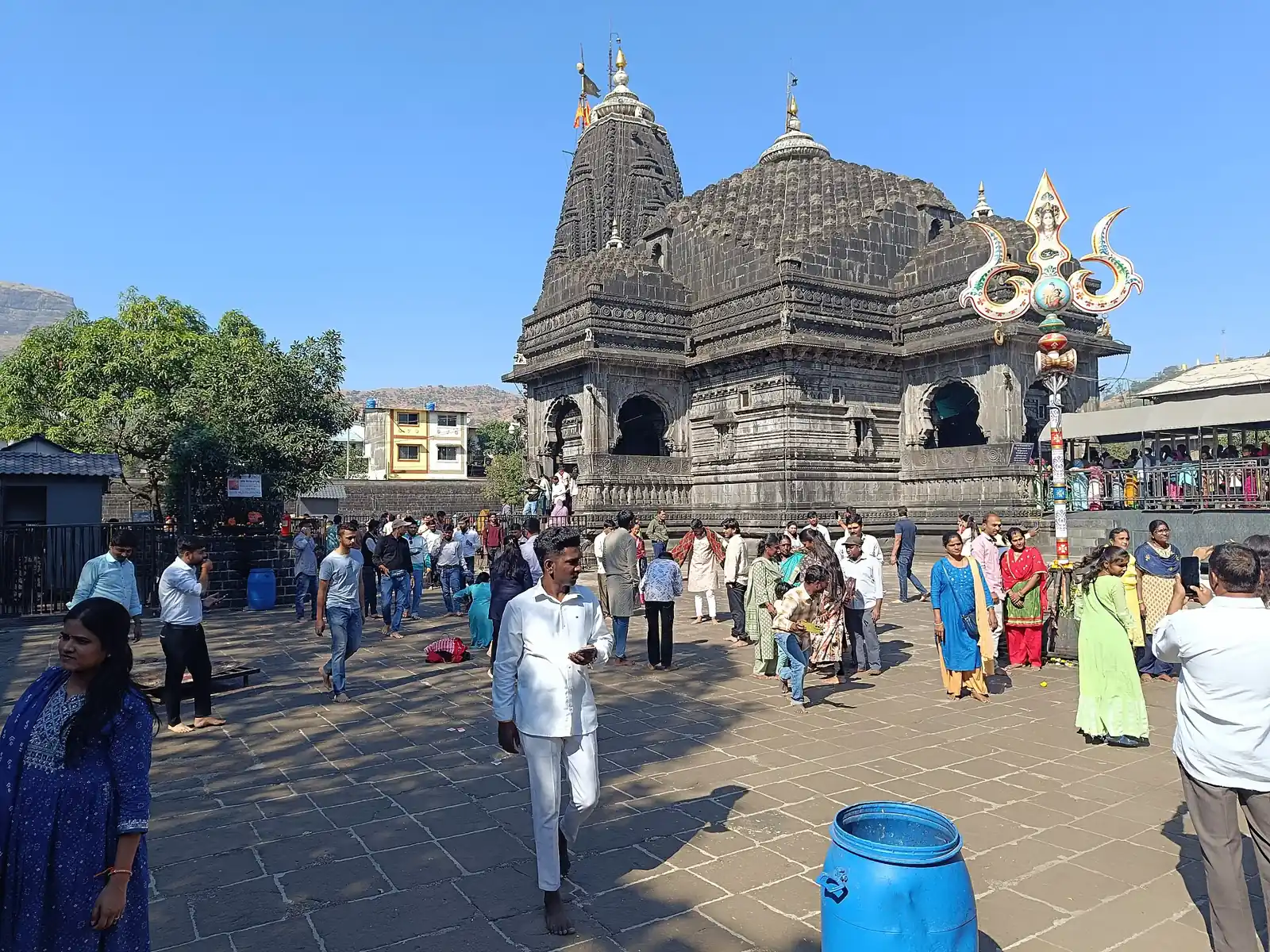
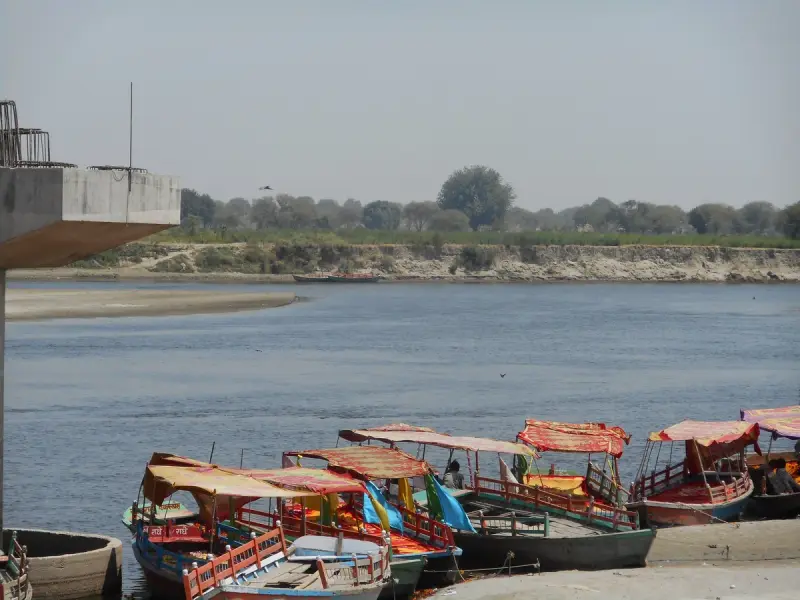
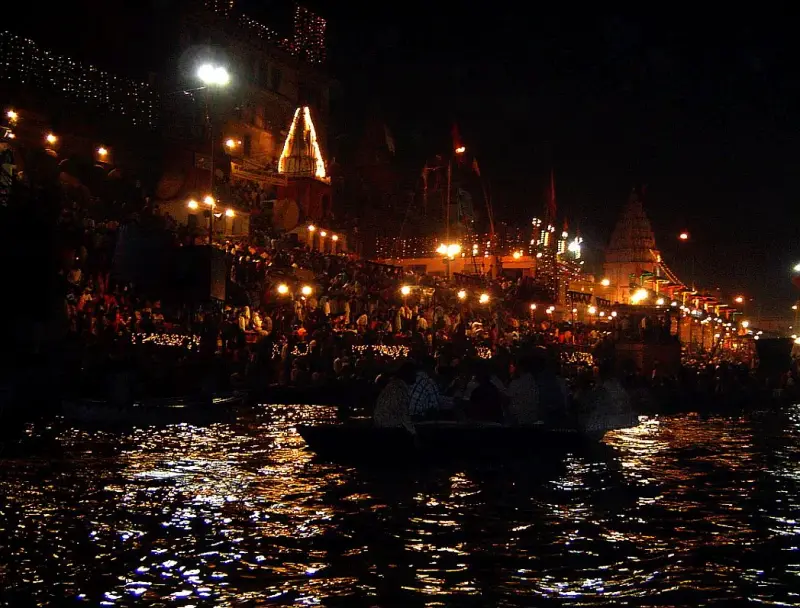
Trimbakeshwar sits at the foot of the Brahmagiri hills, from which the Godavari rises, and the town is named for that. The Incredible India page gives timings of 5:30 AM to 9:00 PM and describes a style that blends Dravidian and Hemadpanthi work, with towering spires and carved gateways.
Dip your hands at Kushavarta Kund before you join the queue, as devotees do, and expect a long wait on Mondays and through Shravan, when crowds peak across Maharashtra's Shiva temples. Heat is the other enemy: the page lists April highs of about 40.8 degrees Celsius, so avoid April to June.
The Brahmagiri trails lead to old caves and meditation sites, so keep an hour for a short walk if you have energy.
Day 4: across to Grishneshwar and Ellora
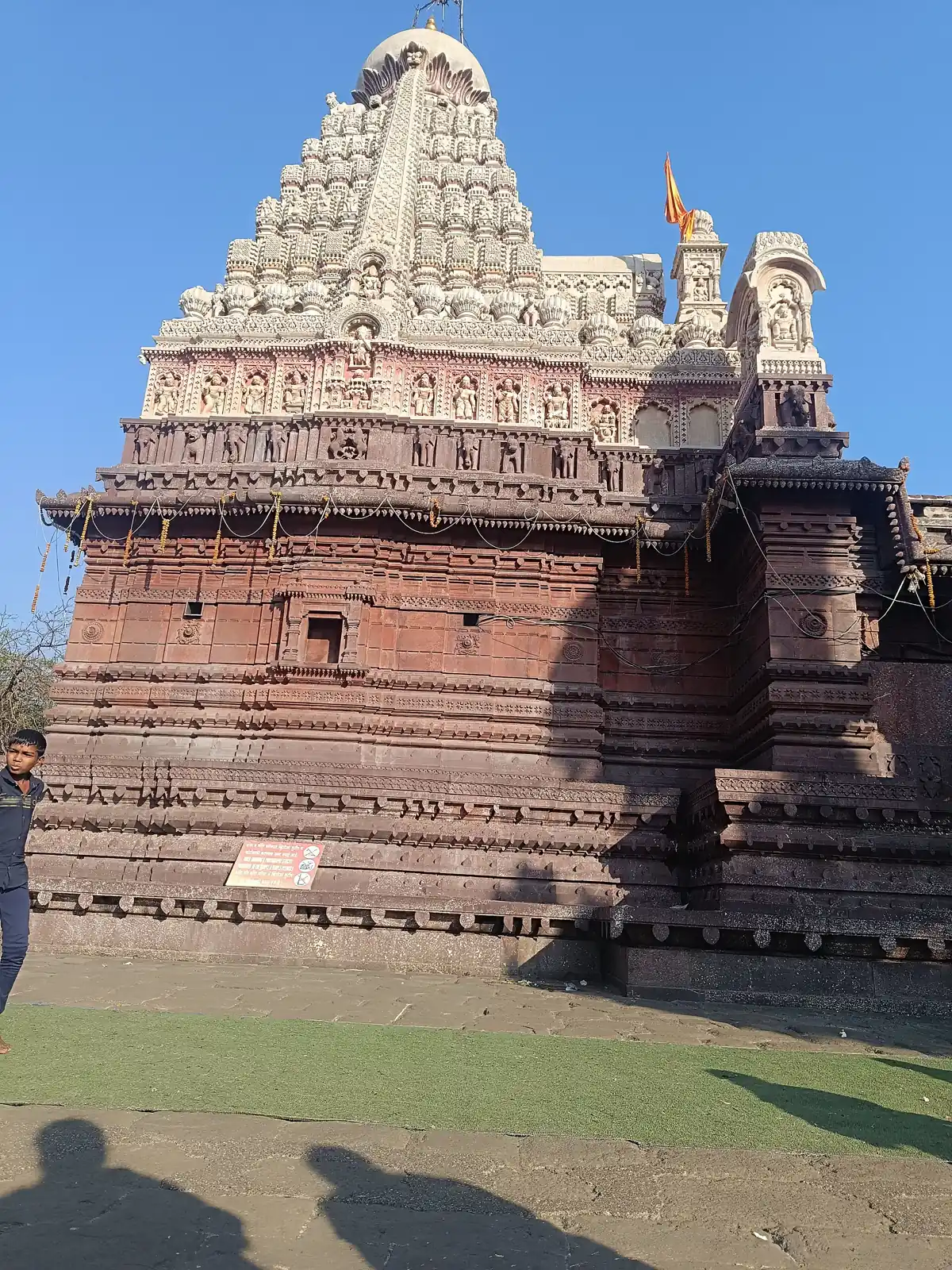
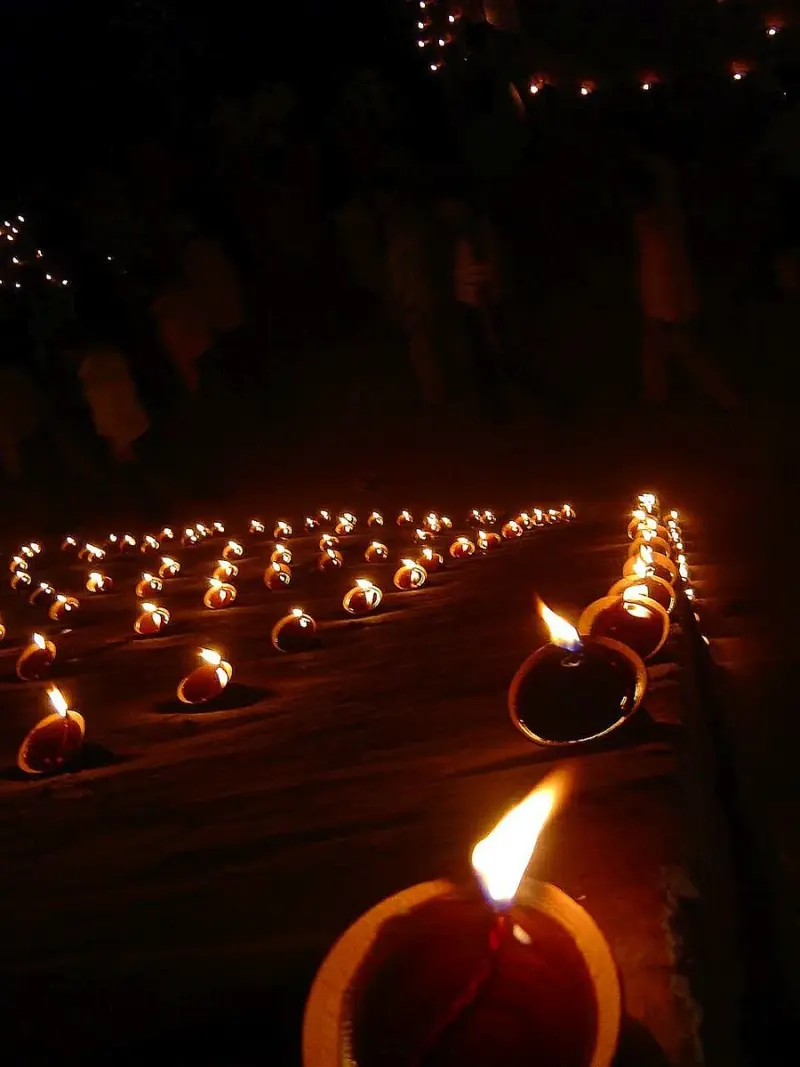
Grishneshwar sits near the Ellora caves, so you can combine the temple with a cave morning. The temple opens 5:30 AM to 9:30 PM, with aartis at 5:30, 12:00, 7:00 and 9:30 PM, the last called the Shayan Aarti.
Men are asked to remove shirts before entering the inner sanctum, and bare-handed contact with the linga is allowed, which is not the rule at most Jyotirlingas. Carry a light cloth rather than a bulky shawl. Outside, look for the Audumbar tree, said to be over 300 years old, where people tie threads for wishes.
The nearest airport and station are in Chhatrapati Sambhaji Nagar, once Aurangabad. Use that as your night stop.
Days 5 and 6: the Marathwada pair
Aundha Nagnath in Hingoli district has a sanctum set below ground level, reached down a flight of stone steps, inside a roughly 60,000 sq ft complex of black basalt fitted without mortar, in 13th-century Yadava style. Parli Vaijnath is about 110 to 120 km away, so treat it as the next morning's drive rather than a quick hop.
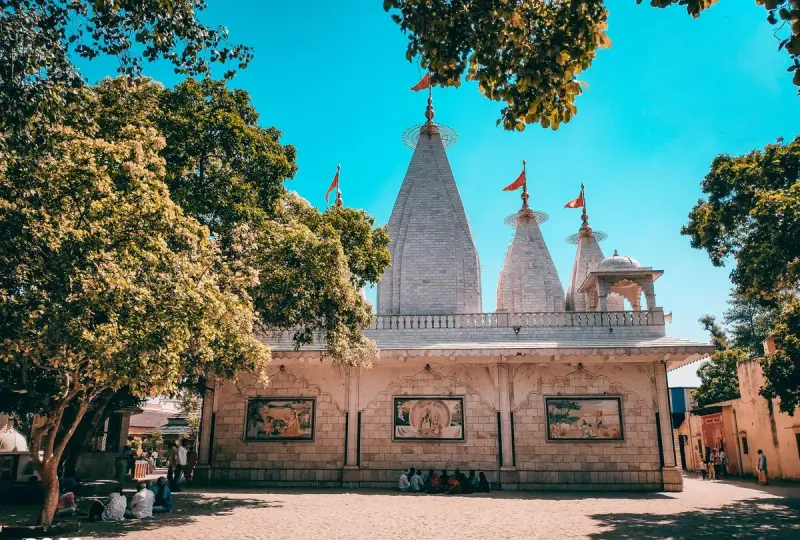
Parli stands on a hill, about 75 to 80 feet high, up wide stairways and through brass-plated doors, past three Nandi statues under a canopy. Devotees may touch the smooth black linga, and the temple offers tulsi to Shiva and bilva to Vishnu, an unusual pairing. Parli has its own railway station, buses run from Nanded, Latur, Beed, Jalna and Hingoli, and Ola and Uber are generally not available, so autos are the local choice.
The Outlook Traveller pages for both temples are marked as sponsored content and give no opening hours, so treat the hours as something to confirm locally. February to March and July to August are festival periods and bring dense crowds.
Sequencing and sanity
Do not try to fit all five into three days. A comfortable plan is five nights with one real rest day, and that is why the loop above flows in one direction. If you only have time for three, pick the classic trio, Bhimashankar then Trimbakeshwar then Grishneshwar, and plan Aundha and Parli as a separate trip from Nanded or Aurangabad.
Let Laladham run it
Laladham meets you in Delhi, at the airport, station, home or hotel, and plans the whole trip: flights or trains to Pune, a driver for each hill and plain stretch, rooms near each temple and timed darshan windows. Ask for a quote on the [book page](/book).
Questions, answered
Which Jyotirlingas are in Maharashtra?
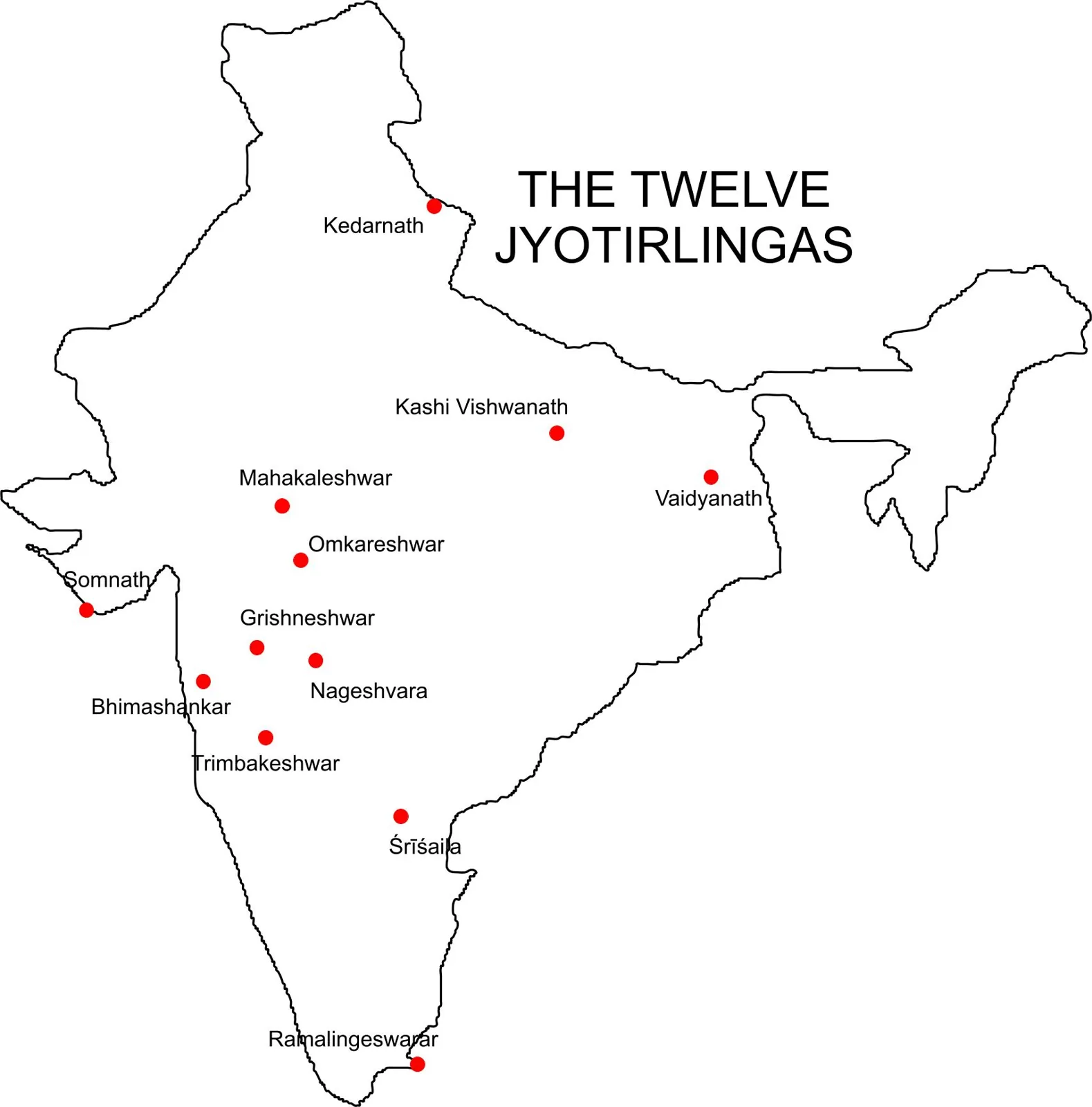
Bhimashankar, Trimbakeshwar, Grishneshwar are the usual three. The two Marathwada temples are often counted too, as extras on the same trip.
Can men enter the sanctum with a shirt on?
At Grishneshwar the sanctum asks men to go shirtless, per Incredible India. Ask at each temple's gate.
What are the Trimbakeshwar temple timings?
Incredible India lists 5:30 AM to 9:00 PM. Check on the day, as queues and festival closures vary.
When is the best season for this trip?
October to March is cool and comfortable. Monsoon is green but slippery at Bhimashankar, and April to June is hot.
How far is Parli Vaijnath from Aundha Nagnath?
Reports give 110 to 120 km, so allow a full half day by road.
Is there a direct train from Delhi to these temples?
Not to all of them. Reach Pune, Nashik or Aurangabad with a flight or a train, then continue by road.