Two days is enough to feel both, and the old-town sights are close enough to walk between.
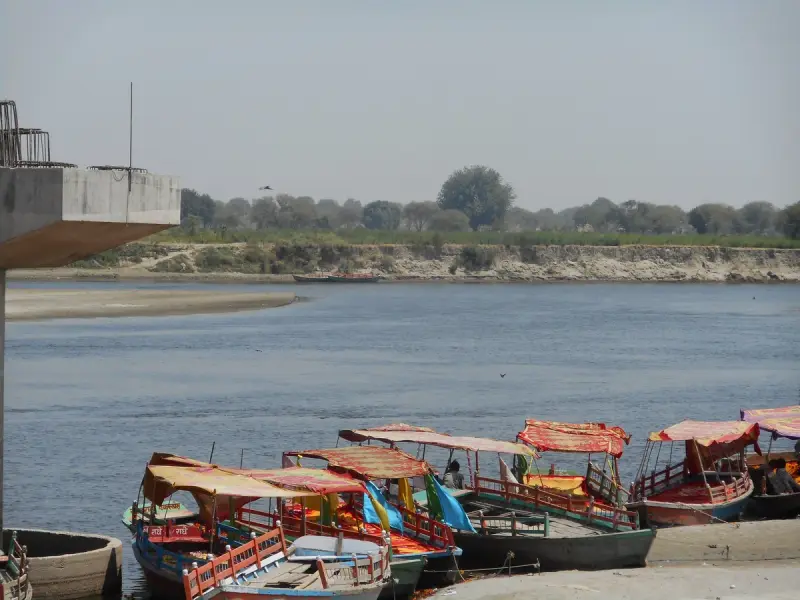
Start at Ramkund on the Godavari
Tradition says Rama bathed here and performed his father Dasharatha's last rites, immersing the ashes in the river.
Local tradition
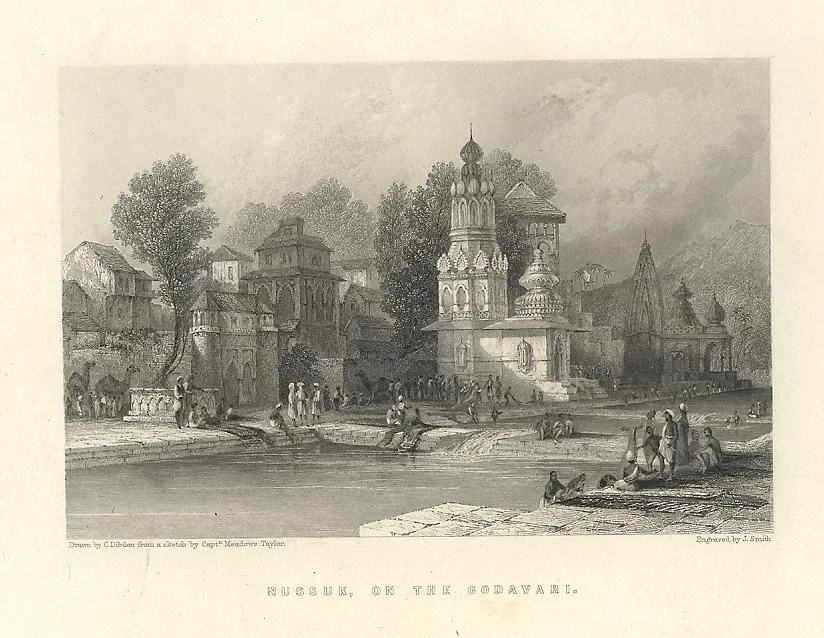
Ramkund is an ancient bathing tank in the Panchavati area, on the Godavari. Incredible India records that Chitrarao Khatarkar built it in 1696 and that Gopikabai, mother of the fourth Peshwa Madhavrao, later restored it.
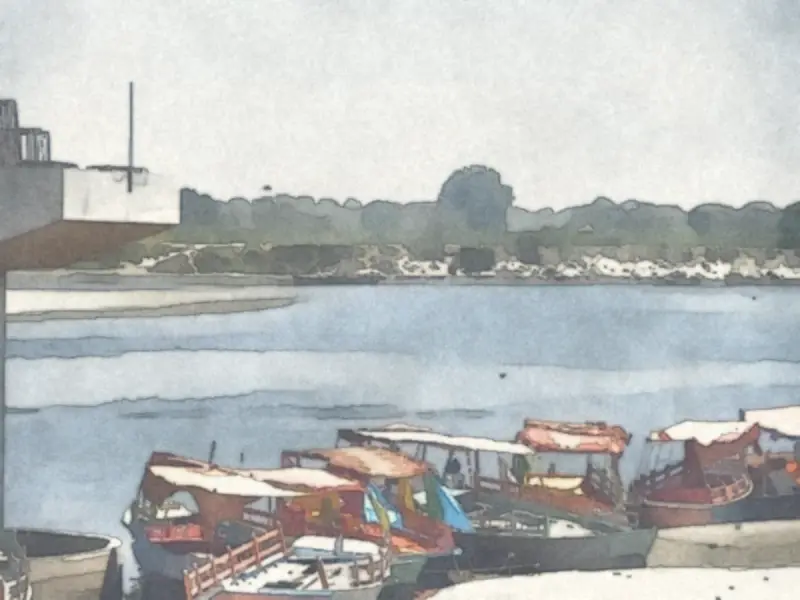
The belief that immersing a loved one's ashes brings the soul salvation keeps families coming; the official text lists several national leaders whose ashes were immersed here too. It is open 24 hours, and October to March is the comfortable season. Dawn, when the ghat is quiet and the light flat on the water, is the best hour.
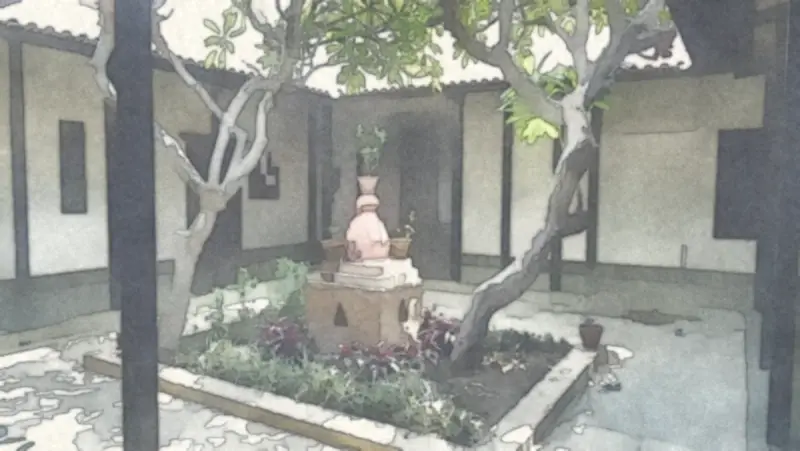
Kalaram and the five banyans
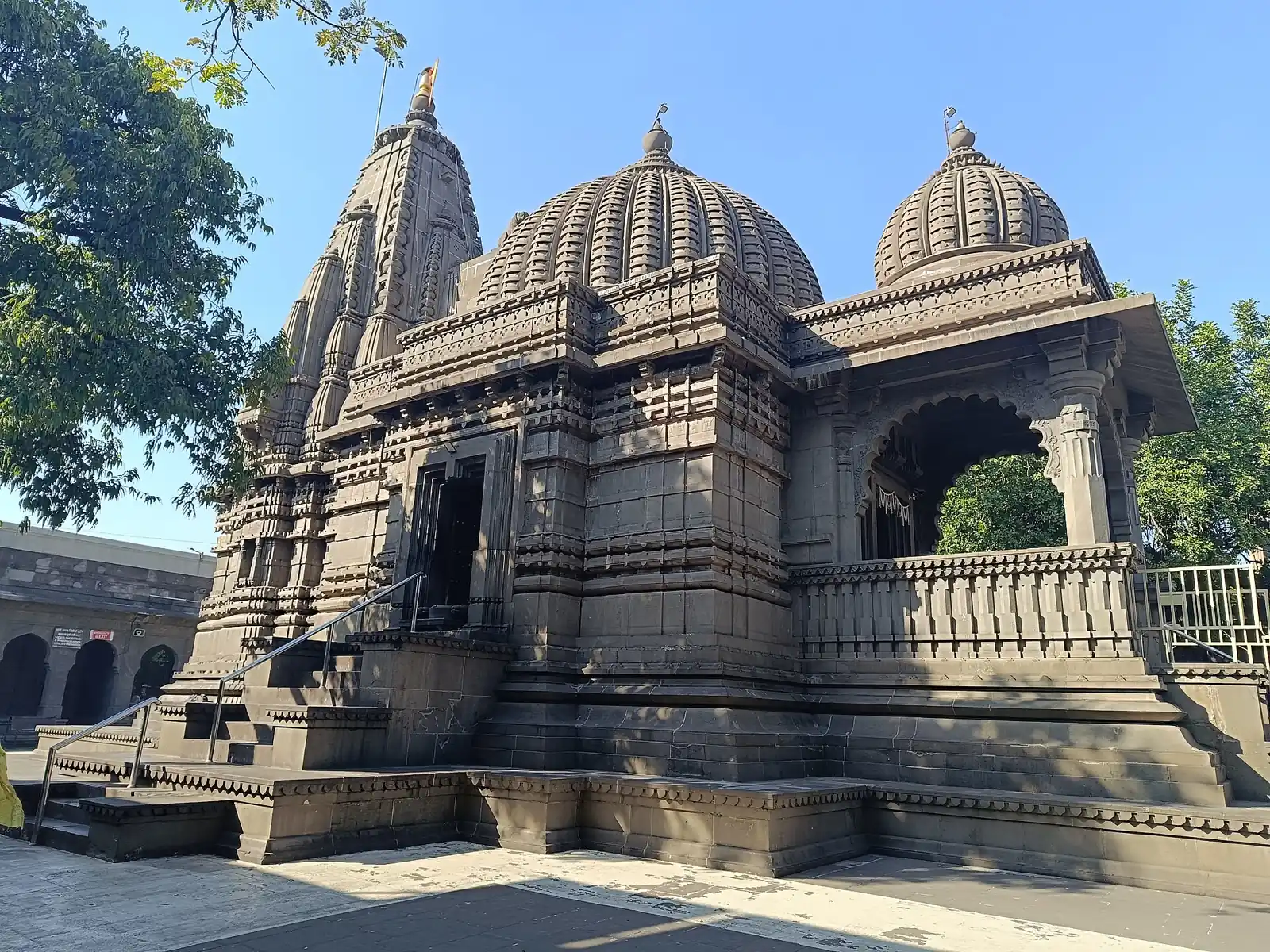
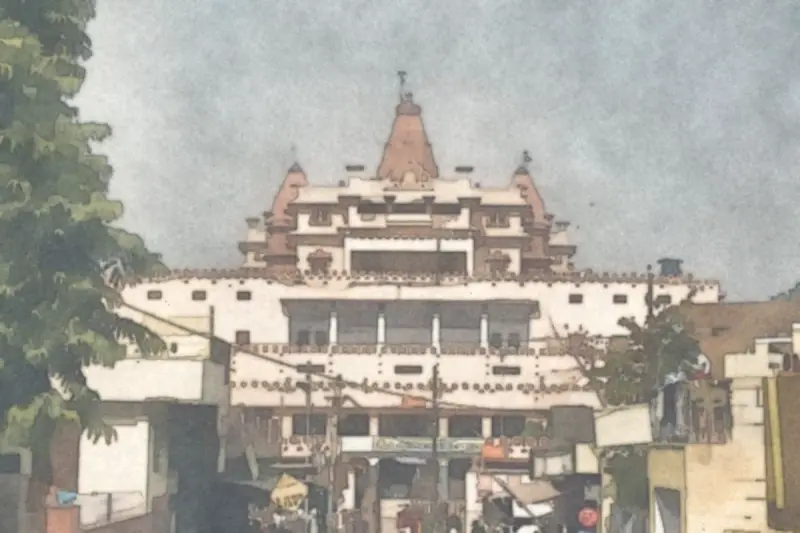
Panchavati takes its name from five banyan trees and is tied to Rama's exile, and the Kalaram Temple, dedicated to Rama, stands a short walk from Ramkund. Sita Gufa, a cave linked to Sita and Rama's stay, is among the other sites the tourism board names nearby.
Give this area a slow morning. The lanes are tight, and the pleasure is in wandering past small shrines rather than ticking off a name.
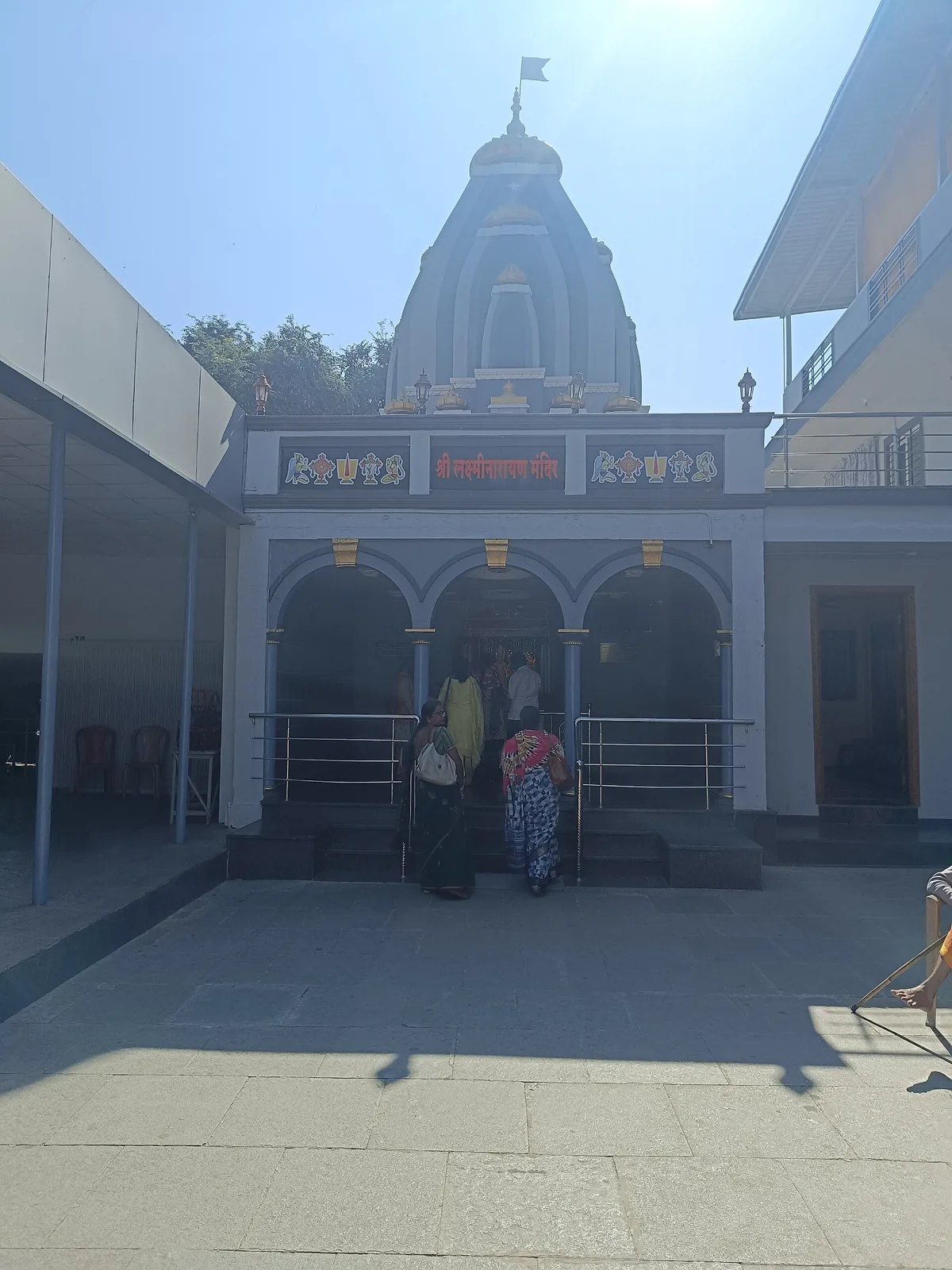
Pandavleni, the climb to the caves
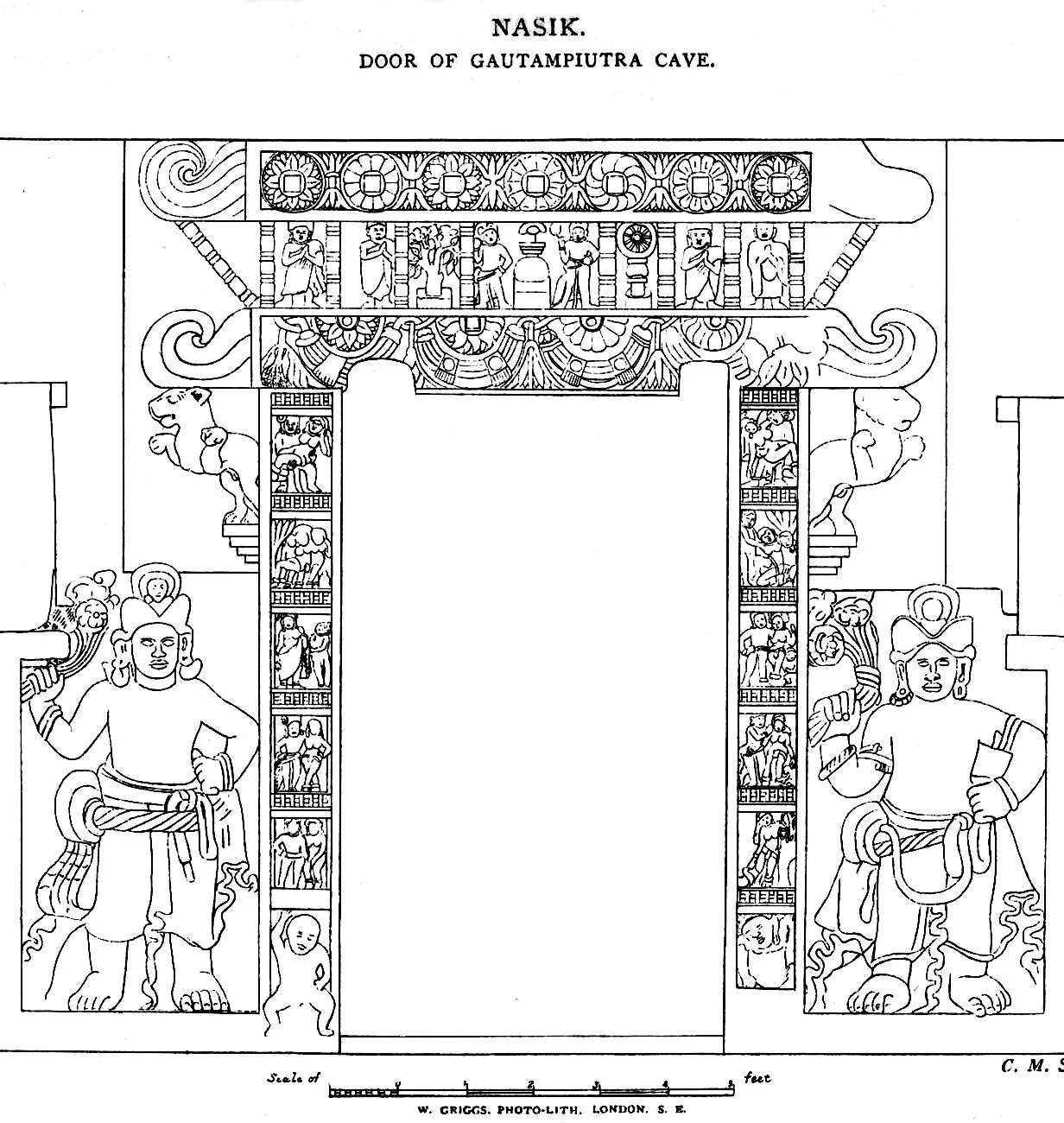
Pandavleni has 24 caves on Trirashmi Hill, and the official page says they are mostly Buddhist, with some Jain figures. The inscriptions range from about 250 BC to AD 600. Local legend ties them to the Pandavas, who are said to have sheltered here in exile, and the Marathi name means Pandava caves.
The climb is nearly 200 steps, with panoramic views at the top. Cave 3, the largest and the most elaborate, has a prayer hall, many cells, a stupa, sculpted figures and carved water tanks. Choose October to March, when the weather is cool. March to May can reach about 40 degrees Celsius, and the page lists winter lows of only 6 to 8 degrees. The Dada Saheb Phalke Smarak stands at the foot of the hill.
Trimbakeshwar as the add-on
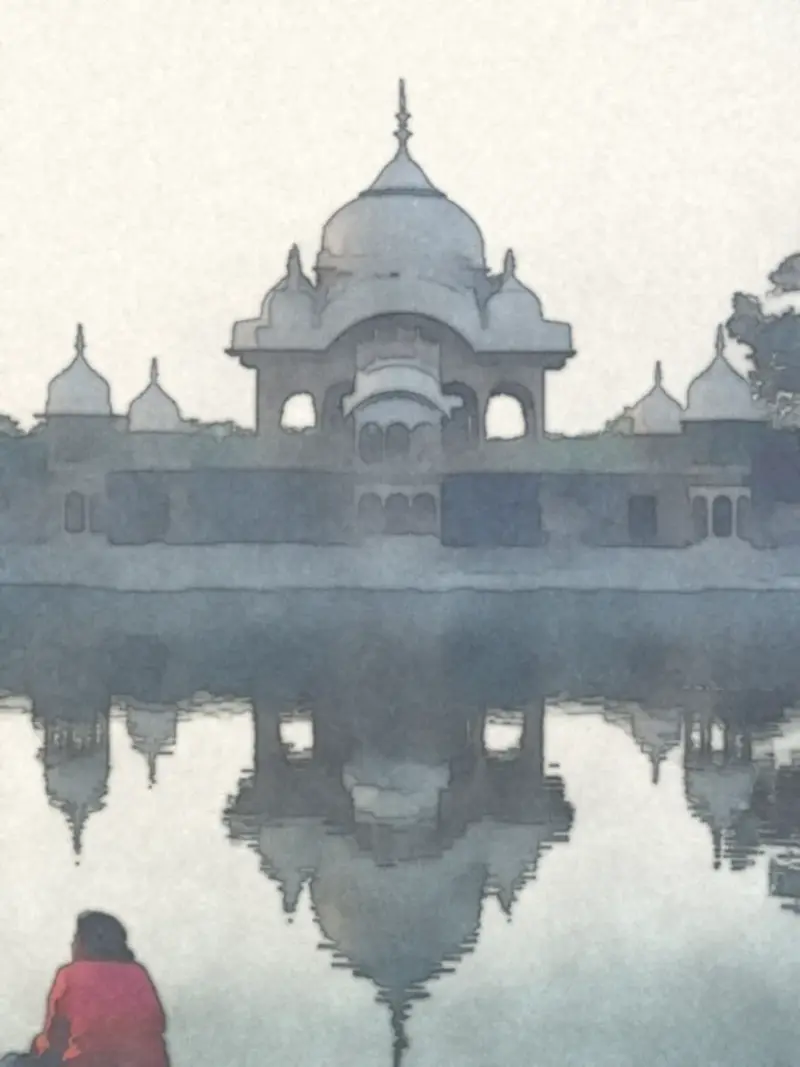
Trimbakeshwar, one of the twelve Jyotirlingas, sits where the Godavari rises from the Brahmagiri hills. Incredible India lists it as open from 5:30 AM to 9:00 PM and notes a Kushavarta Kund where devotees dip. Treat it as a half day on its own rather than a quick stop. Our Maharashtra Jyotirlinga trip post covers it in detail.
An afternoon at Sula
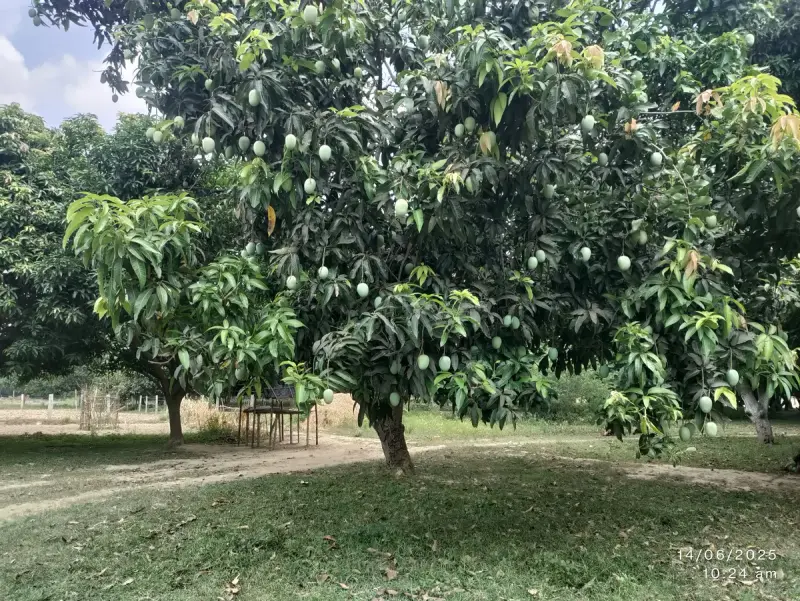
Outlook Traveller describes the Sula Vineyards estate as about 3,000 acres, with oversized wine-bottle sculptures and a gift shop, wine-tasting sessions that cover the proper way to drink wine and guided tours of the winemaking process. The same feature calls the vineyards around Nashik the biggest in the country.
It is best taken as an easy afternoon after the cave climb, when you want to sit down. Opening hours were not given in the sources, so check before you plan around them, and do not drive after tastings.
If you stay a third day
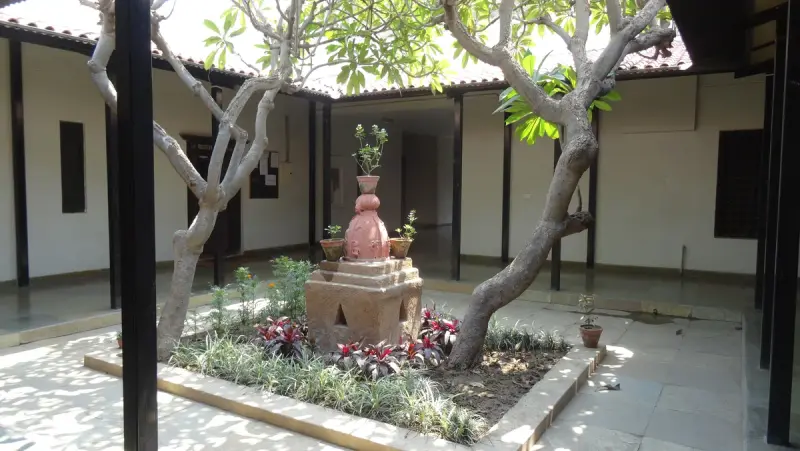
The Trimbakeshwar page lists a long set of nearby places for a slower stay: Tapovan, Muktidham, the Coin Museum, Gangapur Dam, Anjaneri Hills, Nandur Madhyameshwar Sanctuary, Tringalwadi Fort, Saptashrungi Gad, the Mangi Tungi hills and the Someshwar temple. Pick one hill or one museum rather than several, and keep your afternoons free, since heat and hill steps tire people faster than the distances suggest.
Getting here and around
Nasik Road is the main railway station for the city, and trains run from Delhi. Mumbai lies about 210 km off by road, Pune about 230 km. Local autos and cabs handle the short hops to the old town, the hill and Trimbak. If you are on a Jyotirlinga trip, Nashik is the logical overnight between Bhimashankar and Grishneshwar.
When to go
The cool months, October to March, are the pleasant window for temples and hills. Kumbh Mela years bring a different Nashik, with enormous crowds and heavy restrictions, so check the calendar before planning around it. Summer, from March to May, is hot, and the stone steps up the hill feel punishing in the afternoon sun.
Let Laladham run it
Laladham picks you up in Delhi, from the airport, station, home or hotel, and runs the complete trip: train or flight to Nashik, a driver for the ghats and caves, a vineyard afternoon and Trimbakeshwar if you want it. Ask for a quote on the [book page](/book).
Questions, answered
What is Ramkund famous for?
A bathing tank on the Godavari linked to Rama, and a ghat where ashes are immersed. The Kumbh Mela is held here every twelve years.
How many steps to the Pandavleni caves?
Nearly 200 steps to the top, with a view over the area.
How many days do I need in Nashik?
Two days cover the river, the hill and a vineyard, with Trimbakeshwar added if you want a third.
Is Nashik close to Mumbai?
Around 210 km by road, with Pune some 230 km away.
When is the best time to visit?
The cool months. Summers are hot and the hill is hard going.
Can I visit Sula Vineyards?
Yes, it offers tasting sessions and guided winemaking tours. Check hours before you go.