What follows is arranged by place, with the timings and prices that the official and press sources give, and notes on what is worth your hour and what is not.
Colaba and the Gateway, first thing
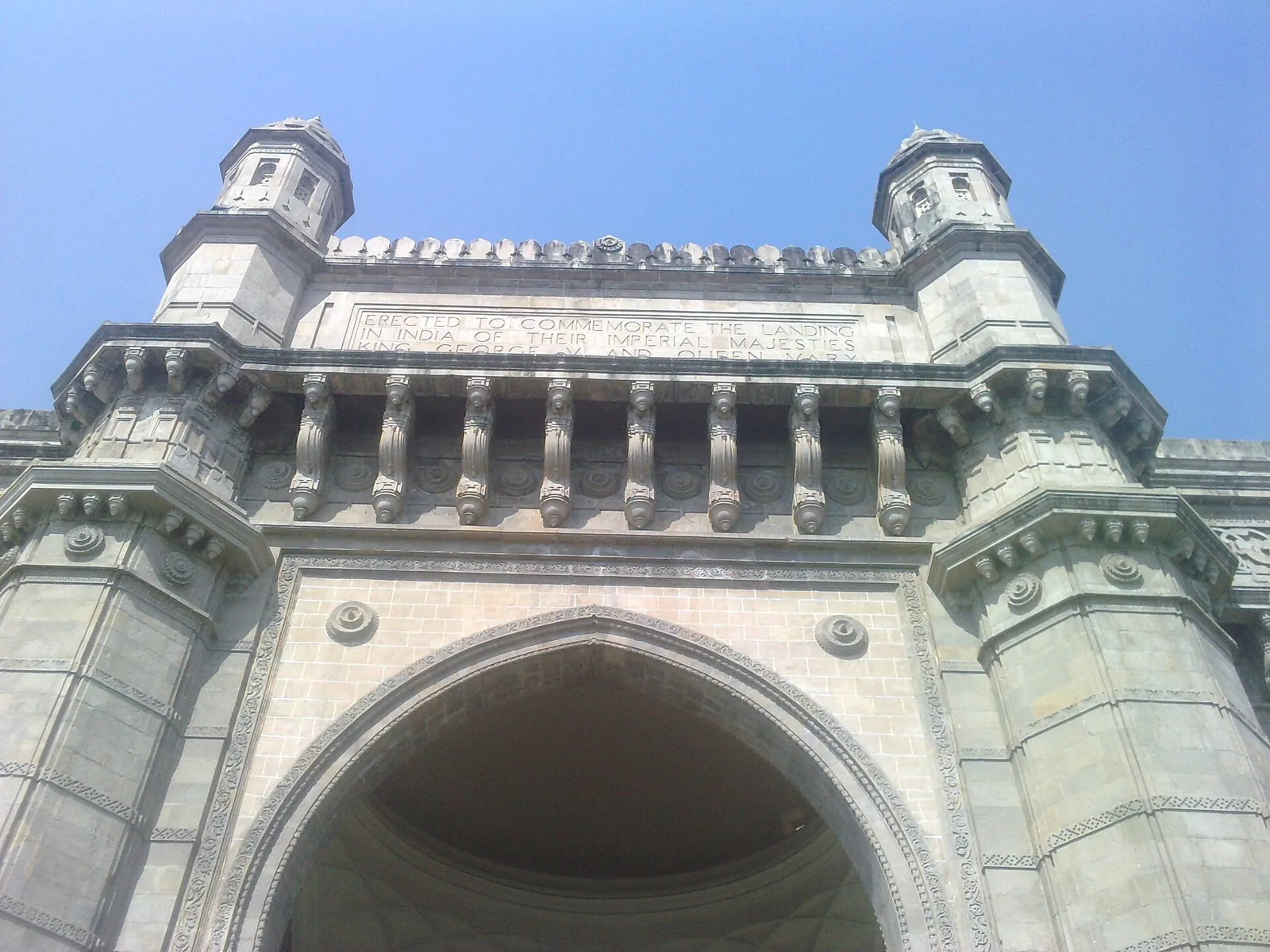
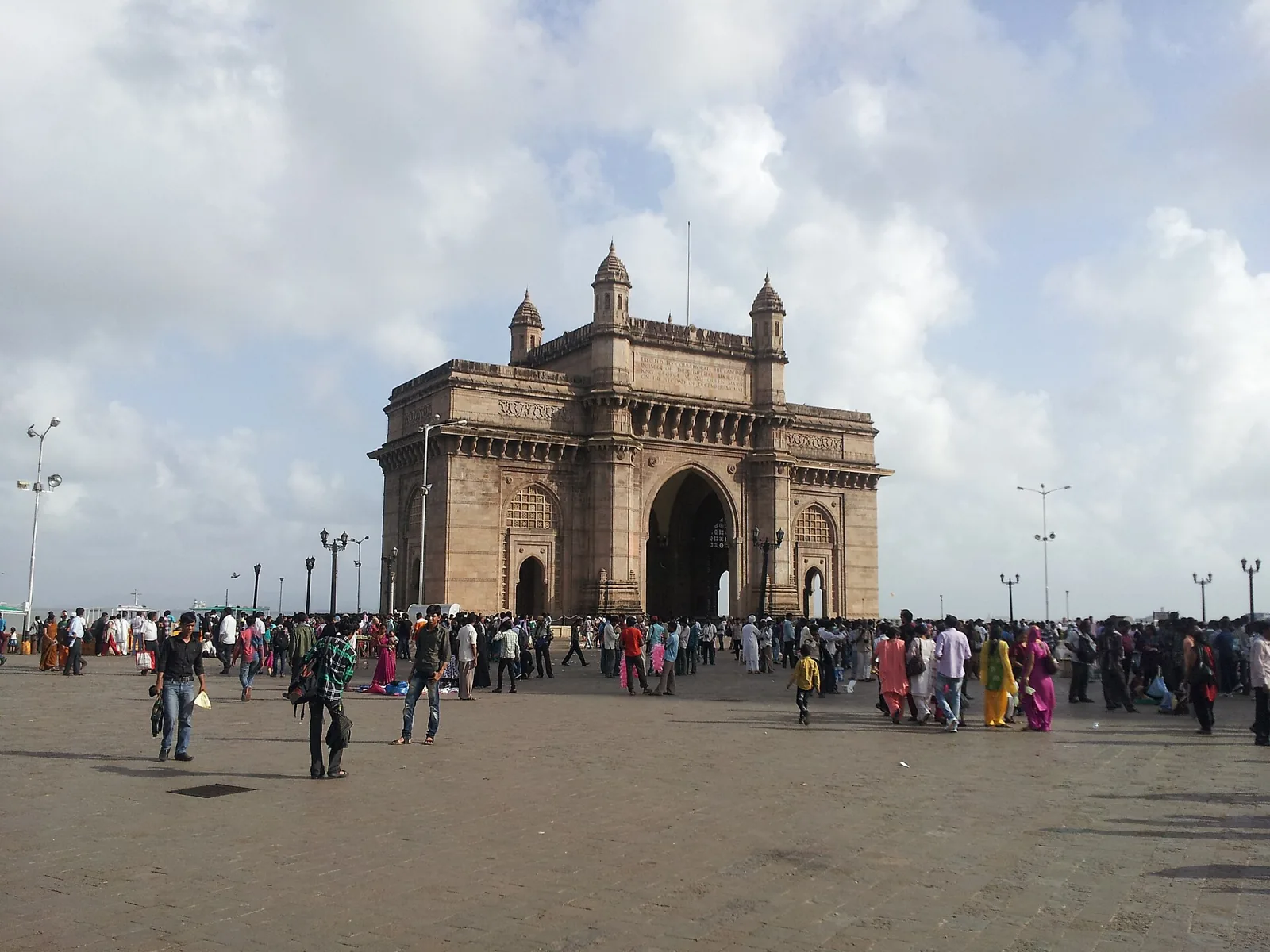
The Gateway of India was built in 1924 for the visit of King George V and Queen Mary, and the arch faces the Arabian Sea at Apollo Bandar. Outlook Traveller describes it plainly as the landmark you cannot avoid. Incredible India's 48-hour plan puts you there at 8 am, when the courtyard pigeons outnumber people.
Just behind, Colaba Causeway is the street market for clothes, jewellery and antiques; the tourism portal says some items start around Rs 100. Café Leopold, open from 7:30 am to midnight, and Café Mondegar with its Mario Miranda artwork are the old landmarks for a coffee or a late breakfast.
The Elephanta ferry, and what to know before you book it
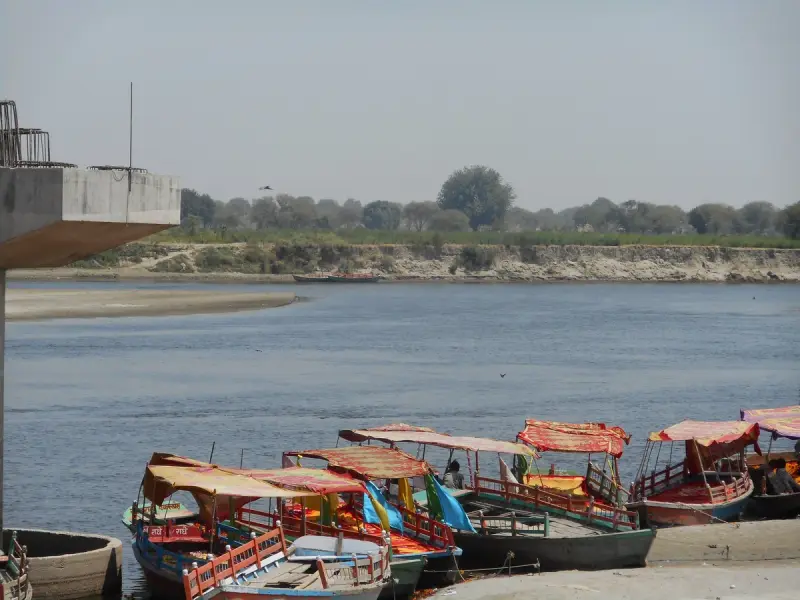
Boats to Elephanta leave the quay roughly every half hour between 9 am and 2 pm, and the crossing takes about an hour, says Outlook Traveller. The Archaeological Survey says the caves are open 9 am to 5 pm and closed on Mondays. From the jetty a toy train or a walk leads to the foot of a 120-step climb.

The island holds seven caves, and the first is the great one: a colossal three-faced Shiva bust, the Mahesa-murti, with panels of Ardhanarisvara, Nataraja and Ravana shaking Kailasa. The ASI dates the caves to about the sixth or seventh century. Go on the first boat. There are no hotels and only one restaurant on the island, so eat before you leave.
Fort and Kala Ghoda: museums, arches and one famous terminus
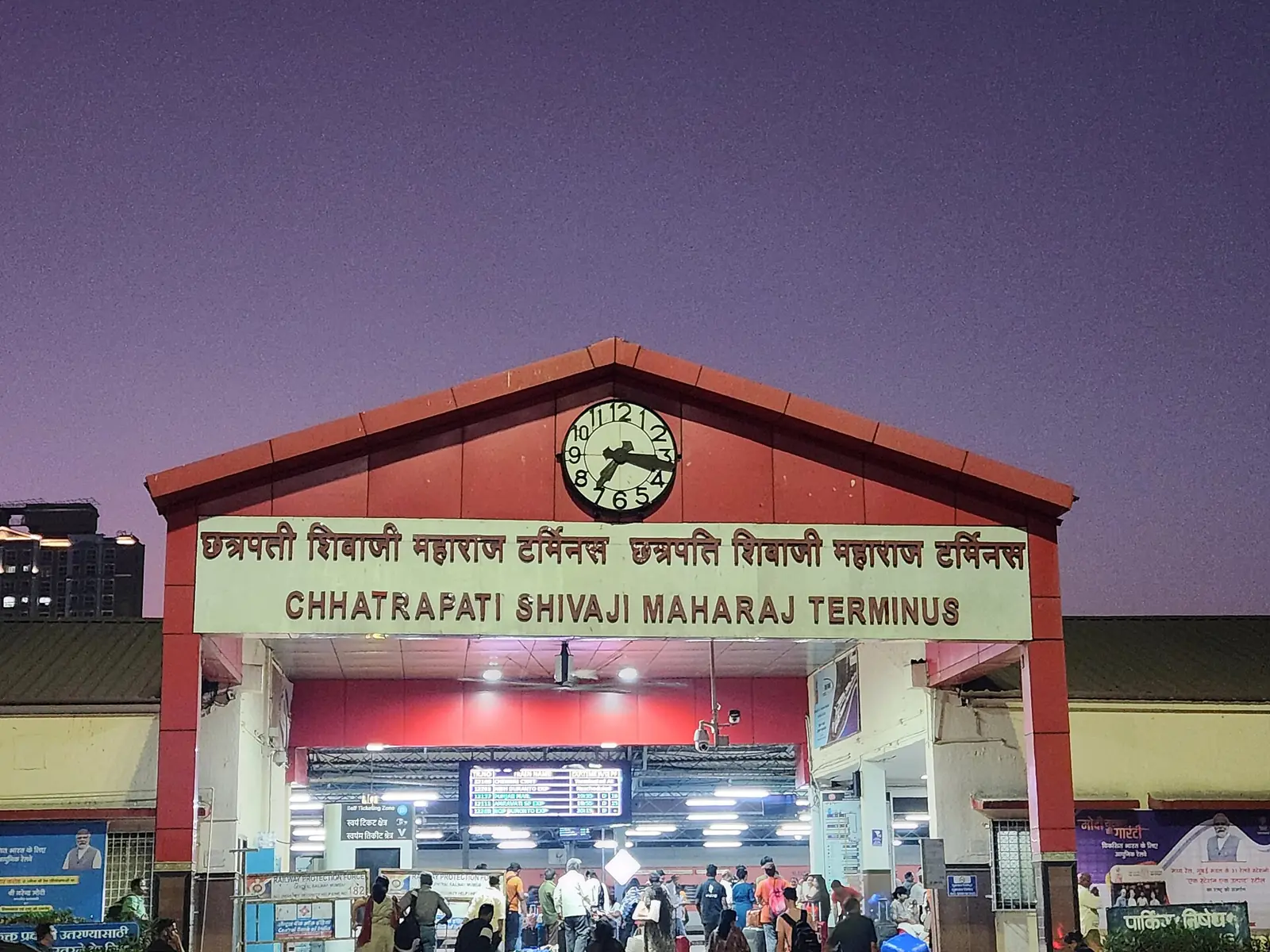
Chhatrapati Shivaji Maharaj Terminus is a UNESCO World Heritage Site that mixes Victorian Gothic with Indian forms, and it is still a working station. Outlook Traveller lists the nearby Chhatrapati Shivaji Maharaj Vastu Sangrahalaya at 10:15 am to 6 pm with an entry of Rs 150 for adults, and the Jehangir Art Gallery, founded in 1952, opens 11 am to 7 pm.
The Kala Ghoda precinct of galleries and heritage buildings keeps hours from 11 am to 6 pm. Plan this district for the morning and leave the heat of the afternoon for something indoors.
Eating your way up the island
Britannia and Co, in Ballard Estate, serves Parsi food from 11:30 am to 4 pm, for about Rs 1,000 for two by Outlook's count. Sardar Pav Bhaji in Tardeo opens from 11 am to 2 am at about Rs 400 for two. For seafood, Gajalee has coastal Maharashtrian plates, and Trishna in Fort is the fine-dining pick at roughly Rs 2,500 a head.
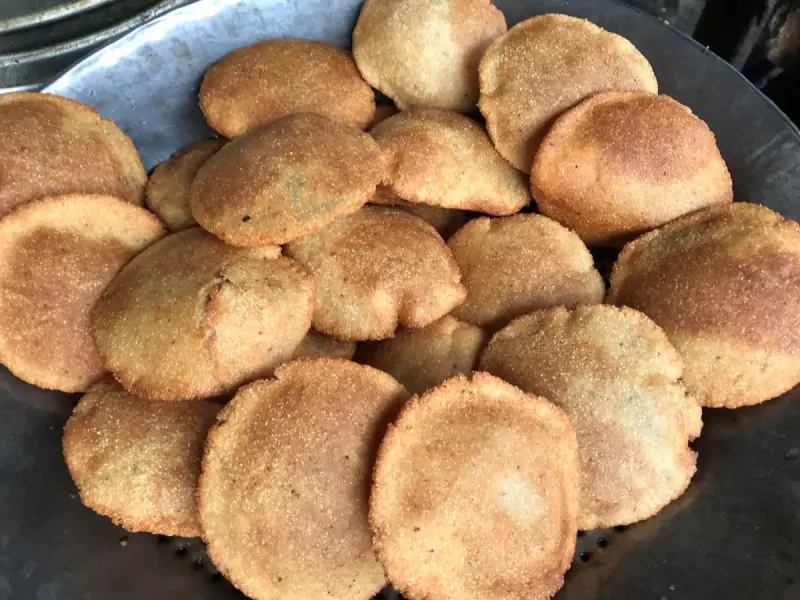
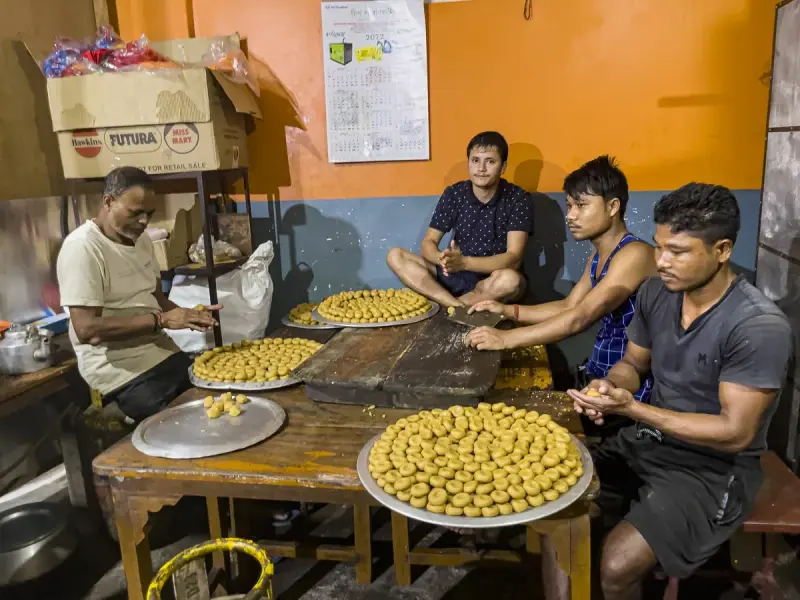
Street food sits in the markets. Crawford Market has vada pav, dosas and chaat, Juhu Beach has pav bhaji and pani puri, and Mohammed Ali Road is where kebabs and haleem appear in the evenings during Ramadan. Prices are from early 2024, so expect a rise.
Marine Drive at dusk, then the faith sites
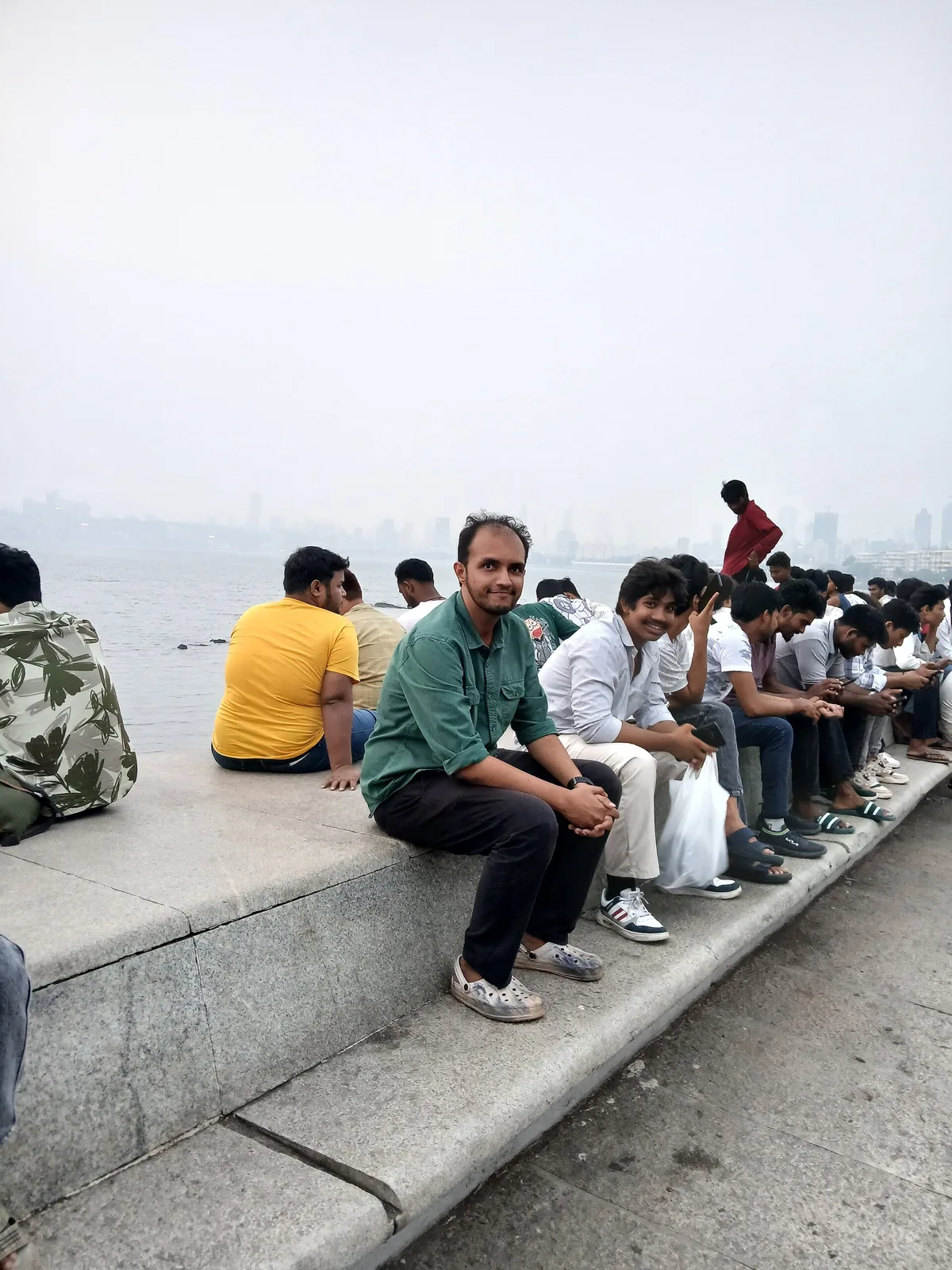
Marine Drive is a curved sea-facing promenade that Incredible India says is nicknamed the Queen's Necklace for its lights. Come at sunset and walk at least part of it. Haji Ali Dargah sits on an island about 500 yards offshore and is reached along a causeway, a short ride from there.
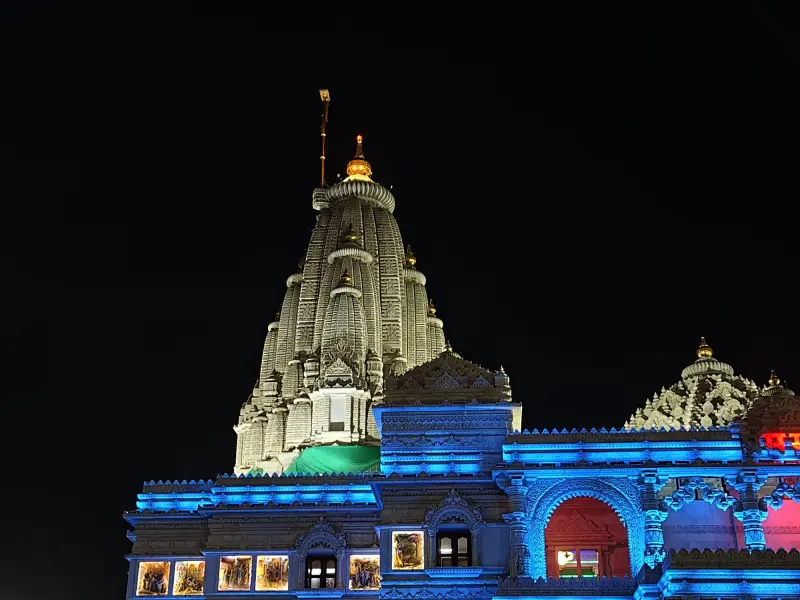
The portal's other spiritual stops are the Mahalakshmi Temple, Siddhivinayak with its flower lane, and Mumbadevi, where the evening arti is the reason to go.
Caves, parks and the suburbs
Mumbai has its own rock-cut caves: the portal lists Jogeshwari and Mandapeshwar. Sanjay Gandhi National Park, with the Kanheri Caves and trekking trails, is the larger escape. Sewri Mangrove Park is the one for birdwatching, with flamingos in season.
North of the centre, Juhu Beach is where families gather for snacks and kites. If you want quiet water, the portal points to Aksa Beach, about an hour's drive away.
Getting around and when to go
The international airport is about 30 km from CST by Outlook's measure, and the main station for long-distance trains is CST itself. Mumbai also has a metro and extensive buses and suburban trains. Take them off-peak if you are carrying luggage.
Winter is the comfortable stretch. For monsoon visits, expect long downpours and flooded lanes, and keep the ferry plan flexible.
From Delhi, with Laladham
Delhi to Mumbai is a flight or a long overnight train, not a drive, and Laladham plans around that. We collect you in Delhi, at the airport, a station, your home or a hotel, and run the complete trip: transport, a driver on the ground in Mumbai, rooms near the Gateway or Colaba and the Elephanta morning booked right. Ask for a quote on the booking page.
Questions, answered
How long does the Elephanta ferry take?
About an hour from the quay, with boats every half hour or so from 9 am to 2 pm.
Are the Elephanta Caves closed on any day?
Mondays, per the Archaeological Survey of India. They are open 9 am to 5 pm.
What are the museum timings?
The Vastu Sangrahalaya runs 10:15 am to 6 pm and the art gallery 11 am to 7 pm, per Outlook Traveller.
Where should I eat on a first visit?
Try a Parsi lunch at Britannia and Co, pav bhaji at Sardar in Tardeo and street food at Crawford Market.
How do I reach Mumbai from Delhi?
By flight or an overnight train such as the Rajdhani, both listed in the routes below.