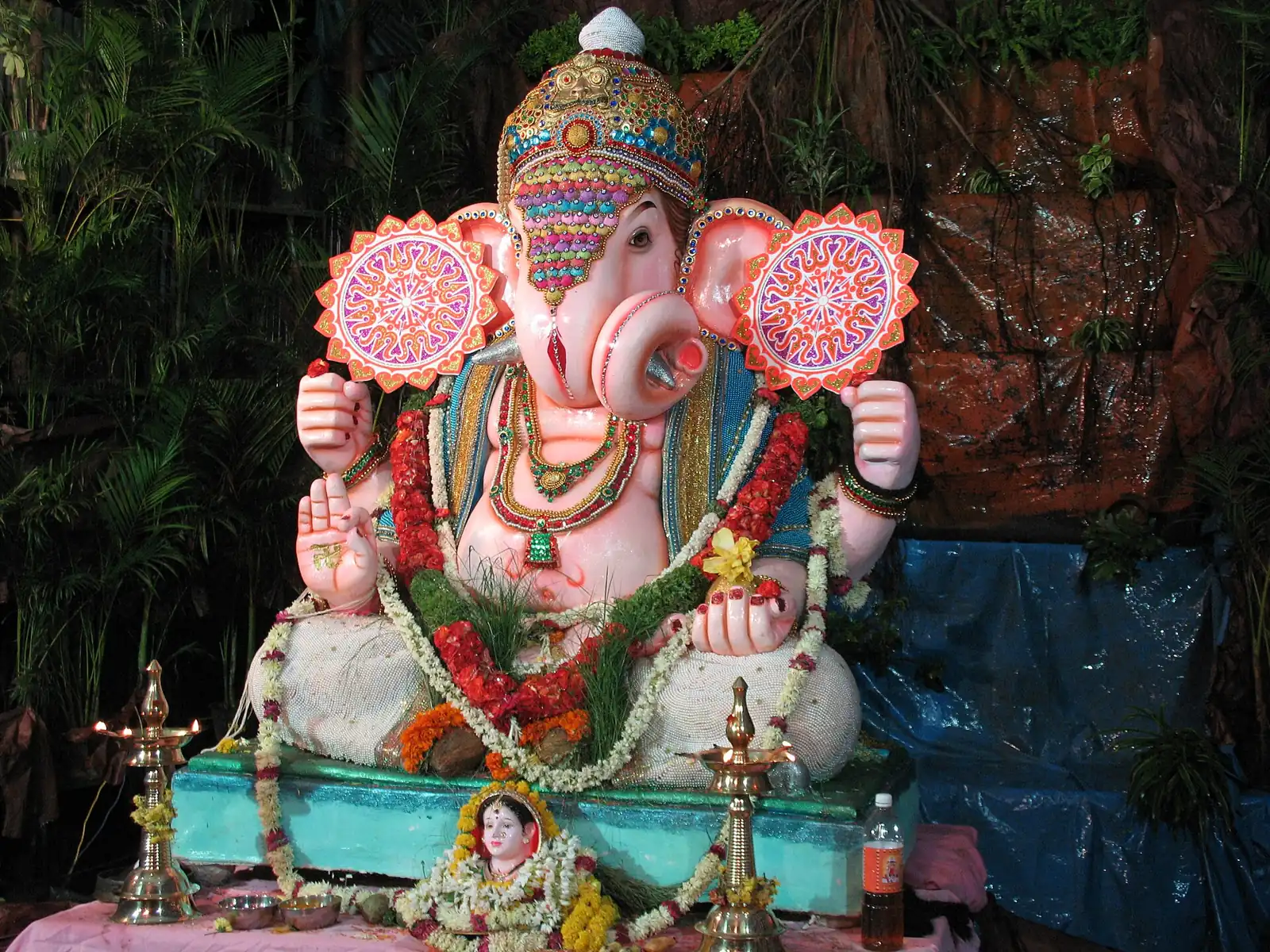
This is the festival that this city has made its own. Families bring a Ganpati into their flat, mandals set up a towering idol in a pandal on the road, and for ten days the whole city arranges itself around the arrival of a guest who is also the remover of obstacles.
Ganesh Chaturthi in 2026 is expected around 14 September, but the date is set by the lunar calendar, so confirm it with the pandits or the municipal notice nearer the time.
How a public festival was born
Ganesh worship at home is old in western India, and was a quiet family affair for generations. The shift to the big public pandals is usually credited to the freedom fighter Lokmanya Bal Gangadhar Tilak, who in the 1890s encouraged communities in Pune and Mumbai to celebrate together in the open, in a time when public gatherings were discouraged under colonial rule.
That is why the festival has a civic shape in Maharashtra. Each neighbourhood has its mandal, a committee that raises donations, hires the artists and runs the ten days with a cultural programme, a blood donation camp and a place for strangers to eat.
The home Ganpati: the first day
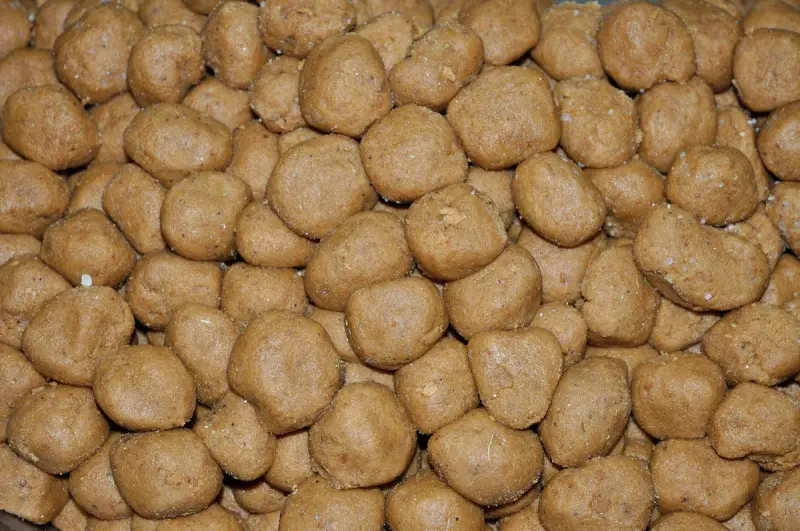
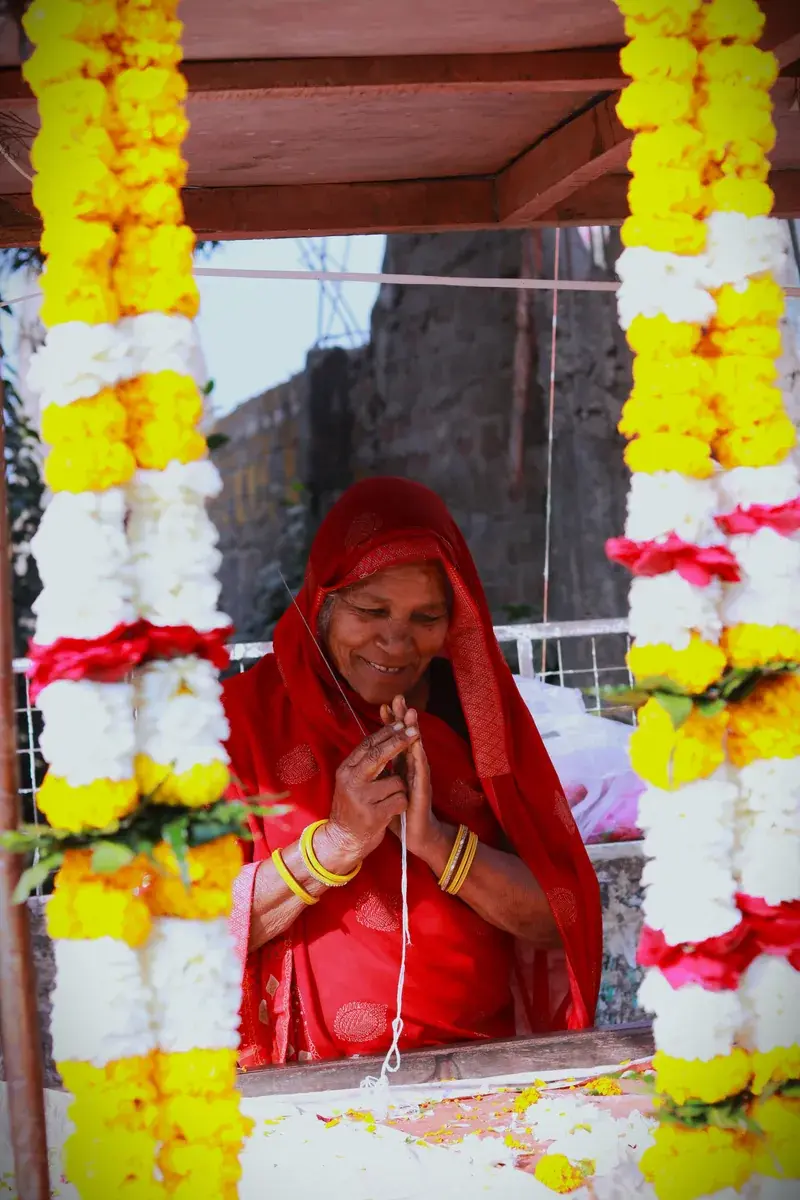
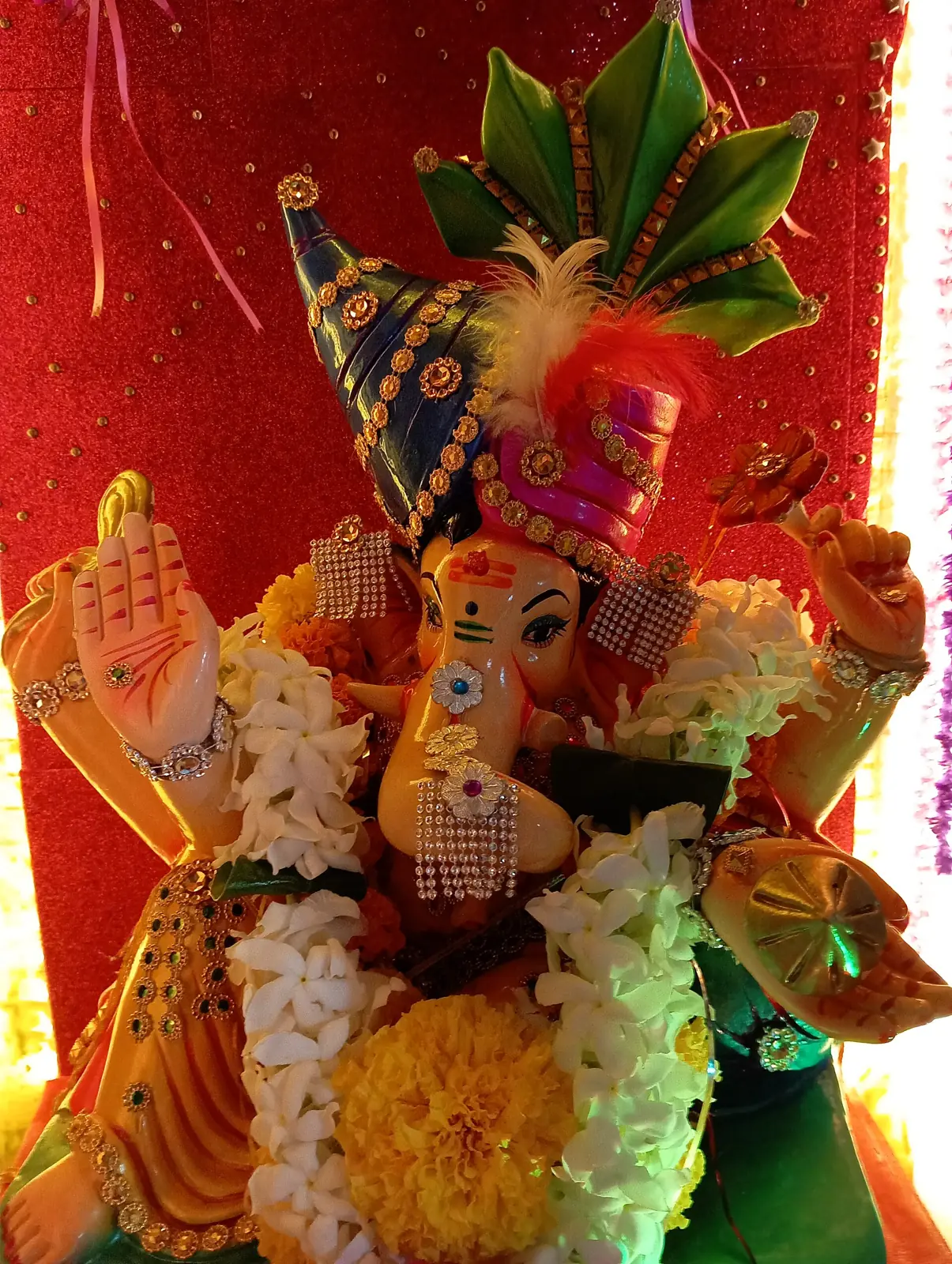
On Chaturthi morning the idol is placed on a raised seat, decorated with flowers and durva grass, and the family performs the pran pratishtha, the ritual that invites the god to dwell in the idol. Offerings are made of coconuts, fruit, and above all of modak, a steamed dumpling of rice flour filled with coconut and jaggery. Families usually make it by hand, with a fold in the top of each, and the count offered follows house custom.
Aarti is sung morning and evening, and in the evenings neighbours walk from flat to flat to see each other's Ganpati. The visit is a polite one: you bow, take the prasad and a sip of water, and move on.
Many families return the idol to the water after a day and a half, or three, five, seven, or the full ten days. The choice follows the family's own tradition.
The big mandals and Lalbaug
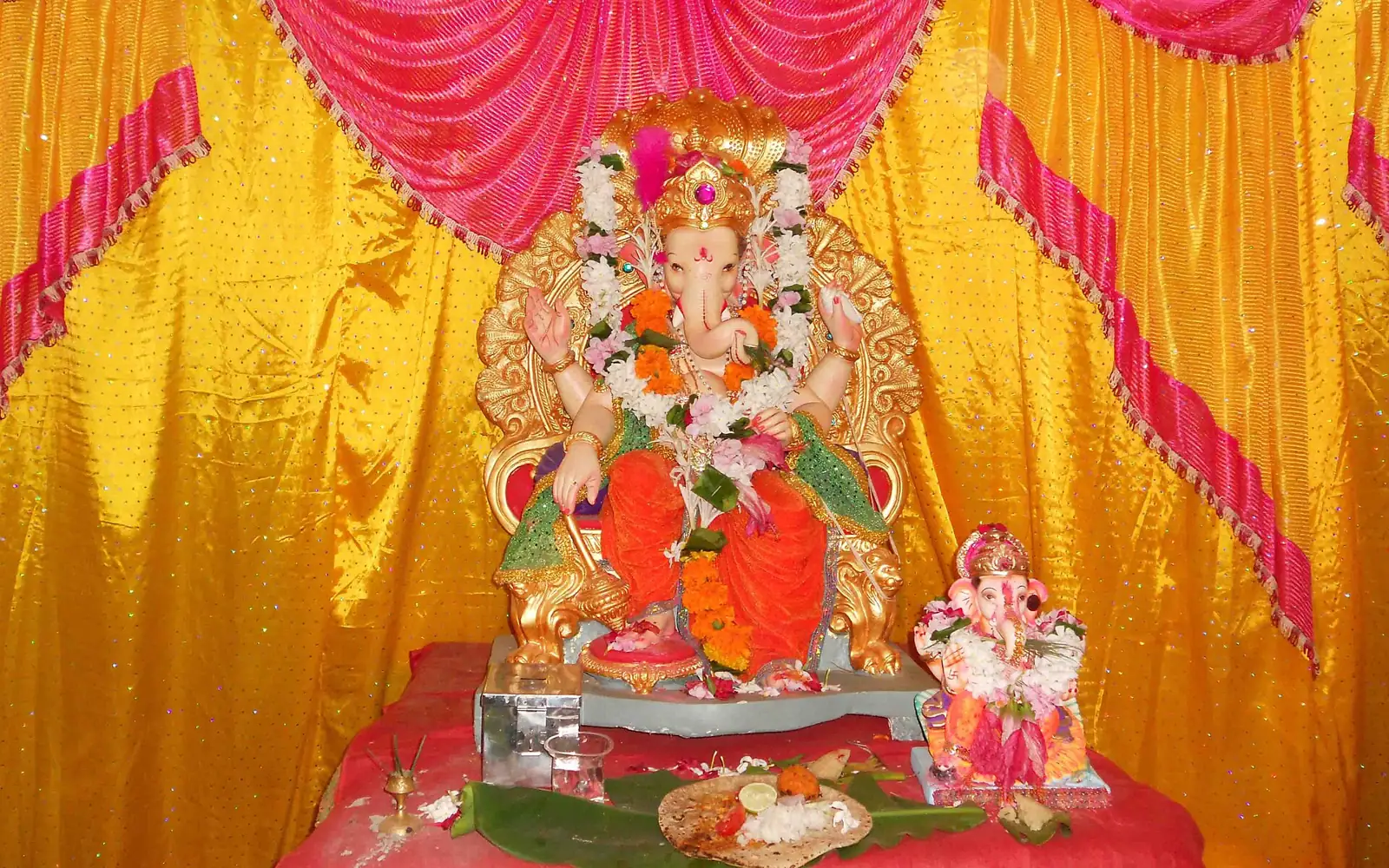
Every part of Mumbai has a Ganesh pandal that locals will point out, but the most famous is Lalbaugcha Raja in the old mill district of Lalbaug and Parel, a mandal that dates from 1934. The idol is seated and richly dressed, and the queue to reach him is not a casual one. Devotees wait for many hours in a line that stretches into the lanes, and some fast through the wait.
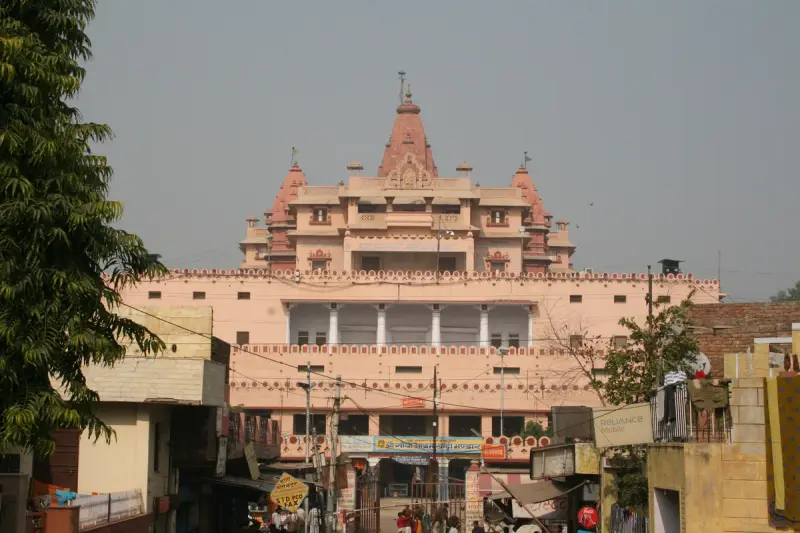
Other well known pandals include Ganesh Galli near Lalbaug, the Chinchpokli Chintamani, and the sumptuously decorated pandal run by the GSB Seva Mandal at King's Circle, which is known for its gold and silver ornaments. Many mandals set up themed decorations with painted sets and moving figures, and each year the talk in the city is about which one made the best story.
If you wish to see a big idol without the queue, go very early on a weekday morning, or wander the lanes at night and look from the road. The sights from outside a pandal are often as good as the view from the line.
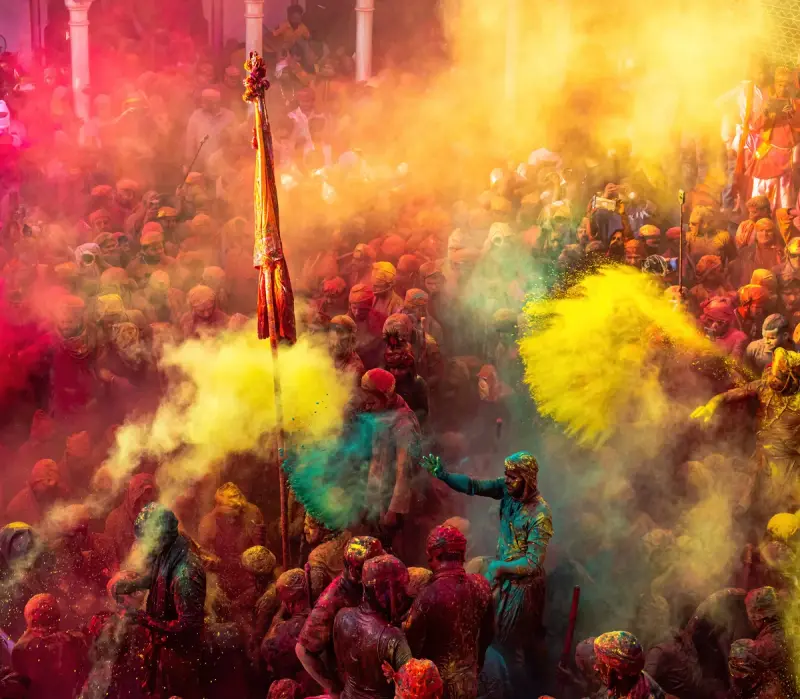
Clay or plaster: the idol itself
Traditionally the idol is made of shadu, the soft clay, and dissolves in the sea. In recent decades many idols have been made of plaster of Paris because it is light and dries quickly, and the debate over pollution has led the municipal body and many mandals to promote clay idols and artificial ponds for immersion.
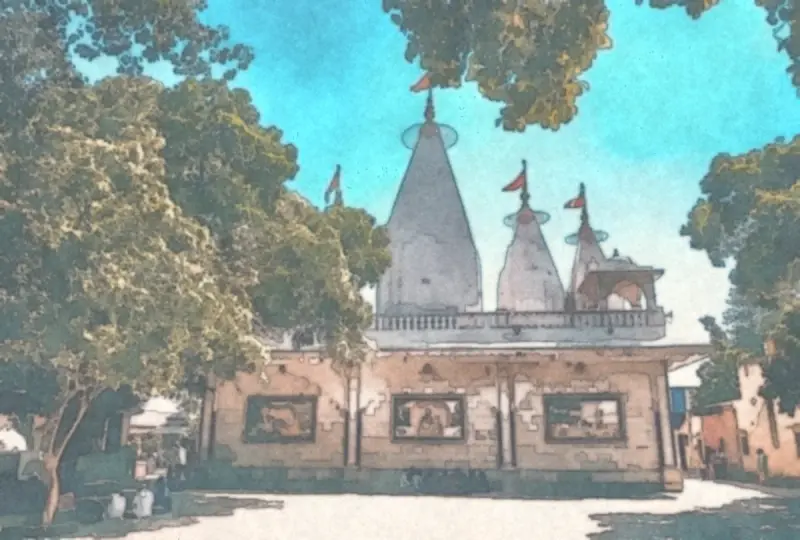
If you are buying an idol for your home, ask the artisan whether it is of clay. Makers in Lalbaug and Parel's workshops start sculpting months ahead, and the finished idols stand in rows under cloth before they are taken to the pandals.
Visarjan: the last day at the water
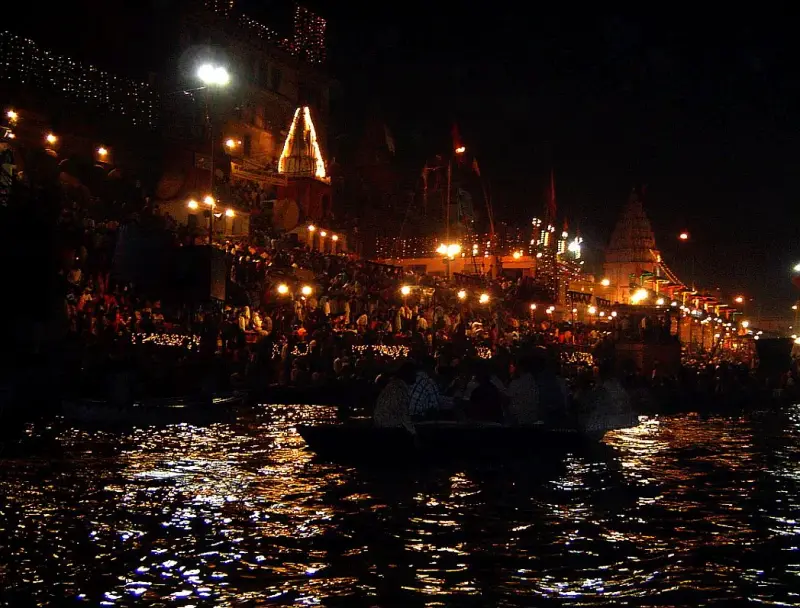
The biggest immersion day is Anant Chaturdashi, the tenth day after Chaturthi. Idols leave their pandals in processions of drummers and dancers, singing the call that Mumbai says every year: Ganpati Bappa Morya, Pudhchya Varshi Lavkar Ya, which means come again early next year.
The largest immersions happen at Girgaum Chowpatty, with others at Juhu and Dadar beaches and at artificial ponds in several neighbourhoods. The processions can take many hours to reach the water, and the biggest idols are lowered into the sea in the night. It is moving, loud and crowded, and the police and municipal staff close many roads.
As a visitor, watch from a safe distance from the shore. Keep to the edge of the crowd and never follow a procession into the water.
Planning the trip from Delhi
The ten days of Ganesh Chaturthi are a difficult time to book anything in Mumbai on short notice. Hotels near the main pandals fill early and road closures change the way every journey is planned.
Laladham can pick you up in Delhi and run the whole trip: the flight or train and an airport or station pickup in Mumbai, a stay on the right side of the closures, a guide who knows which lanes are worth walking, and a driver who knows when the roads are open. If you also want Pune, Alibag, Ellora or Shirdi, we can build those days in. Ask for a quote from the booking page and send your dates and party size.
Questions, answered
How many days is Ganesh Chaturthi?
The main festival runs ten days from Chaturthi to Anant Chaturdashi, though families immerse their idols on the day of their own tradition.
What is the best day to see Visarjan in Mumbai?
Anant Chaturdashi, the last day. Roads are closed and crowds are heavy, so plan the place to stand and your way home.
What is modak?
His favourite sweet: a rice flour shell, steamed, with a coconut and jaggery centre.
Is Lalbaugcha Raja open to visitors?
Yes, with long queues. The mandal runs more than one line, and the wait differs by hour and day, so ask locally before you go.