Day 1: Delhi to Lucknow, then Hazratganj after dark
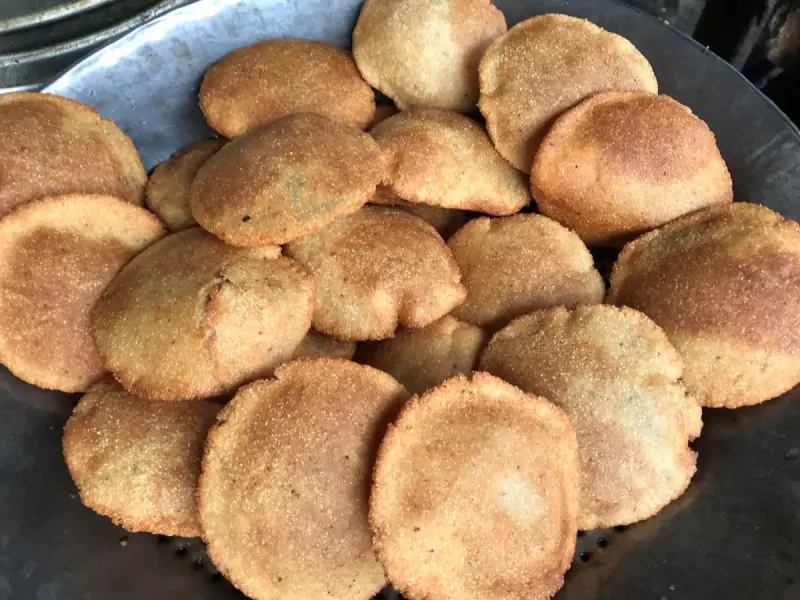
Your driver collects you in Delhi ideally before six. Tourism sources put Lucknow roughly 550 km from the capital, and Outlook Traveller lists the Yamuna Expressway and the Agra-Lucknow Expressway as the road in. Plan most of a day with a proper lunch halt, and more in December and January, when fog slows fast roads. By the time you check in the monuments will be shut, which is fine, because the first evening belongs to Hazratganj. Start with samosas and chai at Sharma Ji Ki Chai, walk the old shopping street, and finish with chaat at Shuklas, famous for its spiced peas. If the drive feels like too much for one stretch, sleep at Agra and reach Lucknow the next afternoon, which turns this into a day and a half on the ground.
Day 2 at nine: the Bara Imambara and its maze
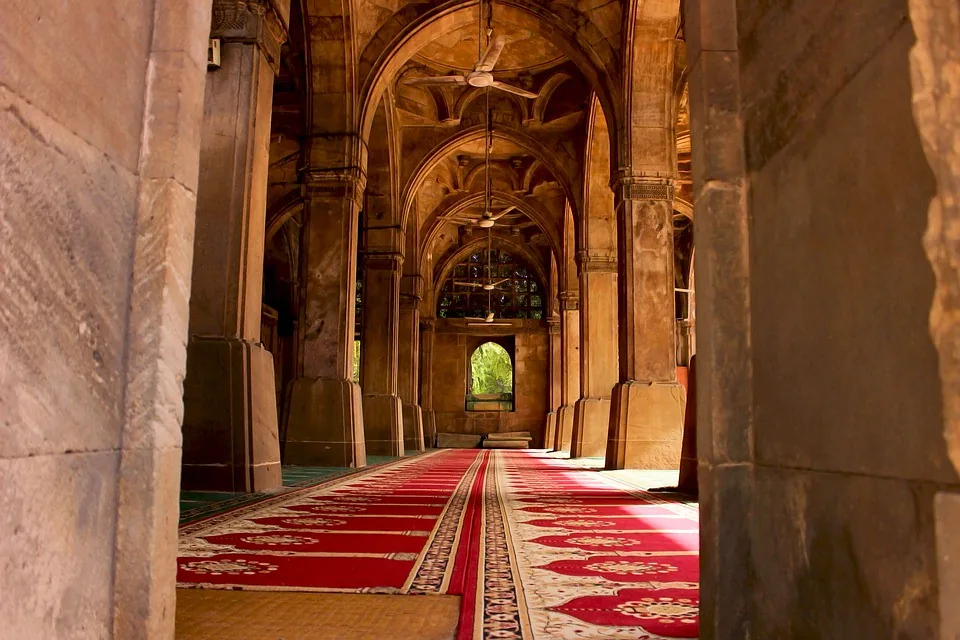
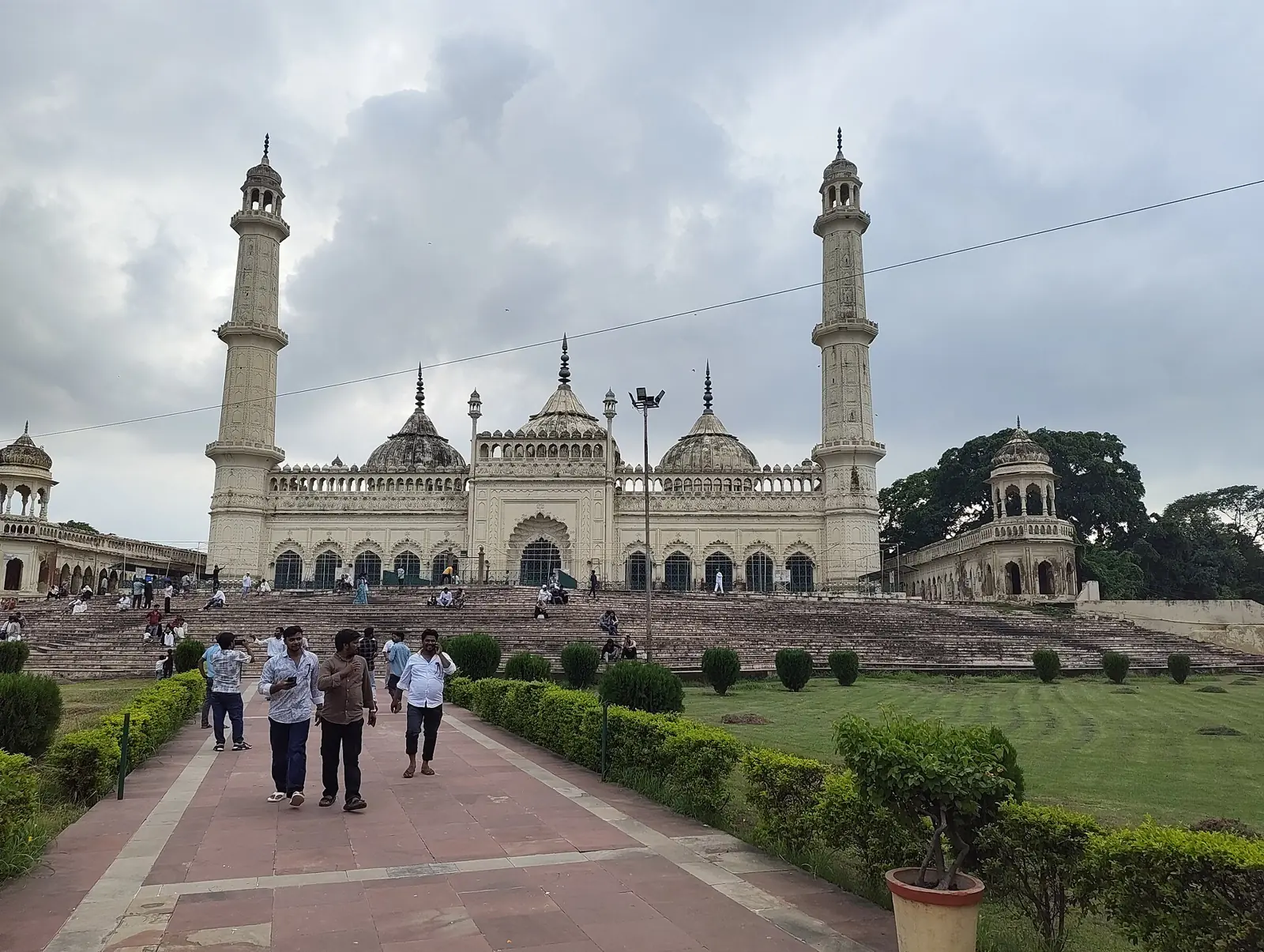
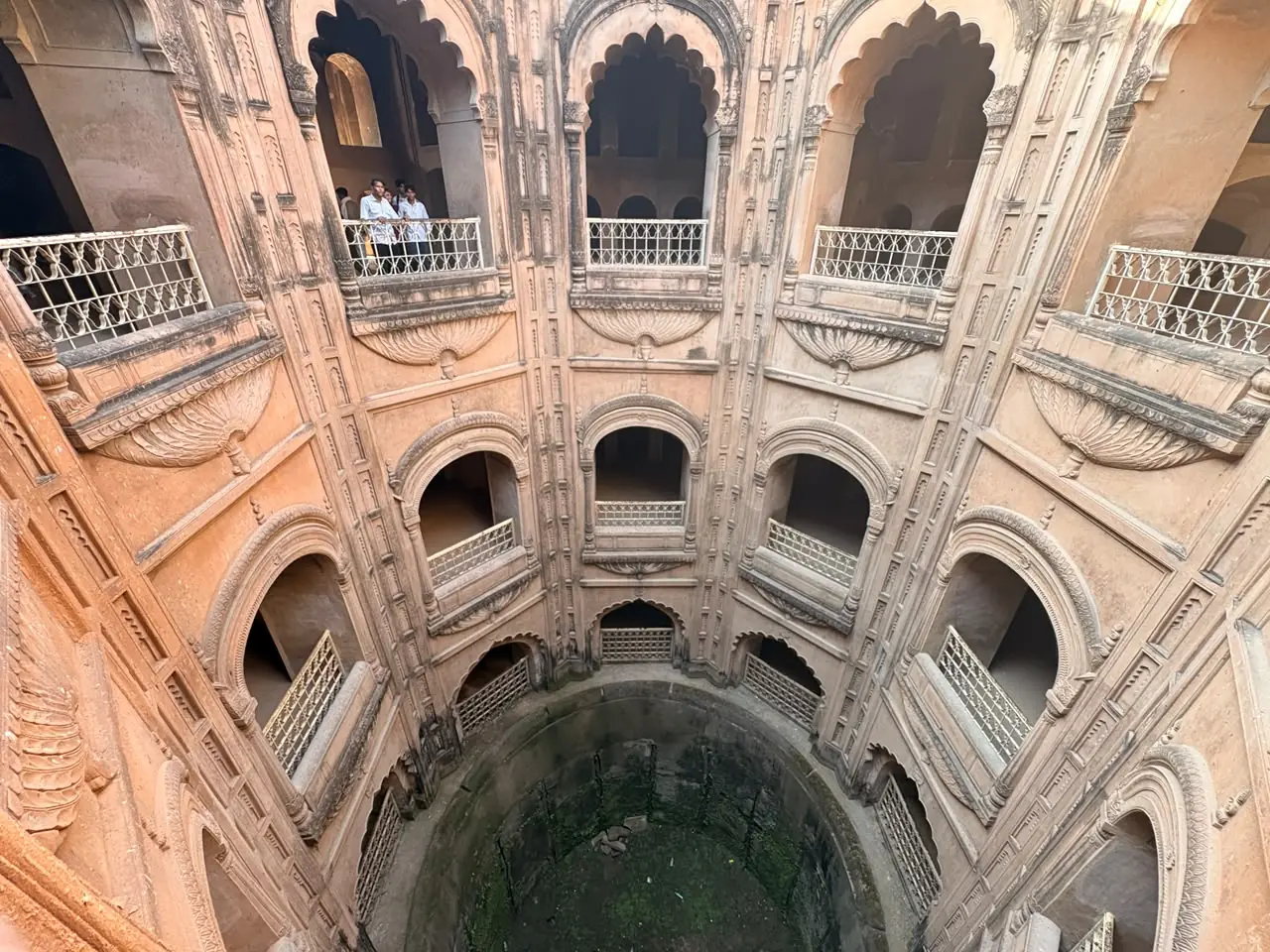
Be at the gate when it opens at 9 am; Incredible India lists 9 to 5 with Mondays closed. Nawab Asaf-ud-Daula had it built around 1780 during a famine, and the project doubled as employment for thousands of workers, which is the story every guide tells and worth hearing. The central hall is described as having the largest arched roof in the world with no wooden or metal support, and in Muharram it holds gatherings of thousands. Above it runs the Bhool Bhulaiya, a labyrinth said to have 1,024 pathways, and the sensible rule is to take an authorised guide at the gate, because the passages twist, the stairs are dark and a wrong turn eats an hour. Go up to the roof for the view and then look down into the Shahi Baoli, the stepwell that began as a well for the builders and later became a royal guesthouse.
Cover shoulders and knees, take your shoes off at the doors and leave the Asafi mosque beside the complex alone unless you are a Muslim visitor, since Outlook Traveller notes restrictions there for others. Give the whole complex ninety minutes at an unhurried pace.
Rumi Darwaza and the Husainabad stretch
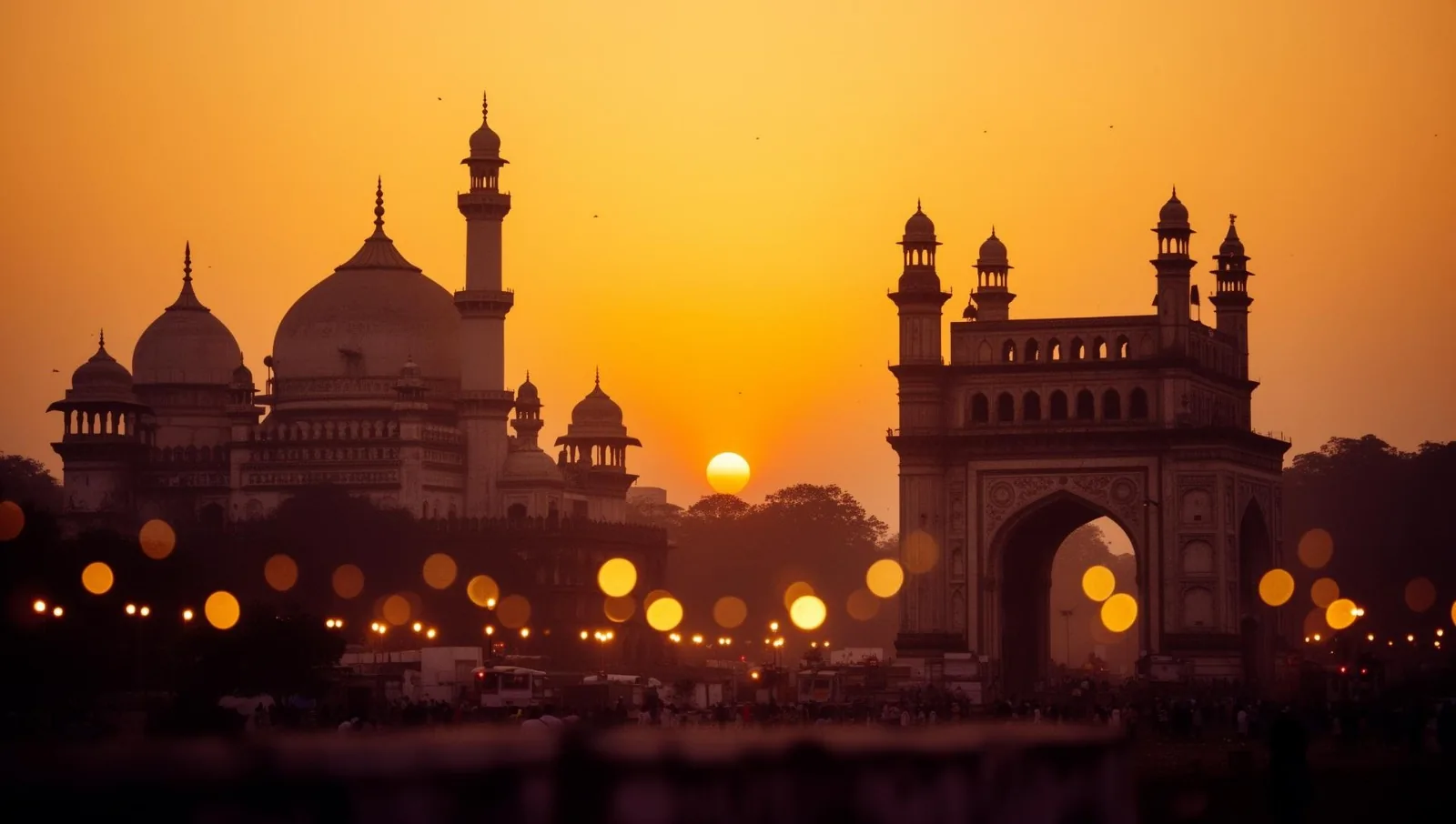
From the courtyard you can see Rumi Darwaza, the Turkish Gate from the 1780s, standing on the western side as the city's symbol. Passing under it costs nothing and the best hour for it is when the stone is lit up after dark, so treat the morning visit as a quick look and come back in the evening if you can. Beyond it the road runs to Husainabad, where the Chota Imambara, built in 1832 by Mohammed Ali Shah as a mausoleum for himself and his mother, glitters with chandeliers. The Husainabad clock tower stands nearby. All of this fits in a morning if you are walking or taking short rickshaw hops.
The Residency: broken walls and a quiet lawn
After lunch, go to the Residency, which opens at 10 am and shuts at 5 pm. It was the home of the British resident in Oudh and became the centre of the siege during the rebellion of 1857; the Archaeological Survey of India protects it as a partly ruined monument, and the main mansion still shows bullet holes. A museum on the site holds artefacts and documents about 1857. The accounts of how long the siege lasted vary, from 87 days to more than six months, so read the plaques and ignore the louder claims. A guide brings it to life, but the lawn itself is the reason to come: after the imambaras, it is quiet. An older Outlook Traveller guide lists a sound and light show here at 7:30 pm from November to mid March and 8:45 pm after that; confirm before you plan an evening around it.
Where to eat: Chowk, Hazratganj and Aminabad
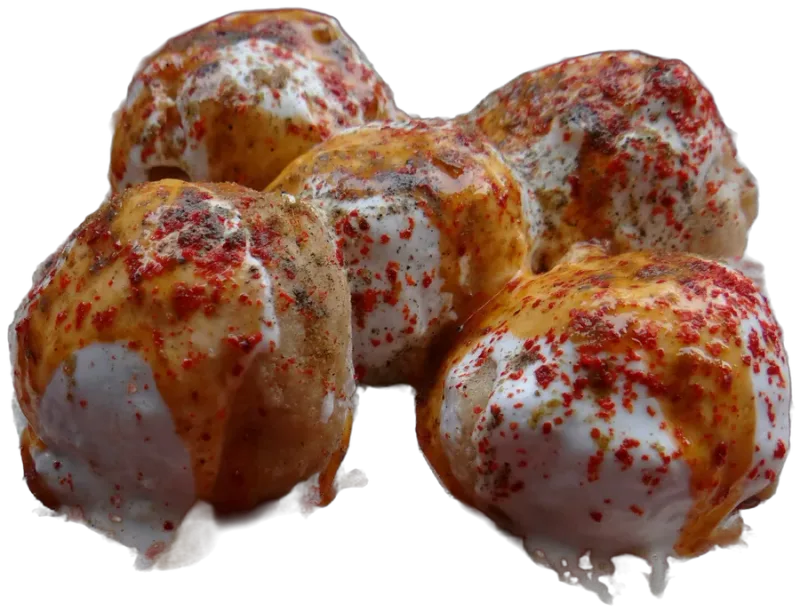
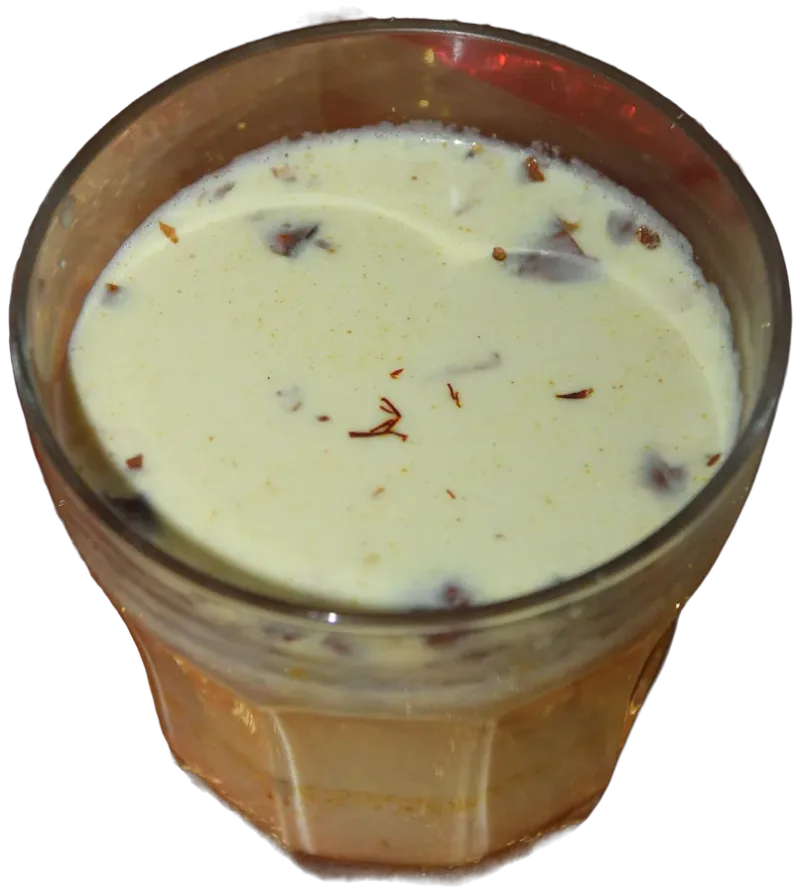
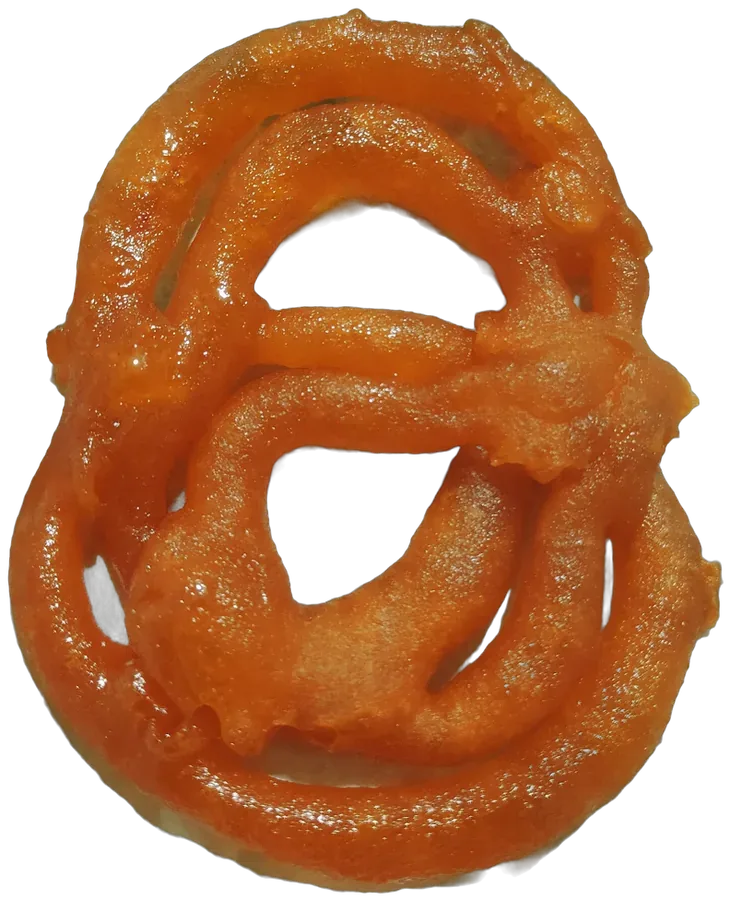
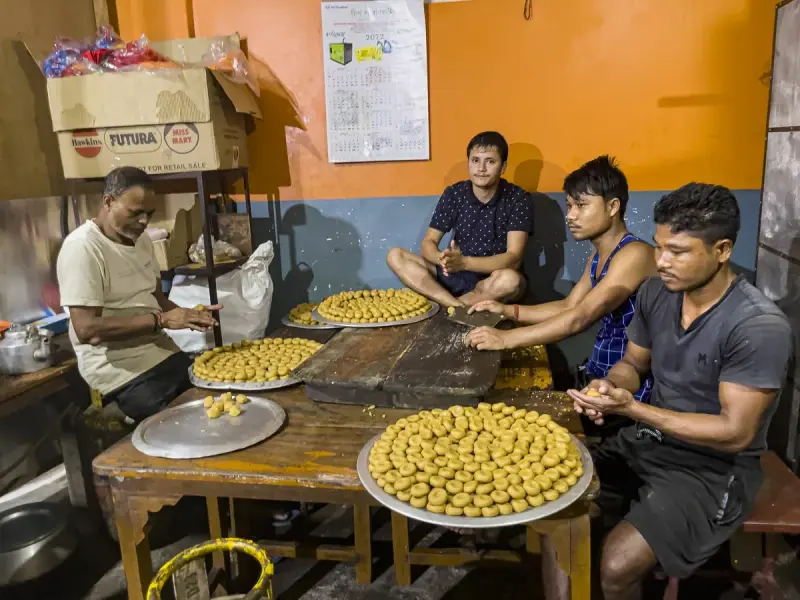
Lucknow's kitchen is the other half of the trip. Tunday Kababi is the name for galouti kebabs and parathas, and the original outlet is in Chowk. Rahims, opposite, is known for nehari and kulcha. Naushijaan in Hazratganj does galouti and majlisi kebabs, aflatooni korma and shahi tukra. For something lighter, look for the golgappas in Chowk, which come with different fillings, and end an evening with chaat and kulfi on the lanes. Vegetarians are not left out, since the chaat tradition is strong and the sweets are good. A heavier dinner of nihari and sheermal at Moti Mahal rounds off the day. Eat where the queue is, and ask what is freshest.
Chikan: how to shop without regret
Chikankari is the white-thread embroidery on cotton and georgette that Lucknow is known for, and Hazratganj and Aminabad both have shops for it, as do the Chowk lanes. Compare three counters before you buy. Hand work shows small uneven knots on the back, while machine work looks too perfect and costs far less. A good piece takes weeks to stitch and the price should show it, so be wary of a kurta that is suspiciously cheap. Let your hotel suggest a shop, not the first one a driver stops at.
Season, Muharram and the Monday trap
Incredible India's weather table shows January between about 3 and 27 degrees and May between about 20 and 44, so winter and early spring are the comfortable months. Muharram changes the mood of the city, with processions and mourning gatherings, and visitors should keep to the edges and dress with care. If your dates fall on a Monday, spend it in the markets and food lanes and save the monuments for the Tuesday.
Onward to Ayodhya, or home
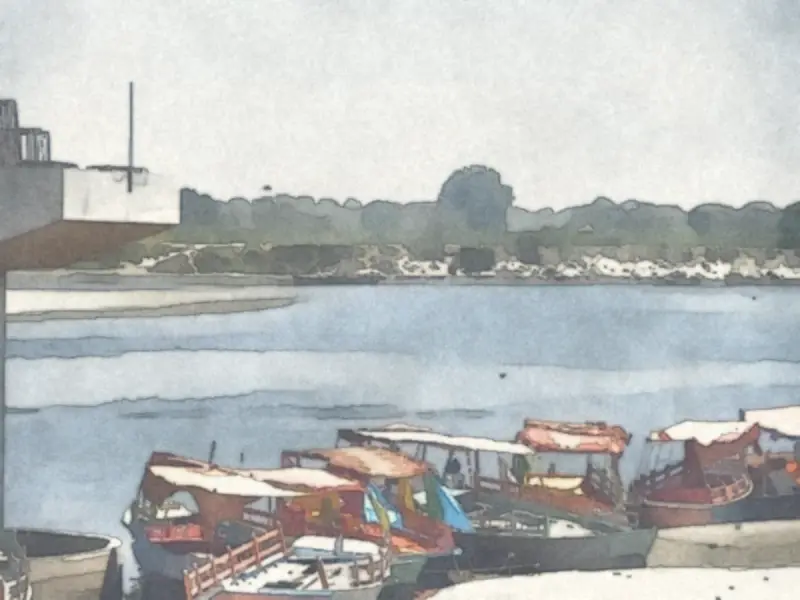
Ayodhya is roughly 135 km east of Lucknow, a few hours by road, and works as a third day if you want the river and the temple town; confirm darshan timings before you plan around them. Otherwise return to Delhi by the expressway or fly home from Lucknow's airport, which is close to the Charbagh railway station for those on a train.
Let Laladham run it
Laladham picks you up in Delhi, at the airport, station, home or hotel, keeps one driver for both days, books a guide for the maze and can add Ayodhya or Varanasi. There is no fixed price here, so ask for a quote on the book page with your dates and group size.
Questions, answered
Is two days enough for Lucknow?
Yes for the main sights, though the first day is mostly road and you get one full day on the ground.
Which day should I avoid in Lucknow?
Monday, when the official listings show both big monuments shut.
How far is Lucknow from Delhi by road?
Tourism sources say around 550 km, mostly on the Yamuna and Agra-Lucknow expressways, so it eats a day.
Do I need a guide at the Bhool Bhulaiya?
Yes, an authorised one from the gate, since the passages twist.
What should I eat in Lucknow?
Galouti kebabs at Tunday Kababi, nehari and kulcha at Rahims, chaat at Shuklas and Chowk's golgappas.