The distances give the shape. Mathura is 55 km from Agra, Lucknow to Ayodhya 135 km, Ayodhya to Varanasi 200 km, and Lucknow to Varanasi 320 km. Delhi is the hub, and what follows is practical: hours, rules, heat and fog.
The western arc: Agra and Braj
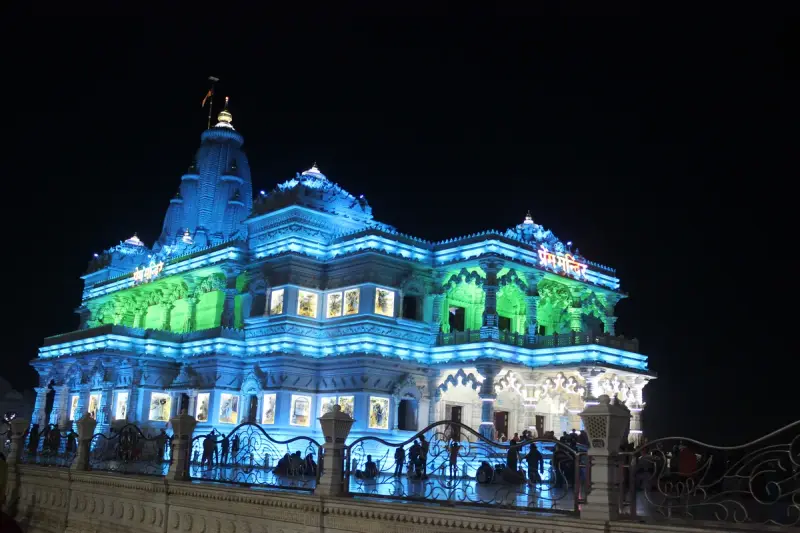
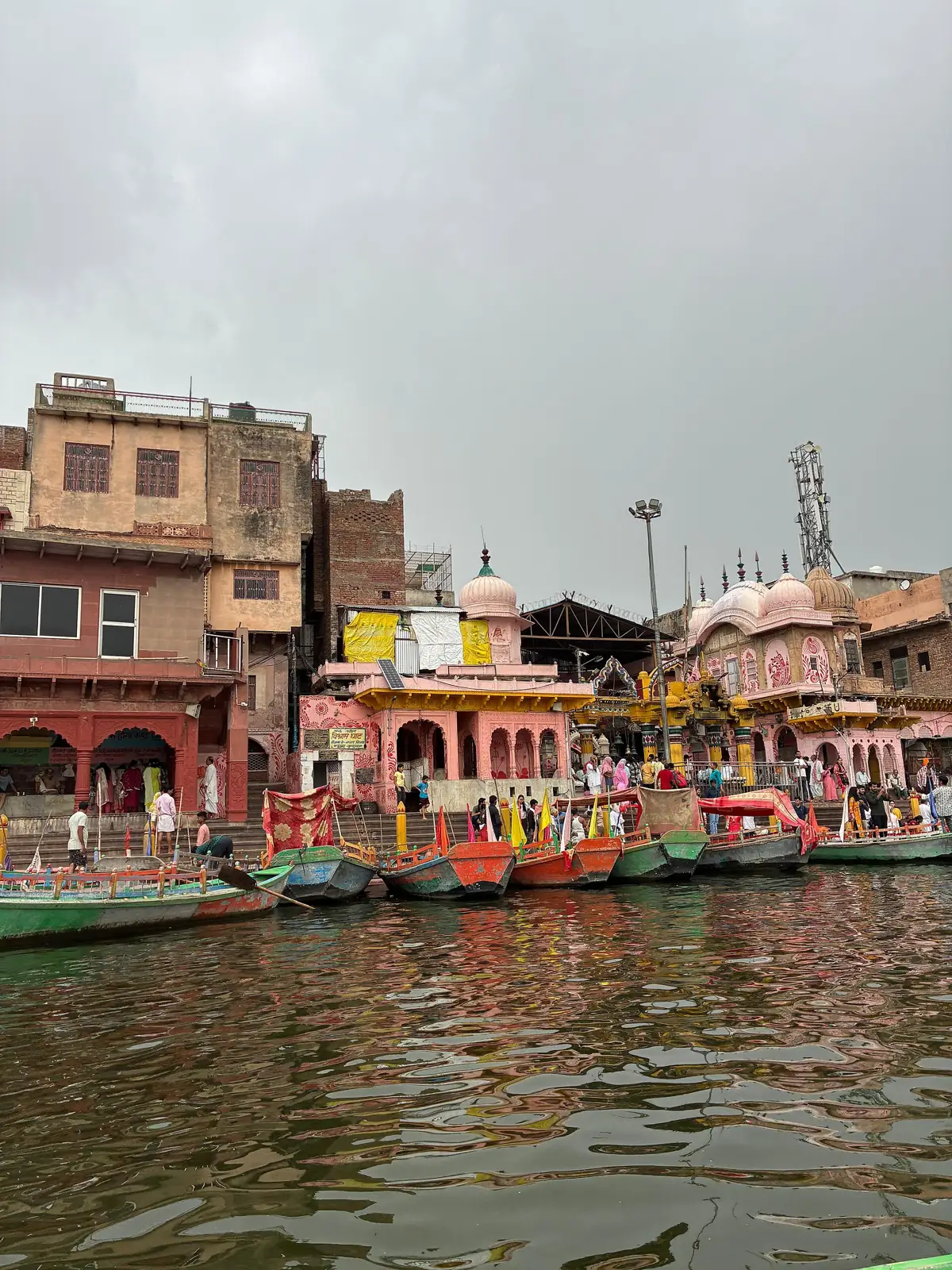
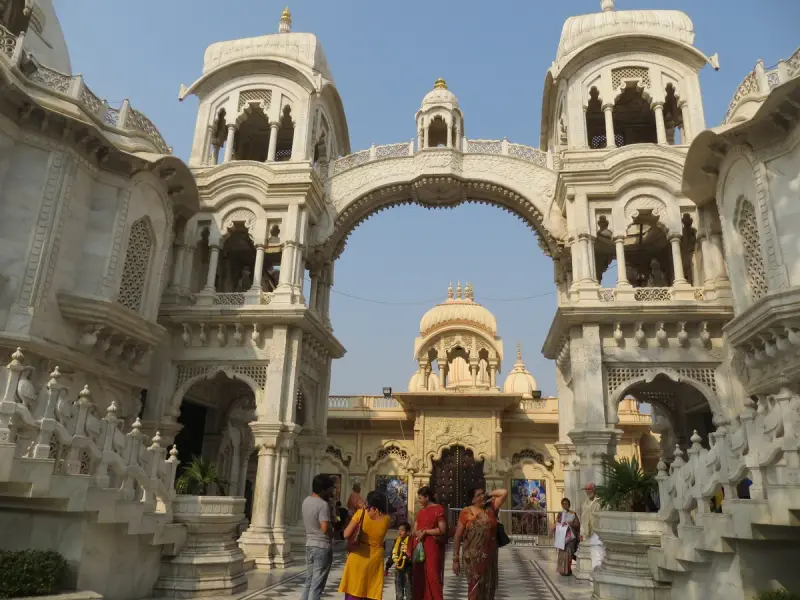
Agra's Taj Mahal opens from about 6 and shuts on Fridays, with Agra Fort open 8 to 5:30; Fatehpur Sikri lies 35 km out. Mathura is 55 km from Agra and ten from Vrindavan. The Krishna Janmabhoomi temple keeps a split day, 5 to noon and 4 to 9:30 PM, with tight security, so go early and leave phones and bags behind. Vishram Ghat never closes, and evening is when the aarti happens. The ISKCON temple in Vrindavan runs 4:30 to 1 and 4:30 to 8:30.
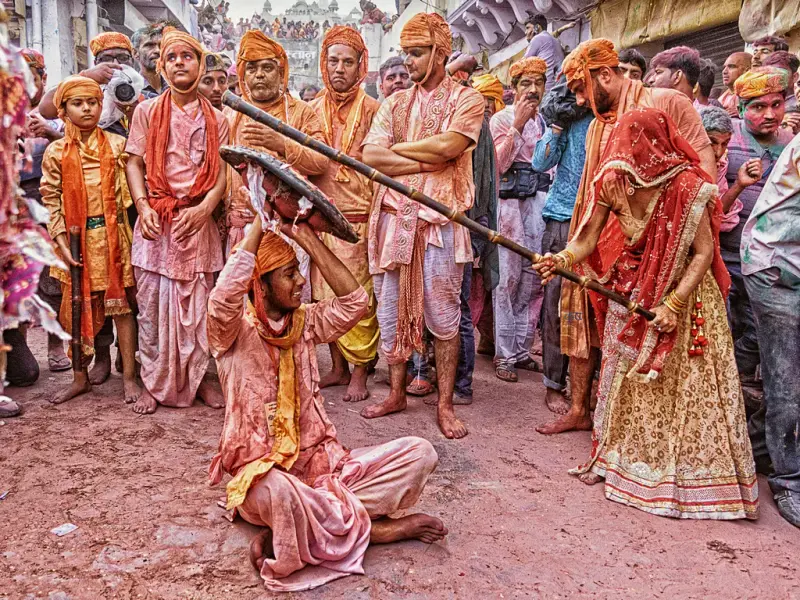
Holi in March, Janmashtami in the monsoon and the Taj Mahotsav in February are the crowd peaks of this arc. The national tourism site also notes that Agra has three UNESCO sites and sits on a Heritage Arc that links it to Lucknow and Varanasi.
Lucknow: imambaras by morning, Hazratganj by evening
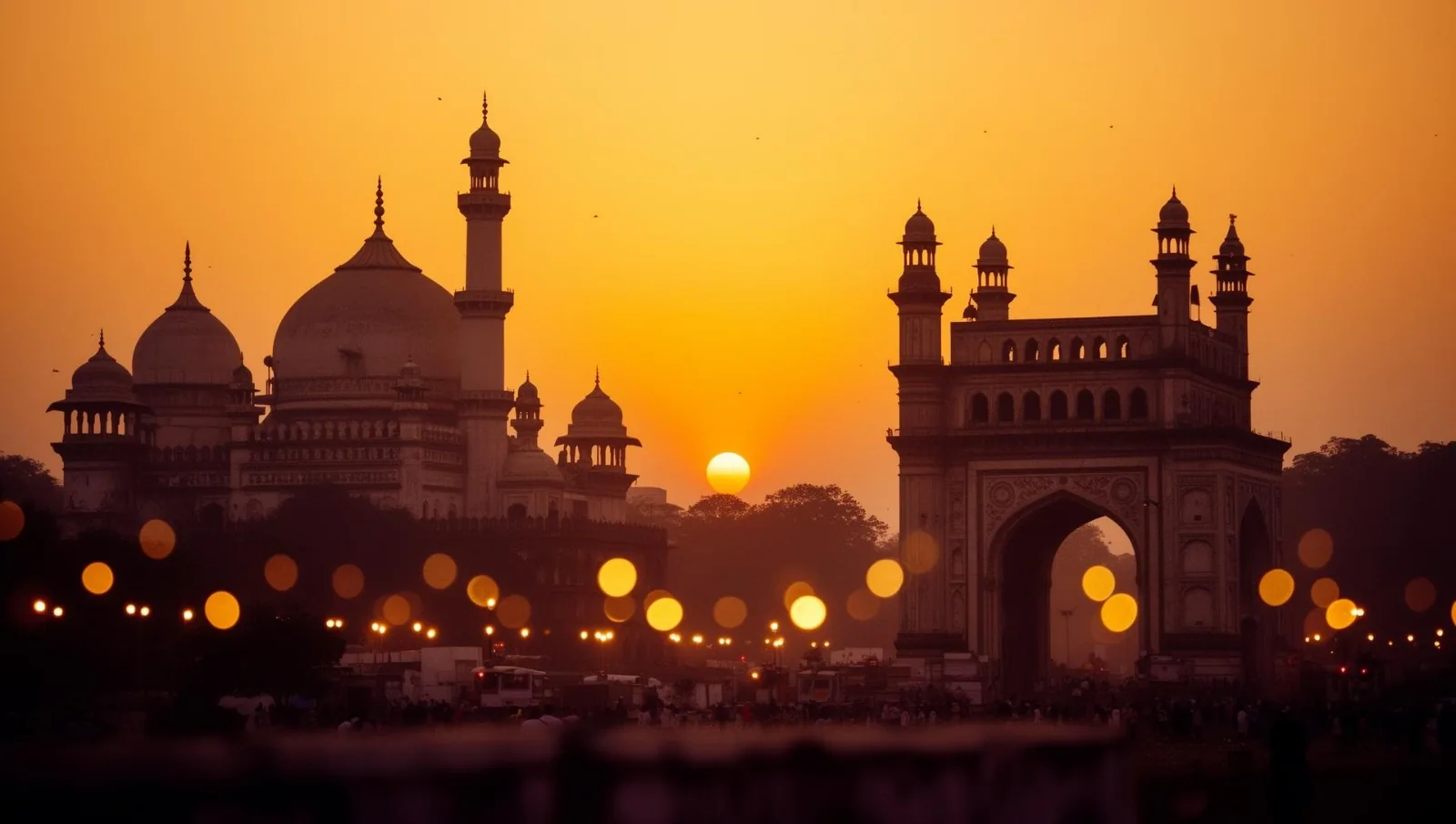
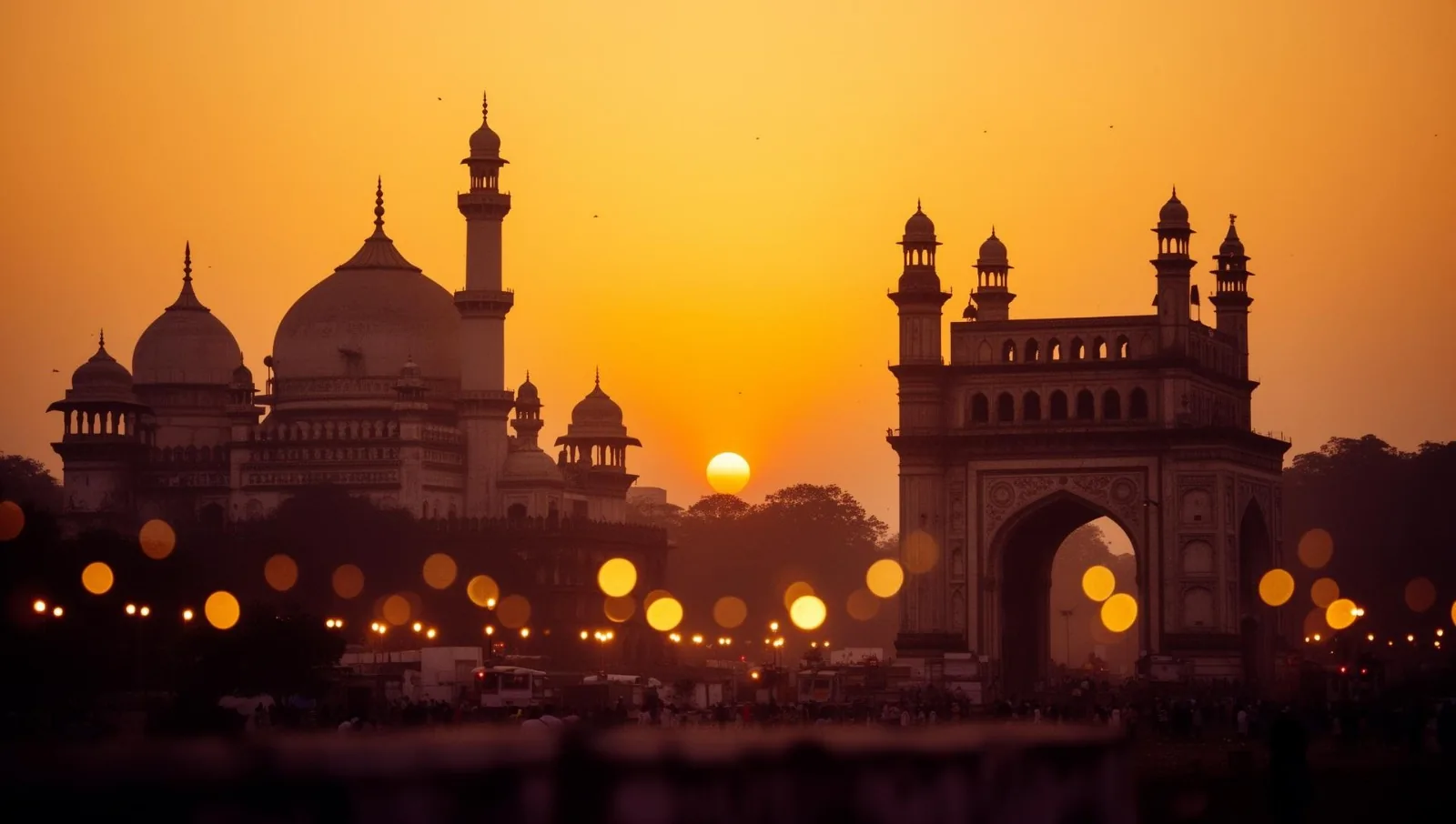
The Bara Imambara opens at 6 and shuts at 5, with a ticket of Rs 50 for Indian visitors and a half day's worth of corridors; go in the morning. The Chota Imambara, open 8 to 6, is best in late afternoon when it is lit, and Rumi Darwaza stays open round the clock and is best photographed in the evening; the gateway dates from 1784 and is modelled on a gate in Constantinople, and the city's golden age came under the Nawab Asaf-ud-Daula, who ruled from 1775 to 1797. The British Residency (7 to 6, Rs 25) is a quiet ruin, while Hazratganj market runs 11 to 9 and is closed on Sundays. Plan around that, not into it.
Ayodhya: three temples and a schedule
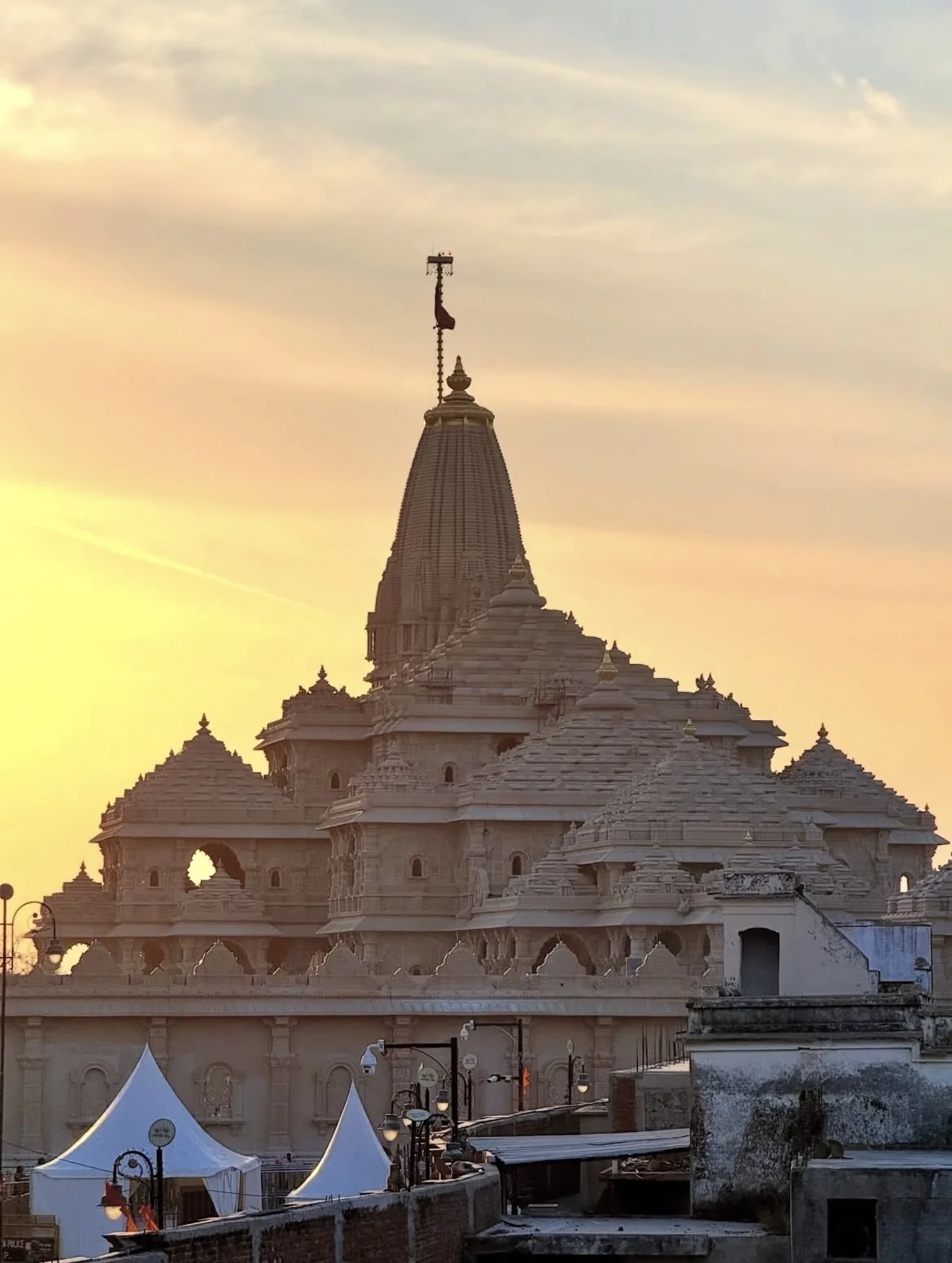
Ram Janmabhoomi temple takes visitors 7 to 11:30 AM and 2 to 6 PM, free, with security checks; early in each window is quieter. Hanuman Garhi runs 5 AM to 9 PM and Kanak Bhavan 9 to 12 and 4 to 9. The airport, about 10 km from town, has had commercial flights since early 2024, so the 135 km from Lucknow is no longer the only way in. Hotel rates in Varanasi and Ayodhya can jump 25 to 40 per cent in Dev Deepawali week, one operator notes. The new Ram Mandir is built entirely of stone, with 360 pillars in the Nagar style, about 380 feet long and 161 feet high. Hanuman Garhi has the long views, Kanak Bhavan the ornate shrine, and Nageshwarnath, an old Shiva temple, is the quiet extra beside the Sarayu.
Varanasi and Sarnath
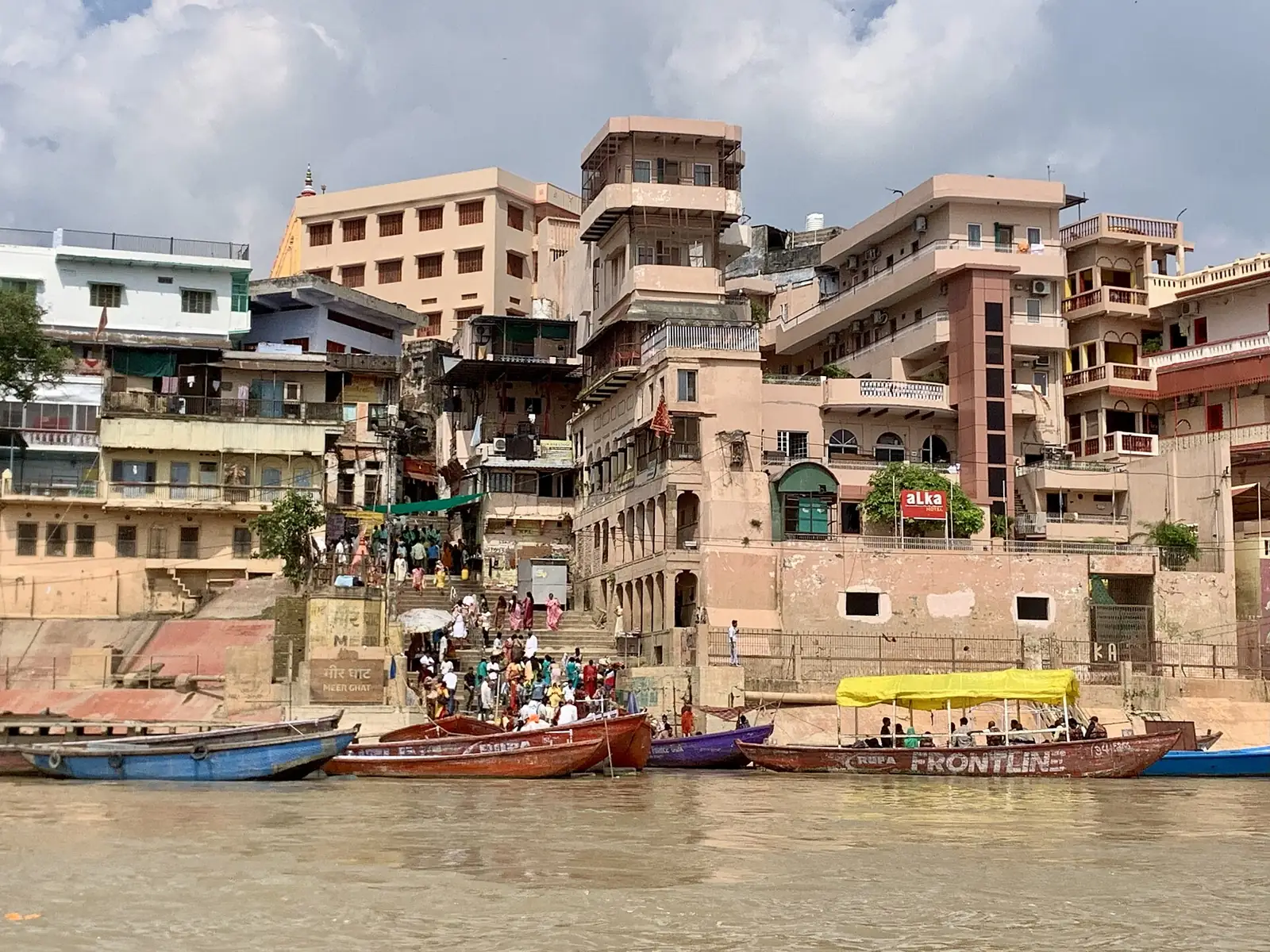
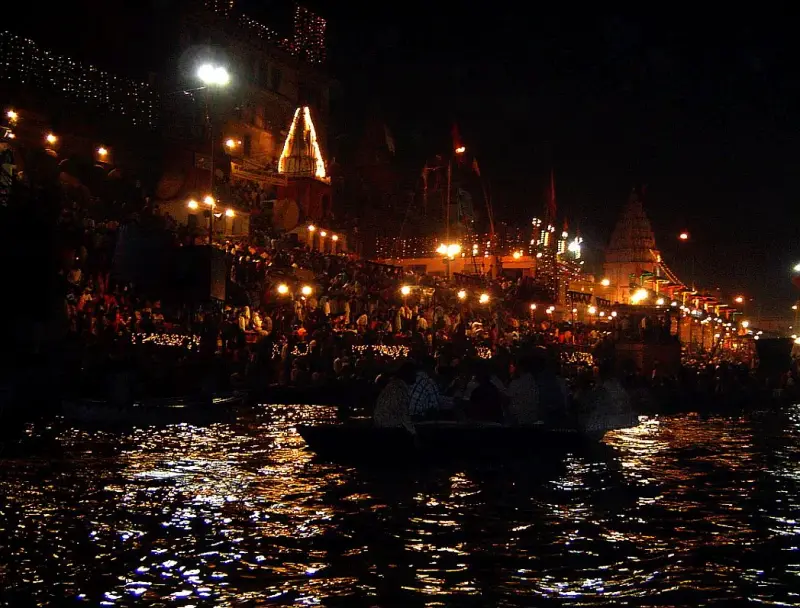
Kashi Vishwanath's darshan window is quoted differently in different places, starting at 2:30 or 3 AM and ending about 11 PM, and the Mangala aarti of 3 to 4 AM is booked ahead with ID, so confirm on the temple's own site. The dress code at the aarti is dhoti and kurta for men and saree or salwar suit for women. The riverfront does the rest. Dashashwamedh Ghat holds the grand evening Ganga aarti, while Assi Ghat hosts Subah-e-Banaras at sunrise, with yoga and music, and Manikarnika is the cremation ghat where life and death sit side by side. A dawn boat ride shows all of it at once. The Bharat Mata temple, with a marble relief map of India, and the carved Nepali temple, called a Little Khajuraho, reward a short detour.
Sarnath is about 10 km out. The Dhamek Stupa (8 to 6, Rs 40) takes an hour and a half; the museum opens 9 to 5, charges Rs 5 and holds the Lion Capital; the Mulagandha Kuti Vihara is free and quietest in the morning.
Season, heat and fog
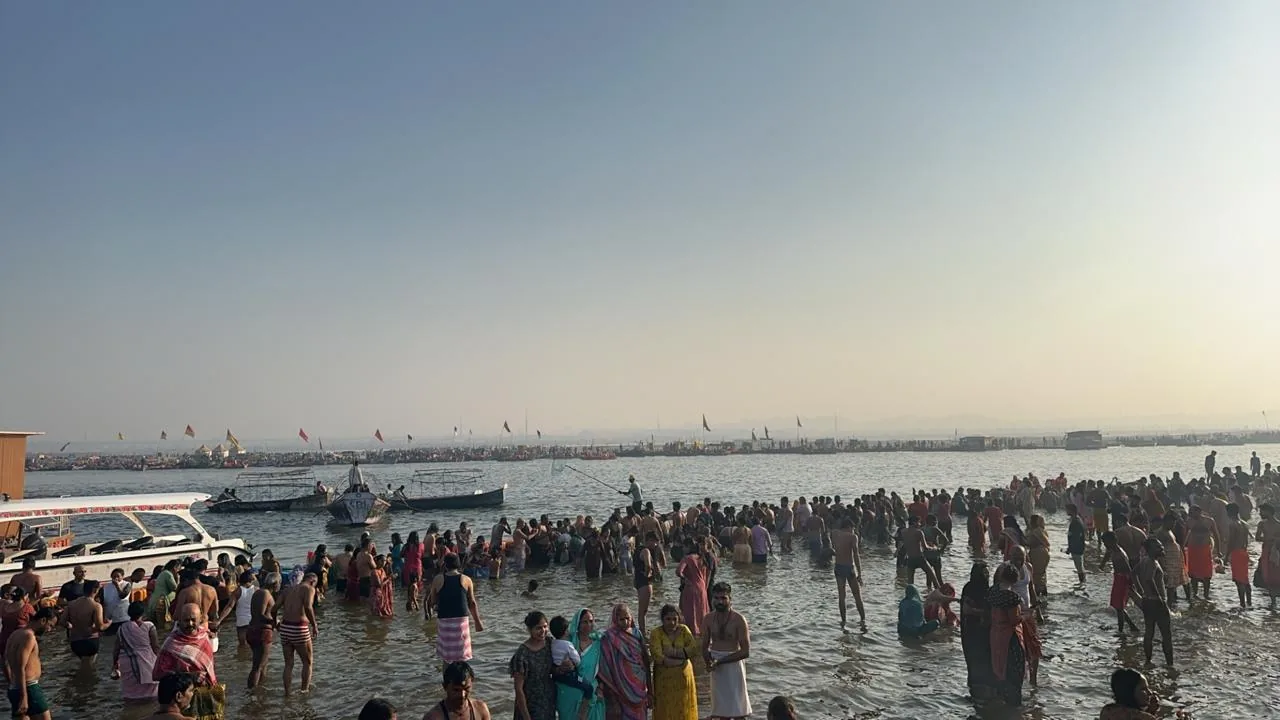
Winter is the peak, with days of 10 to 25 degrees and cold mornings near 3. Summer highs often reach 48, and one guide advises skipping it unless you move at dawn and dusk. The monsoon cools to 20 to 30 and slows the roads, though Varanasi's ghats and Ayodhya are described as lovely in the rain. Dudhwa for wildlife is a summer trip, because animals gather at the water. Winter fog can slow expressways in the early hours.
Three ways to cut it
Long weekend: the western arc only. Five days: Lucknow to Varanasi, hopping by rail or air instead of car. A full week: add Prayagraj, Sarnath and one quiet town. Pick one arc and do it slowly.
Temple manners and everyday sense
The state is conservative, so cover shoulders and knees at places of worship.
Carry cash for small shops, drink bottled water, and take ORS in the hot months.
Expect shoe stands, security checks and queues at every major shrine, and carry a photo ID.
Laladham, Delhi pickup and a full plan
Laladham is based in Braj and picks you up in Delhi, whether at the airport, station, home or hotel. Mathura and Vrindavan are our home ground, and we can run the western arc by road, and the eastern cities by train or flight with a driver waiting on the ground. Ask for a quote on the [book page](/book).
Questions, answered
How many days do I need for Uttar Pradesh?
Two days for Agra and Mathura, five for Lucknow, Ayodhya and Varanasi, and a week or more for everything between.
Which part is best from Delhi by road?
The western arc around Agra and Braj. For the east, take a train or flight first, then explore by road.
When is the best time to visit?
November to February is the peak season. Summer can reach 48 degrees, and the monsoon slows roads.
Is the Taj Mahal open every day?
No. Fridays it stays shut, and it opens around 6 AM on other days.
How far is Ayodhya from Lucknow?
About 135 km. The Ayodhya airport is roughly 10 km from town.