The Ram temple consecrated in January 2024 has changed the way the city looks and the number of people who arrive, so the way to enjoy Ayodhya now is to plan it better than before.
The new temple and how to approach it
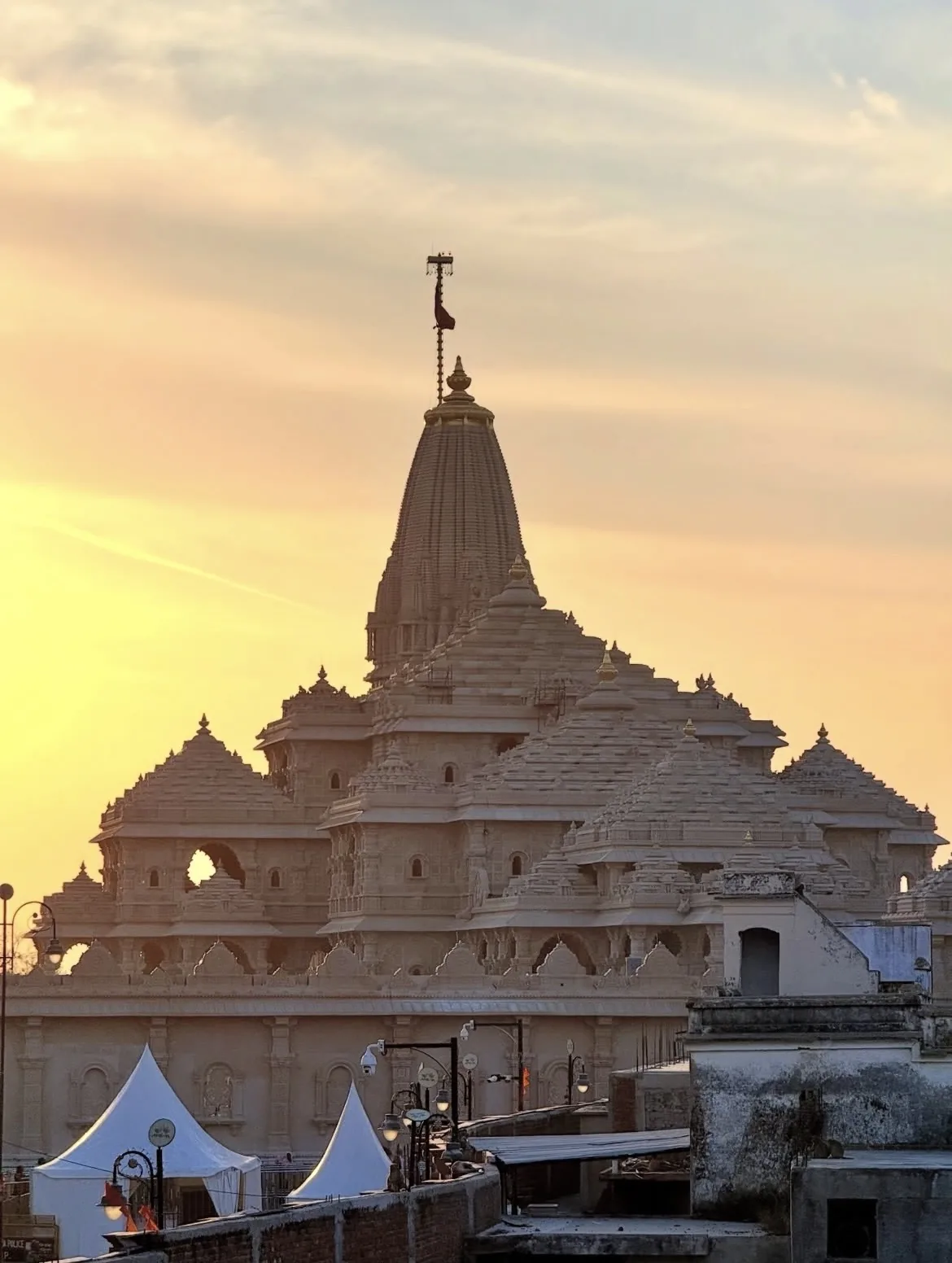
The Ram Janmabhoomi temple, built in a north Indian Nagara style in pale stone, has become the centre of a day in Ayodhya. Darshan is managed by the temple trust, and press reports mention free online passes for darshan and for the aartis, subject to availability, with the aarti seats selling out fast. The process, the timings and the security rules have been revised more than once. As of the winter schedule that began on 1 November 2026, the temple opens at 4 am and closes at 10 pm, regular darshan begins at 7 am, Mangala aarti is at about 4:30 am and Shringar aarti at 6:30 am, with a rest period in the afternoon from 12:30 to 1:30 pm and the last Shayan aarti at 9:30 pm. Look at the official trust website a few days before you travel, because these times change with the season.
Security is strict and bags and electronics may have to be left at counters outside, so ask when you book your pass. Wear shoes that come off easily and expect long walks inside barricaded lanes.
Hanuman Garhi, up the steps first
Tradition says a visitor should see Hanuman first, since he guards the city.
Local tradition
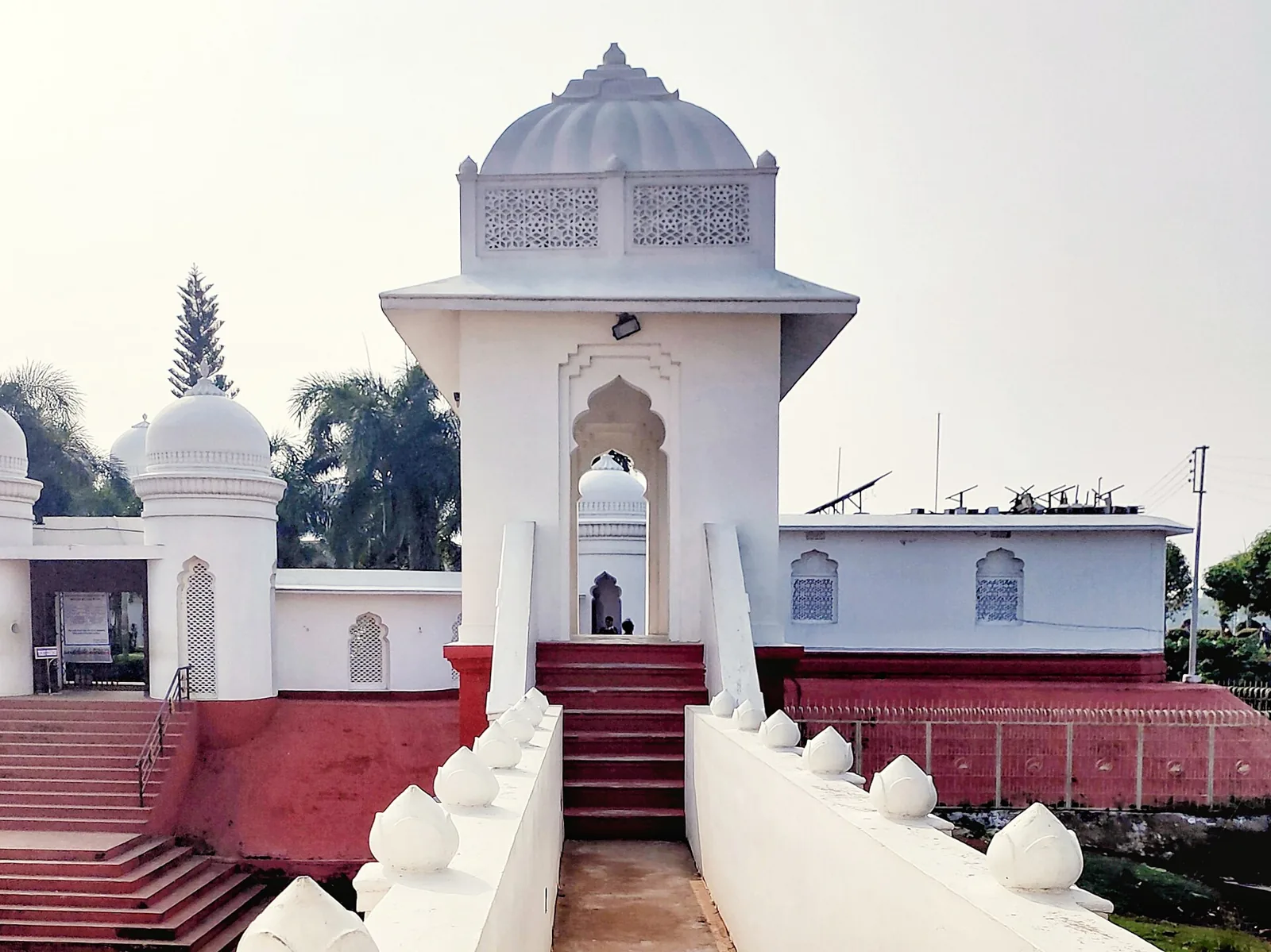
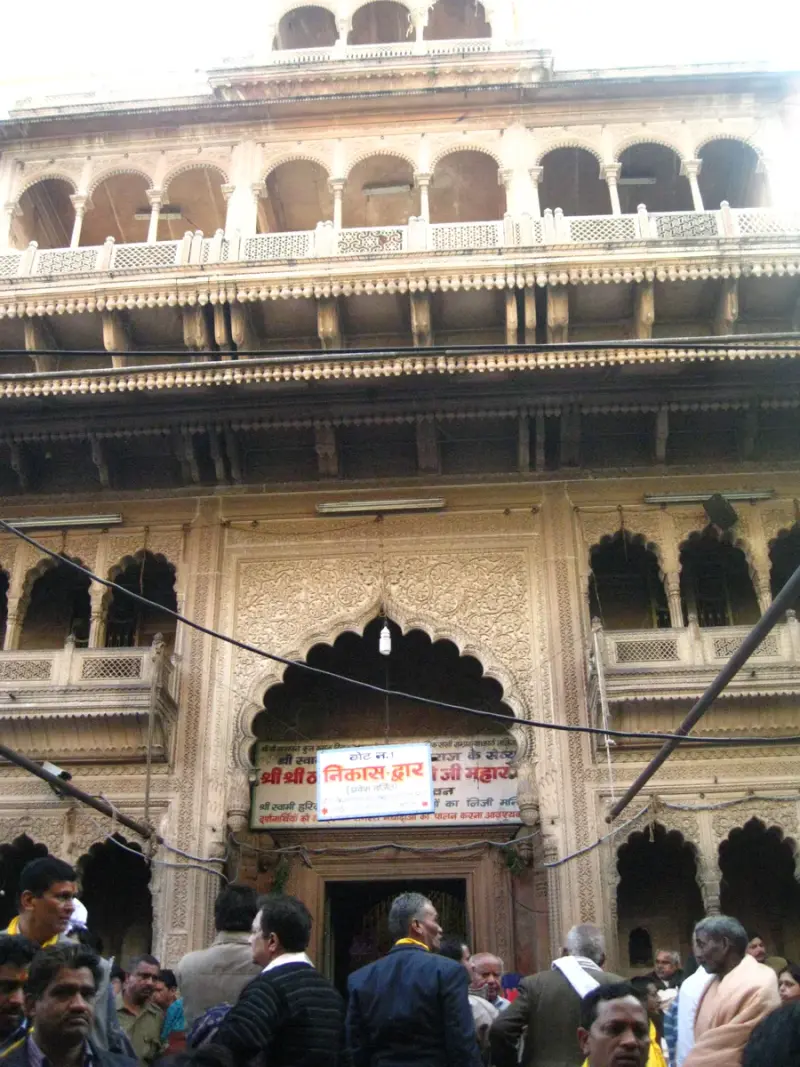
The hilltop shrine of Hanuman Garhi is reached by a steep flight of steps, and the courtyard at the top looks across the town. Prasad of laddoo is the offering. Elders can ask about the alternate ramps and lifts, but be ready for crowds on Tuesdays and Saturdays, which are special days for Hanuman worship.
Kanak Bhawan and the smaller shrines
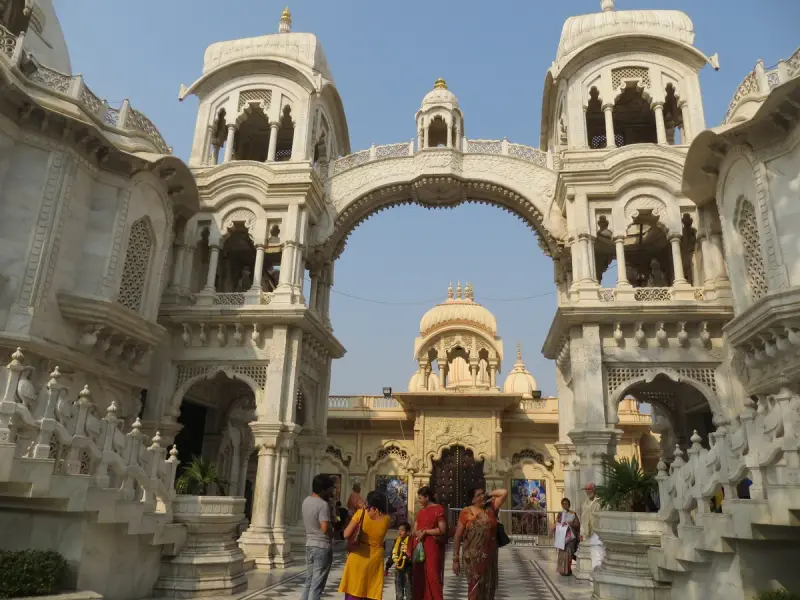
Kanak Bhawan, an ornate palace shrine, is remembered as the gift of Kaikeyi to Sita after her marriage. Nearby are Nageshwarnath, associated with Kush, and Treta Ke Thakur, with its connection to Ram's ashvamedha yajna. None of these takes more than half an hour, so group them on foot in the quieter afternoon.
Saryu at dusk
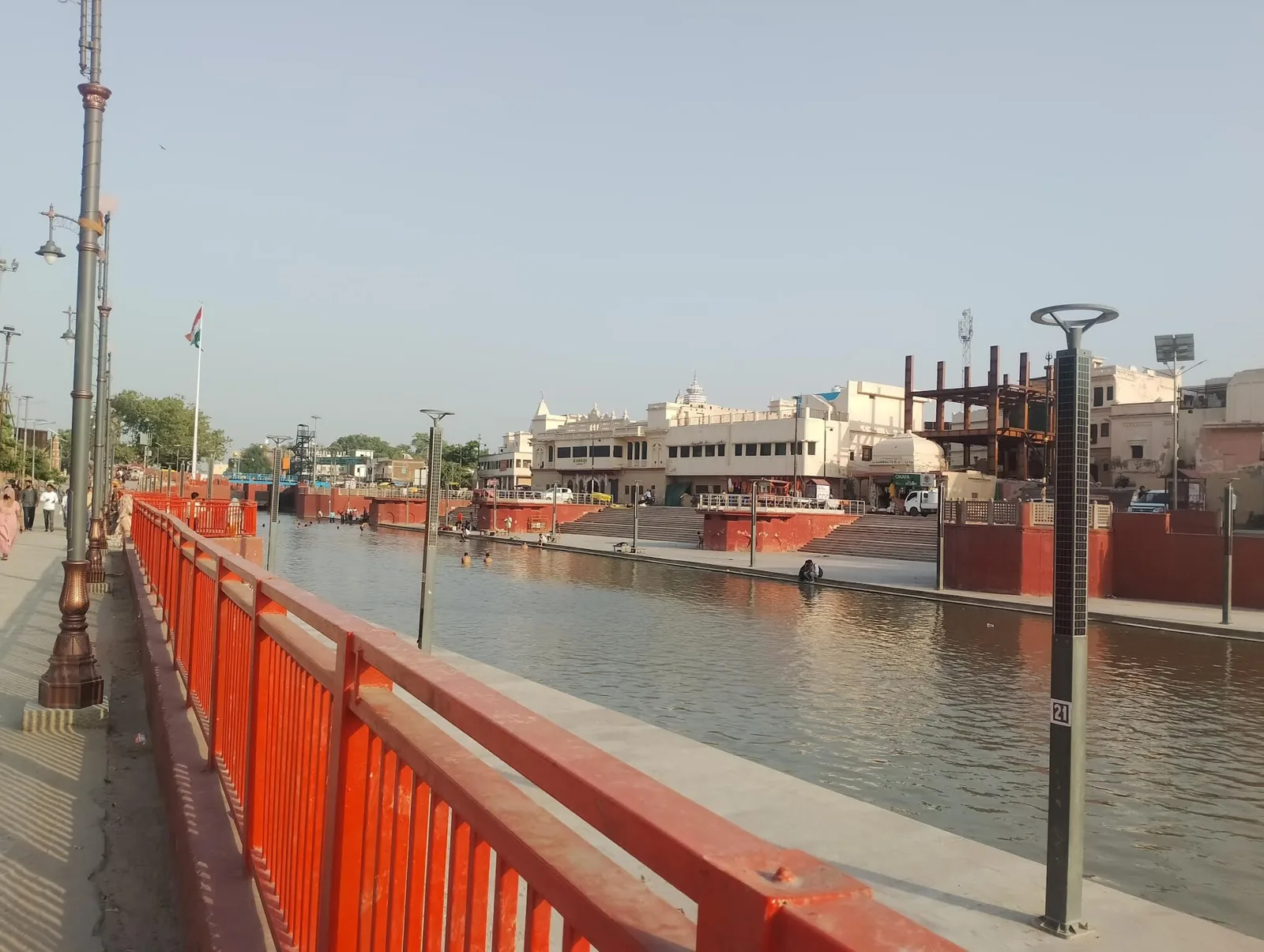
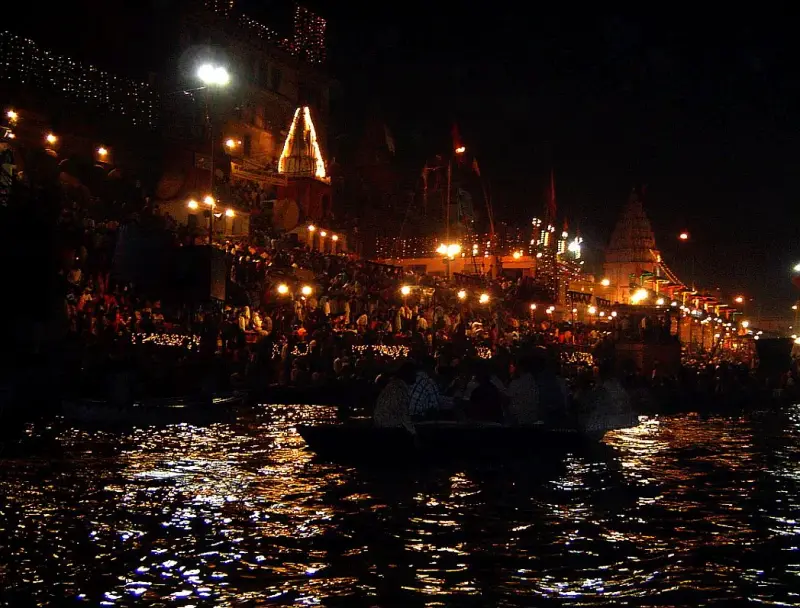
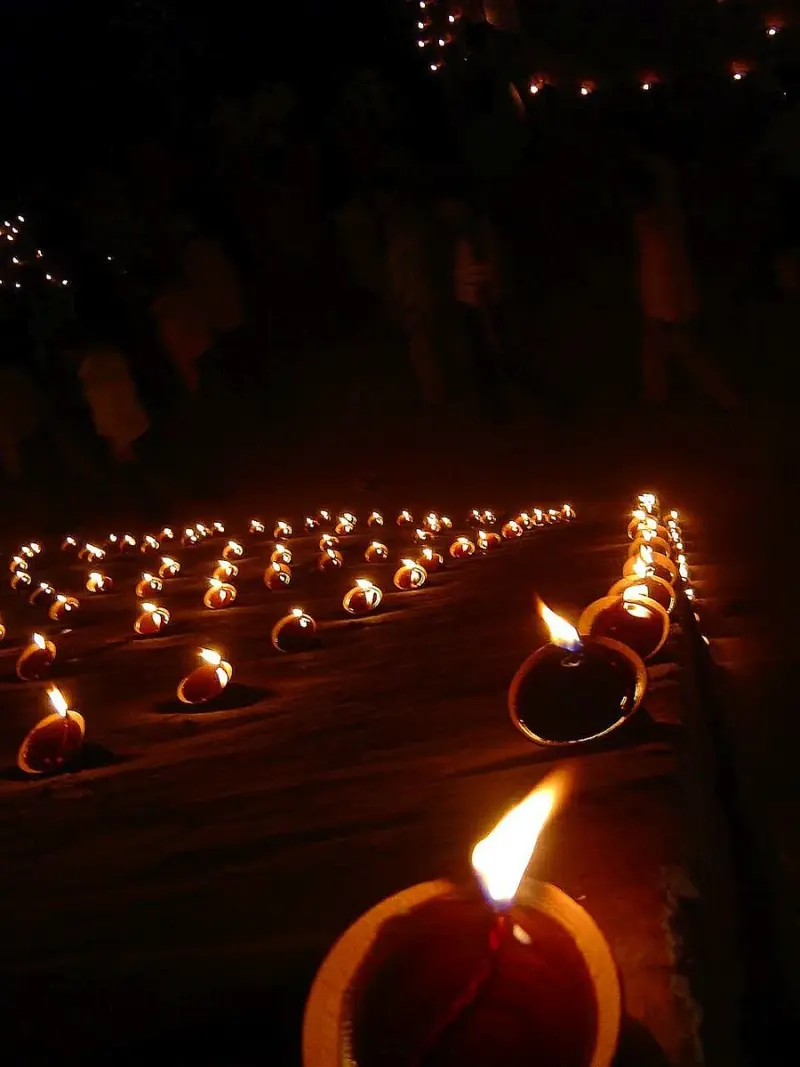
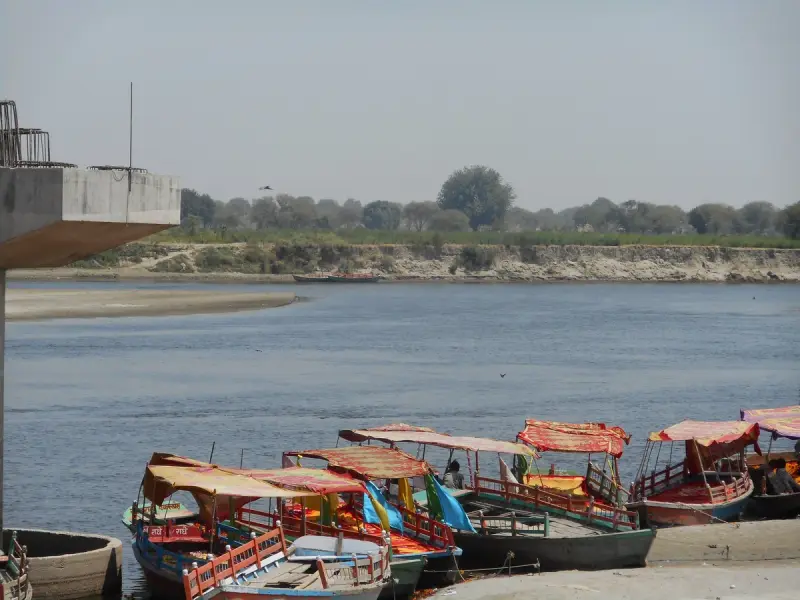
Ram Ki Paidi is the long stepped embankment on the river, where bathing, flower floating and the evening aarti take place. Come at sunset when the sky and water are the same colour and the lamps go on, then walk the ghat slowly. During Deepotsav, around the day before Diwali, the ghats are lined with lakhs of diyas, and the city sets a record each year, but rooms and roads fill up weeks ahead.
What the city feels like
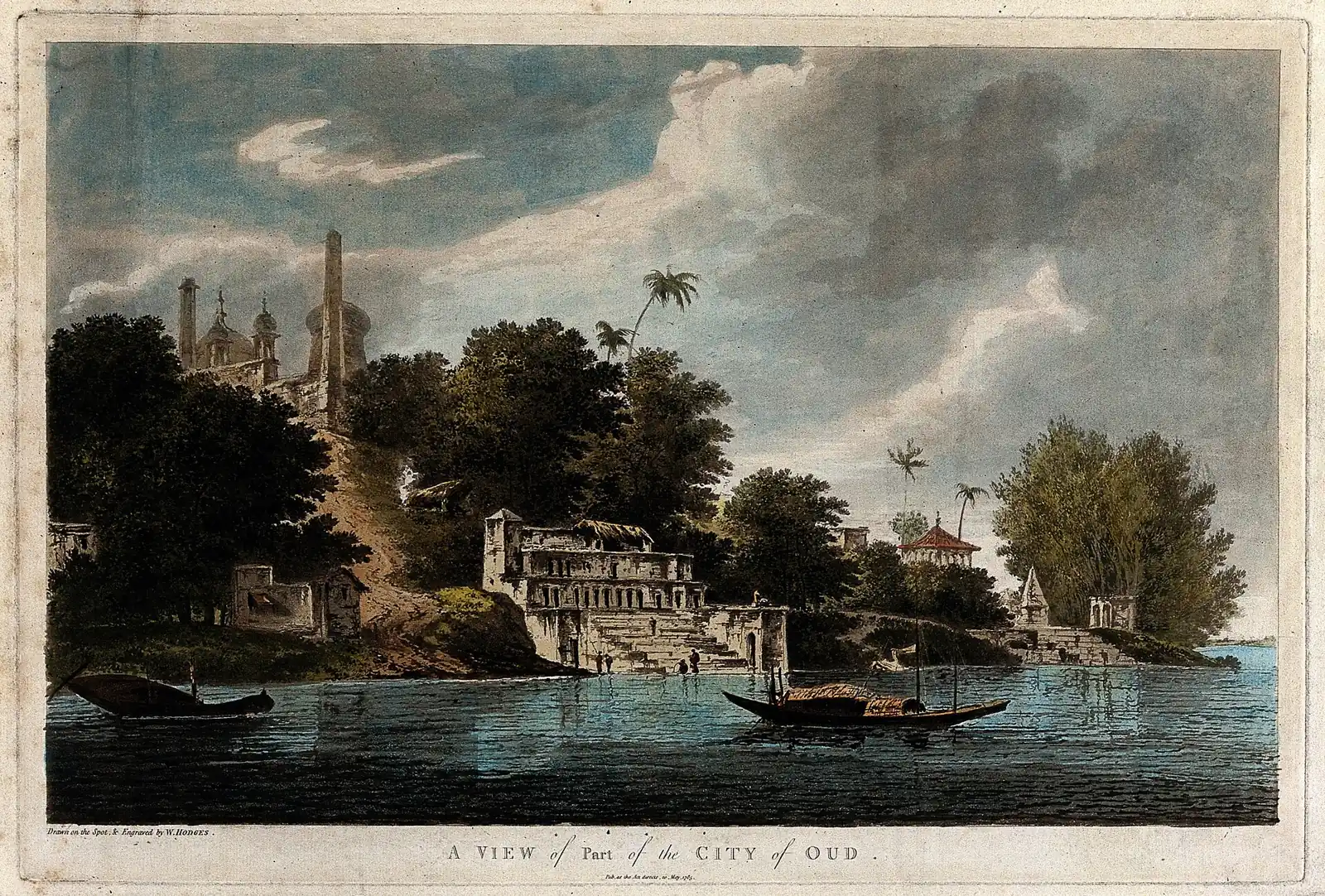
Ayodhya is a small town that suddenly got a big role. New roads, a rebuilt railway station and an airport sit beside old lanes where cows still outnumber cars. Prices for rooms spike on festival days, so book ahead for Ram Navami, Diwali and weekends.

Eating, vegetarian by default
The city is strictly vegetarian and mostly sattvic. Expect puri sabzi, jalebi, kachori, thick dahi and sweet sellers who still make peda and laddoo in front of you. Many dharamshalas serve simple thalis, and the temples distribute prasad.
Where to sleep, and what to ask
Since demand jumped, hotels near the main road and the temple fill first and cost the most. Choose a place a short auto ride away if you can, with a room that is quiet at dawn, since the best darshan slots are early. Ask whether lifts work, whether hot water is reliable and whether the hotel can keep your phone and bag safely while you go in for darshan. Dharamshalas run by trusts are modest and clean, and many accept advance booking by phone. Women travelling alone or families with children should avoid arriving after dark on a festival eve.
Two days that make sense
On day one see Hanuman Garhi in the morning, Kanak Bhawan after, rest in the afternoon and be at the Saryu by sunset. On day two take the early darshan slot at the Ram temple, then spend the rest of the day at Nageshwarnath, the museum and the market lanes. A single day is possible for the main temple and the river, but there is no time left to simply sit.
Roads in and out
Lucknow is roughly 135 km and about three hours away by road, Varanasi about 200 km, Prayagraj about 160 km, and Gorakhpur about 130 km. From Delhi it is a long way, nearly 700 km, so most visitors take a train or flight and begin the road journey from there. The new airport and station are called Ayodhya Dham, and trains to them run from many cities.
Delhi to Ayodhya, handled by Laladham
We meet you in Delhi, help you pick the right train or flight, and handle the rest as a single trip: pickup at Ayodhya, a room near the ghats, car and driver, timed darshan and a local person who knows the lanes. If you are combining Ayodhya with Varanasi and Prayagraj, tell us on the book page and we will plan the loop for you.
Questions, answered

Do I need a pass for Ram Mandir darshan?
Reports speak of no-cost online slots for the sanctum and the aartis, which fill early. Confirm on the trust's own portal before leaving, and carry a government photo ID.
How many days in Ayodhya?
One full day covers the Ram temple, Hanuman Garhi and the Saryu. Two days is more relaxed and lets you see the smaller shrines.
When is the best time to visit?
October to March is comfortable. Ram Navami and Deepotsav are special but crowded.
Can Ayodhya be combined with Varanasi?
Yes, it is about 200 km away. Many travellers do Ayodhya, Prayagraj and Varanasi in a five day loop.