The buildings are fine, but the city is about the hours between them: a cup of tea at a nukkad, a plate of chaat, a stroll through an old bazaar. Plan two days, and do the monuments by the clock below.
Bara Imambara, the hall without pillars
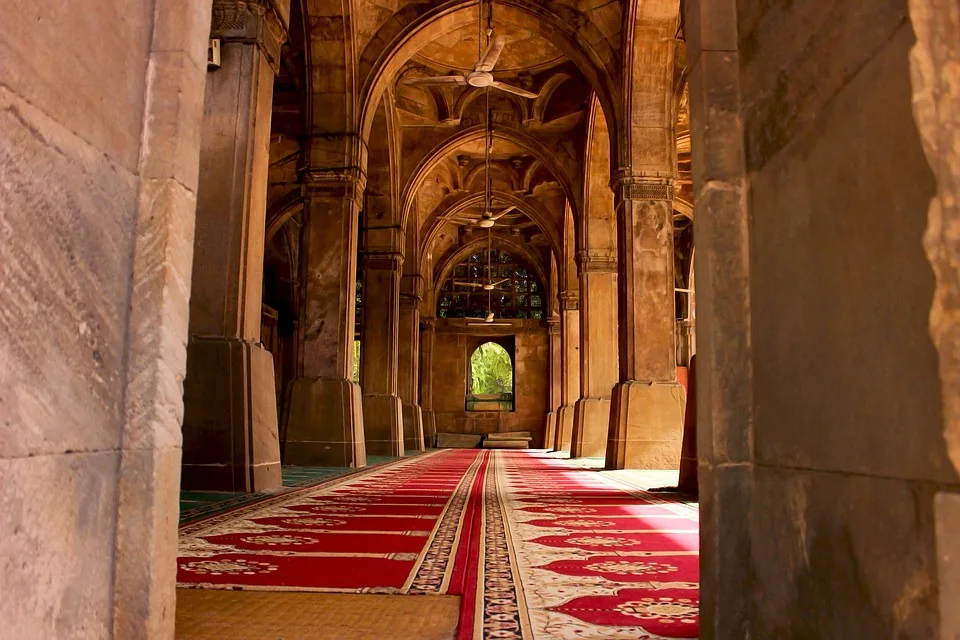
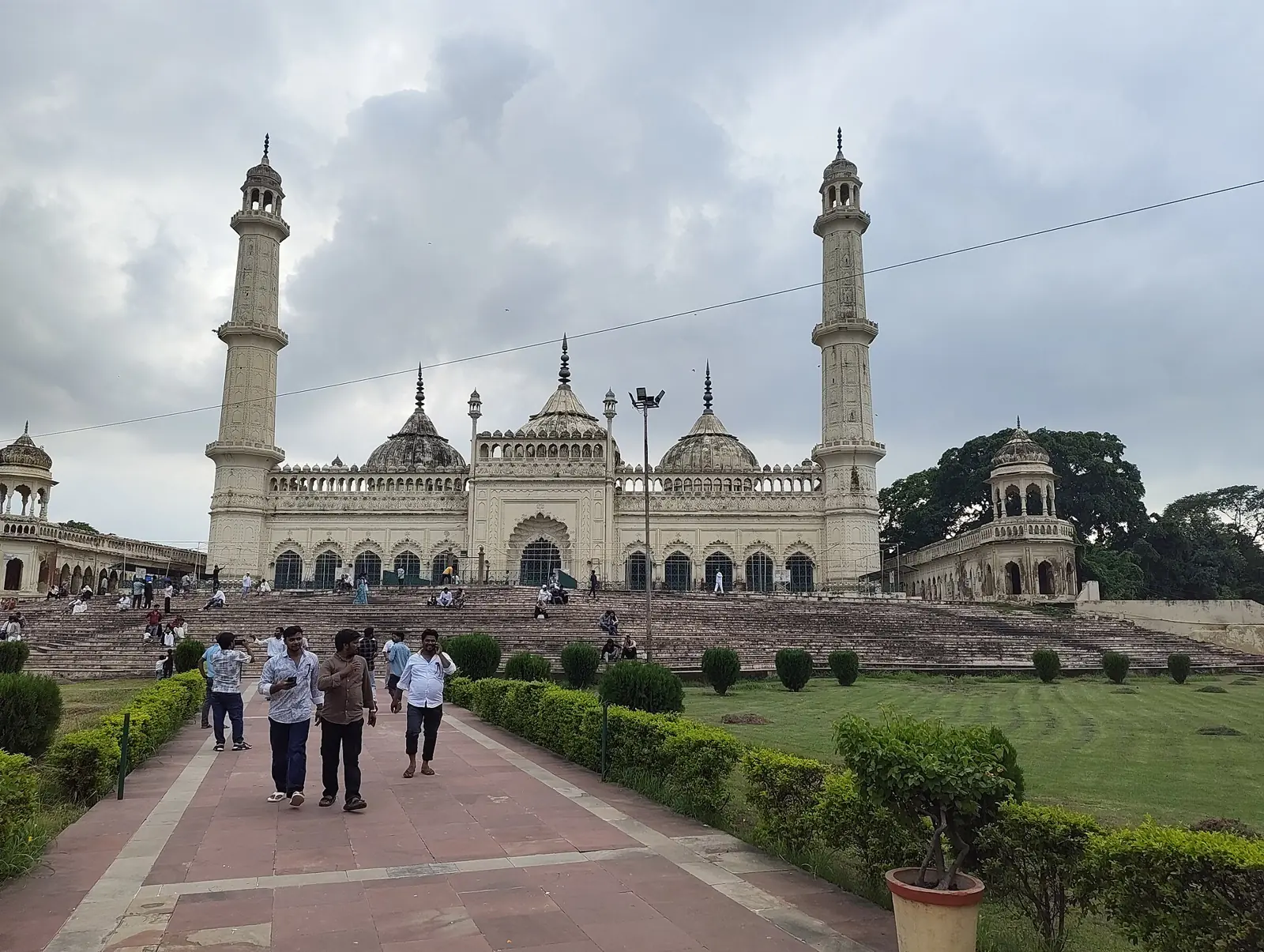
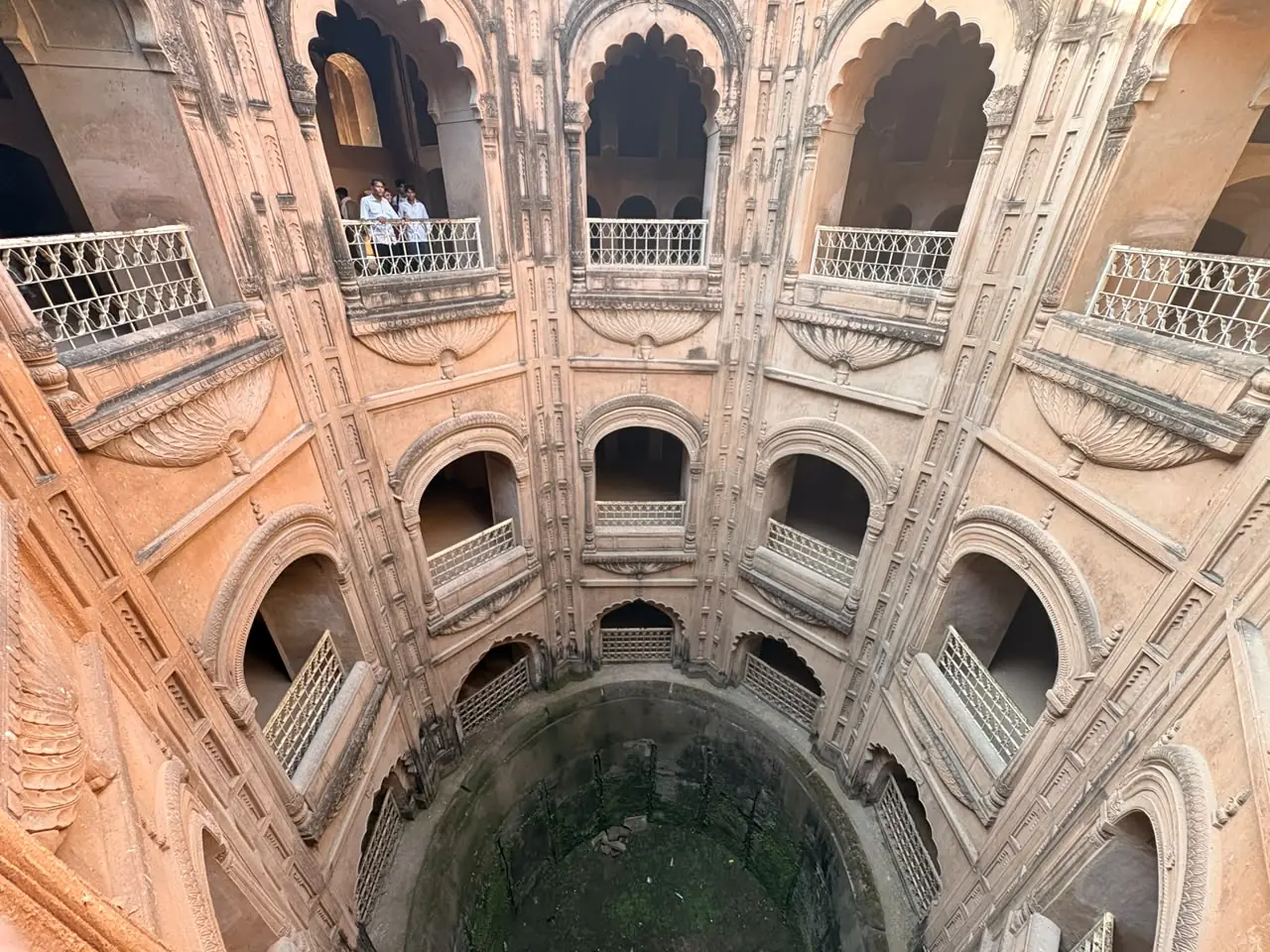
Nawab Asaf-ud-Daula built it between 1786 and 1791, starting in 1785 in a famine so that people could earn wages. Its central hall is said to be the largest vaulted chamber in the world, with no woodwork in the structure except the interior galleries. An outside staircase leads to the Bhool Bhulaiya, a tangle of zig-zag passages; the official site says to go only with a licensed guide, and that is sound. The compound also holds the Asafi Mosque and the Shahi Baoli, a stepped well. Hours are sunrise to sunset, and the official site lists a ticket (about Rs 25 for Indian visitors) that covers the Bara and Chota Imambaras, the Picture Gallery and the Shahi Hamam.
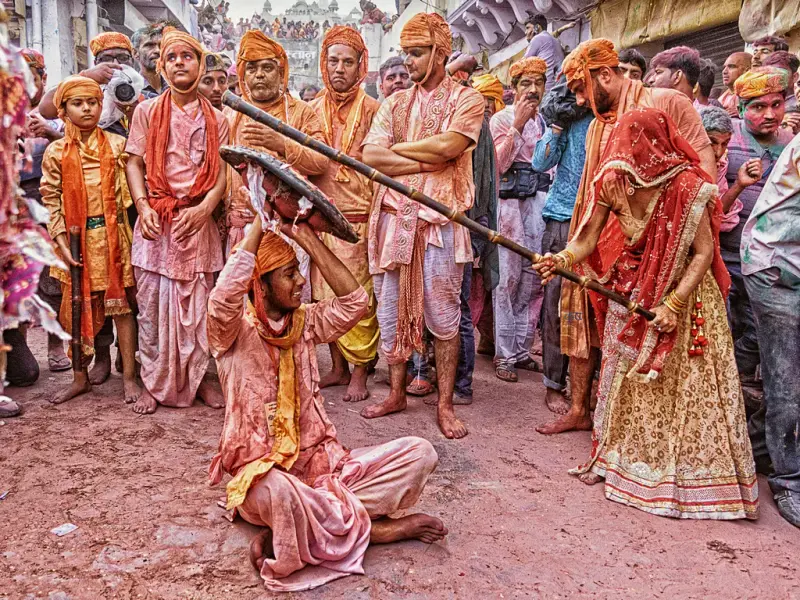
Rumi Darwaza and Chota Imambara at golden hour
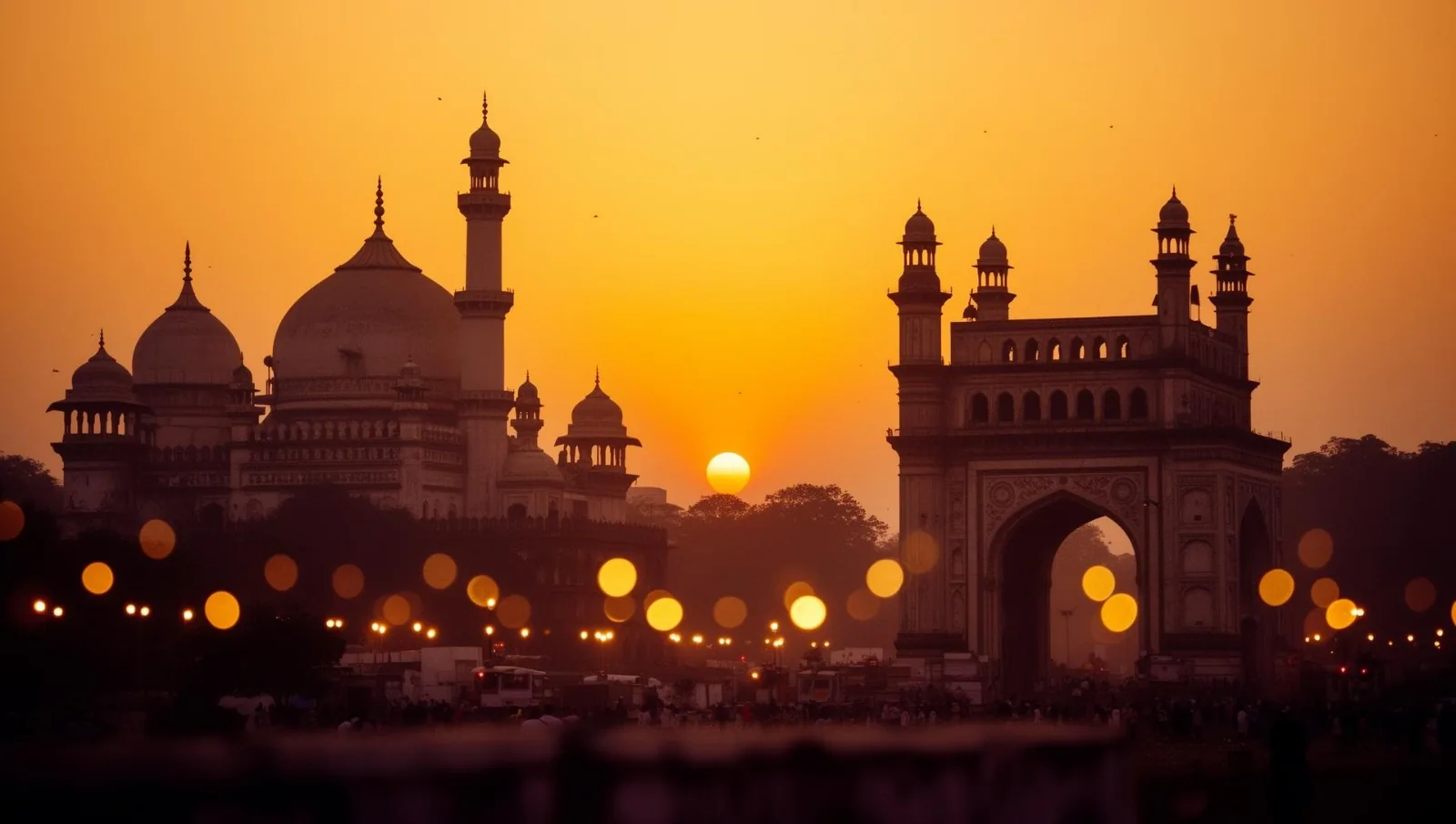
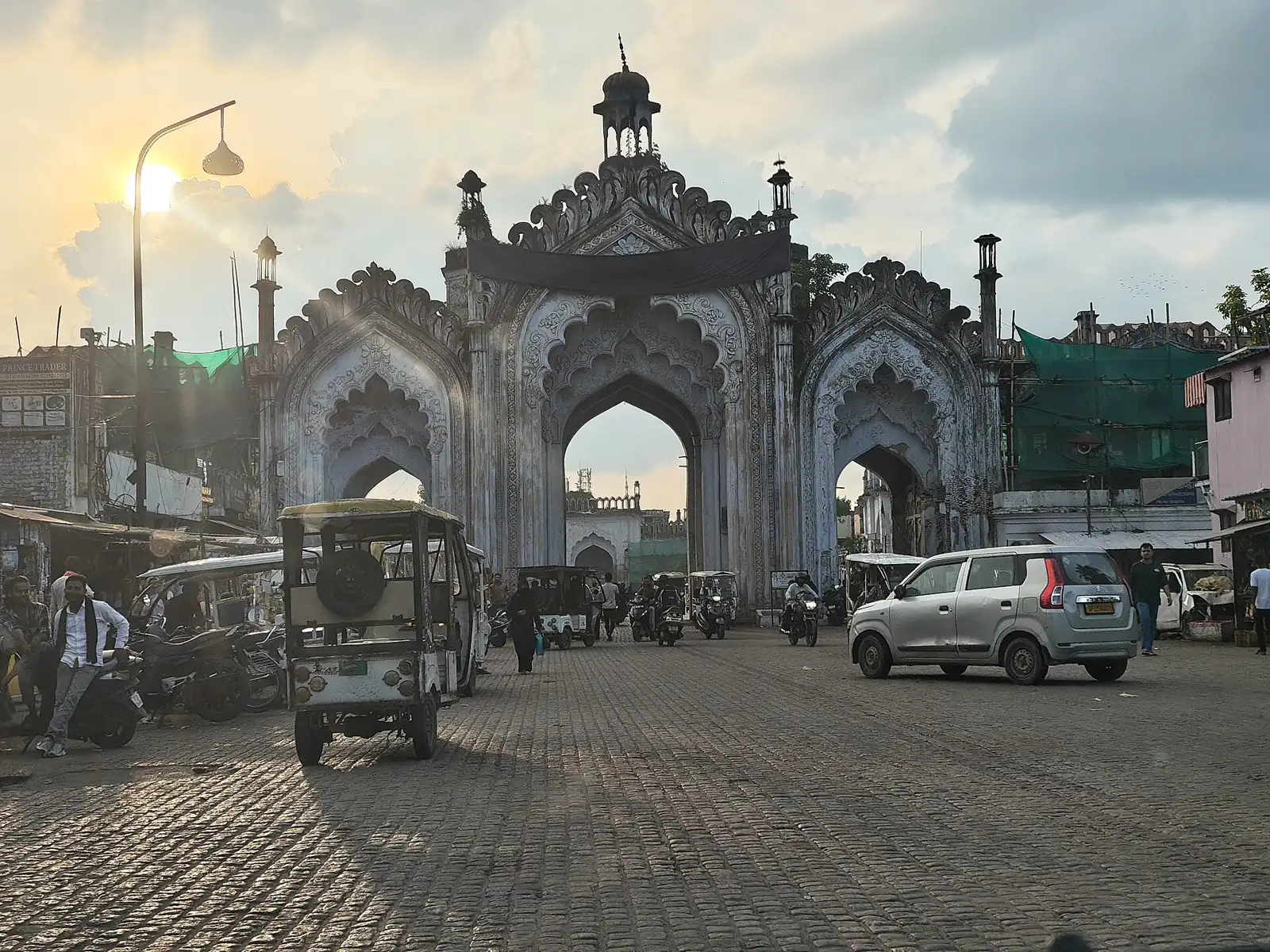
The great gateway of 1784, modelled on a gate in Constantinople, stands over the road and never closes. Walk under it, continue past the Hussainabad clock tower, and reach the Chota Imambara, built in 1837 to 1842 by Muhammad Ali Shah. It glitters with a golden dome, calligraphy on the walls, gilt mirrors and chandeliers said to have come from Belgium, and the tombs of the Nawab and his family lie inside. It is lit on special occasions, and late afternoon is the best hour.
The Residency, a ruin that remembers
Built for the British Resident between 1780 and 1800, it became the stage of the Siege of Lucknow, which began on 1 July 1857 and lasted until 17 November. The main building above the Gomti stands as scarred ruins, and the cemetery of the nearby church holds the graves of 2,000 men, women and children, including Sir Henry Lawrence. There is a small museum in the grounds. A light and sound show was introduced in 2021, listed at 6:30 to 7:30 PM on a Rs 100 ticket; confirm that it is still running. Allow an hour or two.
Chowk, chikan and the art of embroidery
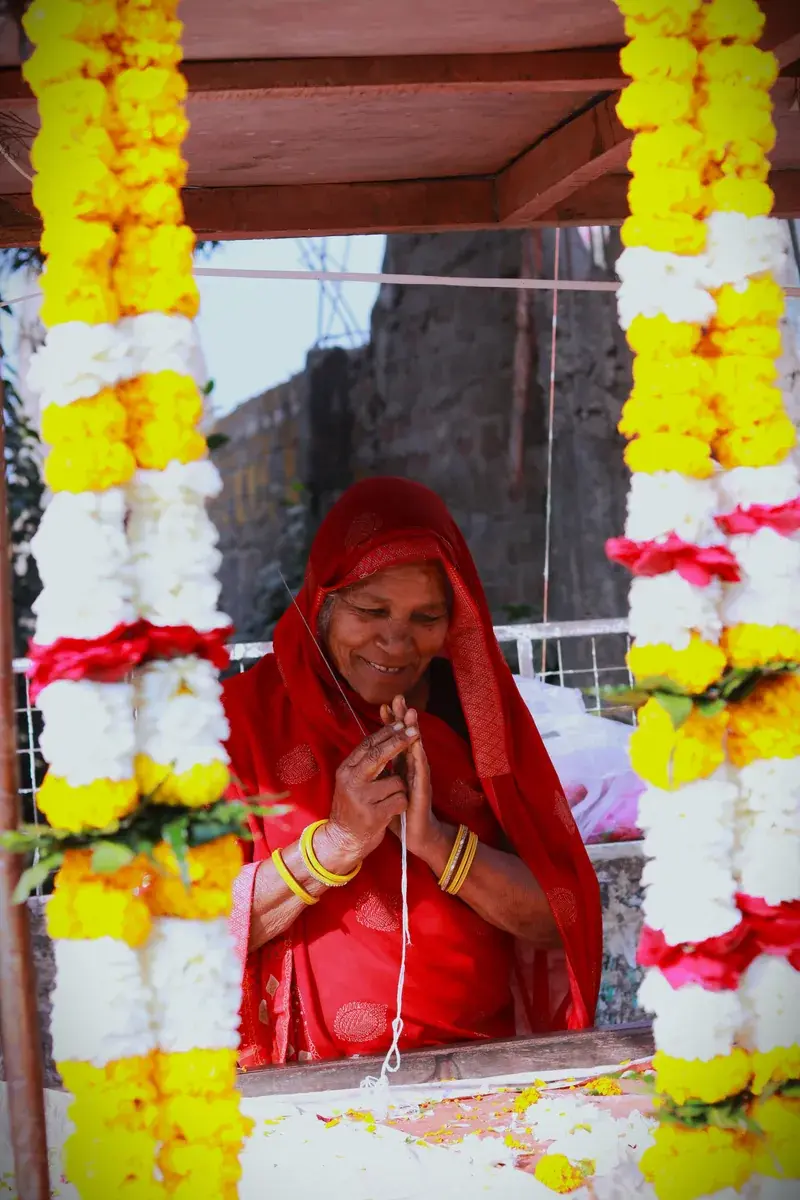
Chikankari and zardozi have made Lucknow a brand in fashion. The white thread work is sold in the lanes of Chowk and in Hazratganj. Look for cotton, georgette and muslin pieces with neat back stitching, and compare a few shops before buying. Some families still sell directly from workshops.
Courtesy, and how to bargain in it
Lucknow bargains softly. Voices stay low, smiles stay on, and the word aap is used even in a quarrel over price. Start around half of the first quote for chikan and be ready to leave if the shop will not move. Accept the chai that is offered, because refusing it is poorer manners than not buying.
Kebabs, and what vegetarians eat
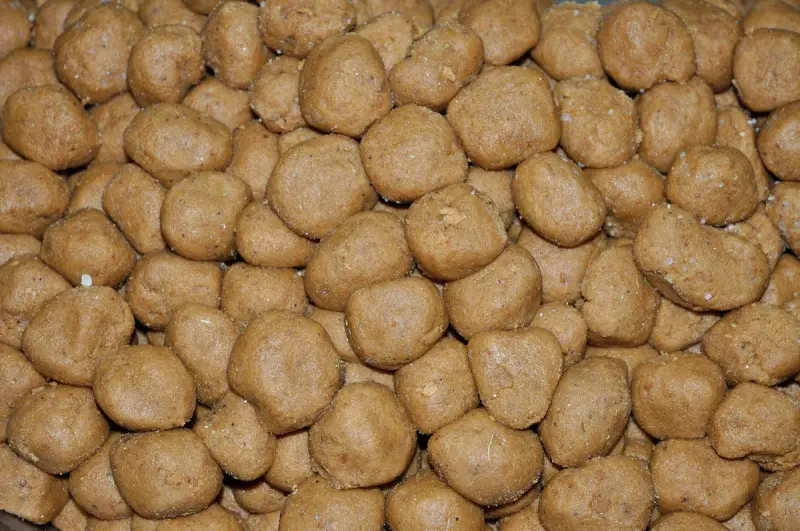
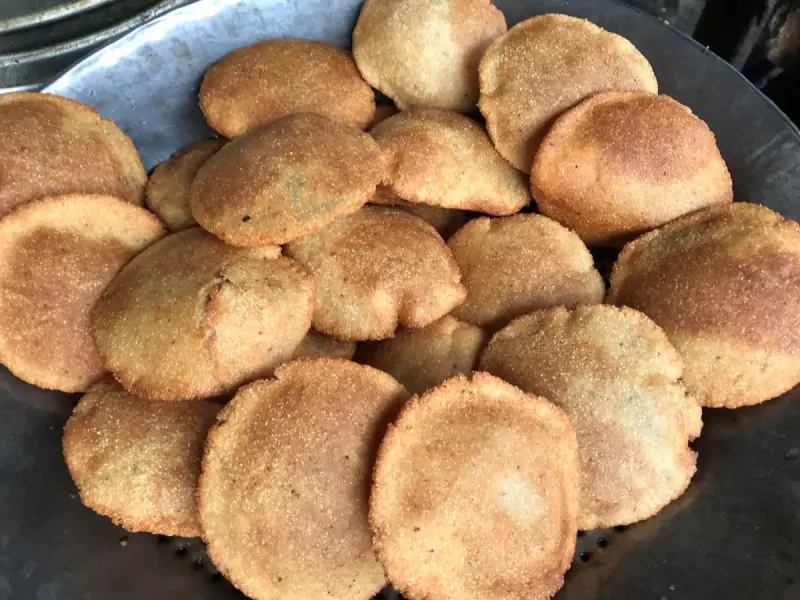
Chowk is the pulsing centre of the food scene, with galouti kebabs, Tunday kebab cooked on charcoal, Lucknowi biryani and the sweet shops. Vegetarians eat very well too: kachori with aloo sabzi, basket chaat, aloo tikki, kulfi falooda and, in winter, makhan malai, a foamy dessert sold at dawn and gone by mid morning.
Other places, near and far
Hazratganj is the Mall Road of the city, with coffee houses and bookstalls, and the Ambedkar Memorial Park is a vast sandstone park for the late afternoon. Dewa Sharif, a Sufi shrine town about 25 km away, holds a fair in October or November, and Naimisharanya, 95 km out, is an ancient sacred site on the Gomti.
Two days, arranged
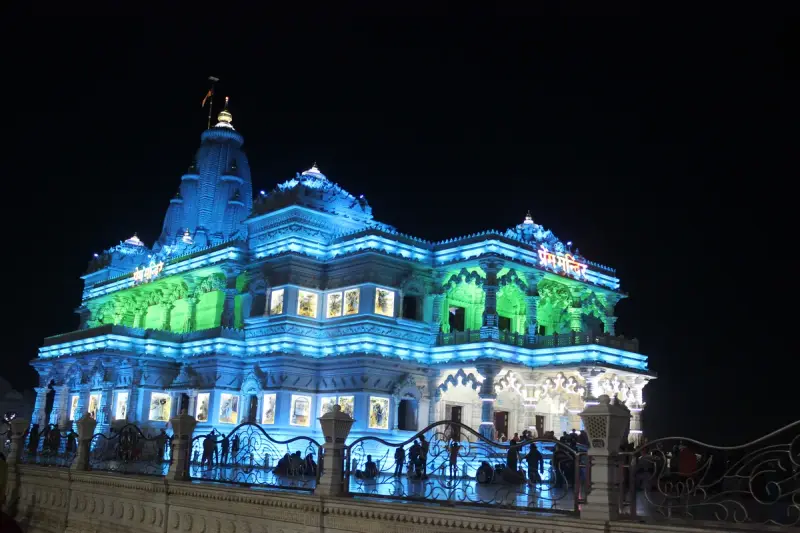
First morning with a guide at the big imambara, lunch in Chowk, an afternoon at the Residency and an evening in Hazratganj. Day two: the embroidery lanes, the Chota Imambara and the clock tower, then a sunset tonga ride if you can find one. October to March is the season, with cottons in summer and woollens in winter, by the state's own advice.
Roads from Delhi, Agra and Varanasi
Delhi to Lucknow is a long drive, commonly described as seven to eight hours on the Agra to Lucknow expressway, so many travellers take a train and meet the driver there. Varanasi lies about 286 km east, and Ayodhya a shorter hop east as well. The city has a metro and a large airport.
Laladham, Delhi pickup to Lucknow and beyond
Laladham picks you up in Delhi, at the airport, station, home or hotel, drives via Agra or Mathura if you wish to stop, and carries the full plan: a stay near the old city, a driver who knows where the tourists are not, help with the labyrinth and the onward leg to Ayodhya or Varanasi. Ask for a quote on the [book page](/book).
Questions, answered
How many days do I need in Lucknow?
Two. One for the imambaras and Residency, one for Chowk, chikan and food.
Is a guide compulsory for the Bhool Bhulaiya?
Officially yes: the Bhool Bhulaiya labyrinth is meant to be visited with an authorised guide.
When was the Bara Imambara built?
Between 1786 and 1791, begun in a famine to give people work.
Is the Rumi Darwaza open at night?
It stands over a public road and is open at all hours.
What is the best season?
October to March, per the state tourism site.