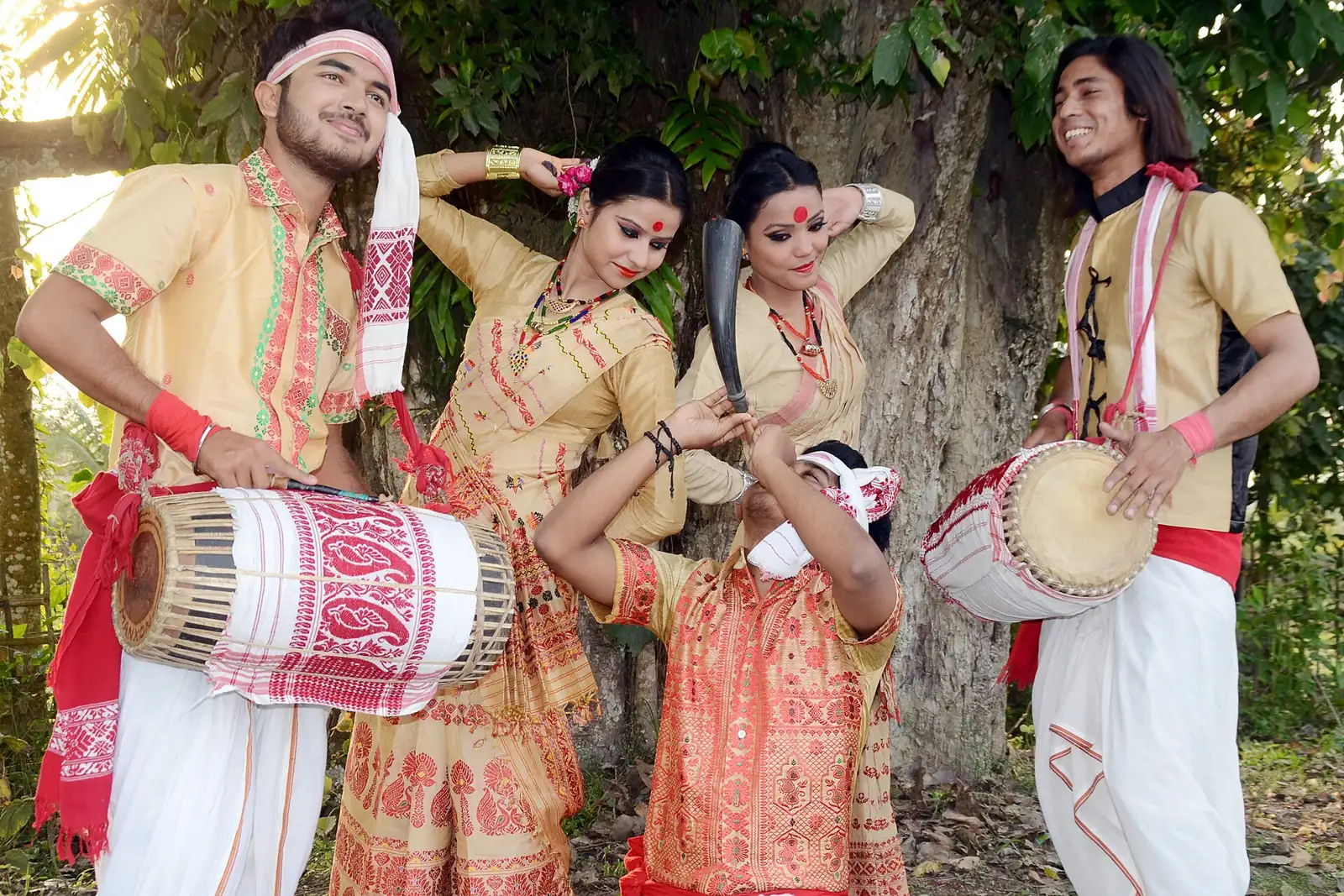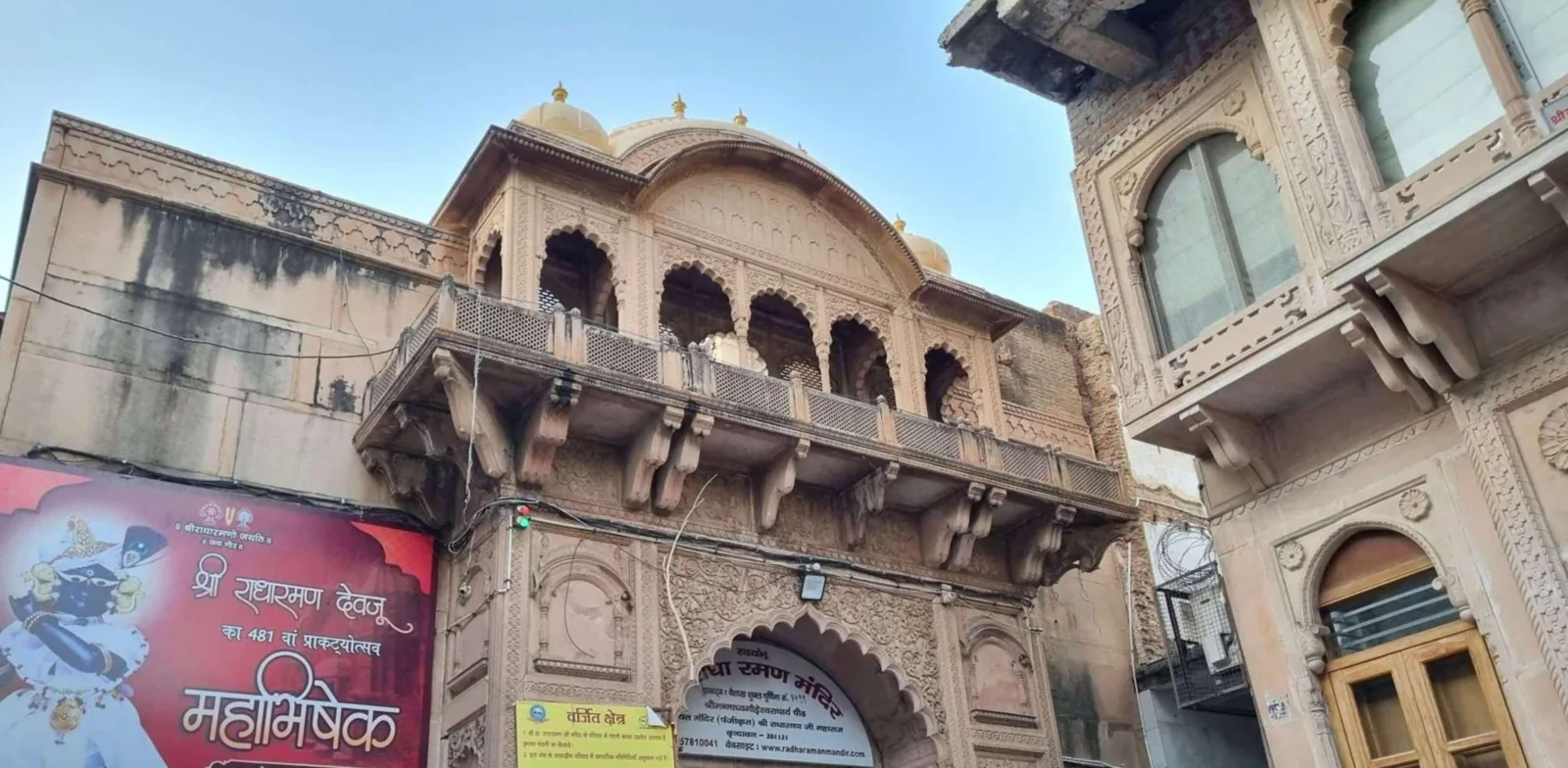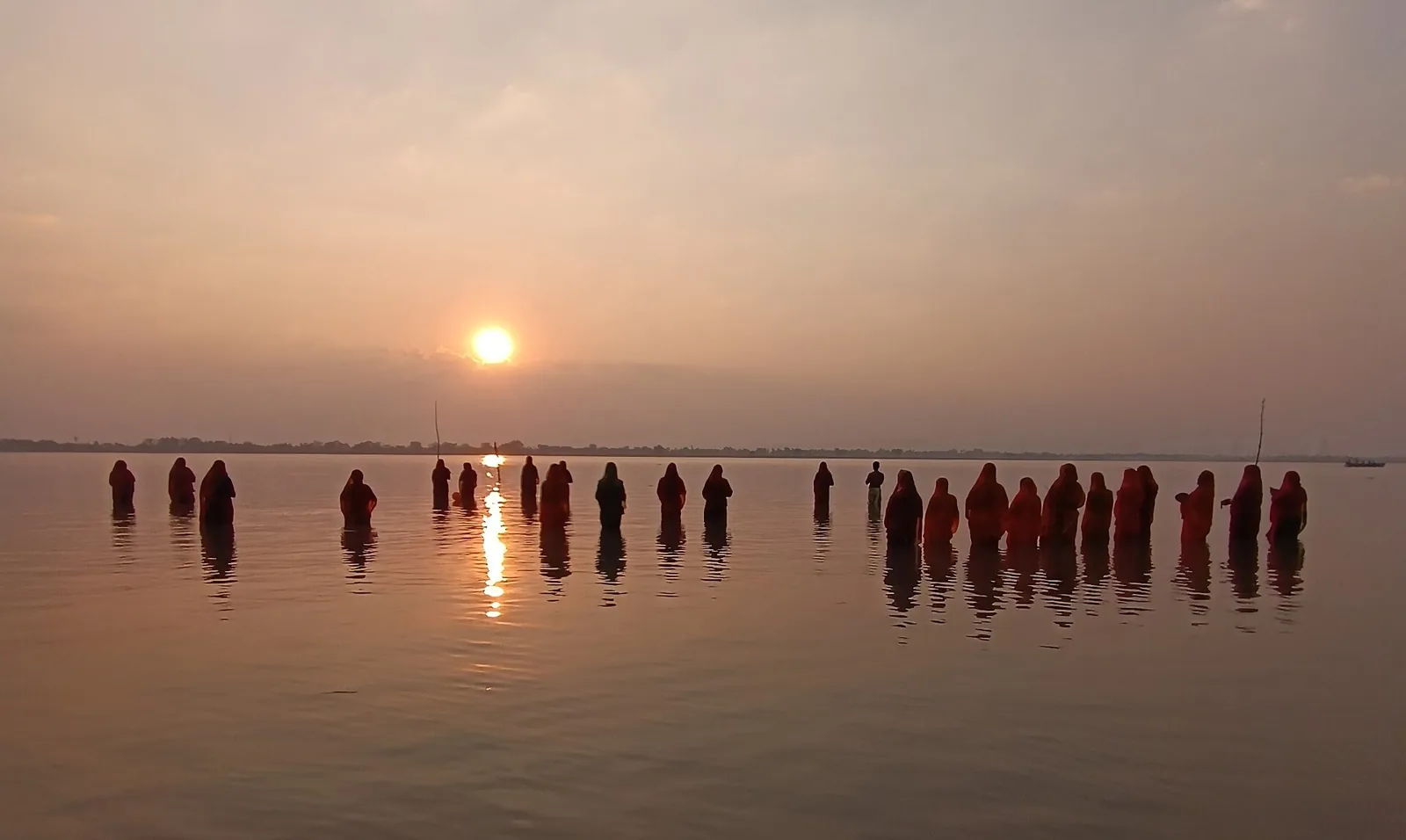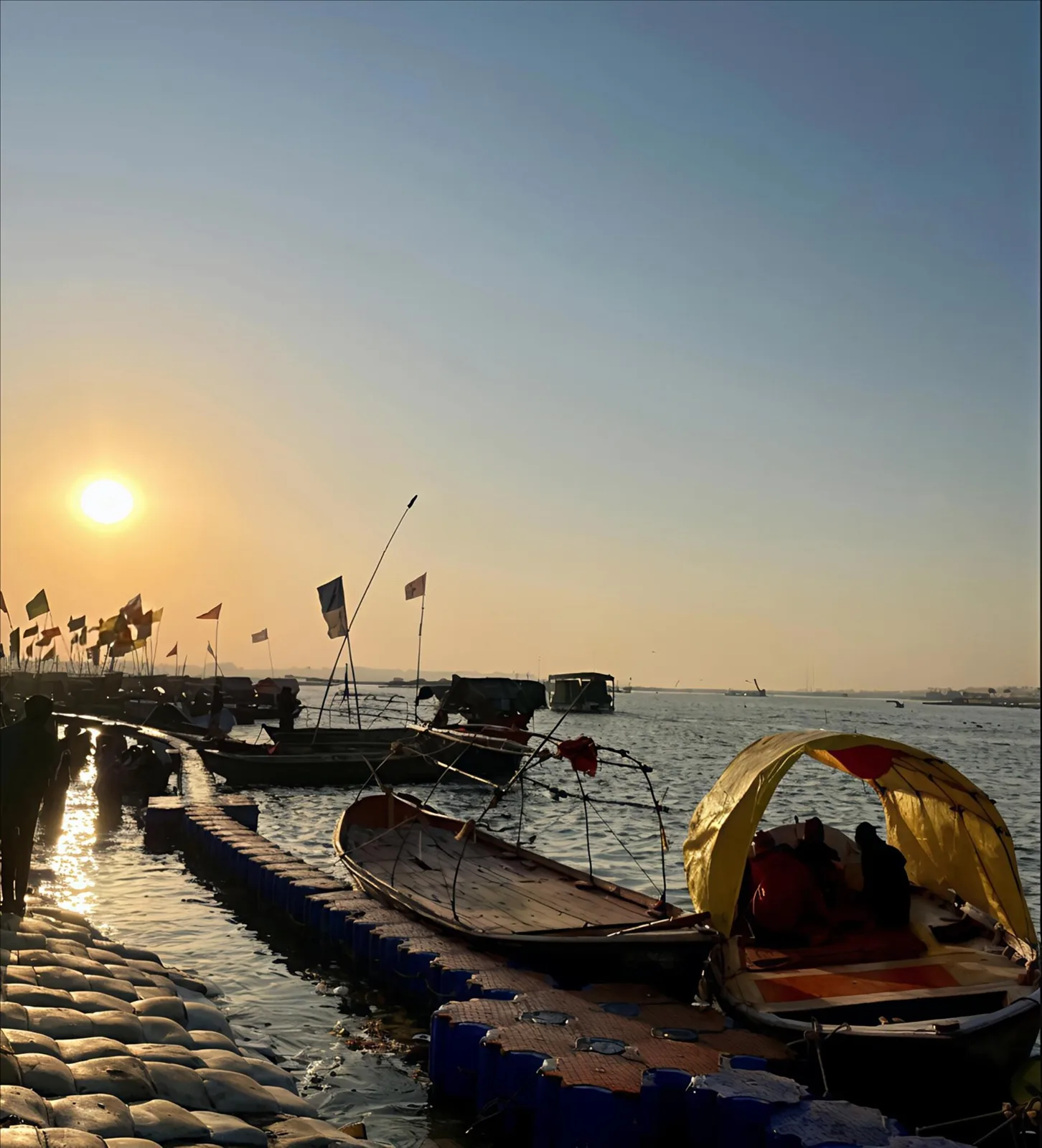
This is the Magh Mela. The Kumbh is only the greatest form of it, and every so often the Mela and the Kumbh fall together. A visitor who wants to understand either needs to know that the fair is, at heart, a month of living by the river.
The fair belongs to Magha, the month that spans January and February, and the bathing days shift each year.
What a Magh Mela is
Reference works describe a Magh Mela as a yearly fair of the Magha month, set beside rivers and sacred tanks, and Prayagraj's is the best known. The central act is a ritual dip in the water, around which a whole small society forms: fairs, religious talks, community meals and the singing of bhajans at night.
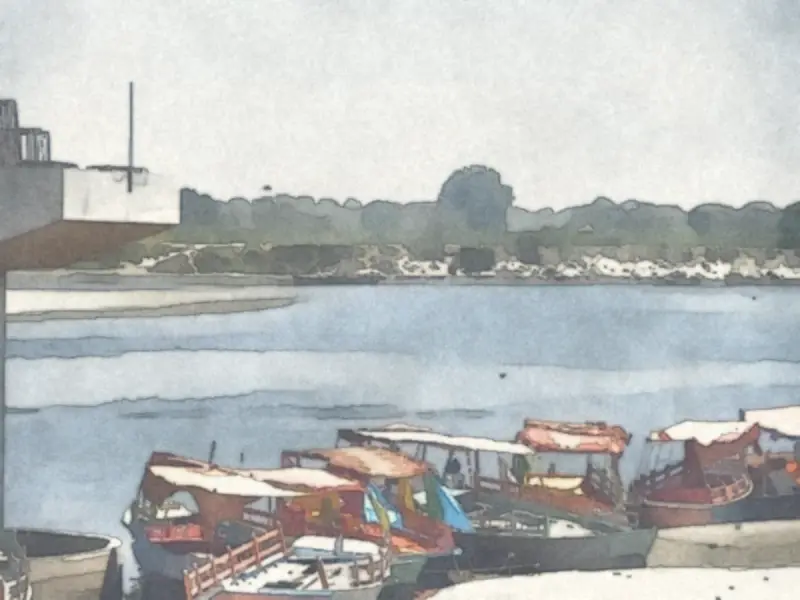
Two days are named as especially sacred in the sources, the Amavasya and Makar Sankranti. Other bathing days of the Magha month are also marked by large crowds, and your plan should name the one you want to see.
How the Kumbh fits in
Reference works say that about every twelve years a Magh Mela falls at the time when Jupiter, the sun and the moon stand in a special alignment, and that is called the Kumbh Mela. Prayagraj is one of several cities in a long rotation that also includes Haridwar, Ujjain and Nashik.
Prayagraj's most recent Maha Kumbh is behind it, so the annual Magh Mela is now the way to see the Sangam. The crowds are still very large, though smaller than at a Kumbh.
Kalpvas: living on the sand
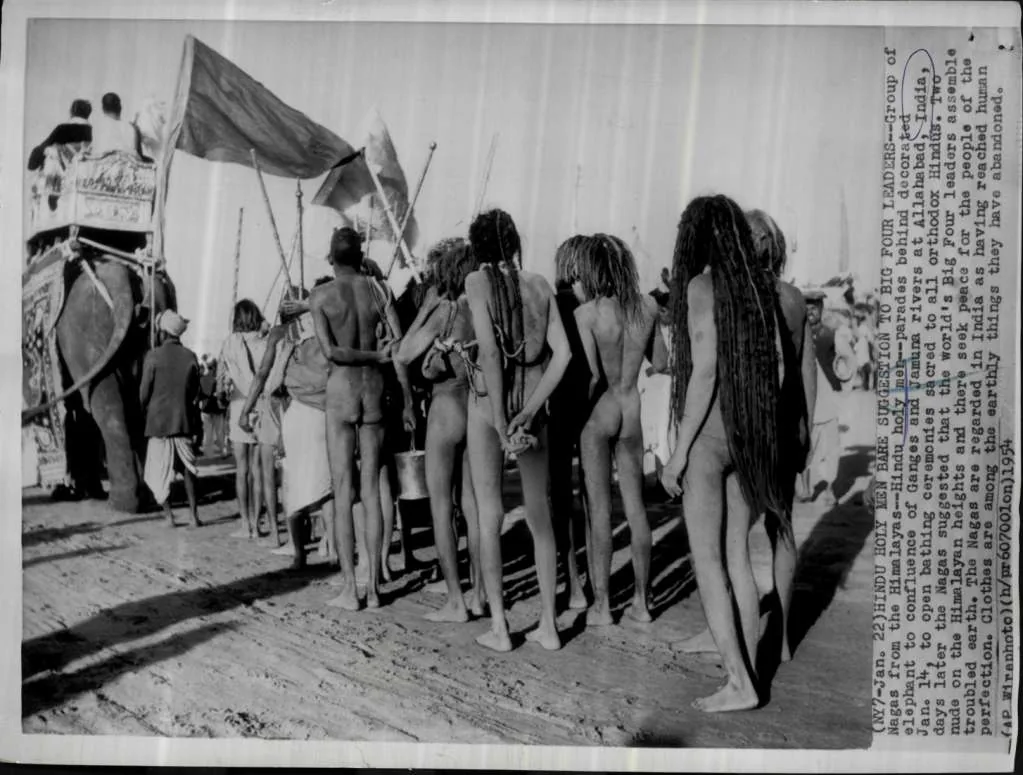
Some pilgrims do more than bathe. They take up kalpvas, living in a small hut or tent on the sand through the month, with a strict daily routine of bathing and simple food. Many are older people and many are women.
As a visitor, do not treat the tents as a viewing line. They are lodging. Ask before walking in, and do not photograph a person who is bathing or praying.
A morning at the Sangam
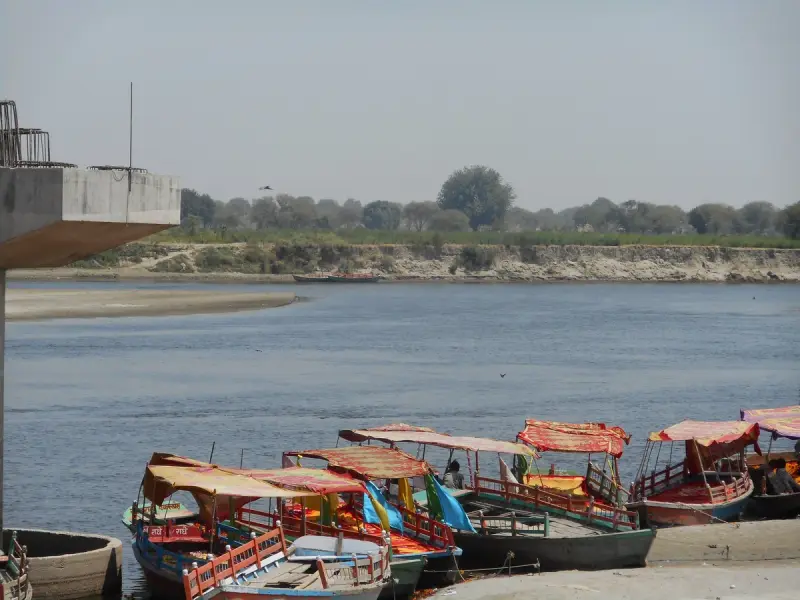
Go early. Boats run out to the meeting point of the two rivers, and for a dip at the Sangam itself that is the usual way. If you wish only to see, stay on the banks and watch the first light arrive on the water.
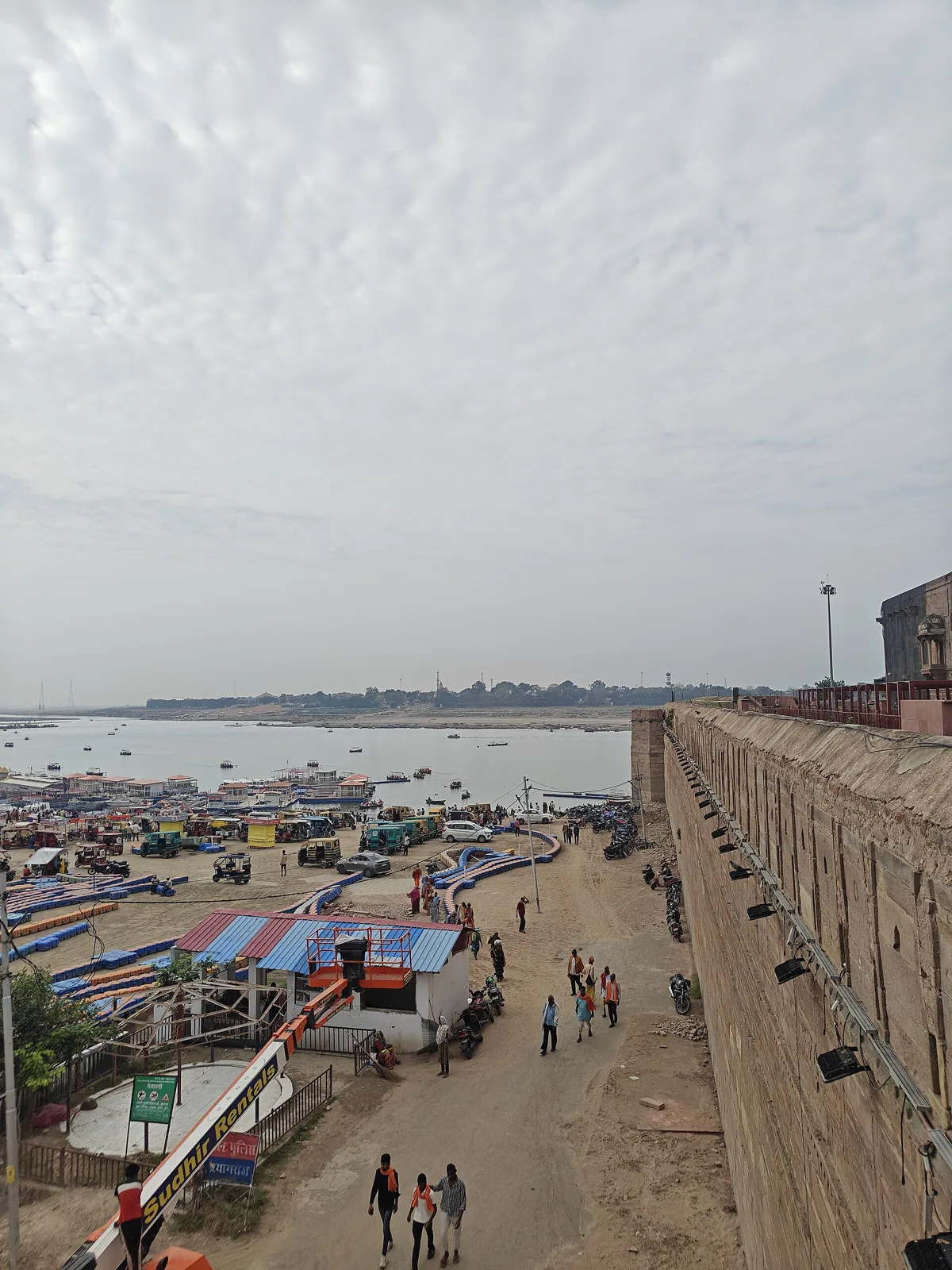
The Yamuna runs below the old fort, which you can see from the bank.
Staying and getting around
The fair is a temporary town with its own sectors, and walking is how everybody moves. Tents of all kinds are available, from simple dormitories to well-appointed camps, and some visitors prefer hotels in Prayagraj and drive in each morning. Roads close and open through the day, so give yourself time at both ends.
Keep your luggage small. A cloth bag, a warm shawl, a thick pair of socks you can leave behind and a torch are better than a suitcase.
Food, cold and crowd sense
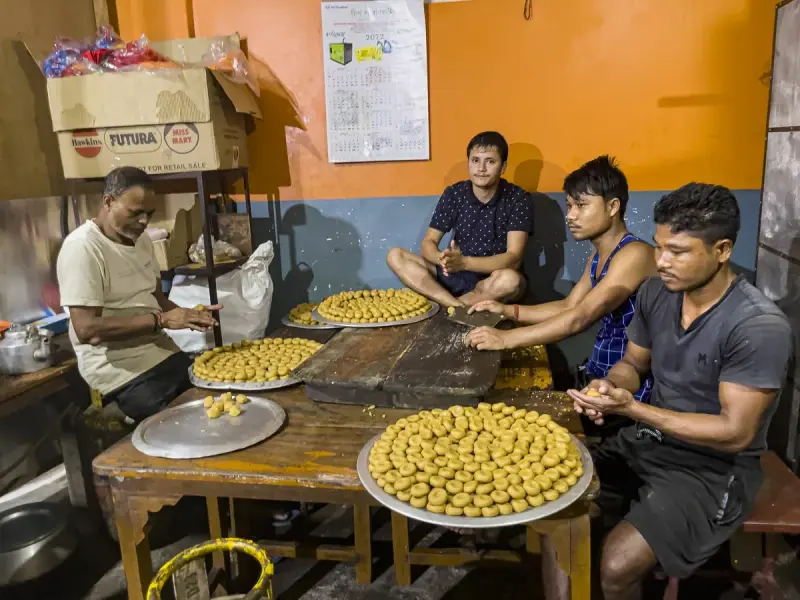
Winter on the river is cold, and mornings can be foggy. Warm layers matter more than at any temple. Eat at the community kitchens or at stalls with a queue, drink boiled or bottled water, and carry a small first aid pouch.
If you are in a big crowd on a major bathing day, agree on a meeting place with your group, hold on to children and elders, and leave if the movement of people starts to feel like a wave.

Beyond the fair
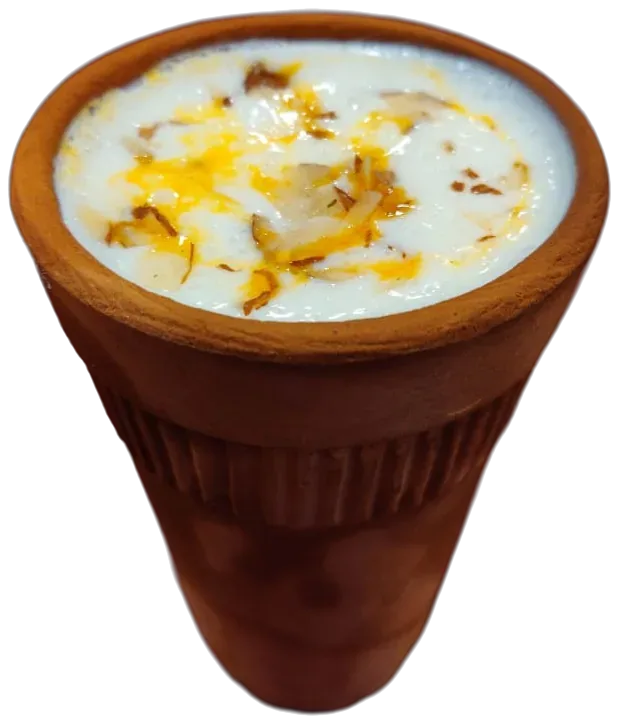
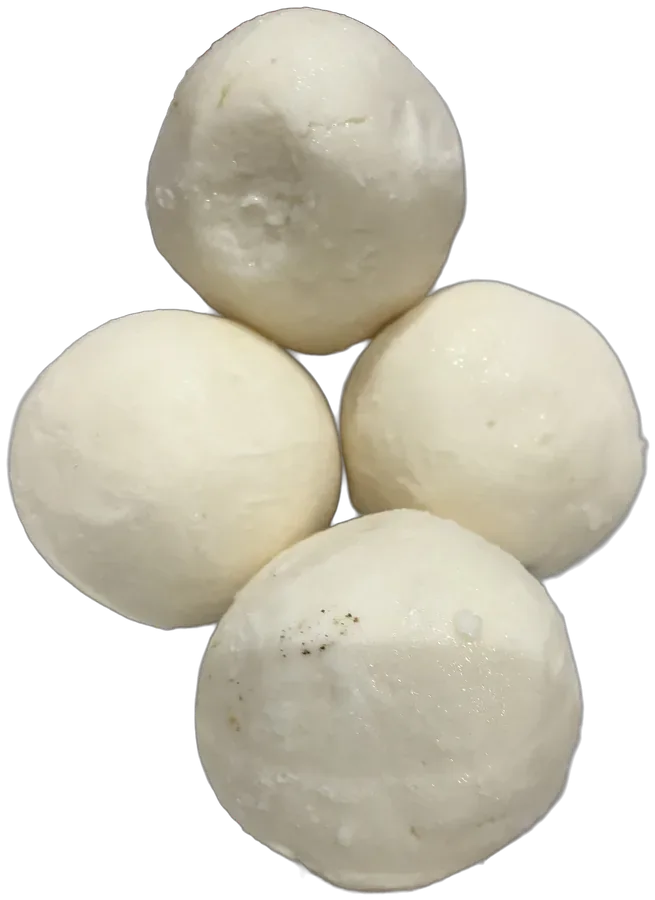
Prayagraj is an old city. The fort that Akbar built stands on the Yamuna bank at the Sangam, and the quieter lanes of the old town, once called Allahabad, hold markets, tea stalls and shops that sell the simple goods of pilgrims. After the cold of the morning, a warm kachori and tea in the old city is a fine reward.
Spend one afternoon away from the sand. A fair this size is tiring, and the city gives you a place to sit and sort out your photographs and thoughts.
Planning from Delhi
Prayagraj is a long way from Delhi, and the fair weeks are busy. Laladham can pick you up in Delhi and run the whole trip: the train or the road to Prayagraj, a cab and a driver there, a tent or a hotel booked before you go, a boat at dawn, and onward to Varanasi or Ayodhya if you would like. Ask for a quote on the booking page with your dates and group size.
Mathura and Vrindavan can be a stop on the road back, if you want Braj on the same journey.
Questions, answered
When is the Magh Mela?
Magha, the January to February month. Get the bathing calendar from the fair's office.
What is the difference between Magh Mela and Kumbh?
One happens yearly. The other comes roughly once in twelve years, at a planetary alignment.
Can non Hindus attend?
Yes. The fair is open, and visitors are welcome as long as they respect the bathing and prayer areas.
What should I carry?
A warm layer, a towel, a change of clothes, a small bag and a torch. Leave valuables at home.