Two days is the right length: one for the temple and the old city, and one for a fort and a hill shrine.
Go to Ambabai at dawn
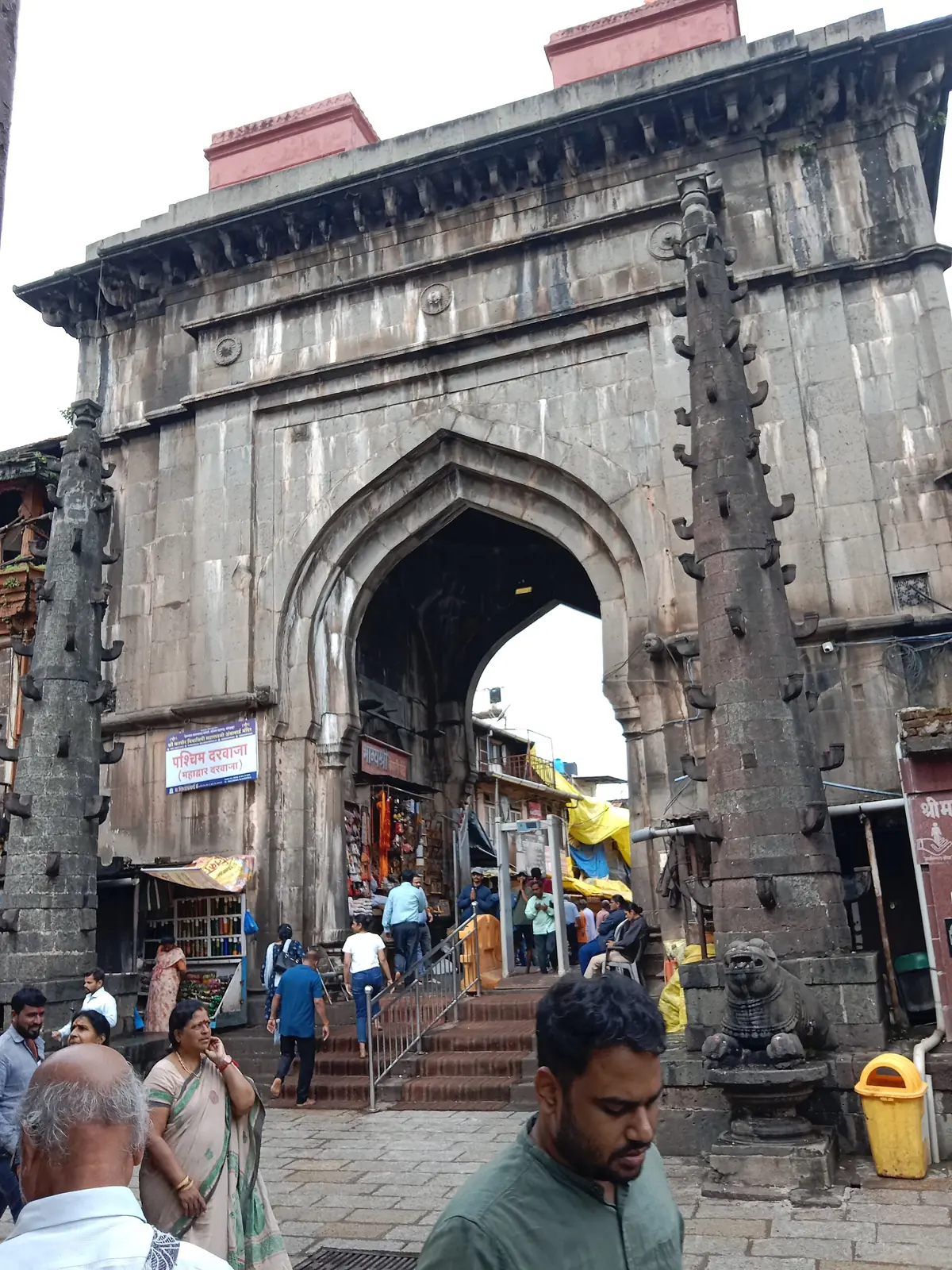
The Mahalaxmi temple, known locally as Ambabai, is a Shakti Peetha dedicated to the goddess of wealth and prosperity. An Outlook Traveller writer describes a complex of five towers around a central hall, walls covered in carvings, and darshan arranged through a series of halls so the image is first seen from a distance. Early morning is crowded, but the writer still recommends dawn.
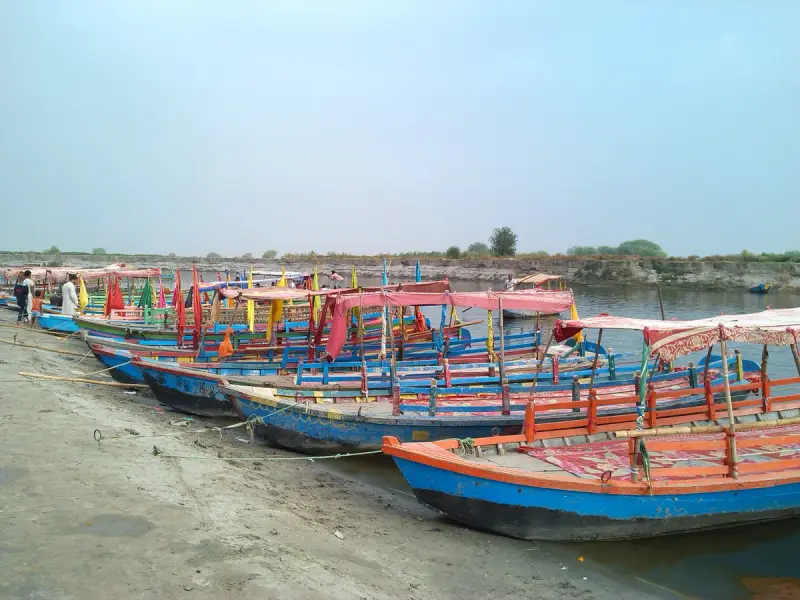
The stone floor gets painfully hot once the sun is up, so go early and wear footwear that comes off easily. Parking is very limited near the temple, and most visitors walk the last stretch. General advice for Maharashtra's big temples is modest clothing and no shoes inside, with photography sometimes restricted.
The lanes around the shrine
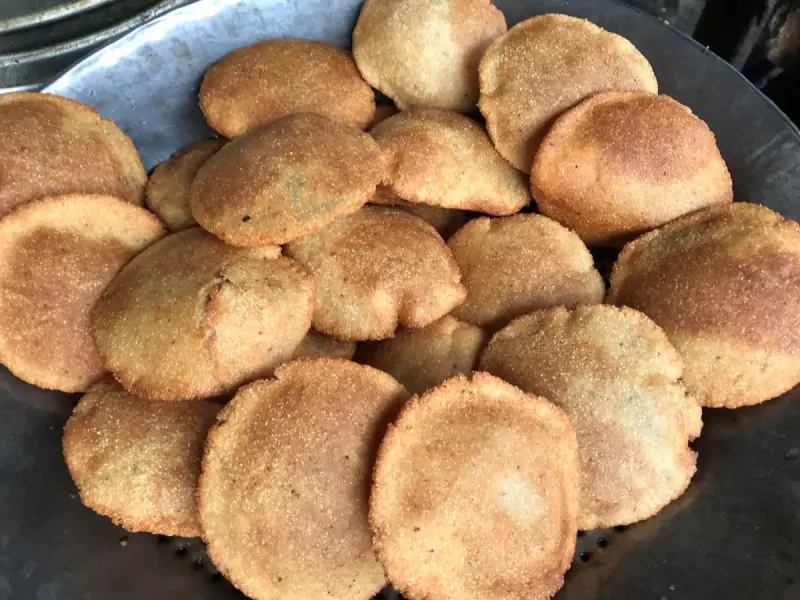
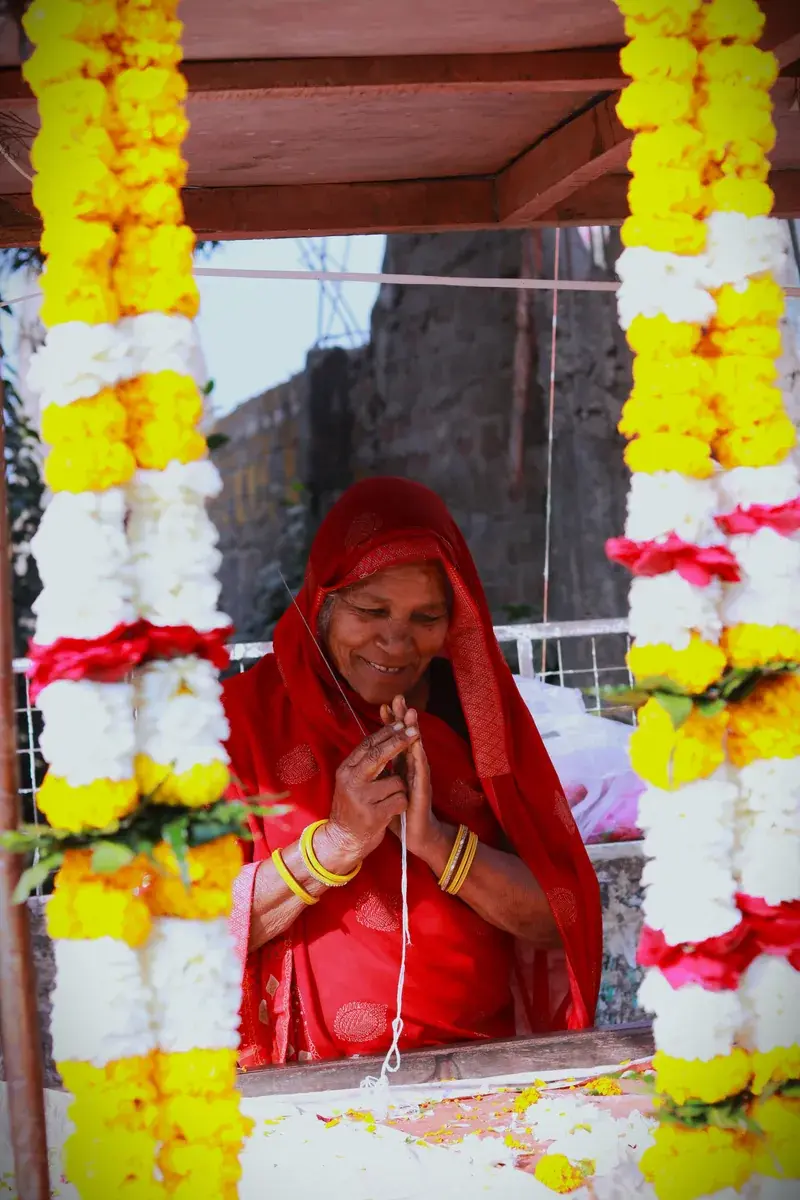
The street outside is half the experience: temporary shops selling flowers, coconuts and prasad sweets, crowded footwear stalls and sari shops that handle offerings. Smaller shrines for Ganpati, Hanuman, Shiva, Vishnu and the Navgrahas surround the main temple.
Buy kandi pedhe, a dry milk-based sweet, from the stalls beside the entrance, and look for Kolhapuri sandals and jewellery in the market, which the official three-day itinerary recommends.
What to eat
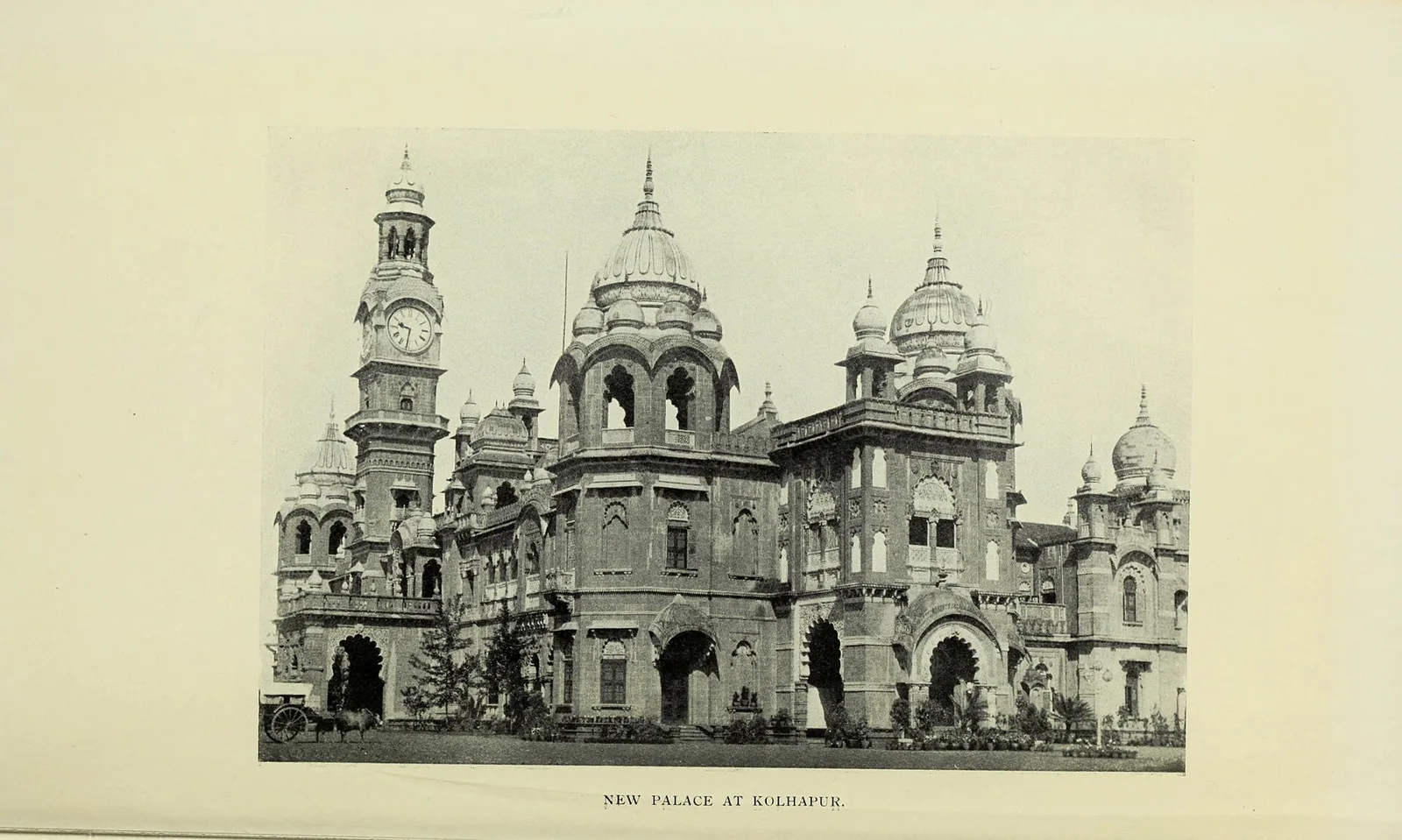
Kolhapuri misal is the local signature, a spicy plate that one writer remembers coming with unlimited refills for a single price, and mutton preparations are the other famous local specialty. In the evening, sugarcane juice carts appear around the city. For something plainer, look for poha at breakfast, and varan-bhaat, zunka-bhakri and puran poli at home-style places.
New Palace and Rankala
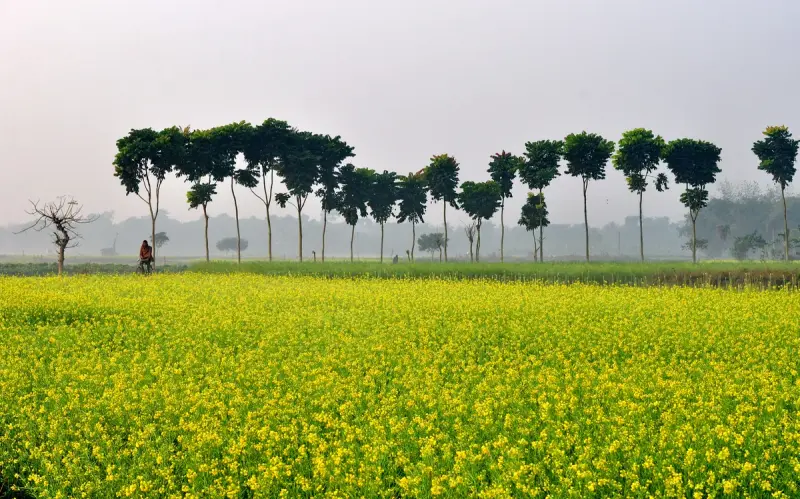
The New Palace, the former residence of the Chhatrapati Maharaja of Kolhapur, is now a museum with weapons, art and vintage cars. Rankala Lake, with its promenade and lakeside cafes, is the official itinerary's pick for sunset. Official notes give no stop-to-stop distances, so ask your driver how long the run takes.
Day 2: Panhala fort
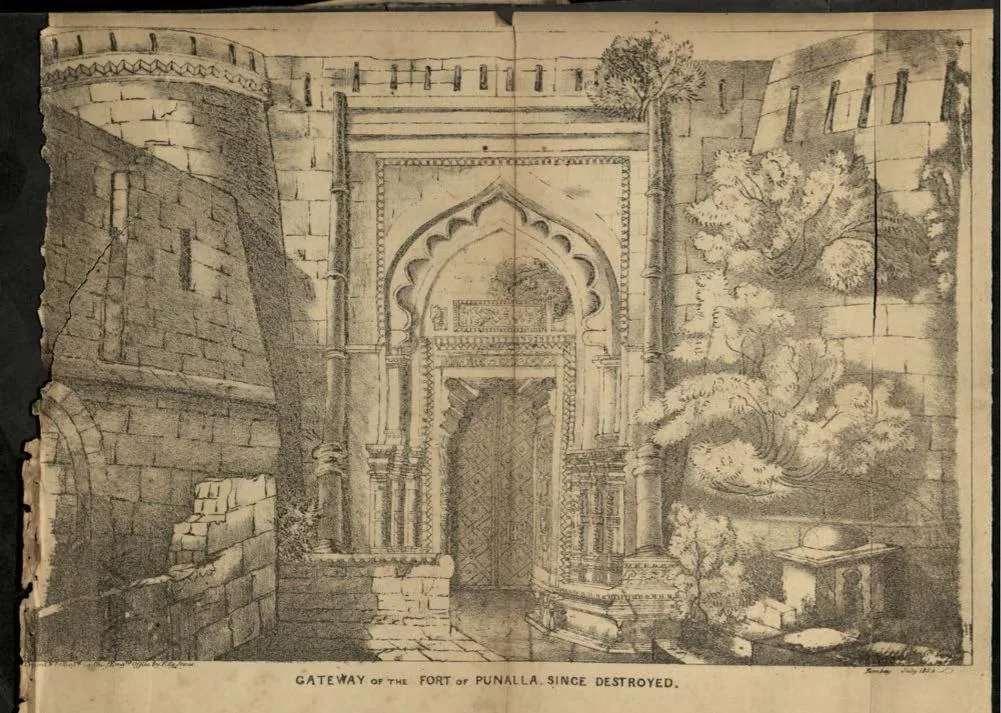
Panhala sits in the Sahyadri range at about 3,200 feet, rising over 400 m above the plains, 18 km north-west of Kolhapur. The Shilahara king Bhoja II is credited with the fort in the late 12th century, and the name is translated as the house of serpents. Shivaji spent over 500 days here, and the fort is tied to his 1660 escape from Adil Shahi captivity and to the Battle of Pavan Khind, in which Baji Prabhu Deshpande held back pursuers.
Sajja Kothi, a former residence of Shivaji, is now an art museum with frescoes and paintings, and the fort also has the Ambabai Temple, Sunset Point, the Prashar Caves and the Someshwara Temple. The fort opens from 9:00 AM to 6:00 PM, and cool months from November to February are the comfortable ones, with March to May reaching 38 to 40 degrees.
Jyotiba and Bhavani Mandap
The Jyotiba temple sits on a hilltop with panoramic views and is a major devotional site. No distance is published there either, so ask locally before you set off. Back in town, Bhavani Mandap, known for its carvings, is a good late-afternoon stop with nearby markets for souvenirs and snacks.
How the days fit together
Day one belongs to the old city: dawn darshan, a plate of misal, the New Palace through the late morning, then a long pause before Rankala at dusk. Day two is the outing: Panhala in the morning, when the fort is cool and the ramparts are quiet, a lunch on the way back, and Jyotiba or Bhavani Mandap as the late-afternoon choice. Kolhapur sits on the Panchganga near the Sahyadri hills, and the cool months, from October to March, are the kindest for all of it.
Wear sturdy shoes up at the fort and carry a spare pair of socks for the temple, since the ground there heats quickly.
A third day, if you have it
The official itinerary adds Narsobawadi, a revered temple site, the Gagangiri Maharaj Math ashram and a safari or walk at Dajipur Wildlife Sanctuary. None is essential, so treat them as a slower day after the fort.
Getting here
Kolhapur has its own airport, Chhatrapati Rajaram Maharaj, and its railway terminus is Chhatrapati Shahu Maharaj. Pune airport is the alternative for those flying. Trains run from Delhi. Navratri is the major festival at Mahalaxmi, when the goddess is adorned differently each day, so book rooms early if that is why you are going.
Let Laladham run it
Laladham picks you up in Delhi, from the airport, station, home or hotel, and plans the complete trip: train or flight to Kolhapur, a driver to the fort and hill, an early slot at the temple and a table for misal. Ask for a quote on the [book page](/book).
Questions, answered
When should I visit the Mahalaxmi temple?
At dawn, before the stone floor heats and the crowds build. Navratri is the busiest festival.
How far is Panhala from Kolhapur?
About 18 km north-west, according to the official tourism page.
What are Panhala fort timings?
9:00 AM to 6:00 PM, per Incredible India.
What should I eat in Kolhapur?
Misal pav, kandi pedhe sweets and mutton dishes, with sugarcane juice in the evening.
Can I leave my shoes at the temple?
Footwear is removed on entry. Wear something easy to slip off.
How many days do I need?
Two days handle the main shrine, the palace, the lake, the fort and the hill.