This trail moves down the state in six days, from a goddess temple on the Kochi side, through Thrissur and Guruvayur, to the capital and one very unusual women's temple. Each stop has a festival worth timing your travel around, and a daily routine you can slip into.
Day 1: fly to Kochi, Chottanikkara in the evening
From Delhi you fly to Kochi; the road from the north is not a sensible option for a six day plan. Laladham collects you in Delhi and sorts flights and a driver at arrival. Cochin airport and Ernakulam Junction are the closest transport points to Chottanikkara, in a village in Ernakulam district.
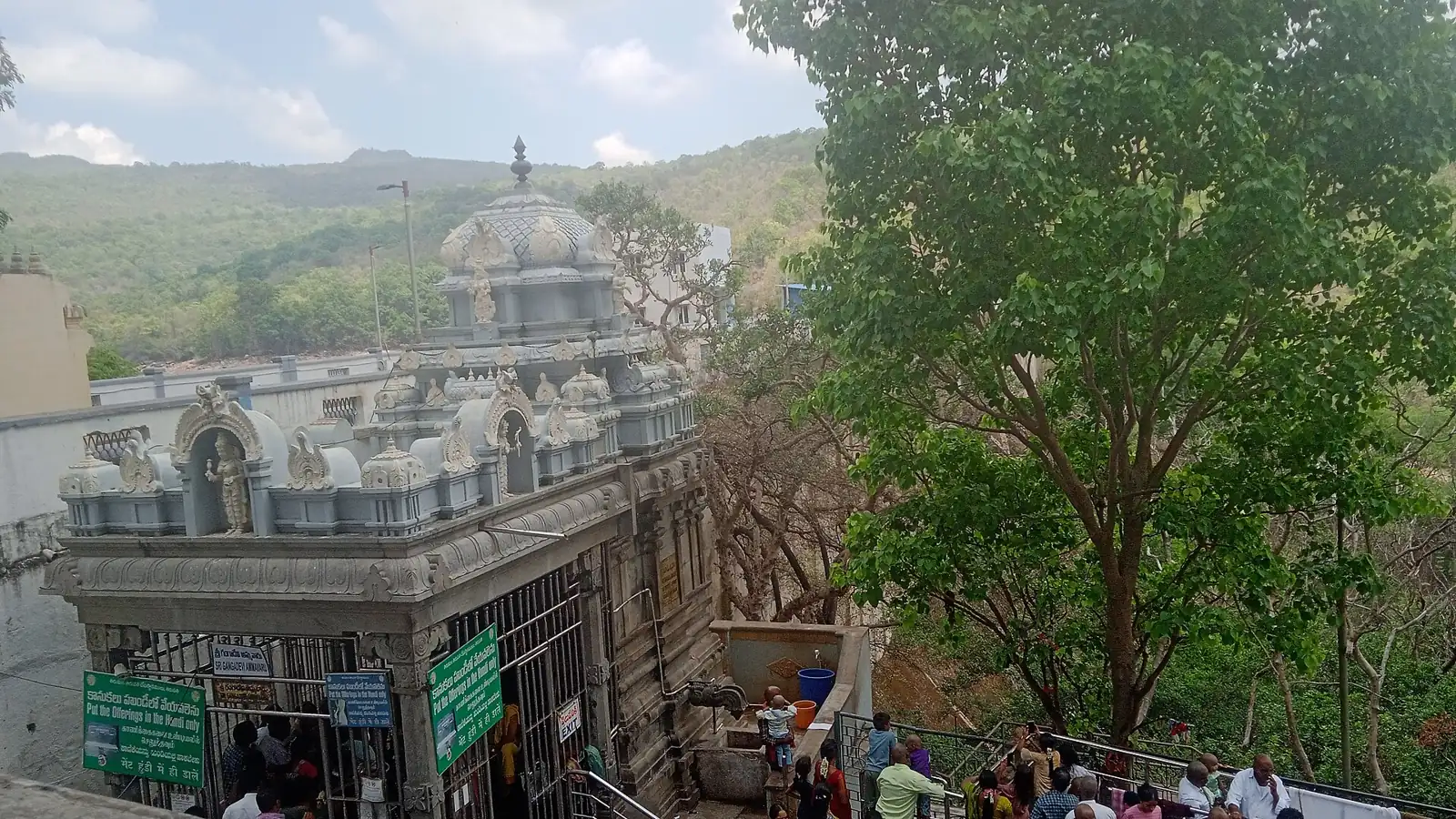
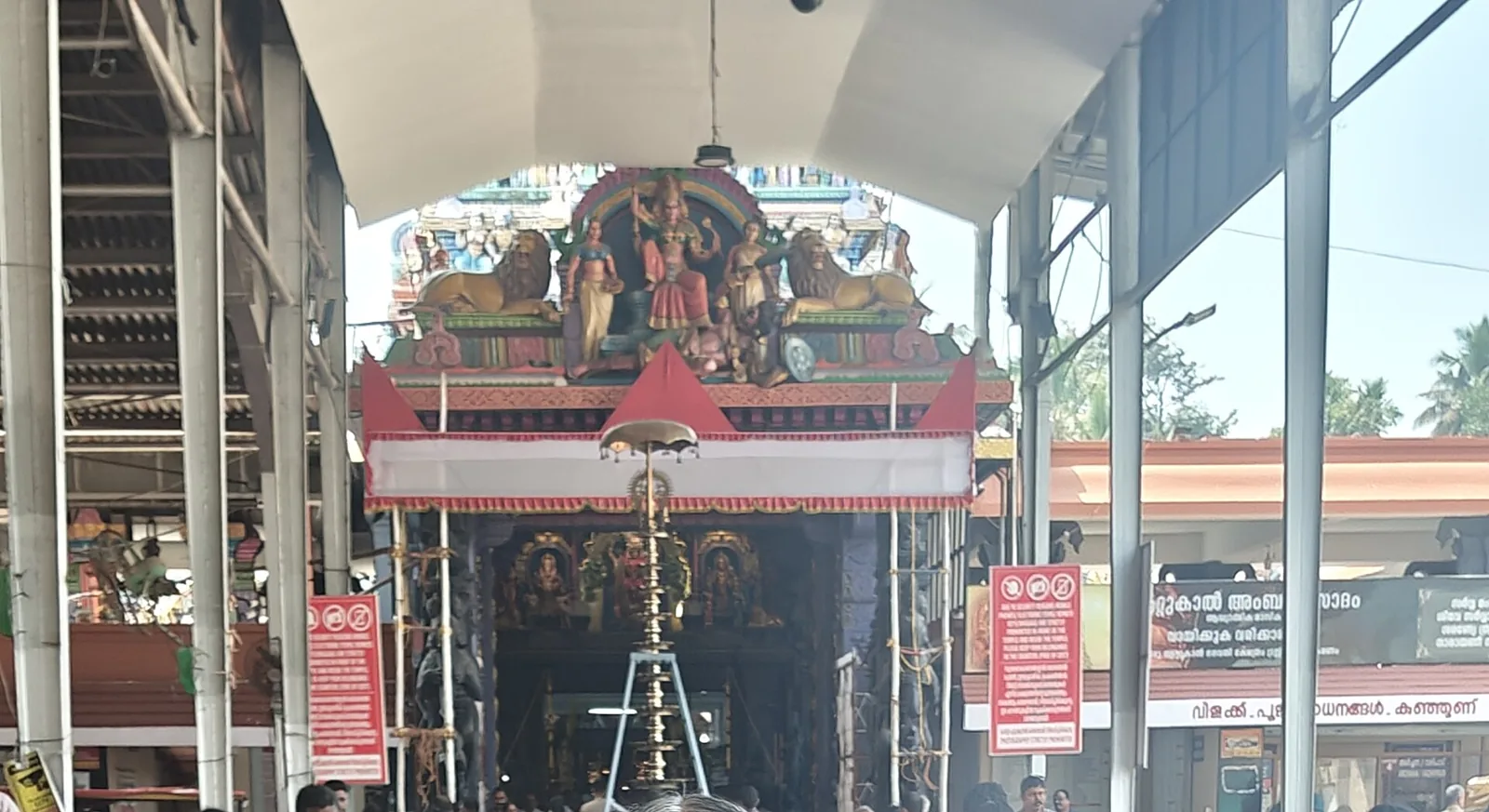
Incredible India describes the goddess here as Rajarajeswari, worshipped as Saraswati in the morning, Lakshmi at noon and Durga in the evening. The Keezhkkaavu shrine is for Bhadrakali in her fierce form, and many people come here seeking relief from mental distress. A late-evening Guruthi Pooja, once held only on Fridays, is now daily. Listed hours are 4 am to noon and 4 pm to 8:30 pm.
Day 2: Thrissur and Vadakkumnathan
Thrissur is the cultural capital, and its temple stands at the town's centre. Kerala Tourism calls the Vadakkumnathan one of the oldest and largest Shiva temples in the state, believed to have been made by Parasurama. It sits in a nine-acre walled compound, built of wood and stone, with murals of the Mahabharata and a Koothambalam, the old temple theatre. Restoration took more than ten years using the original methods and won a UNESCO Asia-Pacific heritage conservation award.
Hours are 4 to 11 in the morning and 5 to 8:30 in the evening. Thrissur is about 55 to 60 km from Cochin airport, according to Outlook Traveller, and the same piece lists puttu at Dhe Puttu, seafood at The Rice Boat and kappa biryani at Ollur for lunch.
The Pooram, and the elephant feast
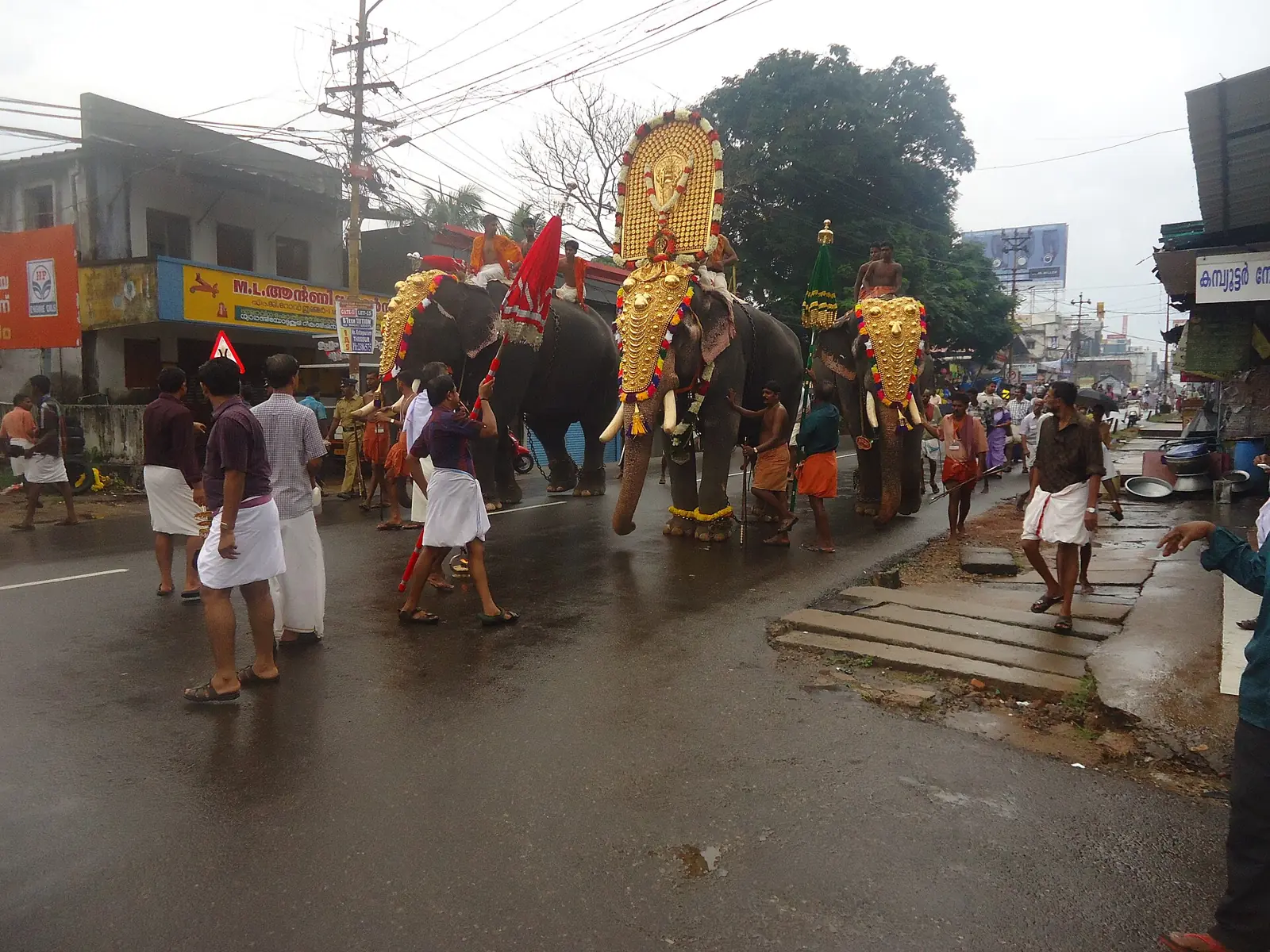
The Thrissur Pooram is the big day: caparisoned elephants, a melam of chenda and elathalam, the kudamattom parasol display and fireworks. Shakthan Thampuran, Maharaja of Kochi, started it with ten temples, among them Thiruvambadi and Paramekavu. Book months ahead, expect heavy crowds, and use your driver as a guide through the diversions.
In Karkidakam, around June and July, the Anayoottu feeds elephants with rice, ghee, coconut, jaggery and sugarcane. It is quieter, and less photographed, than the Pooram.
Day 3: Guruvayur
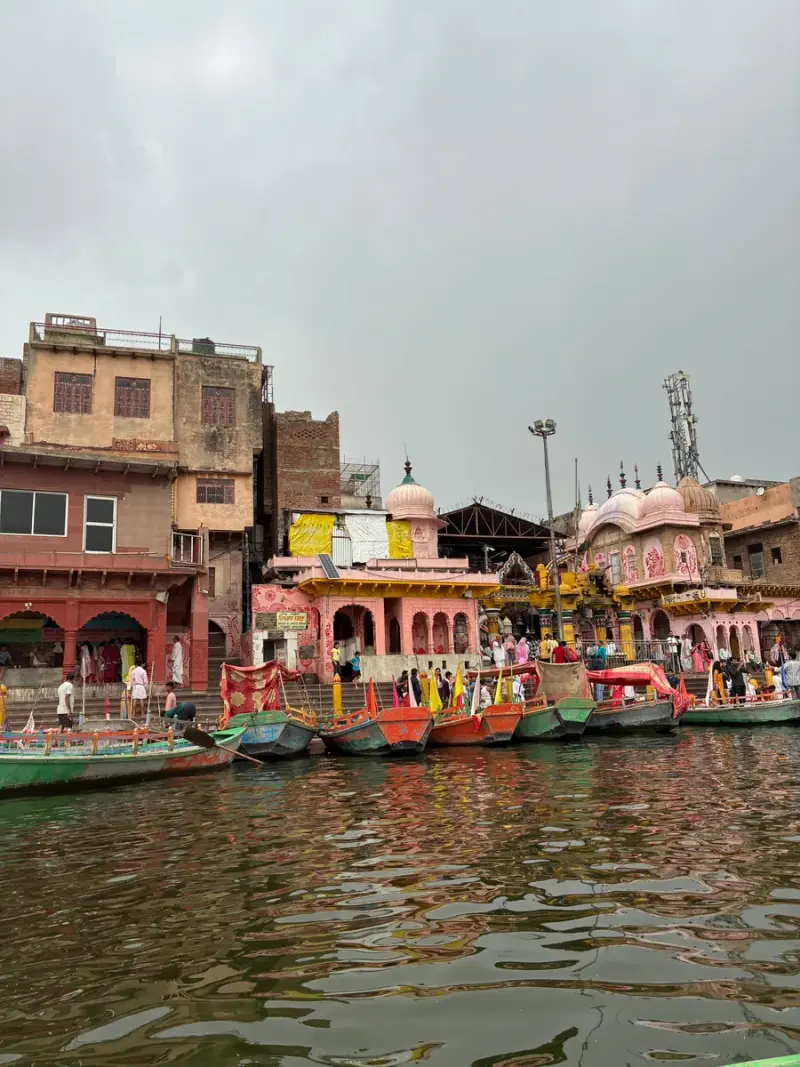
Spend the third day at Guruvayur. The Krishna temple has its own detailed guide on this site, so read it the night before. Go early, keep your phone in the car and plan to spend half a day.
The evening can be a quiet one: a walk around the temple pond, a banana leaf meal and an early night before the longest drive of the trip.
Day 4: south to the capital
Today is mostly road, down the coast to Thiruvananthapuram. Start early, break the drive at a roadside place for a Kerala breakfast and expect the afternoon to be spent settling in. If you have energy, the Padmanabhaswamy gopuram is lovely from outside at sunset.
Day 5: Padmanabhaswamy and Attukal
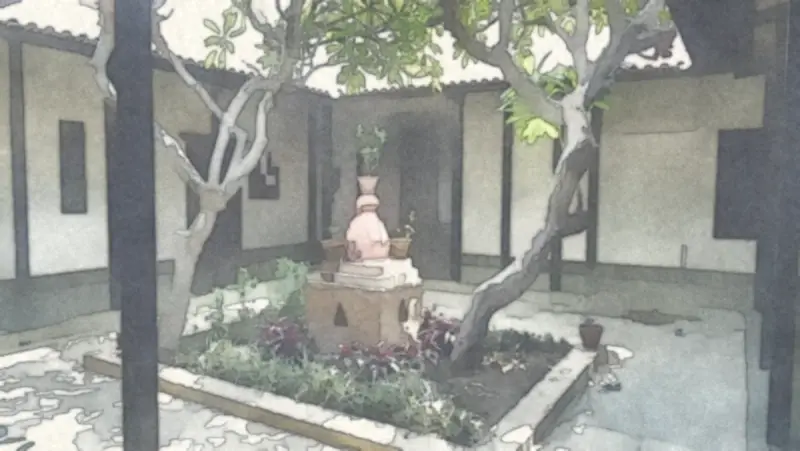
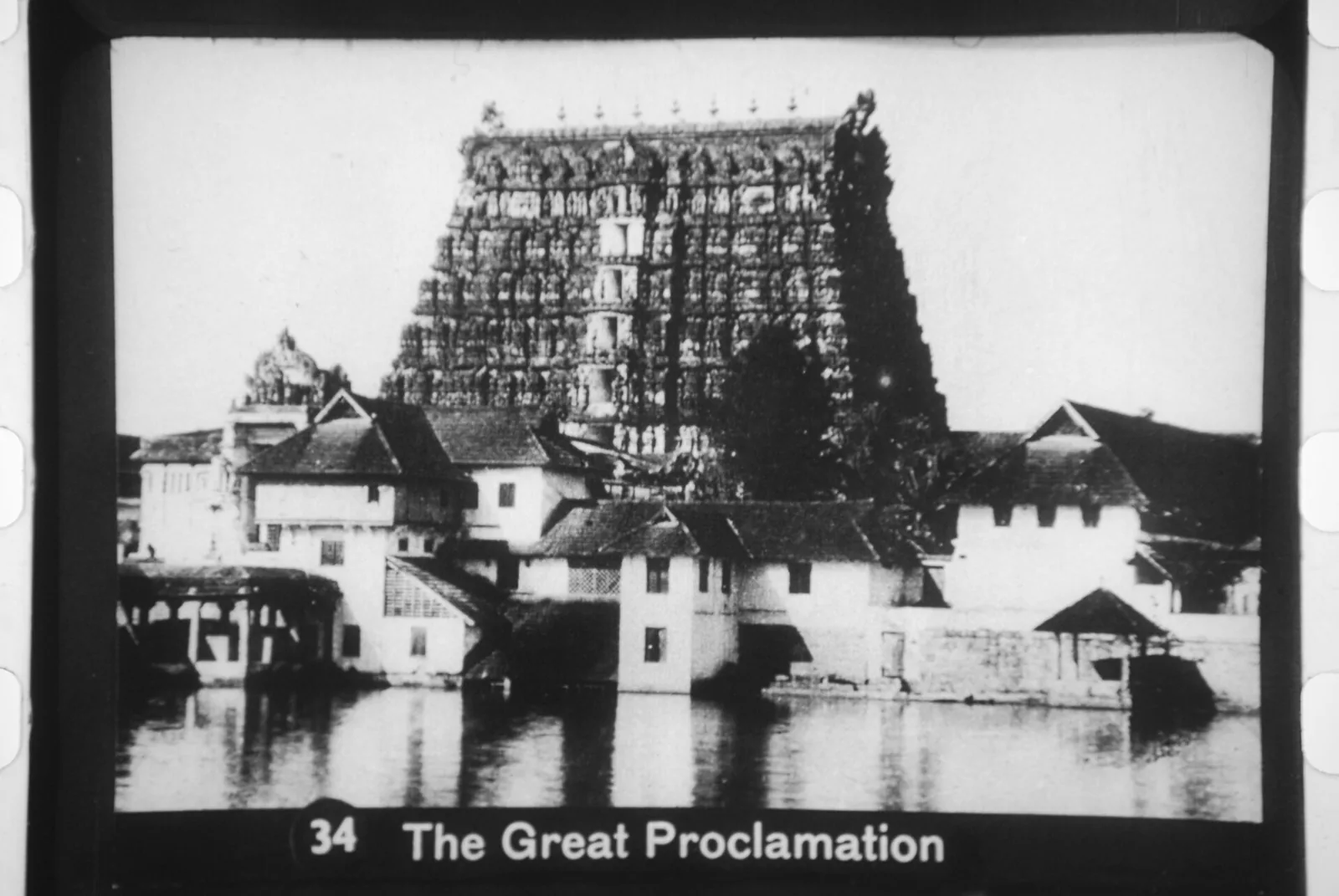
Incredible India dedicates the Padmanabhaswamy temple to Anantha, Vishnu reclining on the serpent Adi Shesha in an 18 ft image made of katu-sharkara and 12,008 shaligram stones, installed by Marthanda Varma in the seventeenth century. The deity is seen through three doors: face, navel and feet. A seven-tier gopuram rises over the Padmatheertham pond, and a vault called B stays shut because of a long-held belief that opening it brings misfortune. The temple's 1936 proclamation opened it to every Hindu. Hours are early morning to midday, and again from 5 pm.
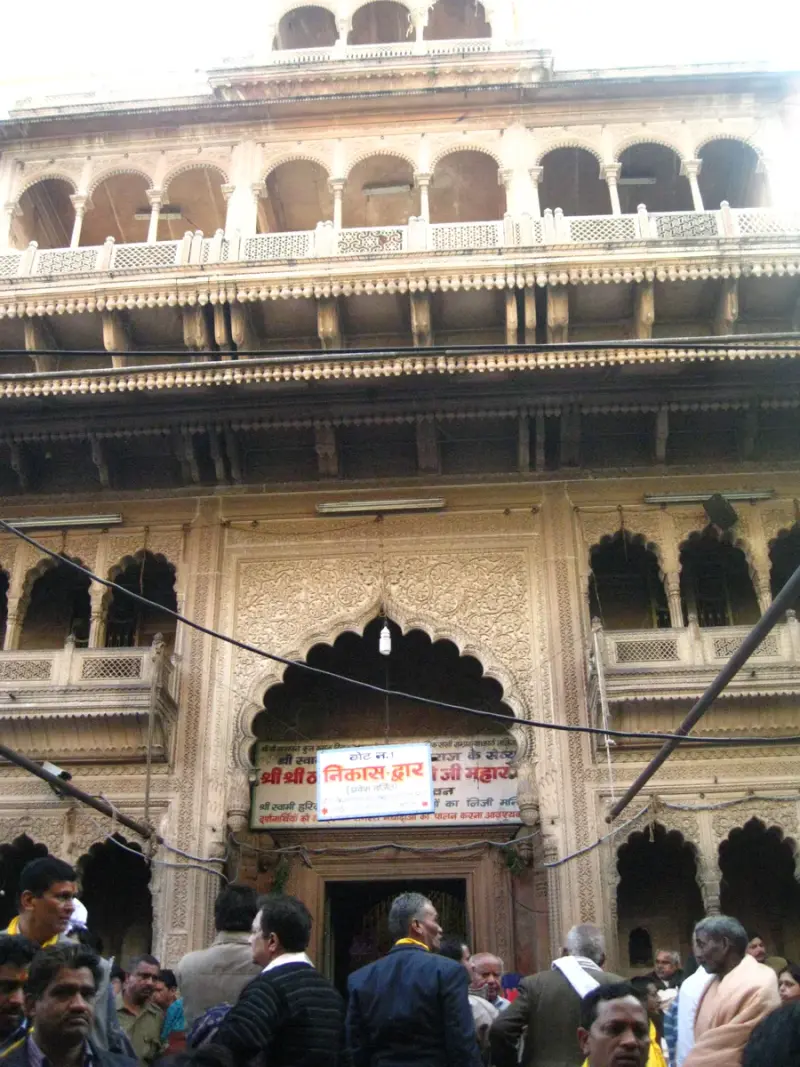
Attukal Bhagavathy temple, the same day, is the shrine of a goddess identified with Kannaki of the Tamil epic Silappathikaram, and Kerala Tourism calls it the Sabarimala of Women. Its Pongala festival holds a Guinness record for the largest gathering of women at a religious event: ten days in the month of Kumbham, February to March, on the ninth day of which millions of women cook rice and jaggery in earthen pots around the temple for up to five km. Dates move each year.
Day 6: a morning and a flight
Use the last morning for the Napier Museum, which opens at 10, or for the beach at Kovalam, 16 km out, before the flight home. Our Thiruvananthapuram guide covers both.
Dress, rules and when to go
Dress codes are strict in Kerala temples, so ask your driver the day before.
Only Hindus are admitted at Padmanabhaswamy, and the other temples have their own rules, so confirm.
The trail suits October to March, and the festival highs are Attukal's Pongala in February and the Pooram in spring.
Let Laladham plan it
Laladham picks you up in Delhi, at the airport, a station, your home or a hotel, and plans the complete trail: flights, a driver for the coast road, stays near each temple and darshan timings matched to the festival calendar. Share your dates on the [booking page](/book) and ask for a quote.
Questions, answered
What is special about Attukal temple?
Millions of women gather for its Pongala, and the festival has a Guinness record.
When is the Thrissur Pooram?
In the Malayalam month of Medam, with elephants, percussion and fireworks centred on the Vadakkumnathan temple.
Can non-Hindus enter the Padmanabhaswamy temple?
No. Admission is restricted to Hindus.
How many days does the Kerala temple trail need?
Six days with a flight from Delhi: Chottanikkara, Thrissur, Guruvayur, then two days in Thiruvananthapuram.
When is the best time for this trail?
October to March, with festival highs at Attukal in February and Thrissur in spring.