This guide takes the stops in the order a driver would, from the old port at Kochi to the hills, the water, the forest and the beaches, with the real travel gaps between them and a plain word on seasons.
Kochi: start where the spice ships did
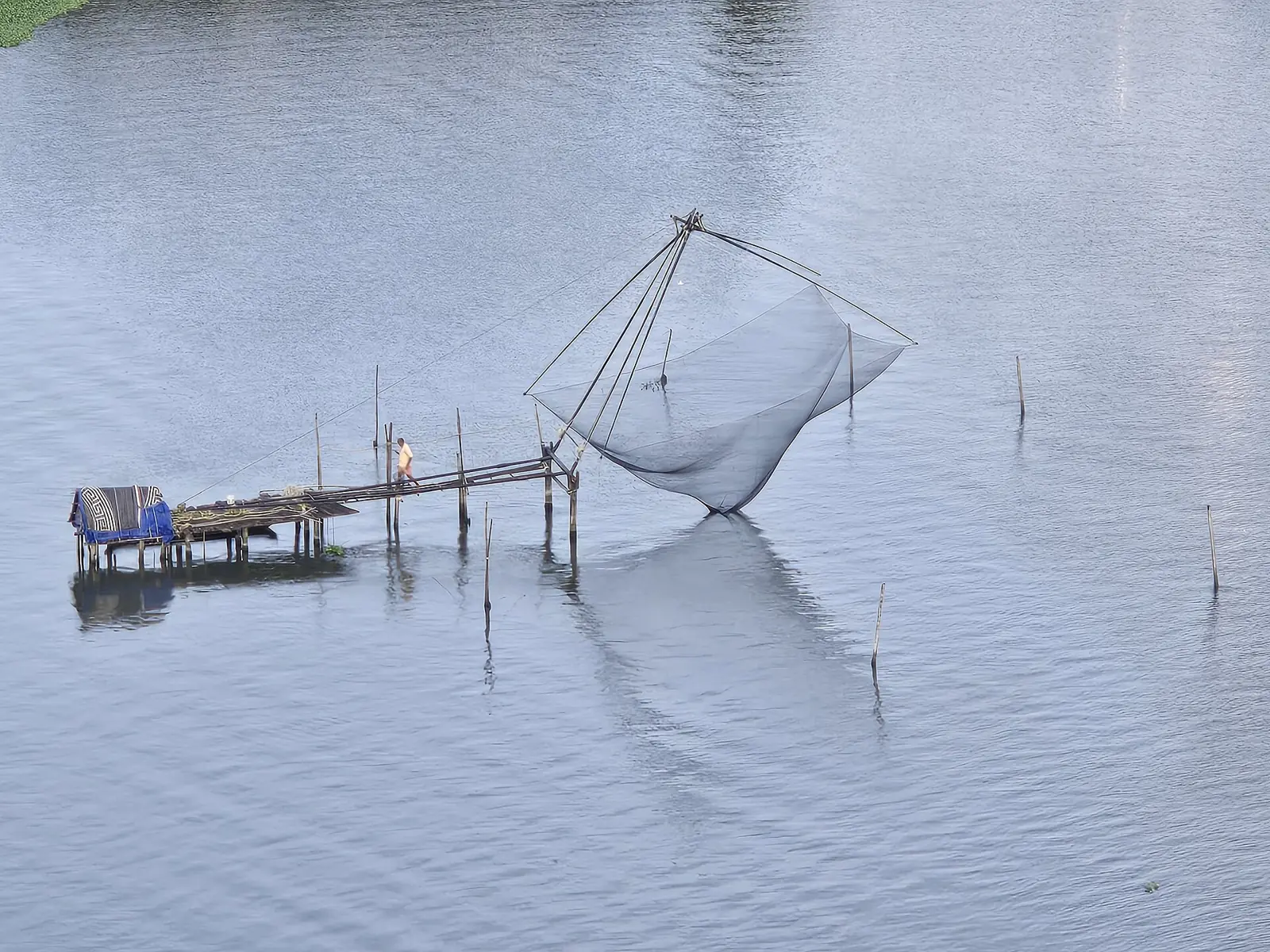
Kochi was once the main centre of India's spice trade, and the old quarter still reads that way. In Fort Cochin the Chinese fishing nets stand at the water's edge, in Mattancherry the Jewish Colony and its synagogue sit on a narrow lane, and Kerala Tourism points you to the Santa Cruz Basilica and the 16th-century Mattancherry Palace.
Give the city two days if you can. It is the arrival hub, with the international airport and, for trains, the Ernakulam stations. Ferries work well in Fort Cochin, while autos are plentiful, and the national tourism guide warns that some drivers overcharge visitors, so ask for the rate card.
Short harbour ferries show you the waterfront from the water.
Munnar: tea slopes and a flower that blooms once in twelve years
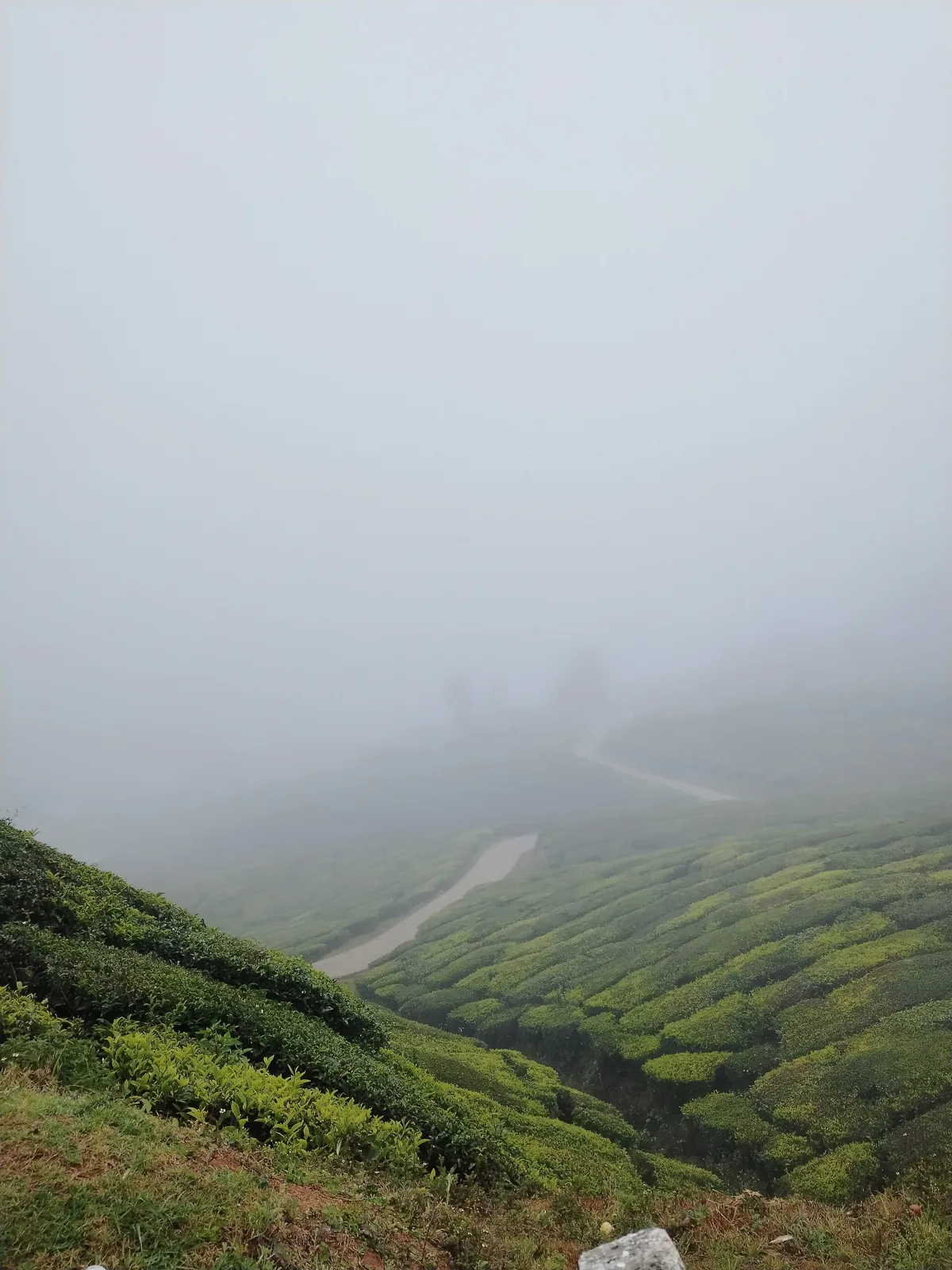
A magazine puts the drive from Kochi at about four hours. Munnar is the tea hill, with large estates running up every slope and a tea museum about 1.5 km outside town. The magazine also names Eravikulam National Park, the Pothamedu viewpoint and paddle boats at Mattupetty Dam.
The Neelakurinji, a plant that flowers only once every twelve years, is the famous reason to come, but you cannot plan a trip around it. Come for the mist and the green instead.
Alleppey and the backwater question
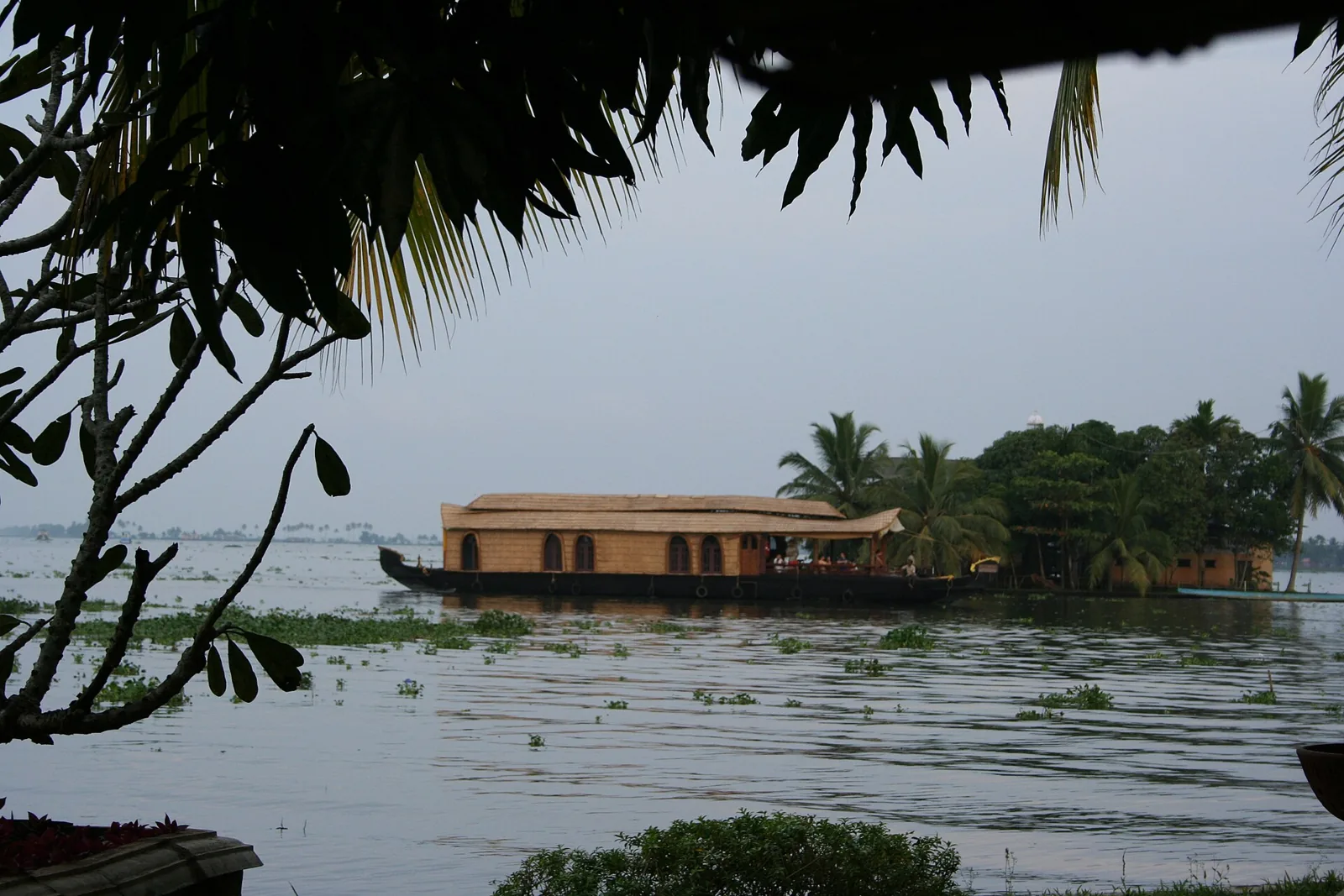
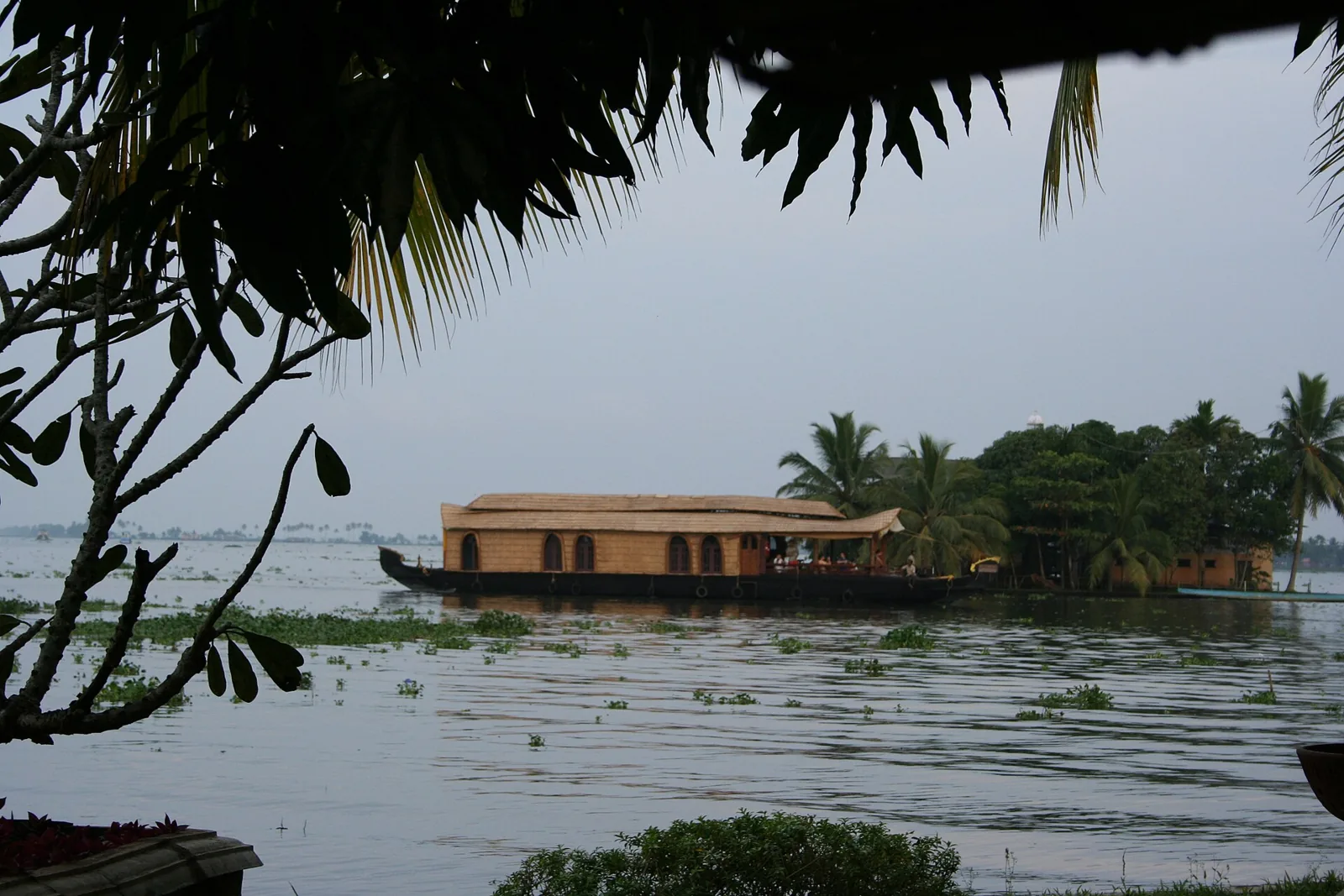
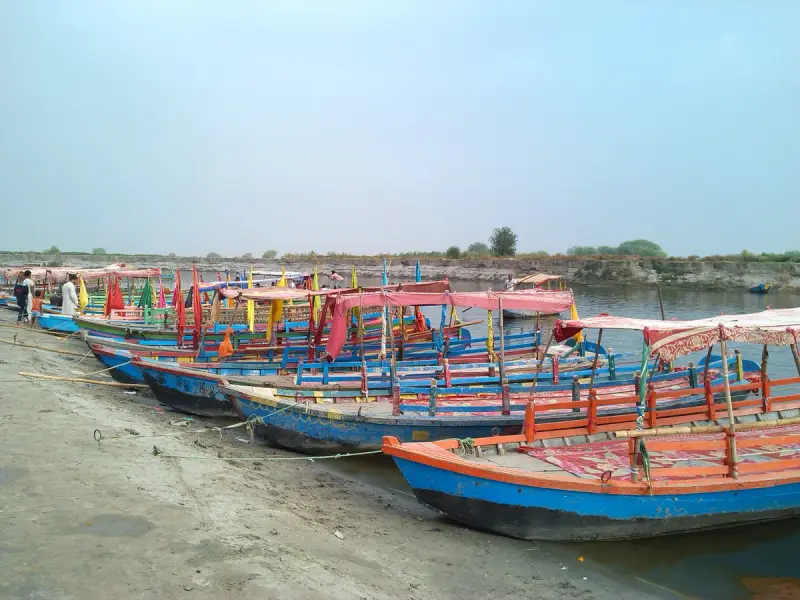
Alappuzha is where most visitors board a kettuvallam, the traditional rice boat now fitted out for hire. A Lonely Planet guide counts more than a thousand around Alleppey and says an overnight trip starts at around US$98, which also tells you how crowded the water can be.

There are quieter ways in. The State Water Transport ferry crosses from Alleppey to Kottayam. Kumarakom is about 1.5 hours from Alleppey by road, with a bird sanctuary on Vembanad Lake, and Ashtamudi Lake near Kollam is the other calmer name to look up. Day trips by houseboat or launch can feel touristy, because they often stay close to the coast, so decide what you want from the water before you book.
Periyar: the forest in the middle
Periyar Tiger Reserve, at Thekkady, is the wildlife stop, with langurs, bison, sambar and, in theory, tigers. The Forest Department and KTDC run a 1.5 hour boat cruise on the lake. Carry mosquito repellent, which the national guide specifically recommends here.
The reserve gets its own page on this site, and it deserves it, because the lake, the trails and the rafting day each need planning.
Kovalam and the south
Kovalam is the well known beach, and the national guide calls it fairly touristy, with a lighthouse on the headland and beachfront restaurants for sunset. Kerala Tourism pairs it with a day in Thiruvananthapuram for the Padmanabhaswamy Temple, the Napier Museum and Kanakakkunnu Palace.
Kumarakom to Kovalam is a four to five hour road, so keep it for the end of the trip rather than the middle.
When to come
The best stretch runs from October to February, with temperatures of roughly 17 to 30 degrees. Come in the dry months and the landscape is still green, the skies are clear and a boat day is comfortable. Hotels cost more then, and the popular stays book out.
From March the heat and humidity build, and prices ease. The monsoon months of July to September are the lush season, though downpours are unpredictable, and Lonely Planet notes that rain can linger into October. A houseboat is still possible in the rains, but cruises are more enjoyable from November to February. Pack light cotton for the heat and a waterproof layer for the wet.
What to eat while you move
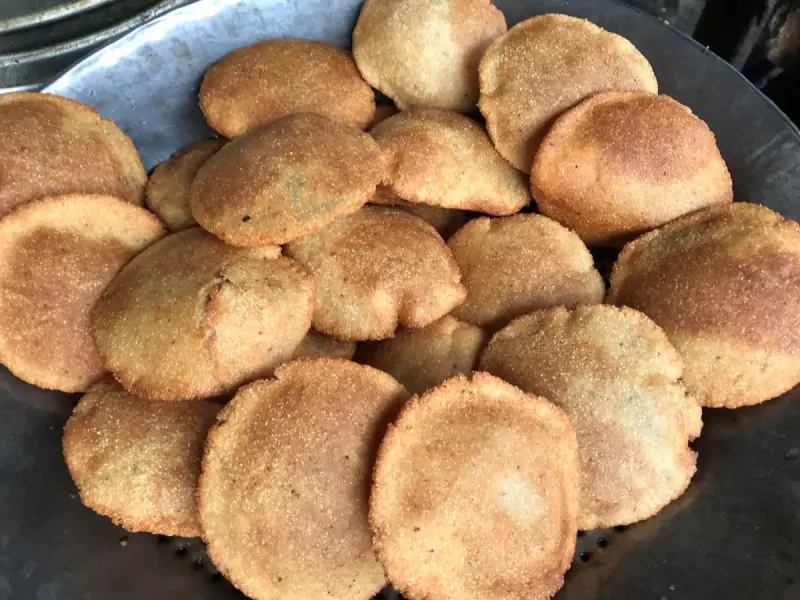
Order appam with stew, beef fry with Malabar porotta if it suits you, and prawn moilee, a coconut and kokum curry with a sour edge. Kathakali performances are staged at the Kathakali Centre in Fort Cochin for those who want an evening of it.
Kerala from Delhi, with Laladham
Kerala is a flight or a very long train from Delhi, so the honest start is the airport at Kochi or Thiruvananthapuram. Laladham picks you up in Delhi, from the airport, station, home or hotel, and plans the complete trip: flights, a driver for the Kochi to Munnar to Alleppey line, houseboat or homestay, and the forest day at Periyar. Ask for a quote on the [book page](/book).
Questions, answered
What is the best month to visit Kerala?
October to February, when days run roughly 17 to 30 degrees. March to June is humid but cheaper, and July to September is the monsoon.
How long does it take to drive from Kochi to Munnar?
Around four hours, according to Outlook Traveller's seven day plan.
Is there a cheaper way to see the backwaters than a houseboat?
Yes. Public ferries run between Alleppey and Kottayam, and Alleppey also has shorter day tours.
Which railway station should I use for Kochi?
Most trains stop at Ernakulam Town or Ernakulam Junction, from where Fort Cochin is a short ride away.
What should I pack?
Light cotton clothes, sunblock, flip-flops and comfortable walking shoes, mosquito repellent for Periyar, and waterproofs if you come in the monsoon.