Kerala Tourism calls it the Dwaraka of the South, and that is how locals and visitors treat it: Krishna as a child, worshipped with rice, jaggery and ghee. Below is how to organise a trip around the temple, with the festivals, the offerings and the places nearby that make the journey from Delhi worth the distance.
The temple day, hour by hour
The two tourism boards agree on darshan hours: 3:00 am to 12:30 pm and 4:30 pm to 9:15 pm. The day starts with Nirmalya Darshanam, the first look at the deity after the morning ablutions, and ends with Ekanta Seva, the night worship, before the doors close.
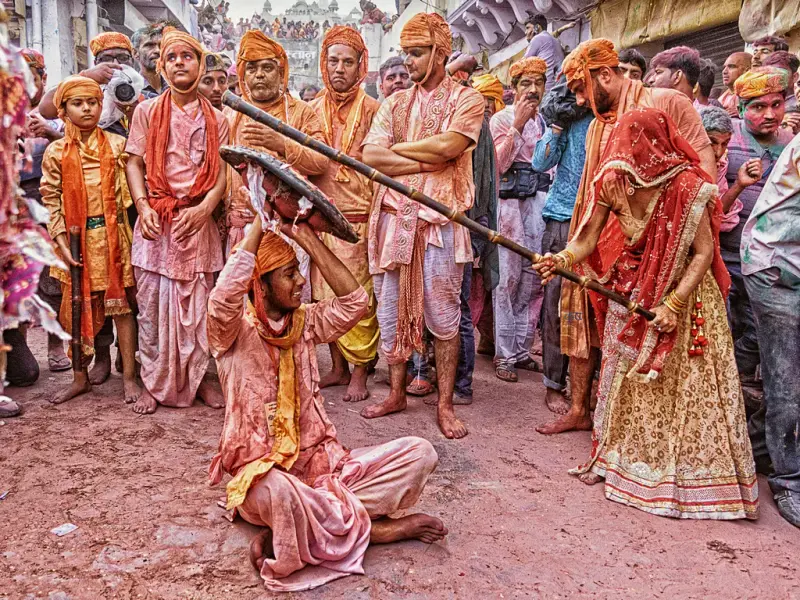
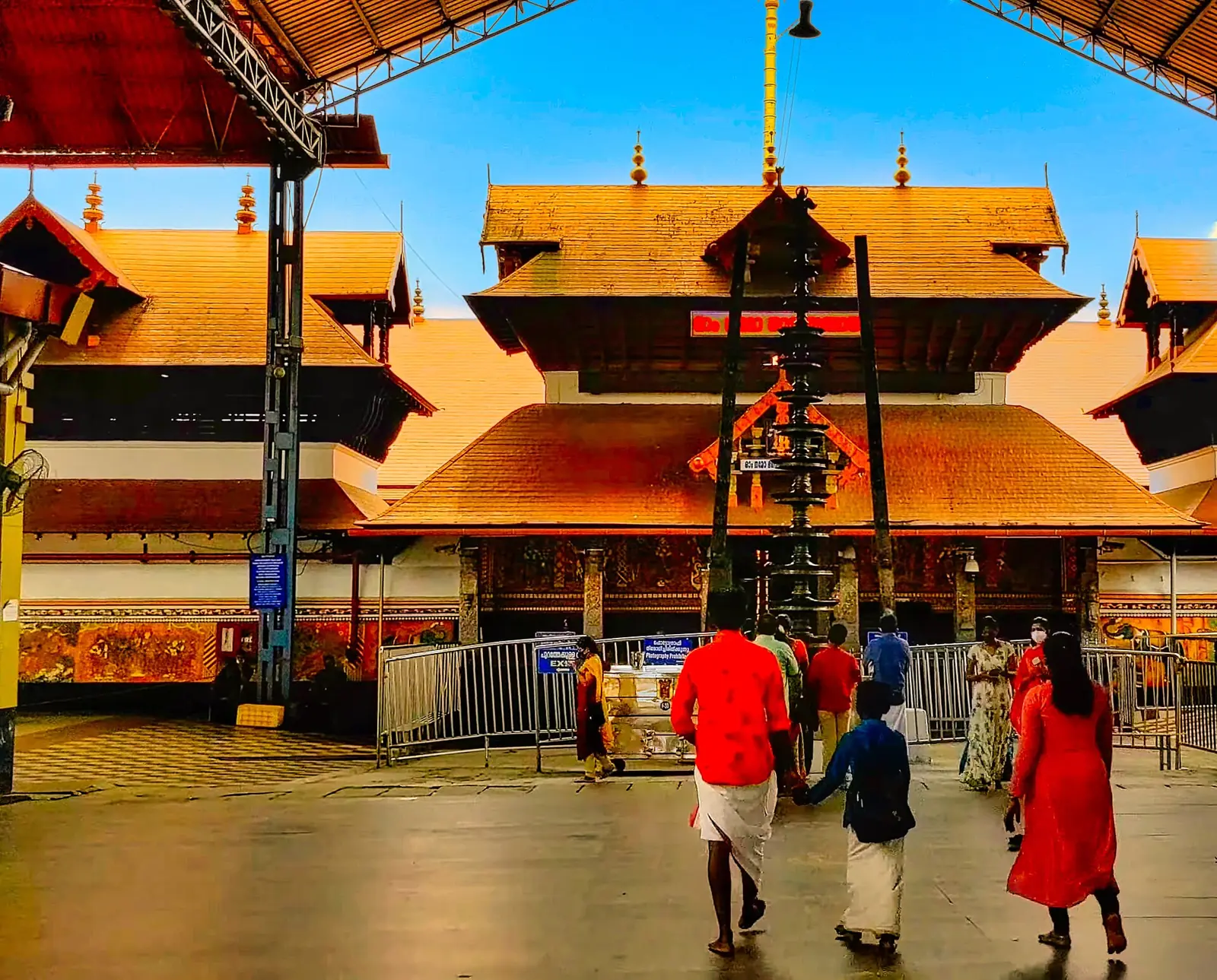
The presiding image is Maha Vishnu standing with four hands, worshipped here as the child Krishna and called Guruvayurappan. Incredible India says the image is carved from Patala Anjana stone, and that shrines to Ganesh and Ayyappan sit within the complex. The main offering is Krishna Nivedyam, made of rice cooked with jaggery and ghee.
The practical lesson: the quietest hours are at the edges of each opening, before the morning rush and in the last hour of the evening. Midday darshan before 12:30 tends to be the heaviest, since families arrive after breakfast. Plan your entry for the very first slot or the evening.
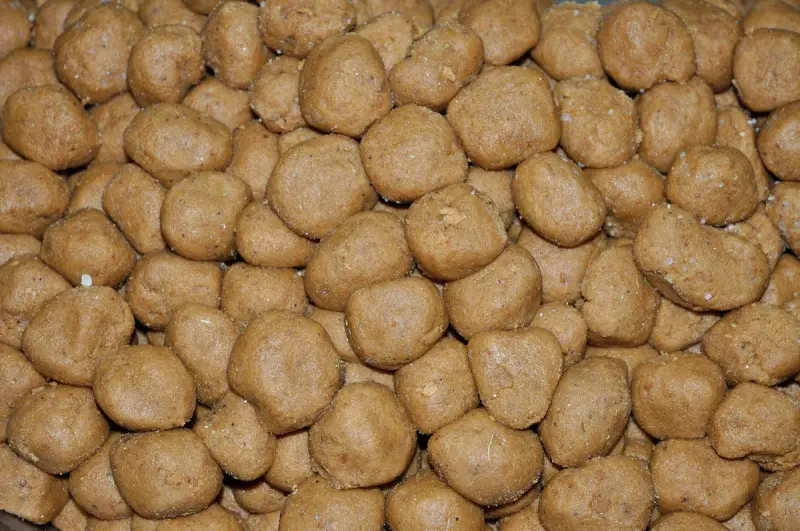
Offerings you will see, and what Thulabharam means
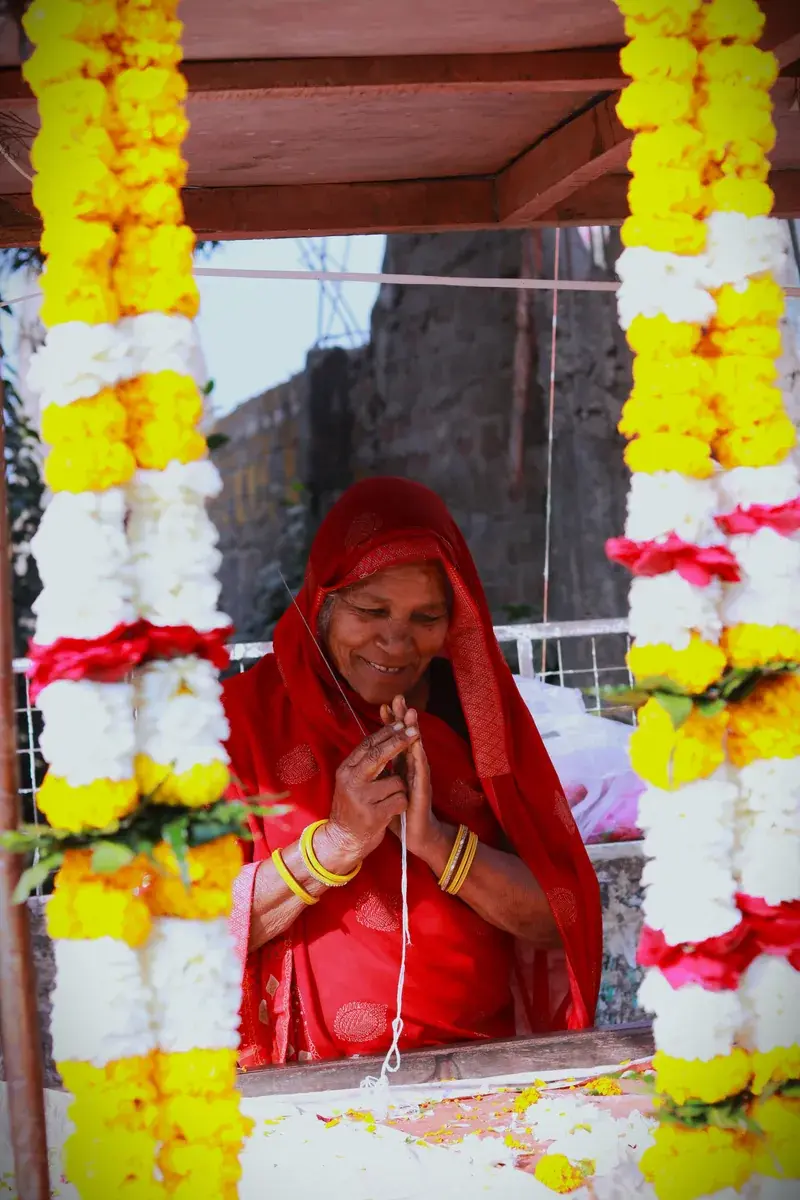
Flowers, fruit, coconuts and oil lamps are the usual gifts. The one that stands out is Thulabharam, where a devotee sits on one pan of a scale and the other is loaded with an equal weight of grain or sweet goods, which go to the temple. The list on the Kerala board runs to jaggery, coconuts, sugar and bananas, while the national site adds rice and fruit.
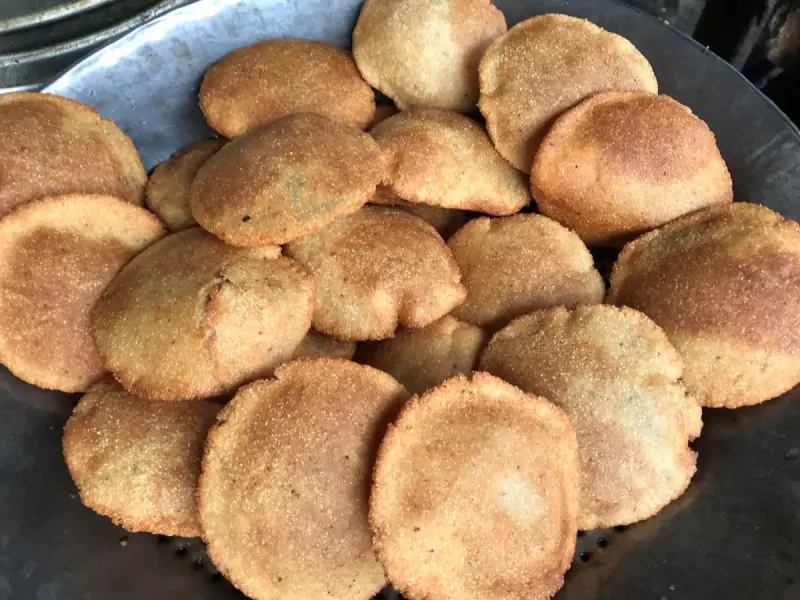
It is a family occasion with some paperwork, so ask at the temple counters which items are accepted and how to book, instead of arriving with a sack of bananas. The temple also arranges weddings and annaprasana, the first rice feeding for a child, and it runs annadanam halls for meals. Senior citizens and others have separate queues.
The elephants and the Anayottam
The annual festival, held between February and March, begins with the Guruvayur Aanayottam, an elephant race. The winning elephant carries the thidambu, a replica of the idol, at the year's later festivals and special occasions. Kerala Tourism is the source for that custom and it is the clearest reason to time a trip for early spring.
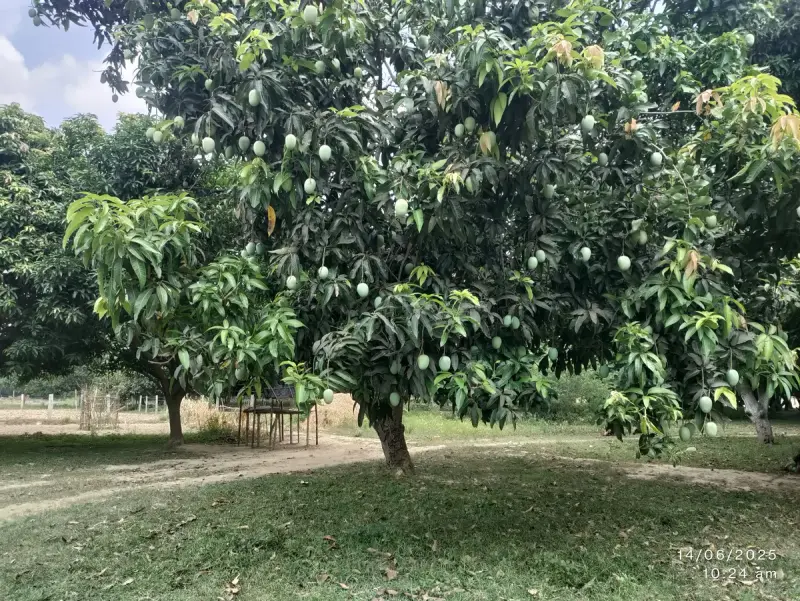
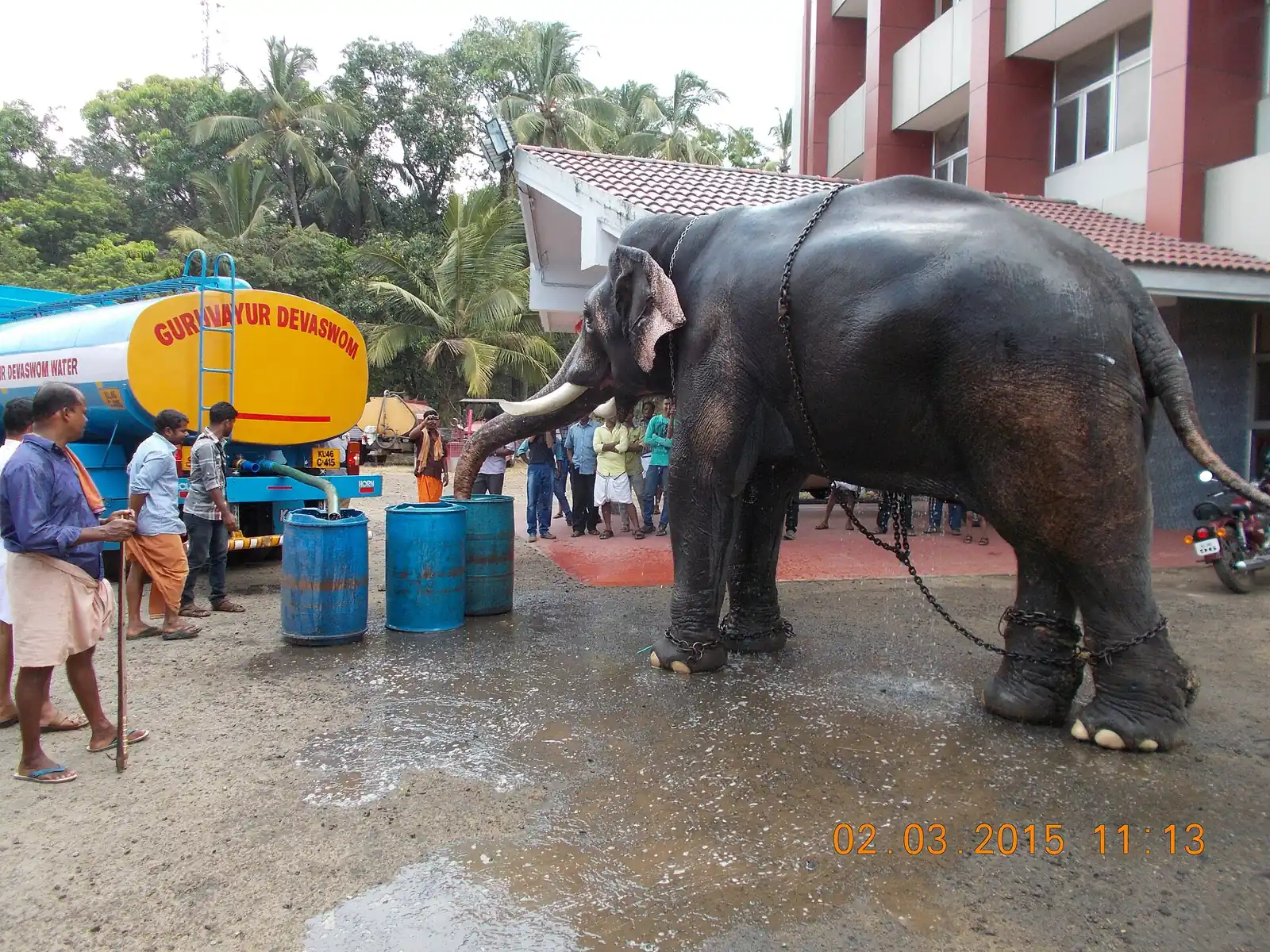
The Anakkotta elephant camp, one of the national site's nearby attractions, is the other half of the story. Visit it in the gap between the temple's two opening slots, when you have a free afternoon and the heat is highest. Expect to take photographs at a distance and follow the keepers' rules.
Ekadasi and the music month
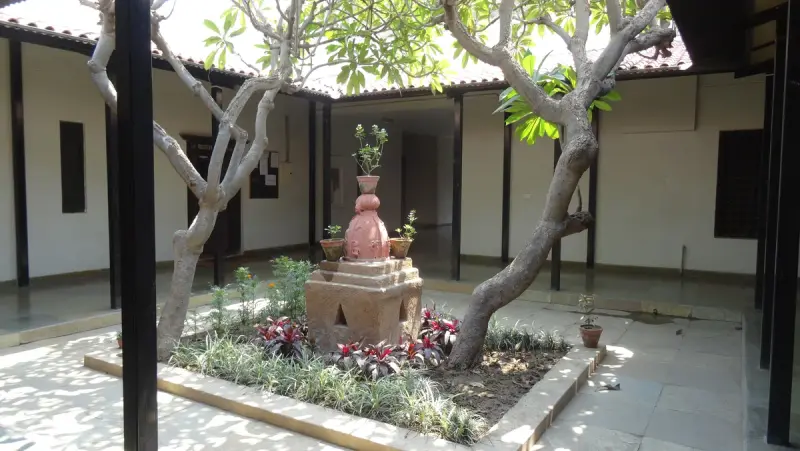
Guruvayur Ekadasi stretches across a month and includes the udayastamana pooja, worship from dawn to dusk, along with an 11-day Carnatic music festival honouring Chembai Vaidyanatha Bhagavatar. It is the busiest period of the year. Book your stay early and expect long queues, including in the lanes near the temple.
Whether the dawn-to-dusk udayastamana pooja is held in the form described has been contested in recent years, so confirm the programme with the Devaswom before building a trip around it.
Architecture worth looking up at
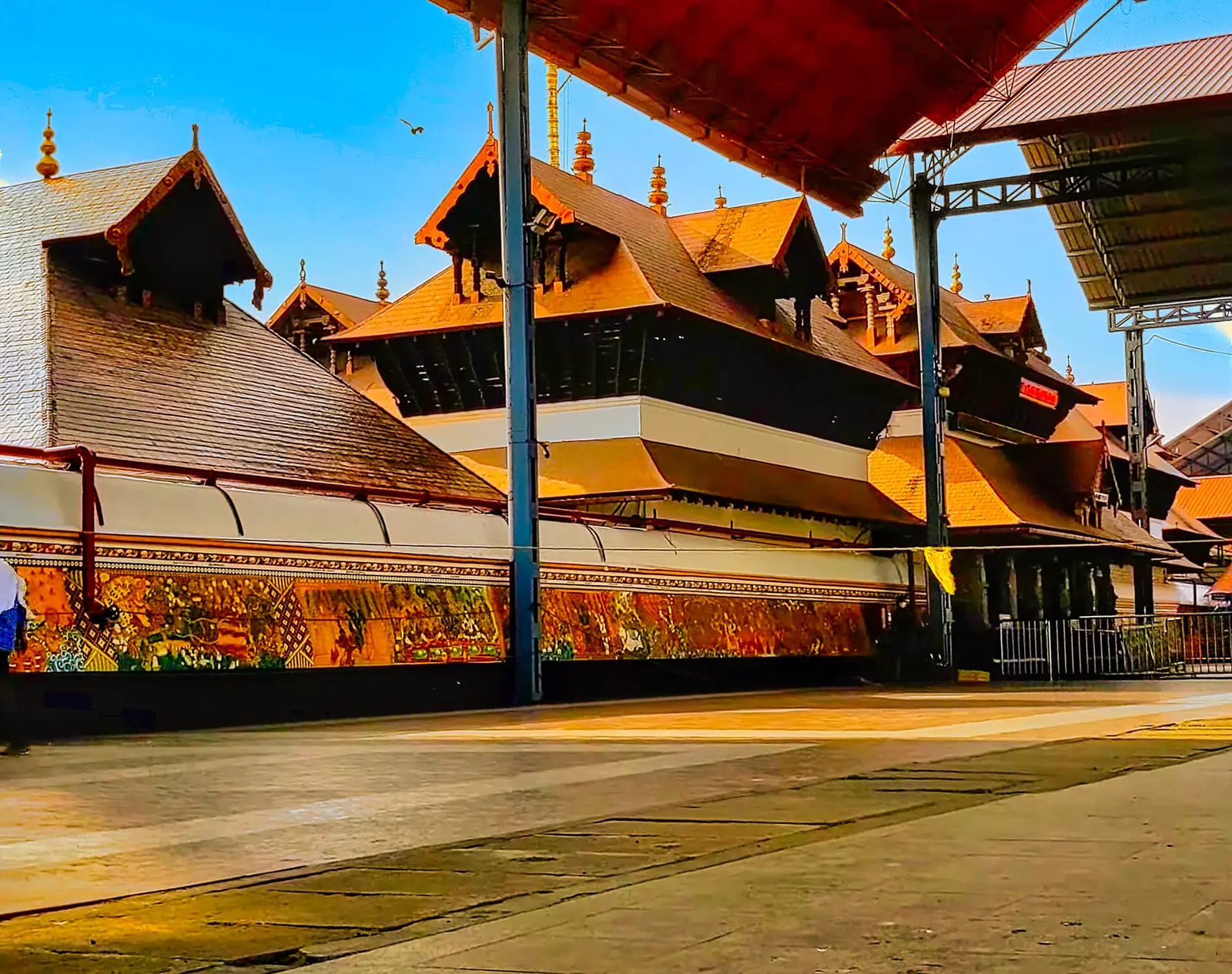
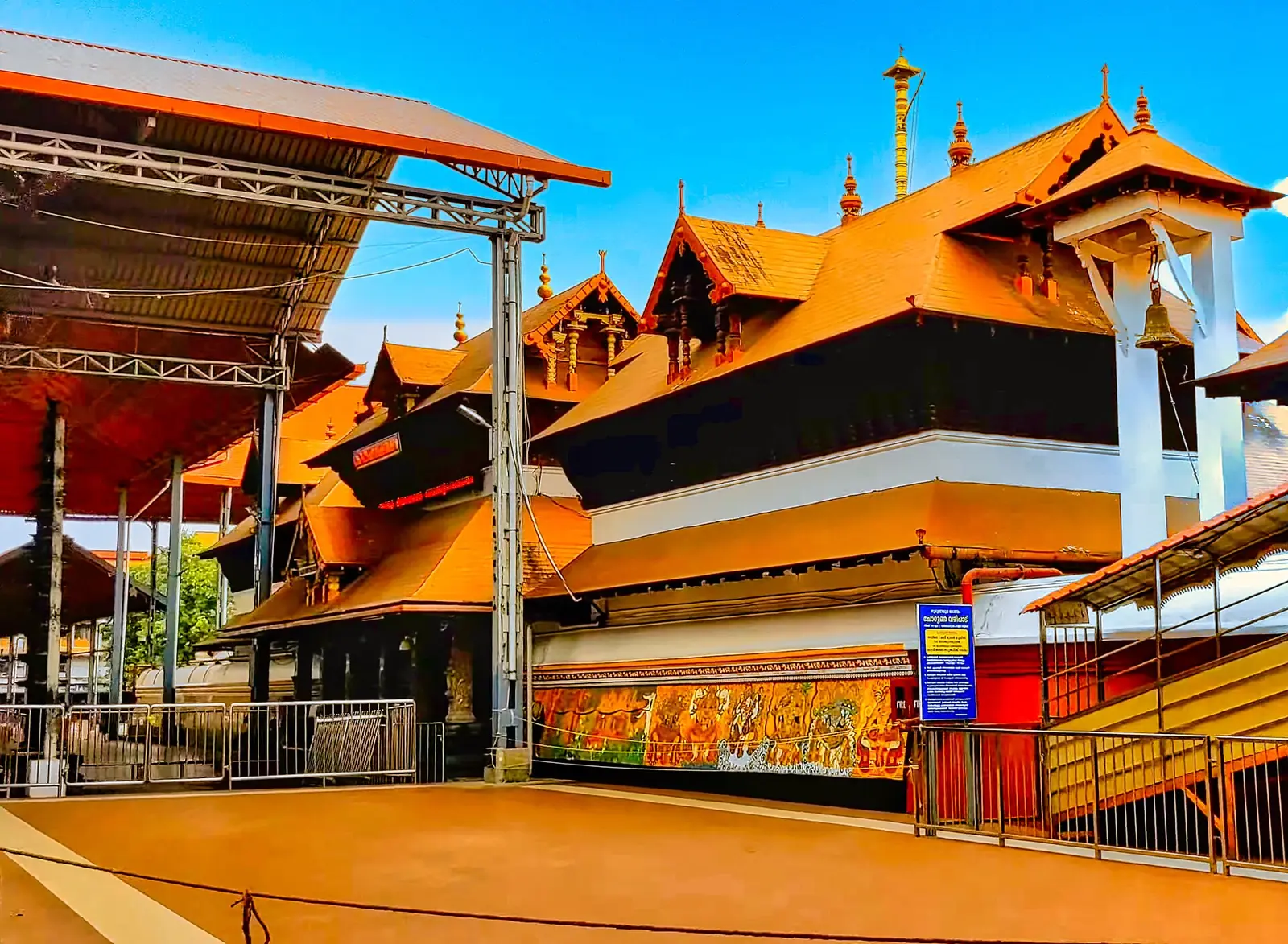
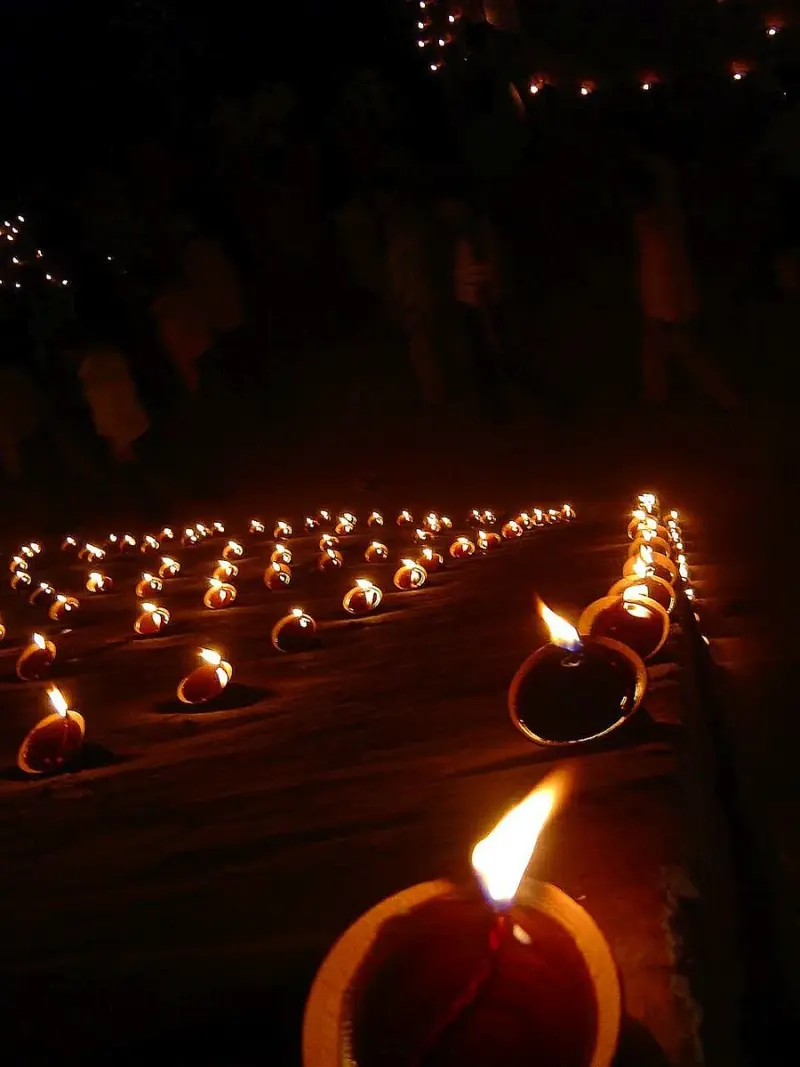
The temple faces east. Kerala Tourism says the central shrine was reconstructed in 1638 and that the sanctum murals date from the 17th century. On the eastern side stands a Deepastambam, the pillar of lamps, 24 feet high with thirteen receptacles, and a gold-covered flagstaff of about 70 feet. After dark, with the lamps lit, the pillar is the scene most people remember.
Photography rules vary inside the complex, so keep phones and cameras away unless a sign or staff member clearly allows them.
What else to see around Thrissur
Incredible India lists Chavakkad Beach, the Parthasarathy Temple, Mammiyur Mahadev Temple and Ariyannur Temple close to Guruvayur. Further out are the Vadakkumnathan Temple in Thrissur, the Thrissur Zoo and State Museum, the Kunjali Marakkar Museum and Athirappilly Waterfalls. Thrissur itself is called the cultural capital of Kerala, with its own palace museum and the Thrissur Pooram festival. Plan Athirappilly as a separate day rather than a stop between darshans.
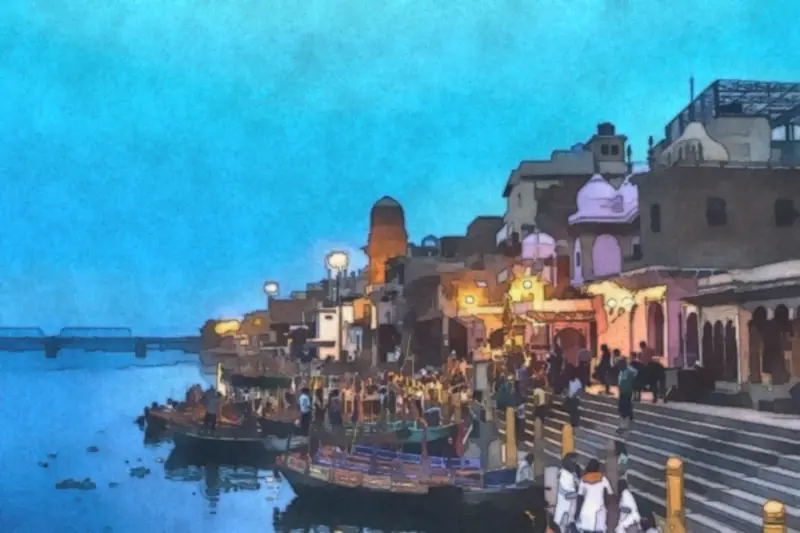
Give yourself two nights. The first day is for the temple and the camp, the second for Thrissur's town and a waterfall, with a margin for queues that run late.
Getting there from Delhi, and Laladham
Kerala is far from Delhi, so do not drive it. Fly to Kochi, where Cochin International Airport is the nearest, or take a long train to Thrissur, the nearest station. A driver then takes you the rest of the way.
That is where Laladham helps: pickup in Delhi at the airport, a station, your home or a hotel, then a complete trip planned end to end, with the flights or trains sorted, a driver on the ground and stays near the temple. Ask for a quote on the booking page.
Questions, answered
What are the Guruvayur temple timings?
3:00 am to 12:30 pm and 4:30 pm to 9:15 pm, according to Incredible India and Kerala Tourism. Timings can shift on festival days.
What is the nearest airport and station?
Cochin International Airport and Thrissur Railway Station, as listed by Incredible India.
What is Thulabharam?
An offering where you are weighed against produce such as sugar, coconuts or bananas, handed to the temple afterwards.
When is the Anayottam elephant race?
It opens the annual temple festival, which Kerala Tourism places in February and March.
How many days should I plan?
Two nights. One day for darshan and the elephant camp, another for Thrissur or Athirappilly.