This plan gives nine days, with a buffer day built into the mountain half, which is the part where things go wrong.
Before you leave: registration and season
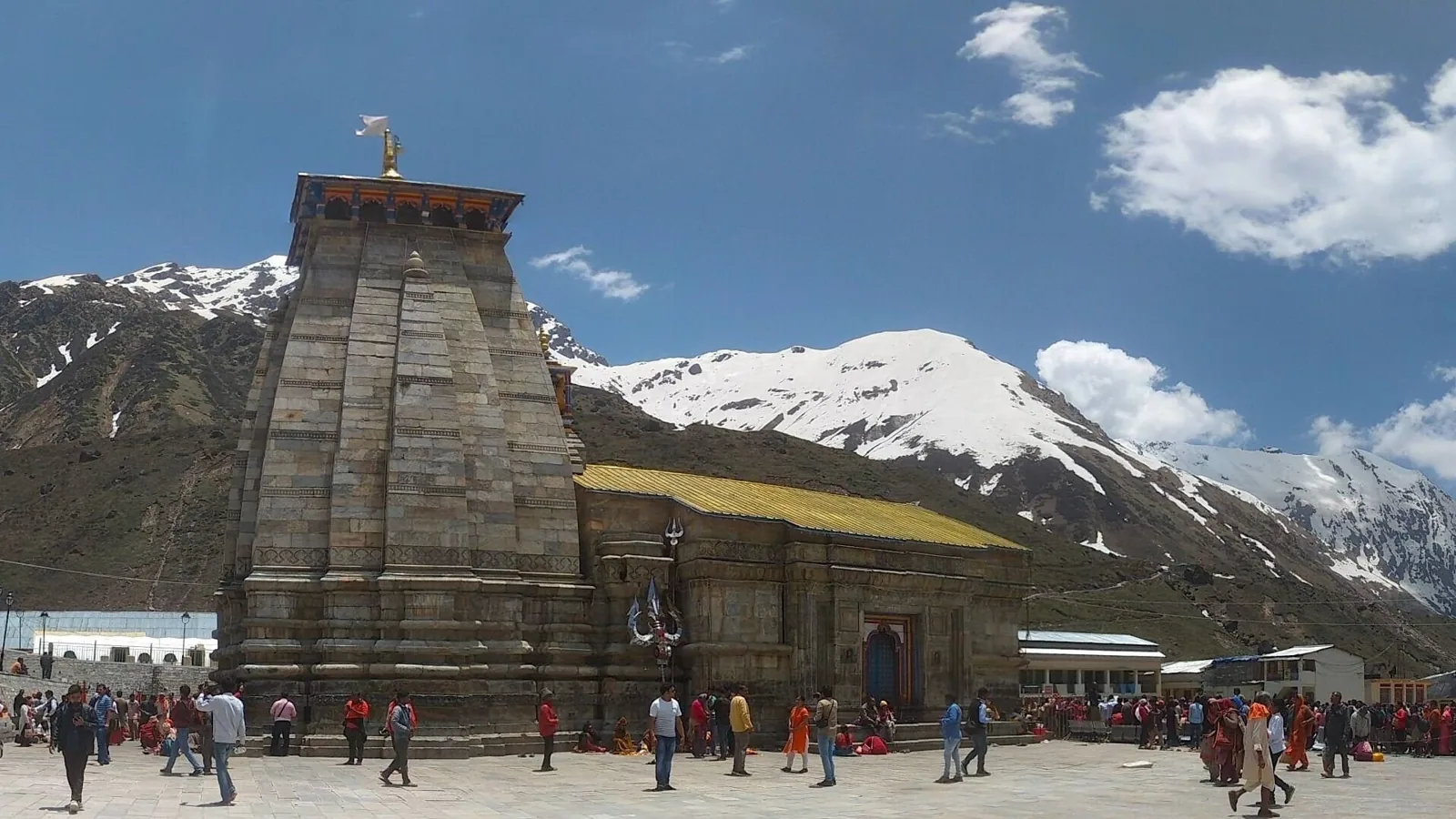
First, sign up on the state's official tourism portal and download your registration letter. Outlook Traveller says this is mandatory before you book a helicopter, and the Rishikesh registration counter next to the bus stand is described as optional but recommended. Incredible India says the Kedarnath temple is open roughly from May to late September, so confirm the opening dates and check forecasts before you commit. Avoid the monsoon: rockfalls and landslides can trap you for days. Start walking daily a month ahead.
Days 1 and 2: Delhi to the foothills
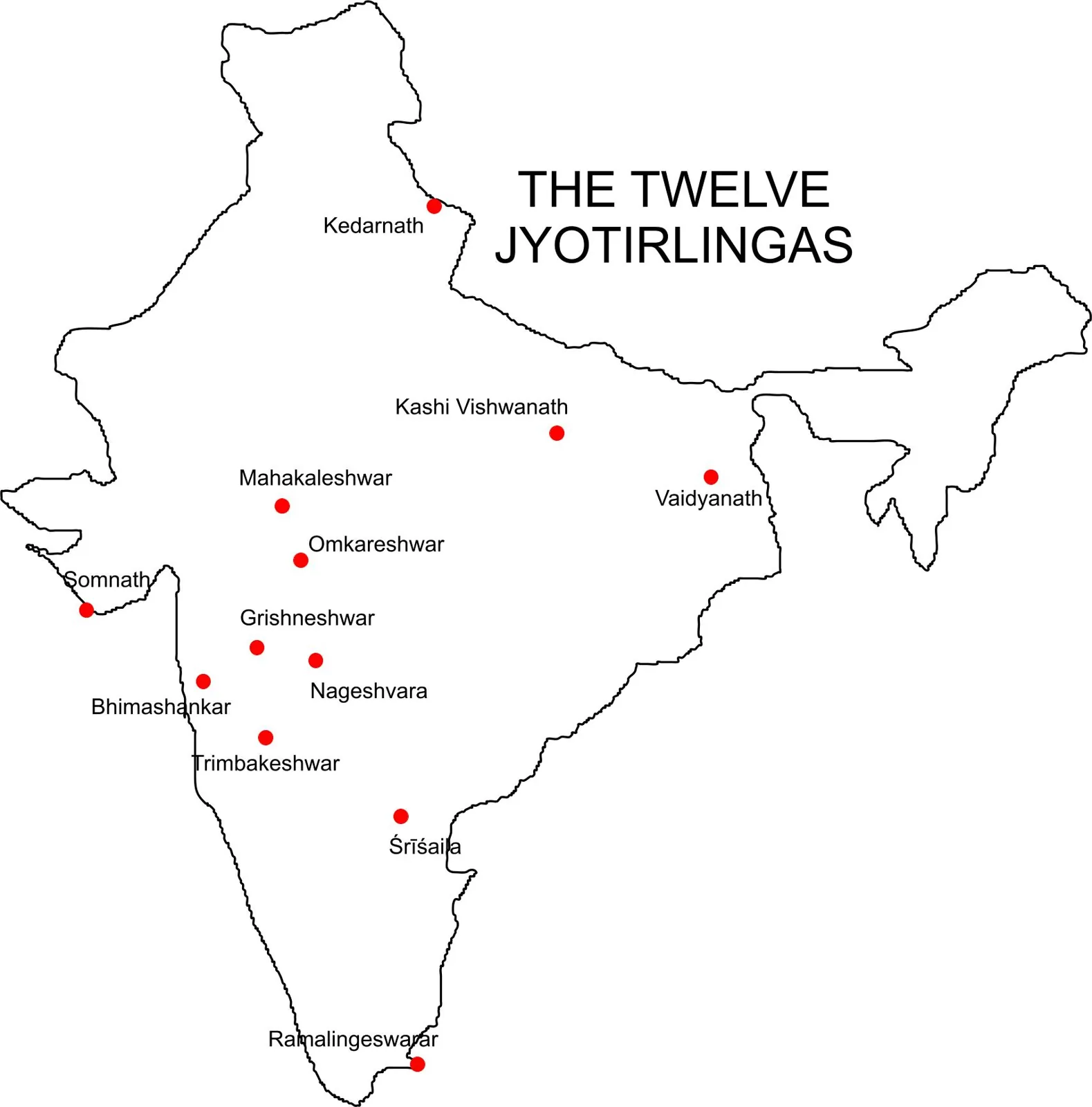
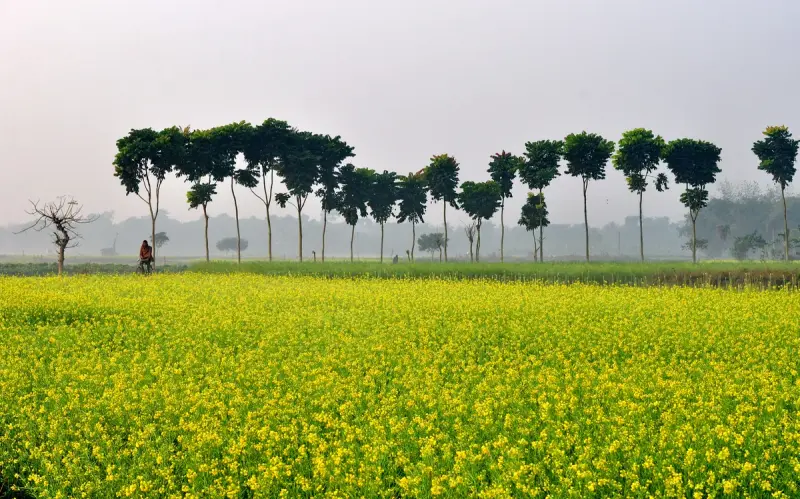
The route to Kedarnath is about 300 km from Delhi by one official estimate, ten hours without stops, which in practice means two days. The official route guide suggests nights in Haridwar or Rishikesh, then Devprayag, where the Alaknanda meets the Bhagirathi, Srinagar in Garhwal and Rudraprayag, where the roads to Kedarnath and Badrinath divide. Fill your tank and take cash at Srinagar. Petrol can run short nearer the shrine, and ATMs are fewer.
Day 3: the trek
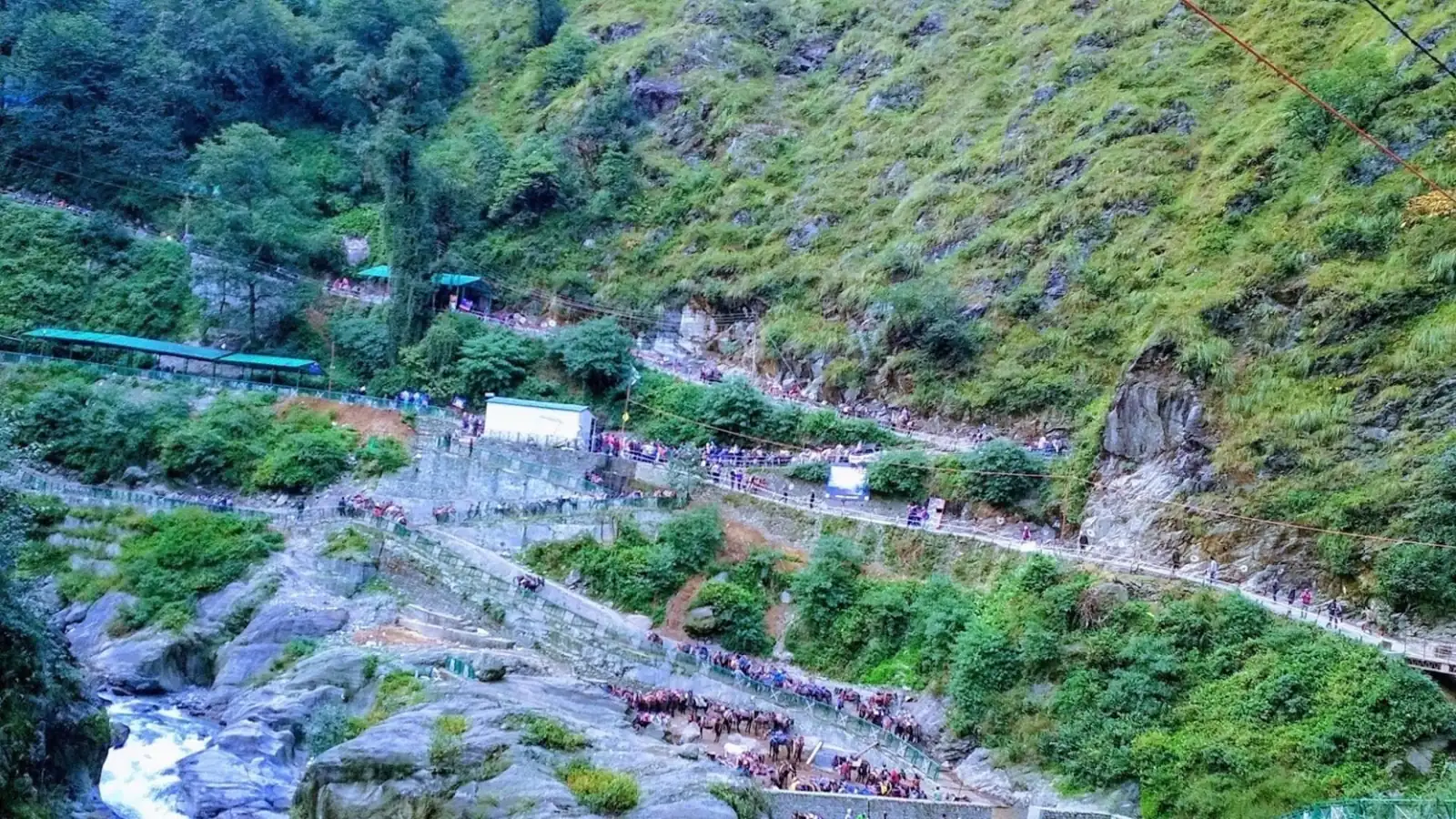
The path starts at Gauri Kund. Outlook Traveller says almost 16 km, Incredible India says 18, so read it as a long day. It takes about six hours by pony and ten on foot, and the gradient steepens after the first five or six kilometres. Start at first light and carry water, dry fruit, a rain jacket, gloves, a torch and a power bank. UPI is patchy, so carry cash. If you prefer to fly, the helicopter can be booked only through the IRCTC portal after registration.
Day 4: darshan and the descent
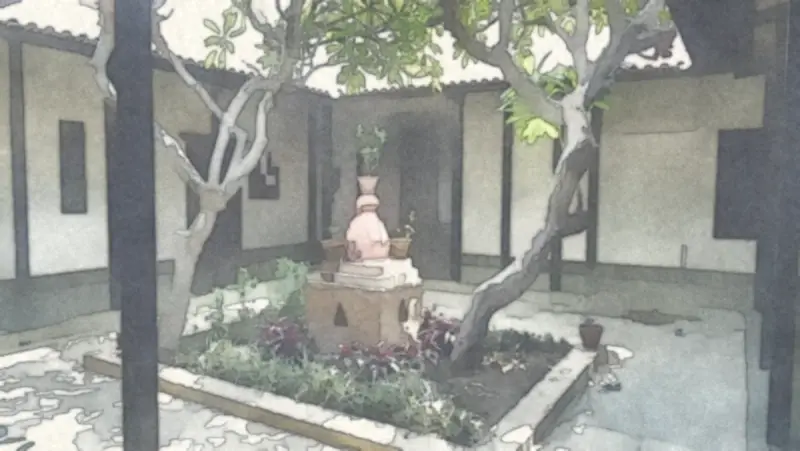
At about 3,580 metres, the air is thin and the nights are cold. Lodgings include ashrams, guesthouses, tents and a cave, and they fill quickly. Keep the evening simple and go early for darshan. After breakfast, start down: the descent is harder on knees than lungs, so carry a stick. Reach the base by afternoon and sleep as low as you comfortably can.
Day 5: the buffer, then south
Leave this day free for weather or a delayed helicopter. If nothing went wrong, use it to drive back toward Rishikesh or Haridwar, rest, and take an evening on the river. Do not book the Varanasi transfer for this evening.
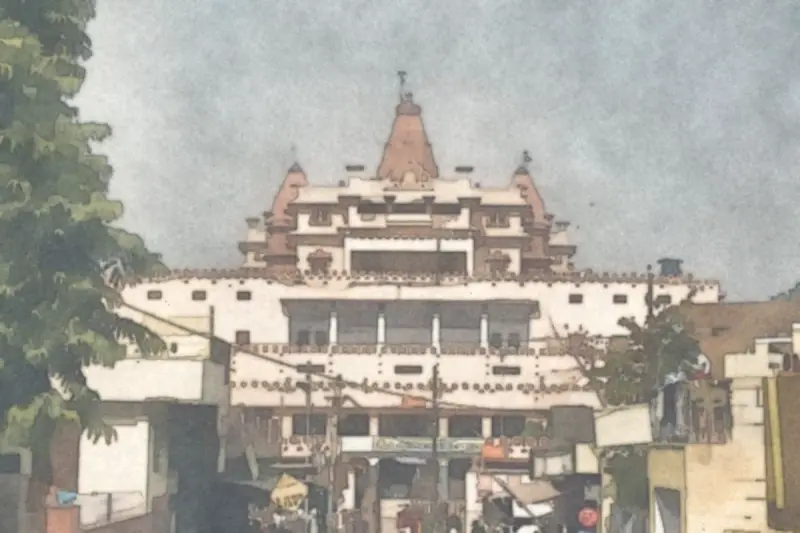
Day 6: Delhi and the long leg east
Varanasi is not a place to drive to from the hills. Come back to Delhi or the nearest big station, then go east by train or air. Check the Delhi to Varanasi timetable on the TLS links below, and arrive with a night in hand.
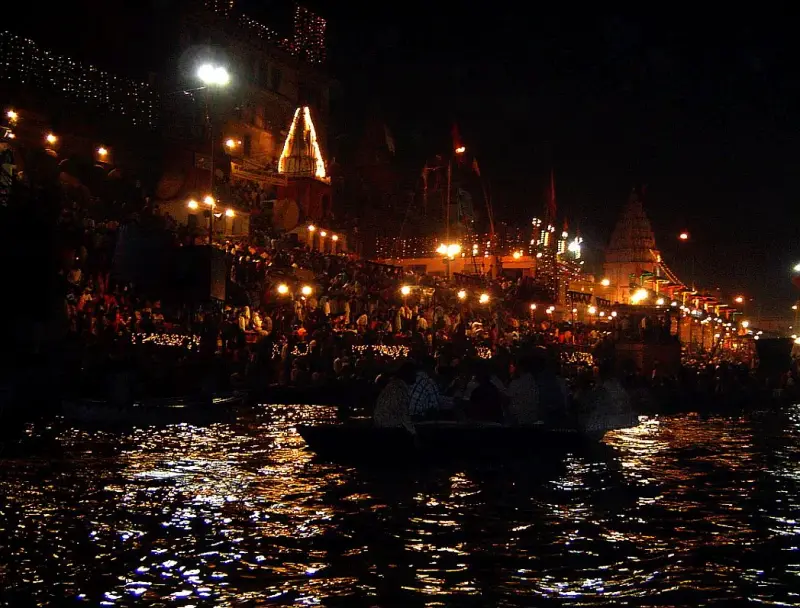
Day 7: Kashi Vishwanath and the ghats
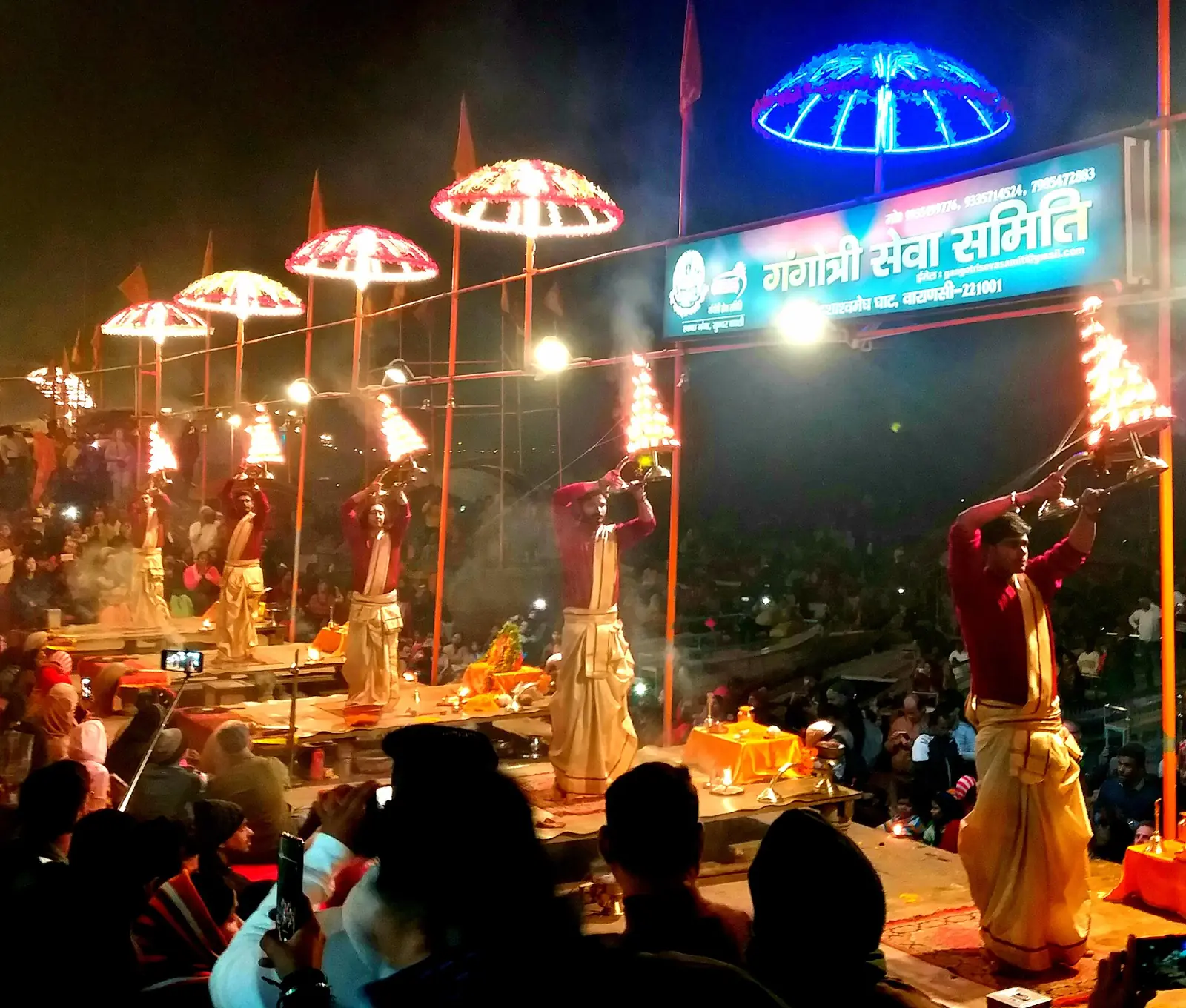
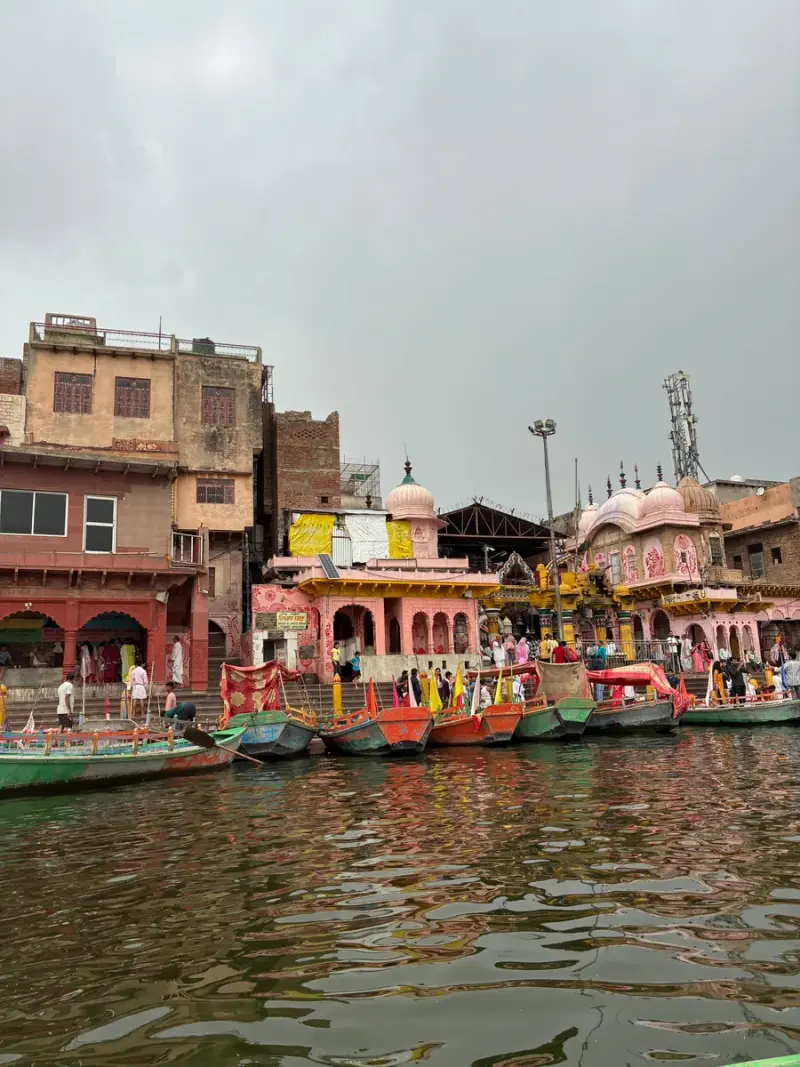
The temple is listed as open from 2:30 am to 11 pm. The corridor connects the ghats to the temple, is designed for around 50,000 devotees and has a gallery honouring Ahilyabai Holkar, who oversaw the 1780 restoration. Go early, carry little and expect security. Rest through noon. At sunset, go to Dashashwamedh Ghat for the evening aarti, which lasts about 45 minutes and starts after sunset, about half past six in summer and seven in winter. Arrive an hour ahead for a place on the steps or a boat.

Day 8: sunrise boat and Sarnath
Take a rowing boat at dawn, when the ghats show their morning ceremonies, then breakfast on kachori sabzi. In the afternoon go to Sarnath, where the museum is open 10 am to 5 pm and closed on Fridays. The Ashoka Lion Capital is its great piece.
Day 9: the way home
Keep the last day for a slow morning and the flight or train back to Delhi. If you want a longer Varanasi stay, the three day guide on this site fills it.
What to pack for two climates
This trip asks for two wardrobes. In the Himalaya, think thermals, a fleece, rainwear, woollen gloves, a cap, sturdy shoes and walking poles. In Varanasi, think light cotton, a scarf for the temple, slip on shoes and a hat for the river. Pack the Varanasi clothes in a separate bag and leave it in Delhi or at your Haridwar hotel while you climb, so you carry only what the mountain needs. Keep photocopies of your ID, the registration letter and your tickets in a plastic sleeve, because rain and river spray get into everything, and carry a small power bank for the cold nights at the top.
Planning with Laladham
Laladham picks you up in Delhi from the airport, a station, your home or hotel, and runs the mountain half with a driver used to the hill roads and the buffer day built in, with the long hop east arranged for you. Share your dates on the [book page](/book) and ask for a quote.
Questions, answered
Is registration needed for Kedarnath?
On the state portal, yes. A helicopter seat cannot be booked without it.
How long is the trek?
Published figures run from about 16 to 18 km, and most people need a full day.
Can I drive to Varanasi from Kedarnath?
No, that would be a punishing detour. Head back to a big station and cross by rail or air.
When is Kashi Vishwanath open?
The tourism listing gives 2:30 am to 11 pm.
What time is the Varanasi evening aarti?
Shortly after dusk, with the clock time shifting between the seasons.
Why add a buffer day?
Mountain weather and landslides can delay a leg by a day.