This itinerary sets the hours around what is actually fixed: the aarti, the temple timings and the museum closing day.
Day 1: the ghats at sunrise and Kashi Vishwanath
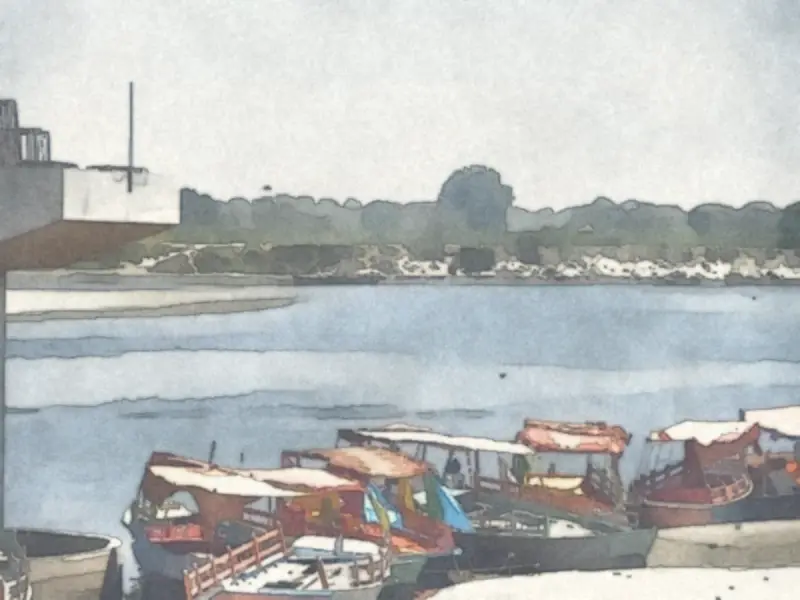
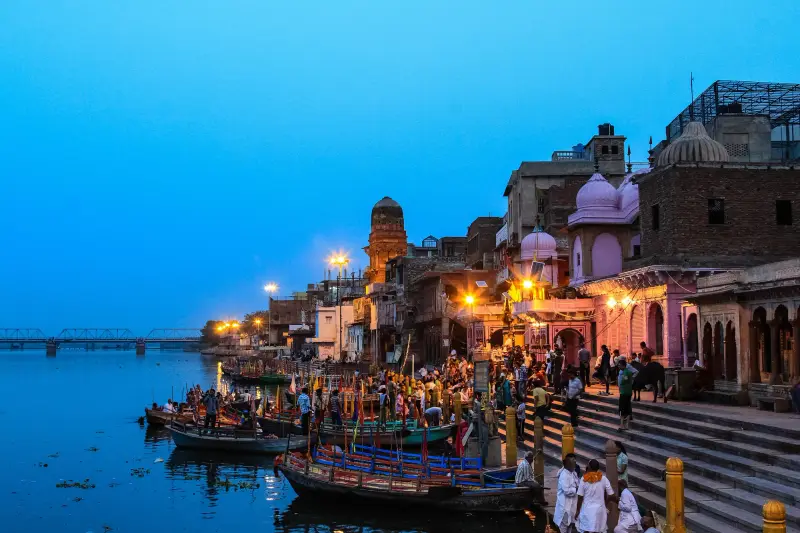
Begin with a rowing boat at sunrise. Incredible India notes that morning trips give the best view of the city and the daybreak ceremonies on the ghats, and the city has more than 80 ghats, with Assi, Digpatia, Darbhanga, Dashashwamedh, Scindia, Chet Singh and Man Mandir named among the prominent. Outlook Traveller suggests the walk at Assi Ghat, where the Assi river meets the Ganga.
Kashi Vishwanath is listed as open from 2:30 am to 11 pm, so there is no need to queue at the busiest hour. The corridor links the ghats directly to the temple, is designed to hold around 50,000 people, and includes the Benaras Gallery with a mural honouring Ahilyabai Holkar, who oversaw the 1780 restoration. Go early, leave bags behind and expect a security line.
Breakfast on kachori sabzi, with jalebi if you like it sweet, and rest through the heat of noon.
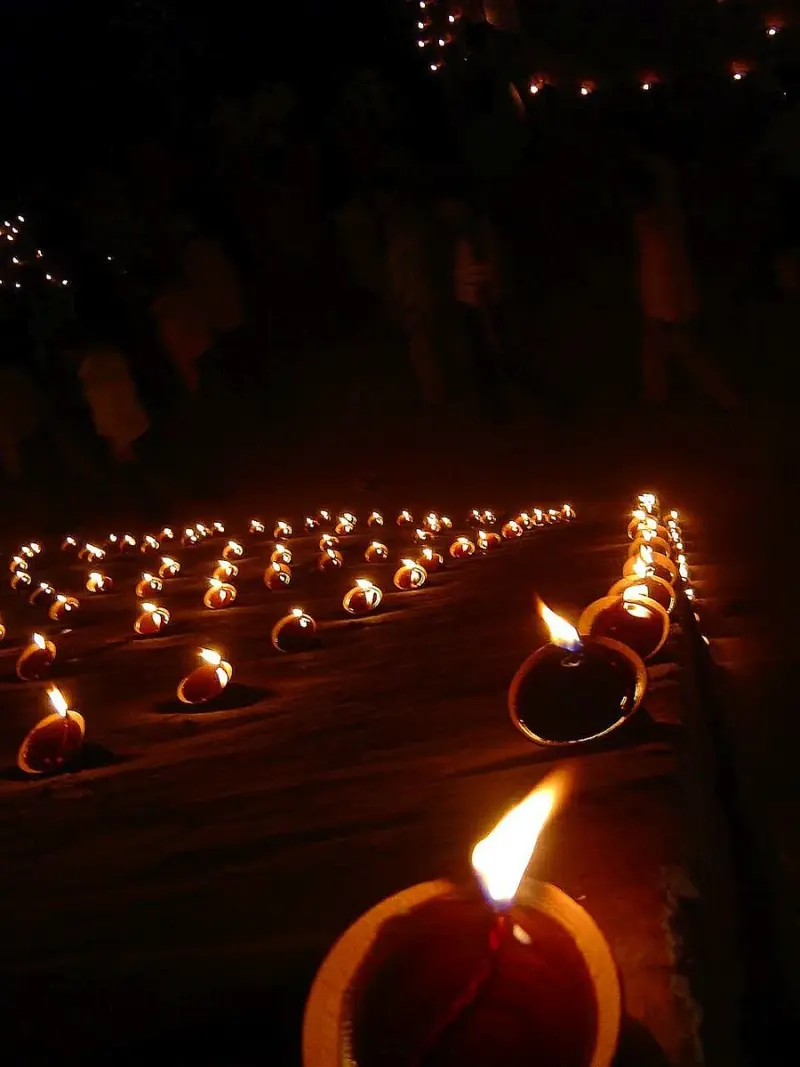
Day 1 evening: Ganga aarti
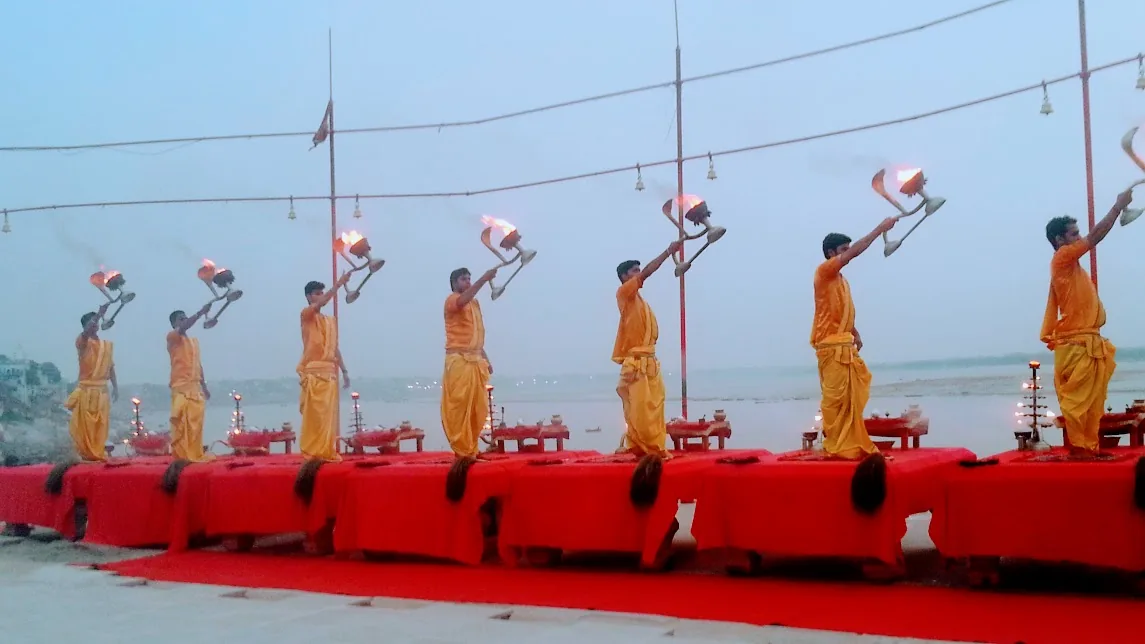
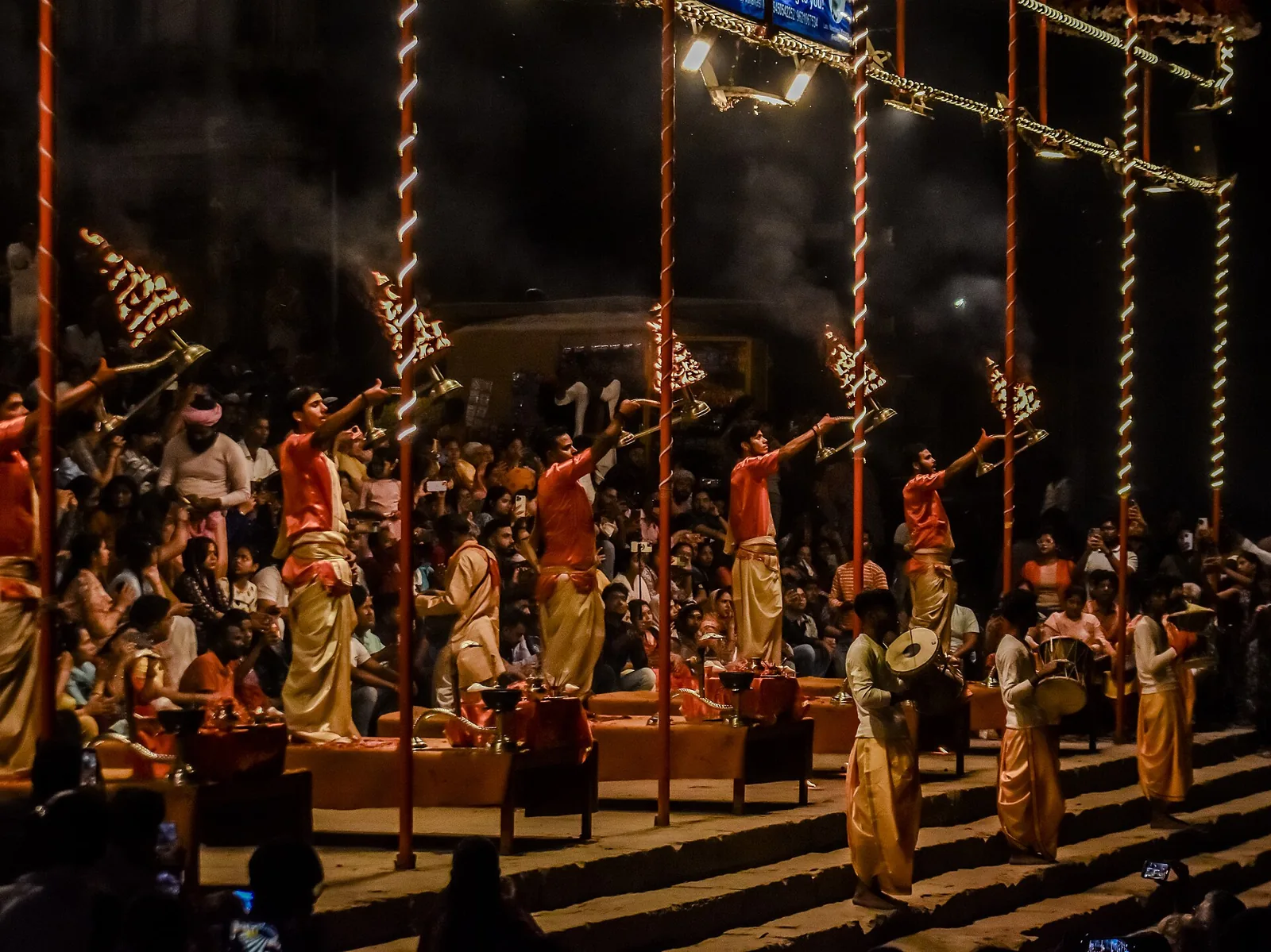
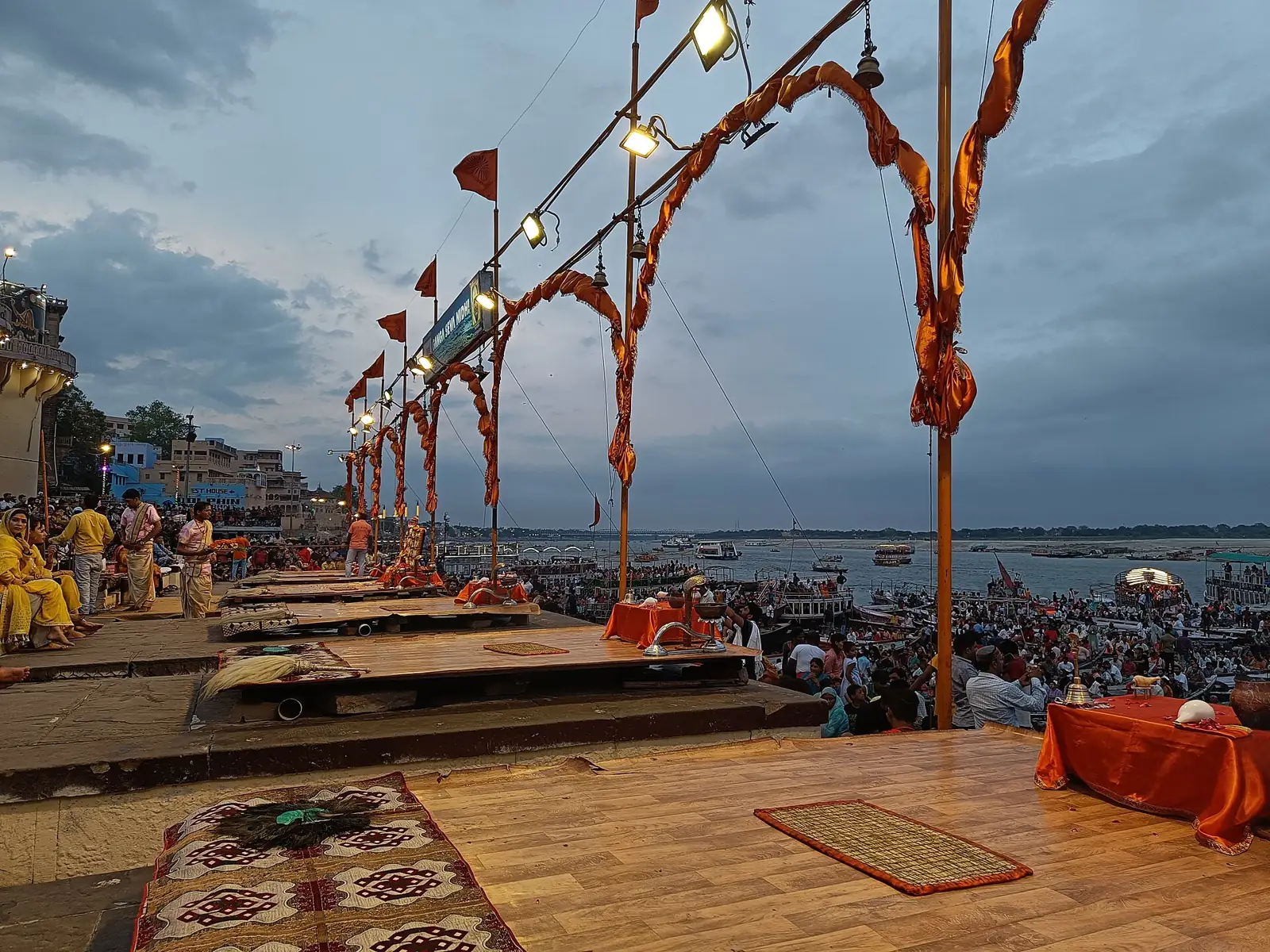
The aarti at Dashashwamedh Ghat lasts about 45 minutes and begins after sunset, around 6:30 pm in summer and 7 pm in winter. The official advice is to be there at least an hour ahead. You can watch from the steps, from a boat, or from the canopy of the Ganga Sewa Nidhi office. A boat gives the cleanest view, while the steps give the noise and the smoke.
Day 2: Sarnath and the university
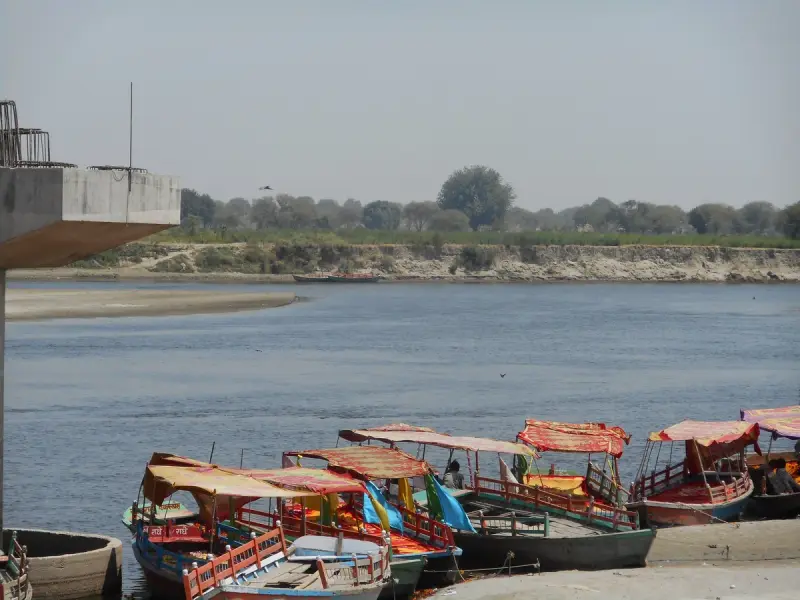
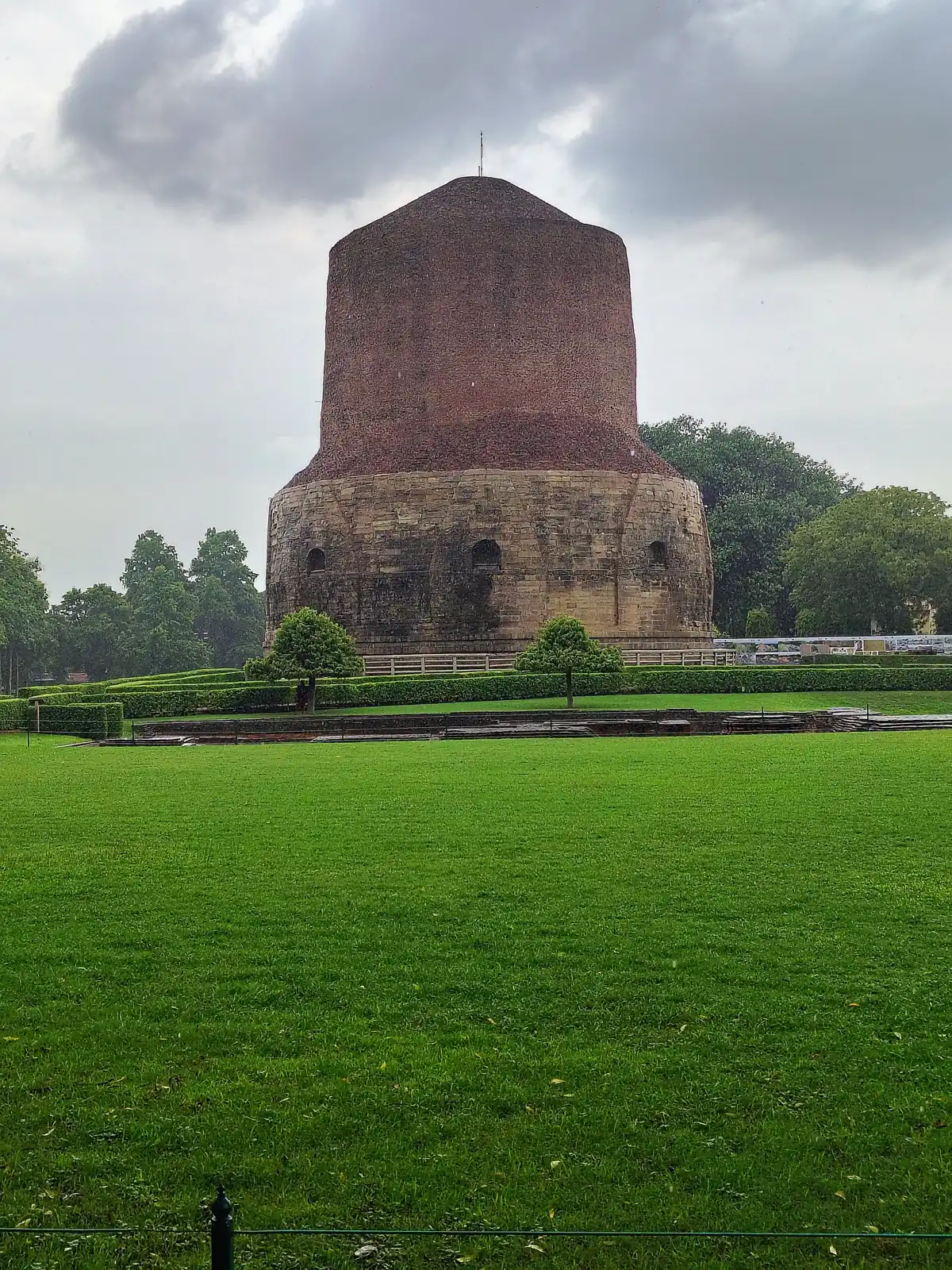
Drive out to Sarnath, about 10 km from the city. The Sarnath Museum is open from 10 am to 5 pm and is closed on Fridays, which is the single fact that ruins more plans than any other. Its five galleries hold Buddha images, deities, and the Ashoka Lion Capital in the Shakyasimha gallery. Outside, the Dhamekh Stupa and Mulagandha Kuti Vihar are an easy walk, and the Chaukhandi Stupa is recommended nearby.
Return for lunch and give the afternoon to Banaras Hindu University, whose Indo Gothic campus is large and green, and the Bharat Kala Bhavan museum inside it. Evening: any quiet ghat, with a cup of chai.
Day 3: lanes, silk and a Banarasi lunch
Hand the morning to the old city. Outlook Traveller recommends walking tours of the narrow lanes, with silk weaving workshops and spice markets. Incredible India explains that a Banarasi saree takes 15 days to a month to weave and sometimes up to six months, depending on the design, so choose a weaver, not a shop with a sign. Brassware, glass bangles, wooden toys and Bhadohi carpets also come from the region.
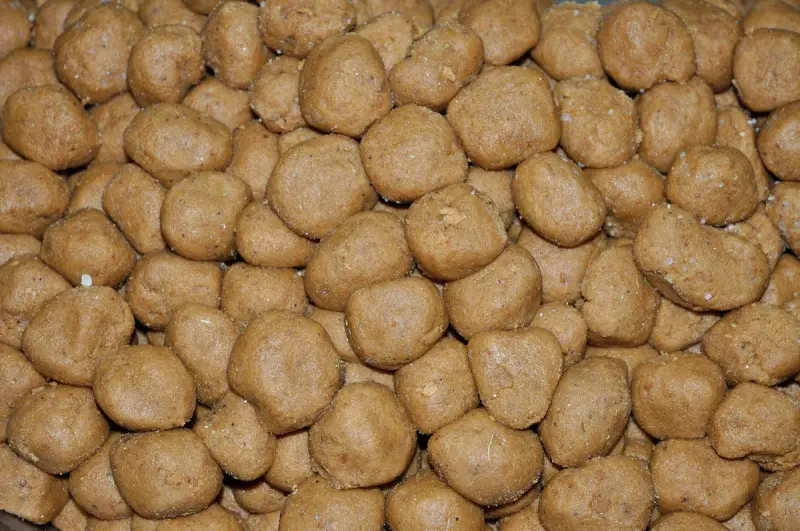
For lunch, work down the list: kachori sabzi, chena dahi vada, litti chokha, tamatar chaat and chooda matar. Kashi Chaat Bhandar at Godowlia, New Rajshree Sweets and Rajendra Chaurasia Paan are the names the official page gives. Finish with Banarasi thandai or a lassi.
When to go
Official advice favours autumn, with pleasant weather and festive evenings. Dev Deepawali, on the full moon about 15 nights after Diwali, fills the ghats with lamps. Winters are cool, with January lows near 4.5 degrees Celsius, while May can reach 45 degrees, so plan any summer visit around dawn and dusk.
Small rules of the river
Varanasi asks a few things of its guests. Do not photograph cremations at Manikarnika and the burning ghats, and keep your voice low there. Agree a boat fare before you step in, and settle whether it includes the aarti hour. Offerings of flowers and diyas at the water are sold by children at the steps; buy one if you wish, but do not feel pushed. Keep your phone secure on crowded steps, because lanes and stairs tempt pickpockets, and carry a bottle of water for the walk back.
Getting there and around
Lal Bahadur Shastri International Airport and Varanasi Junction are the main arrival points. Inside the old city, walk, since lanes are too narrow for cars and the noise of horns adds nothing. Carry cash, wear shoes you can take off easily and keep your bag light.
Laladham in Varanasi
Laladham picks you up in Delhi, from the airport, a station, your home or hotel, and plans the complete trip: the train or flight leg, stays near the ghats, a driver for Sarnath and a guide on request. Tell us your dates on the [book page](/book) and ask for a quote.
Questions, answered
What time is the Ganga aarti?
After dusk: about 6:30 in the evening in summer, 7 in winter, running some 45 minutes.
When is Kashi Vishwanath open?
The official page lists 2:30 am to 11 pm.
Which day is the Sarnath Museum closed?
Fridays. It is open 10 am to 5 pm on other days.
How far is Sarnath?
Around ten kilometres out of town.
Are three days enough?
Yes for ghats, temple, Sarnath, silk and food. Add a day for slow mornings and a Ramnagar visit.
When is the best season?
The cooler half of the year. Summer afternoons are very hot.