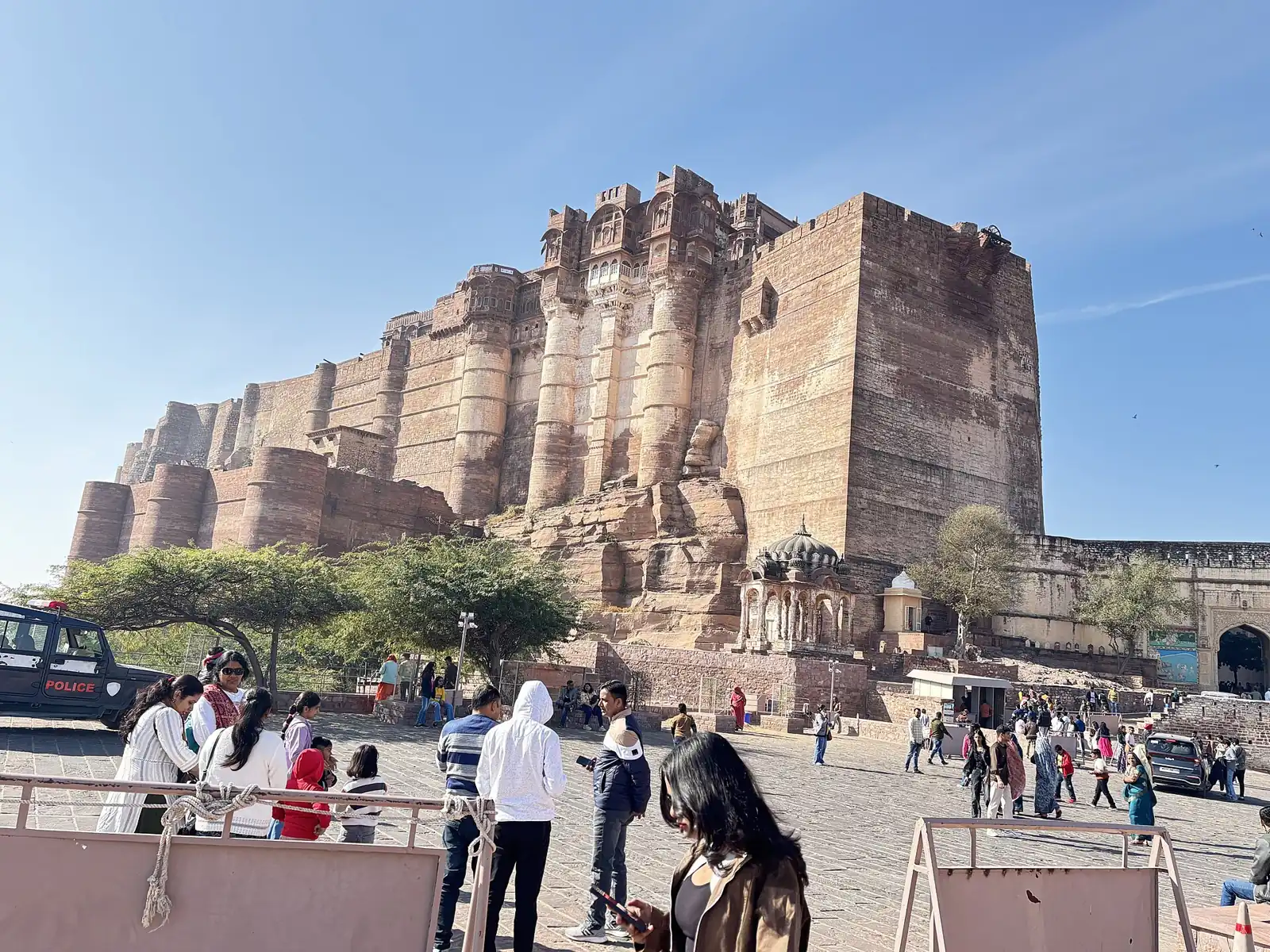
The walk is worth doing once, on the way up and in the morning, because by the time you leave the museum your legs will vote for a ride.
Mehrangarh: the official numbers
The museum runs 9 to 5 every day, and ticket sales stop at 5, so arrive by 3:30 if you want the whole thing. The museum's own page lists domestic tickets at Rs 200 (Rs 100 for students and seniors) and international at Rs 800, with a lift at Rs 50 one way. Many blogs print lower numbers, so go by the official page. The audio guide is Rs 180, included for international visitors, and guides are paid directly: Rs 500 for a group of up to four.
Entry is free on 12 May, Jodhpur Foundation Day, with only the lift charged. Check the fort's dates around Navratri in October, when access can be restricted.
Walking the galleries
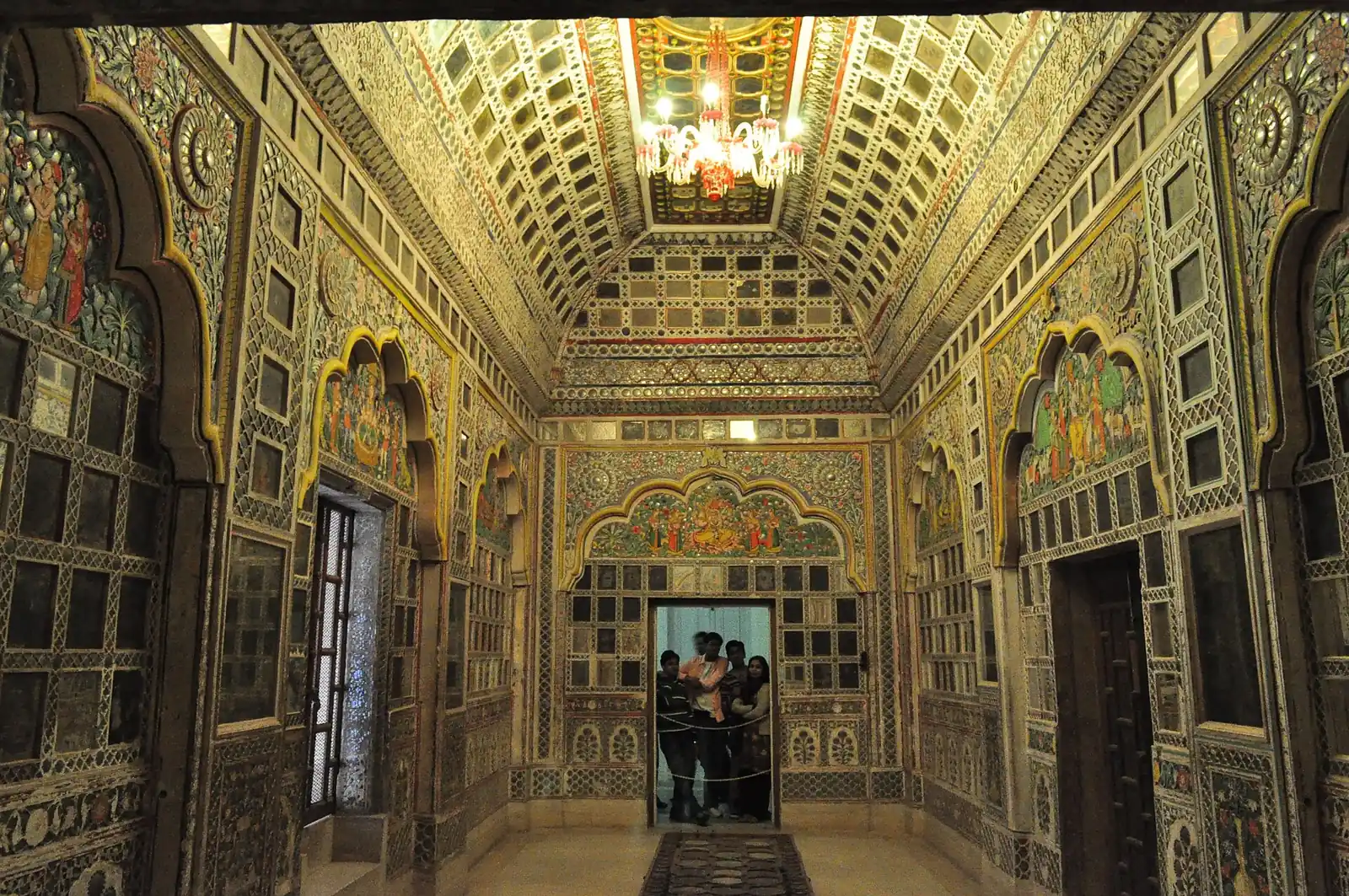
The galleries are the howdahs, palanquins, painting, textile and arms rooms, plus the Daulat Khana. The period rooms are the real show: Phool Mahal, with a ceiling of gold leaf and mirror work, then Sheesh Mahal, Takhat Vilas, Moti Mahal and the Jhanki Mahal. Allow a long morning, with the commentary in your ears and a walk along the ramparts.
Look at Jai Pol, the first gate, built in 1806, where cannonball marks from Jaipur's forces are still visible. At Loha Pol you can see handprints of the women who performed sati, preserved in stone. These are small, quiet moments in a loud fort.
Jaswant Thada, the white marble stop
About 500 m north-east, the cenotaph of Maharaja Jaswant Singh II, built in 1899 in white marble, gives the best view of the fort's south face. It is open roughly 9 to 5 and takes 30 to 45 minutes. The light on the fort is best at 9 to 11 in the morning or 3 to 5 in the afternoon.
The blue lanes, honestly
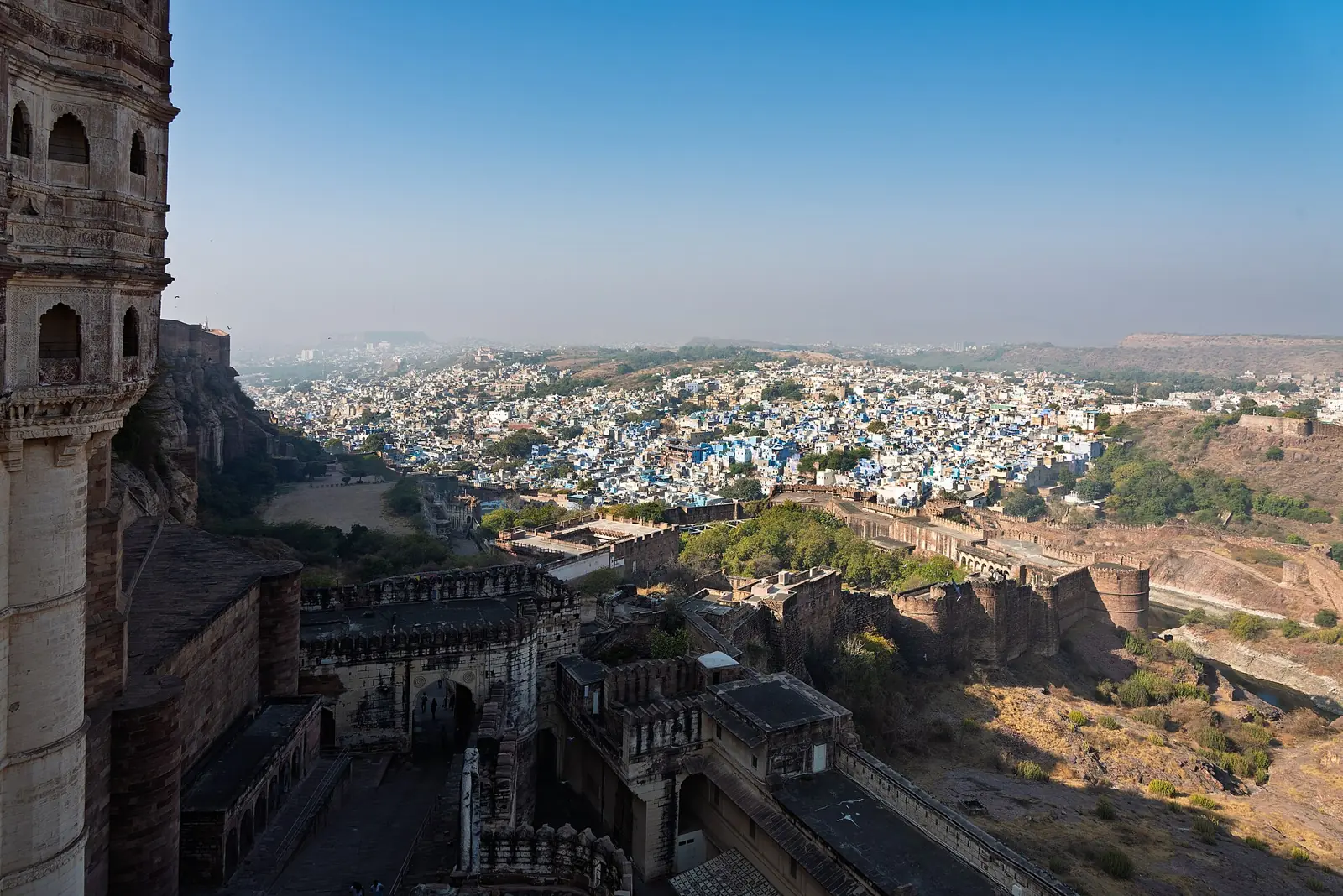
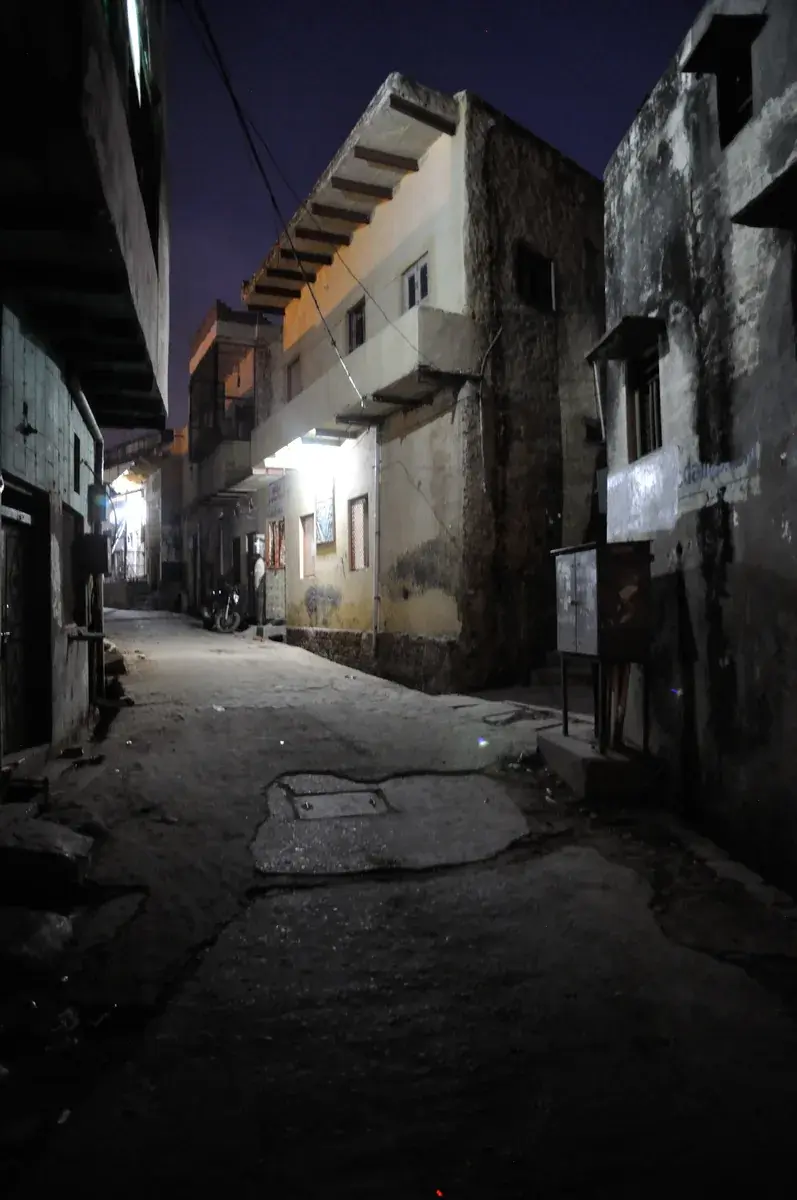
The blue paint is concentrated in the Brahmpuri and Navchokiya lanes below the fort, not spread over the whole city. The tourism board says the blue is said to have started with the Brahmins, who may have used it to mark their caste and to stay cool; a copper sulphate wash against insects is the other common explanation. Walk it slowly, and be wary of anyone steering you into a shop. Toorji ka Jhalra, a stepwell built in 1740 by Maharaja Abhay Singh for Maharani Tanwar Ji and tucked behind the busy market, is a good detour.
Sardar Market and the clock tower
The market around the clock tower runs from about 10 in the morning into the late evening, with spice stalls, textiles and bangle lanes, and takes 90 minutes to two hours. Eat mirchi bada and pyaaz kachori near the tower, buy Mathania red chilli from the spice stalls, and find a rooftop under the fort wall for lunch or sunset. Chokhelao, a terrace restaurant inside the fort, serves a silver thali with city views. A guide helps you avoid the pushier shops.
Umaid Bhawan and day two
Umaid Bhawan, about 3 km south-east of the old town, was built by Umaid Singh in the 1930s and 1940s and is called the last royal palace built before independence. Only the museum wing is shown to visitors, open about 9 to 5 for roughly an hour. If you stay longer, the second day suits Mandore, with its cenotaphs and Hall of Heroes where monkeys need watching, the Bishnoi villages, or Osian, about an hour away. One full day covers the fort, Jaswant Thada and the old city; a half day covers only the fort.
Planning notes
Old-city hotels sit about ten minutes' steep drive below the fort gate. Foreign-language guides should be booked 48 to 72 hours ahead. For sunset, watch from the ramparts or a rooftop. Early morning also gives smaller crowds than midday, which is hot in summer.
Let Laladham run it
Laladham picks you up in Delhi, from the airport, station, home or hotel, and plans the whole Jodhpur trip: the train or flight, a driver for the fort and the day-two villages, and a stay in the old city. Ask for a quote on the [book page](/book).
Questions, answered
What are the Mehrangarh timings and ticket price?
Open 9 to 5 daily with sales closing at 5. The museum lists Rs 200 for domestic visitors and Rs 800 for international, plus Rs 50 for the lift.
Is the audio guide worth it?
Yes. It costs Rs 180 and covers the galleries in order. International admission includes it.
How long does the fort take?
Plan for a long morning, ramparts included.
Is entry ever free?
Yes, on the city's foundation day in mid-May, when just the lift is charged.
Why is Jodhpur called the blue city?
Mostly in a few lanes near the fort. The reason is uncertain, with caste marking, an insect-repelling wash and cooling all suggested.
Can I visit Umaid Bhawan?
Yes, though the museum is the part you can see, a few kilometres from the old town.