What a first-time visitor needs is a way to decide, because the state is a chain of separate valleys with long roads between them. The right choice depends on whether you want a hill-town stroll, an adventure or a quiet temple trail, and on the month, since closures here are real.
Shimla and the narrow-gauge train
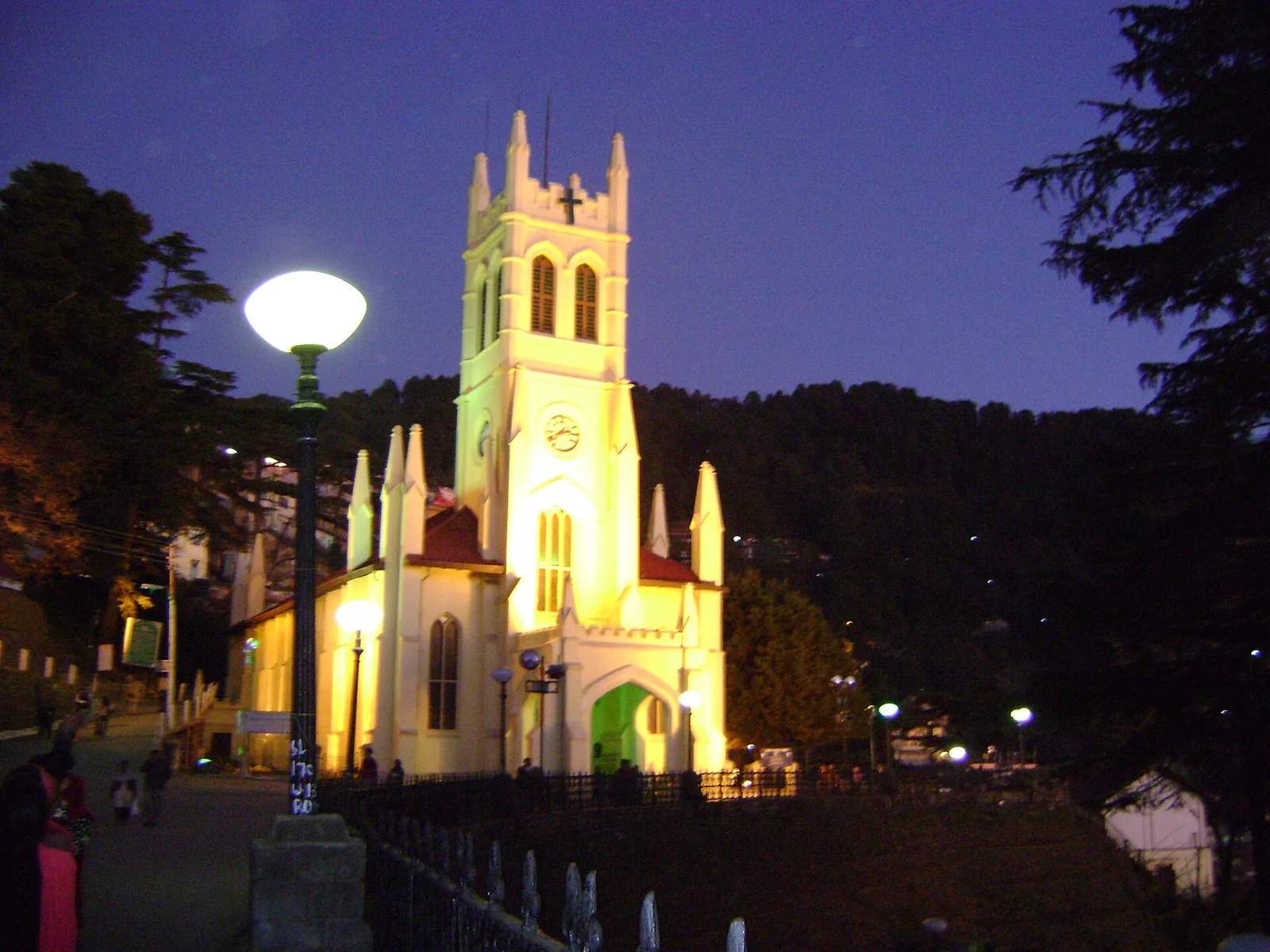
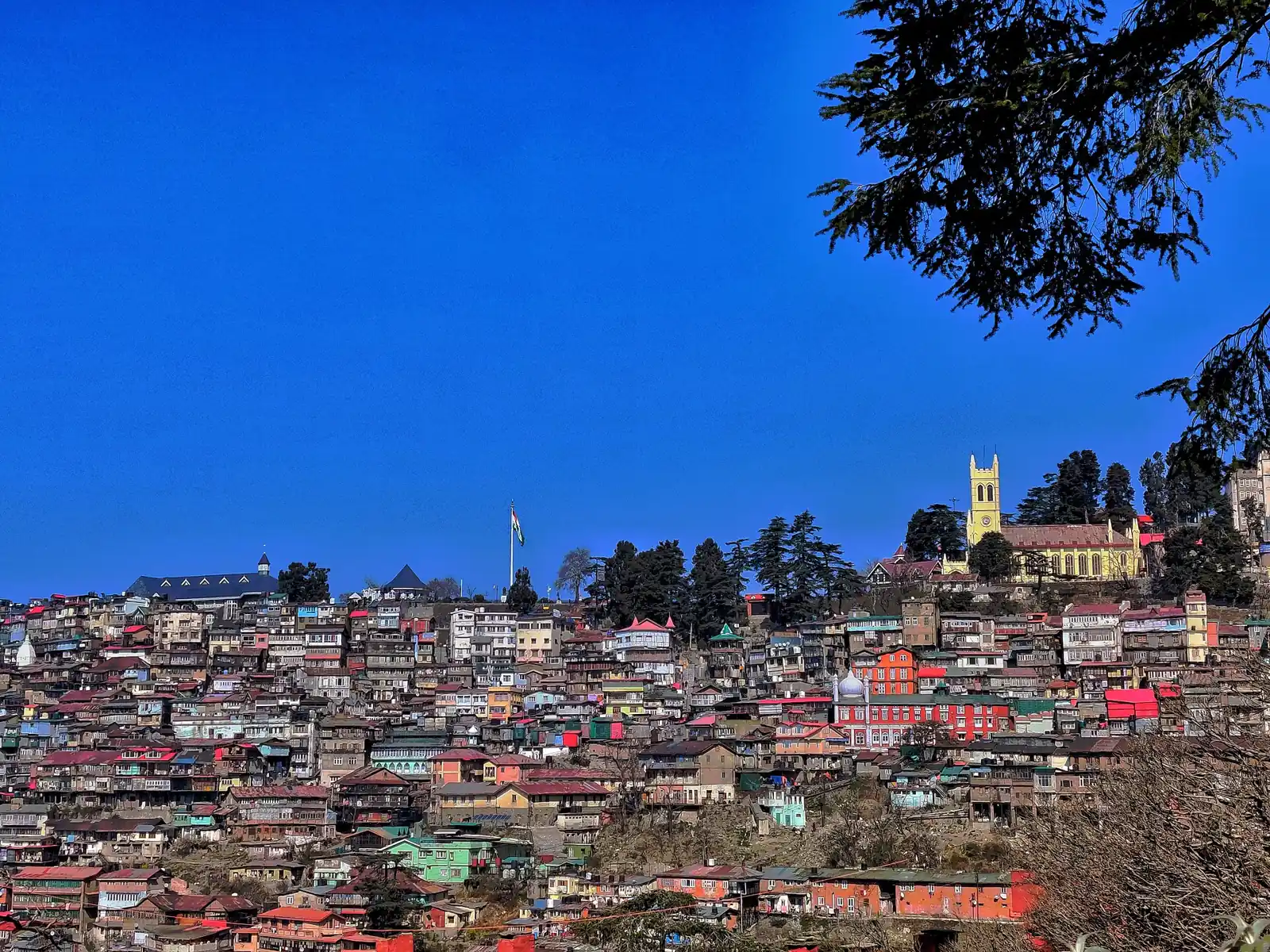
Shimla is the old summer capital, strung along a ridge with colonial buildings, the Mall and Christ Church. HPTDC lists it at 370 km from Delhi, roughly eight or nine hours by road via Chandigarh. The Kalka to Shimla railway, 96 km long with 102 tunnels, has been a UNESCO World Heritage line since 2008, and the full ride takes five to six hours. Timings change with the season and special trains, so check the railway before planning around one.
Manali, Solang and the Rohtang question
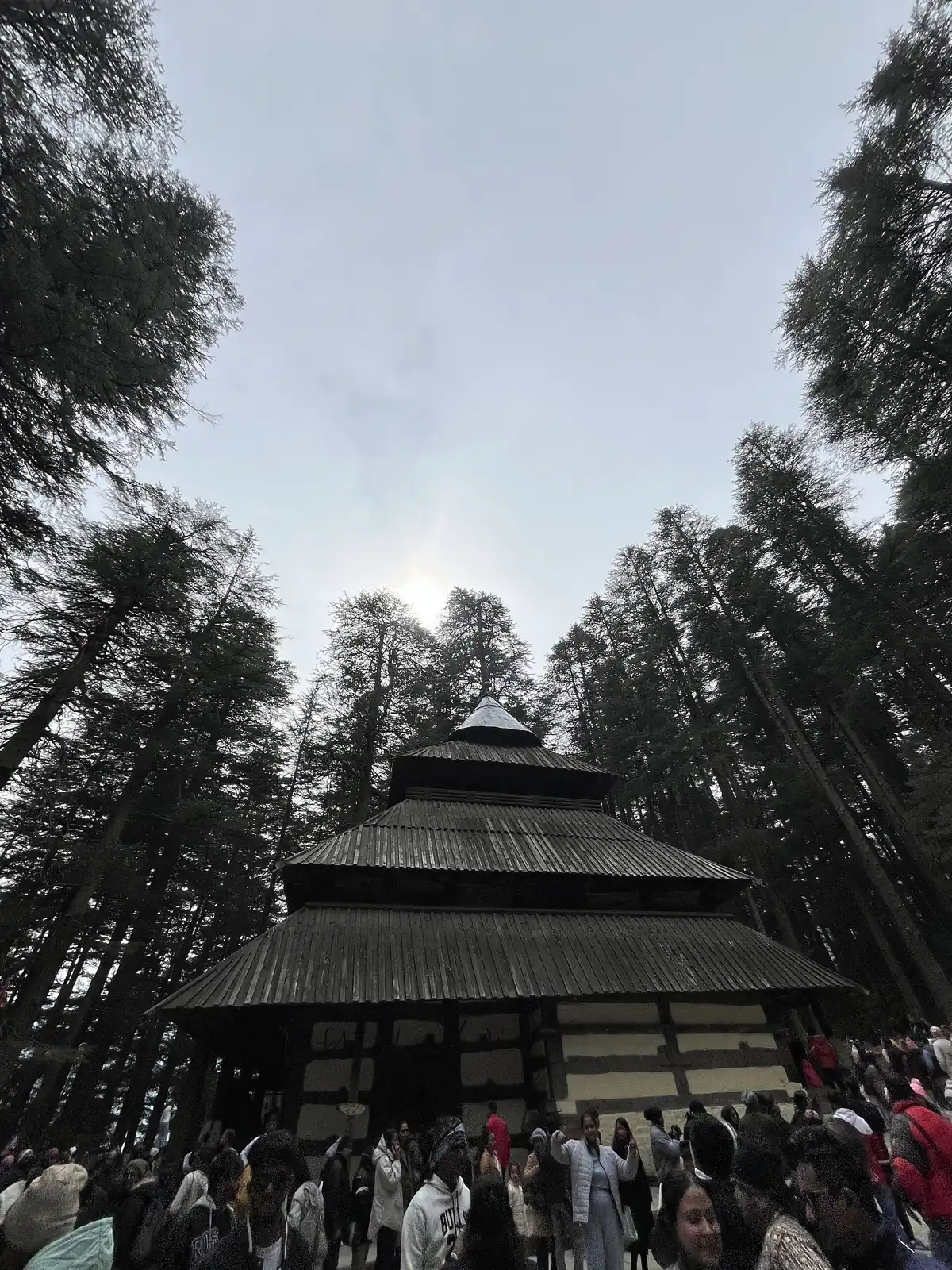
Manali, at about 2,050 m, sits above the Beas. The Hadimba temple is a wooden shrine in a cedar forest, and Solang Valley is 14 km away for paragliding or snow. Distance from Delhi is about 570 km by HPTDC's count, and the Mandi road has been widened in stretches, including a four-lane section opened in 2024, but dust and slow patches remain.
Rohtang is the subject of most confusion. A day permit is issued online, tied to a single vehicle number and date, from a daily quota. Carry the permit, vehicle papers and an ID for each passenger. The permit costs Rs 550 and the Tribune reports a cap of 1,200 vehicles a day. The road normally closes beyond Gulaba around 15 November and reopens in late May, so do not plan on it for a winter trip. The Atal Tunnel needs no permit, runs about 9 km to Lahaul and stays open through the winter apart from short closures for snow clearing. Sissu on the far side can be snowy when Manali is not.
Dharamshala, McLeod Ganj and Triund
McLeod Ganj, at about 1,780 m, is the home of the Tibetan community in exile and the Tsuglagkhang complex, with a museum and stalls of thangkas and prayer wheels. Bhagsu waterfall is about a 20 minute walk from the main square. Triund is the popular trek, put at 10 km by Outlook Traveller and 9 km by others, and the forest department collects an entry fee at a check post at Gallu and caps the day at 400 trekkers. Start by 8 am, carry cash and expect weak signal. The best months are March to June and September to mid December, and the route can close for weeks in January and February. From Manali the road is 235 km, seven to eight hours.
The goddess temples
Himachal has a string of old goddess temples, many of them Shakti Peethas, such as Jwalaji with its natural flame, Chintpurni, Naina Devi and Chamunda. Bhimakali at Sarahan is a wooden temple in the old pahari style. In the Kullu valley, Bijli Mahadev draws hikers; see our Kullu guide.
Spiti: closed more than it is open
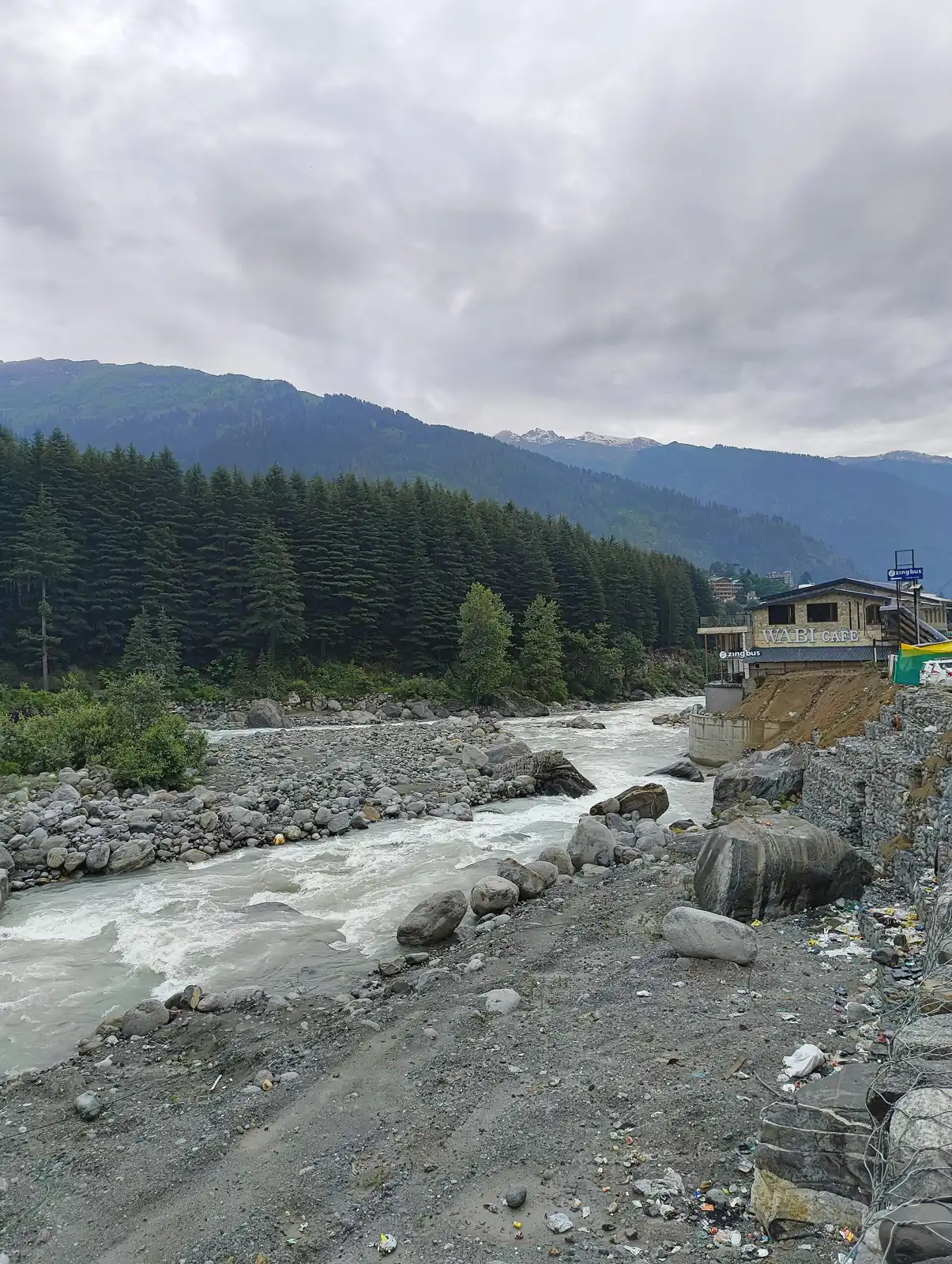
Spiti is the high cold desert with the monasteries of Key and Tabo, and it is a destination for people with time and stamina. The Manali to Kaza road usually opens between June and October, and the Tribune reported Kunzum Pass open again on 20 May 2026 after a closure of over six months, light 4x4 vehicles first. The Atal Tunnel keeps Lahaul reachable in winter but does not open Kunzum. In winter the Shimla side is the only way in, and Outlook Traveller warns it can shut briefly for landslides in spring, so you cannot complete the full circuit through Kaza and Manali until the pass opens. Altitude sickness is a real risk; go with an experienced operator and sleep low on the first nights.
Seasons
March to June is mild and green, though May and June are crowded. July to September is monsoon, striking but risky because landslides cut roads and long drives become gambles. October and November are clear and cool. December to February is snowy and cold, with some passes closed and mountain roads slower.
Distances from Delhi
By HPTDC's figures, Shimla is 370 km, Dharamshala 520 km and Manali 570 km. Mountain roads are slow, and the Mandi to Kangra stretch has few fuel stations, so refuel early. Break the journey at Chandigarh or Kalka for a comfortable pace, and keep one slack day in any plan.
Food, and travelling with elders
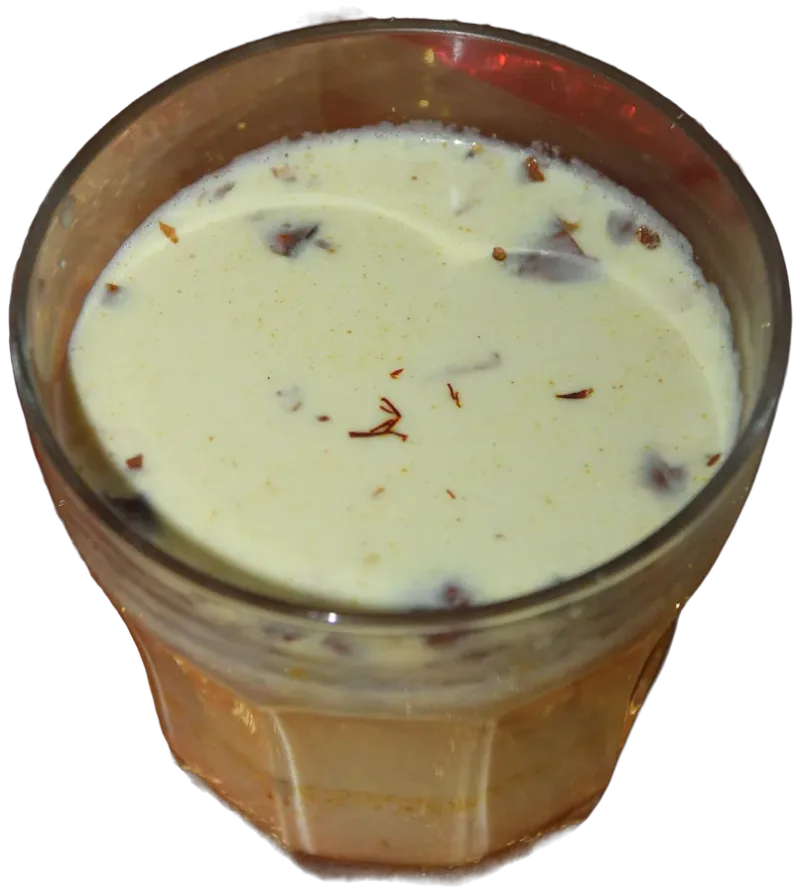
Dham, a feast of lentils, rajma, rice and a sour curd dish on leaf plates, is served at weddings and festivals. Siddu bread, momos in McLeod Ganj and trout in the Beas valley add variety. Altitude is the thing to respect: Shimla and McLeod Ganj sit comfortably low, Manali is moderately high, and Spiti and the passes are not for everyone. Keep the first night low, drink water, eat light on the road and carry motion sickness tablets.


Let Laladham run it
Laladham can pick you up in Delhi, at the airport, station, home or hotel, and run the complete trip with a driver comfortable on hill roads, stays chosen for the season and slack for weather. Ask for a quote on the book page and tell us your dates and group.
Questions, answered
Do I need a permit for Rohtang Pass?
Yes, a daily online permit with a cap on vehicles. The tunnel route needs none.
When is Spiti accessible?
Not in deep winter. The Kaza road from Manali is shut for much of the year, and the approach by way of Kinnaur from Shimla is the one that stays usable in winter.
How long is the Kalka Shimla toy train ride?
About five hours on the 96 km line, with five trains a day each way. Check timings with the railway.
Which valley is best for a first trip?
The two hill towns of Shimla and Dharamshala are gentlest. Manali is higher and busier; Spiti suits experienced or well-guided travellers.
When should I avoid Himachal?
July and August, when landslides cut roads. Deep winter also closes high passes.
- HPTDC, how to reach Himachal
- The Tribune, Kalka-Shimla railway World Heritage
- Outlook Traveller, heritage train ride from Kalka to Shimla
- The Tribune, Rohtang closes beyond Gulaba
- The Tribune, Rohtang permits daily quota
- Outlook Traveller, guide to the Triund trek
- The Tribune, Triund trek fee and cap
- The Tribune, Kunzum Pass route to Spiti reopens
- Outlook Traveller, best time to visit Spiti