Amritsar first, and not only the Golden Temple
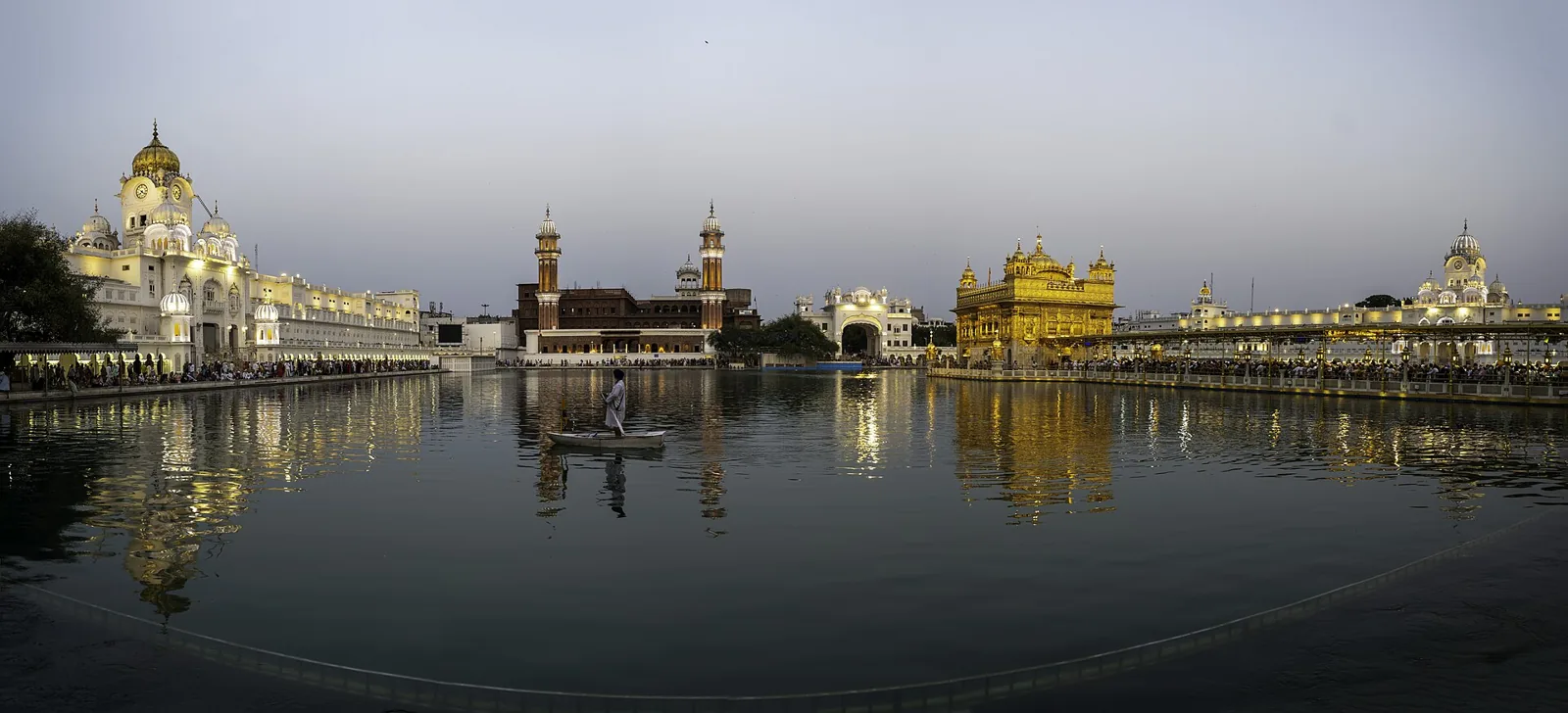
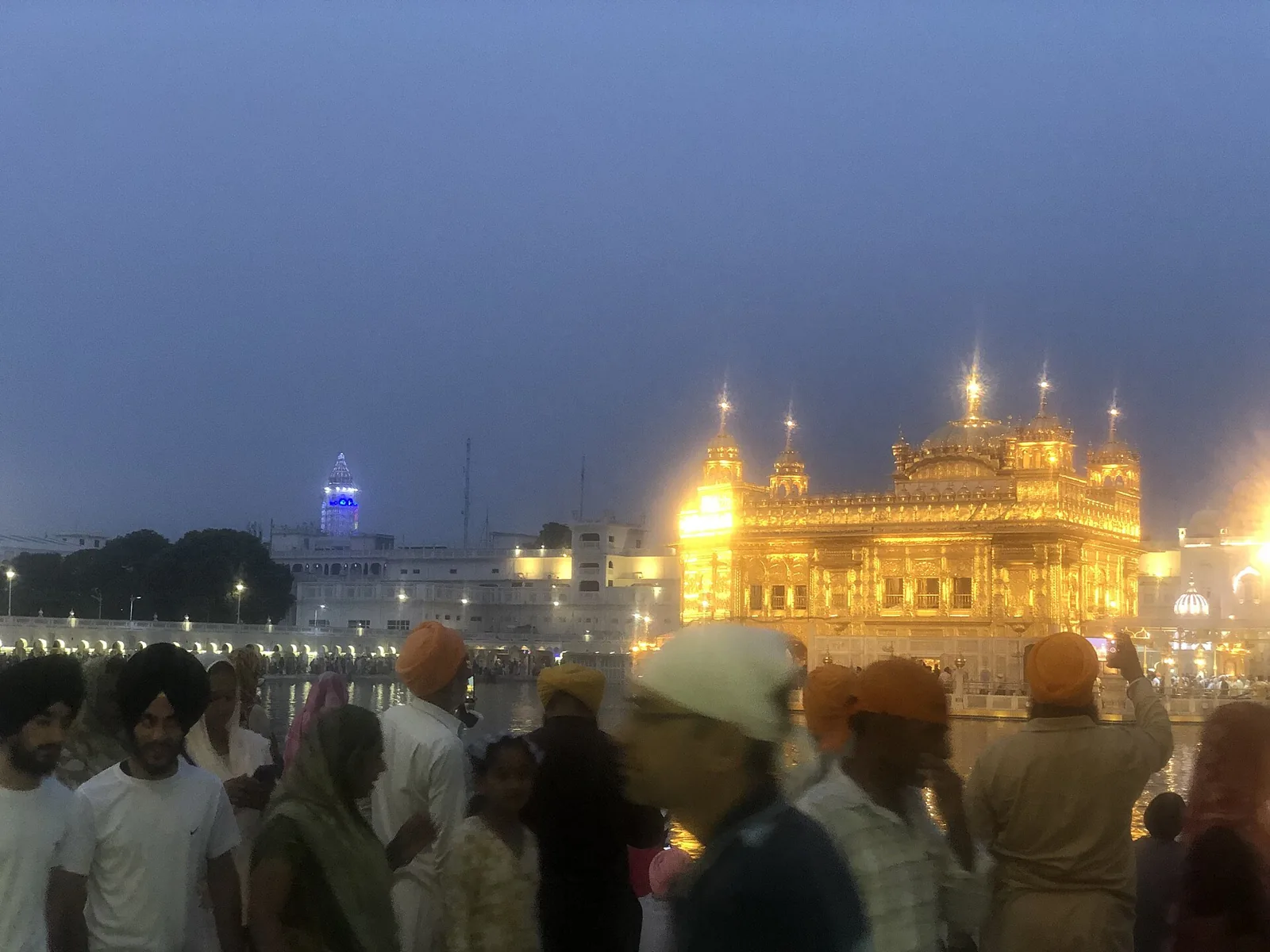
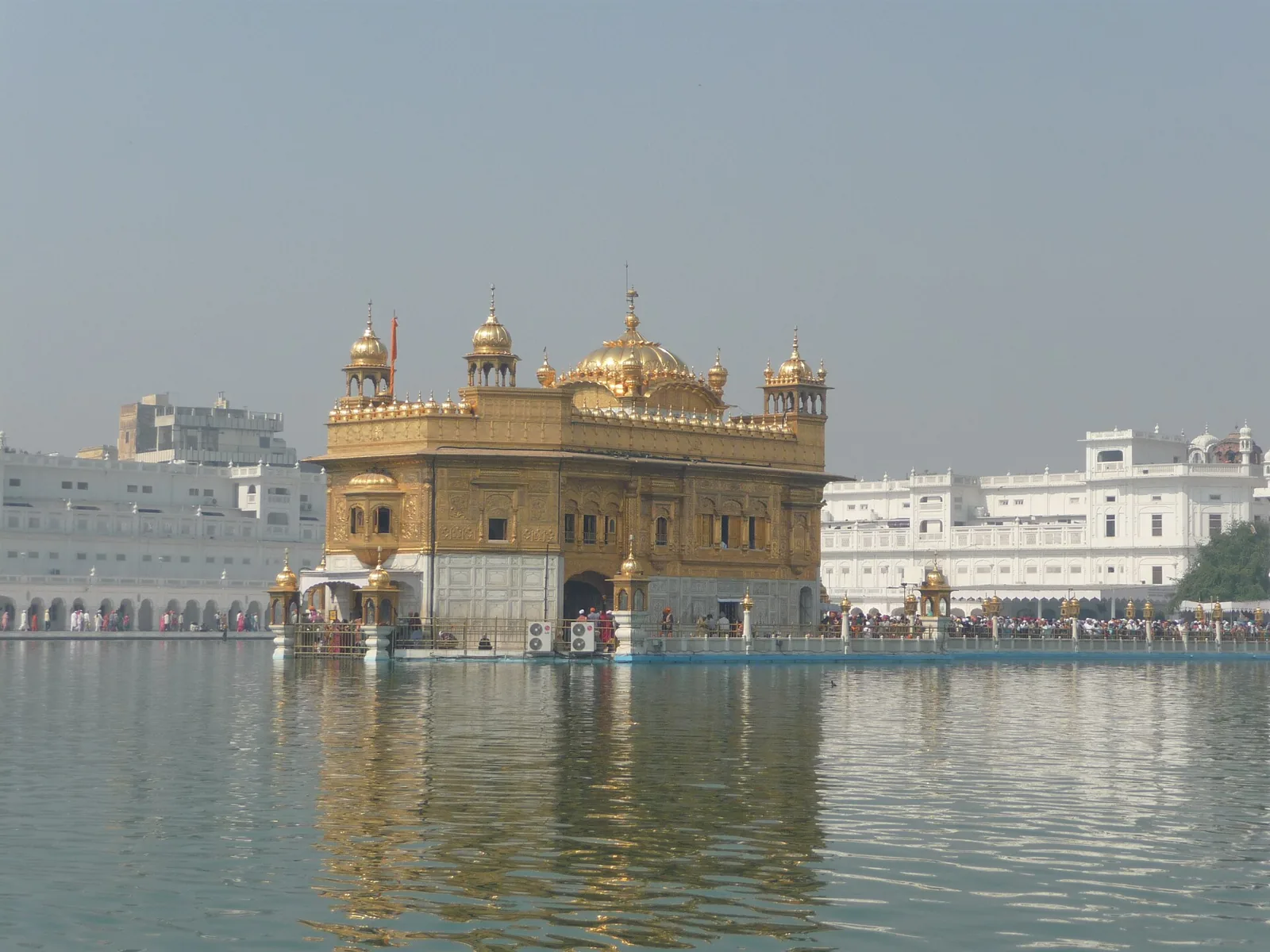
Incredible India lists the Golden Temple as free to enter, founded by Guru Ram Das in 1574 and completed in 1604, with the upper structure covered in gold by Maharaja Ranjit Singh in 1830. The SGPC, which runs it, says the gates stay open all day and night and the langar feeds roughly 75,000 to 100,000 people daily. Heads stay covered, shoes come off, and your feet are washed in a shallow channel on the way in; free scarves are on hand.
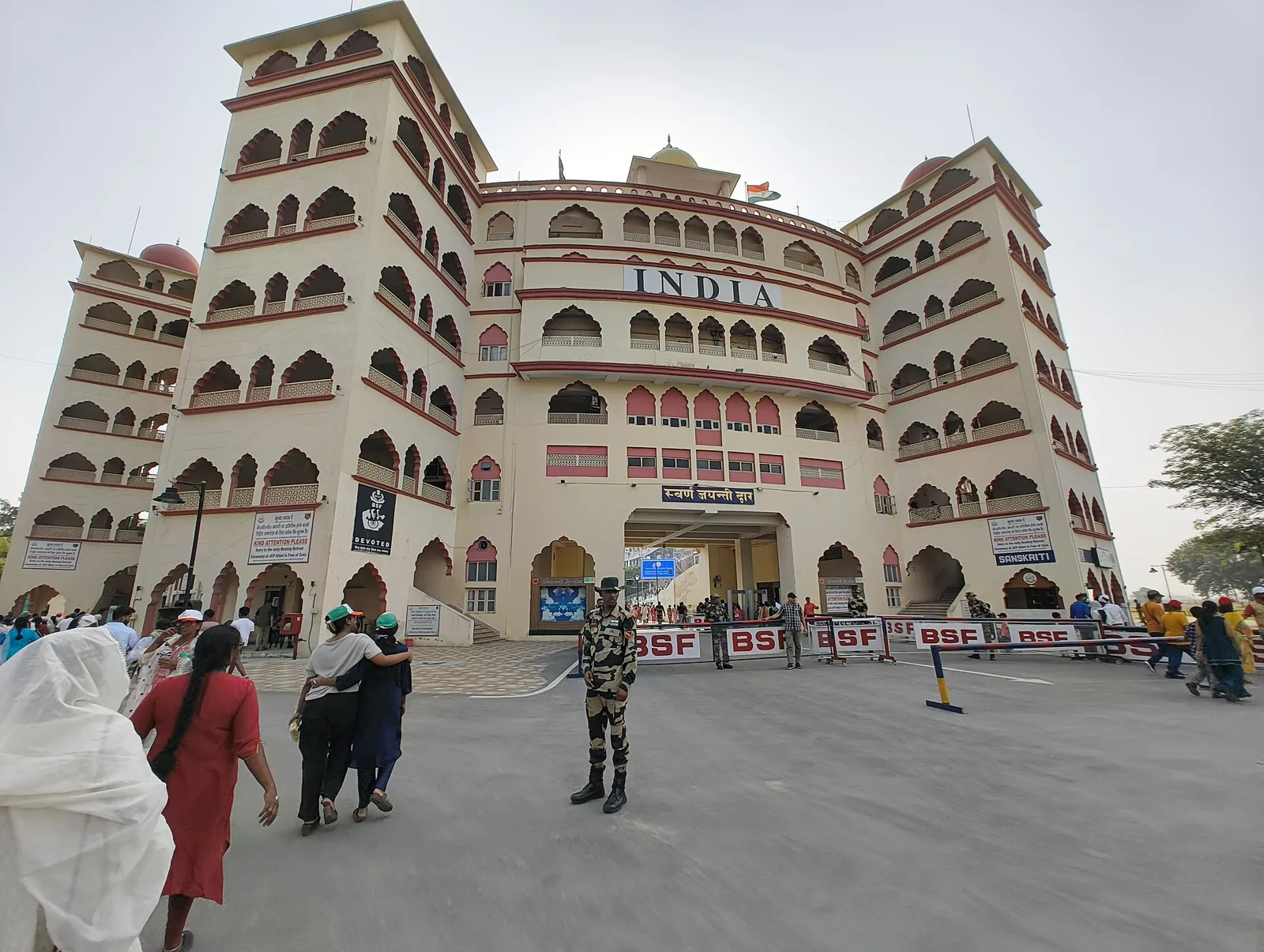
Jallianwala Bagh is a short walk away, free to enter and open from 6:30 am to 7:30 pm, a 7-acre garden marking the Vaisakhi massacre of 13 April 1919. The Partition Museum has 14 galleries and shuts on Mondays, with Rs 10 for Indian nationals. Gobindgarh Fort runs 10 am to 10 pm and a half-hour light and sound show at 7:15 pm in Punjabi and 7:45 pm in English. Wagah is about 32 km out; the ceremony time moves with the season, from 6 pm in summer 2026 to earlier in the cold months, so ask your hotel for the day's slot.
Eating in Amritsar: a short, useful list
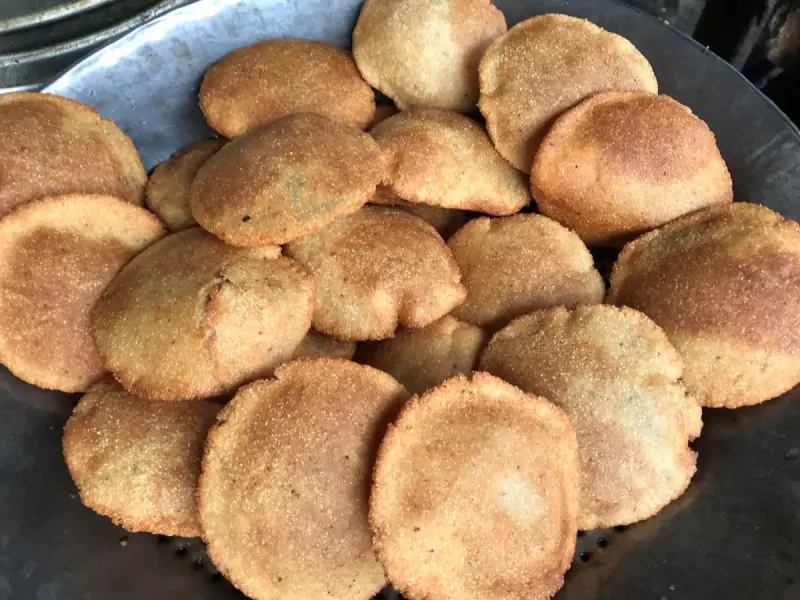
Incredible India's food list is a good start. Kesar Da Dhaba is known for its vegetarian thali and dal tadka, with waits of half an hour or more at peak times. Bharawan Da Dhaba does chole kulche, Monu Kulcha Hut and Bhai Kulwant Singh Kulchian Wale do Amritsari kulcha, and Sharma Sweet Shop sells bun samosa with cardamom tea. Gian Di Lassi has been serving since 1937 and is known for makhan malai and perre wali lassi; Ahuja's does kesar lassi and phirni. For fish, Makhan Fish and Chicken Corner is the Amritsari fish address, and Beera Chicken House is the roast chicken one. Hall Bazaar is for juttis, Katra Jaimal Singh for phulkari dupattas and Guru Bazaar for gold and silver. Rickshaws are the way through the old-city lanes.
Anandpur Sahib and the foothills
Takht Sri Kesgarh Sahib at Anandpur Sahib is where the first baptism took place on Baisakhi day in 1699; Outlook Traveller suggests half a day here. The Virasat-e-Khalsa museum, a sandstone complex on 100 acres, tells the story of Sikh history in a building shaped like folded hands. Hola Mohalla, a three-day festival started by Guru Gobind Singh in 1701, brings martial arts, horsemanship and processions, and also fills every room, so book early or avoid it. The town lies at the base of the Shivalik foothills, a calmer day than the plains.
Palaces and forts: Patiala, Kapurthala and Bathinda
In Patiala, the Qila Mubarak complex holds the Armour and Chandeliers Museum, which Punjab Tourism lists as open from 10 am to 5 pm on every day except Monday, and the Sheesh Mahal houses a museum and art gallery. Kapurthala has the Jagatjit Palace, inspired by Versailles and built in the early twentieth century, and a Moorish mosque inaugurated in 1930 under the ASI. In Bathinda, Qila Mubarak is a 30 metre fort with 32 bastions that Outlook Traveller calls the oldest surviving fort in India. These are quieter than Rajasthan's palaces and they carry a faded dignity.
Gurdwara manners, once and for all
Every gurdwara asks the same few things.
Cover your head, remove shoes and socks, wash your feet at the entrance and keep tobacco and alcohol away.
Sit where you are shown, accept prasad with both hands and keep your feet pointed away from the holy book.
Photography rules differ from place to place, and staff will tell you politely.
Nobody checks your faith, and Takht Damdama Sahib at Talwandi Sabo and Dera Baba Nanak on the Ravi are worth the drive if you have a day for them.
Festivals and the calendar
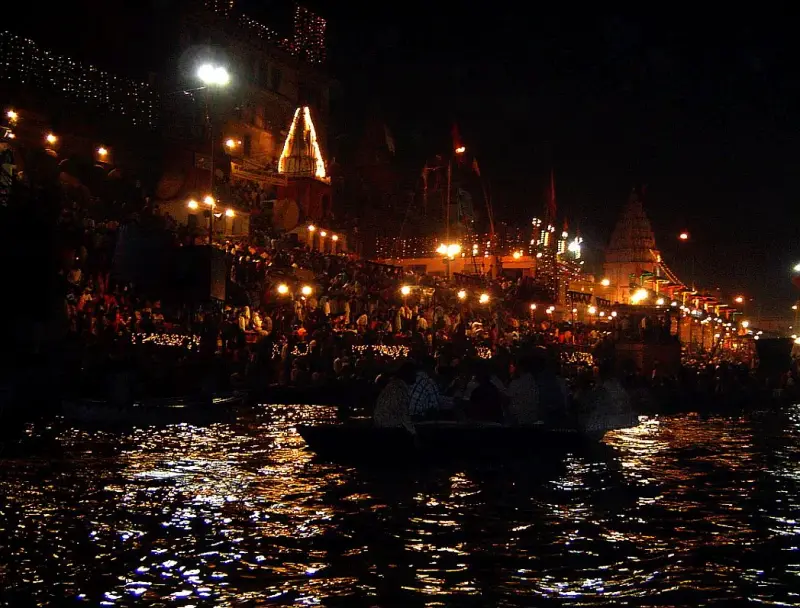
Lohri comes in mid January, with bonfires and sweets. Hola Mohalla falls in March. Baisakhi in mid April marks the first harvest and the Sikh New Year. Bandi Chhor Divas usually coincides with Diwali and commemorates Guru Hargobind's release of 52 kings. Gurpurabs follow the Gurus' birthdays through the year. Each brings colour and each pushes room prices up, so decide first whether you want the festival or the quiet.
What to buy and eat on the road
Juttis, phulkari embroidery from Patiala, Ludhiana, Jalandhar or Amritsar, and dhurries from Jalandhar, Hoshiarpur, Tarn Taran or Anandpur Sahib are the traditional buys. On the road, winter means sarson ka saag with makki ki roti, and the rest of the year brings stuffed parathas with curd, kulcha thali, kheer and lassi. Highway dhabas on the Delhi to Amritsar road are often vegetarian and often excellent, and a driver who knows them saves you from the bad ones.
Distances, and a five-day shape
From Delhi, Chandigarh is roughly 250 km, Patiala about the same, Ludhiana around 310, Jalandhar around 370, Anandpur Sahib around 350 and Amritsar around 450, all roughly and depending on the route. A balanced loop is Chandigarh on day one, Patiala and Anandpur Sahib on day two, the road to Amritsar on day three, a full Amritsar day four with Wagah in the evening, and the road home on day five.
Let Laladham run it
Laladham picks you up in Delhi, at the airport, station, home or hotel, and plans the route from a two day Amritsar run to a five day loop with the foothills and the royal towns. Stays, pace and meal stops are set around your group. No fixed price is published for this, so ask for a quote on the book page.
Questions, answered
How many days does Punjab need?
Two for Amritsar alone, four or five if you add Anandpur Sahib, the palaces and Chandigarh.
Is the Golden Temple free?
Yes. Entry and the langar cost nothing, and the gates never close.
When are the best months to visit?
October to March are the comfortable months, though December and January fog can slow roads.
Is Punjab good for vegetarians?
Very. Many of the best known dhabas are vegetarian, and the langar is vegetarian everywhere.
How far is Anandpur Sahib from Delhi?
Roughly 350 km, usually by way of Chandigarh.