Most travellers pass through Kullu on the way to Manali. Stop for a day and you get a river, a hilltop temple the thunder keeps visiting, and a festival that behaves differently from every other Dussehra in India.
Dussehra at Dhalpur: the festival that starts when others finish
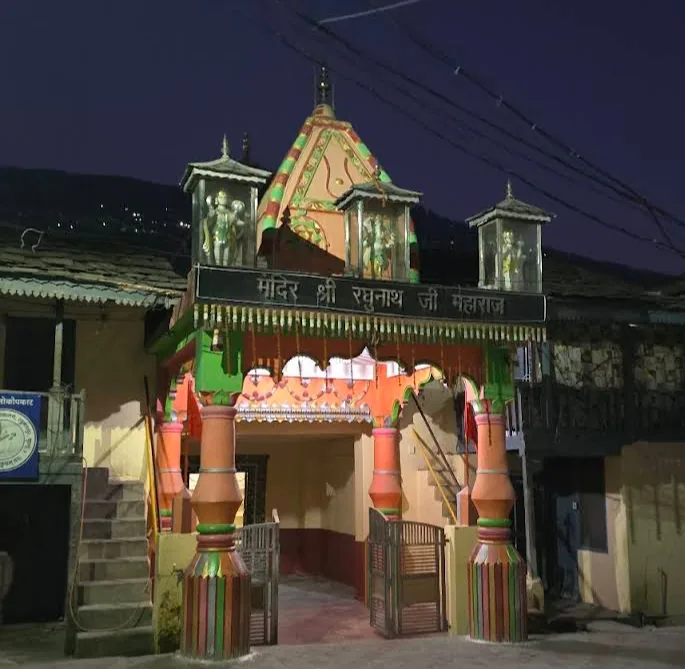
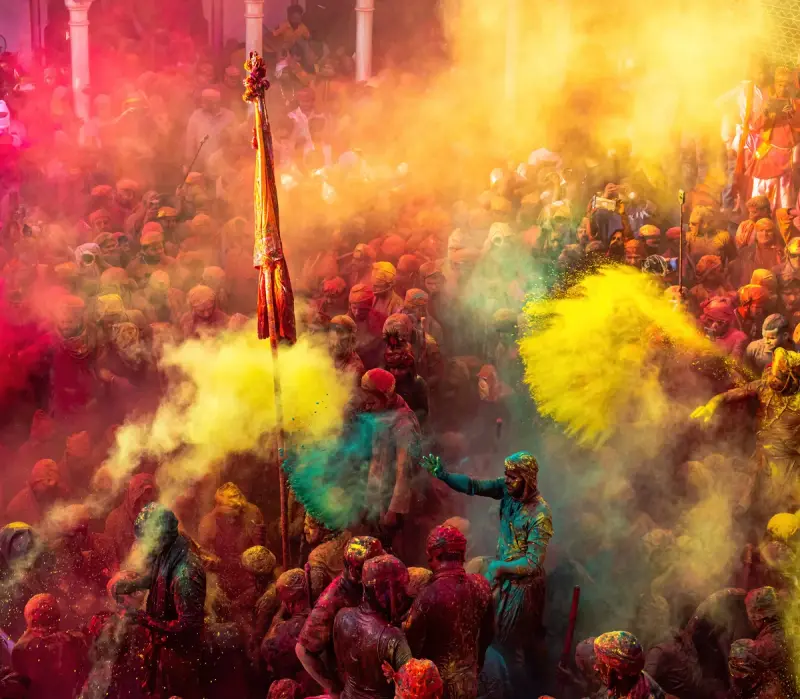
Kullu's Dussehra starts once Vijayadashami is over and fills seven days on the Dhalpur Maidan. It does not end with the burning of Ravana. Instead, it opens with the chariot procession of Lord Raghunath, the valley's presiding deity, whose decorated wooden chariot is pulled across the ground by devotees, with prayers and music. The tradition goes back to the seventeenth century and Raja Jagat Singh, who according to the legend brought an idol of Raghunath from Ayodhya.
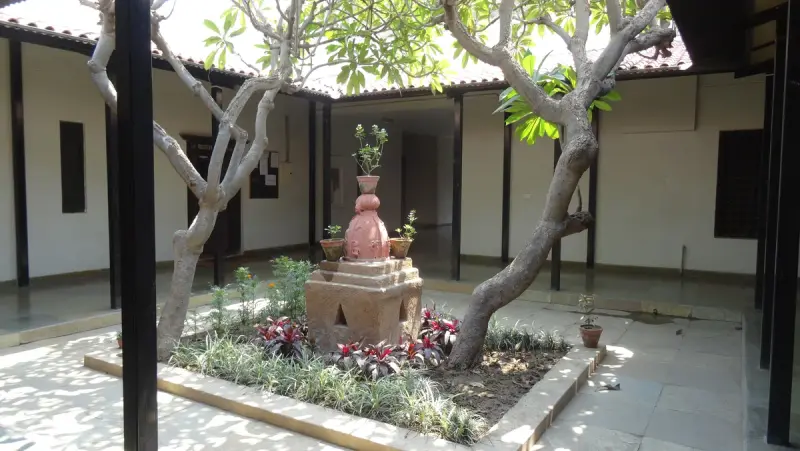
In 2026 the district administration listed 21 to 27 October and more than 250 hill deities on its page, while the festival committee told the Tribune it had invited 347. Confirm future dates with the Kullu administration, since the almanac sets them. The ground is open to all with no ticket, but it is uneven and dusty, so wear closed shoes and carry water and a scarf for the dust. Expect to be on your feet for long stretches, as there is little shade on an open ground. Nati folk dances and Himachali music fill the week, and the closing ceremonies include Lanka Dahan. Book rooms in Kullu or Manali well before October, because the valley fills.
The Beas, and how to arrive
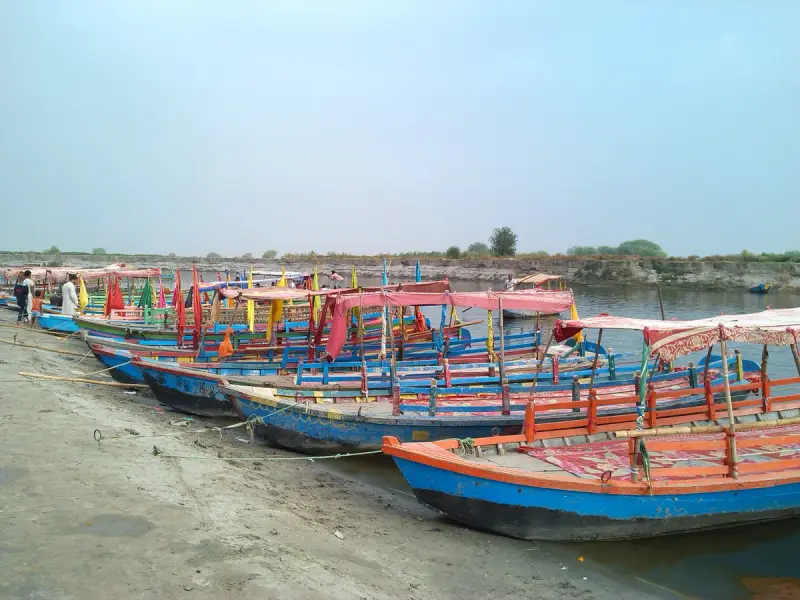
Kullu sits on the Beas, and the river is what rafting operators sell the valley on. The small Kullu-Manali airport at Bhuntar is the nearest, with Chandigarh's as the bigger alternative. By road the valley is far from Delhi, and the journey is a long one best broken at Chandigarh or Bilaspur, so you meet the Beas gorge in the morning. Manali lies about 40 km north, and most visitors fold Kullu into a two or three day Manali plan.
Bijli Mahadev: a hike with a lightning story
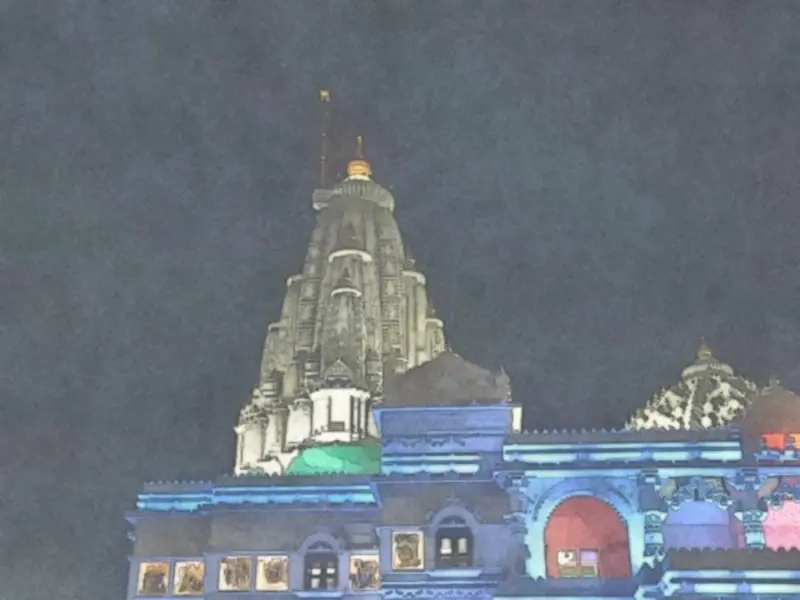
The temple sits at about 2,460 metres on a ridge above the valley, and the Tribune reports it is closed to visitors for winter, from mid December to mid March in the 2025-26 season, because of heavy snow. The usual start is the village of Chansari, about 14 km from Kullu by a narrow road with many hairpins, taken by an HRTC bus that leaves the Kullu stand in the morning. The Tribune puts the temple about 14 km from Kullu across the Beas with a 3 km trek, while hiker accounts starting at Chansari describe a longer approach, so distances depend on where the road ends. Note that the bus may terminate at Chansari even if it is listed as going further, so ask the conductor before boarding. From Chansari the road runs about 4 km to a point called Karate, where it ends and cars drop you.
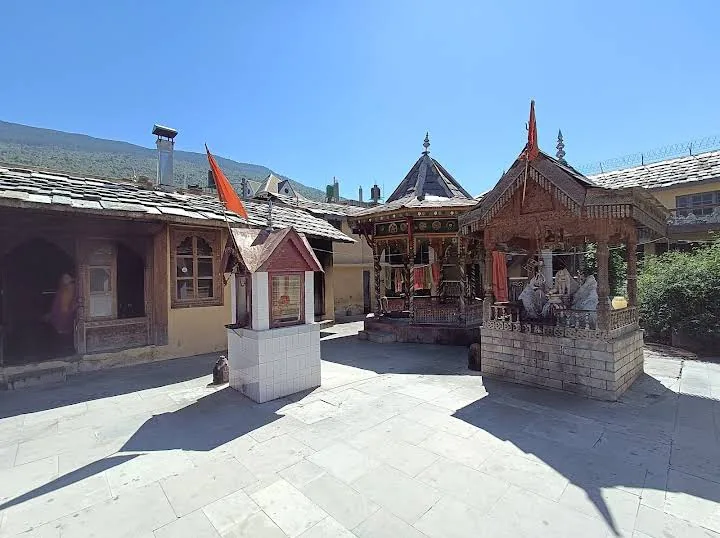
From there, the path is steady uphill on steps through dense deodar forest. One hiker took under an hour; locals put the full stair climb from Chansari at about three hours. The descent is hard on the knees. At the top, a meadow opens out with a wide view of the Kullu and Parvati valleys. The flat-roofed temple has a richly carved door and a trident, and a tall deodar pole stands in the courtyard, believed to attract lightning, which gives the temple its name. By the legend, lightning shatters the lingam and the priest rejoins the pieces with butter and sattu. A Tribune report says such strikes come about once in a decade or more, so do not plan around seeing one.
No photography is allowed inside, and shoes go on the racks outside. Start early, because the afternoon brings crowds and heat, and leave before rain, since thunderstorms are common in the monsoon. Expect litter and loud music on the trail at busy times.
Food and shopping
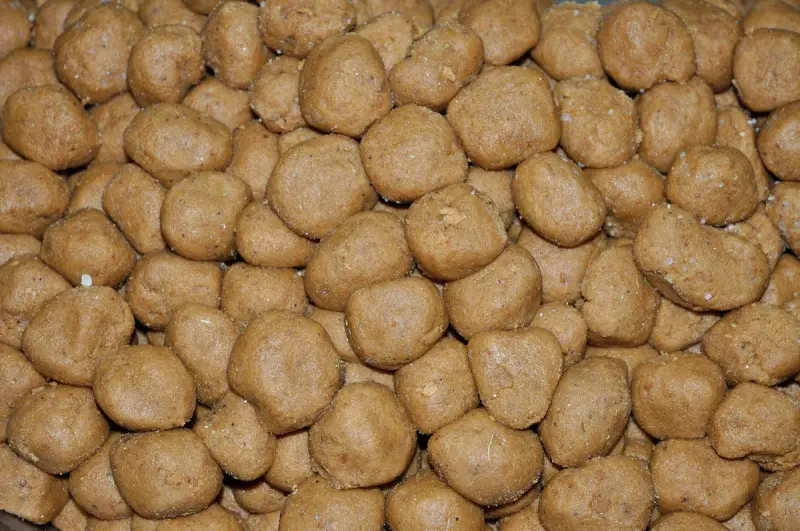
Kullu shawls with geometric borders are the classic gift. Buy from cooperative shops or known weavers so you are sure of the wool. A Himachali meal at a family home, with siddu, dhaam rice and lentils and trout from the Beas, is worth seeking out. Along the roadsides in summer, vendors sell apricots.


A one or two day shape
Day one: Raghunath temple in the morning and a slow walk by the river at dusk. Day two: Bijli Mahadev early, back by lunch. If you add Manali, see our Manali guide and the Shimla Manali itinerary. Naggar's castle and the Parvati valley are other excursions, but we have not confirmed current hours for them, so ask locally.
Let Laladham run it
Laladham can pick you up in Delhi, at the airport, station, home or hotel, and run the complete trip through the valley with one driver and stays chosen early. Tell us if you want to catch the Dussehra week. Ask for a quote on the book page.
Questions, answered
When is Kullu Dussehra?
It lasts seven days from the day following Vijayadashami, which was 21 to 27 October in 2026. Confirm each year.
Does Kullu Dussehra burn Ravana?
No. It opens with Raghunath's chariot procession and closes with Lanka Dahan, with village deities gathered between.
Is there an entry fee at the Dussehra ground?
Free entry, though the maidan is rough underfoot.
How hard is the Bijli Mahadev hike?
From the road end at Karate it is a steady climb on steps, under an hour for a fit hiker, and longer from Chansari.
Can I take photos inside Bijli Mahadev?
No. Photography is not allowed inside the temple, and shoes are left outside.