This guide is built around those variables, with the rules that actually decide your day first and the sightseeing after.
Rohtang: the permit is the plan
Rohtang Pass is not an open road. The Himachal tourism portal for Manali sets a daily cap of 800 petrol and 400 diesel vehicles, released online in two windows, at 10 am and 4 pm, and only for the next two days. A car or jeep pays a Rs 500 permit and a Rs 50 congestion charge, buses pay Rs 500 and Rs 100. The permit covers one round trip on one day, a vehicle gets only three a week, and you need ID, a valid pollution certificate and a vehicle under ten years old. The printout is compulsory, and a mismatch between papers and vehicle means you are turned back at the barrier.
Treat the permit as a hope, not a guarantee. When fresh snow falls, tourists are stopped short of the pass altogether, and fees do not rescue the day. Keep a second plan in your pocket, which is usually Solang.
Solang, and the tunnel beyond it
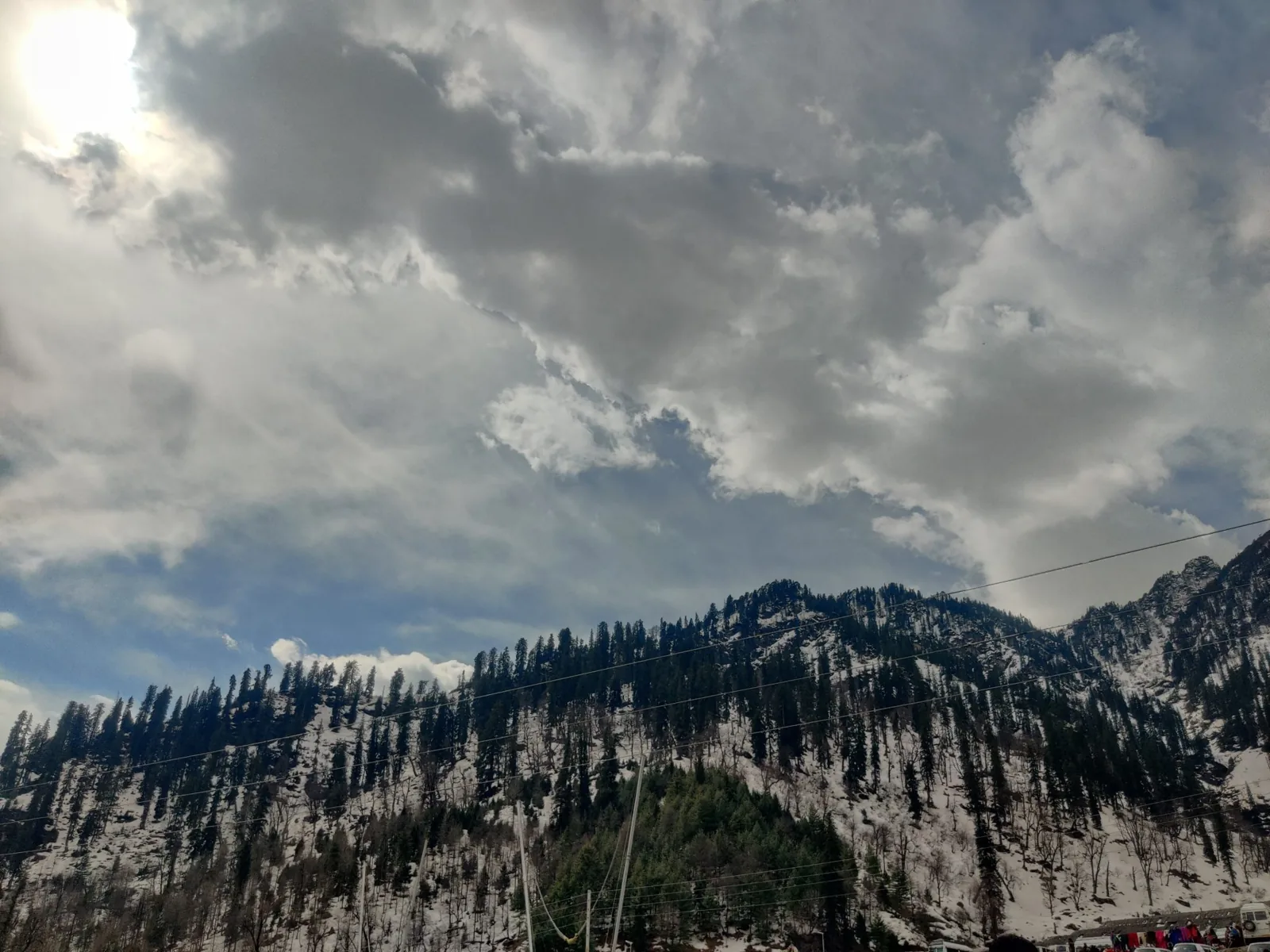
Solang Nullah is the safety valve of Manali tourism. The Tribune reported that when Rohtang shut after heavy snow, visitors were redirected here for snow play and sightseeing, and the jam of vehicles between Solang and Nehru Kund became its own problem. Go early, park sensibly and expect a slow return.
Beyond Solang lies the Atal Tunnel, a link above 10,000 feet that gives all weather access from Manali to Lahaul and Spiti. After heavy January snow in 2026, the tunnel was shut for nearly four days, and when tourists were allowed back toward Sissu only 4x4 vehicles were permitted. The lesson is simple: ask your driver about road status that morning, avoid stopping on snowy stretches, and turn back when asked.
Hadimba and the cedar hush
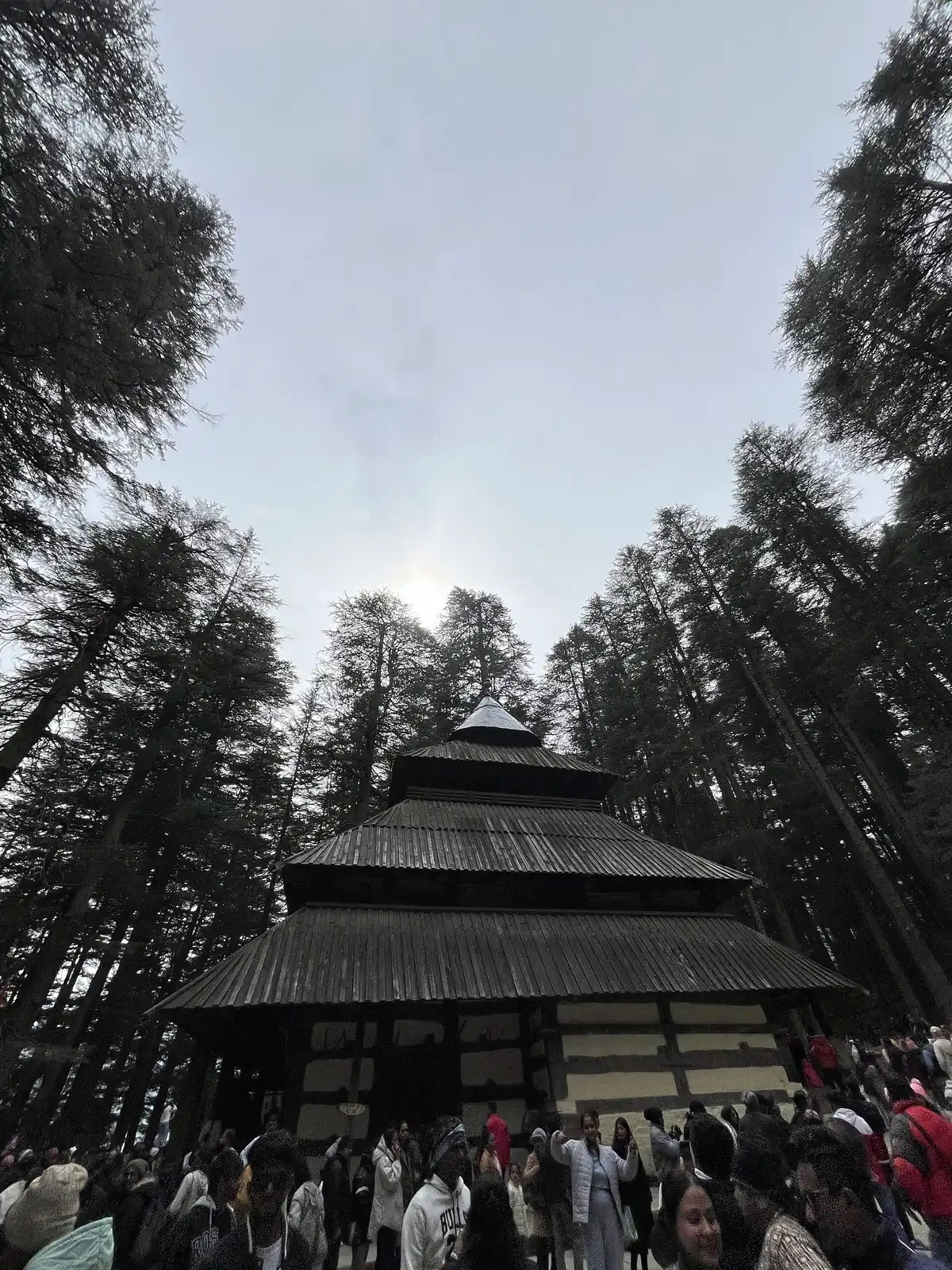
The Hadimba Devi temple is dedicated to Hidimba, wife of the Pandava Bhima, and its pagoda roof rises in four tiers of wood and stone beneath a 24 metre shikhara. It stands in cedar forest on the edge of town, which gives the visit its quiet. Arrive soon after opening, because buses of day visitors arrive by mid morning and the lane thickens. There is a fair in the temple's honour, so ask locally about the dates if you want to see it.
Vashisht, Old Manali and the lanes
Vashisht is the village across the river known for its sulphur hot springs and for temples to Shiva and Rama beside them. The Himachal tourism listing links the temple to the sage Vashisht, one of the Saptarishis. Go in the evening after a cold day and carry a towel.
Old Manali is the cafe end of the valley, on the far side of the stream, with a rooftop for every mood. For souvenirs, the Tibetan market, Manu Market, Mall Road and the Himachal Emporium are the places the official listing names. Adventure seekers have the Hampta Pass trek on the books, and Brighu Lake sits near 4,300 metres for those with acclimatised lungs.
Getting from Delhi
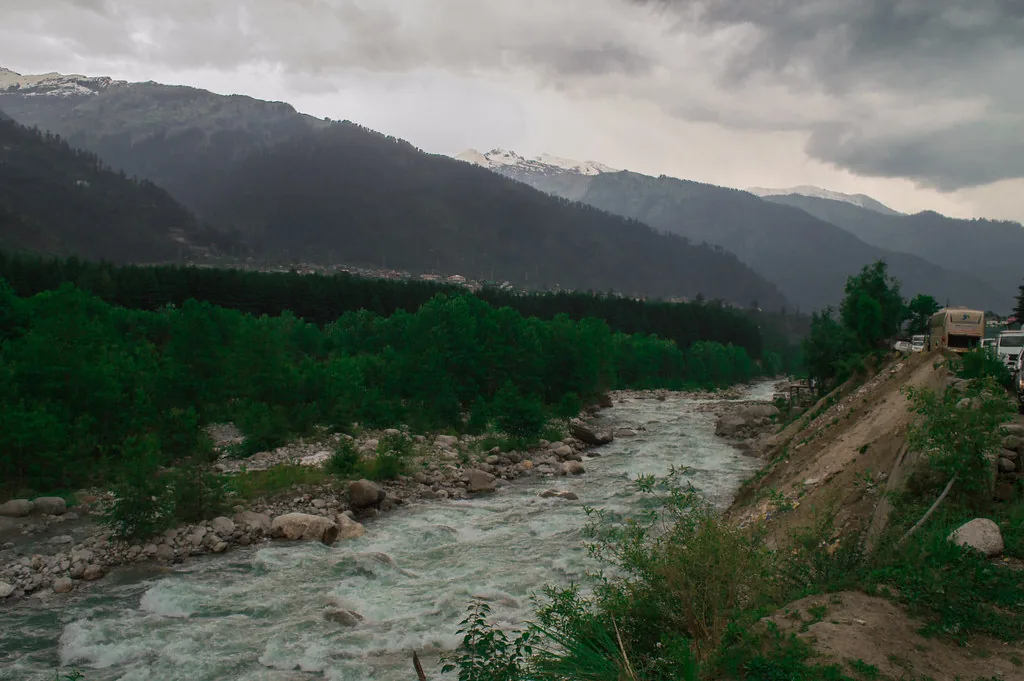
The usual road runs about 540 to 550 km and is a long day. Break the journey with a night in Chandigarh or a long stop at Mandi, because the final valley stretch is not a road to drive tired. Airports at Bhuntar (Kullu Manali) and Chandigarh serve the region, and the nearest broad gauge station is Joginder Nagar, so many visitors simply take a train to Chandigarh and finish by car. In the monsoon, landslides can close the Beas valley road, so keep a spare day.
Which month
Official climate figures tell the story. January runs from about minus six to sixteen degrees, December from minus three to seventeen, July from twelve to thirty. Summer is the traffic season, with May and June pleasant by day and bumper to bumper on the Solang road. Winter belongs to snow lovers, and the tunnel and Rohtang rules matter most then. For quiet and clear light, think late September and October.
A relaxed three day shape
Give the first morning to the road and an easy evening on Mall Road. On the second day, see Hadimba at opening, cross to Old Manali for lunch and soak at Vashisht at dusk. Save day three for the high road, whether that turns out to be Rohtang, Solang or Sissu, and begin before eight, because afternoon cloud and traffic arrive together.
Laladham from Delhi to Manali
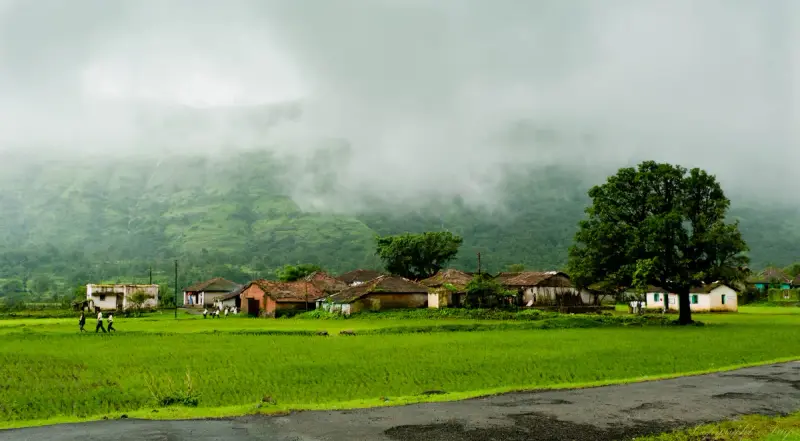
Laladham collects you in Delhi from the airport, a station, your home or hotel, and drives the whole route with one driver, who watches road reports so your high day is chosen on the morning, not weeks before. Add dates and group size on the [book page](/book) and ask for a quote.
Questions, answered
How much is the Rohtang permit?
Cars pay Rs 500 plus a small congestion charge, as listed on the HP portal; heavier vehicles pay more of the latter.
Can I get a permit on the spot?
No, they are an online booking with a daily cap, released in two slots.
Is the Atal Tunnel open in winter?
It is built for all seasons but a big snowfall can block it for days, and afterwards the administration may limit traffic to 4x4 vehicles.
Why go to Solang?
It is the fallback when Rohtang is shut, with snow play in winter and meadows in summer, though traffic can jam the road.
How far is Manali from Delhi?
Roughly 540 to 550 km, which is a full day.
When is the best time?
Autumn is calm and clear, early summer is busy and mild, and midwinter is for snow.