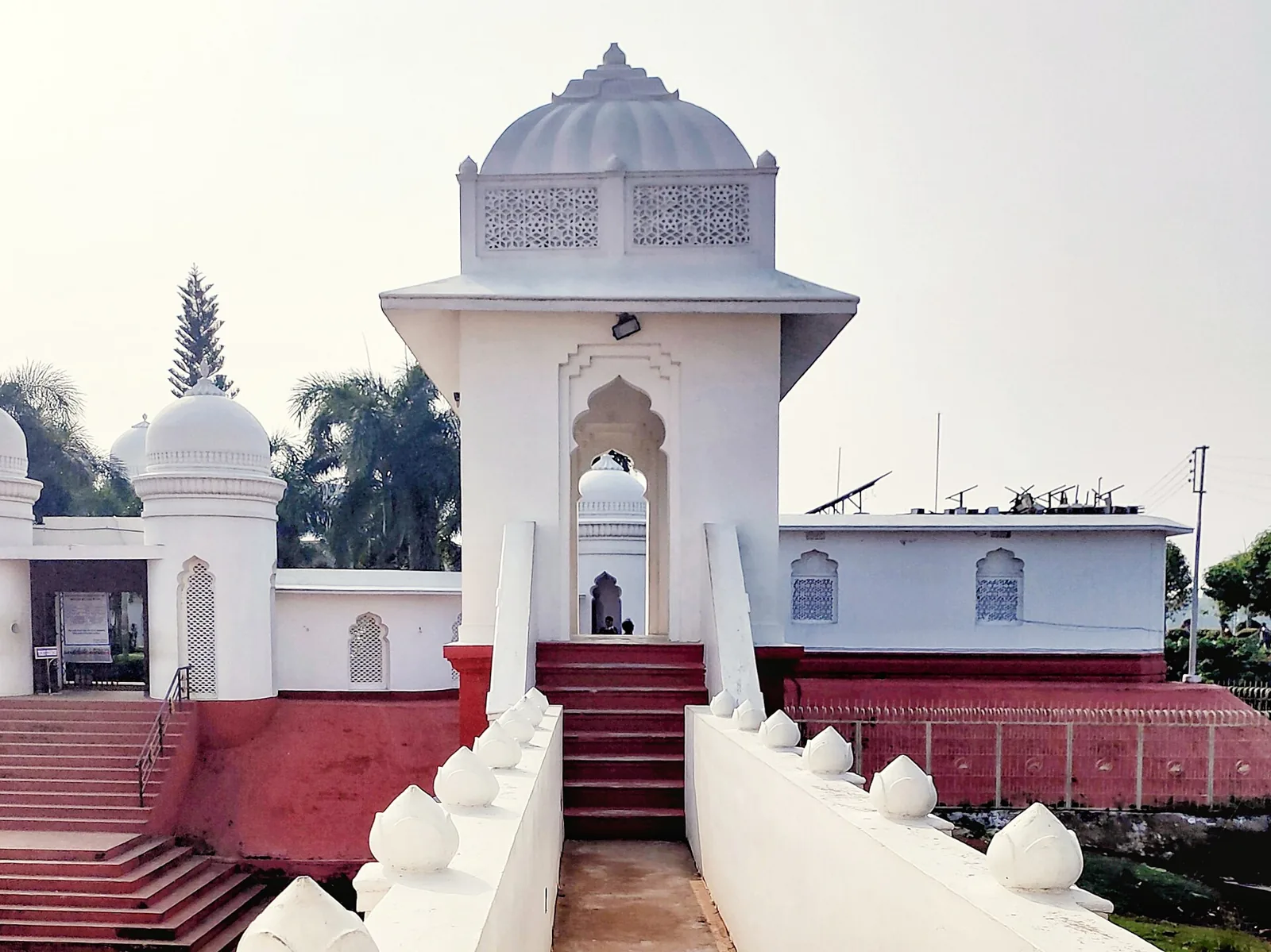
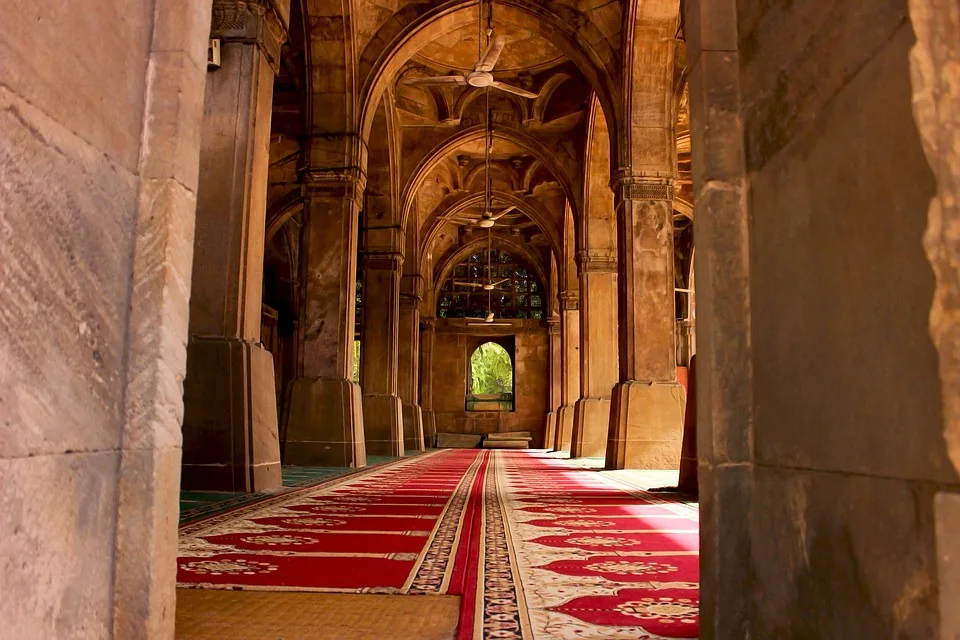
The contrast is the reason to do both. One day is crowds, bells and a boiling pot of khichdi; the next is monks walking slowly between monasteries from half a dozen countries.
Gorakhnath temple, and why January is different
The Gorakhnath temple is about 4 km from the station on Nepal Road, and the district's own listing calls it one of the most prominent temples of the area. It honours the yogi Gorakhnath, founder-figure of the Nath tradition, and the city carries his name. A dhuni, the ritual fire, is kept going by the order.
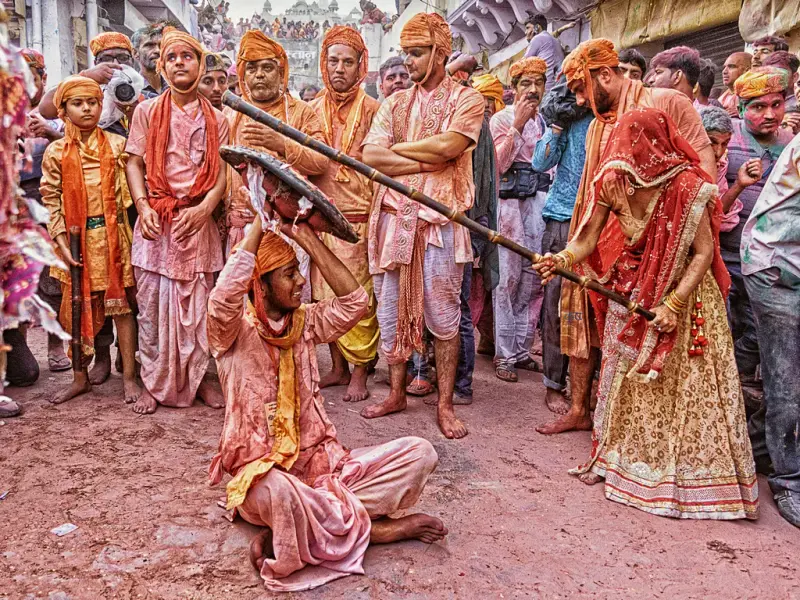
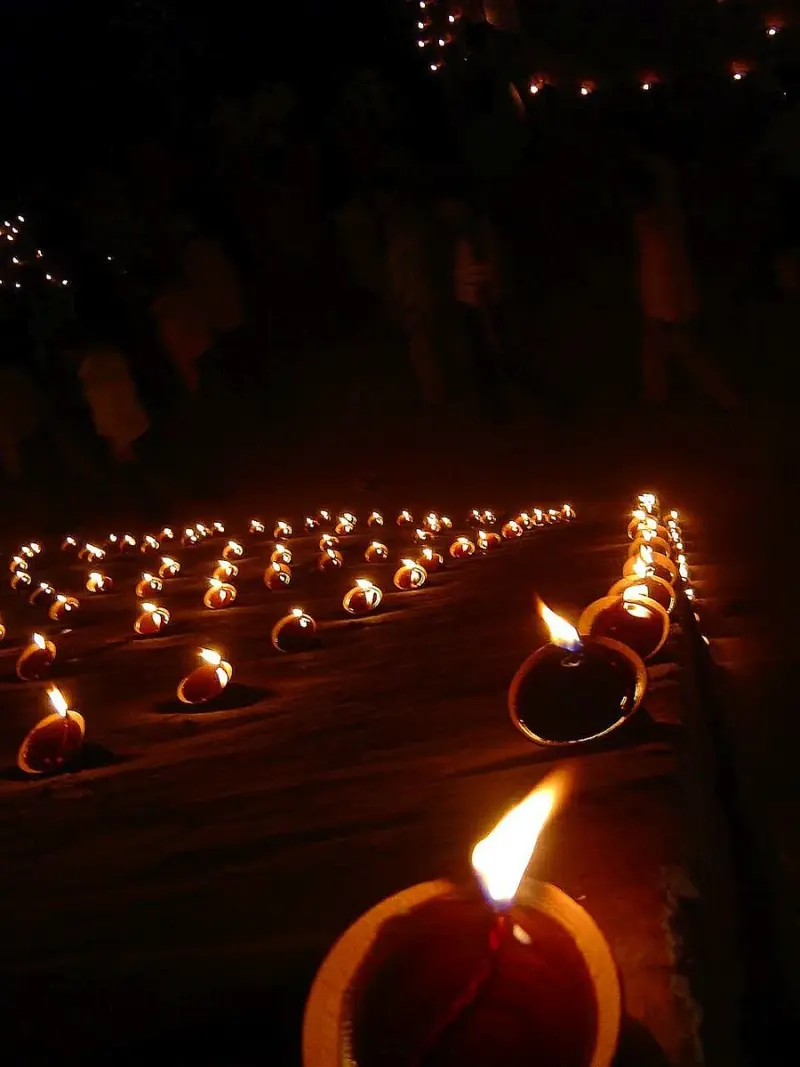
Come on an ordinary day if you want to see the courtyards in peace; there is also an evening light and sound programme that the district site recommends. Come at Makar Sankranti for the other Gorakhpur. The Khichdi Mela opens at dawn, when the first offering of khichdi is made to Guru Gorakhnath, and carries on for weeks. ThePrint's report on the 2026 fair describes devotees arriving the night before, night shelters across the city, health camps and more than 2,500 police personnel on duty. Treat that date as a crowd-management exercise, not a quiet visit.
Gita Press, where the walls carry the Gita
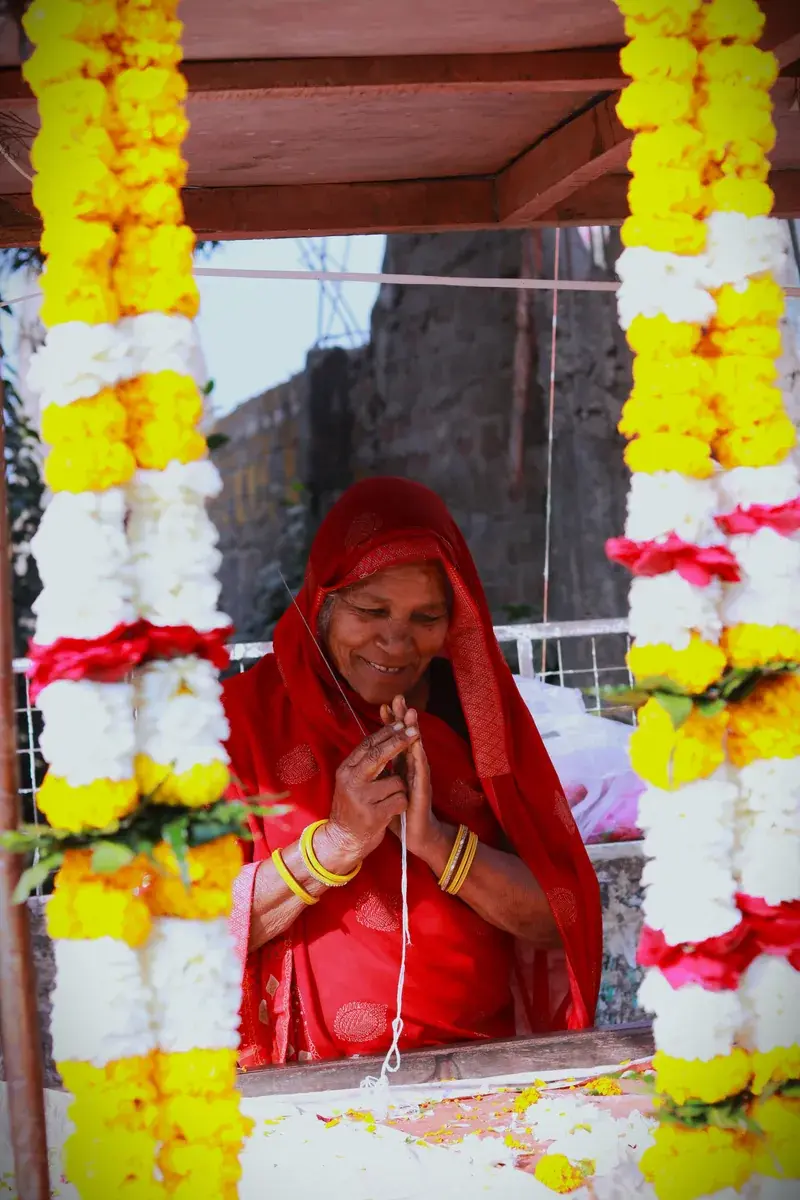
Gita Press sits at Reti Chowk, the same distance out. It is one of the world's largest publishers of Hindu religious texts, and the district listing notes that all 18 chapters of the Gita are written in marble on its walls, alongside paintings of episodes from the lives of Rama and Krishna.
It also sells books and handloom textiles at subsidised rates. A paperback Ramcharitmanas here costs little, and is a better souvenir than anything in the railway bazaar. Hours vary, so ask your driver to confirm.
The rest of the city: Imambara, Vishnu mandir, Ramgarh Tal
The Imambara, built in 1717 by the saint Roshan Ali Shah, is known for a gold and silver Tajia, and a sacred fire has burned there since his death. The Vishnu temple on Medical College Road dates to the twelfth-century Pal dynasty and holds a black kasauti stone image of Vishnu, with four corners dedicated to Jagannathpuri, Badrinath, Rameshwaram and Dwarika.
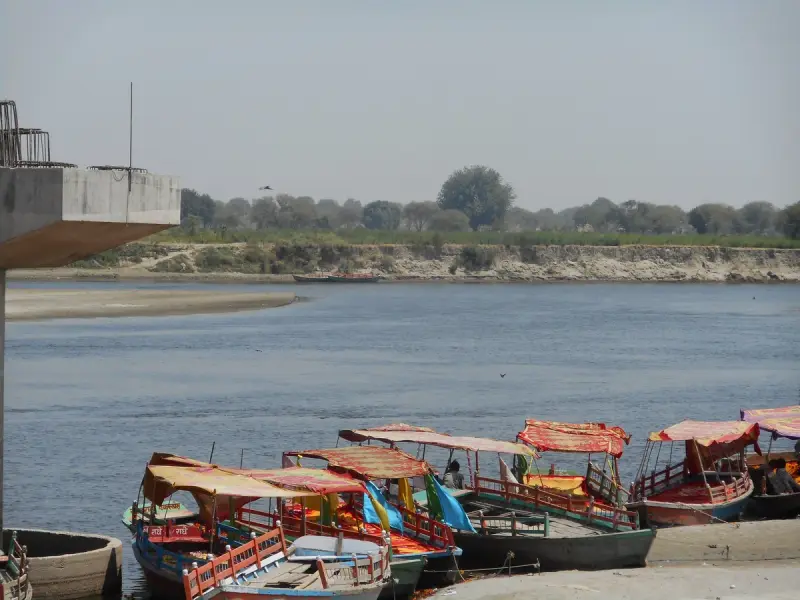
Ramgarh Tal is a natural lake of about 1,700 acres with fountains and boat rides, and it is where Gorakhpur families go in the evening. Give it an hour before dinner and treat the fish stalls as optional.
Driving to Kushinagar
Outlook Traveller puts Kushinagar about 55 km east of Gorakhpur, and the road crosses the Hiranyavati river before the town. Plan on about ninety minutes, more if Kasia market is jammed.
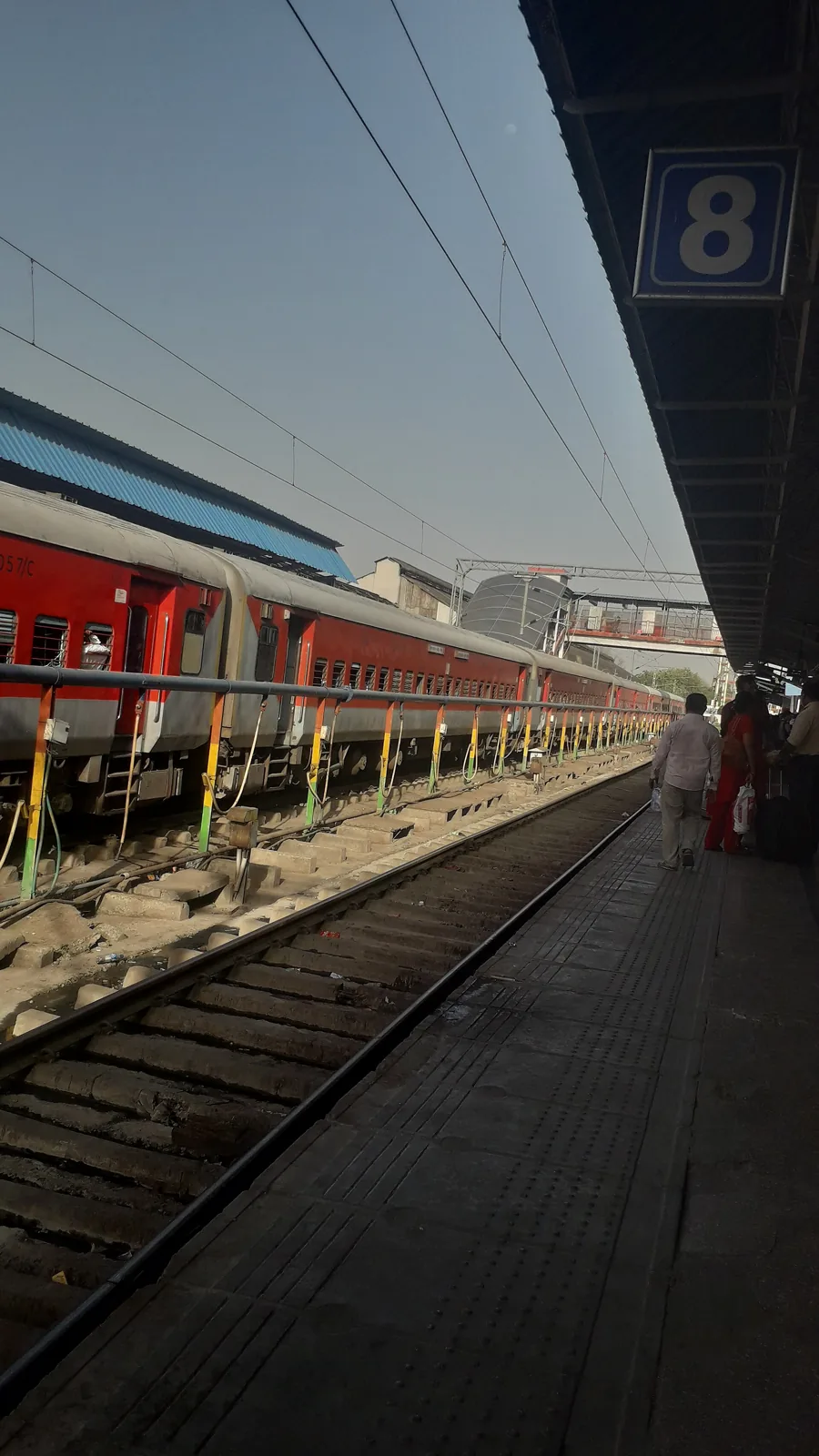
Gorakhpur is the practical railhead, since Padrauna, the nearest station to Kushinagar, sees few trains. Kushinagar has an international airport that handles select flights, but check what is actually flying before you build a plan on it.

The Mahaparinirvana temple
Inside the main temple lies a reclining Buddha, about 6.1 m long, shown on his right side and described by Outlook Traveller as serene and elongated. The statue is draped in saffron cloth, and visitors tend to lower their voices before they reach it. Shoes come off, shoulders and knees stay covered, and photographs of monks and worshippers deserve a question first.
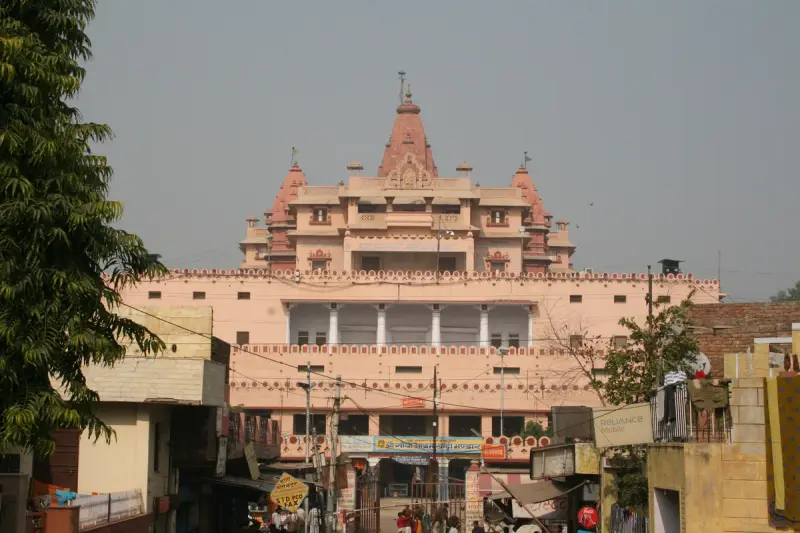
Go early in the morning, when the courtyard is empty, or near sunset, when groups gather to chant. A stupa and monastery ruins stand behind the temple, and between the main shrine and Ramabhar sits the small Matha Kuar shrine with a seated blue-stone Buddha.
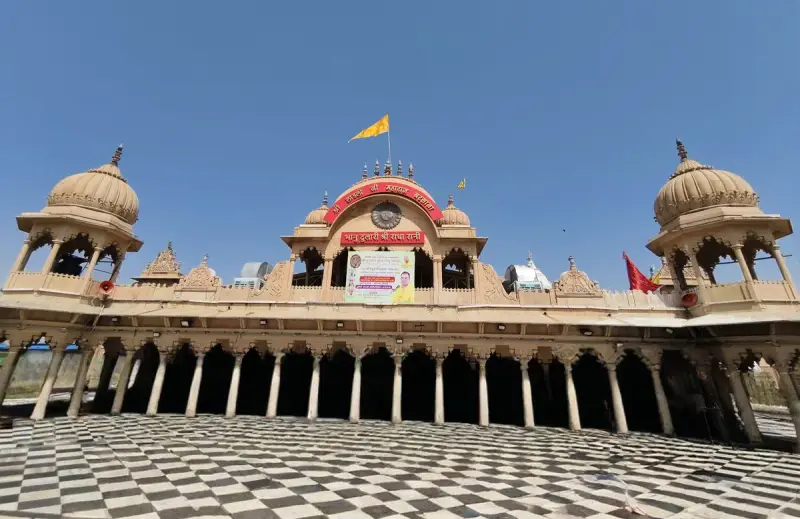
Ramabhar, the cremation mound
Ramabhar stupa is the next stop, and the Kushinagar district site says it was built over a portion of the Buddha's ashes at the spot where the Malla people cremated him. It is a large brick drum on a terraced plinth, excavated in 1910, with the drum fully exposed in 1956. Votive stupas and the outline of a large rectangular hall surround it.
It is a plain place on purpose. Walk the circuit slowly and sit on the grass; the quiet is the attraction.
Monasteries along the road
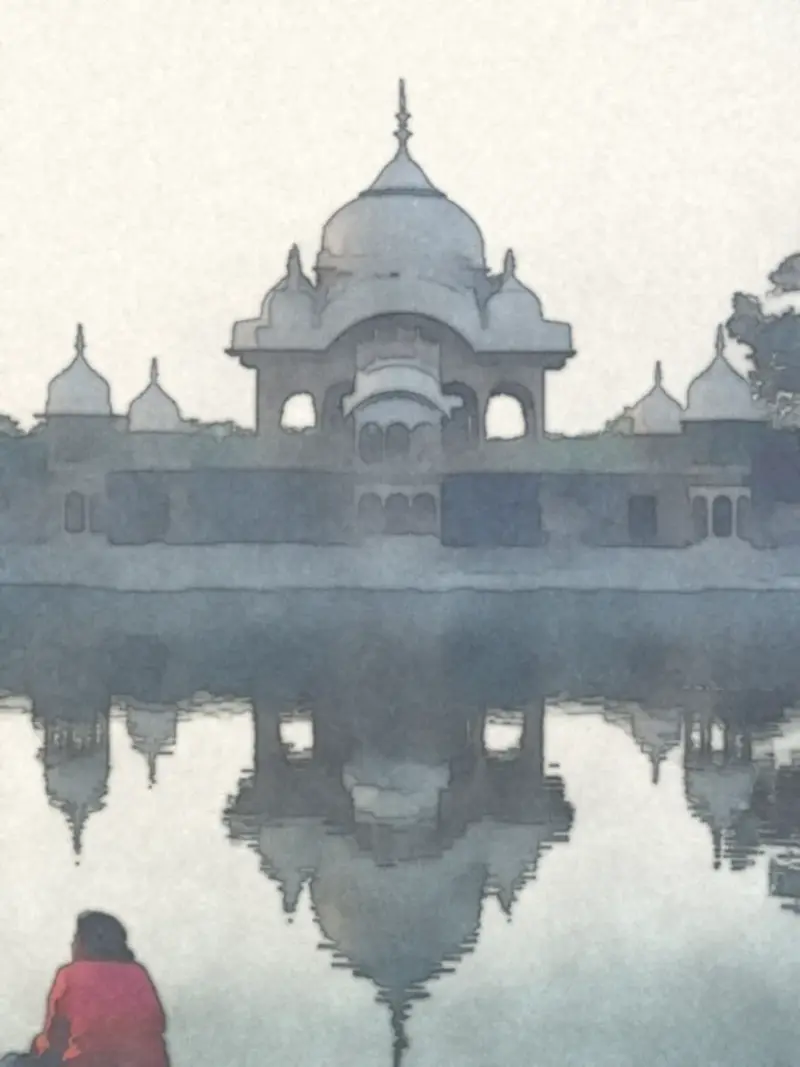
The countries of the Buddhist world have each built something here. The Thai monastery has white marble walls, a golden stupa and sloping gold-edged roofs. The Sri Lankan monastery stands plainly in open fields. The Burmese temple's golden stupa glows in the afternoon light, and the Japanese temples keep uncluttered courtyards, with Korean, Vietnamese, Tibetan and Chinese compounds nearby.
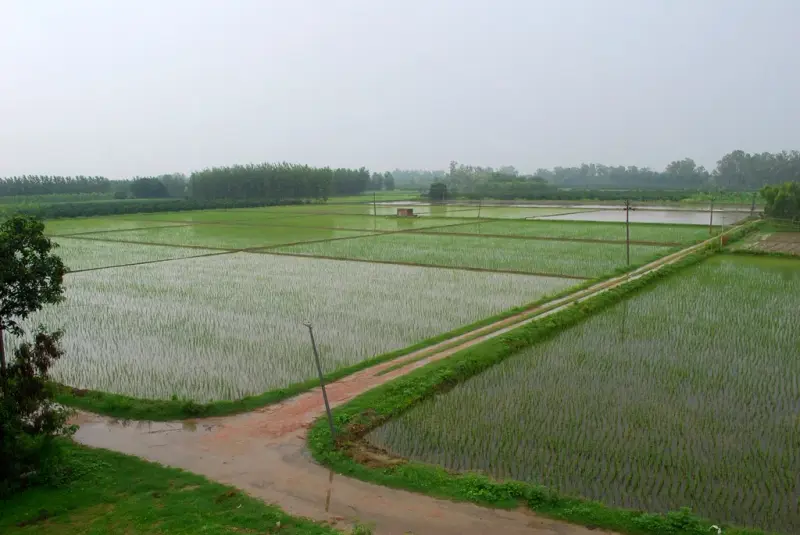
Pick two rather than six. The compounds look similar from the road and different inside, and a slow hour in one is better than a quick tick in four.
Eating and sleeping
The region's dish is litti chokha, a baked wheat ball stuffed with roasted gram flour, eaten with mashed aubergine and potato, alongside soft milk sweets. Highway dhabas serve simple dal and rice. Stays in Kushinagar range from state-run tourist bungalows and guesthouses to mid-range hotels, and some monasteries host guests with prior permission. Expect early nights; there is no nightlife to speak of.
From Delhi, and when
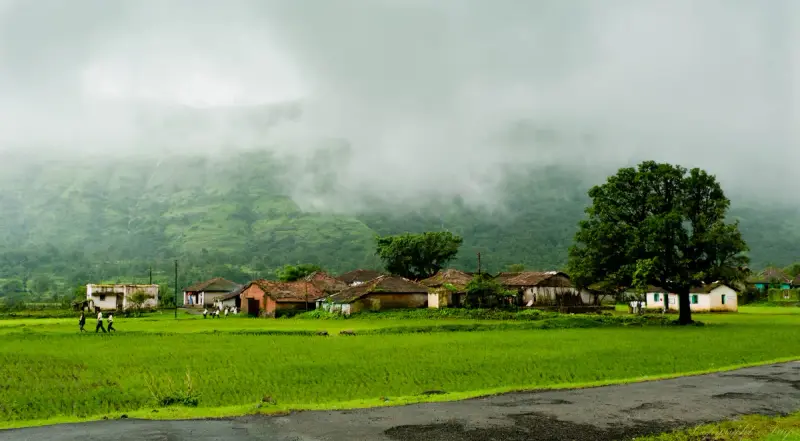
Gorakhpur is the end of a major railway line from Delhi via Lucknow with many overnight trains, and it is roughly 780 km by road, a full day by car. October to March is the season, with clear skies and cool mornings. From April to June temperatures can pass 40 degrees, and the monsoon slows the roads. Buddha Purnima in April or May is the biggest day at Kushinagar. Outlook Traveller suggests one to two days at the Buddhist sites and adding Sarnath, Shravasti or Kaushambi if you have time.
Let Laladham run it
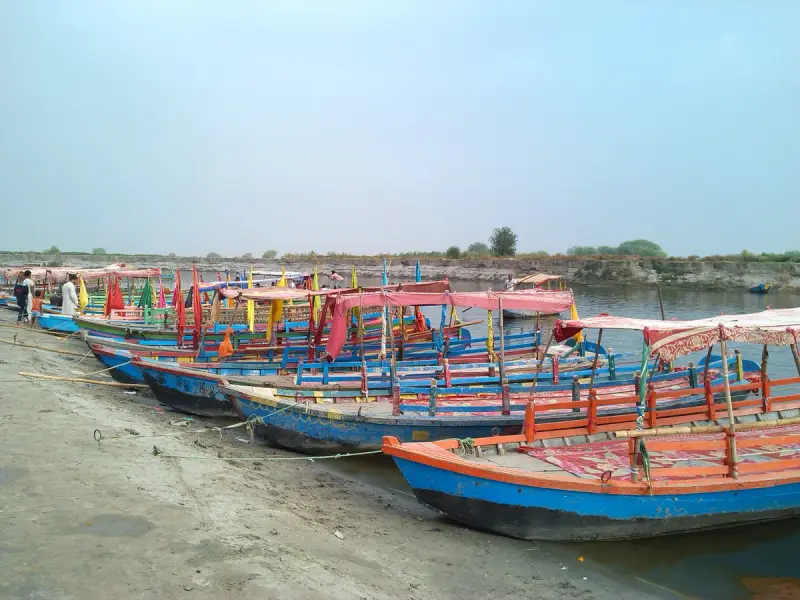
Laladham picks you up in Delhi, at the airport, a station, your home or a hotel, then drives east by way of Lucknow or Ayodhya, plans the Gorakhpur and Kushinagar days around your pace, and keeps one driver for the whole trip. Share your dates and group size on the [booking page](/book) and ask for a quote.
Questions, answered
How far is Kushinagar from Gorakhpur?
About 50 to 55 km by road, allow ninety minutes.
What is the main sight at Kushinagar?
The Mahaparinirvana temple with its reclining Buddha of about 6.1 m, with the Ramabhar cremation stupa a few minutes on.
When is the Khichdi Mela at the Gorakhnath temple?
It opens on Makar Sankranti in mid January. The first khichdi is offered at dawn on the opening day.
How many days do I need?
Two days is comfortable: one for Gorakhpur and one for Kushinagar. Add a night in Kushinagar if you want the quiet hours.
Is there an airport near Kushinagar?
Kushinagar's own airport handles select flights, and Gorakhpur airport is about 50 km away. Check current schedules before you plan around either.