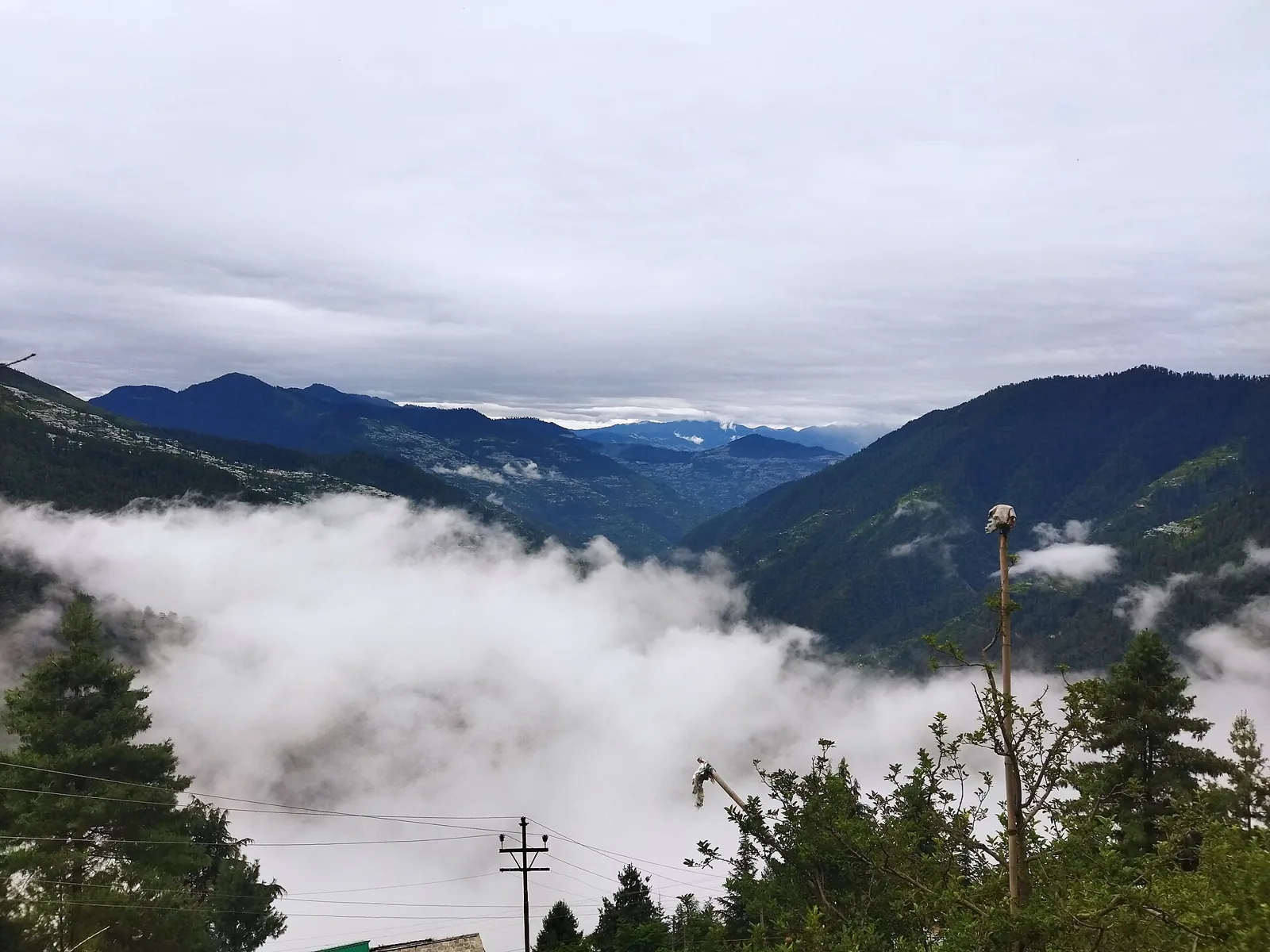
Tirthan is the Himachal valley people describe as 'what Manali was before'. Read enough trip reports and the pattern is plain: nobody comes back talking about a single famous sight. They talk about a stream audible from the bed, wood smoke at six, walks that begin at the guesthouse gate and a road that is narrow enough to make the whole valley feel private. One solo rider who spent eight days in this region still wrote that five days was too few.
That is the thinking behind this plan. It splits five days between two bases, the Tirthan river around Gushaini and the village belt around Jibhi, and it keeps the driving short. Between them sits the Jalori Pass road, which is the one day that asks something of you: a steep climb, thin air and an unpredictable sky. Families with children and parents who like to walk slowly do well here. People who want a full list of viewpoints, or nightlife, usually find it too quiet.
The car and driver from your pickup stay with you the whole way, which matters more than it sounds. Several people who wrote about the valley mention the roads between villages: narrow, with little room to pass, and rough in places once you go beyond Bahu. A driver who knows them is less stressful than a rental.
From your pickup
Same trip, four starting points. Road times are real driving times; a long drive becomes its own travel day so nobody arrives wrecked.
Day by day
Day 1 · night in Gushaini
Settling in beside the river
Banjar to Gushaini, a short run along the Tirthan river
Day one is deliberately empty. You reach the valley, meet the car at Banjar and follow the river road upstream to Gushaini, the village most trekkers and stay owners treat as the valley's hub. One guide to the area warns about the approach from the Aut side: do not enter the tunnel, turn off toward Larji just before it. Your driver will already know this.
Check in and go for the river. The water is cold and loud and runs clear except right after rain, and a walk along the bank in the late afternoon is plenty. Another traveller who rode through in April described the valley going foggy and dramatic by evening, and that is exactly the mood to expect. Keep a fleece close.
Trout is the local dish and the thing most visitors write about. A rider who stayed in the valley in June bought a fish straight from a fisherman and had it cooked for breakfast, which is worth asking your host about. Signal is weak, so tell your family before you arrive.
- Tirthan River
- Gushaini
- Banjar
Day 2 · night in Gushaini
The park gate and a forest walk
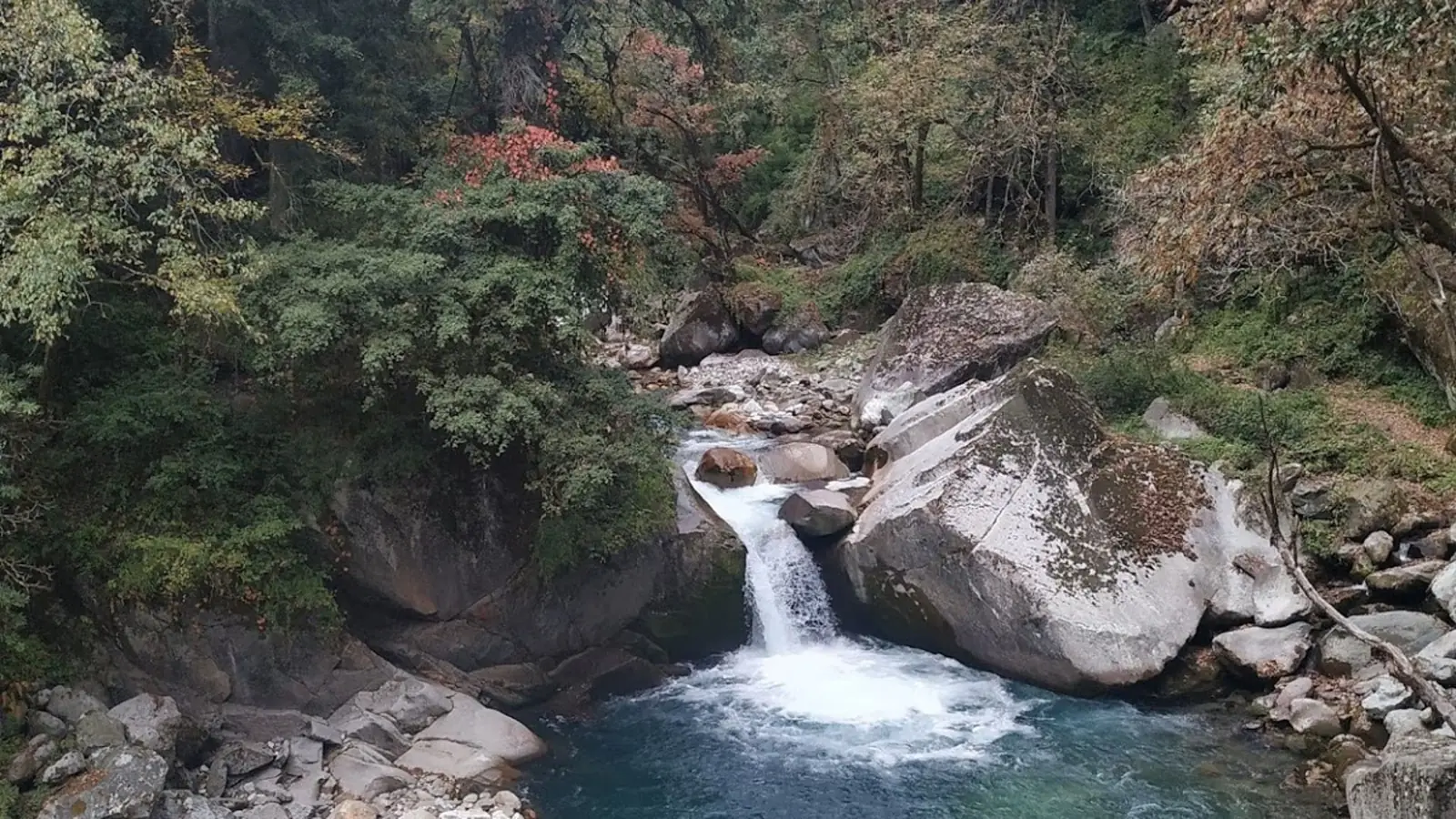
The national park begins a short distance up the valley, and the range office at Sai Ropa, near Gushaini, is where permission is arranged. The park's own site says entry needs a permit, routes must be agreed with the range officer first, and anyone doing a multi-day trek must take a certified guide and porters. You are not doing that. What you can do is spend the morning on the approach, walking the trail by the river toward the gate and into the first stretch of forest.
People who have done it report that weather decides how far you get. One solo traveller was held up by heavy rain and then walked to the waterfall past the gate in roughly an hour and a half without his pack. Dress for wet ground, carry water and turn around when the sky does. Ask at the range office what is open that day instead of assuming.
After lunch there is nothing planned. A good option is a village stroll toward Chaini, a village that a guide to the valley describes as an easy trek, with simple conditions if you stay in a village home. Evenings here are cold even in early summer.
- Sai Ropa range office
- park gate
- Chaini village
- Tirthan River
Day 3 · night in Jibhi
Over the ridge to Jibhi
Gushaini to Jibhi via Banjar, narrow hill road, about two hours with stops
After breakfast the car moves you to Jibhi. The road climbs through villages on a single lane, and a rider who came up it in April said he spent much of it in first gear behind trucks with no space to stop for photographs. Take it slowly and keep the window open for the view.
Jibhi is spread out: wooden cottages, apple orchards and cedar slopes rather than a town. Settle in, then walk to the waterfall near the village. Opinions differ. A solo rider was unimpressed, a family writing about an April trip walked it happily with children, and the lesson seems to be that it is a gentle stroll more than a destination. The temple near it adds a quiet reason to go.
Go slowly in the evening. A family who visited at the end of the season reported that food choices were limited and some favourites were not available, so eating at your stay is usually the sensible plan.
- Jibhi waterfall
- Jibhi village
- Cedar slopes
Day 4 · night in Jibhi
Jalori Pass and the Serolsar trail
Jibhi to Jalori Pass, about 12 km, around forty minutes by way of Shoja
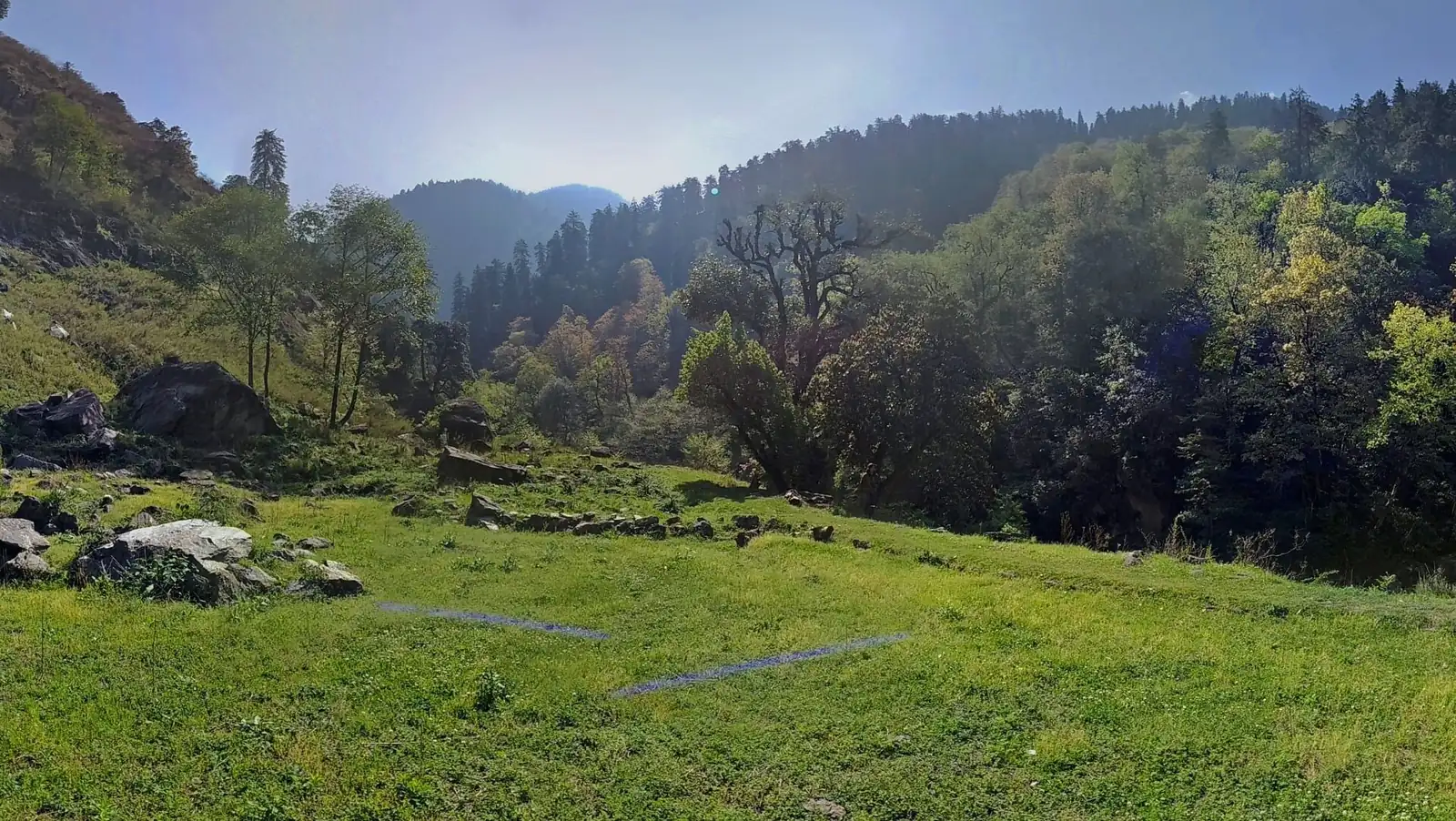
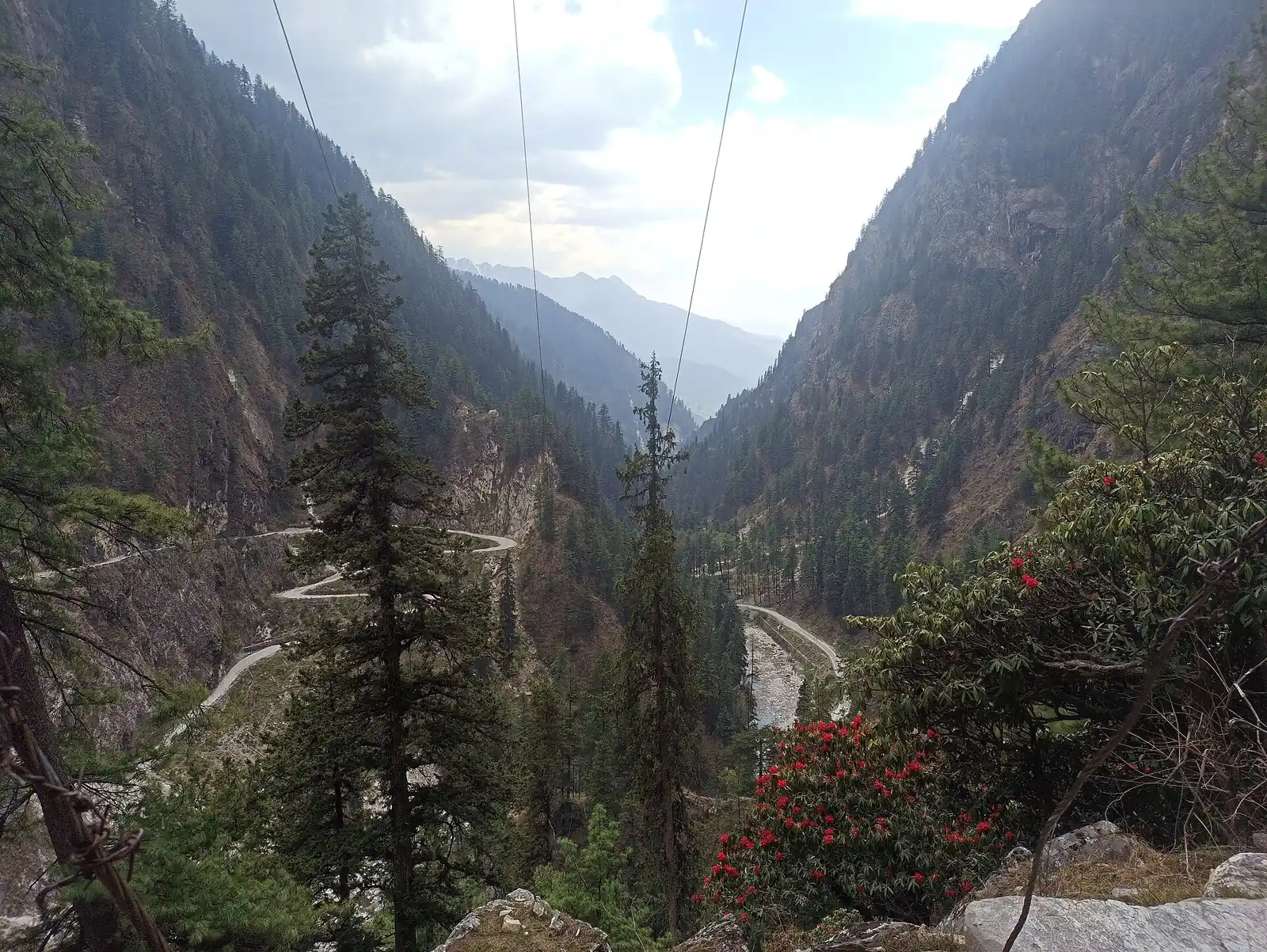
Start early. The ecotourism society that covers the pass puts it about 12 km from Jibhi, around forty minutes via Shoja, and the road gets worse the higher you go. Travellers describe the ten or so kilometres either side of the pass as broken, so the climb is a driver's job. In heavy snowfall the society's advice is to leave the vehicle at Shoja.
From the top, the walk to Serolsar Lake is the point of the day. The same source describes the trail as almost flat and jeepable at first, then entering oak forest, around two hours of walking with a modest climb. Sources disagree on the time, so budget half a day with a rest at the lake. The solo rider who passed here in June skipped the lake because of crowds and the midday sun, and wrote that he regretted it. Go in the morning.
If the pass is cloudy when you wake, switch the days around and keep the afternoon for Shoja village instead. Fog and wind change the whole feel of the road. Carry a layer, because the wind at the top bites.
- Shoja
- Jalori Pass
- Serolsar Lake
Day 5 · night in Banjar
Bahu, a viewpoint and the way out
Jibhi to Bahu, about 8 km on an all-weather road
On the last morning, go the other way from the pass. Bahu is about 8 km from Jibhi and the road to it is good. A family who did the walk in April saw apple and rhododendron blossom, then continued on a muddy, unpaved road toward Gada Gushaini and Chach Galu, where a short hike of about 200 metres leads to a viewpoint. They describe the last stretch as rough, so check the road with your host first.
A longer option for those with energy is the forest trek to the Baloo temple, reported at about 2.5 km from Bahu through dense woodland. Weather changes fast up here, so take breaks and allow time to come back down.
Come back down to Banjar by early afternoon, ready for the road home. Chehni Kothi and Shringa Rishi are often on lists, but one traveller noted that outsiders are no longer allowed inside the tower, so see it from outside and manage expectations.
- Bahu
- Chach Galu
- Baloo temple
- Banjar
Which months, which to skip
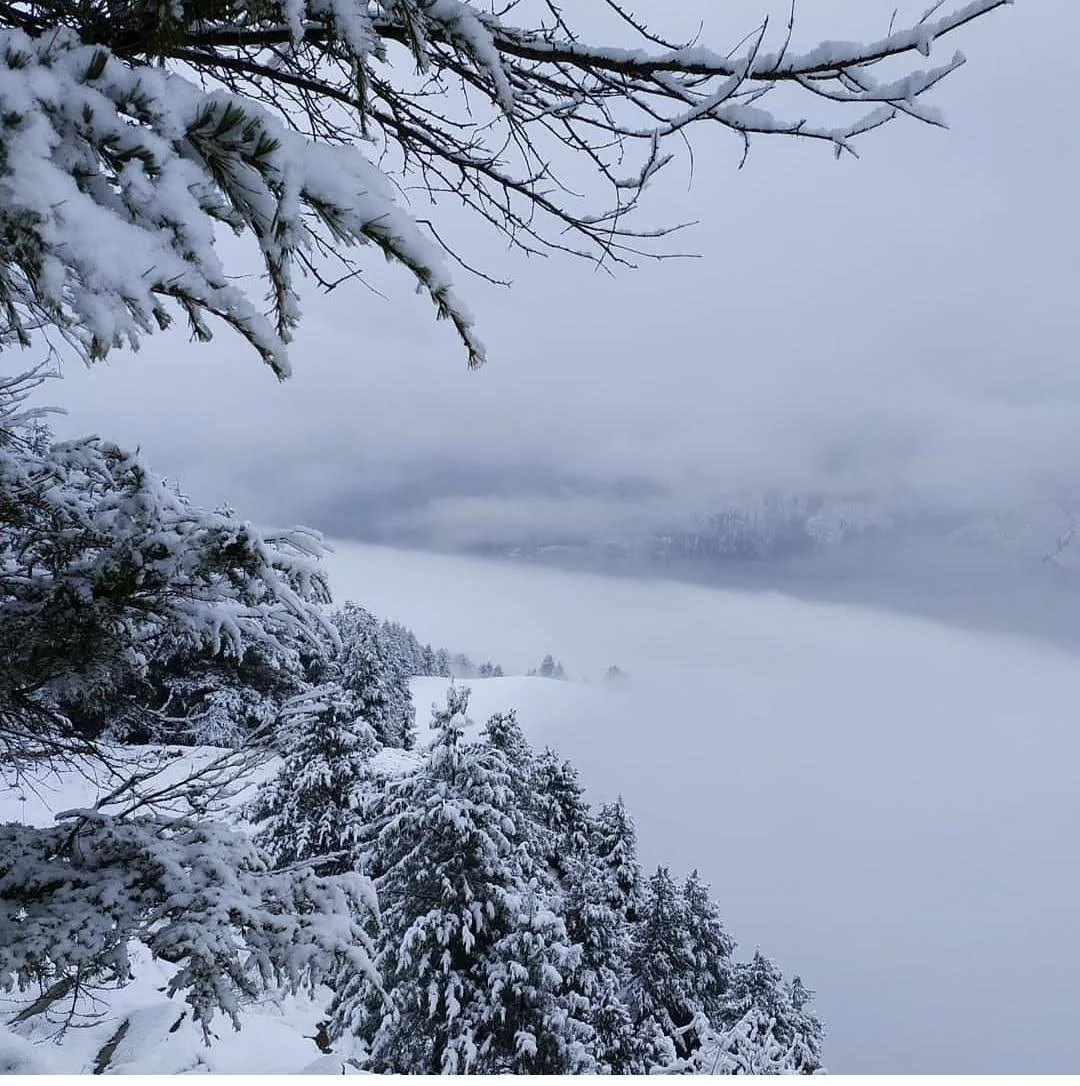
The state ecotourism society recommends April to June and October to November, and warns that July to September brings landslides and blocked roads. Heavy snow late December to early March can close the Jalori road. A planner who has written widely on the area calls November dull and advises against the monsoon. A solo rider said he would go just after the rains next time, when waterfalls are full and everything is green.
Mistakes people write about
Rain protection is the most common one: a rider who set out in April found his luggage covers insufficient. Others lost time to an over-ambitious trek that ran three hours past its estimate. A third mistake is relying on ATMs and mobile data. Carry cash and download maps.
- Do not rush the pass day
- Carry a rain layer in any month
- Check the road to Bahu before you go
- Book a stay with a host who answers directly
For older parents and young children
The valley suits both, as long as you keep the days short. The river walk, the waterfall and Bahu are gentle. The Jalori climb is the one to think about: thin air and a hard road. A relaxed pace is the whole point of the plan.
What the price covers
- One car and driver from your pickup to the final drop
- 6 nights in hand-picked stays
- Breakfast and dinner every day
- Local guide at the main sights
- Tolls, parking and fuel
- Lunches
- Monument tickets, permits and activity fees
- Personal shopping
Questions people ask
Is five days enough for Tirthan and Jibhi?
For the shape of this plan, yes. Two people who wrote it up wished for more days, while someone who tried to cover the region in a fast loop called it rushed, so we kept to two bases.
Can we do this from Delhi airport, Agra, Mathura or Jaipur?
Yes. The valley is a full day's drive from any of these, so the first day is the road and we add it before the ground days begin. The car then stays with you.
Do we need a permit for the Great Himalayan National Park?
Yes, for the park itself. Permits come from the range offices, with Shairopa serving the Tirthan side, and routes are agreed with the officer in charge. The contact number is in the notes at the end.
Will the Jalori Pass be open?
Usually from spring to autumn. Deep winter snow can block it, and landslides can close roads in the rains. Your driver will check the road each morning.
Is the road safe for older passengers?
The main valley road is fine. Village roads are narrow and the pass road is rough for about ten kilometres each side, so people who get carsick should sit in front and take tablets.
What is the weather like?
Cool by day and cold at night. Travellers who went in April met fog and rain, a rider met heavy rain on one day, and the ecotourism society rates spring and early winter as the best windows.
Is phone coverage reliable?
No. Coverage is patchy in the valley and fades in the forest, so keep offline maps and cash.
- Great Himalayan National Park entry fees, guide rules and which trails are open: confirm with the Shairopa range office or +91 1902 265320 (the official page lists no fee amounts)
- Jalori Pass road status and snow: the ecotourism page says heavy snow late December to early March can block it
- Road to Bahu and beyond: reported unpaved and muddy past Bahu, ask your host the day before
- Chehni Kothi interior access: one traveller wrote outsiders are no longer allowed in
 4 days
 4 days
 9 days