माता सीता · अष्टोत्तरशतनामावली
माता सीता के १०८ नाम अर्थ सहित
108 names of Sita with meaning
Read the 108 names of Mata Sita (Sita Ashtottara Shatanamavali) in Devanagari and Roman, with the meaning of each name in English and Hindi, and how to chant.
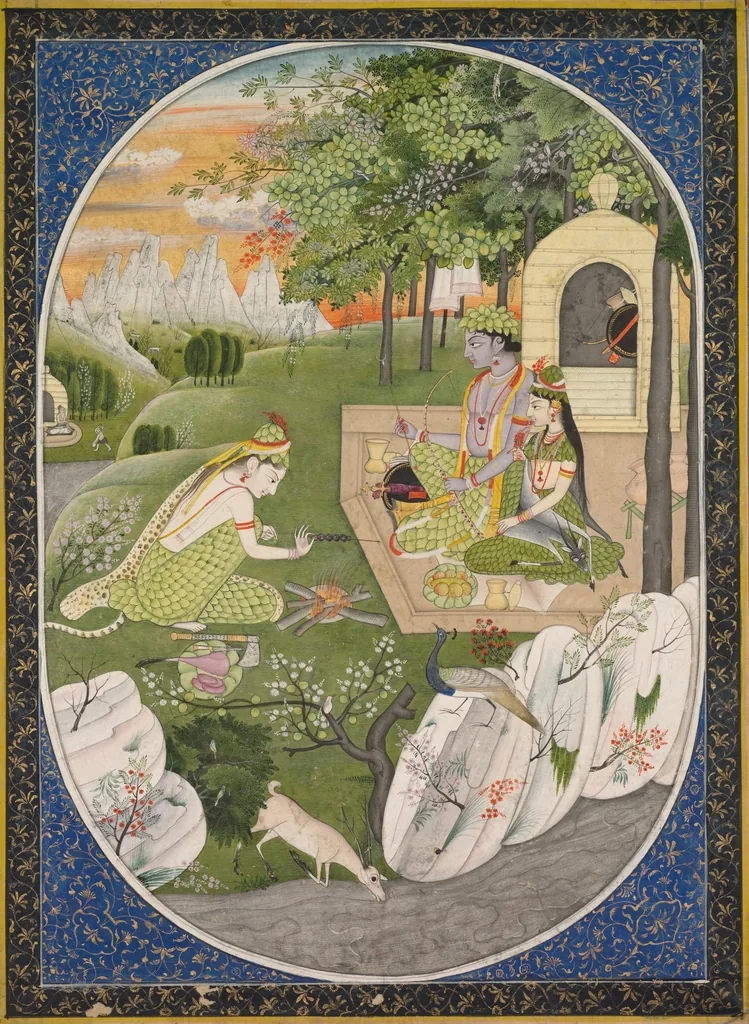
Sita is the daughter of the earth, the queen of Ayodhya and the very picture of steadfast love. In Mithila they still call her their daughter, and across the country her name is spoken first in the pair Sita Ram, before Ram himself. To pray to her is to ask for patience, purity and a home where kindness lives.
The Sita Ashtottara Shatanamavali is a garland of names that gathers her many sides. Some names say where she belongs: Janaki, Maithili, Vaidehi. Some recall the Ramayana, the golden deer, the Ashoka grove, the fire. Others call her by the forms of the Goddess, Lakshmi, Gauri and Sarasvati, because tradition sees all of them in her.
This page lists every name with its Devanagari and Roman spelling, the line you say in puja, and a plain meaning in English and Hindi traced from the Sanskrit roots. Take your time, and let a name you love become the one you return to.
१०८ नाम The full list, with meaning
108 of 108 names
- 1
श्रीसीता
Sri Sita
Sita with the grace of Shri; the furrow, daughter of the earth
श्री से युक्त सीता, जिनका नाम हल की रेखा से जुड़ा है
- 2
जानकी
Janaki
daughter of King Janaka
राजा जनक की पुत्री
- 3
वैदेही
Vaidehi
princess of Videha
विदेह देश की राजकुमारी
- 4
राघवप्रिया
Raghavapriya
beloved of Raghava (Rama)
रघुकुल के राम की प्रिय पत्नी
- 5
रमा
Rama
the delightful one; also a name of Lakshmi
मन को आनन्द देने वाली, लक्ष्मी का भी एक नाम
- 6
अवनिसुता
Avanisuta
daughter of the earth, born of the soil
पृथ्वी की पुत्री, धरती से प्रकट होने वाली
- 7
रामा
Ramaa
the charming one, who gladdens Rama
मनोहर, जो राम को आनन्द देती हैं
- 8
राक्षसान्तप्रकारिणी
Rakshasantaprakarini
cause of the demons' end
वह जिनके कारण राक्षसों का अन्त हुआ
- 9
रत्नगुप्ता
Ratnagupta
the jewel kept safe, the hidden gem
सुरक्षित रखा हुआ अनमोल रत्न
- 10
मातुलुङ्गी
Matulungi
she of the citron fruit
मातुलुंग यानी बिजौरा नींबू का फल धारण करने वाली
- 11
मैथिली
Maithili
princess of Mithila
मिथिला नगरी की राजकुमारी
- 12
भक्ततोषदा
Bhaktatoshada
she who gladdens devotees
भक्तों को सन्तोष और आनन्द देने वाली
- 13
पद्माक्षजा
Padmakshaja
lotus eyed by birth
जन्म से कमल के समान नेत्रों वाली
- 14
कञ्जनेत्रा
Kanjanetra
lotus eyed one
कमल जैसी आँखों वाली
- 15
स्मितास्या
Smitasya
with a smiling face
मुस्कुराते हुए मुख वाली
- 16
नूपुरस्वना
Nupurasvana
whose anklets softly chime
जिनके पायलों की मधुर झनकार होती है
- 17
वैकुण्ठनिलया
Vaikunthanilaya
dweller of Vaikuntha
वैकुण्ठ धाम में निवास करने वाली
- 18
मा
Ma
the Mother, also Lakshmi
माता स्वरूपा, लक्ष्मी का भी नाम
- 19
श्री
Shri
radiance, fortune, grace
शोभा, सम्पदा और कृपा की देवी
- 20
मुक्तिदा
Muktida
giver of liberation
मोक्ष प्रदान करने वाली
- 21
कामपूरणी
Kamapurani
fulfiller of wishes
सब मनोकामनाएँ पूरी करने वाली
- 22
नृपात्मजा
Nripatmaja
daughter born to a king
राजा की कन्या के रूप में जन्मी
- 23
हेमवर्णा
Hemavarna
golden complexioned, gleaming like gold
सोने के समान दमकते वर्ण वाली
- 24
मृदुलाङ्गी
Mridulangi
soft limbed, of tender and gentle form
कोमल अंगों वाली, अत्यन्त सुकुमार
- 25
सुभाषिणी
Subhashini
sweet spoken, of kind words
मधुर और प्रिय वचन बोलने वाली
- 26
कुशाम्बिका
Kushambika
the mother of Kusha, twin son
कुश की माता, जुड़वाँ पुत्र की जननी
- 27
दिव्यदा
Divyada
giver of divine gifts
दिव्य वरदान देने वाली
- 28
लवमाता
Lavamata
the mother of Lava, twin son
लव की माता, जुड़वाँ पुत्र की जननी
- 29
मनोहरा
Manohara
heart stealing, charming
मन को हर लेने वाली
- 30
हनुमद्वन्दितपदा
Hanumadvanditapada
whose feet Hanuman bows to
जिनके चरणों में हनुमान जी प्रणाम करते हैं
- 31
मुग्धा
Mugdha
innocent and enchanting, charming in her simplicity
भोली, सरल और सबका मन मोह लेने वाली
- 32
केयूरधारिणी
Keyuradharini
wearer of armlets
भुजाओं में बाजूबन्द धारण करने वाली
- 33
अशोकवनमध्यस्था
Ashokavanamadhyastha
seated in the middle of Ashoka grove
अशोक वाटिका के बीच बैठी हुई
- 34
रावणादिकमोहिनी
Ravanadikamohini
who bewildered Ravana and his kind
जिन्होंने रावण आदि को मोह में डाल दिया
- 35
विमानसंस्थिता
Vimanasamsthita
seated in the flying chariot Pushpaka
पुष्पक नामक विमान में विराजमान
- 36
सुभ्रू
Subhru
of fair and graceful eyebrows
सुन्दर और सुडौल भौहों वाली
- 37
सुकेशी
Sukeshi
with beautiful long hair
सुन्दर और घने केशों वाली
- 38
रशनान्विता
Rashananvita
girdled with a belt of gems
कमर में करधनी पहने हुए
- 39
रजोरूपा
Rajorupa
in the form of rajas, the active quality
रजोगुण के रूप में प्रकट होने वाली
- 40
सत्त्वरूपा
Sattvarupa
in the form of sattva, purity
सत्त्वगुण के रूप में प्रकट होने वाली
- 41
तामसी
Tamasi
in the form of tamas, restraint
तमोगुण के रूप में प्रकट होने वाली
- 42
वह्निवासिनी
Vahnivasini
who dwelt in fire
अग्नि में निवास करने वाली
- 43
हेममृगासक्तचित्ता
Hemamrigasaktachitta
whose heart was drawn to the golden deer
जिनका मन सुनहरे हिरण पर मोहित हुआ
- 44
वाल्मीक्याश्रमवासिनी
Valmikyashramavasini
who lived in Valmiki's hermitage
वाल्मीकि मुनि के आश्रम में रहने वाली
- 45
पतिव्रता
Pativrata
devoted to her husband
पति के प्रति पूर्ण निष्ठा रखने वाली
- 46
महामाया
Mahamaya
the great power of illusion
ईश्वर की महान माया शक्ति
- 47
पीतकौशेयवासिनी
Pitakausheyavasini
clad in yellow silk
पीले रेशमी वस्त्र पहनने वाली
- 48
मृगनेत्रा
Mriganetra
deer eyed, with soft gentle eyes
हिरन जैसे कोमल नेत्रों वाली
- 49
बिम्बोष्ठी
Bimboshthi
with lips red as the bimba fruit
बिम्बा फल की तरह लाल होठों वाली
- 50
धनुर्विद्याविशारदा
Dhanurvidyavisharada
skilled in the science of archery
धनुष चलाने की विद्या में निपुण
- 51
सौम्यरूपा
Saumyarupa
of gentle form
शान्त और कोमल रूप वाली
- 52
दशरथस्नुषा
Dasharathasnusha
daughter in law of Dasharatha
राजा दशरथ की पुत्रवधू
- 53
चामरवीजिता
Chamaravijita
fanned with royal whisks
चँवर से हवा की जाने वाली
- 54
सुमेधादुहिता
Sumedhaduhita
daughter of the wise one
ज्ञानवान सुमेधा की पुत्री
- 55
दिव्यरूपा
Divyarupa
of a divine and radiant form
दिव्य और तेजस्वी रूप वाली
- 56
त्रैलोक्यपालिनी
Trailokyapalini
protector of the three worlds
तीनों लोकों का पालन करने वाली
- 57
अन्नपूर्णा
Annapurna
bountiful giver of food
अन्न से परिपूर्ण करने वाली, सबका पोषण करती हैं
- 58
महालक्ष्मी
Mahalakshmi
the great Lakshmi, goddess of fortune
महान लक्ष्मी, सम्पदा की अधिष्ठात्री देवी
- 59
धी
Dhi
intellect, clear understanding
बुद्धि और विवेक स्वरूपा
- 60
लज्जा
Lajja
modesty, the grace of shyness
लज्जा और मर्यादा का आभूषण धारण करने वाली
- 61
सरस्वती
Sarasvati
speech and learning
वाणी और विद्या की देवी
- 62
शान्ति
Shanti
peace, serene calm itself
शान्ति और सुख का साक्षात् रूप
- 63
पुष्टि
Pushti
nourishment and flourishing growth
पोषण, वृद्धि और समृद्धि देने वाली शक्ति
- 64
क्षमा
Kshama
forbearance, the power to forgive
क्षमा और सहनशीलता का साक्षात् रूप
- 65
गौरी
Gauri
the fair one
गौर वर्ण वाली, पार्वती का भी नाम
- 66
प्रभा
Prabha
radiance, the light that shines forth
तेज, प्रभा और प्रकाश का रूप
- 67
अयोध्यानिवासिनी
Ayodhyanivasini
dweller of Ayodhya
अयोध्या नगरी में निवास करने वाली
- 68
वसन्तशीतला
Vasantashitala
cool and soothing like spring
वसन्त ऋतु की तरह शीतल और सुखद
- 69
स्नानसन्तुष्टमानसा
Snanasantushtamanasa
content of mind after bathing
स्नान से प्रसन्न मन वाली
- 70
रमानामभद्रसंस्था
Ramanamabhadrasamstha
abiding in the auspicious name of Rama
कल्याणकारी राम नाम में स्थित रहने वाली
- 71
हेमकुम्भपयोधरा
Hemakumbhapayodhara
likened poetically to golden vessels, the nourishing mother
सोने के घड़ों जैसी उपमा वाली, पोषण करने वाली माता का रूप
- 72
सुरार्चिता
Surarchita
worshipped by all the gods
सब देवताओं द्वारा पूजी जाने वाली
- 73
धृति
Dhriti
steadfastness, firm resolve
धैर्य और दृढ़ता स्वरूपा
- 74
कान्ति
Kanti
loveliness, a glow that attracts
सौन्दर्य और मनोहर कान्ति से युक्त
- 75
स्मृति
Smriti
memory, remembrance of what is true
स्मृति, याद रखने की शक्ति का रूप
- 76
मेधा
Medha
wisdom, retentive mind
प्रखर बुद्धि और धारणा शक्ति स्वरूपा
- 77
विभावरी
Vibhavari
shining one; also night
चमकने वाली, रात्रि का भी एक नाम
- 78
लघूदरा
Laghudara
slender waisted, of delicate figure
पतली कमर वाली, सुकुमार देहयष्टि
- 79
वरारोहा
Vararoha
of graceful, noble figure
सुन्दर और गरिमामय देह वाली
- 80
हेमकङ्कणमण्डिता
Hemakankanamandita
adorned with golden bangles
सोने के कंगनों से सजी हुई
- 81
द्विजपत्न्यर्पितनिजभूषा
Dvijapatnyarpitanijabhusha
who gave her own ornaments to a brahmin's wife
जिन्होंने अपने आभूषण ब्राह्मण की पत्नी को अर्पित किए
- 82
राघवतोषिणी
Raghavatoshini
who pleases Raghava
राम को प्रसन्न करने वाली
- 83
श्रीरामसेवानिरता
Shriramasevanirata
ever engaged in serving Rama
श्रीराम की सेवा में सदा लगी रहने वाली
- 84
रत्नताटङ्कधारिणी
Ratnatatankadharini
wearer of jewelled earrings
रत्नजड़ित कुण्डल पहनने वाली
- 85
रामवामाङ्कसंस्था
Ramavamankasamstha
seated at Rama's left side
राम के बायीं ओर विराजने वाली
- 86
रामचन्द्रैकरञ्जनी
Ramachandraikaranjani
who alone delights Ramachandra
एकमात्र वही जो रामचन्द्र को आनन्दित करती हैं
- 87
सरयूजलसङ्क्रीडाकारिणी
Sarayujalasankridakarini
who played in the waters of the Sarayu
सरयू के जल में क्रीड़ा करने वाली
- 88
राममोहिनी
Ramamohini
charmer of Rama's heart
राम के मन को मोह लेने वाली
- 89
सुवर्णतुलिता
Suvarnatulita
weighed in gold, of golden worth
सोने के बराबर तोली गई, स्वर्ण समान मूल्यवान
- 90
पुण्या
Punya
pure, auspicious and full of merit
पवित्र, शुभ और पुण्य से भरी हुई
- 91
पुण्यकीर्ति
Punyakirti
of holy fame, whose story purifies
पवित्र कीर्ति वाली, जिनका यश पावन है
- 92
कलावती
Kalavati
accomplished in the fine arts
कलाओं में कुशल और निपुण
- 93
कलकण्ठा
Kalakantha
sweet voiced like the cuckoo
कोयल की तरह मधुर कण्ठ वाली
- 94
कम्बुकण्ठा
Kambukantha
with a conch shaped neck
शंख के समान सुन्दर गर्दन वाली
- 95
रम्भोरू
Rambhoru
graceful limbed like a plantain stem
केले के तने जैसे सुडौल अंगों वाली
- 96
गजगामिनी
Gajagamini
of elephant like stately gait
हाथी जैसी गरिमामयी चाल वाली
- 97
रामार्पितमना
Ramarpitamana
whose mind is offered to Rama
जिनका मन राम को समर्पित है
- 98
रामवन्दिता
Ramavandita
honoured and saluted by Rama
श्रीराम द्वारा आदर पाने वाली
- 99
रामवल्लभा
Ramavallabha
dear to Rama
राम को अत्यन्त प्रिय
- 100
श्रीरामपदचिह्नाङ्का
Shriramapadachihnanka
marked by the footprints of Rama
श्रीराम के चरण चिह्नों से अंकित
- 101
रामरामेतिभाषिणी
Ramarametibhashini
who says Rama, Rama
राम राम कहती रहने वाली
- 102
रामपर्यङ्कशयना
Ramaparyankashayana
resting on Rama's couch
राम की शय्या पर विश्राम करने वाली
- 103
रामाङ्घ्रिक्षालिणी
Ramanghrikshalini
who washes Rama's feet
राम के चरणों को धोने वाली
- 104
वरा
Vara
the excellent one; also a boon
श्रेष्ठ, वरदान के समान
- 105
कामधेन्वन्नसन्तुष्टा
Kamadhenvannasantushta
content with the food of Kamadhenu
कामधेनु के अन्न से सन्तुष्ट रहने वाली
- 106
मातुलुङ्गकरेधृता
Matulungakaredhrita
holding a citron in her hand
हाथ में बिजौरा नींबू धारण करने वाली
- 107
दिव्यचन्दनसंस्था
Divyachandanasamstha
anointed with divine sandal paste
दिव्य चन्दन से लेपित
- 108
मूलकासुरमर्दिनी
Mulakasuramardini
crusher of the demon Mulaka
मूलक नामक असुर का मर्दन करने वाली
स्रोत Where this list comes from
This list comes from the Sita Ashtottara Shatanama Stotra found in the Ananda Ramayana, where the sage Agastya teaches it to Sutikshna. Several online editions label it as composed by Valmiki, but the text itself places it inside the Ananda Ramayana, a later devotional telling of the Rama story, so we describe it as a traditional liturgical list and not as part of the original epic.
The stotra announces one hundred and eight names, yet the verses as printed carry a few more words, because some names repeat. Printed namavali editions follow the verse order, and so does this page. We keep the order of the verses and fold the repeats so the count reaches 108, as explained in the note on variants below.
The longer Sita Sahasranama, with a thousand names, is a separate text. This shorter list is the one most families use for the morning archana, since it can be finished in a quarter of an hour.
The stotra says 108 but the printed verses give 111 word forms. We follow the verse order and fold the exact repeats: the second Gauri (name 70 in the full printing) and the second Shri (name 110) are left out, and Devi, an honorific that opens the stotra, is also set aside to reach 108. Other small differences exist: Sanskrit Documents prints Mukta for Mugdha, Sitayai for Sri Sitayai, and omits the final Shri. Some editions print Ramavamanga for Ramavamanka.
जप और पूजा How the names are chanted
Bathe, wear clean clothes and sit before the murti or picture of the divine couple, with a lamp, flowers and a little kumkum. For each name say Om, then the name as printed in the puja line, then Namah, and offer one flower or a touch of kumkum at the feet of Mata Sita. Offer 108 times and the archana is complete.
If you prefer japa, count on a tulsi mala, one name for each bead, or simply read along. The most favoured days are Friday, Sita Navami in the bright half of Vaishakha, and Vivah Panchami in Margashirsha, the day of the wedding of Sita and Ram. Morning is the usual hour for a quiet start.
Many women take up the names with the wish for a peaceful home, and they are welcome, as are men and children. Pronounce the endings softly: Janakyai, Vaidehyai. A calm mind and a few moments of stillness at the end are worth more than flawless Sanskrit.
Aarti of Shri Janak LaliOm Jai JanakinathaSiyavar Ramchandra ki JaiShri Ram Chandra KripaluRam Navami pujaVivah sanskar
नामकरण Baby names from Sita
Many families pick a name for a newborn from this very list. These pages sort out the ones that work as everyday given names.
प्रश्न Questions, answered
What are the 108 names of Sita?
They are the names of the Sita Ashtottara Shatanamavali, beginning Sri Sita, Janaki, Vaidehi, Raghavapriya, Rama and Avanisuta. The full list with Devanagari, Roman and meaning is on this page, in the order of the Ananda Ramayana stotra.
Which text are the Sita 108 names from?
They come from the Sita Ashtottara Shatanama Stotra in the Ananda Ramayana, taught by Agastya to Sutikshna. Some web pages label the stotra as by Valmiki, but it belongs to that later devotional text, and its printed verses contain a few repeated names.
When should I chant the names of Sita?
Fridays, Sita Navami and Vivah Panchami are favoured. Many families also include them in the daily morning puja before the aarti. Any quiet time after a bath is fine if the day is busy.
What does Janaki mean?
Janaki, name 2, means daughter of Janaka, the king of Mithila who found her in the furrow while ploughing. It is the name used most in bhajans, as in Janaki Vallabha, the beloved of Janaki, for Ram.
What is the meaning of Avanisuta?
Avanisuta, name 7, means daughter of the earth. Avani is the earth and suta is a child. It recalls the story of Sita arising from the ground, and the name is also a gentle reminder of her patience.
Can men chant the names of Sita?
Yes. The names are open to every devotee, and many men chant them with Ram. Offer them with a clean body and a settled mind, and the practice is complete.
Why are Lakshmi, Gauri and Sarasvati in the Sita names?
Tradition sees Sita as an incarnation of Lakshmi, the consort of Vishnu as Ram, and the stotra also gathers the forms Gauri and Sarasvati to show that every aspect of the Goddess shines in her. The names Mahalakshmi, Gauri and Sarasvati stand for that view.
नामों के रूप और क्रम अलग-अलग परंपराओं में थोड़े भिन्न मिलते हैं; कुल की परंपरा और गुरु का क्रम सर्वोपरि है। Wording and order differ a little between traditions, so follow your family or guru's version if it differs.
Chant it where it was sung. Laladham picks you up in Delhi and runs the complete trip, so you can recite the names in the temples themselves.
Plan my trip