What follows is a three day plan from Delhi, built from the Shrine Board's own rules as reported this winter and from detailed route guides. Some figures differ between sources, so the points that move are marked for a local check.
Day 1: Delhi to Katra, 630 km and a registration check
By road Katra is about 630 km from Delhi, and a realistic day is 10 to 12 hours with stops, through Punjab and then the climb out of Jammu. The easier option is a train: the Delhi to Katra trains run overnight or through the day, and if you land in Jammu instead, the last stretch is roughly two hours by road. Most people sleep on the way and arrive tired, so plan nothing on the evening except dinner and bed. Jammu is the city you pass through, and the national tourism site notes that the approach to the Trikuta hills runs through Katra, so book your final stretch to Katra, not just to Jammu.
Do the paperwork before you reach. Registration is free and compulsory online at the Shrine Board portal, with Aadhaar, voter ID or a passport for every traveller. The slip is not the permission to climb; it only lets you collect an RFID card in Katra, and that card is what the first checkpoint scans. Turn up without it and the station counter at Katra stays open till midnight, and a second one sits by the bus stand, but that is a queue you could have skipped.
The clock that starts when you take the card
In late December 2025 the Shrine Board introduced a time rule: begin the trek within 12 hours of receiving the RFID card, and finish back at the base within 24 hours. It covers walkers, helicopter passengers and battery car riders alike. Some reports quote a 10 hour start window, so ask at the counter when you collect the card.
This changes how you plan. Collect the card in the evening and you are expected to leave that night or by early morning. Collect it and then sleep until noon, and you may find the slip near its end. Treat the card as a starting gun, not a document to pick up whenever.
Day 2: leaving Banganga at four in the morning
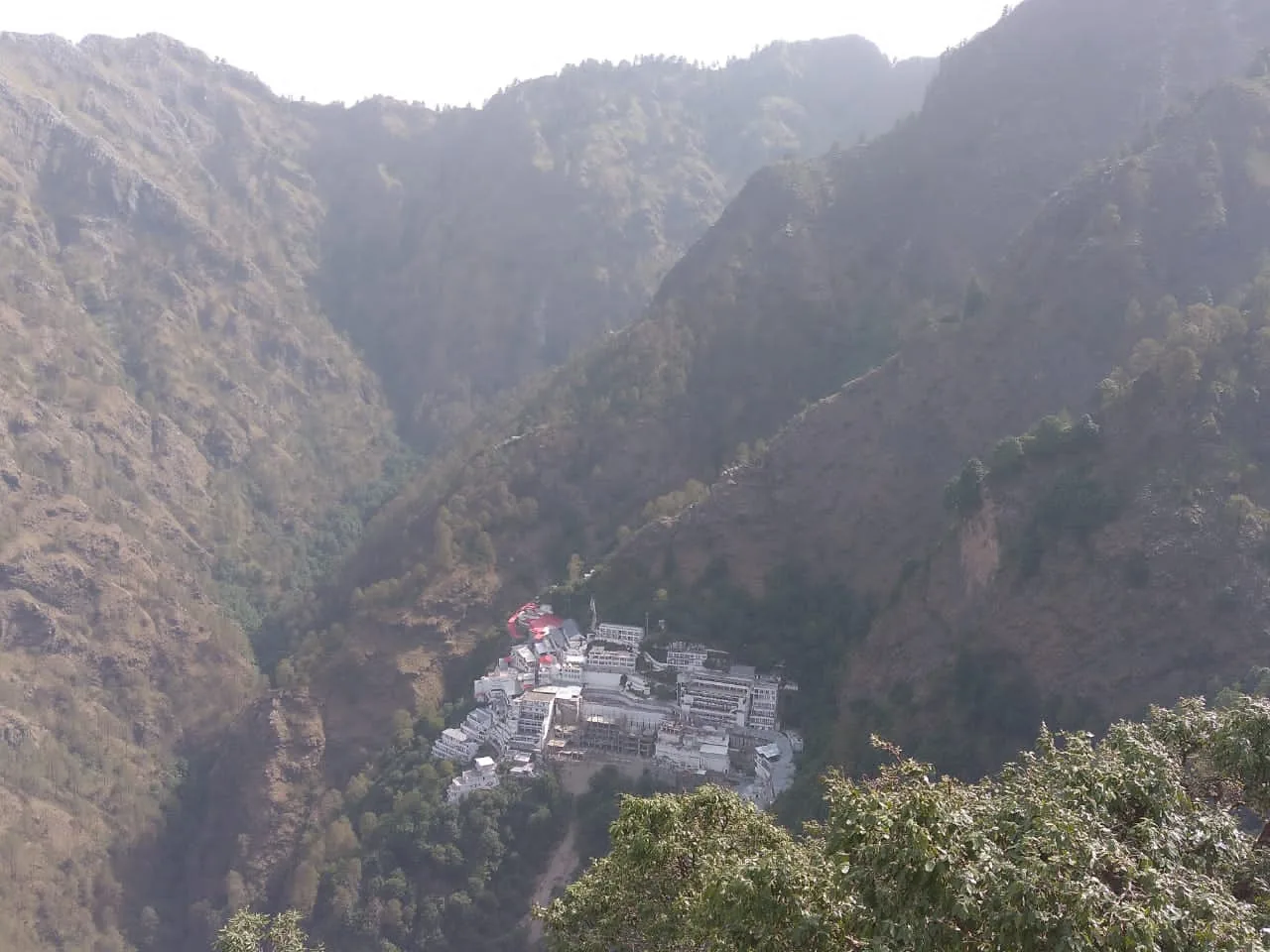
Guides agree on the hour: set off between 4 and 5 AM. You beat the heat, you walk the steep middle stretch in cool air, and the afternoon queue at the Bhawan is shorter than it would be for someone starting at nine. The distances run roughly like this: Katra to the Banganga check post 1.5 km, Banganga to Ardhkuwari 4.5 km, Ardhkuwari to Sanjichhat 4 km, and Sanjichhat to the Bhawan 2.5 to 3 km.
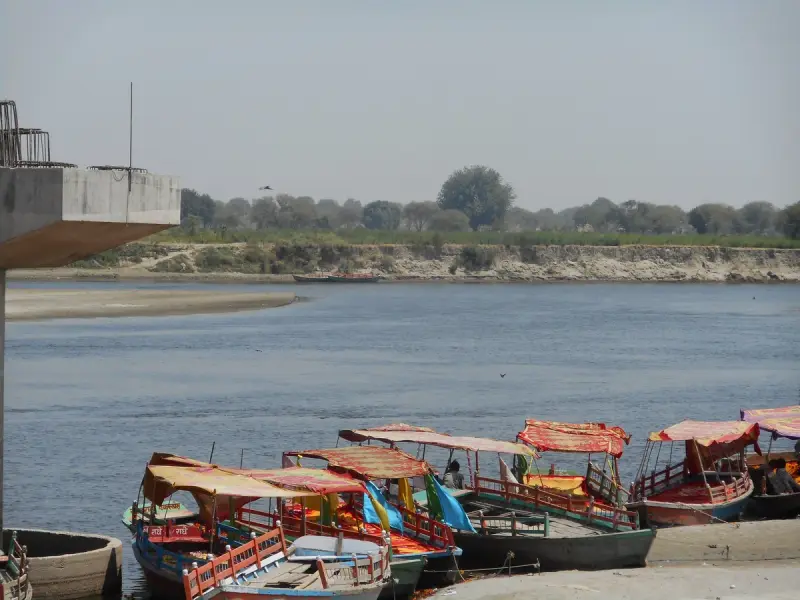
There are two ways to Ardhkuwari. The old track, about 5.5 km, passes Charan Paduka and the bathing ghat at Geeta Mandir and is the one most people mean when they speak of the climb. The newer track is wider and longer, about 7.5 km, and is steeper in places, which is why one traveller guide suggests saving it for the descent. A third, the Himkoti route, is about 13.5 km and is quieter, with battery cars along part of it.
Toilets come every 300 to 400 m, shelters about every 500 m, and eateries along the track keep running through the night. You do not need to carry much. A power bank, a light rain layer and your original ID are enough; heavy woollens in winter, light ones the rest of the year.
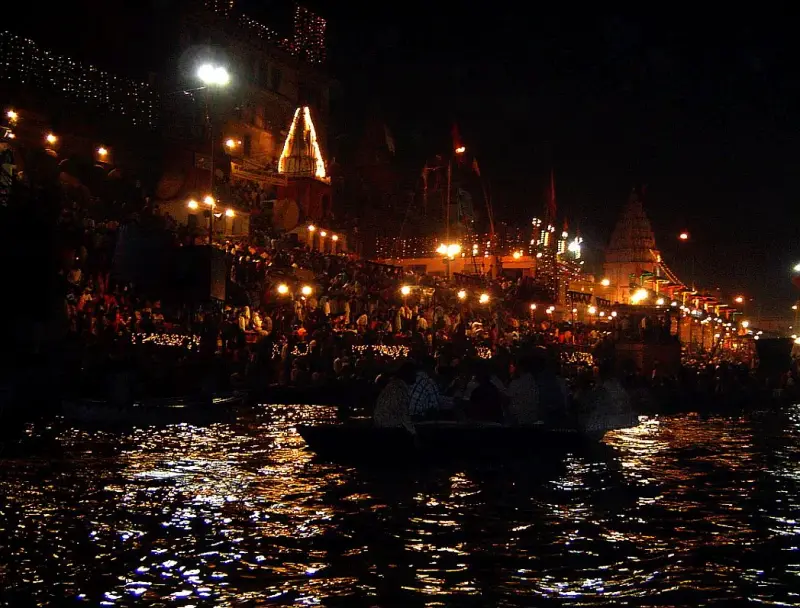
Ardhkuwari, the hard middle and the helicopter trap
Ardhkuwari is the halfway cave where the Devi is said to have rested, and the stretch beyond it to Sanjichhat is described as the hardest: long, steep and unforgiving to tired legs. Battery cars run between Ardhkuwari and the Bhawan, with priority for senior citizens, and can be booked online up to about two months ahead.
The helicopter is faster than it sounds only on paper. The flight from Katra takes about eight minutes and lands at Sanjichhat, but that is still 2.5 km from the cave, so you walk or hire a pony for the last part. Tickets open 60 days out and vanish fast, a return ticket does not promise a same day return if the weather turns, and there is a weight limit of 110 kg per person with baggage.
At the Bhawan: queues, lockers and two minutes
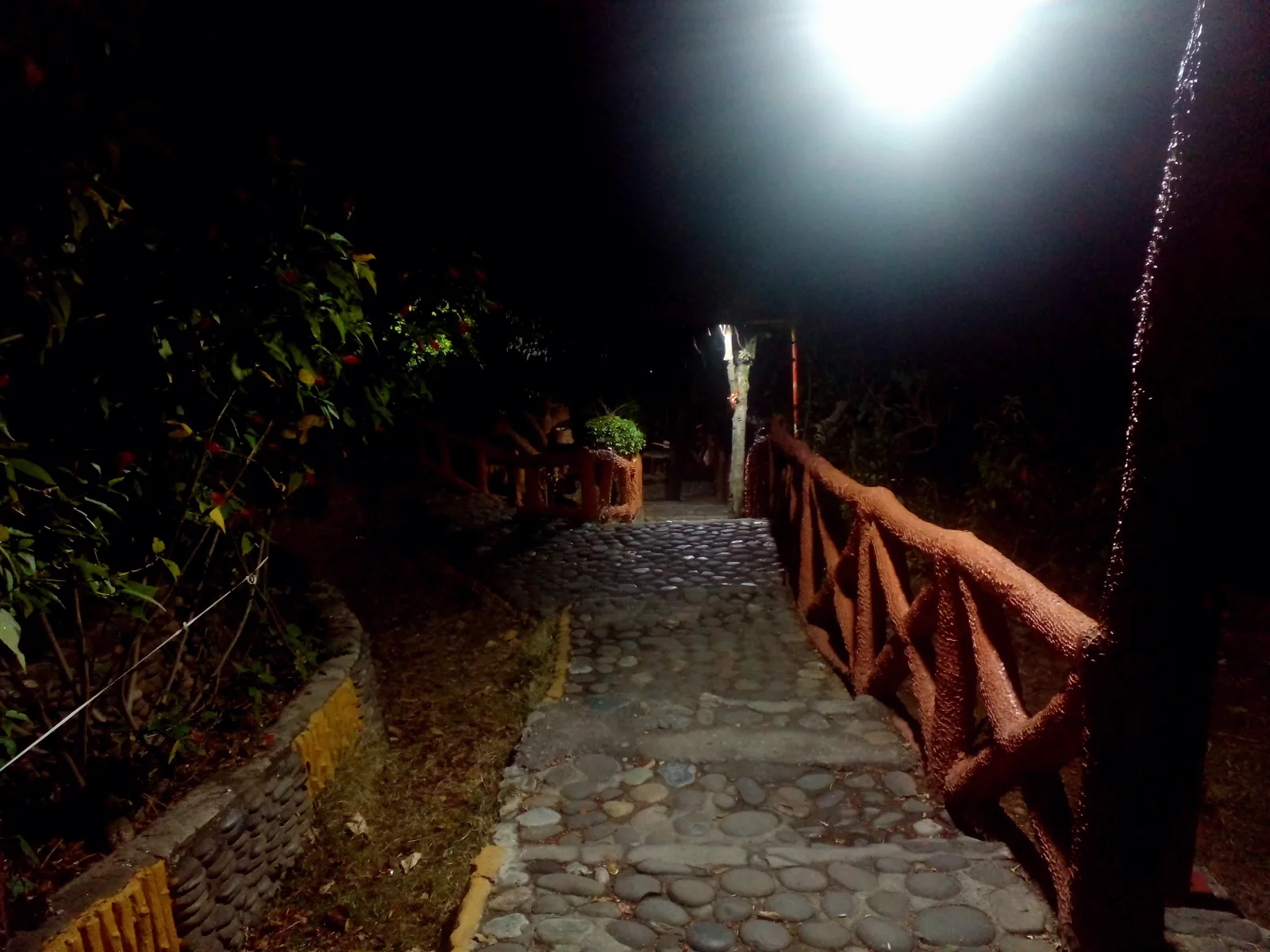
Queue length is the real variable. On a normal day darshan takes one to six hours of waiting; festival periods stretch to eight or twelve, and Chaitra Navratri has been reported at ten to twelve. Inside, you get two to three minutes at the cave. Leave phones, cameras and purses in the cloakroom, since photography is banned. Past Gate No.1 a board shows your group number, which fixes your turn, and free rest halls at the Bhawan mean you can wait without paying for a room.
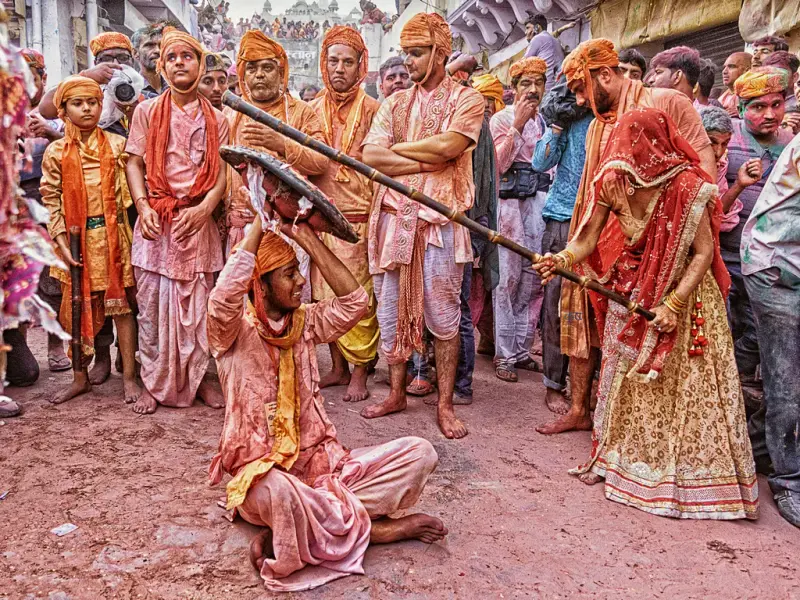
Rooms at the Bhawan go first on weekends and holidays, so if you want one, book online. Many seekers skip a room and simply rest in the free halls after darshan, then start down.
After darshan: Bhairon, then the descent
Custom says finish with the Bhairon temple, about 2.5 km uphill from the Bhawan at a height of roughly 6,600 ft. The ropeway saves your legs for the descent, runs from about 8 AM to 5 PM, and drops you around 300 m from the temple. Your RFID card is needed to board.
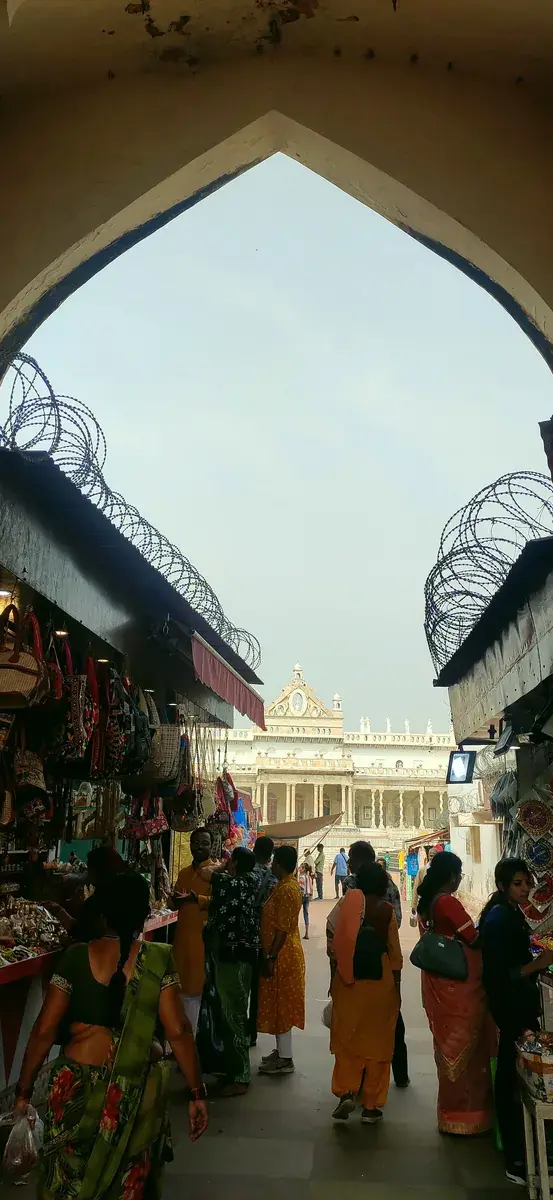
Going down is where the knee pain arrives. Take the Tarakote route if the guides still list it, about 12 km and gentler on the joints, and rest at every shelter. Aim to be back in Katra well inside the 24 hour limit.
Day 3: sleep, sweets and the road back
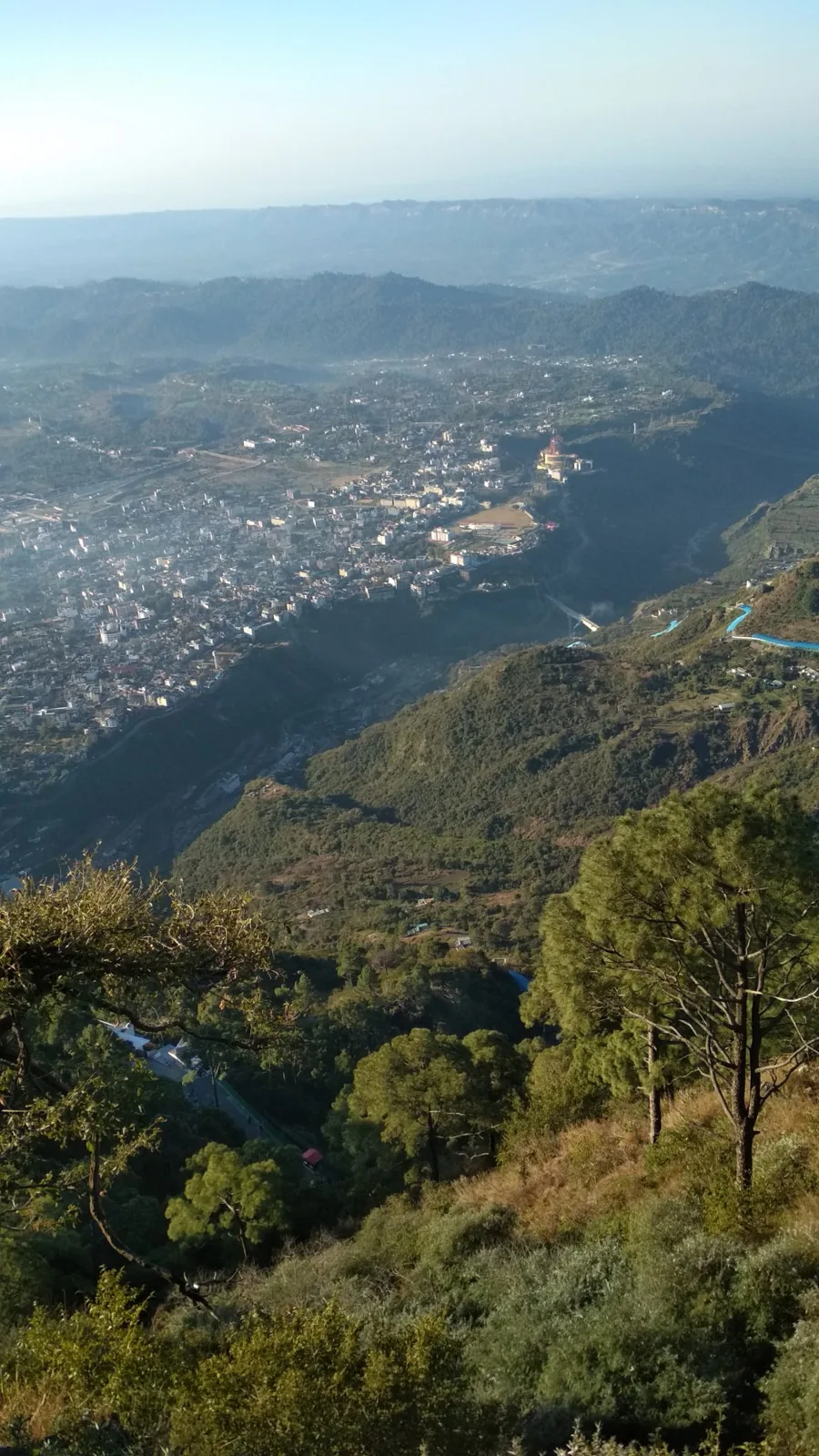
Give your body the morning. Katra's bazaar sells dry fruit, walnuts and local sweets, and the shops near the bus stand are the ones people head for. Leave for Delhi after lunch if you drive, or take an evening train. Winter snowfall can briefly disrupt the path, while peak times are Chaitra Navratri, Sharad Navratri, New Year and any weekend; the shrine itself is open 365 days.
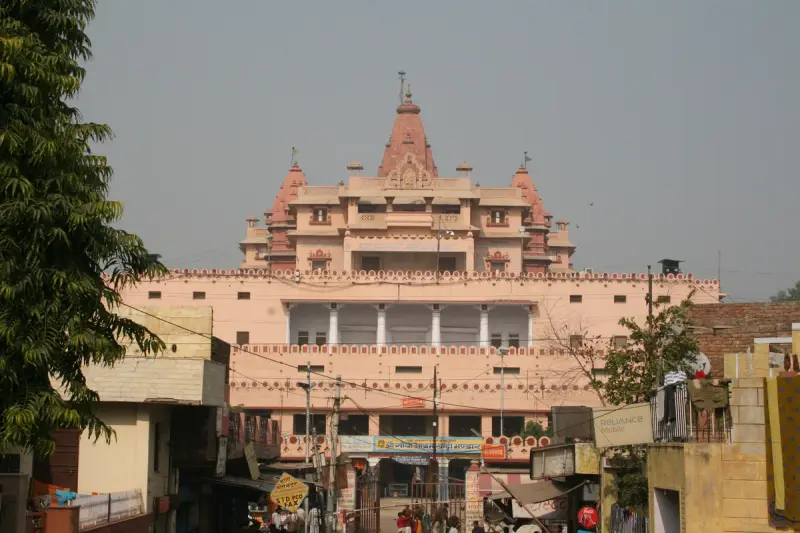
Delhi pickup and the complete trip with Laladham
Laladham picks you up in Delhi, at the airport, railway station, your home or hotel, drives the 630 km to Katra with rest stops, arranges a place near the base and keeps the climb plan flexible around your registration slot. Tell us if anyone needs a pony or battery car, and ask for a quote on the [book page](/book).
Questions, answered
How long is the Vaishno Devi trek?
About 13 km one way from Katra, via Banganga, Ardhkuwari and Sanjichhat. The old route to Ardhkuwari is about 5.5 km; the newer one is about 7.5 km. Most walkers take 6 to 8 hours up, but the queue at the cave can add many more.
Do I need to register before going?
Yes, every traveller must. Apply online with one photo ID, then pick up the RFID card once you arrive.
Is there a time limit for the climb now?
A new rule from late December 2025 says set off within 12 hours of collecting the card and return to Katra inside 24. A few reports quote 10 hours for the start, so confirm at the counter.
Does the helicopter take me to the cave?
No. It lands at Sanjichhat after an eight minute flight, still about 2.5 km short of the cave, so a pony or a walk finishes the job. Seats go quickly once booking opens.
Can I take my phone inside?
No. Phones, cameras and bags are left in the cloakroom before the cave entry, and photography is not permitted.