Where the story starts: Braj
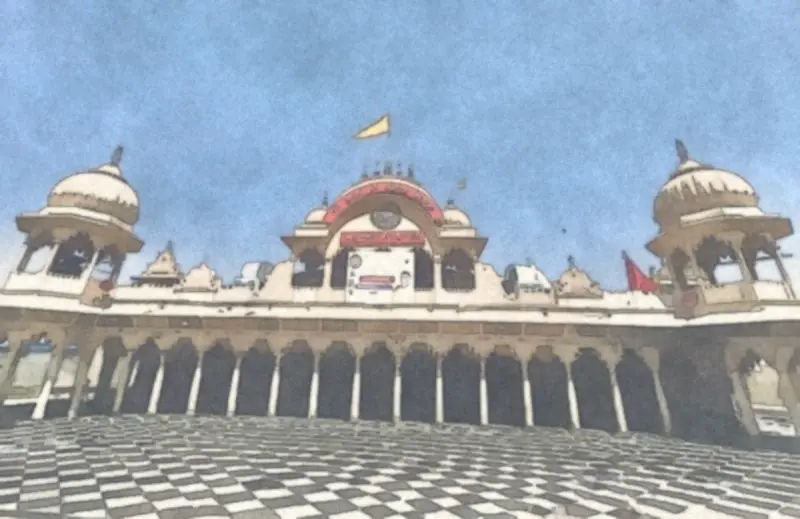
Mathura, Vrindavan, Govardhan, Gokul and Barsana are the base of the tradition and have their own guides on this site. Think of them as the first chapter. Everything below is a later one, and each is a trip of its own.
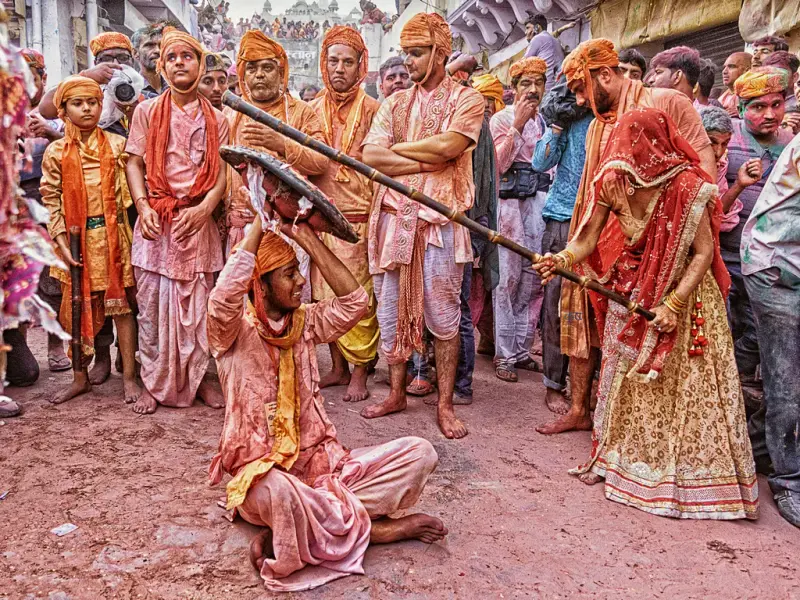
Kurukshetra: the field of the Gita
Roughly 160 km from Delhi in Haryana, Kurukshetra is the battlefield of the Mahabharata. Incredible India calls Jyotisar the holiest place in town: a banyan, described as 5,000 years old, stands where Krishna is said to have taught the Gita to Arjuna, with a marble chariot beneath it enclosed in glass and red wish threads tied on the branches. The tree's real age has never been settled, and a study was commissioned to test it. Brahma Sarovar, one of Asia's largest man-made ponds at about 3,600 by 1,500 feet, is worshipped at sunrise and sunset and holds a black stone chariot of Krishna and Arjuna. The Sri Krishna Museum, opened in 1987, has six galleries of painting and sculpture. It is a half day from Delhi, and the easiest first step beyond Braj.
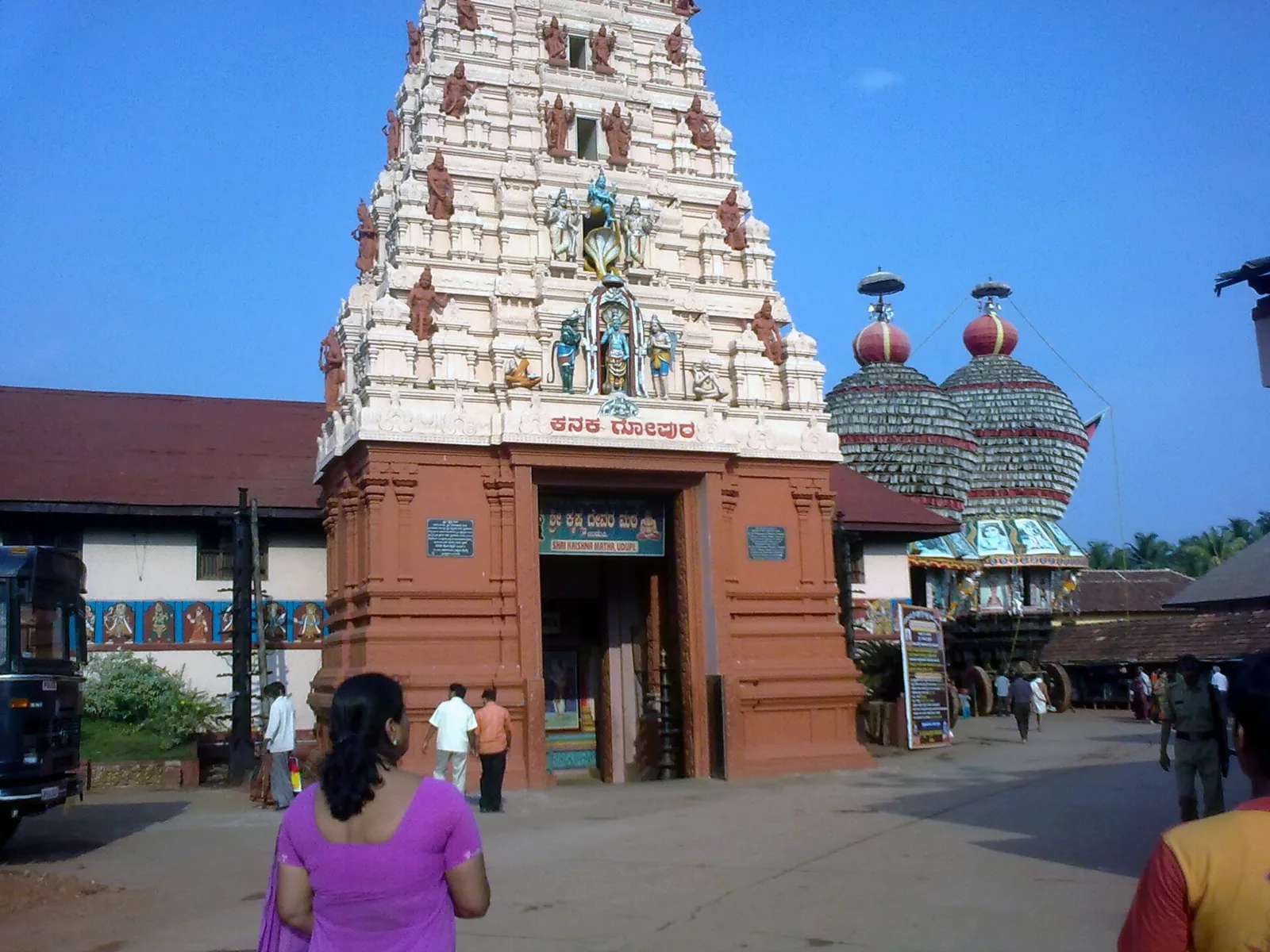
Dwarka: the city by the sea
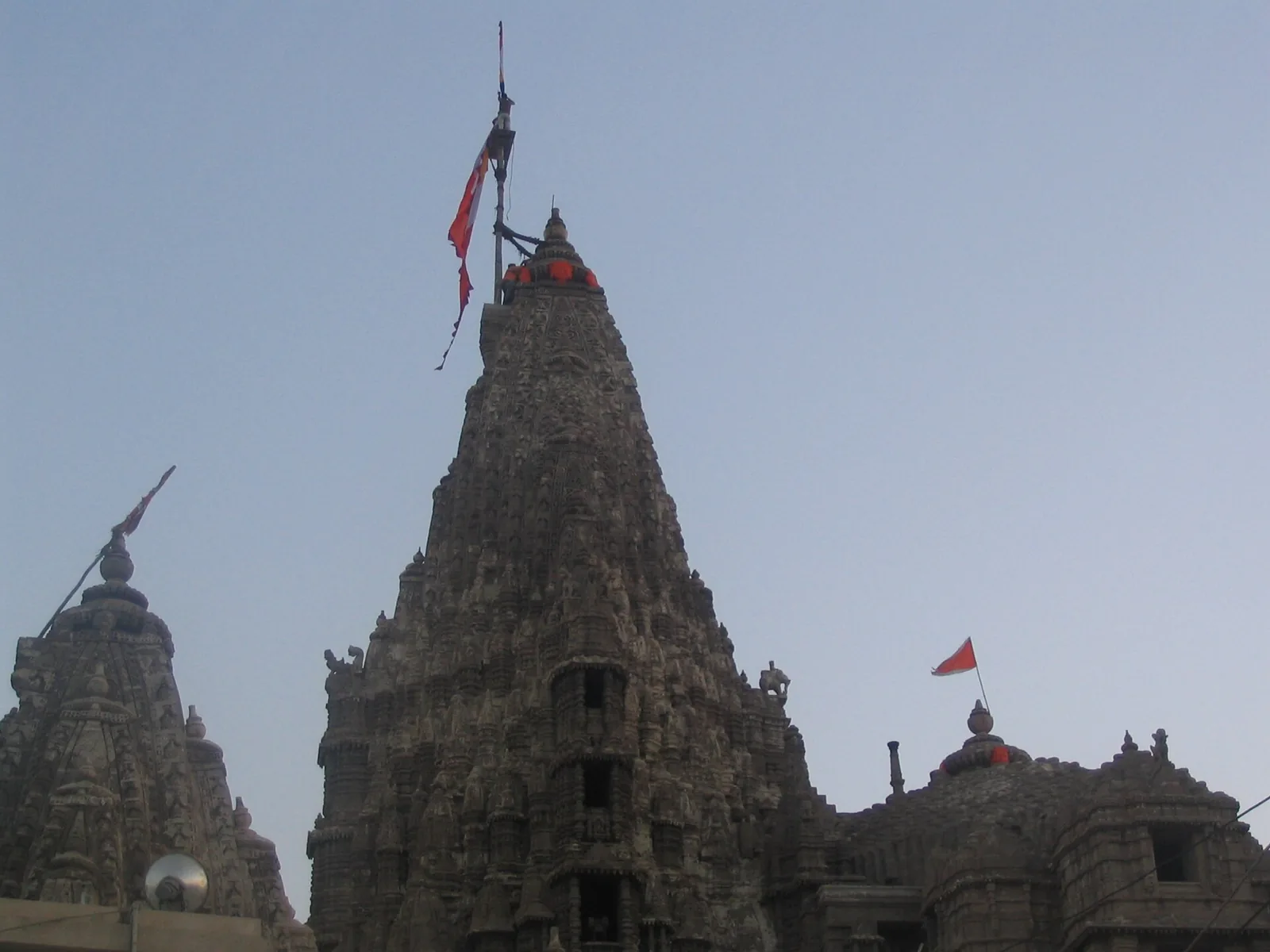
After leaving Mathura, Tradition holds that Krishna founded Dwarka on the Gujarat coast. The Dwarkadhish temple opens from 6:30 am to 1 pm and 5 to 9:30 pm per Incredible India, rises 78 m, and is reached by 56 steps; its flag is cut from 52 yards of cloth and changed five times a day. It is one of the Char Dham. Bet Dwarka, the island with temples linked to his family, has been joined to the mainland since February 2024 by the 2.32 km Sudarshan Setu. Somnath lies along the same coast, so the two are usually combined; our Dwarka and Somnath itinerary has the road.
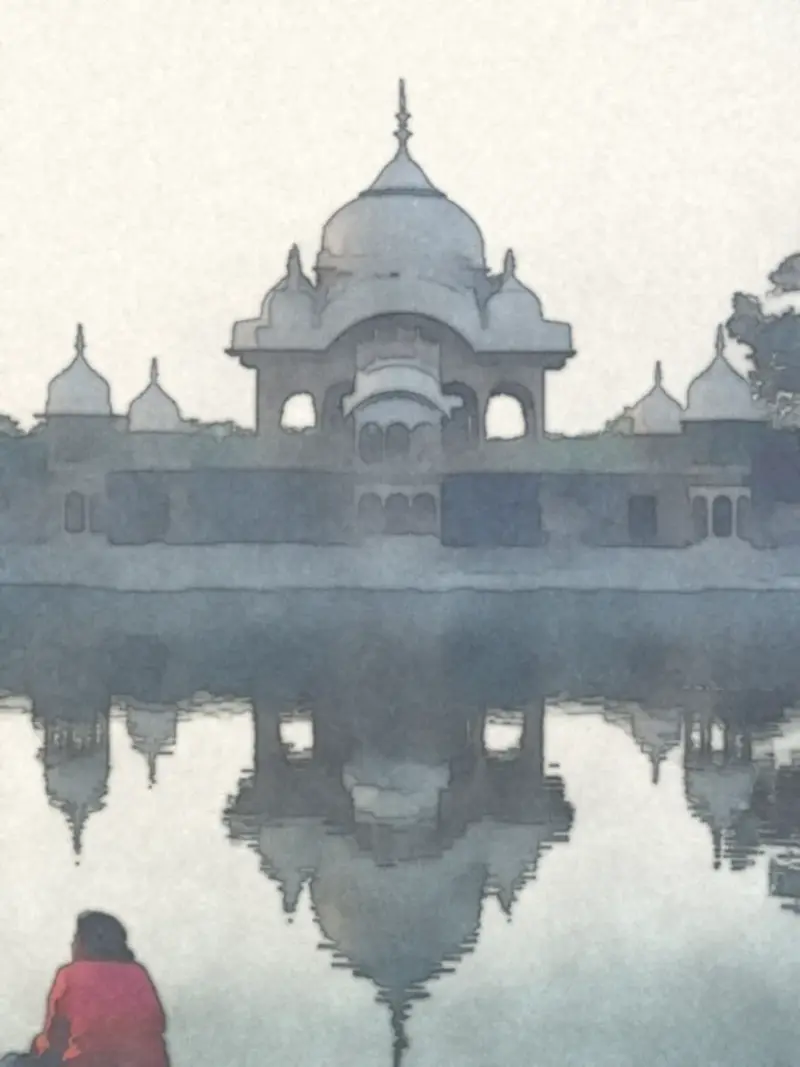
Nathdwara: Braj in Rajasthan
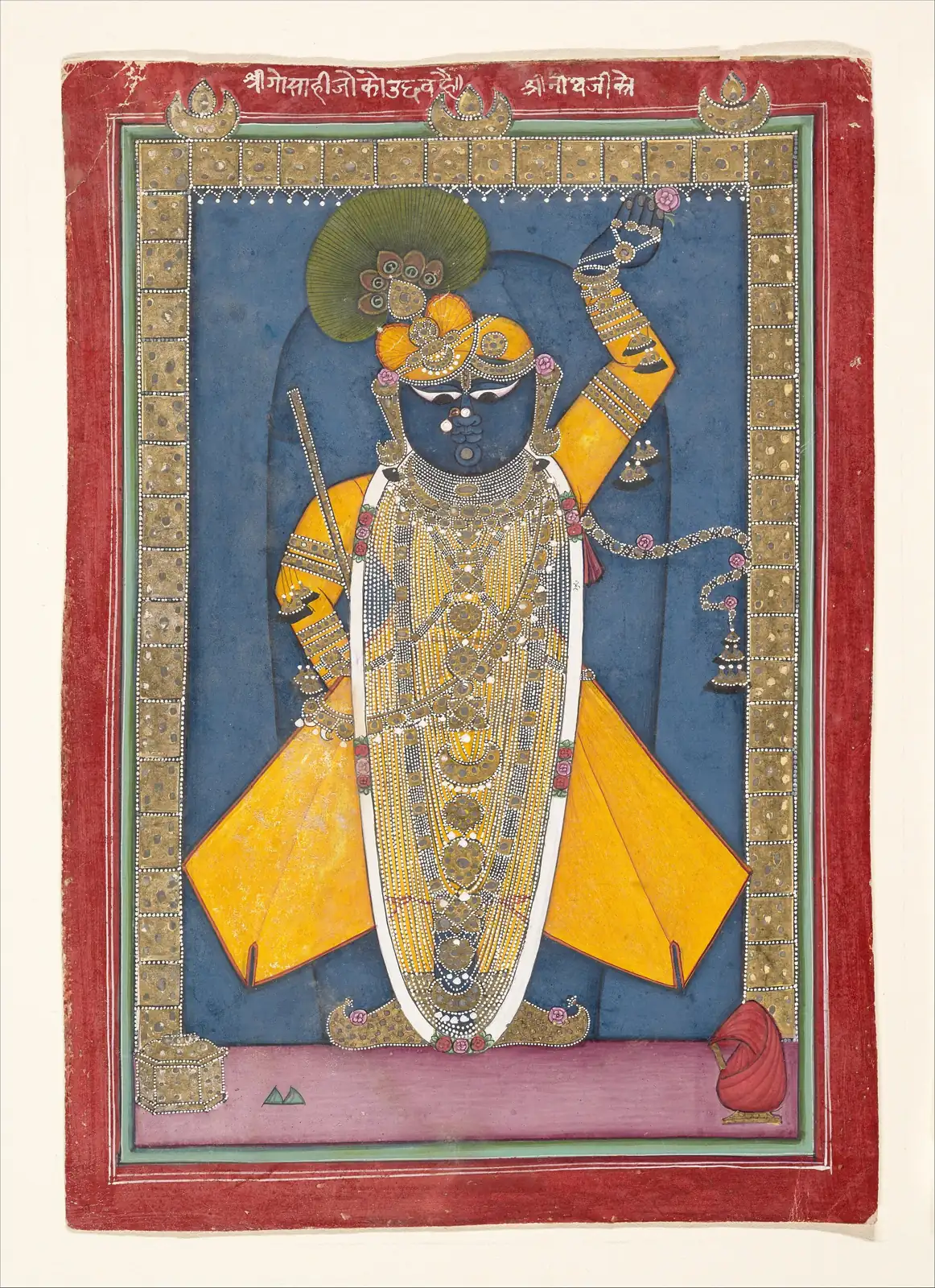
In the seventeenth century the black stone image of Shrinathji was carried from Govardhan toward Mewar, and it came to rest at Nathdwara on the Banas, about 48 km from Udaipur. Incredible India describes the image as Krishna lifting Govardhan, carved from a single black stone, and the town is the home of pichwai cloth painting. The temple follows Pushtimarg custom, with the doors opening for short darshans through the day, so plan around the posted schedule. Udaipur is the usual base, and our Nathdwara guide has the eight darshans in order.
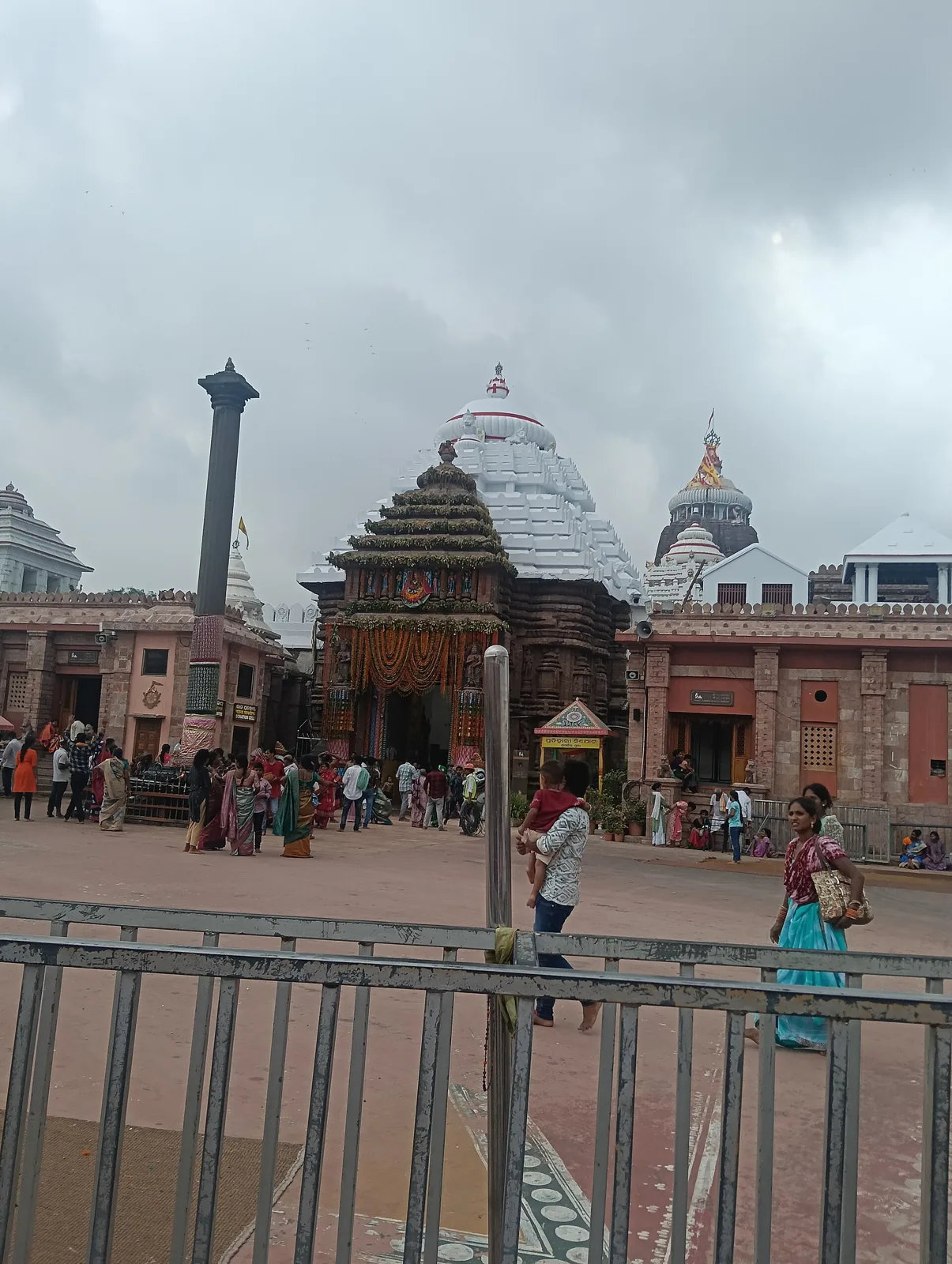
Puri: Jagannath of Odisha
On the east coast, Krishna is worshipped as Jagannath, with his brother Balabhadra and sister Subhadra, in wooden forms unlike any other image in India. The temple administration states that only Hindus are allowed inside, and that after the Snana ritual on the Jyeshtha full moon the deities are said to fall ill and darshan stops for 15 days. At the chariot festival the deities come out: three chariots, Nandighosa, Taladhwaja and Darpadalana, travel to the Gundicha Temple, where they stay nine days. Confirm the dress and phone rules with the temple administration before you take a group.
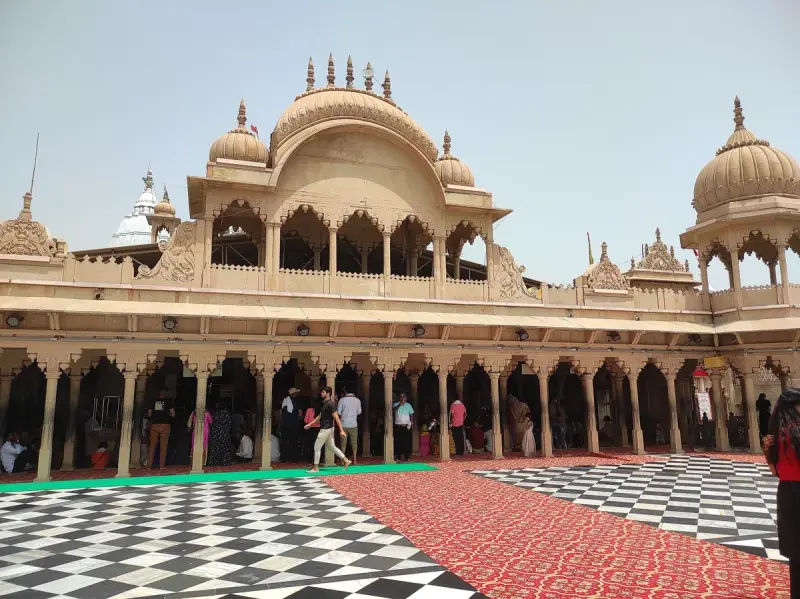
Udupi: the matha of Madhva
On the Karnataka coast, the Krishna temple was established in the thirteenth century by Madhvacharya, founder of the Dvaita school. The main image is seen through a silver window with nine holes, the Navagraha Kitiki, and a second window honours the devotee Kanaka Dasa, remembered for the crack through which he was blessed. Karnataka Tourism notes that the temple feeds thousands daily, that dress should be modest and that photography is prohibited in the sanctum. Timings vary between listings, so verify them locally. The town is known for plain vegetarian Udupi restaurants.
Guruvayur and Pandharpur
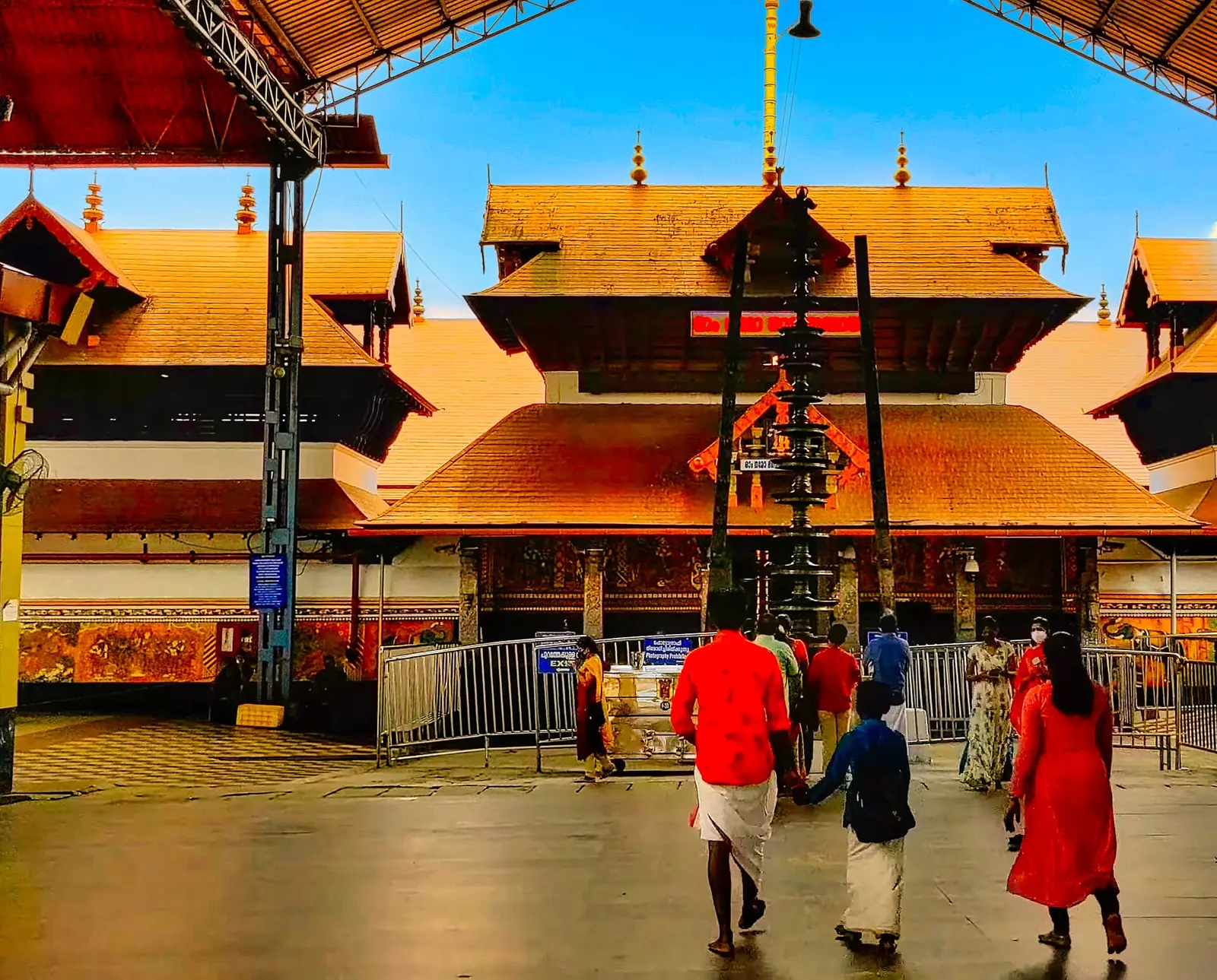
Guruvayur, in Kerala, is called the Dwarka of the south, and its dress code is strict: Kerala Tourism says men wear a plain white or cream dhoti with no shirt, vest, trousers or footwear, women wear a saree, a skirt with blouse or a churidar, and children may wear shorts if the upper body is bare. Non-Hindu entry rules are enforced by the temple, so check with it first. Pandharpur, in Maharashtra, is where Vitthal stands with Rukmini, and the Wari is a procession that starts from Dehu and Alandi, covers about 250 km in 20 days and ends at Ashadhi Ekadashi. Free meals and medical help line the route. Go at other times of year if you want a quiet darshan.
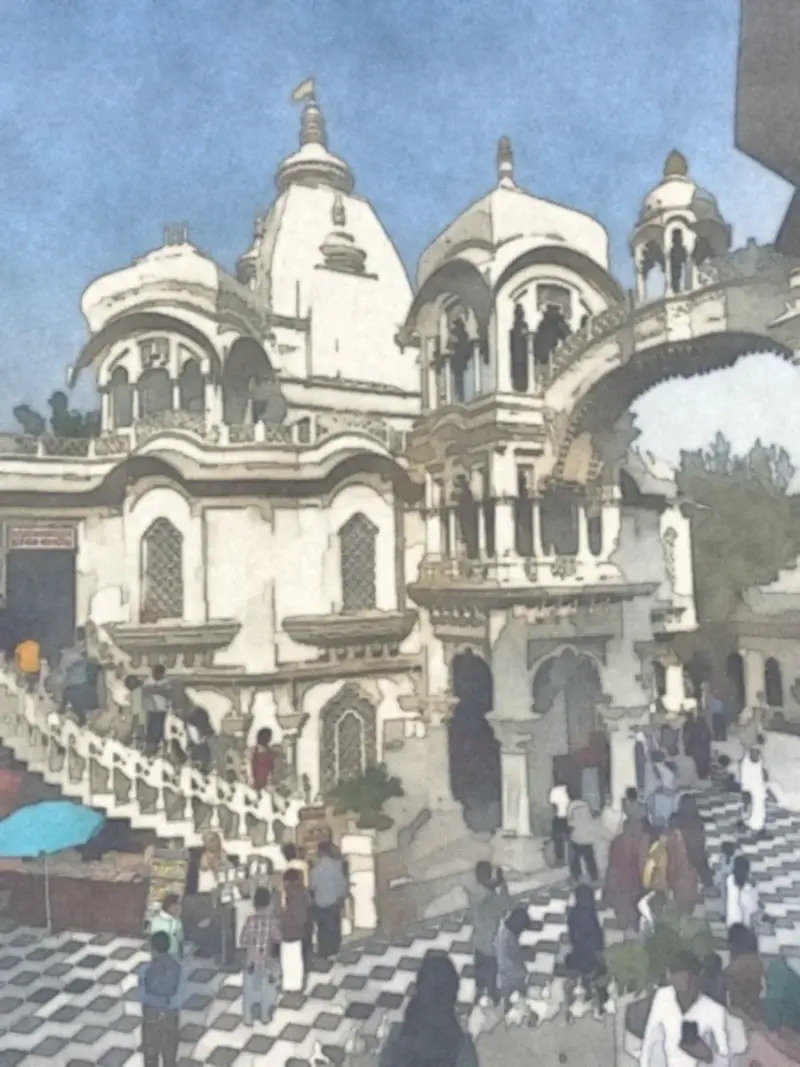
Mayapur and the Gaudiya world
In West Bengal, Mayapur is the world headquarters of ISKCON and, for Gaudiya Vaishnavas, the birthplace of Chaitanya Mahaprabhu. It has no railway station of its own, so travellers go by train to Nabadwip and then by road. It pairs well with Kolkata and Puri on an eastern leg.
Choosing your first stop beyond Braj
For a long weekend, take Kurukshetra. For a week of palaces and lakes, take Udaipur and Nathdwara. For the sea, Dwarka and Somnath reward a flight to Jamnagar or Rajkot and a car for the coast. For the east and south, plan on flights or overnight trains and leave margin for festival crowds, because the same Krishna looks very different in each place, a child in Braj, a king in Dwarka, a wooden face with wide eyes in Puri and a calm figure standing on a brick in Pandharpur.
How Laladham helps
Laladham starts from Delhi, where you know us from the Braj trips, and plans the chapter you choose: the train or flight where distance needs it, a driver at each stop, stays near the temple and a plan that respects each shrine's dress and ritual rules. Ask for a quote on the book page and tell us which names on this list you have in mind.
Questions, answered
Which Krishna site is closest to Delhi after Mathura?
Kurukshetra, roughly 160 km north, which is easy as a day.
Can non-Hindus enter these temples?
Puri restricts the sanctum to Hindus, and Guruvayur follows its own rules, so confirm each one before you set out.
What is the dress code at Guruvayur?
Men in a simple light dhoti and no shirt or shoes, women in traditional wear.
How long is the Pandharpur Wari?
Close to 250 km, covered in about three weeks.
Can I combine Nathdwara and Dwarka?
Yes, on one long road trip southwest from Udaipur.
- Incredible India, Kurukshetra heritage sites
- Incredible India, Dwarkadhish Temple
- Business Today, Sudarshan Setu inauguration
- Shree Jagannatha Temple Administration, FAQ
- Karnataka Tourism, Udupi Shri Krishna Temple
- Kerala Tourism, Guruvayur temple dress code
- Free Press Journal, Pandharpur Wari
- Incredible India, Nathdwara