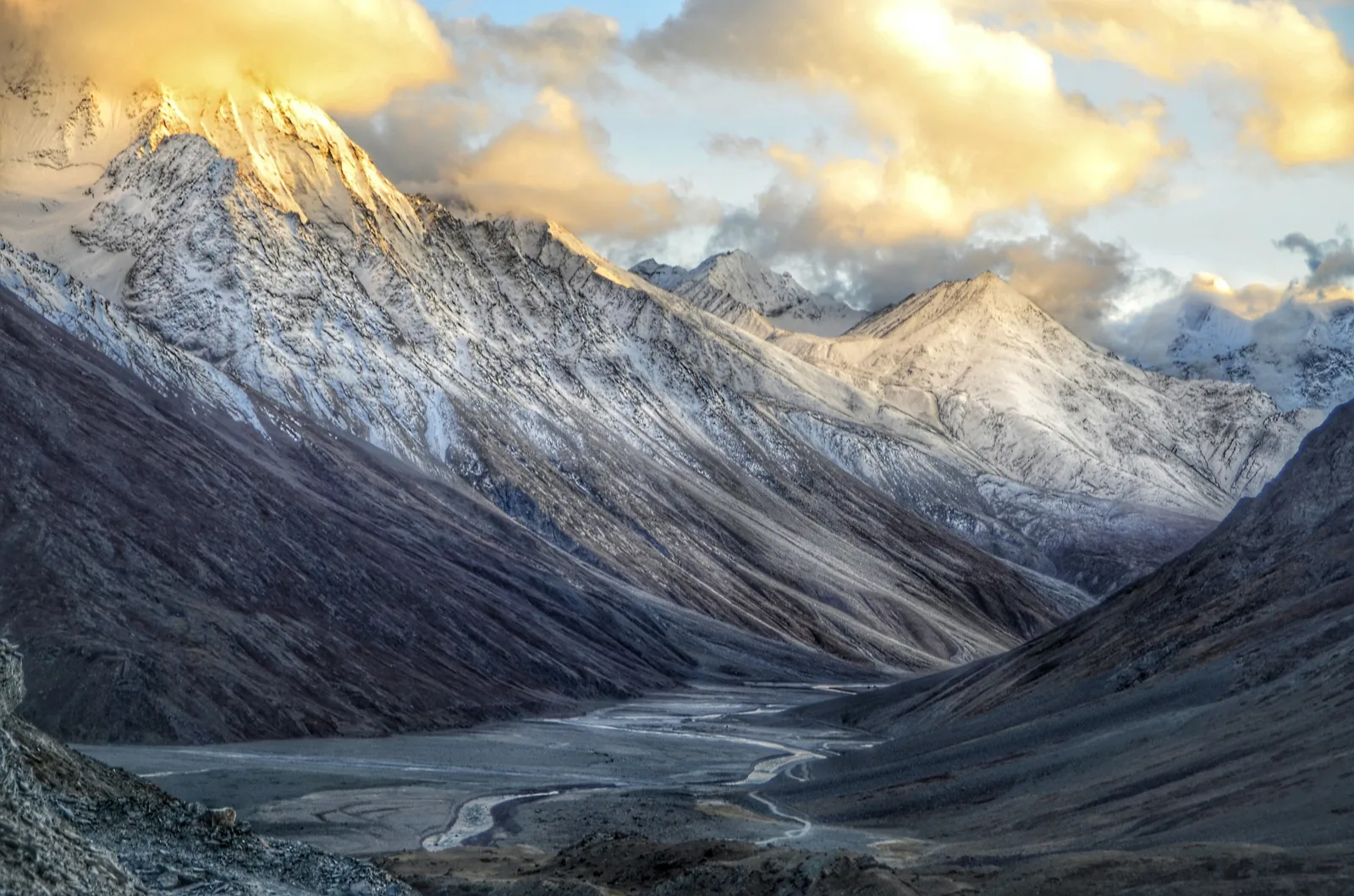
There are no forests, just pale slopes, a braided river and villages. What follows is a practical plan from Delhi, with the season, the permits and the sleeping order that keep a good trip from becoming an uncomfortable one.
Two roads in, and the one that suits you
From Delhi, the Manali road runs about 570 km and then climbs through the tunnel and across Kunzum Pass to Kaza. The Shimla road goes via Narkanda and Kinnaur, about 210 km of Kinnaur Valley before Tabo and Kaza. Going in by Shimla and leaving by Manali, or the reverse, makes a circuit and one source suggests the first order helps acclimatisation because you climb more gradually.
A May 2026 report said the Gramphu to Kunzum stretch reopened for light 4x4s only in the second half of that month. The Manali side runs roughly June to October; September is rated the best month, with early snow on the passes in late September or October. Plan around those windows, and treat any trip in November as a different kind of journey with a closed road.
Altitude: how to sleep your way up
Do not rush. Sleep at Solang rather than Manali on the first night, and reach Kaza only after at least three nights or after covering Lahaul first. If you must arrive on the second night, stop at Tabo, which is about 600 m lower than Kaza and roughly 45 km further along. Drink water, avoid hard exertion on arrival and carry preventive medication for altitude sickness. If symptoms worsen, descend toward Tabo. Sunburn and dehydration are common even when it does not feel hot.
The worst stretch of road
Most delays happen here: water crossings, slush and, after monsoon rain, broken patches and boulder tracks. Start before dawn and aim to be past Batal before afternoon. A taxi from Manali needs a driver who knows the crossings, and the HRTC bus takes nine to twelve hours for the same road.

Fuel, cash and signal
Petrol is sold only at the two ends, so start with a full tank; if you take in Lahaul, fill up again at Tandi, just before Keylong. Kaza has ATMs, but carry cash; cards work at some hotels and restaurants. BSNL and Airtel have some coverage, and Wi-Fi in Kaza is unreliable. Himachal Tourism says Indian citizens need no permit to enter Spiti, though foreign travellers on the Kinnaur approach do. Network is poor, and only BSNL works reliably.
Monasteries and high villages
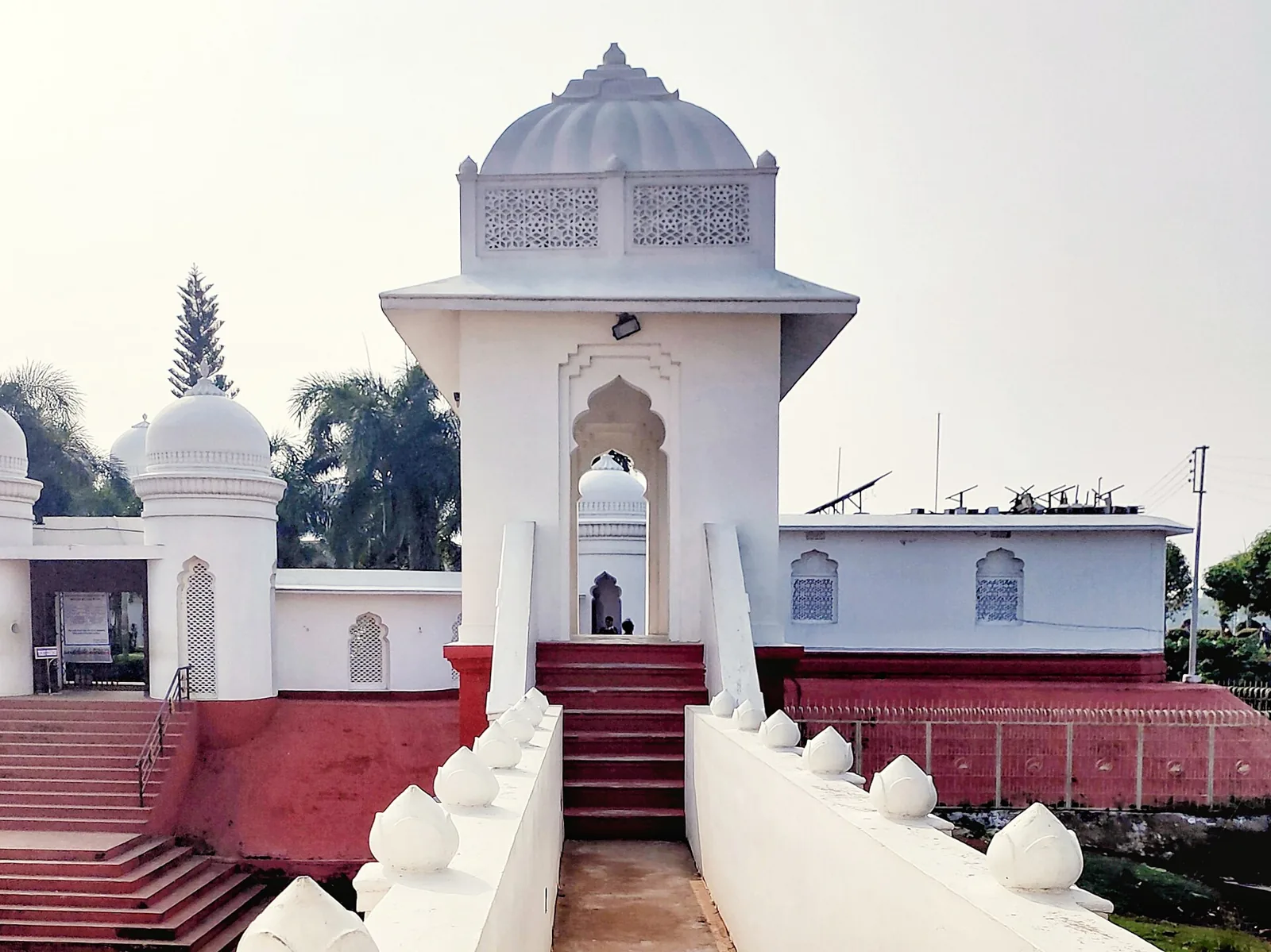
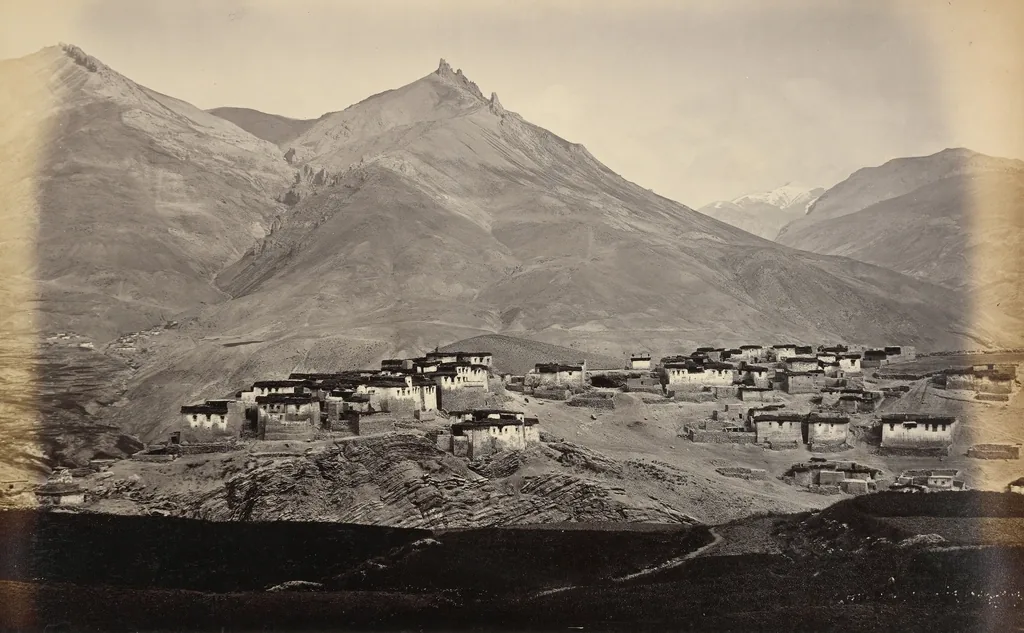
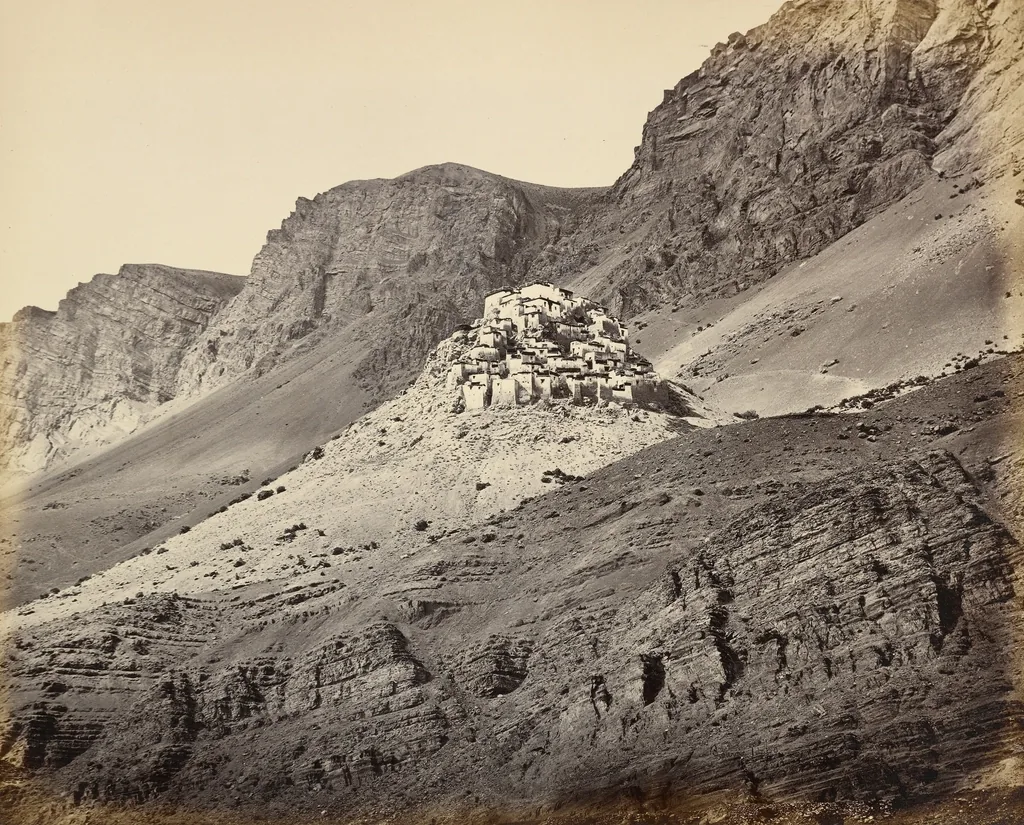
Key Monastery is open 9 to 6 and free, best in the morning for prayers. Tabo opens 9 to 5, with a ticket of about Rs 25 for Indian visitors, and rewards two to three hours. Dhankar, also 9 to 6 and free, is best for afternoon views over the confluence. The villages of Langza, Hikkim and Komic are open at all times, free, and each takes an hour or two on the way between Kaza and the high ground.
Three days or two, and what each costs you
A two day push runs Delhi to Manali or Solang, then a pre-dawn start and the passes to Kaza or Tabo. It works for people who acclimatise easily, and for no one else. The three day version breaks the second day at Sissu or Khoksar after the tunnel, then takes the high pass on day three; a fourth night at Chandratal or Jispa adds the best of the scenery without extra stress.
If you only have three days from Delhi, be honest that you will see the road more than the monasteries. We would rather plan five and have the valley than rush three.
Chandratal and where to sleep
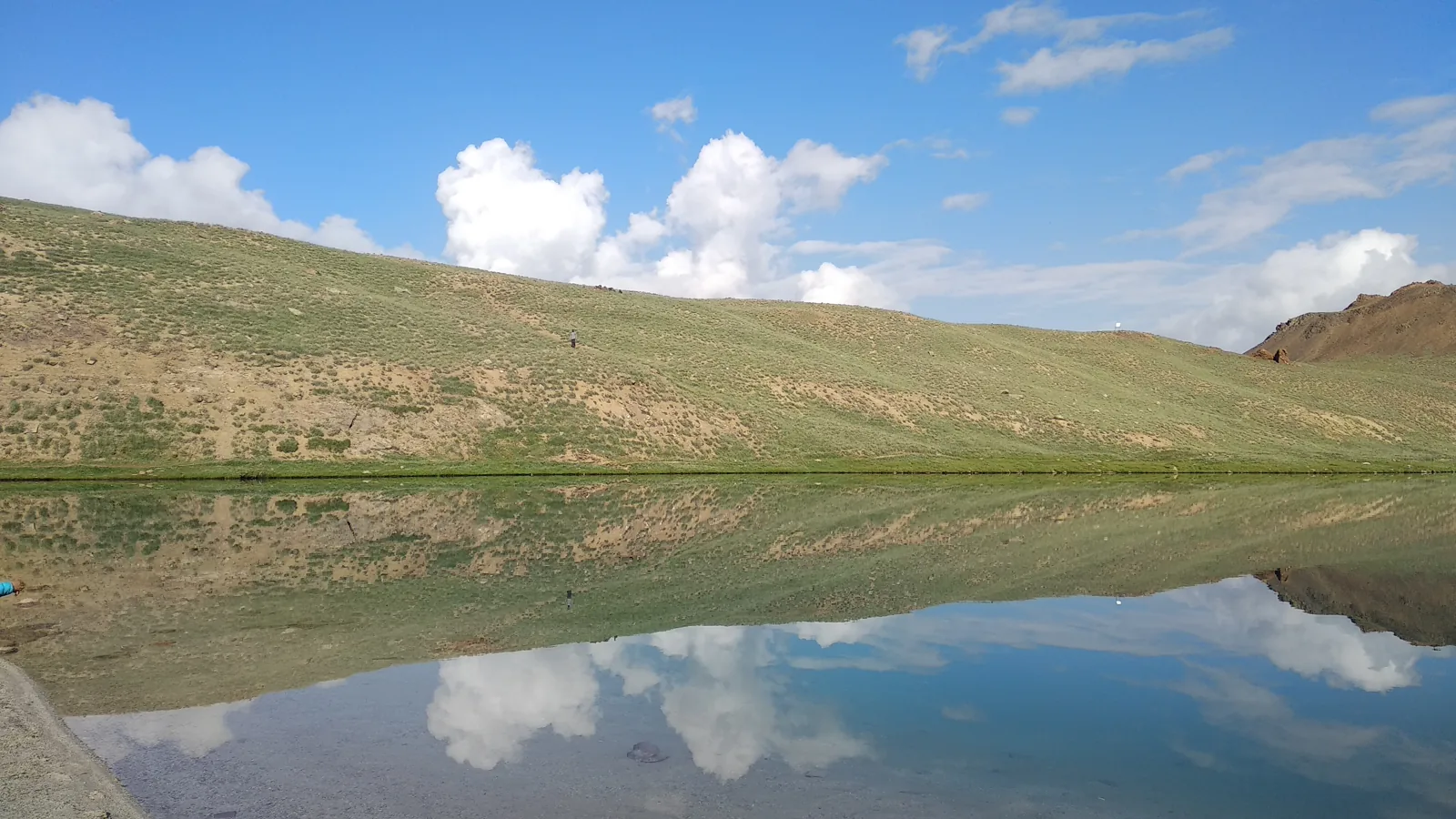
Chandratal lies just ahead of Batal and is better visited on the return leg; the access road from Batal is about 15 km of unpaved track. Stays along the road are simple: guesthouses at Sissu at around Rs 1,000 to 1,500, PWD rest houses at Khoksar, Chota Dhara and Batal, and a dhaba at Batal with beds at about Rs 400 to 500.
Delhi pickup with Laladham
Laladham collects you in Delhi, at the airport, station, home or hotel, and plans the climb in the sleeping order above, with an extra day for weather. We book stays, carry fuel guidance and keep the route flexible for road closures. Ask for a quote on the [book page](/book).
Questions, answered

How long does Manali to Kaza take?
Roughly 180 to 200 km depending on the source. Let the crossings decide the hour, and leave very early.
When is Spiti open?
Usually June to October on the Manali side, and September is called the best month.
Is there petrol on the way?
Only at Manali and Kaza. Top up at Tandi too if you go through Lahaul.
Do I need a permit?
Indian citizens need none. Foreign visitors taking the Kinnaur road must collect an inner line permit at Reckong Peo first.
How do I avoid altitude sickness?
Sleep at Solang first, reach Kaza after three nights or via Lahaul, drink water and go down toward Tabo if you feel worse.