It works from about late June into early October, when the Manali road over Kunzum is normally open. Outside those months the Manali road is shut and the Shimla side is the only way in, which turns this into an in and out trip with a different feel.
Before you go: registration, cash, signal
Indian citizens do not need an Inner Line Permit for the regular circuit, but there is an online e-Aagman registration, and you register a photo ID at the Sumdo checkpost. Foreign nationals need a Protected Area Permit near the Indo-Tibet border. Rules change, so check close to your dates.
Carry enough cash from the last big town, since cash points in Kaza often run out. BSNL has the widest coverage and Jio postpaid generally works in Kaza, while Hikkim, Langza and Komic have little or no network at all. Tell people at home that silence for a day is normal.
Day 1: Delhi pickup to the Narkanda side
Laladham picks you up in Delhi in the early morning and drives via Chandigarh to the hills above Shimla, about eight to nine hours with breaks. Narkanda or somewhere around it is a good first night at a lower height, and you do not push on. Spiti is not a place to be in a hurry on the first night.
Day 2: through apple country to Sangla or Kalpa
The road follows the Sutlej into Kinnaur, by Peo and Sangla, where many travellers stop before Nako. Sangla in the Baspa valley sits around 2,700 metres, and Kalpa looks across at the Kinner Kailash range. Check the road for rockfalls in the morning before setting out.
Day 3: Kinnaur to Nako and the first barren view
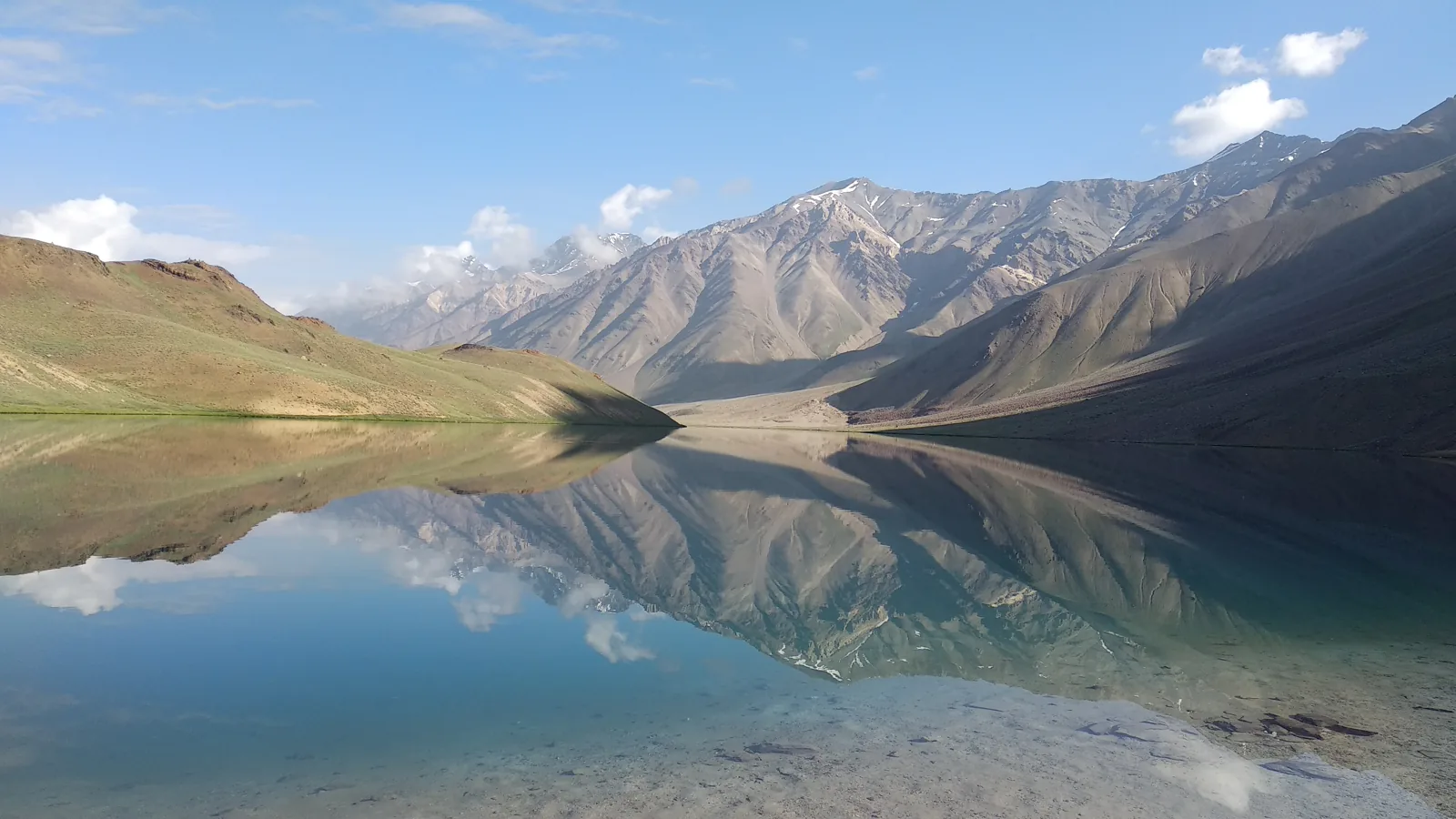
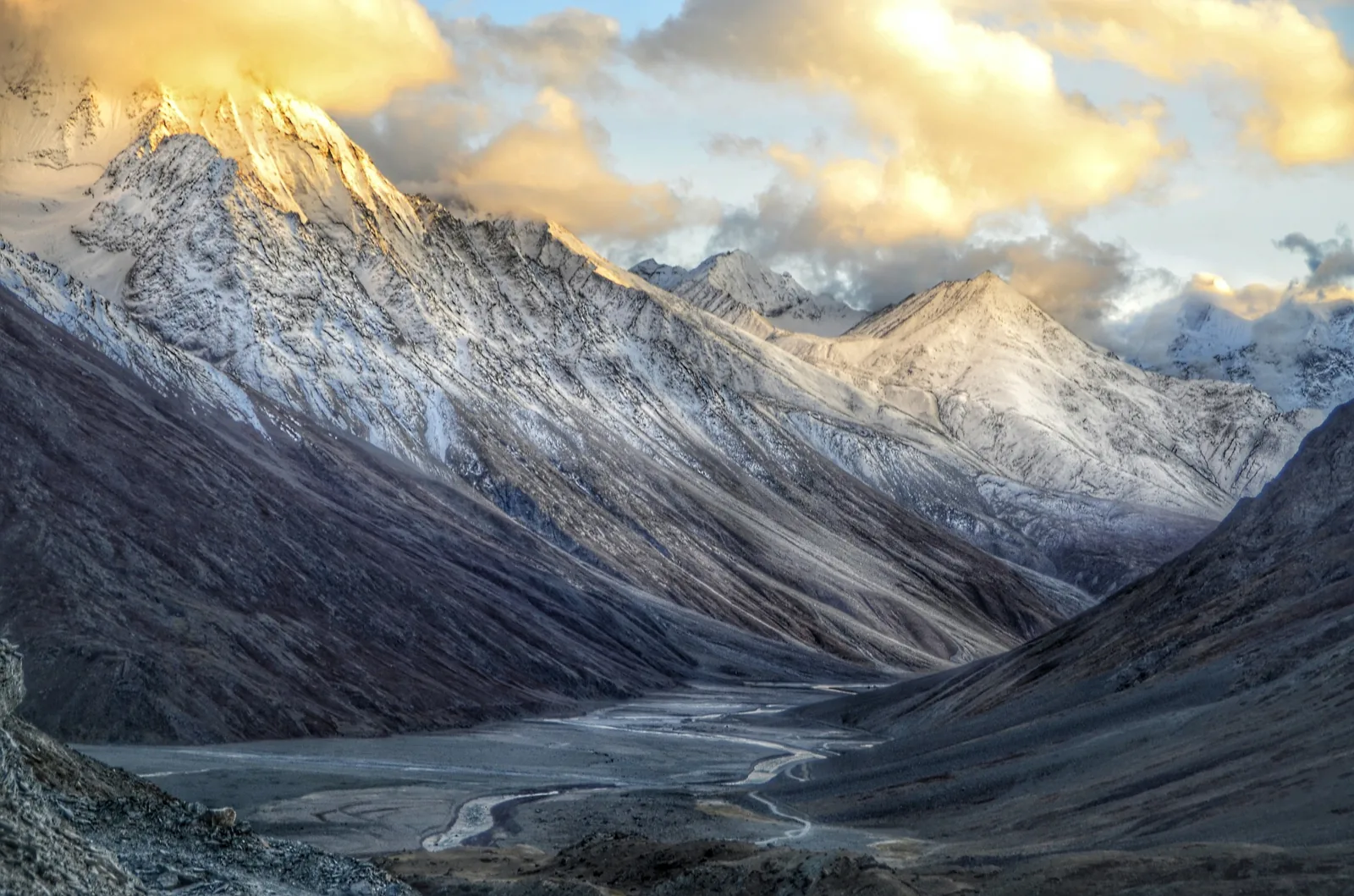
After Khab the climb opens into the first big barren view, and the road drops towards the Spiti river, which runs like a turquoise ribbon between Nako and Chango. Nako has a high altitude lake and a village of flat roofs. Spend the night here if the body is happy; the freshwater lake is a gentle walk and a good test of your lungs.
Day 4: Tabo, Dhankar and into Kaza
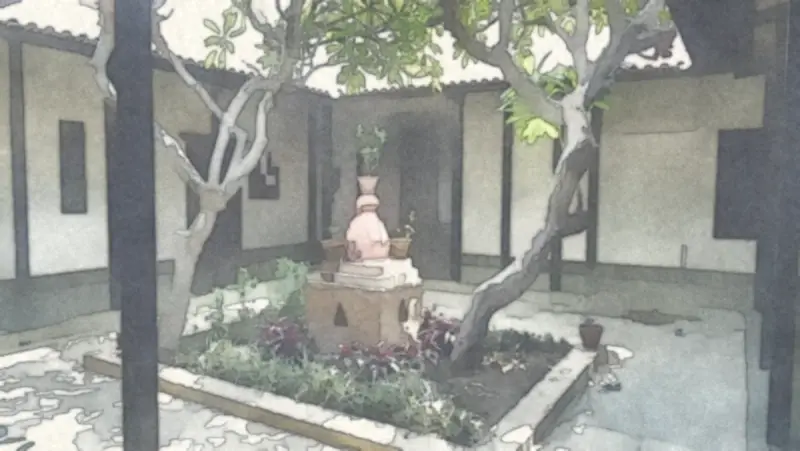
Tabo Monastery is more than a thousand years old, with murals, stucco sculptures, nine temples and meditation caves. Give it time, because the murals reward patience more than anything else on this road. Dhankar clings to a cliff about 1,000 years old above the confluence of the Spiti and Pin rivers, and the climb up is worth the view. Reach Kaza by evening, and rest.
Day 5: the high villages
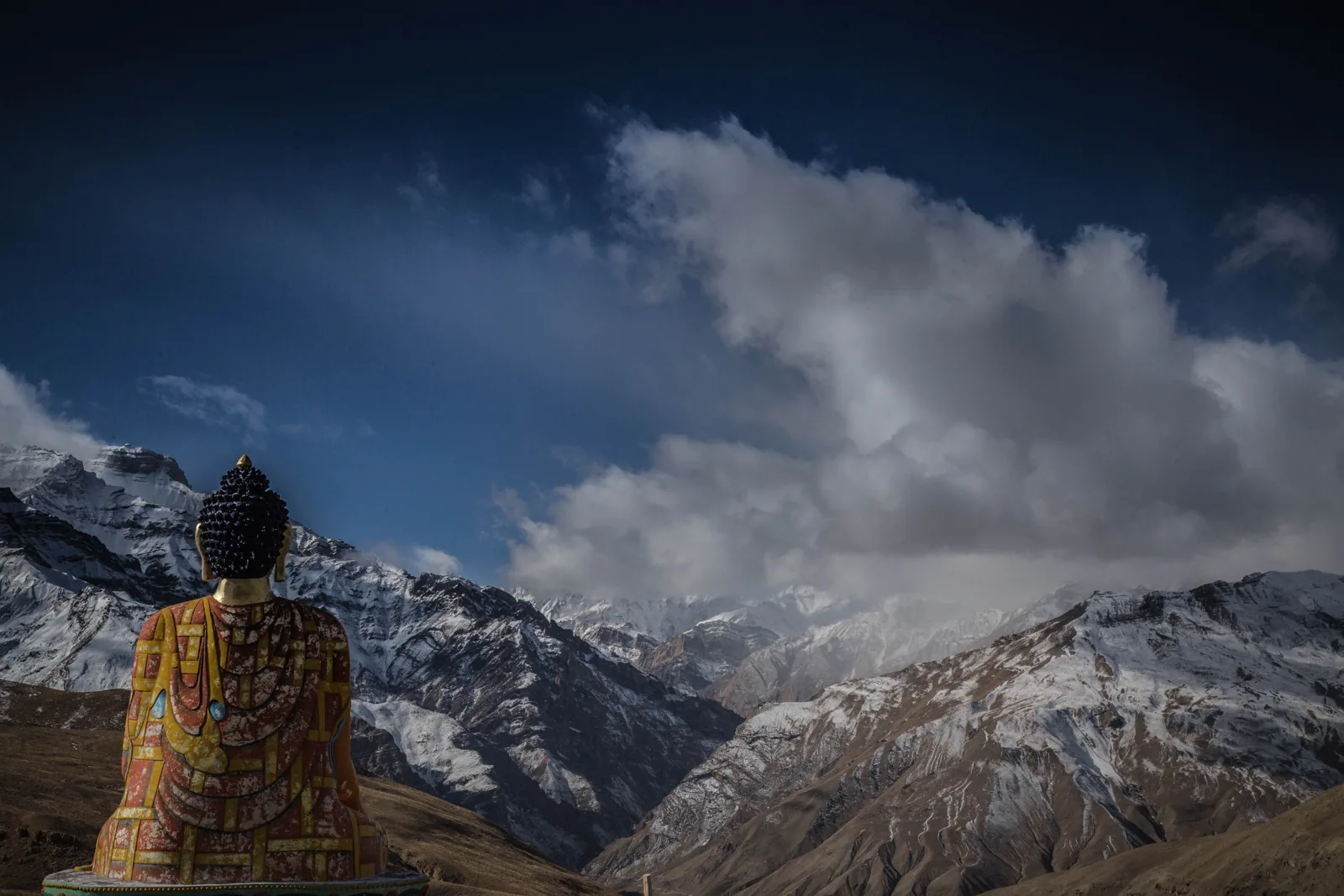
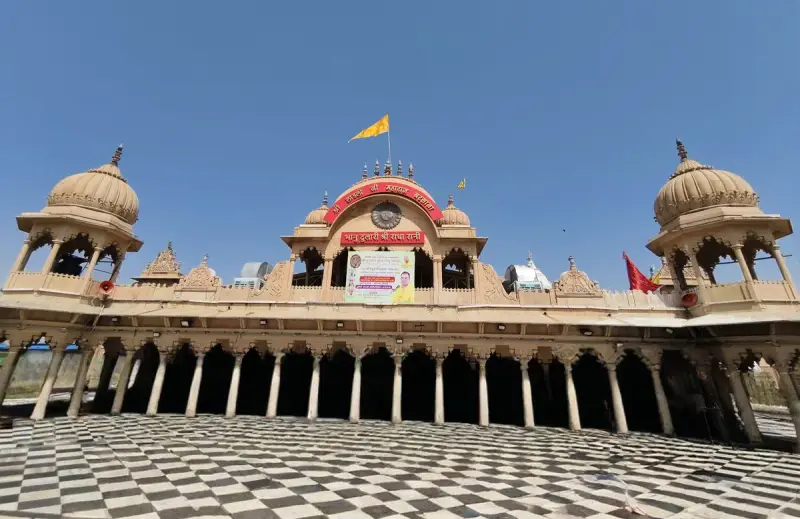
This is a full local day, and the altitudes are no joke: Key Monastery sits at about 4,166 metres on its rooftop viewpoint, Kibber at 4,270, Hikkim at 4,200, Langza at 4,420 and Komic at 4,587. Hikkim has the post office that calls itself the world's highest, so send a postcard. At Langza the Buddha statue overlooks fossil country, and a homestay lunch of chana madra and tsampa is the right meal. One traveller's tip: the widest panorama comes on the descent from Komic towards Key.
Keep your walks short and drink water. Acetazolamide is commonly prescribed for altitude, but ask your own doctor about use and dose before you leave.
Day 6: Pin Valley or a rest day
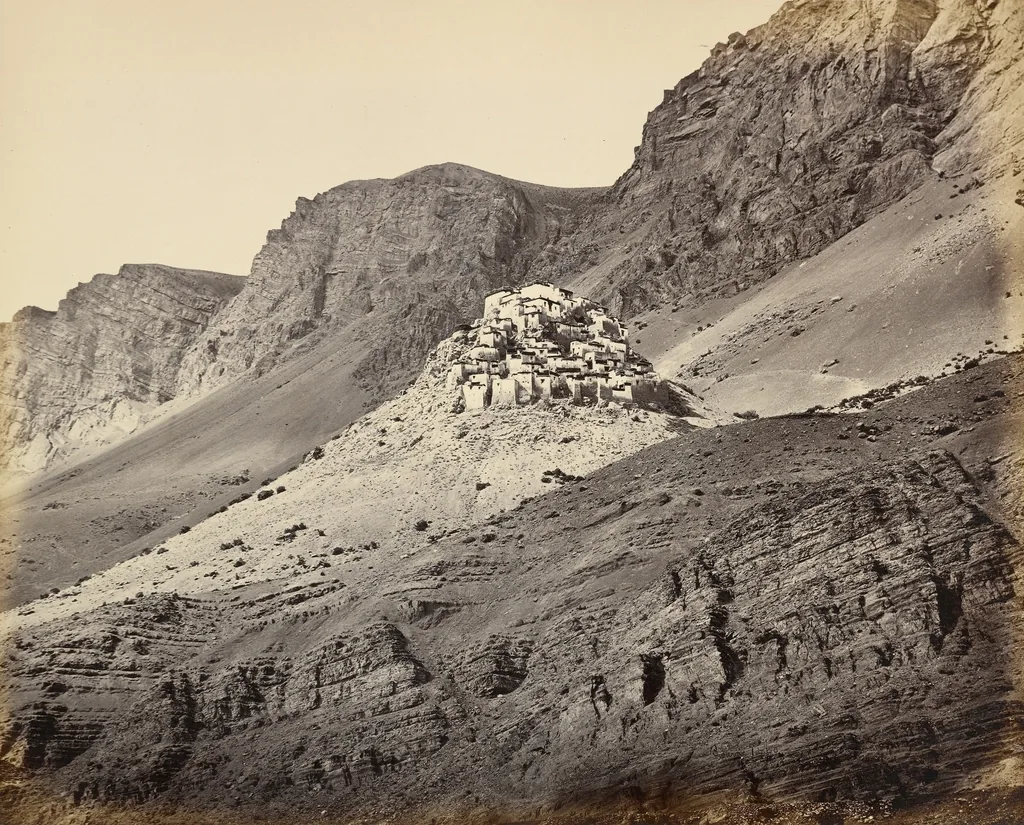
Pin Valley is the greenest stretch of Spiti, with villages such as Mud, Sangam, Kungri and Tailing, and the national park holds snow leopard and Siberian ibex. Otherwise take a rest day in Kaza with its market of prayer flags and Tibetan jewellery. A writer who has driven the valley prefers to stay in smaller villages with road access over crowded Kaza, which is worth considering if you want quiet. The plan flexes here, not your body.
Day 7: Kaza to Manali over Kunzum
Kunzum Pass is about 4,551 metres, described as one of the highest and most treacherous motorable passes, and the descent gives the first big sweep of Spiti when arriving from the Manali side. Between Kaza and Losar, odd rock formations and erosion shapes line the road, and Chicham, with its high hanging bridge, looks best in late afternoon light, though you will pass it early going out. Reports put the Manali to Kaza drive at eight to ten hours, so allow the same going out, through the Atal Tunnel and into Manali by evening. Use a high ground-clearance vehicle: this road has river crossings and rough patches.
Day 8: Manali to Delhi
Delhi lies about 570 km from Manali by one press count, so start early and plan on a night arrival, or add a night in Manali and break the return. A hot meal and a heated room are the best prize after a week of thin air.
When the roads say no
The Manali road usually shuts by late October after the first heavy snow, and through winter you can only enter from the Shimla end, usually needing a 4x4. The Shimla road is open about eight months a year, per the tourism page, and landslides can shut it for a spell in spring. Winter nights fall to minus ten and below. A spare day in the plan and a driver who watches road news are what make a calm trip.
Let Laladham run it
Laladham plans the whole eight days from Delhi: pickup at your home, hotel, the airport or a station, one driver who knows the Kinnaur and Spiti road, homestays, and a rewritten route if a road closes. Share your dates on the [book page](/book) and ask for a quote.
Questions, answered
Is eight days enough for Spiti?
It is the practical minimum for this loop with acclimatising nights in Kinnaur.
Which months suit the loop?
Roughly late June to early October. The state-run bus from Manali to Kaza runs only July to October.
Do I need a permit?
Indian travellers register online and with ID at a checkpost, with no Inner Line Permit on the regular circuit. Foreign visitors need a separate permit for border stretches.
Should I carry cash?
Yes, because cash machines run dry and villages have no network.
How high does it get?
Villages go past 4,000 metres and Kunzum is about 4,551, so keep walks short.
Which direction is better?
Shimla side in, Manali side out, since the slow climb helps your body adjust.