So treat any list as a map of devotion, not a registry. This one picks the peeths that are easy to reach from Delhi, are described by official tourism or government pages, and fit a planned route. It also tells you what each place feels like to visit, so you can pick the ones that suit your legs and your calendar.
Kamakhya, Guwahati: the one with no idol
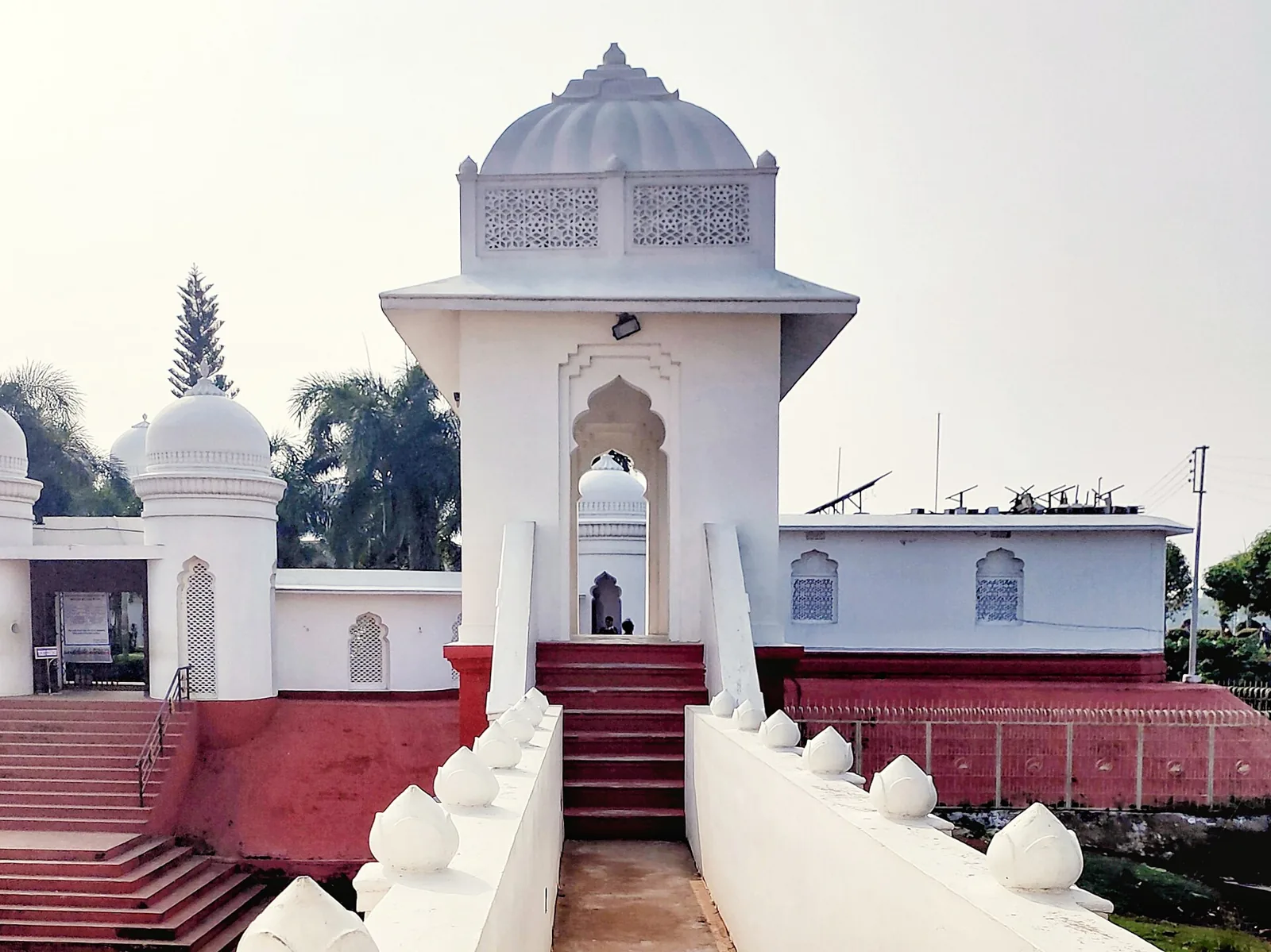
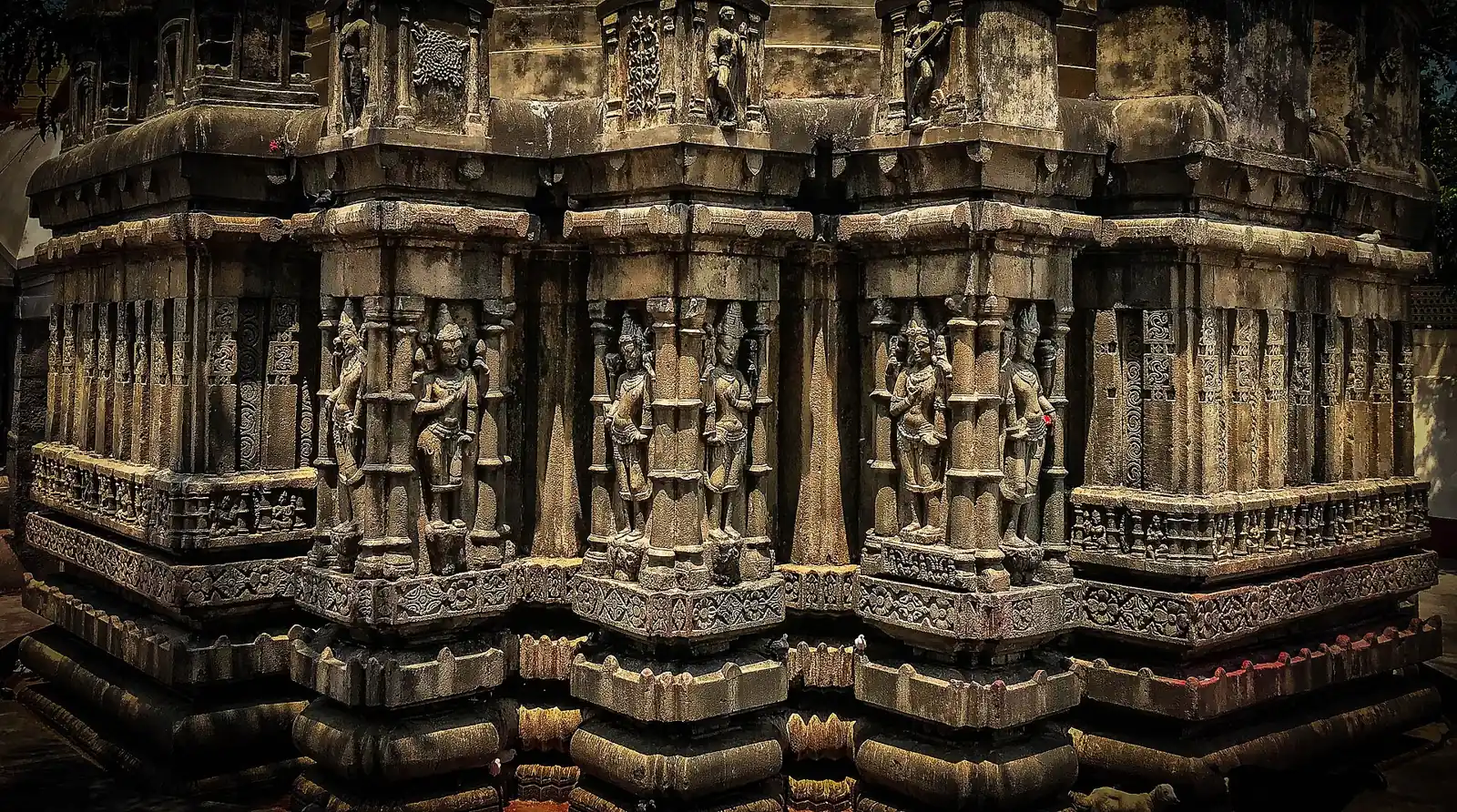
Assam Tourism calls Kamakhya the most sacred and oldest of the 51, and Incredible India places it on the Nilanchal Hills at Guwahati's edge. There is no idol. The stone worshipped is shaped like a yoni, and the sanctum sits within a hill that carries five Shiva temples and a group of shrines to the Dasa Mahavidyas, including Kali, Tara, Bhuvaneshwari and Chhinnamasta.
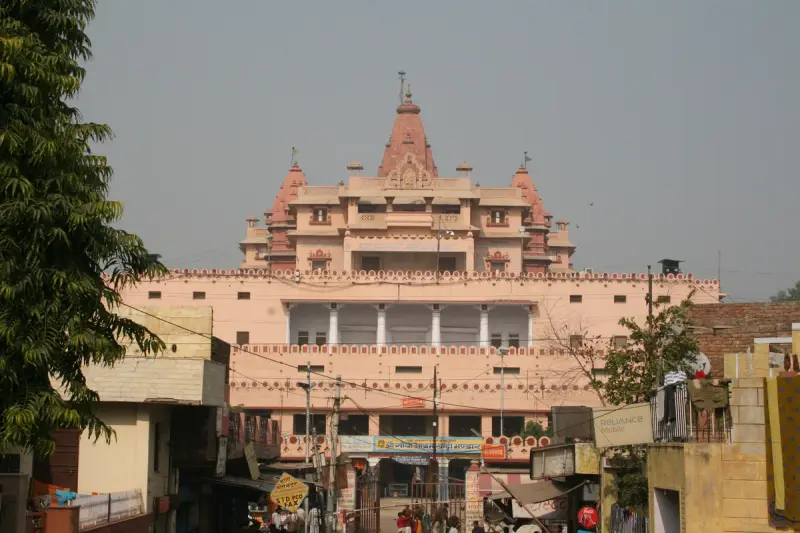
Incredible India gives opening hours of 6 am to 7 pm and notes that animal sacrifice is part of the temple's Tantric rites, which is worth knowing before you go. The history it gives is layered: Tantric roots in the 8th and 9th centuries, ruin through invasion, and a restoration in the 1500s by the founder of the Vishwasingha Koch dynasty.
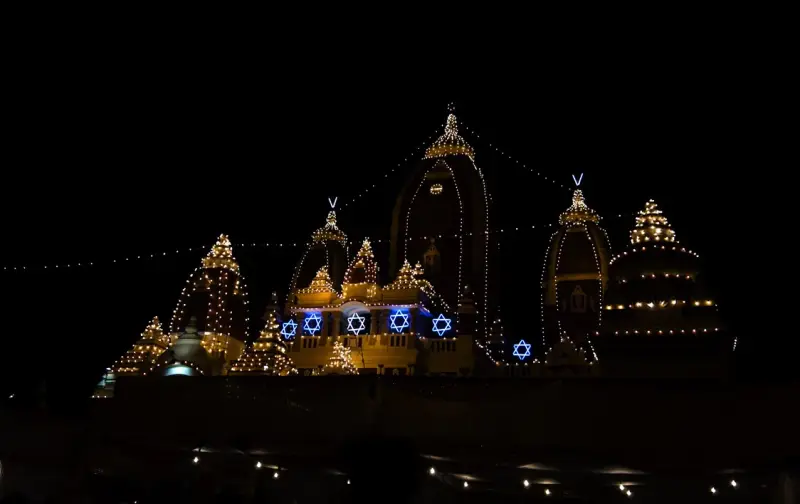
Ambubachi in June is the great event, a four-day festival of the goddess's yearly cycle. The temple shuts for a few days, kirtan runs through the night, and prasad on reopening is Angodak, spring water, and Angabastra, a piece of red cloth. Assam Tourism gives June to July as the time to come, but this is also the heaviest crowd of the year. If you want the shrine itself without the crowd, pick a different month. Allow a full day, and Assam Tourism suggests a day covers the temple.
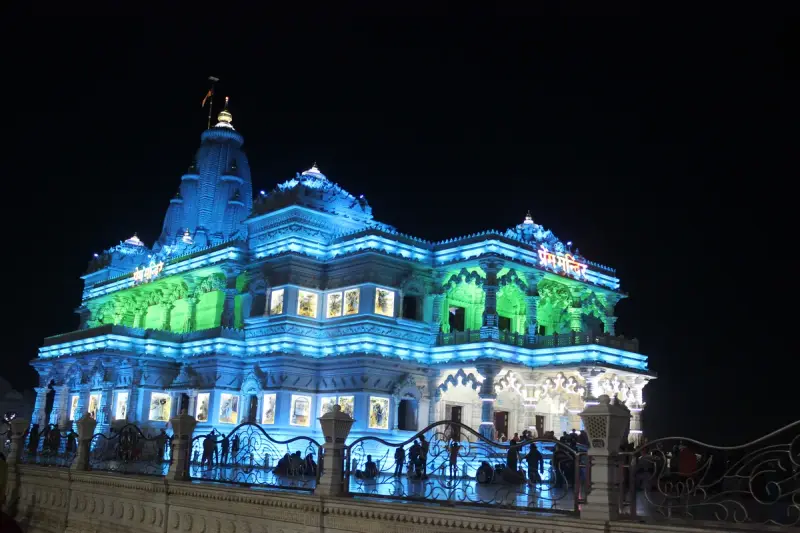
Kalighat, Kolkata: a temple inside a neighbourhood
Kalighat has the opposite character: it is a working temple in the middle of a crowded city quarter. Incredible India lists darshan from 5 am to 2 pm and again from 5 pm to 10:30 pm, and says Sati's right toe is believed to have fallen here.
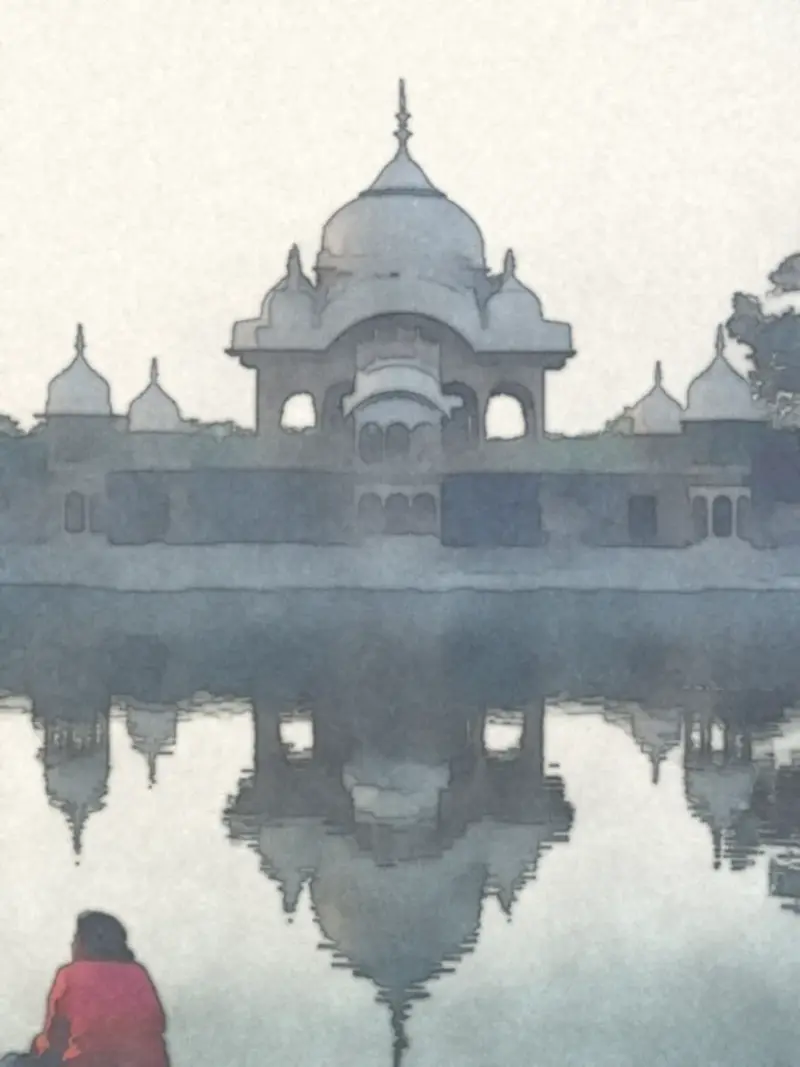
The present building was completed around 1809 under the Sabarna Roy Chowdhury family. The sandstone idol has three eyes, four hands and a golden tongue. Look for the Natmandir, a veranda from 1835 with a view of the sanctum, the Jor Bangla platform from which rituals are watched, the Radha Krishna shrine of 1843 and the Kundupukur tank to the south-east.
Weather matters: Incredible India shows December to February as the cool window, roughly 10 to 34 degrees. Combine it with the Victoria Memorial, the Indian Museum or Prinsep Ghat, which the same page lists nearby. Airport is Netaji Subhash Chandra Bose, and the stations are Howrah and Sealdah.
Jwalamukhi and the Kangra cluster
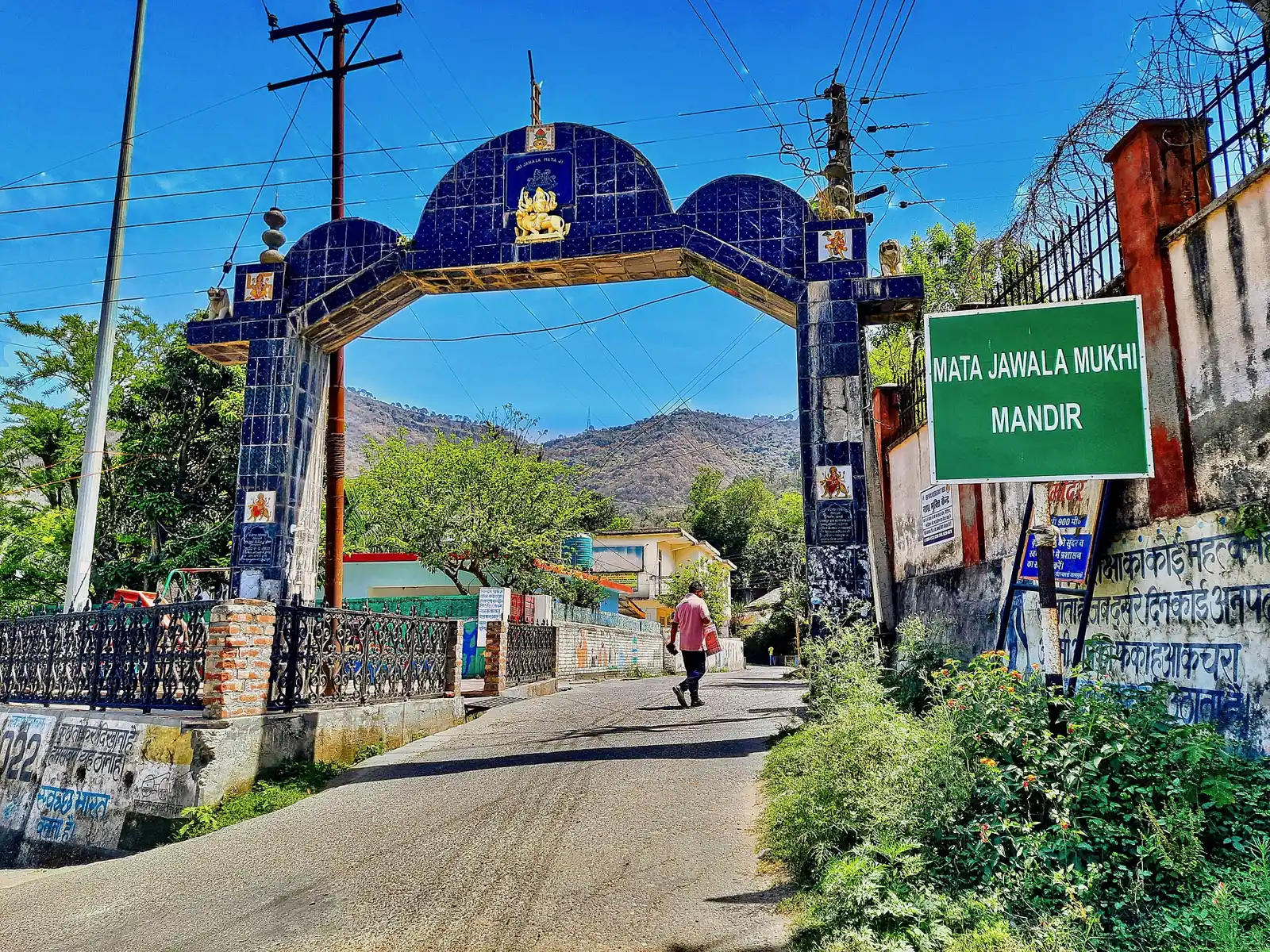
In Himachal's Kangra district, the Tribune reports a master plan being drawn up for the Shakti Peeths, with experts from NIT Hamirpur designing the plan for Jwalamukhi, and separate plans for Chamunda, Brajeshwari and Damtal. The plan includes aarti at Van Ganga in Brajeshwari Dham and upkeep of the Bhairav, Ashtabhuja and Tara Devi temples in Jwalamukhi.
The paper also says online langar booking and online darshan will be introduced in phases, while traditional worship stays. For a visitor this means facilities are changing, so check the latest arrangement before you travel. Published hours for Jwalamukhi differ between older pages, so ask locally. A single loop through Kangra, Dharamshala and the temples suits a three or four day mountain break.
Ambaji, Gujarat: worship without an image
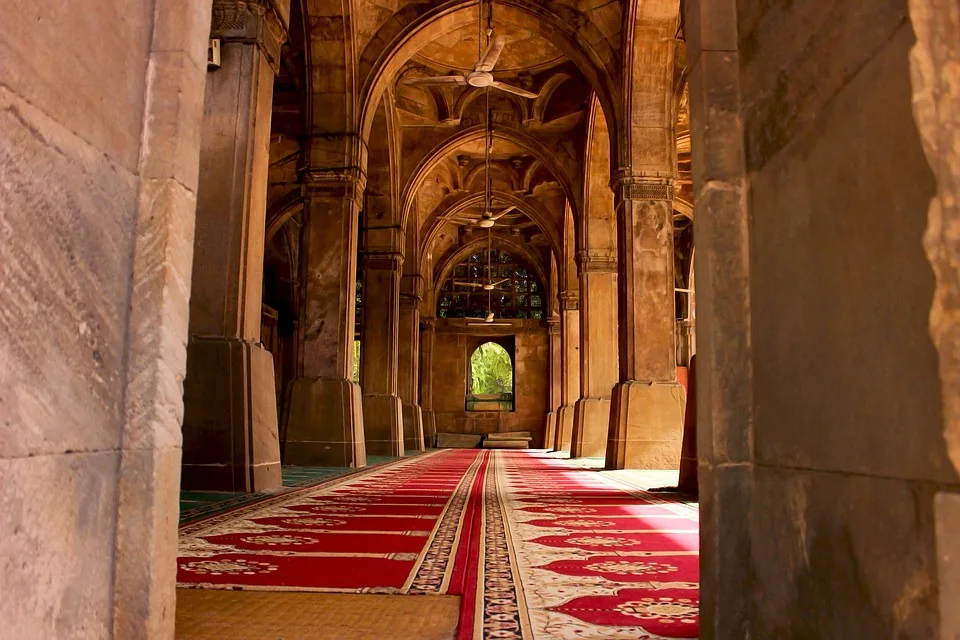
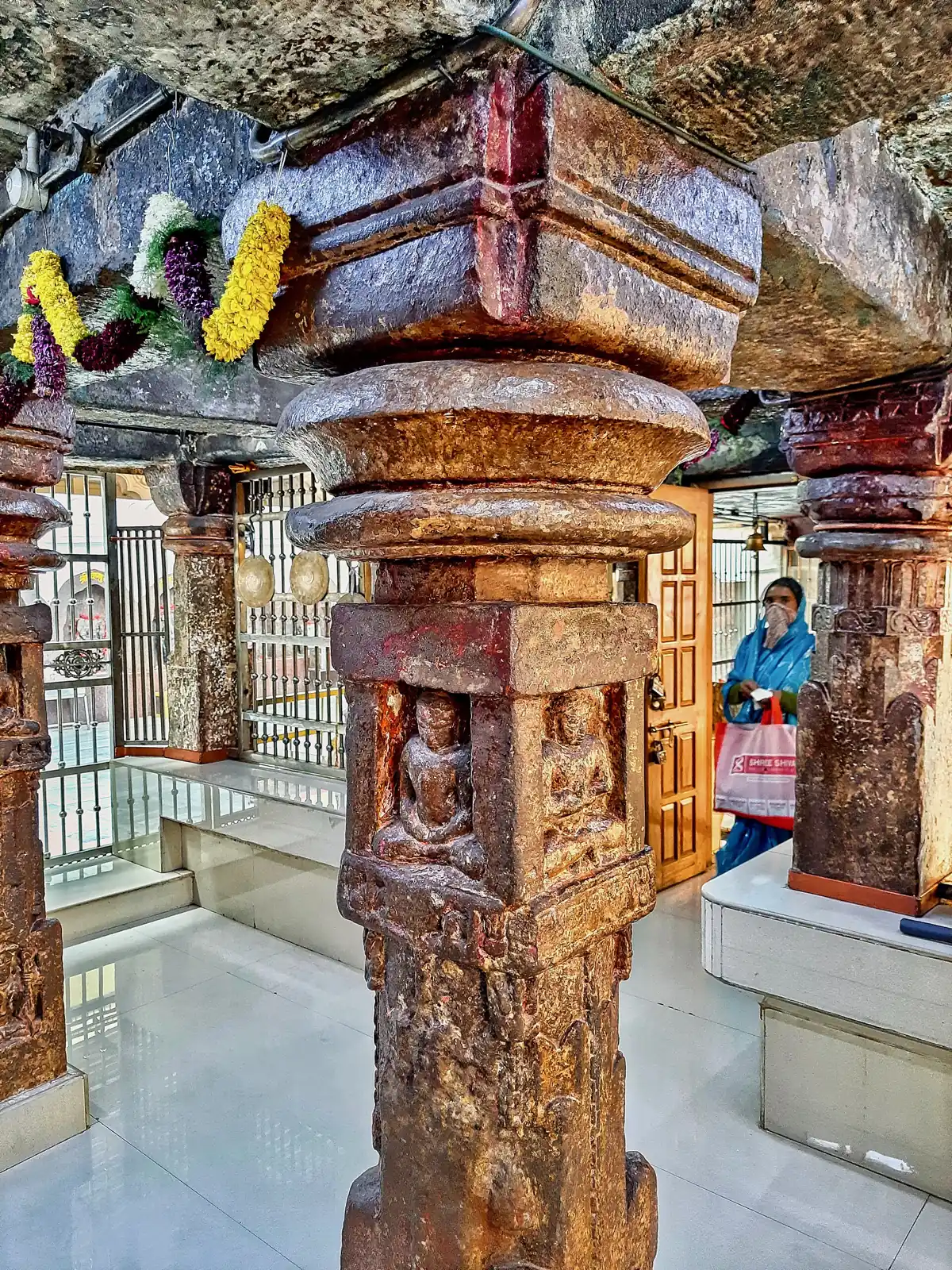
The Banaskantha district page puts Ambaji on the Gujarat-Rajasthan border in the Arasur hills at about 480 m, 45 km from Mount Abu and 20 km from Abu Road. Like Kamakhya it has no statue. The sacred focus is the Shree Visa Yantra, which the page says cannot be seen with the naked eye, and photography of it is prohibited.
Full-moon days draw devotees, and the big fair is on Bhadarvi Poornima around September. Abu Road is the nearest station and Ahmedabad, about 179 km away, the nearest airport, so Ambaji pairs naturally with Mount Abu or an Ahmedabad stopover.
Maihar, Madhya Pradesh: steps or ropeway
Madhya Pradesh Tourism describes Sharda Devi at Maihar as sitting on Trikoota hill, with 1,063 steps or a ropeway. The town is said to be where Sati's necklace fell, which gives Maihar its meaning, Mother's Necklace. Local belief holds that the warrior Alha still comes daily to pray, and the Alha-Udal Akhara at the foot of the hill is called their practice ground.
Maihar railway station is linked with Delhi, Bhopal, Kolkata, Varanasi and Mumbai. By road, Satna is 40 km away and Khajuraho 140 km, so Maihar fits between Khajuraho and Bandhavgarh. Navratri is lively, so go outside it for a calmer climb.
Planning a circuit from Delhi
Pair by geography, not by number. Kangra and Katra sit in the north, Ambaji with Mount Abu in the west, Maihar and Khajuraho in the centre, and Kamakhya and Kalighat in the east. Each pairing is a trip of its own, rather than one grand tour.
Laladham collects you in Delhi, at the airport, a station, your home or a hotel, and builds the complete trip: drive, train or flight, a driver on the ground, rooms and a timetable that respects temple hours. Tell us which peeths matter and we will plan around them. Ask for a quote on the booking page.
Questions, answered
How many Shakti Peeths are there?
Official tourism pages commonly say 51, though other traditions list 52, 64 or 108, and sources differ on the details.
Which Shakti Peeth has no idol?
Kamakhya and Ambaji. Both centre on a sacred form rather than a statue.
What are Kalighat's timings?
5 am to 2 pm and 5 pm to 10:30 pm, according to Incredible India.
How do I reach the Maihar shrine?
By 1,063 steps or the ropeway, per Madhya Pradesh Tourism.
Can I visit several in one trip?
Yes, but group them by region. The north, west, centre and east make four separate trips.