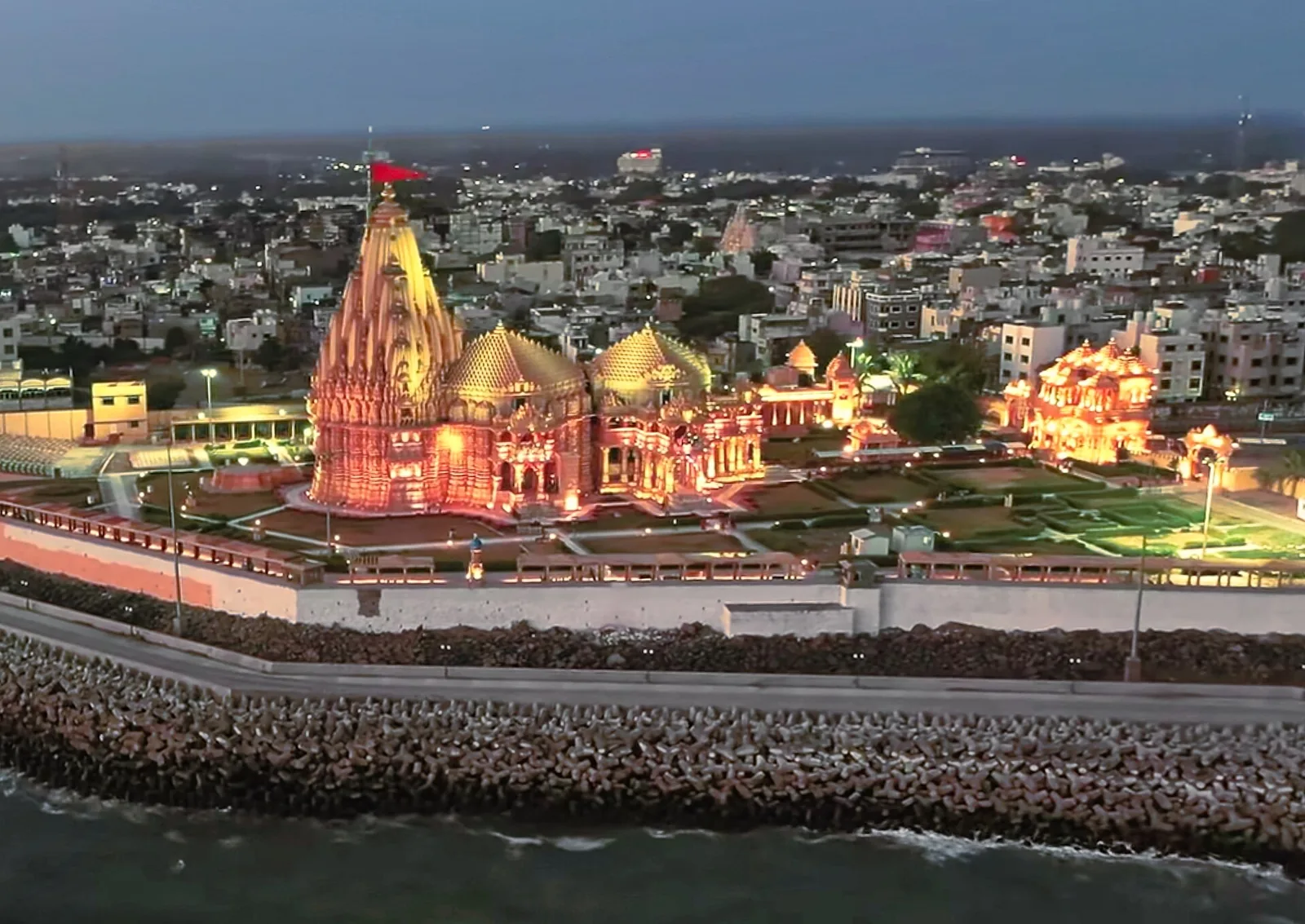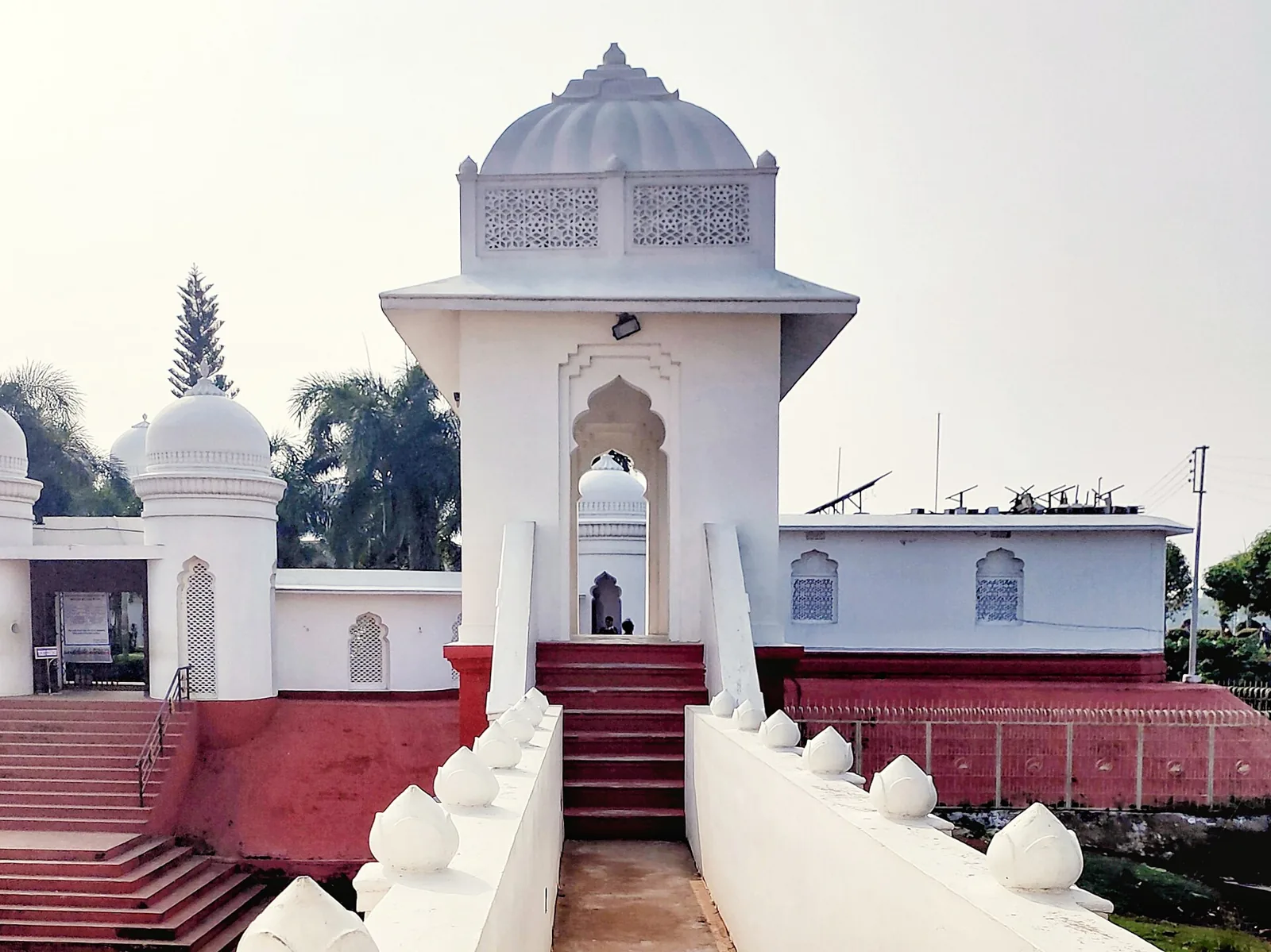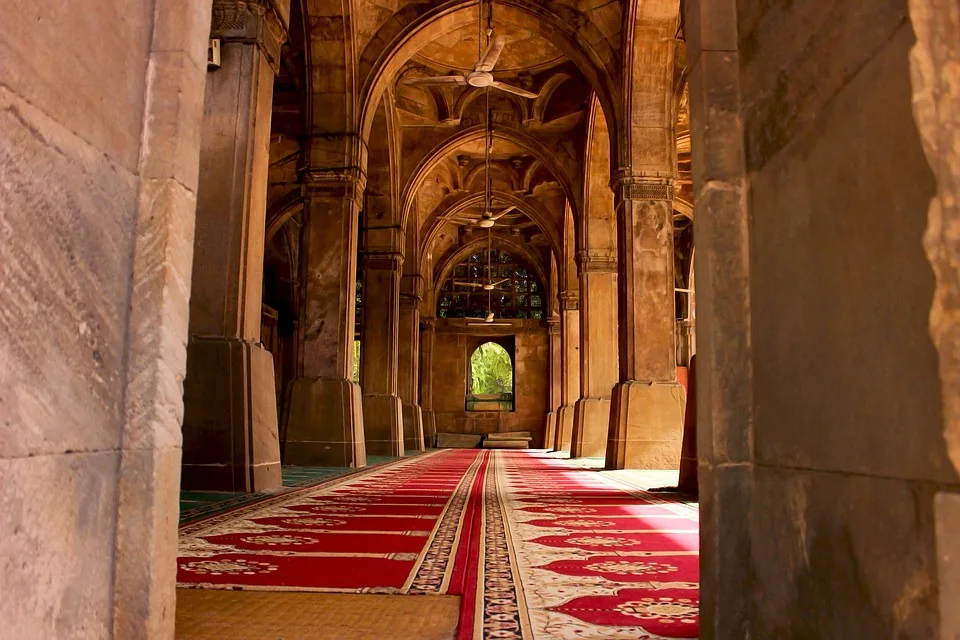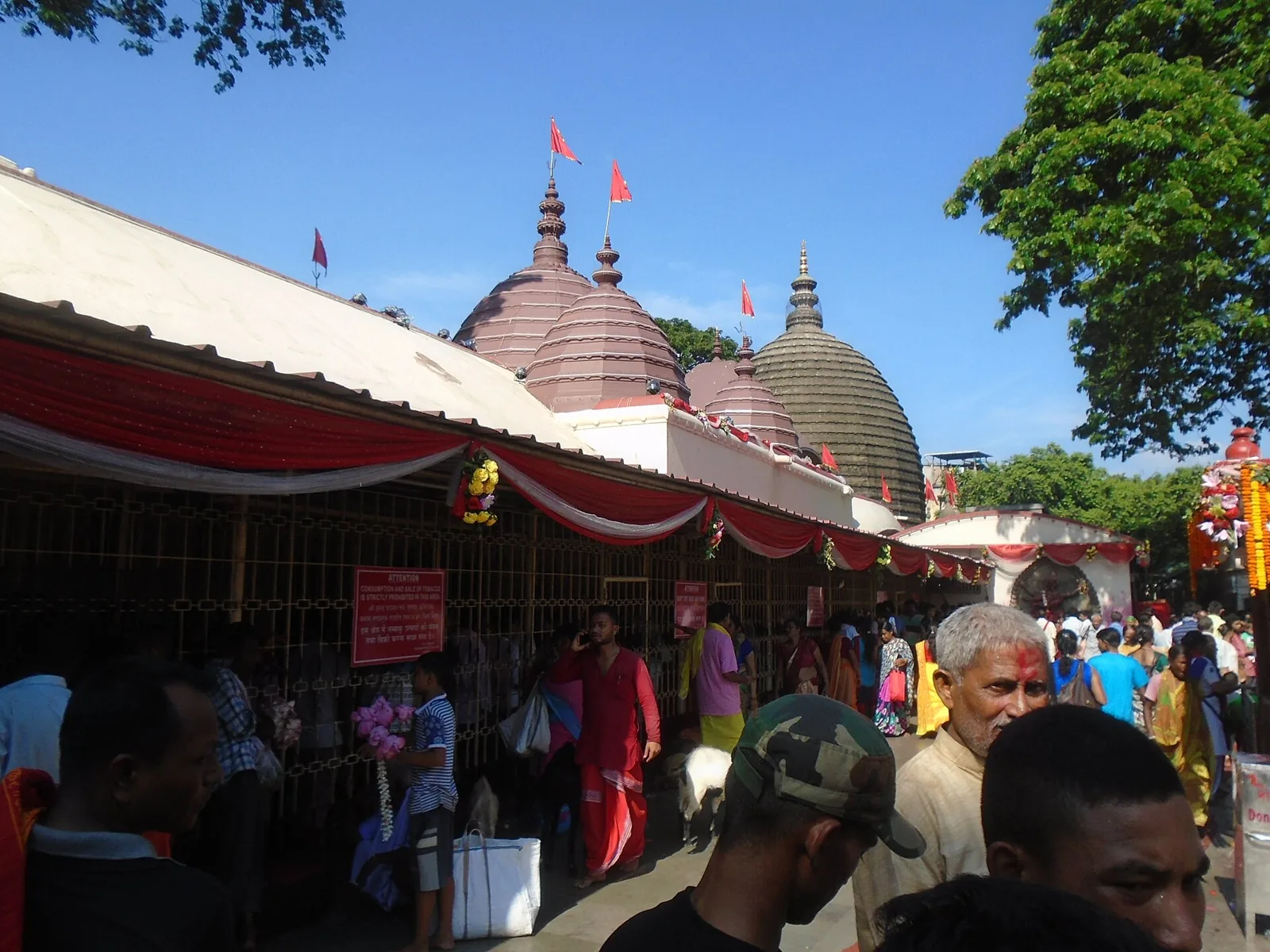
Pick the cluster that suits your time, then use the practical notes for each.
The hills: Vaishno Devi and its Himachal neighbours
Vaishno Devi in the Trikuta hills is reached by a walk of about 12 km from Katra, which lies about 50 km from Jammu. The Incredible India guide says to register before starting, either at Katra's registration centres or on the Shrine Board's website, and to carry your slip. During peak seasons, when daily numbers are capped, waiting slips are issued. A helicopter runs from Katra to Sanjhi Chhat, followed by a 2.5 km walk. Best months are May to June, New Year and the Navratri weeks, while late July to early September is best avoided because the path can be slippery.
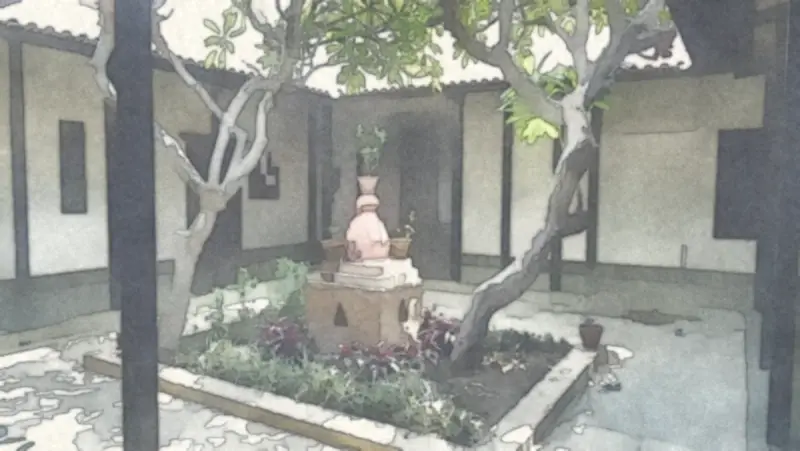
In Himachal, Jwalaji, in Kangra district, is known for a natural flame, about 55 km from Dharamshala and 35 km from Kangra, with fairs at both Navratra seasons and a free community lunch on Tuesdays and Sundays. Naina Devi, on a hilltop in Bilaspur on the Punjab border, holds fairs three times a year, with the autumn one the largest.
Haridwar and Varanasi: two quick additions
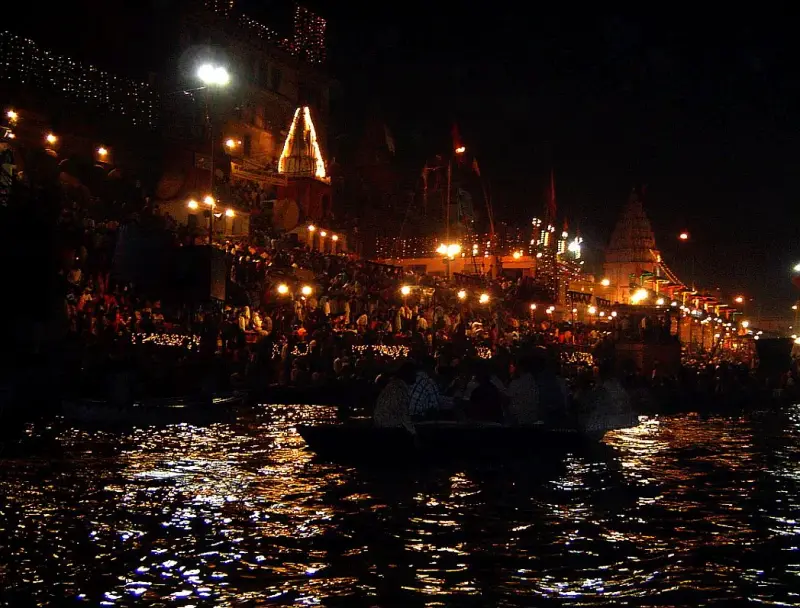
Mansa Devi in Haridwar stands on Bilwa Parvat and can be reached by ropeway, and the Kashi Vishalakshi temple in Varanasi lies near Kashi Vishwanath and is counted among the 51. Both fit into a trip built around the Ganga without extra planning, and the Varanasi guide on this site has the timings for its neighbours.
The east: Kamakhya in Assam and Kolkata's Kalighat
Kamakhya on Nilachal Hill in Guwahati opens at 6 am and closes at 7 pm by the tourism listing. The temple follows Tantric traditions, with animal sacrifice part of the rituals, which matters to some visitors. The Ambubachi Mela is the major festival, and ten Mahavidya temples stand nearby.
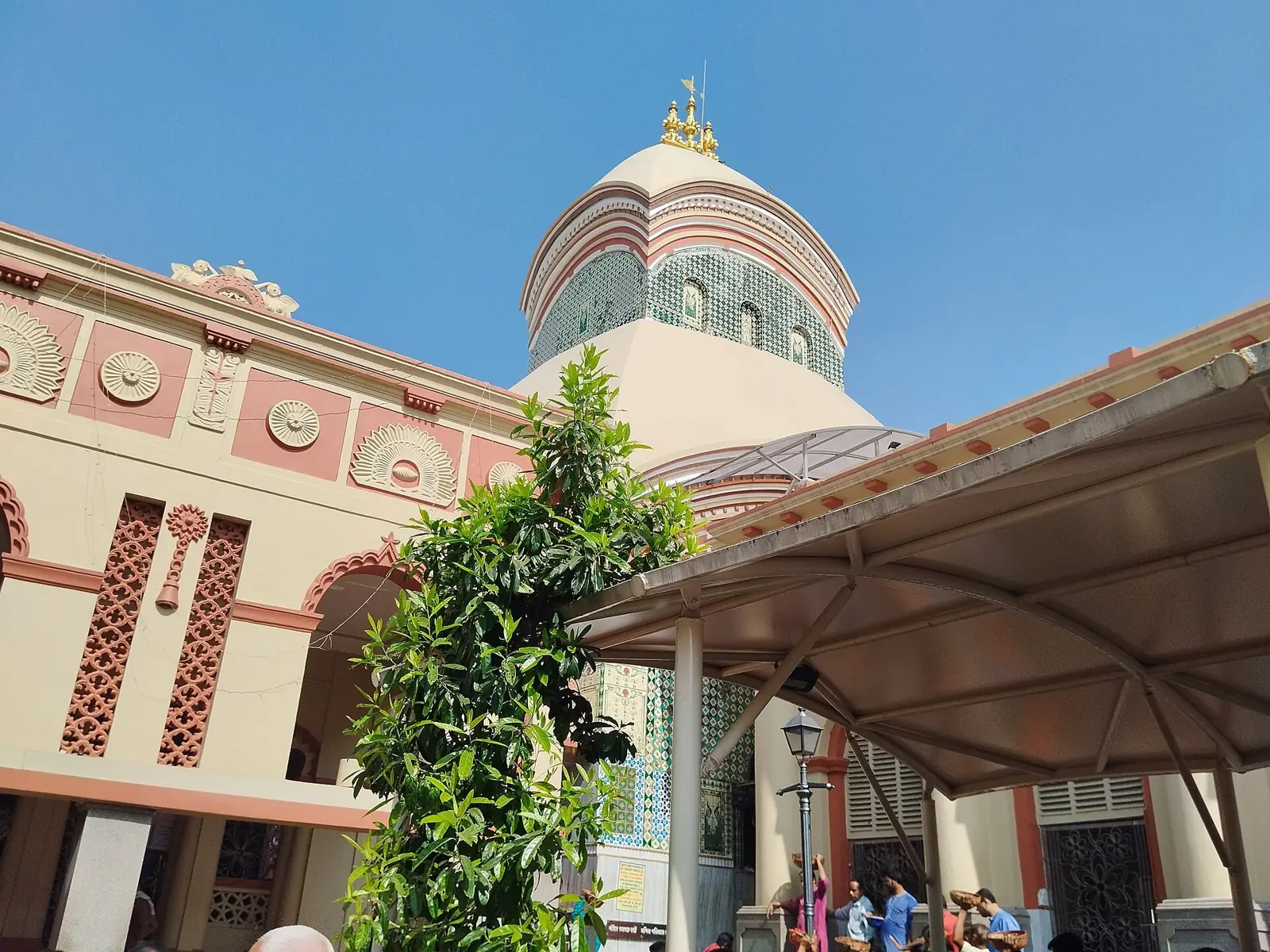
Kalighat in Kolkata is listed open from 5 am to 2 pm and again from 5 pm to 10:30 pm. The present structure dates to the nineteenth century, around 1809. Visitors can watch rituals from a platform called Jor Bangla, and the tradition holds that Sati's right toe fell here. Harkath Tala, where sacrifices occur, is also on site. The lanes are crowded, so go early, keep your bag close and expect a short wait.
South and west: Chamundeshwari and Ambaji
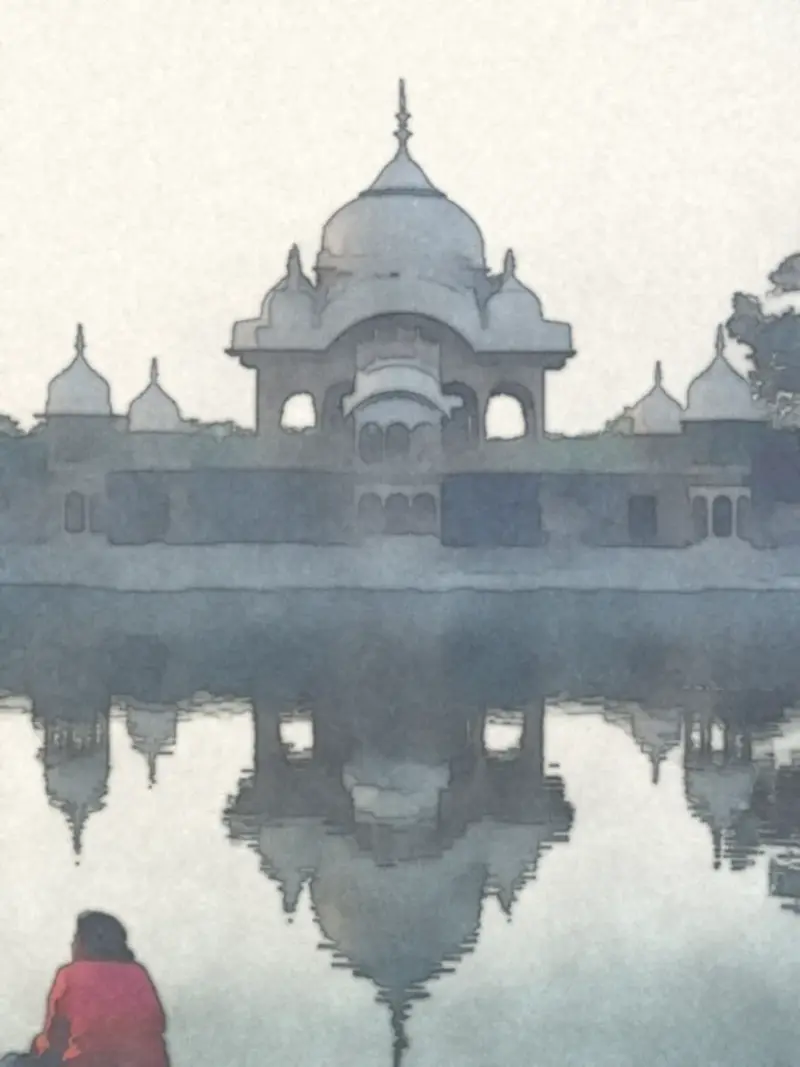
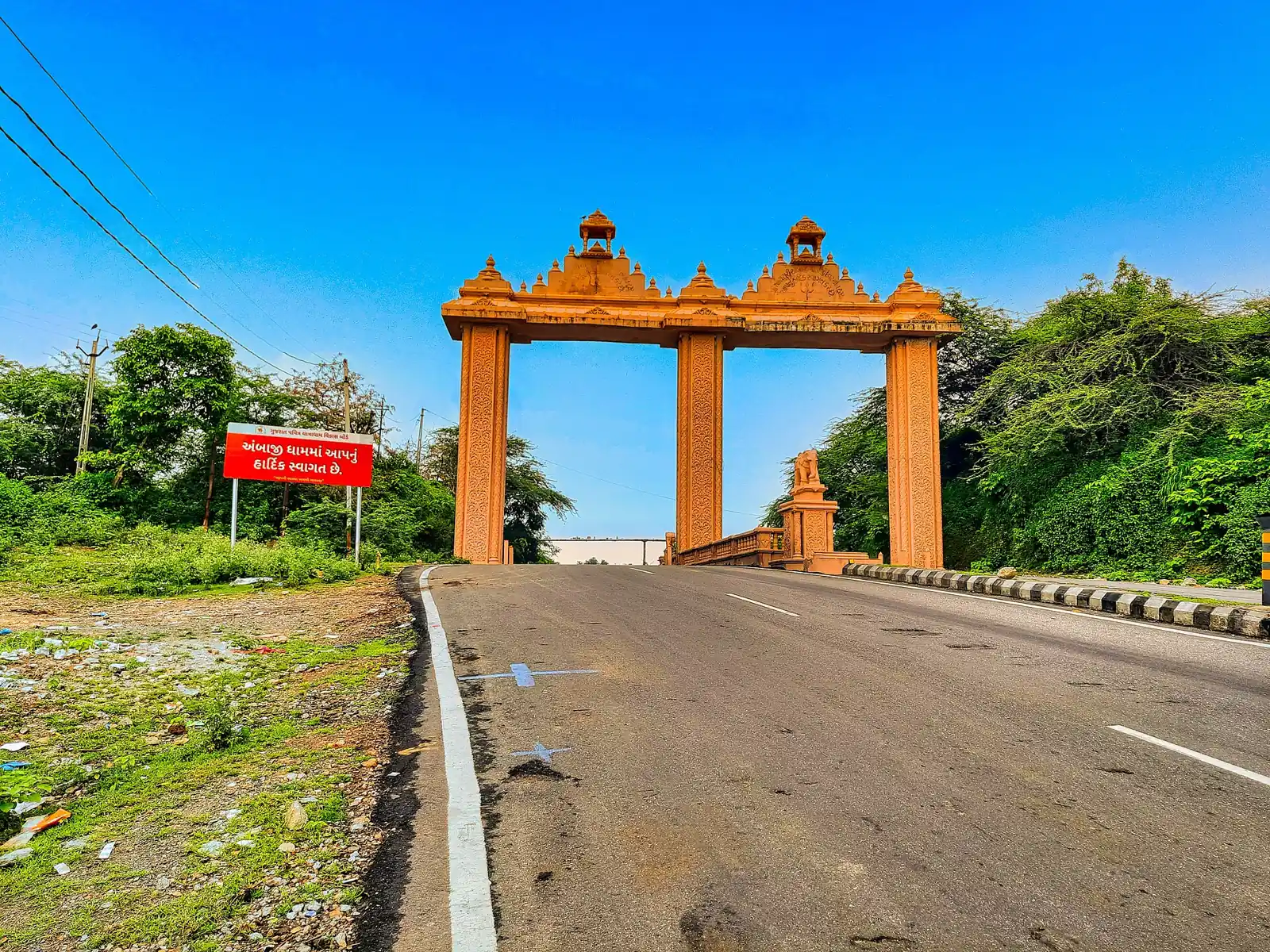
Chamundeshwari sits on Chamundi Hill above Mysuru, and Outlook Traveller notes its Navratri celebrations overlap with the Mysuru Dasara festivities, which draw thousands. Ambaji, near the Arasur Hills in Banaskantha district, Gujarat, is unusual in that the shrine holds no idol, only a revered yantra, venerated as Amba. Neither temple has timings in the sources consulted, so confirm them locally.
Ways to group them
For a first circuit, group by region: the north (Vaishno Devi, Jwalaji, Naina Devi) in seven or eight days by road; the east, Kamakhya and Kalighat, with flights; the south and west as separate trips. Navratri is auspicious but crowded, so many choose the shoulder weeks instead.
Season and crowds
Navratri falls twice a year, in spring and autumn, with an extra fair at Naina Devi in the rains. Expect long queues, tighter security and full lodgings. Cool months suit the east and the south, while early summer suits the northern hills but not the plains.
Pairing the circuit with other trips
A Shakti Peeth circuit rarely stands alone. The Vaishno Devi leg fits with Jammu, Srinagar and the Kashmir valley, as the Jammu and Kashmir guides on this site show. Haridwar and Varanasi sit on the Ganga trail and pair naturally with a Jyotirlinga trip. Kolkata offers the Victoria Memorial and the Indian Museum near Kalighat, as the Incredible India page notes, while Guwahati has the Mahavidya temples on the same hill as Kamakhya. Planning this way turns a series of queues into a journey with a shape, and it keeps elders from facing more than one big temple in a day.
Etiquette and small rules
Dress modestly, remove footwear and leave leather outside where asked. Carry cash for offerings and small coins for the lanes. Photography is restricted at many sanctums. Not every shrine is vegetarian in custom, so respect local practice, and stay with the temple trust's own channels for bookings, since unofficial agents multiply near the big temples.
Laladham on the circuit
Laladham picks you up in Delhi from the airport, a station, your home or hotel, and plans a complete Shakti Peeth trip with flights or trains for long legs and a driver on the ground. Tell us which temples you have in mind on the [book page](/book) and ask for a quote.
Questions, answered
How many Shakti Peeths are there?
The tradition counts 51. This guide covers nine that travellers commonly combine.
How long is the Vaishno Devi walk?
About 12 km from Katra, with a helicopter option to Sanjhi Chhat.
When is Kamakhya open?
The tourism listing gives 6 am to 7 pm.
Which temple has no idol?
Ambaji in Gujarat, where a yantra stands in place of an image.
Where is the natural flame?
At Jwalaji, in the Kangra hills of Himachal Pradesh.
When is the best time?
It depends on the region: cool months for the east and south, May to June for Vaishno Devi, and Navratri for both blessing and crowds.