Understand the allocation, the closure and the vehicle choice and the rest is a matter of patience.
Ten zones, and no choice
The park has ten zones: five core zones with the highest tiger density, and five newer buffer zones that are quieter and improving. Zones are given out by random allocation at the time of booking, so you cannot pick one. One operator's rule of thumb is that a single safari gives roughly even odds of a core or buffer zone, and booking three or four across a stay helps. Treat it as odds, not a promise. The Outlook Traveller guide's packing list is worth following: comfortable clothing and sturdy shoes, a hat, a pair of binoculars, a camera with a telephoto lens, insect repellent, sunscreen, water and snacks, and a first-aid kit.
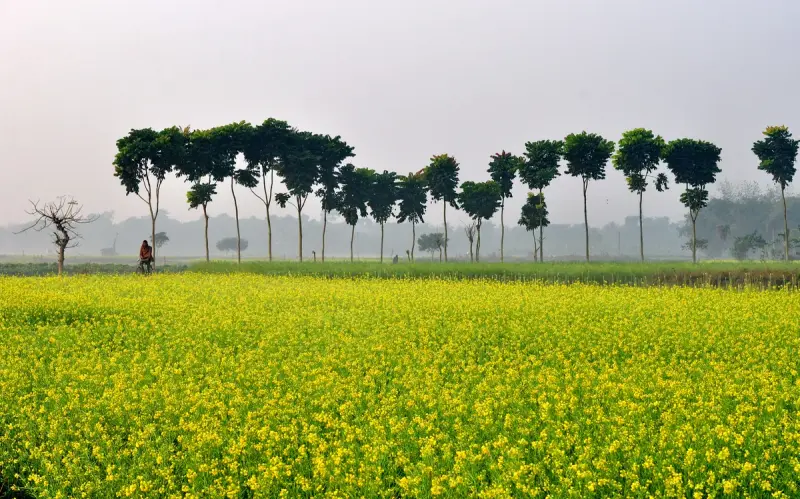
Each shift admits a fixed number of vehicles, about 20 jeeps and 20 canters, and guides are mandatory. Booking early matters, especially in peak season, and the official portal is where permits are issued.
Jeep or canter
A canter is the cheaper bus-style vehicle, quoted at Rs 1,300 to 1,500 a seat, while a jeep seat is about Rs 1,900 to 2,500, with a private jeep running Rs 11,000 to 15,000 or more. Entry fees were reported up by roughly ten per cent from April 2026, so check current prices. The jeep is more mobile and better for photographs; the canter is fine if budget matters.
What a safari is like
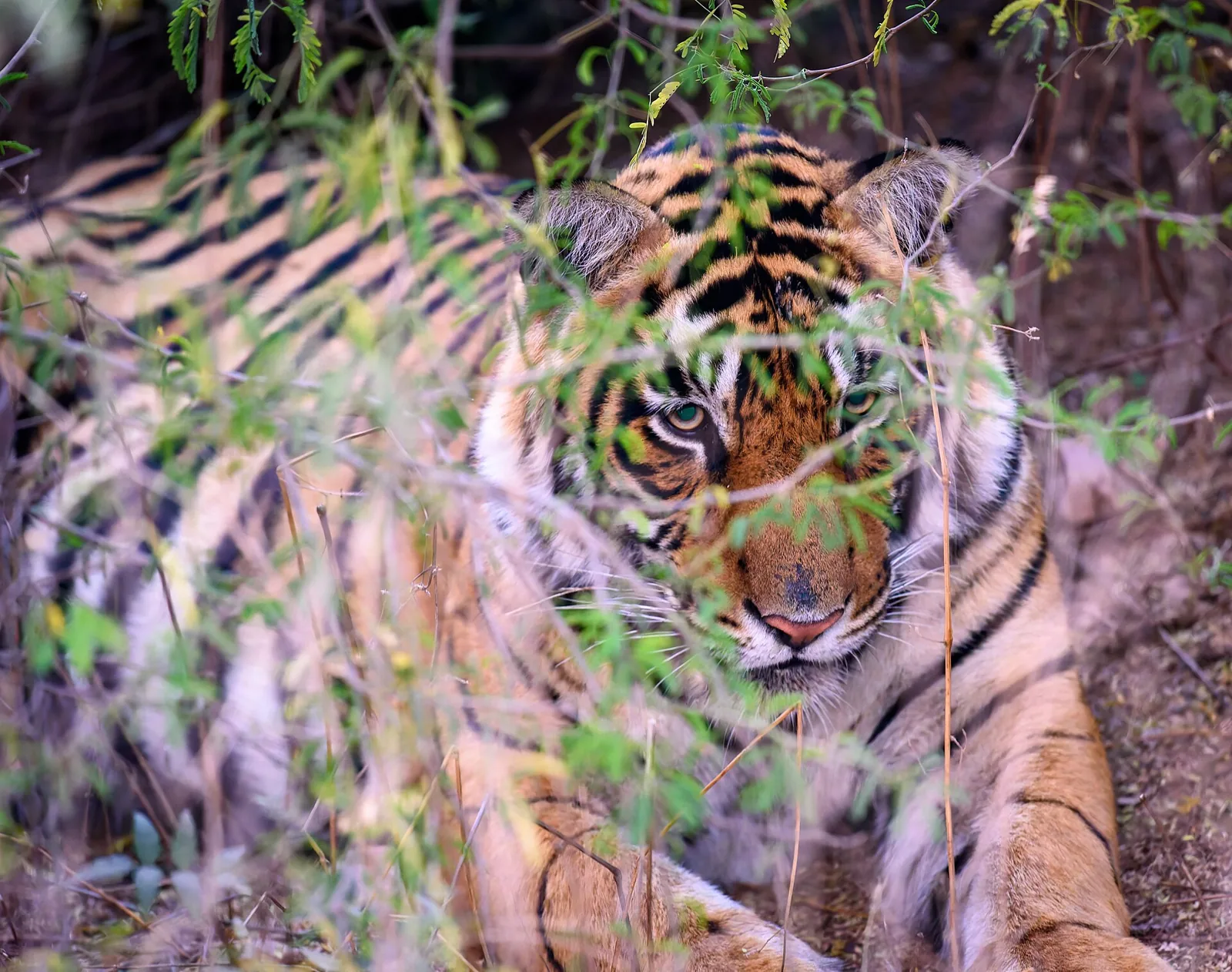
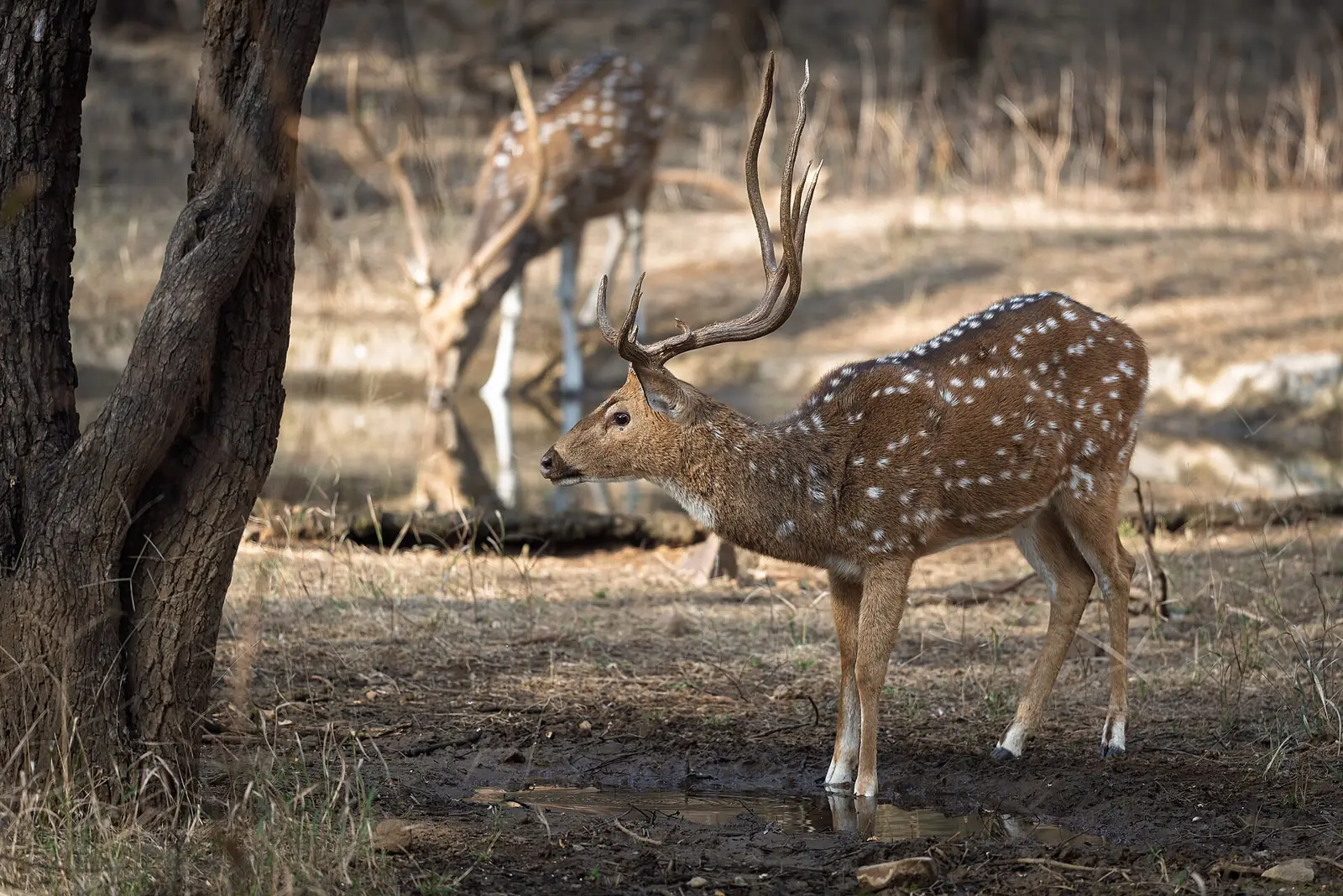
The routes follow paths tigers have used for generations, so sightings are fairly frequent, and some tigers are used to vehicles. That predictability is not for everyone. Sightings still come after long waits, and one account describes three cubs left alone at a waterhole, deer edging close, and the mother returning to restore order, followed by a morning when only pugmarks and alarm calls turned up.
In January 2026, a cub of the tigress Riddhi walked into the parking area near the fort and past tourists in jeeps, and forest authorities again reminded visitors to follow the rules and keep a safe distance.

The fort inside the park
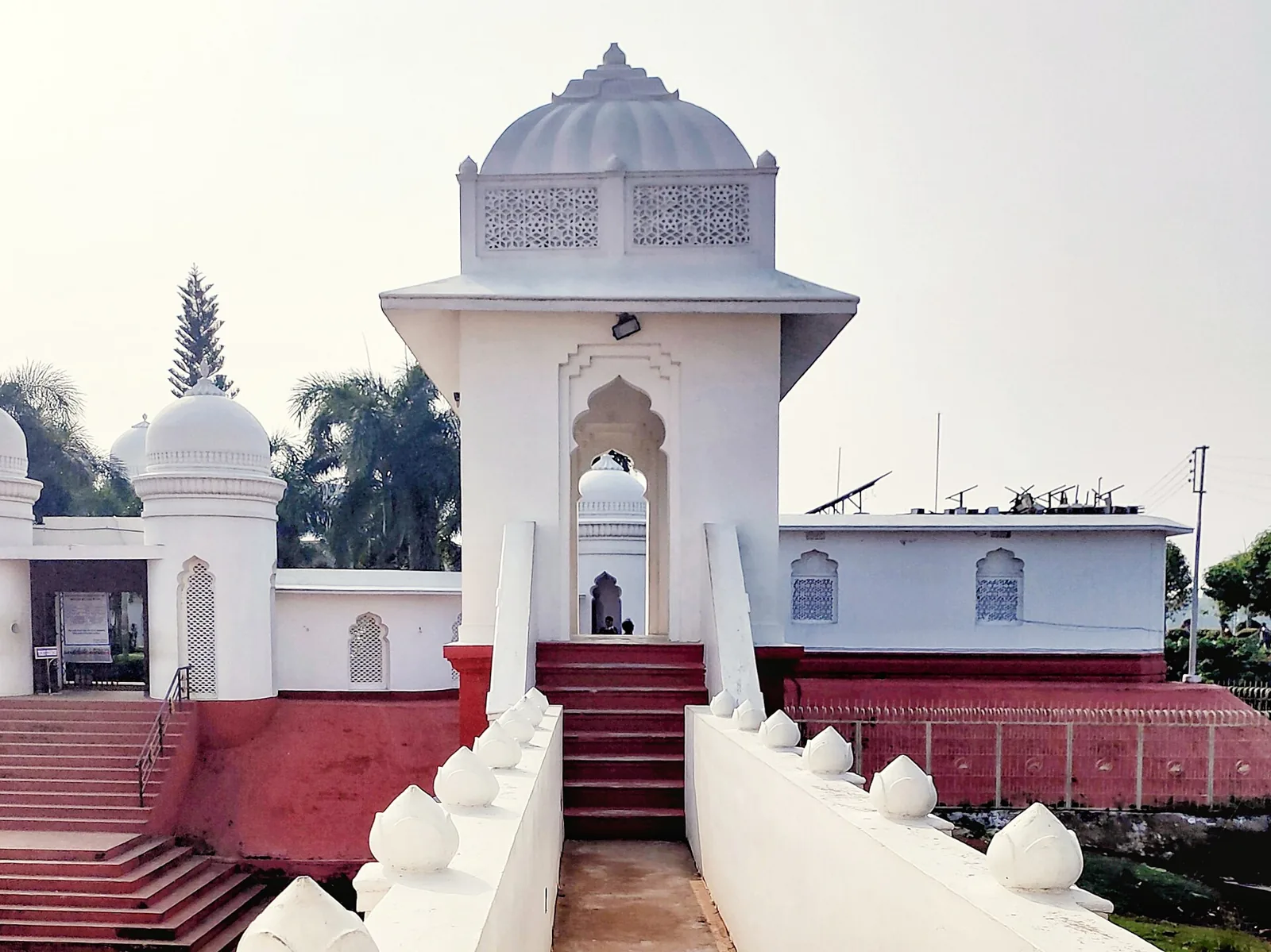
Ranthambore Fort is a UNESCO-listed hilltop fort from the 10th century with strong gates, temples and stepwells, reached by a steep path along the ramparts, and it lies within the reserve, so its visit is bundled with a park trip. Allow stamina for the climb and carry water.

Season and the monsoon shutdown
Tigers can be seen from October to June, with March to May best, when waterholes dry and animals gather at what remains. The park closes from July to late September, with at most a few buffer areas open on rain-dependent approval. The safari windows run roughly 6:30 to 10 and 2:30 to 6 in October, shift to 7 to 10:30 and 2 to 5:30 in the winter months, and move earlier in summer, so confirm each slot at booking. Closing days differ between sources, with a Wednesday closure widely reported.
Getting there from Delhi
The road from Delhi takes five or six hours, and because the park sits near the Golden Triangle, Jaipur is roughly 3.5 hours off. The nearest station is Sawai Madhopur, with connections to both Delhi and Jaipur, which is why an evening arrival before a morning slot works. Most people arrive the evening before so they can make a morning slot without a pre-dawn drive.
Wider tiger context
Some tigers from Ranthambore were moved to other reserves, including Sariska, which now holds more than 30. Entry rules, zone maps and canter seats are best checked on the booking portal itself, because tiger parks revise them often and a reseller's page can lag behind. Leopards, sloth bears, crocodiles, chital, sambar and langurs share the park, as do painted storks and paradise flycatchers, so go for the whole forest, not only the cat, and plan several safaris over a stay rather than one hopeful drive, since the odds improve with each outing.

Let Laladham run it
Laladham picks you up in Delhi, from the airport, station, home or hotel, and plans the whole Ranthambore trip: a stay near the park, the booking window, a driver who gets you to the gate and several safari slots. Ask for a quote on the [book page](/book).
Questions, answered
Can I choose my Ranthambore zone?
No. Zones are allocated at random when you book. Booking several safaris lifts your odds.
When is Ranthambore closed?
For the rains, and on a weekly day that sources report as Wednesday. A few buffer zones may open in the rains.
Jeep or canter?
The bus-style canter is cheaper. The jeep moves more freely and gives better photo angles, for a higher seat price.
How far is Ranthambore from Delhi?
Plan on a long morning's drive, with Jaipur much closer.
What is the best month?
March to May for waterhole sightings, though October to June is the general season.
Is the fort part of the park?
Yes, the 10th-century UNESCO-listed fort stands within the reserve boundary.