December has the big festival, and that has its own page on this site. This guide is for the other eleven months and the rest of the map.
Dimapur, the gate
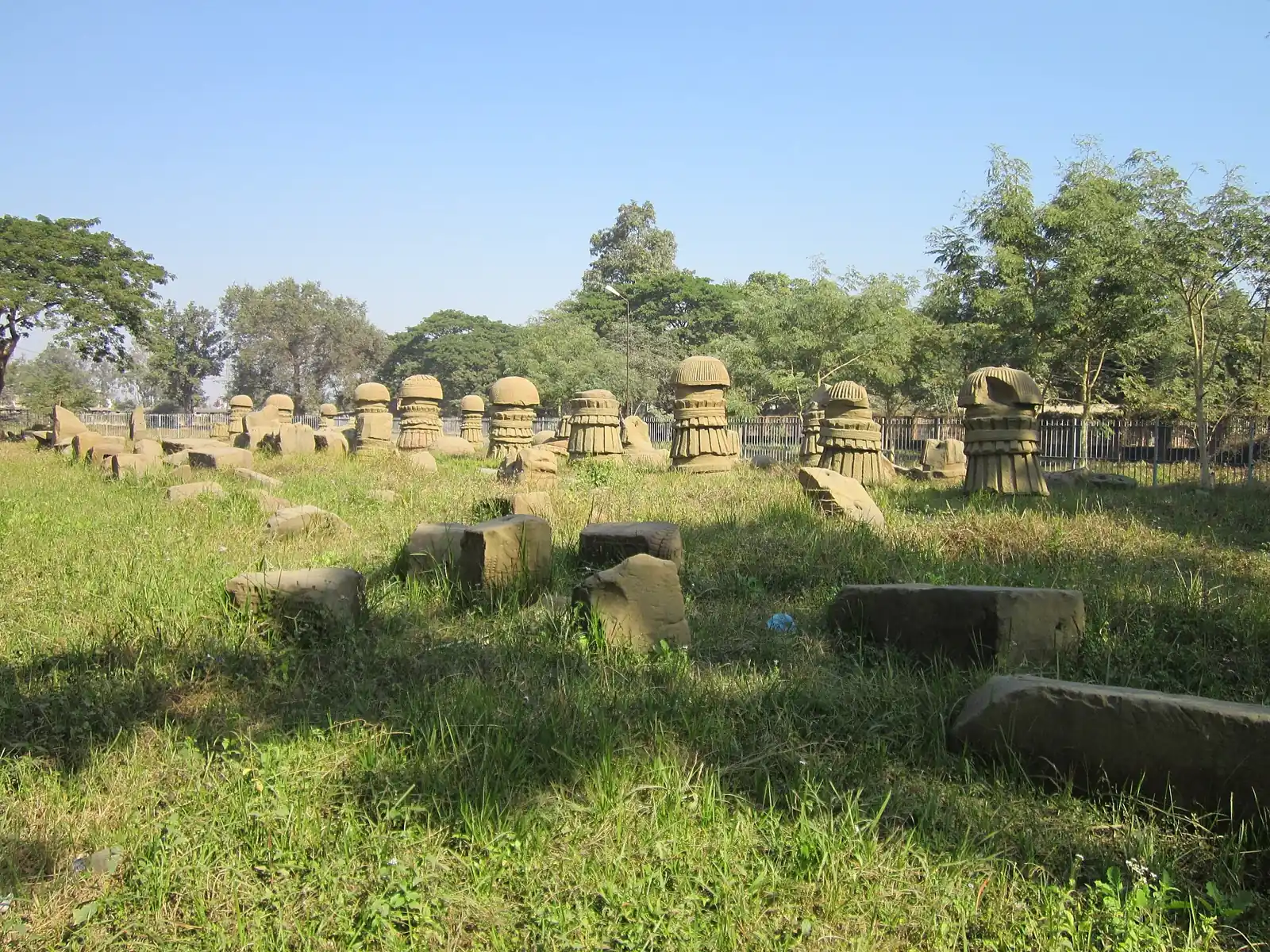
Dimapur is the entry point on the tourism page, with the Kachari ruins as its history stop. These are rows of carved stone pillars standing in grass, the remains of an earlier kingdom, and they are an easy place to stretch your legs after a long arrival. Do not plan more than a night here unless you want to see the markets. Dimapur airport and its railway station are the entry points the tourism pages name for the whole state.
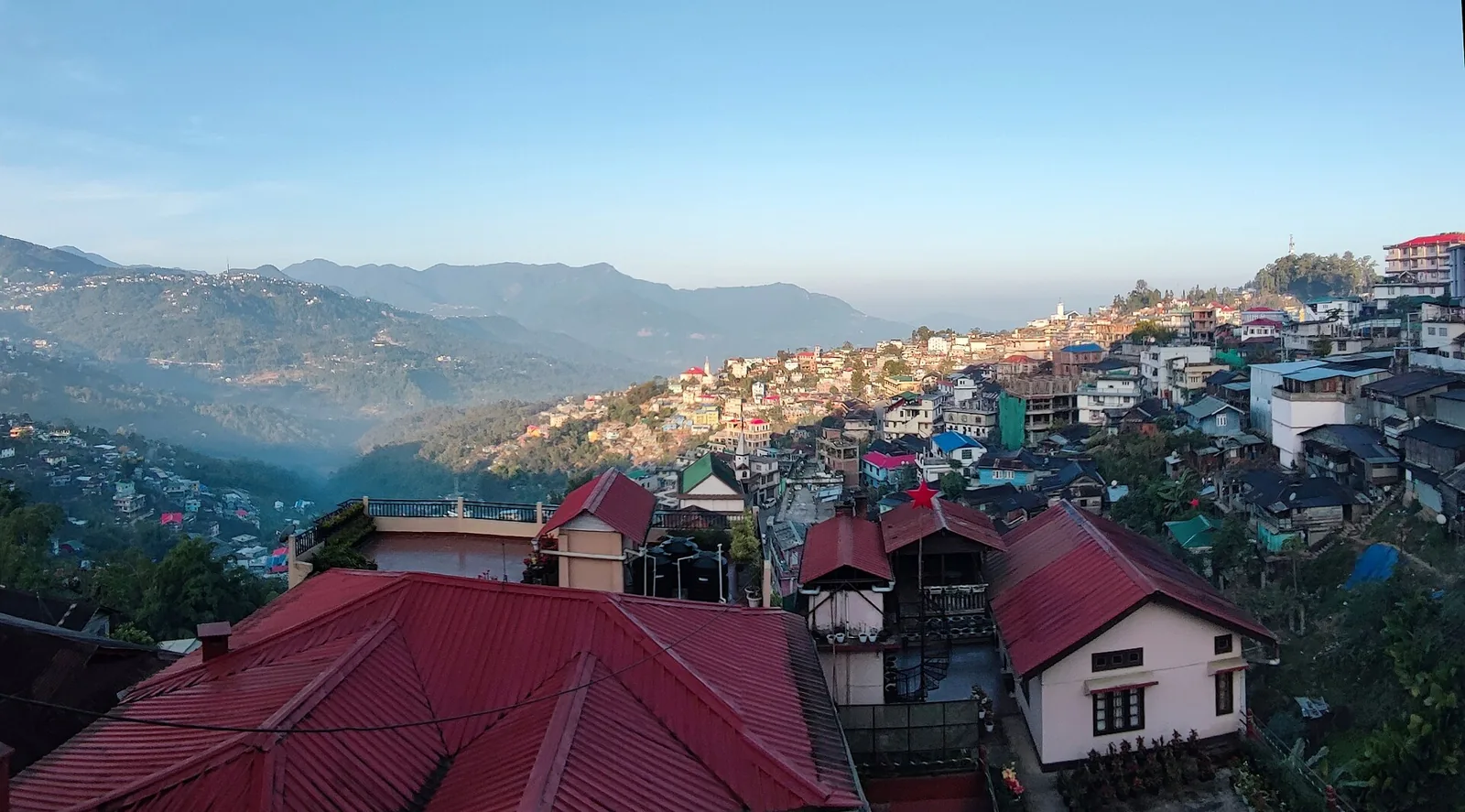
Kohima and the cemetery on Garrison Hill
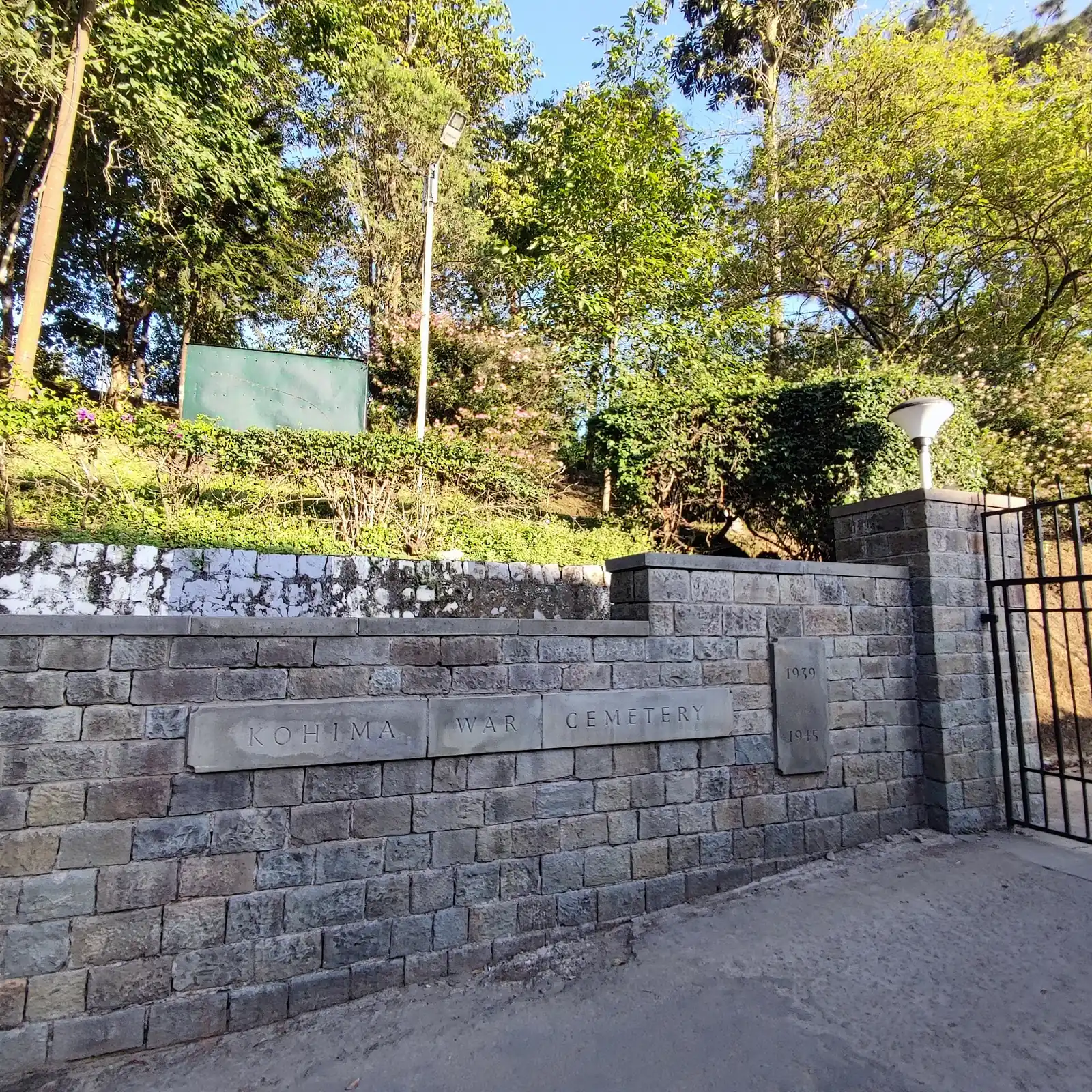
The war cemetery sits on the ground of what had been the British Deputy Commissioner's bungalow. Incredible India describes the battle in spring 1944, when Allied forces held the Japanese advance toward India over two months. The cemetery lies on Garrison Hill, was designed by Colin St Clair Oakes, and holds 1,420 Commonwealth burials from the Second World War.
The page quotes the inscription on the 2nd Division memorial: when you go home, tell them of us and say, for your tomorrow, we gave our today. At the highest point, the cremation memorial names 917 Hindu and Sikh soldiers. Open hours are 9 am to 4 pm, so arrive in the morning. Dress plainly and keep voices low. This is the one stop in Nagaland that people say they remember longest.
Kisama, the heritage village
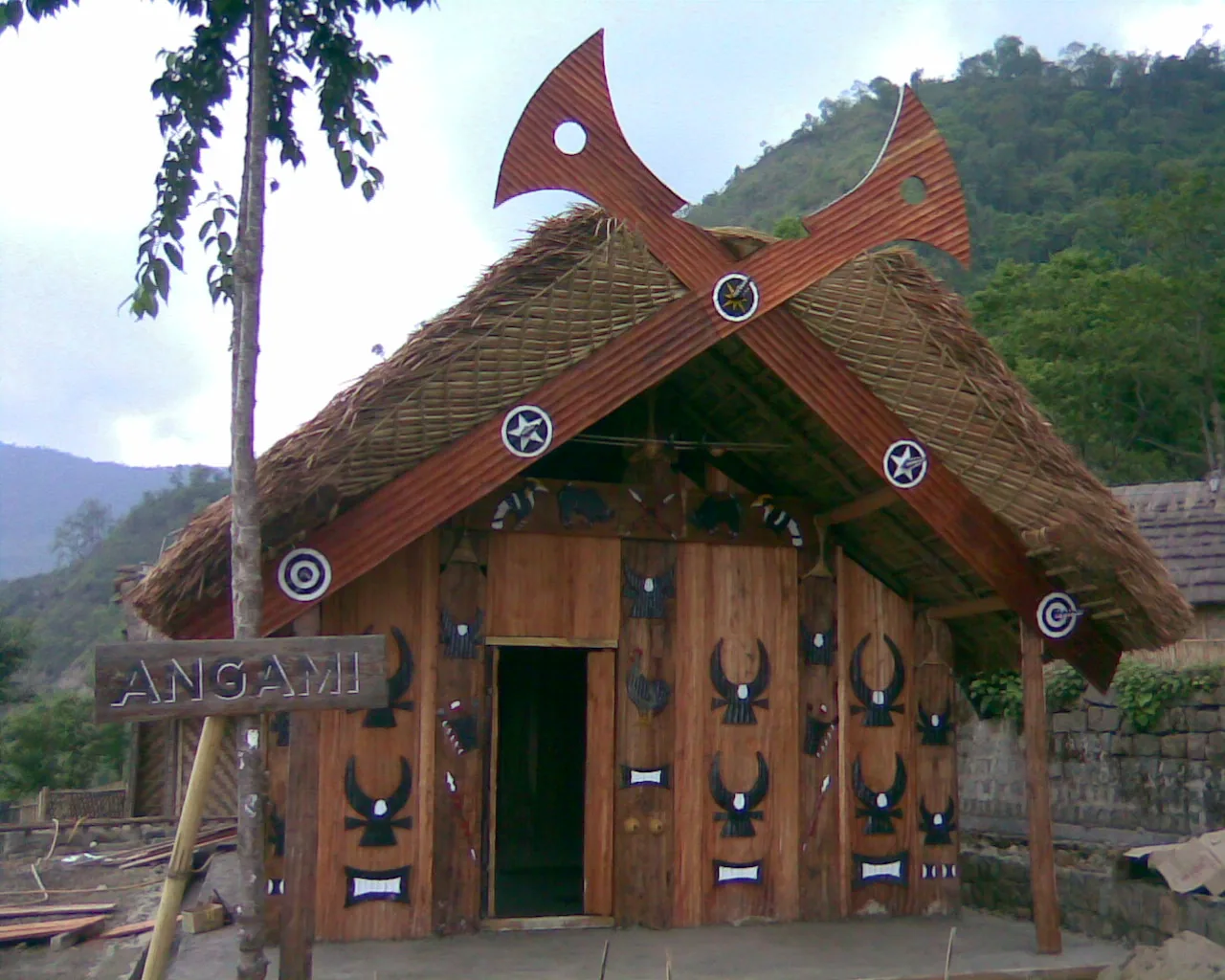
About ten kilometres from Kohima, Kisama is the tribal heritage village, named from neighbouring villages Kigwema and Phesama. It has sixteen morungs, the traditional communal houses where skills were taught and stories passed on, plus ceremonial gates and a central arena. Opening hours are 9 am to 5 pm. The official page asks visitors to dress modestly, ask before photographing people or property and remove shoes where required.
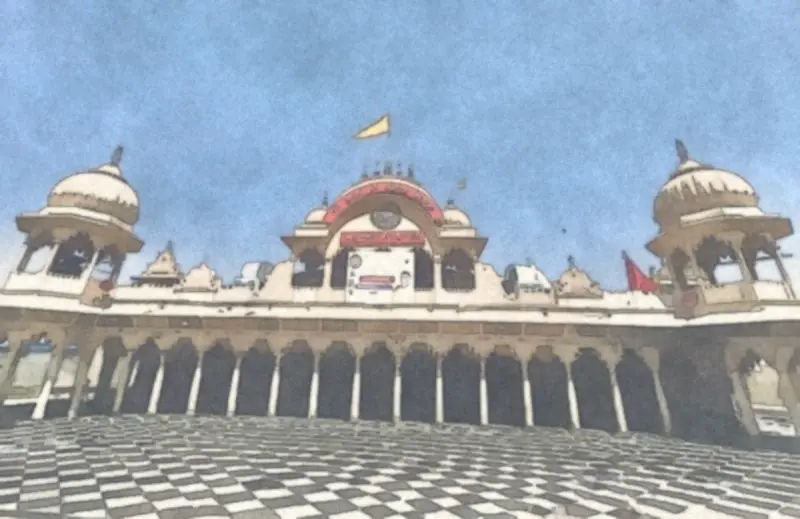
For the festival week itself, read the separate [Hornbill Festival guide](/blog/hornbill-festival-nagaland-kisama-guide) instead of repeating that plan here. Outside December you get the quiet version, which suits a slow look at the carved house posts.
Khonoma, the village that stopped hunting
Khonoma is a 700 year old Angami village about an hour's drive from Kohima, per a Times of India report. It is called India's first green village. In 1998 the village council created the Khonoma Nature Conservation and Tragopan Sanctuary on about 20 square kilometres, after hunters killed around 300 Blyth's tragopans in a single week.
The village also has a fighting history. The state page says the Angami of Khonoma resisted British rule between 1830 and 1880, and a stone inscription at Semomo Fort tells the story. The Guardian reported that Khonoma had more than 4,000 visitors in 2019, almost a fifth from abroad, and that birding peaks in March and April. Stay overnight in a homestay if you can, since the capital's page recommends them.
Dzukou Valley, the hard day
Dzukou sits at 8,045 feet on the Nagaland and Manipur border. The valley flowers in early July, and the Dzukou lily is the best known bloom. The trek is roughly 9 km one way and five to six hours, and the page says calling it easy would be wrong because the climb is steep and the track slippery.
From the Nagaland side, you choose the Viswema route, where a vehicle takes you to the trail start, or the newer, shorter Jakhama route, which means a longer walk. A local guide is advised. The village authorities collect a deposit for plastic items you carry and give it back when you return them, so carry your rubbish out.

What to eat and what to buy
Try Naga pork with bamboo shoot, alua curry for vegetarians and axone, the fermented soybean dish whose smell you will either love or avoid. For shopping, look for handwoven textiles, bead jewellery, wood carving and bamboo ware.
A plan from Delhi
Delhi to Nagaland is a flight or a long train ride into Dimapur, not a road drive. Day one: reach Dimapur and move up to Kohima. Day two: war cemetery in the morning, Kisama after lunch. Day three: Khonoma and its village walk. Day four: Dzukou if the weather is clear, or a rest day. Day five: back down to Dimapur. Check the entry paperwork for your nationality before you book, since the rules are not something to guess.
Planning it with Laladham
Laladham collects you in Delhi, at the airport, a station, your home or hotel, and plans the complete trip with a driver on the ground in Nagaland. Share your dates on the [book page](/book) and ask for a quote.
Questions, answered

Which city should I fly into?
Dimapur, the only airport the tourism page names for the state.
What are the Kohima War Cemetery timings?
The official page gives 9 am to 4 pm.
How hard is the Dzukou trek?
Harder than it sounds, because of the steep climb and slippery track, and it eats most of a day.
When do the flowers bloom at Dzukou?
Early July, per the tourism page.
Why is Khonoma called a green village?
Its villagers ended hunting and set up a community sanctuary in 1998.