The city is also where Assam starts for anyone arriving from Delhi, so the first few hours set the tone for the rest of the trip.
Getting here from Delhi
By air, Lokpriya Gopinath Bordoloi International Airport is the gateway, and there are nonstop flights from Delhi; check the current schedule for timings. By rail it is an overnight journey and then some. Guwahati station is the main stop, and Kamakhya station sits closer to the temple. Incredible India names the airport and Guwahati station as the two arrival points for its own city plans, and that is a fair rule: fly if you have three days or fewer.
Kamakhya, and how to give it enough time
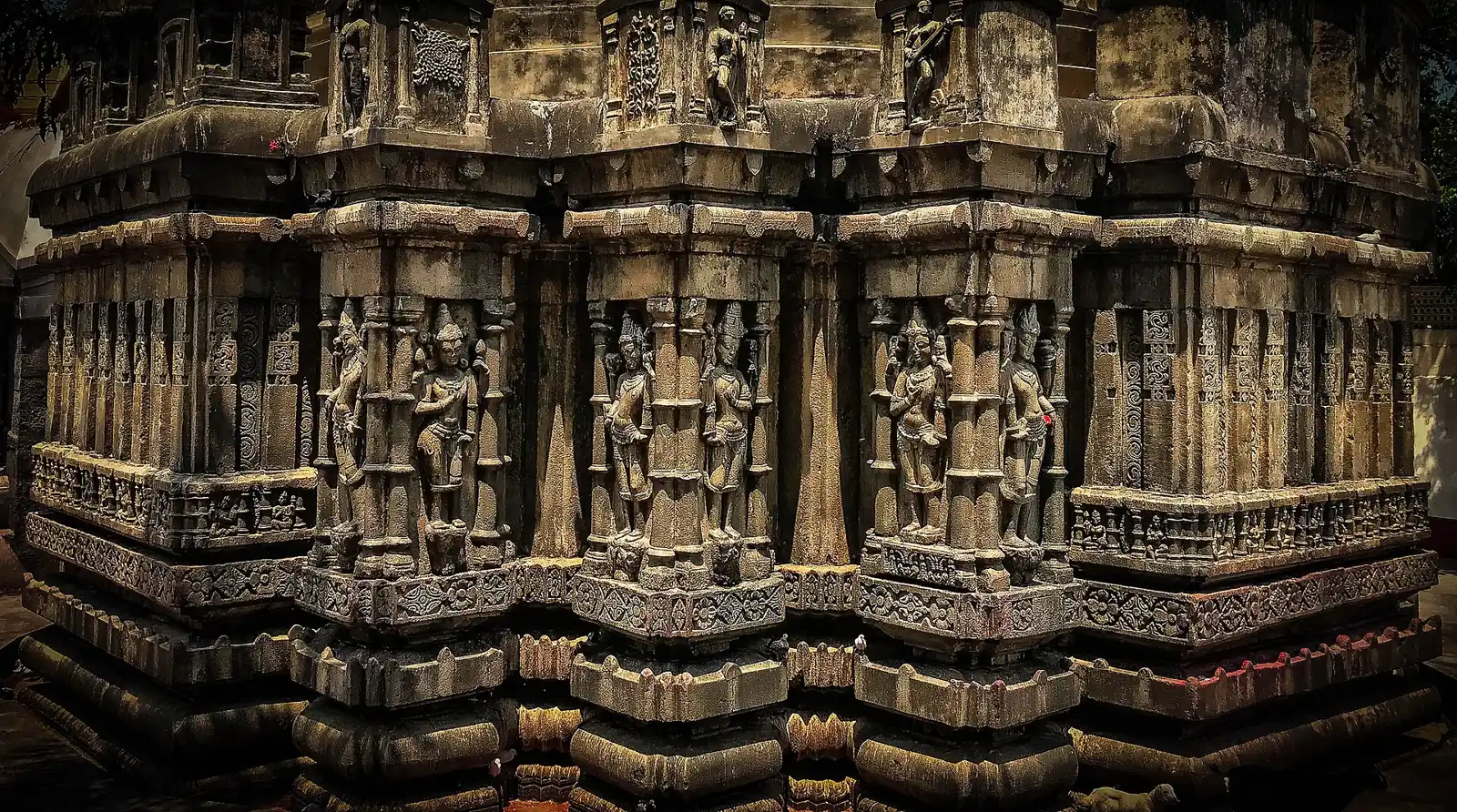
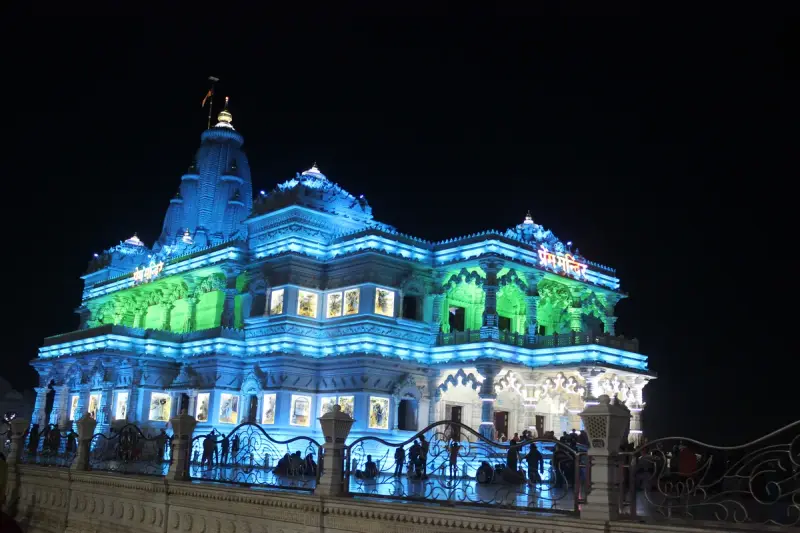
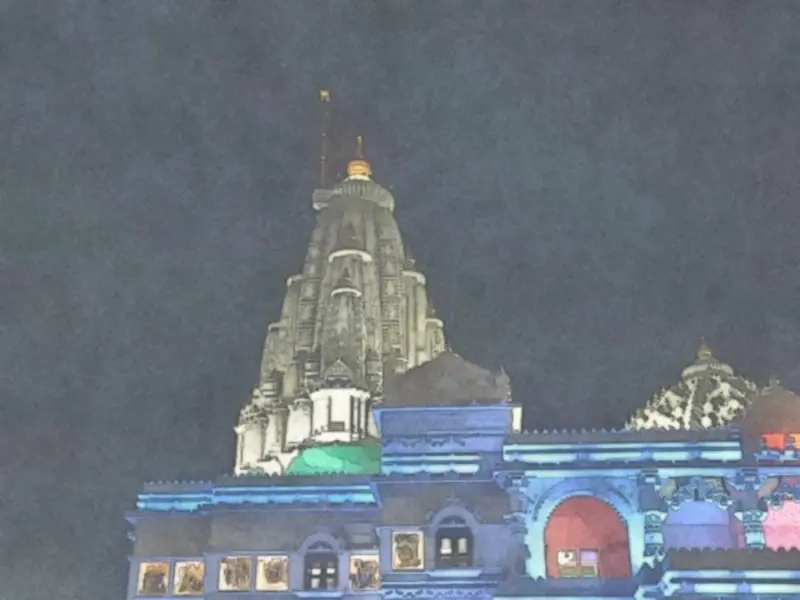
Kamakhya sits on Nilachal hill, about 8 km from the centre according to Incredible India. Assam Tourism describes a temple with no idol: the goddess is worshipped as a yoni-shaped rock, and the hill also carries five Shiva temples and several Dasamahavidya shrines. Incredible India adds that the main sanctum has a beehive-shaped tower, which you can see from the lower road.
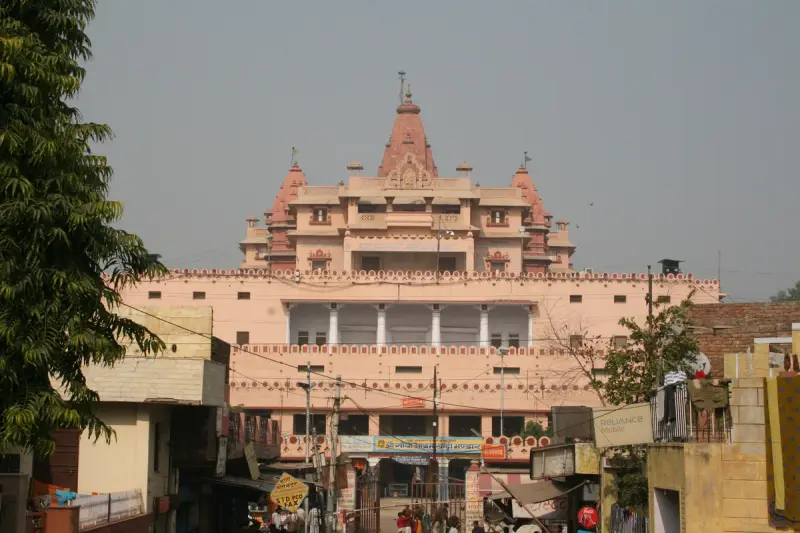
A press guide gives opening around 5:30 am and closing near 10 pm, with a break in the afternoon, and says phones, cameras and leather are kept out, shoes come off and clothes should be modest. Treat that as a pattern to confirm, not a promise. The time to avoid is Ambubachi, four days in June when the temple is closed and the hill fills with people. A press report gave the 2026 dates as the night of 22 June to sunrise on 26 June. Assam Tourism says the best time is June to July because of that mela, but for an ordinary visit the cool months are far easier on the queue.
Umananda and the Brahmaputra
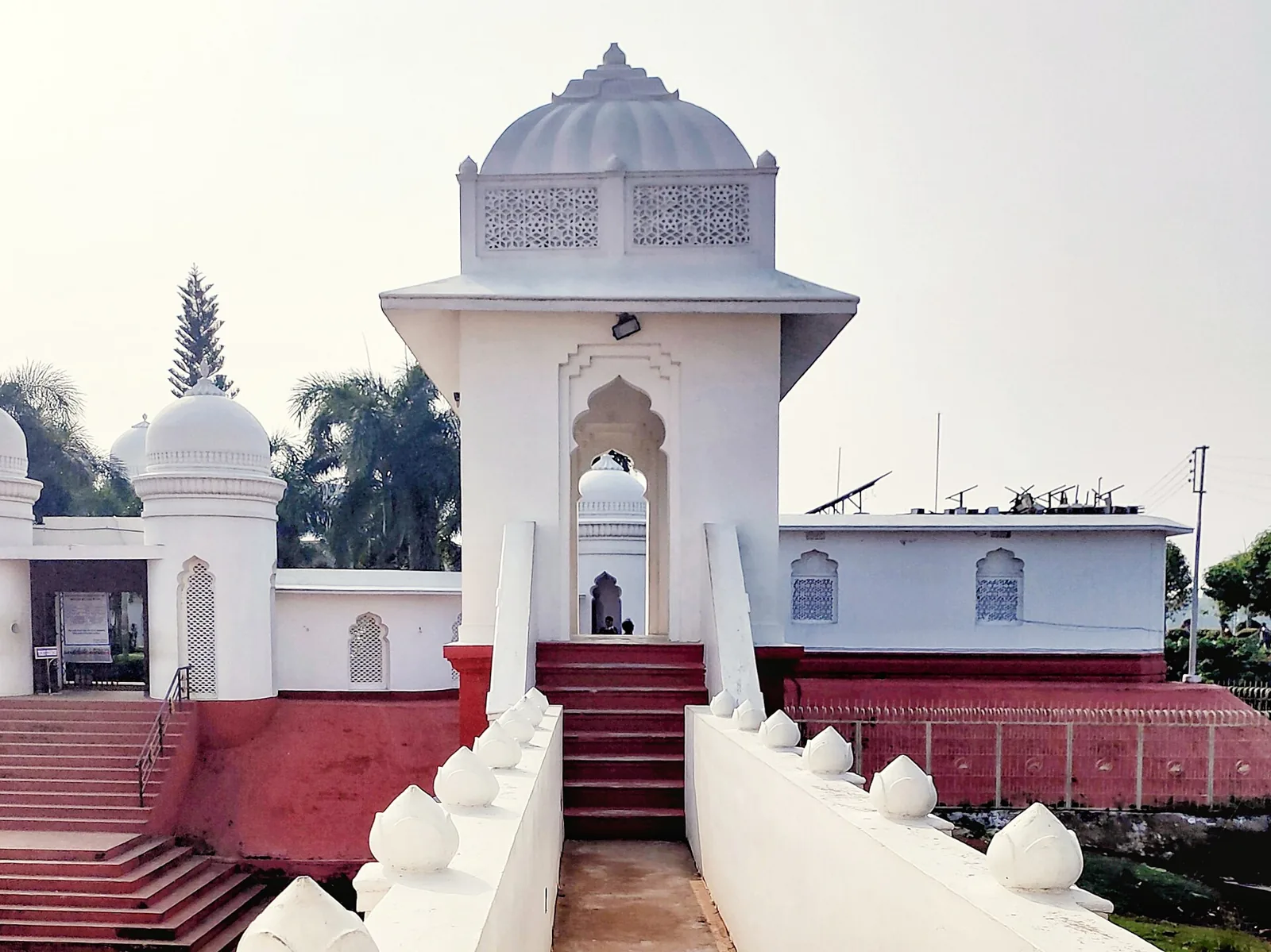
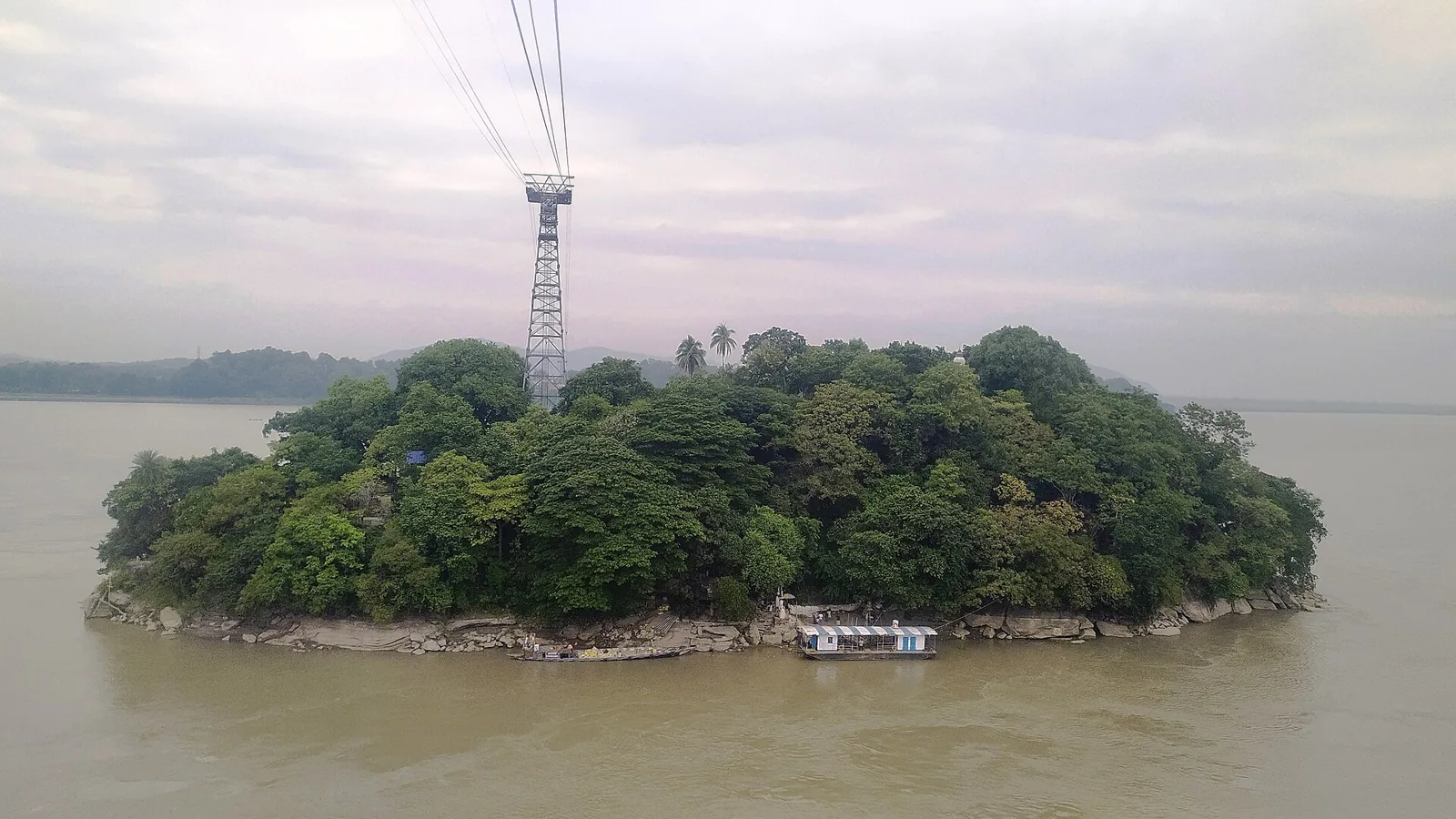
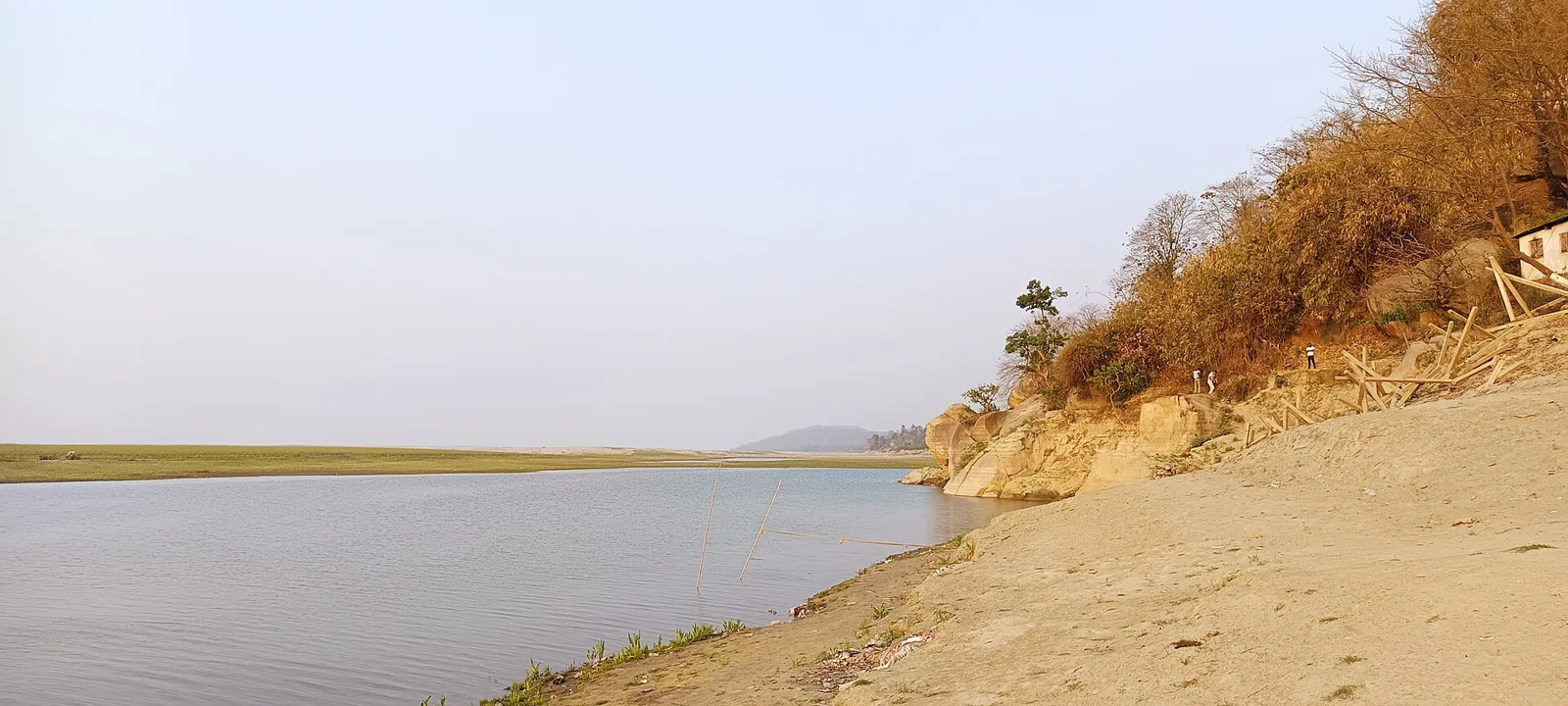
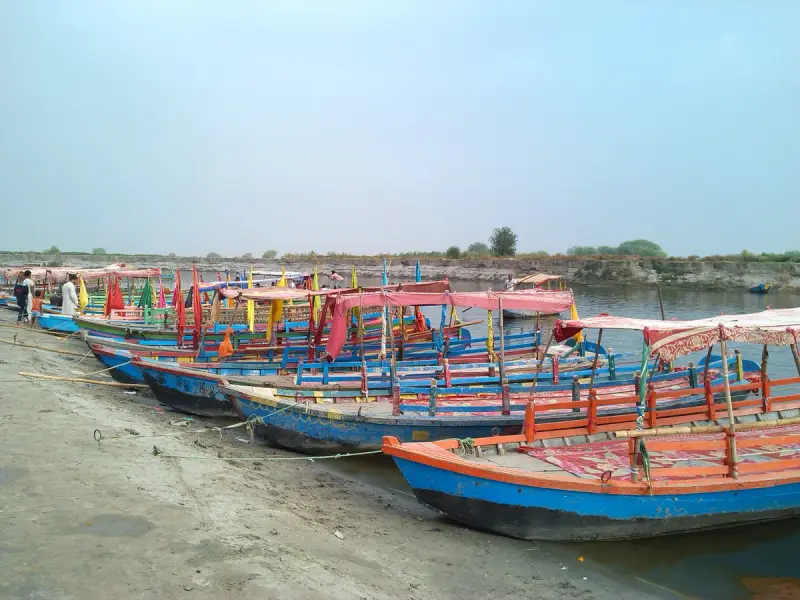
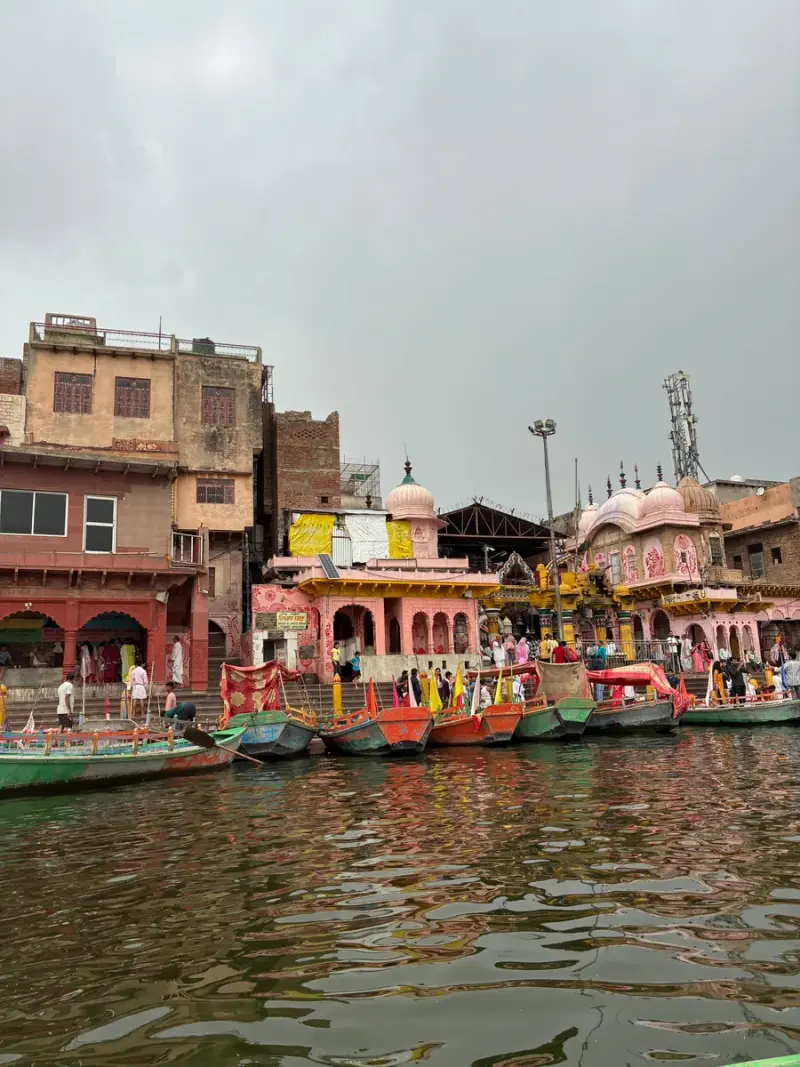
Umananda is the Shiva temple on Peacock Island, built in 1694 under the Ahom king Gadadhar Singha according to Outlook Traveller, which also calls it the world's smallest inhabited river island. Ferries leave from Kachari Ghat, and Incredible India says both public ferries and private boats run. The island has langurs, so keep food in your bag.
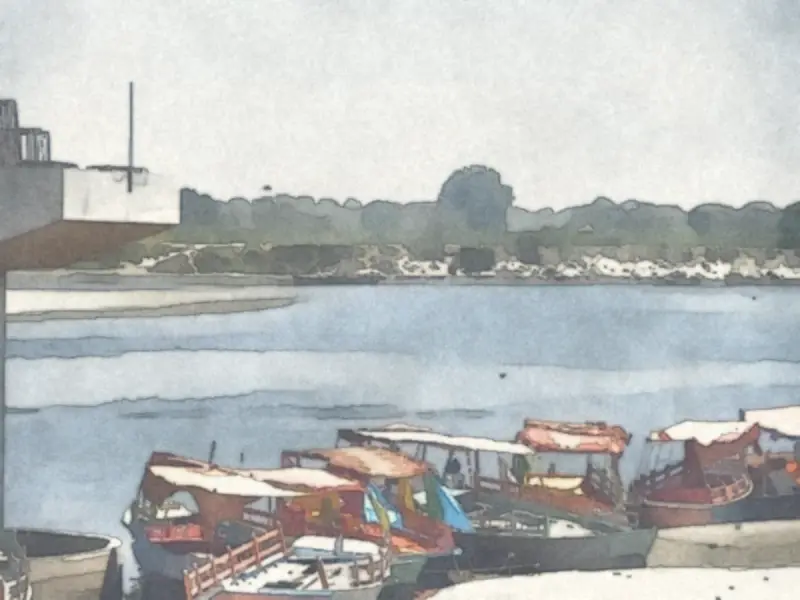
Pick the late afternoon crossing. The river turns the colour of brass, the far bank disappears, and you can come back under the city lights. The Mahabahu Brahmaputra River Heritage Centre in Pan Bazaar is the indoor answer to the same river: a restored British-era bungalow with displays on how the river was formed and how it shaped Assam. Incredible India lists it as open 10 am to 11 pm, a late close that the page itself flags, so confirm before you plan an evening around it.
Museum, Navagraha and Kalakshetra
The Assam State Museum stands just east of Guwahati station and holds reconstructed tribal village scenes, handicrafts and medieval sculpture. Fees and closing days differ between guides, so ask at the gate. Navagraha Temple, on Chitranchal hill, has nine lingas for the nine planets and works well as an evening stop. Srimanta Sankardev Kalakshetra, named for the medieval saint and scholar, carries exhibits and dance and music programmes; check the programme for the day you are there.
Half-day trips from the city
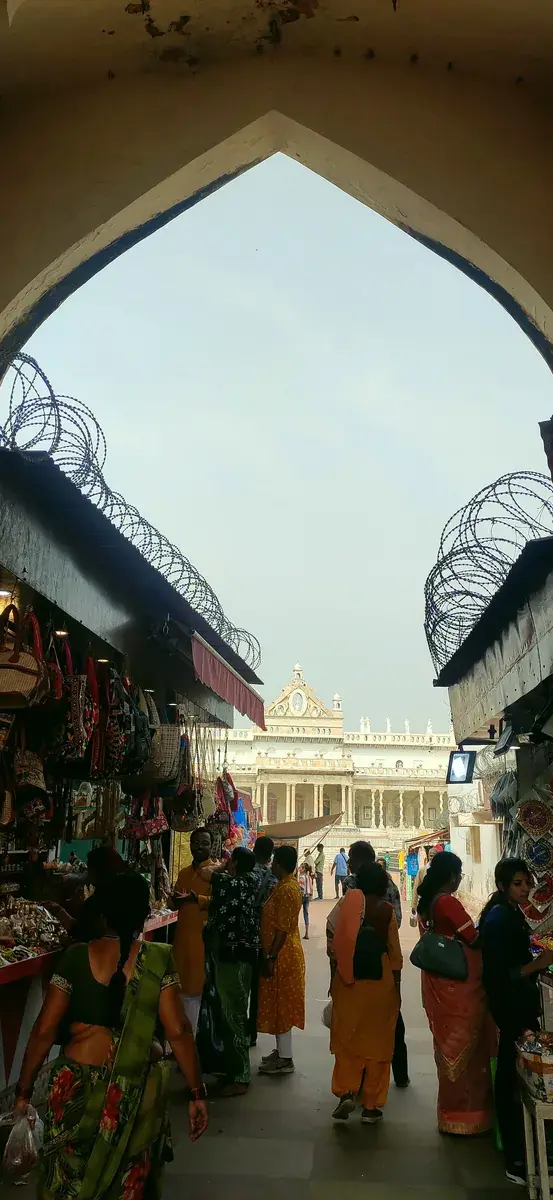
Incredible India's distances from Guwahati are useful: Sualkuchi, the silk weaving town, is 32 km to the west, Hajo is 32 km to the northwest, Basishtha temple is 12 km southeast and the Madan Kamdev ruins are 50 km northwest. Sualkuchi is where you buy silk from people who made it.
Pobitora Wildlife Sanctuary is the one that changes a trip. Assam Tourism puts it about 30 km out, at 38.81 sq km, and says it has the highest density of one-horned rhino in the world and the second largest population in India after Kaziranga. Elephant rides and jeep safaris both run. Go early; the marsh birds are better then, and the road home is easier.
When to come
Incredible India recommends October to March. Its monthly figures show November at about 13 to 31 degrees and the hottest months, June to August, topping 36 degrees. Outlook Traveller agrees on October to April and singles out December to February as the most pleasant. Monsoon brings heavy rain and wet river banks, which makes the ferry and Pobitora less reliable.
Eating and what to bring home
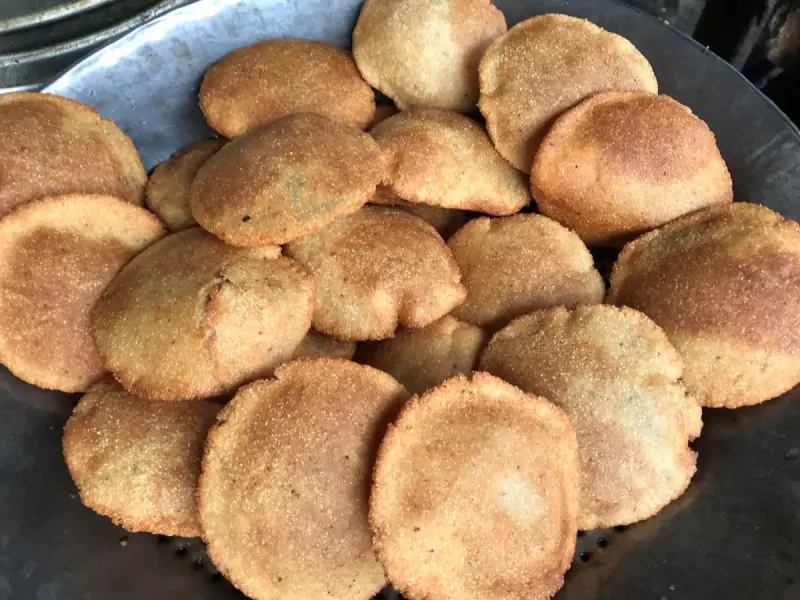
Incredible India mentions Assam's tea and its betel nut and paan culture in the markets. Order an Assamese thali at least once, with the sour fish curry called tenga if it is on the menu, and have the tea at breakfast. Bring home gamosa cloth and silk from Sualkuchi; ask the seller where the piece was woven.
Doing it with Laladham
Laladham can pick you up in Delhi from the airport, a station, your home or hotel, book the flight or train to Guwahati, and put a driver with you in Assam for Kamakhya, the river, Pobitora and then onward into Meghalaya or to the rhino parks. You get one complete trip rather than separate bookings. Send your dates on the [book page](/book) and ask for a quote.
Questions, answered
How many days does Guwahati need?
Two days covers Kamakhya, Umananda, the museum and one half-day trip such as Pobitora or Sualkuchi. One day is enough if you only want the temple and the river.
Is Kamakhya open every day?
It is open daily with ritual breaks, but it closes for three days during Ambubachi in June. Check the current timings before you travel.
How far is Pobitora from Guwahati?
About 30 km according to Assam Tourism. The sanctuary offers jeep and elephant safaris and is best from mid October to March.
Can I fly from Delhi to Guwahati?
Yes, flights run nonstop, while the train is the slow overnight option.
What is the best time to visit?
October to March, with December to February the most pleasant.
- Incredible India, Guwahati
- Incredible India, Mystical Guwahati trip
- Incredible India, Brahmaputra River Heritage Centre
- Assam Tourism, Kamakhya Temple
- Assam Tourism, Pobitora Wildlife Sanctuary
- Outlook Traveller, lesser known spiritual sites in Guwahati
- India TV News, Kamakhya Temple timings and distance
- Free Press Journal, Ambubachi Mela 2026 dates