Below is the day plan only. For the festival itself, read our [Hornbill Festival guide](/blog/hornbill-festival-nagaland-kisama-guide); this page is about how the days fit together.
Before day one: the permit and the season
Domestic visitors need an Inner Line Permit. The state tourism page says to apply at ilp.nagaland.gov.in, or at offices that include Nagaland House in New Delhi and the Deputy Commissioners at Dimapur, Kohima and Mokokchung. Foreigners are pointed to the FRRO site for a Protected Area Permit. Fees and documents were not on the pages we read, so check them before you book flights.
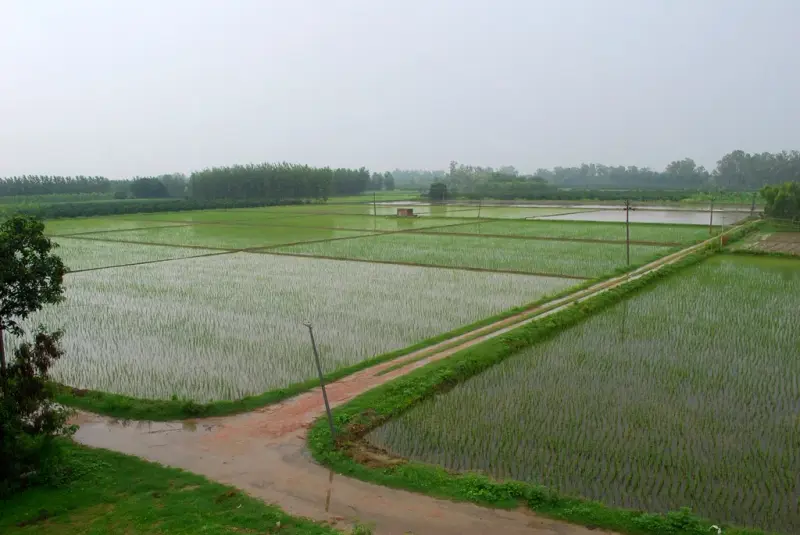
Winter suits this plan. Incredible India lists Kohima at 3 to 19 degrees in January and 3 to 21 in December, so pack warm layers for mornings. Dzukou's famous lilies bloom in the first weeks of July, a different trip with rain on the trail.
Day 1: Delhi to Dimapur, then up to Kohima
This is not a drive from Delhi. The Hornbill Festival site says Dimapur has direct flights from Delhi, and Dimapur is also the main railhead, so you fly or take a train to Guwahati and carry on. Laladham can pick you up at your Delhi home, hotel, the airport or a station and plan the onward legs.
From Dimapur airport to Kohima is about two hours by road, according to the festival's own how-to-reach page. Arrive with daylight to spare. The hotel hour in Kohima is for warm clothes and tea, because the town is noticeably colder than the plains you left. Remember shops here close around 4 pm, so buy water and snacks on the way in.
Day 2: Garrison Hill and Kisama
Start at the Kohima War Cemetery, open 9 am to 4 pm. It sits on Garrison Hill, on the ground of the old Deputy Commissioner's bungalow, where the 1944 battle was fought for over two months. It holds 1,420 Commonwealth burials and a cremation memorial to 917 Hindu and Sikh soldiers at the top. Read the 2nd Division inscription ('When you go home, tell them of us') before you leave.
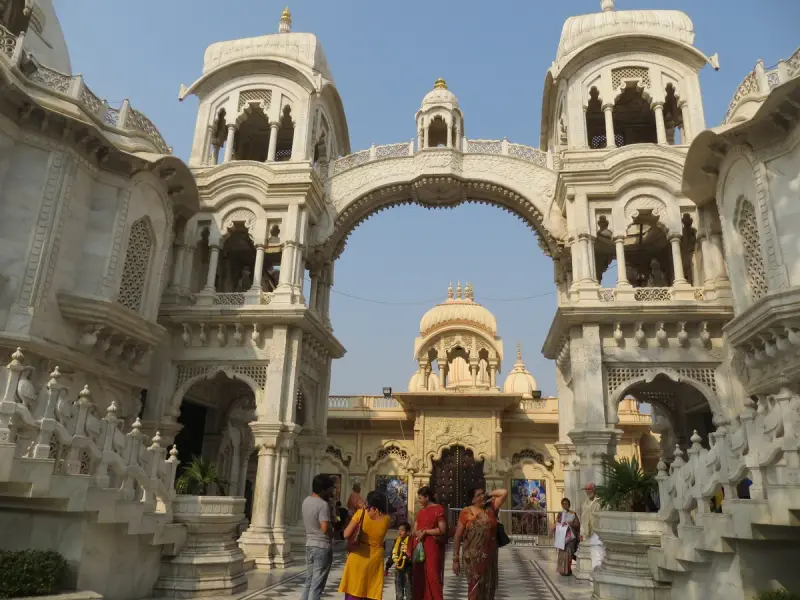
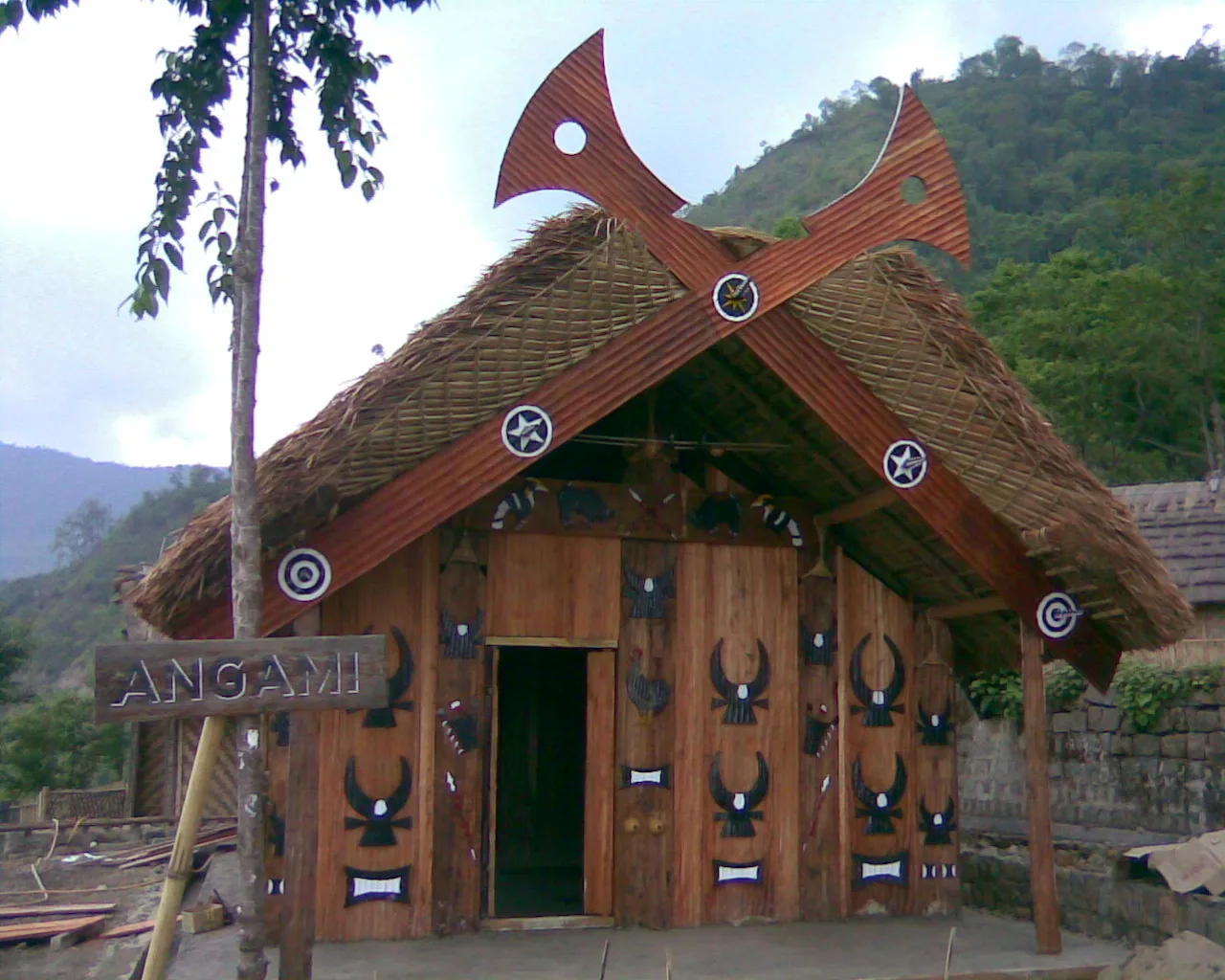
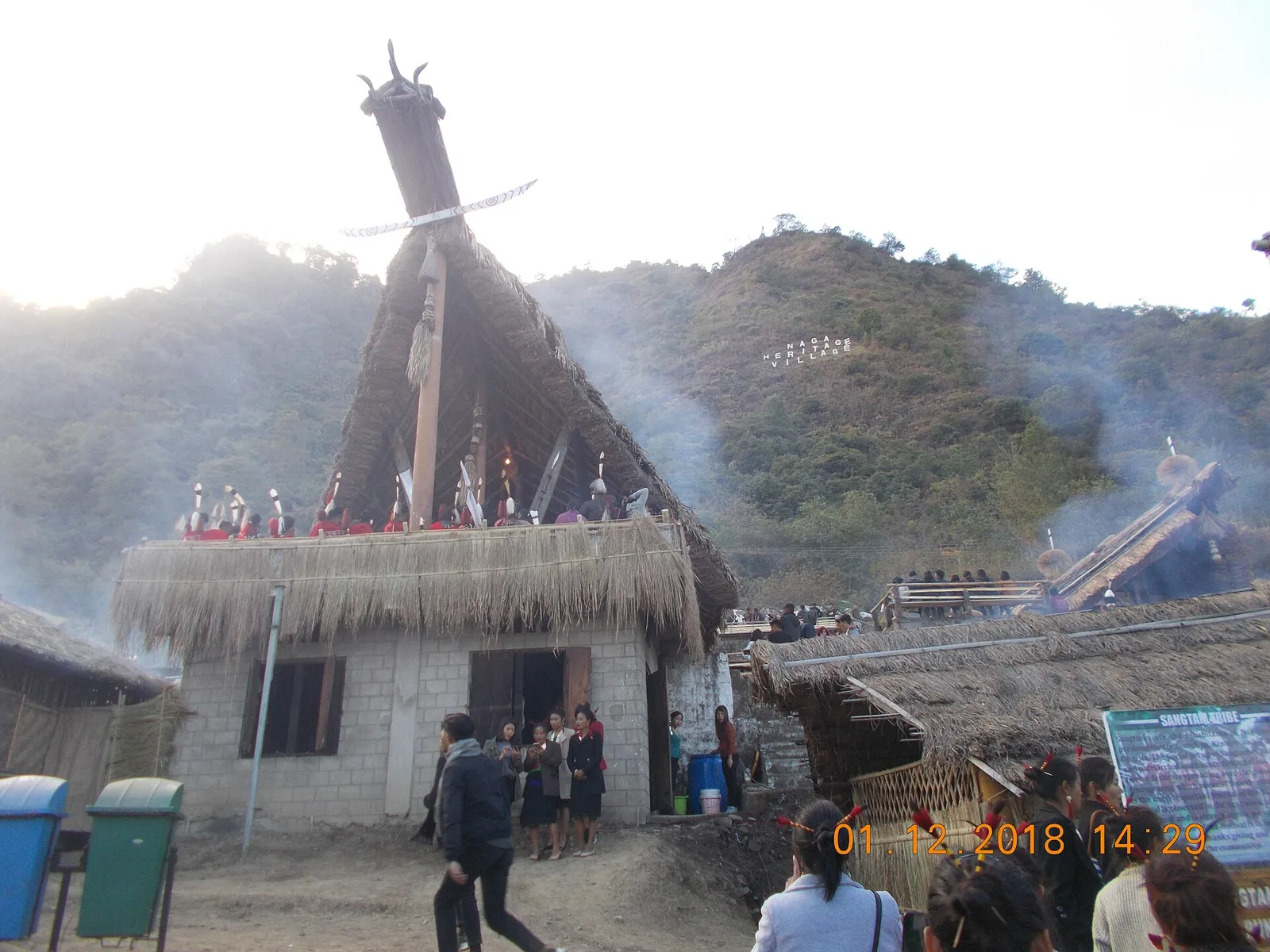
Then the Mary Help of Christians Cathedral, consecrated in 1991, whose design mixes modern lines with Naga motifs. After lunch go out to Kisama, the Naga Heritage Village, about 10 km from town and open 9 am to 5 pm. Sixteen morungs, one per recognised tribe, stand around a central arena. Out of festival season it is quiet, so you walk the houses without a crowd. Dress modestly, remove shoes where asked and ask before photographing people.
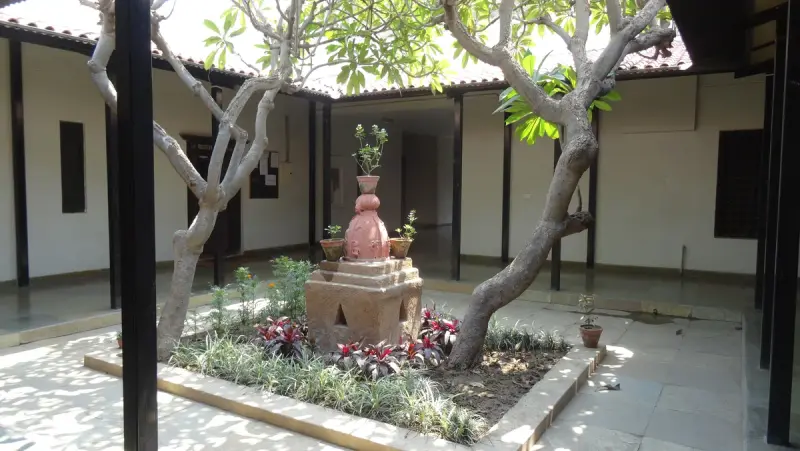
Day 3: Khonoma and a homestay evening
Khonoma is the day's whole point. Incredible India calls it India's first green village, a 700 year old Angami settlement where the village fought the British from 1830 to 1880. A stone inscription at Semomo Fort tells that story. In 1998, after villagers killed 300 Blyth's tragopans in a single week, the council declared a roughly 20 sq km sanctuary and banned hunting.

Walk the terraced paths, look in at the Angami Heritage Museum, and listen for the backstrap loom. Stay in a homestay if you can, since the tourism page praises these for home cooked meals and a taste of Angami hospitality. Eat what your host cooks: smoked pork with bamboo shoot, alua curry, axone, the fermented soybean that smells much stronger than it tastes.
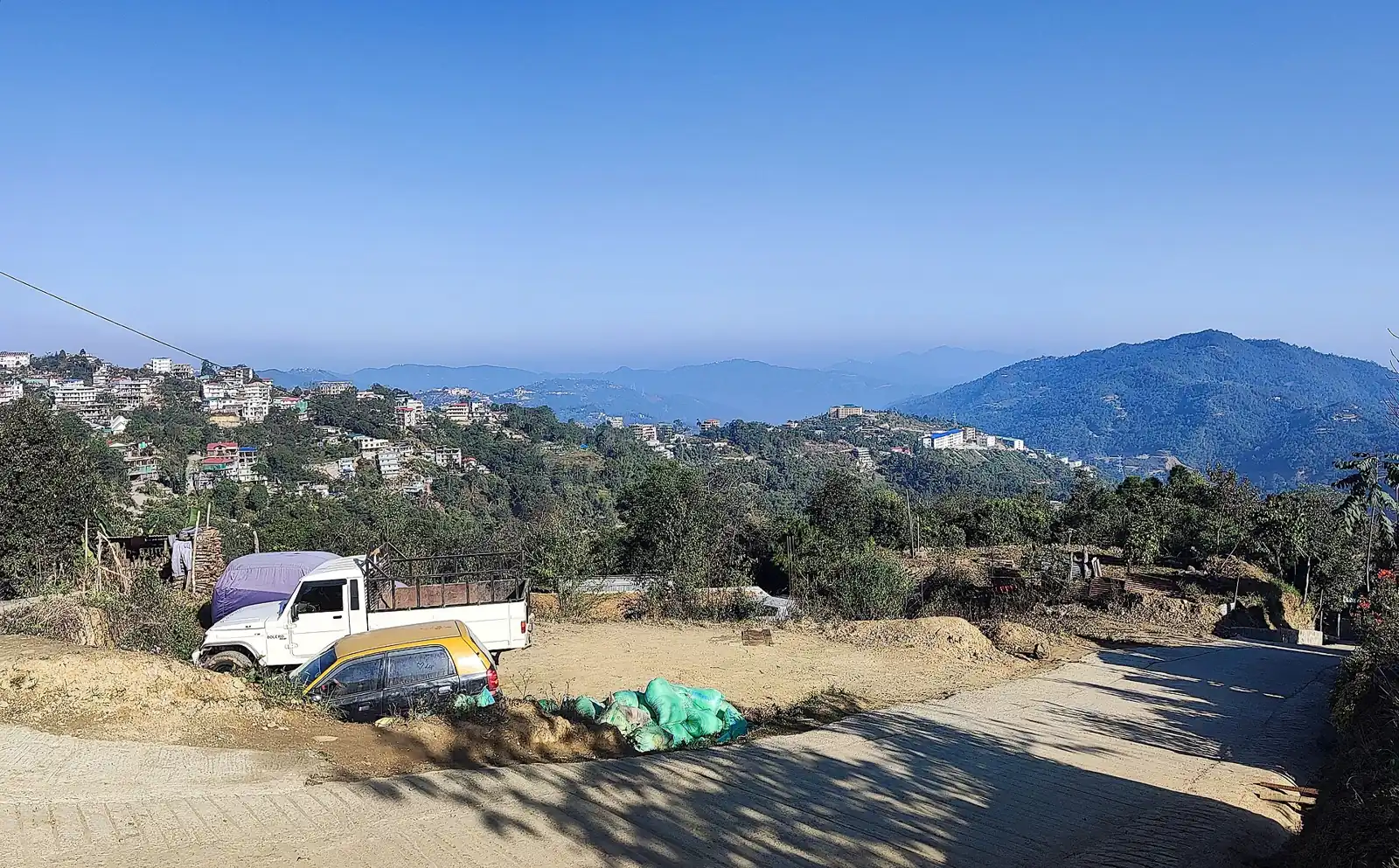
Day 4: the Dzukou Valley day
Dzukou is the hardest day and the best one. The valley sits at about 2,462 metres on the Nagaland and Manipur border. The tourism page says the trek is roughly nine kilometres and five to six hours, steep and slippery rather than 'easy', and it advises a local guide whichever side you start from.
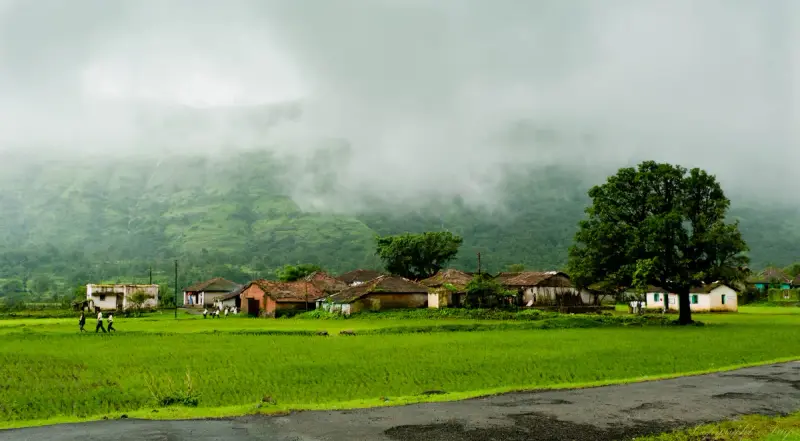
There are two Nagaland approaches. The Viswema route is the established one, with a vehicle ride to the trailhead and well worn tracks. The newer Jakhama route is shorter on the map but, per the page, a longer walk. Plastic is controlled here: villagers take a deposit on plastic items and refund it when you carry the waste back. Leave early, carry water and a rain layer, and be back before dark.
Day 5: Dimapur and the flight home
Drive down to Dimapur, about two hours. Stop at Ruzaphema Bazaar, around 5 km out of Dimapur on the Kohima road, for tribal handicrafts. In town, the Kachari Ruins are a field of mushroom shaped sandstone pillars and about thirty carved megaliths that Incredible India links with fertility rituals. Go in the cooler part of the day and do not climb on them.
If you have an hour left, Hong Kong Market is where Dimapur shops for shawls, bamboo goods and bargains. Fly back to Delhi that evening, or sleep once more in Dimapur if your flight is early.
What to skip and what to protect
Do not stack Dzukou on the day you arrive; altitude and cold will make it a bad trek. Do not squeeze in Mon or Mokokchung on a five day plan, since both are long drives from Kohima. And do not treat the war cemetery as a photo stop. Visitors speak softly there.
If your dates fall between 1 and 10 December, book early, because Kisama becomes the Hornbill Festival ground and Kohima fills up.
Letting Laladham run the logistics
Laladham collects you in Delhi, at the airport, a station, your home or hotel, and plans the whole trip with a driver and stays on the ground in Nagaland. Share dates and group size on the [book page](/book) and ask for a quote.
Questions, answered
Do I need a permit for Nagaland?
Yes. Domestic visitors apply through the state portal or at offices such as the Nagaland House in the capital, as listed by the tourism department.
How do I get from Delhi to Kohima?
Fly into Dimapur, which has direct Delhi flights, or go by rail via Guwahati. Kohima is then a short mountain road leg.
How hard is the Dzukou trek?
Roughly nine kilometres, steep and slippery, with a local guide advised. Treat it as a full day.
When is Dzukou in flower?
July, according to the tourism page, which singles out the Dzukou Lily.
Is five days enough for Nagaland?
Yes for Kohima, Kisama, Khonoma and Dzukou with a Dimapur finish. The far districts need a longer trip.