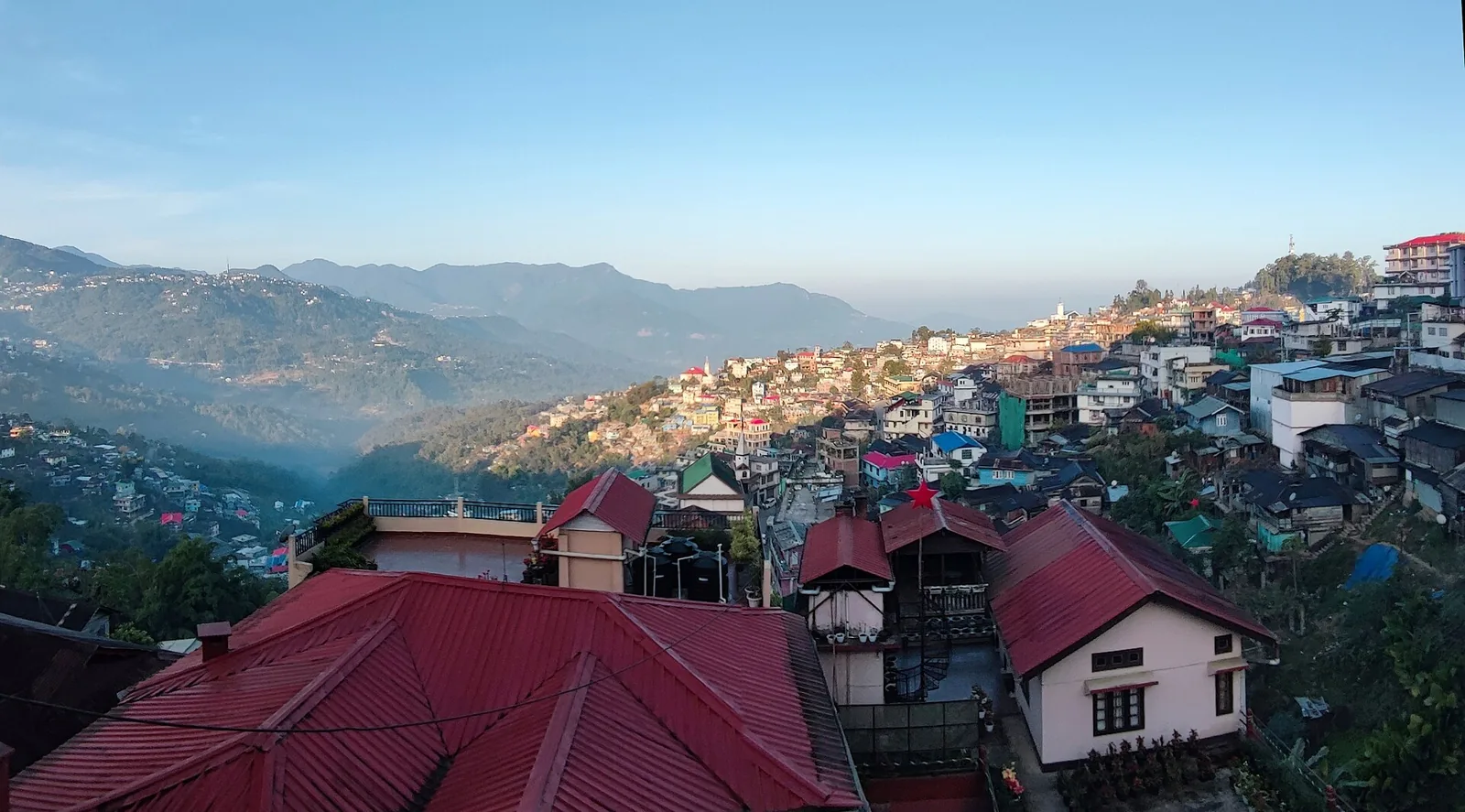
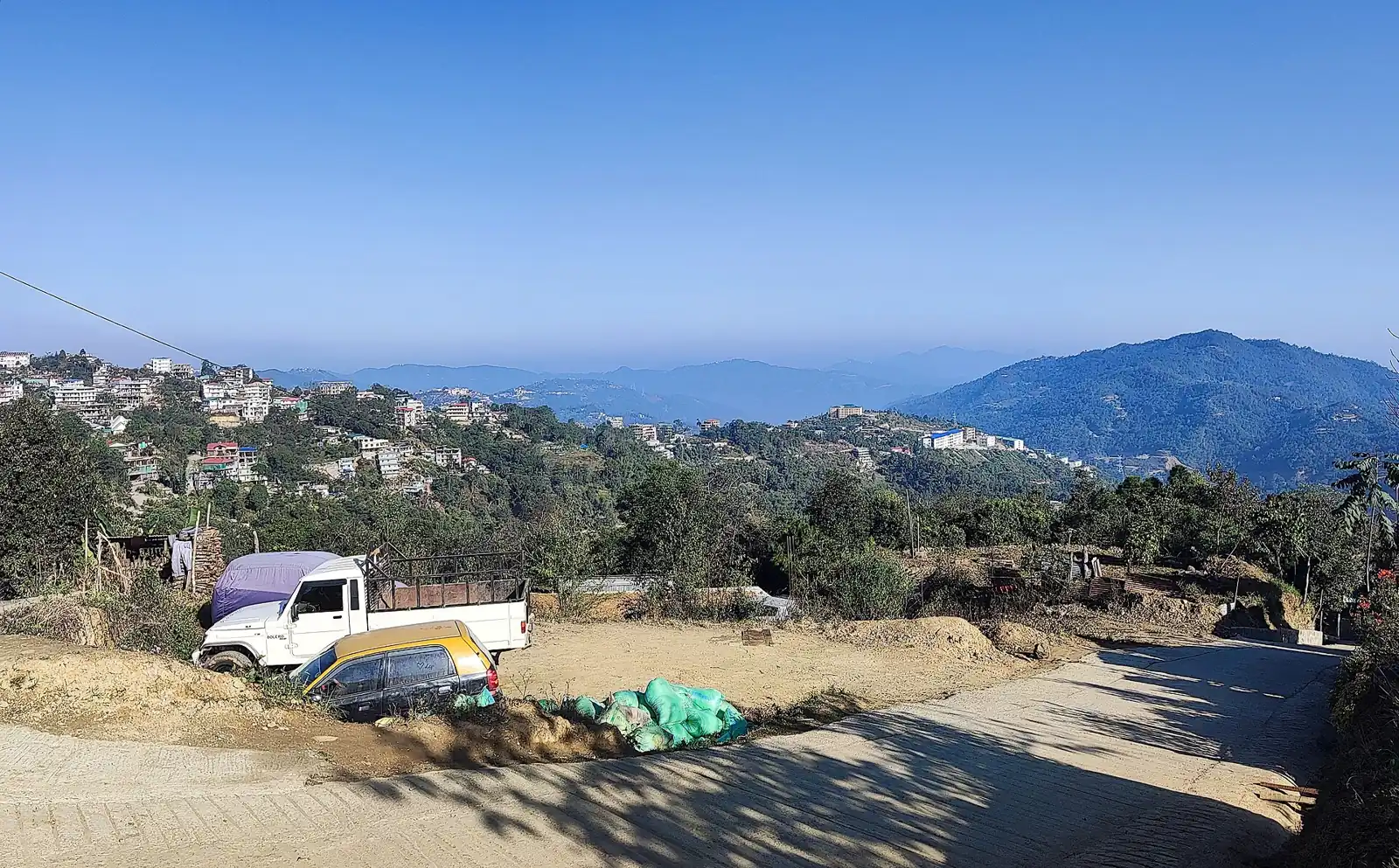
Around it are villages that live by their own calendar, a valley of flowers and the grounds of the Hornbill Festival. This guide takes the town first and then the day trips.
Kohima War Cemetery on Garrison Hill
The fight for Kohima took place in the spring of 1944 and, Incredible India says, raged for more than two months before the Japanese advance into India was halted. The cemetery sits on Garrison Hill, on ground that once held the British Deputy Commissioner's bungalow. It holds 1,420 Commonwealth burials from the Second World War and one non-war burial, in terraced lawns designed by Colin St Clair Oakes.
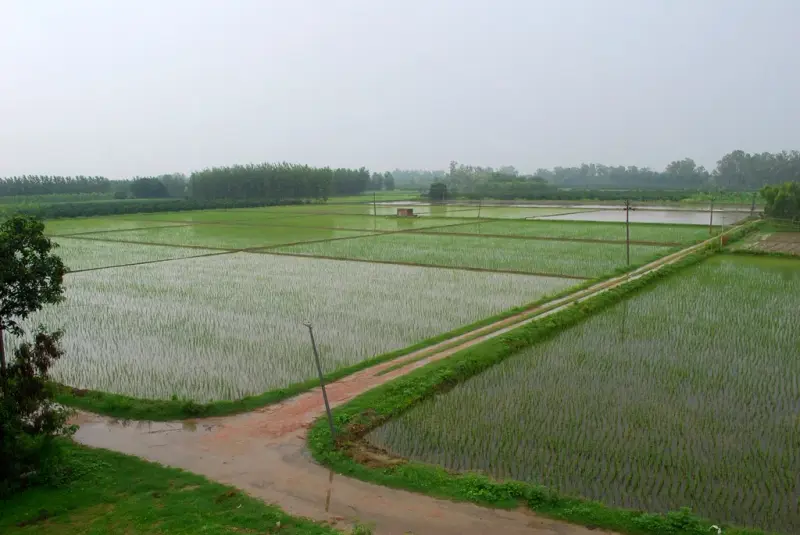
Visit the 2nd Division memorial and read its inscription: When you go home, tell them of us and say, for your tomorrow we gave our today. At the highest point, the Kohima Cremation Memorial commemorates 917 soldiers who were cremated according to their faith. The Hindu describes the Cross of Sacrifice as built partly on the old tennis court. The portal gives hours of 9 am to 4 pm. Speak softly, and expect to spend an hour more than you planned.
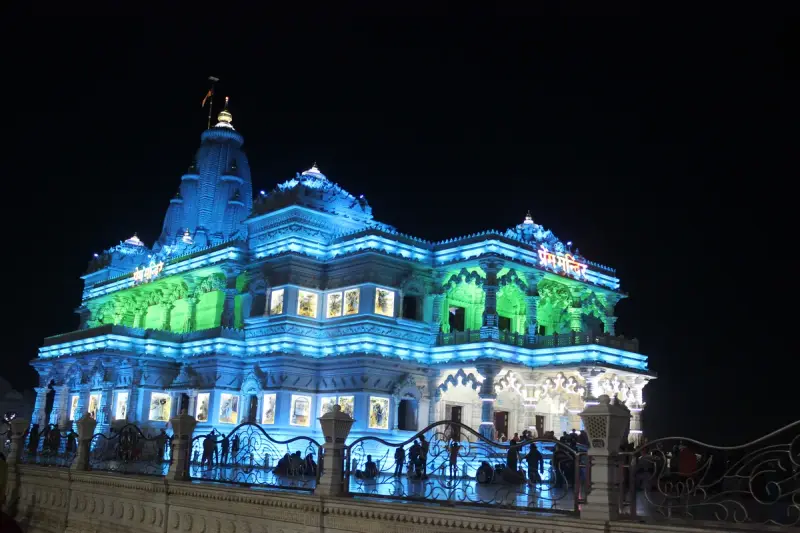
The state museum, cathedral and other stops in town
The Nagaland State Museum at Bayavu Hill has been open since 1970 and shows the heritage of 16 tribes through clan motifs, necklaces, models and dioramas. Incredible India also lists a Zoological Museum, the Garrison Cemetery and the Naga War Memorial.
The Mary Help of Christians Cathedral, consecrated in 1991, dominates the skyline. The portal says it mixes modern design with Naga motifs and was funded partly by Japanese donors.
Dzukou Valley, a long day on foot
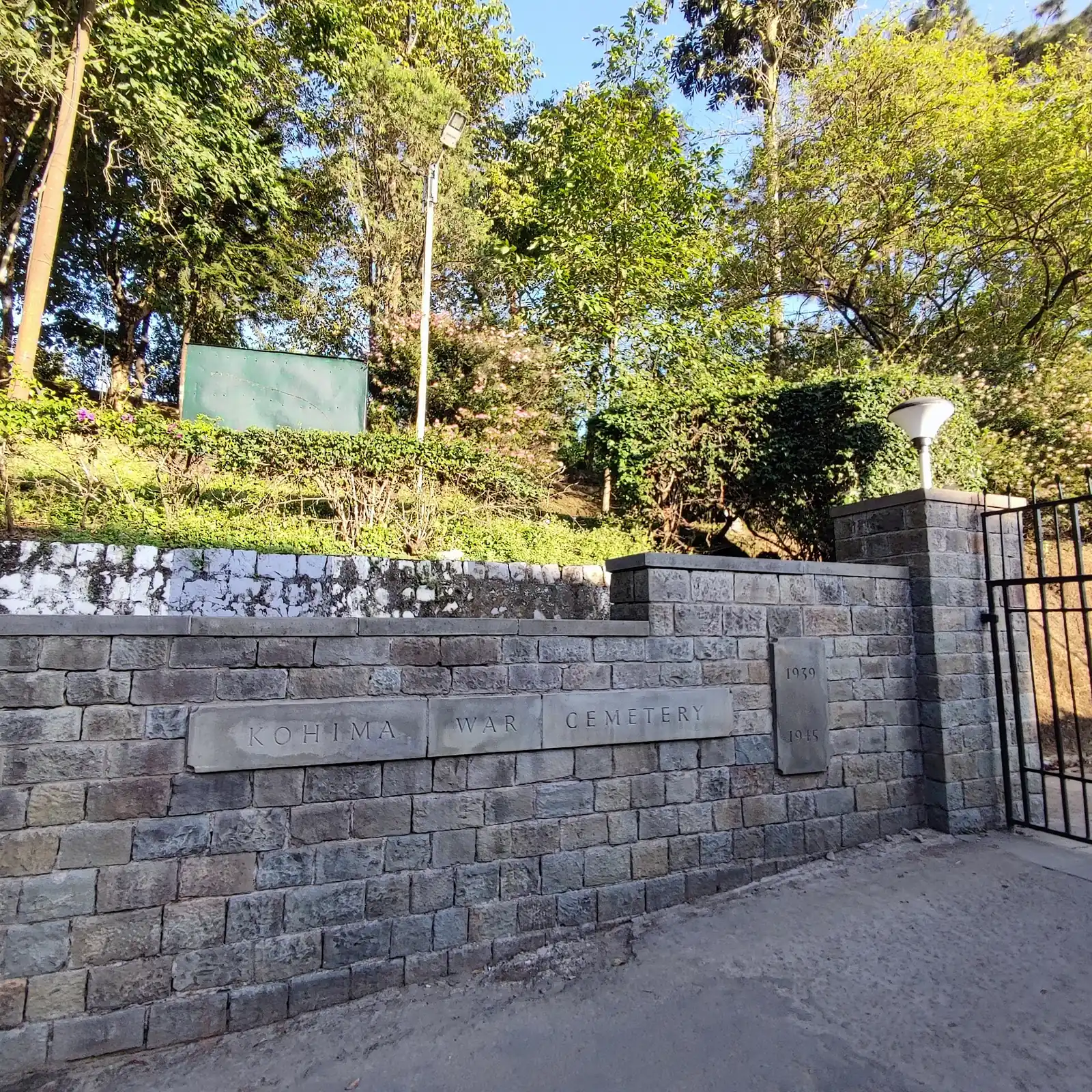
Dzukou lies between Nagaland and Manipur at 8,045 ft and is called the Valley of Flowers. Incredible India says it is carpeted with wildflowers in the first weeks of July, and the Dzukou Lily is the famous one. The trek is about nine km and takes five to six hours.
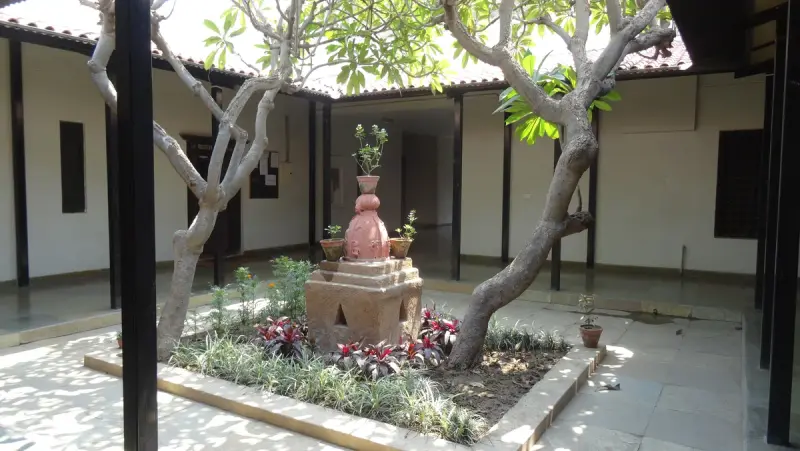
From the Nagaland side you can use the established Viswema route, where a vehicle takes you to the start and the path is well trodden, or the newer, shorter-looking Jakhama route that the portal warns is actually a longer walk. Take a local guide on either. The village authorities charge a security deposit for plastic, refunded when you bring it back, so the valley stays clean.
Khonoma and Touphema: village stays
Khonoma, near Kohima, is the village of the green warriors, with an Angami Heritage Museum that shows relics of headhunting, and the portal says homestays are offered here. Backstrap loom weaving is still part of daily life.

Touphema Tourist Village, which the district describes as a recreation of an Angami village, lets you stay in cabins built like traditional huts, eat dishes such as Ghalo and bamboo baked fish, and sit around a bonfire with cultural dances. The Angami Sekrenyi festival is celebrated in the village in February. The old buildings have no chimneys, so the smoke of cooking fires lingers, and the district page says so cheerfully.
Both villages make better sense as overnight stays than as stops. Book ahead for the festival season and for February, when Touphema holds its own celebration.
Kisama and the Hornbill Festival
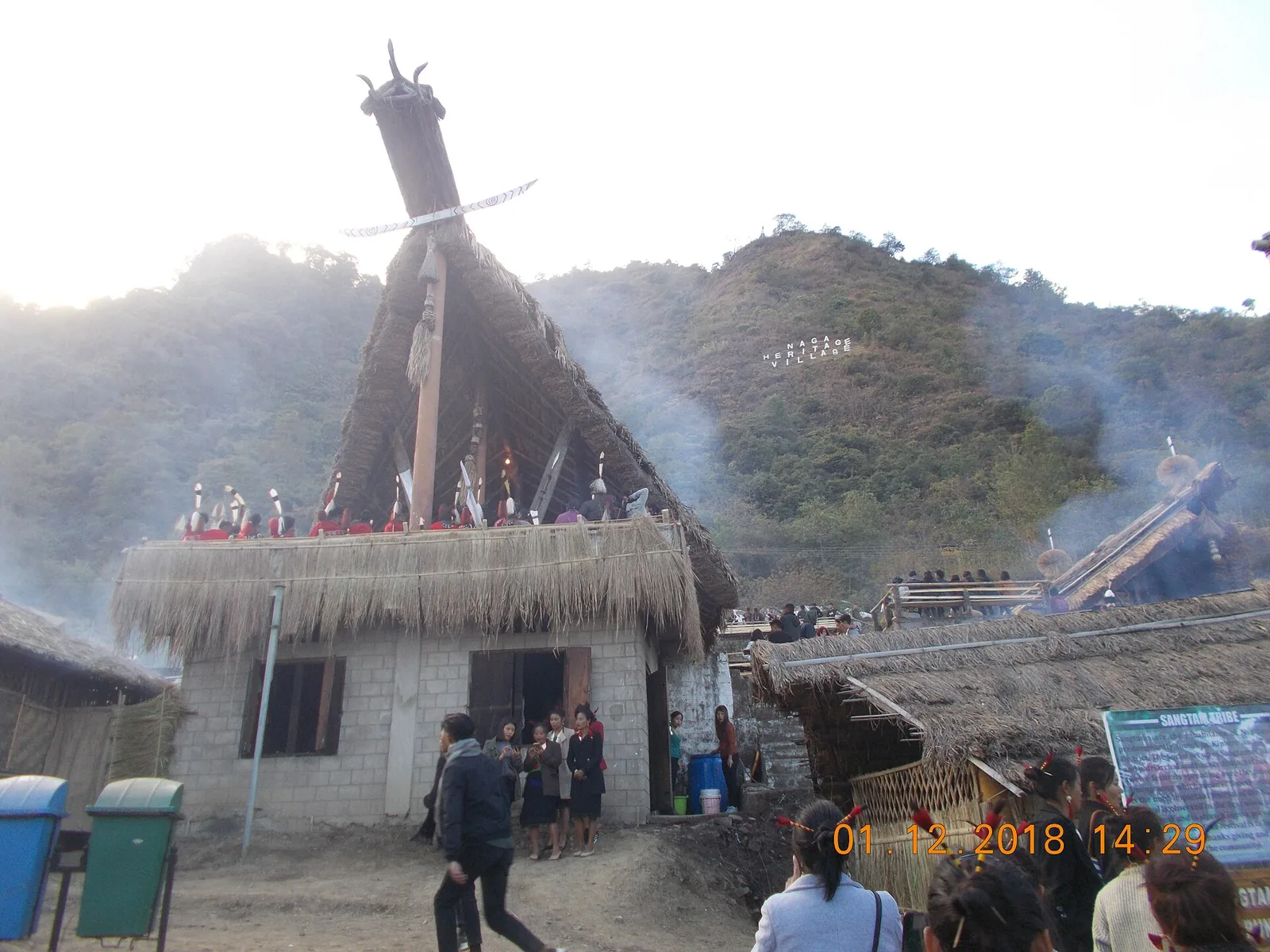
Kisama Heritage Village is 12 km from Kohima on NH 39 and hosts the Hornbill Festival, run by the state tourism and art and culture departments from 1 to 7 December. The village is built to look like an old Naga village. Our guide to the [Hornbill Festival](/blog/hornbill-festival-nagaland-kisama-guide) covers the festival days in detail.
Wildlife around the city
The portal lists the Intanki Wildlife Sanctuary, 200 sq km, where golden langurs live, and Pulie Badze, for birdwatching. Japfu Peak, the second-highest in Nagaland, is the trek for views. Go with a local guide for any of the three.
When to go, and how to reach Kohima
The portal's temperature table runs from about 3 C at night in December to the high 20s by day through the summer months. The cool months bring clear mountain views, and December has the festival. The nearest airport and station are both at Dimapur, about 74 km away, per the district website, with state buses, private luxury buses and taxis on the road up. See our [Dimapur station page](/station/dmv-dimapur) for trains.
Laladham can plan this from Delhi: pickup from the airport, a station, your home or a hotel, flights to Dimapur or Guwahati, a driver for the climb to Kohima and the village days, and rooms or homestays. Send your dates on the [booking page](/book) and ask for a quote.
Questions, answered
What is Kohima famous for?
Its 1944 battle, the war graves on the hill above town, December's Hornbill Festival and the flower valley at Dzukou.
How far is Kohima from Dimapur?
Roughly 74 km, and Dimapur is also where you find the airport and railway.
How long is the Dzukou trek?
Nine km each way, give or take, taking half a day.
What are the War Cemetery hours?
The tourism portal lists 9 am to 4 pm.
Can I stay in a Naga village?
Yes, at Touphema in huts built in the traditional style, and in homestays at Khonoma.
- Incredible India, Kohima
- Incredible India, Kohima War Cemetery
- Incredible India, Dzukou Valley
- Incredible India, Nagaland State Museum
- Kohima district administration, how to reach
- Kohima district administration, history
- Kohima district administration, Kisama Heritage Village
- Kohima district administration, Touphema Tourist Village
- The Hindu, where heroes lie