Do them in one day, with Belur Math as a third stop across the water, and you will see the two sides of Bengal's Shakti worship in one loop.
Start at Kalighat, early
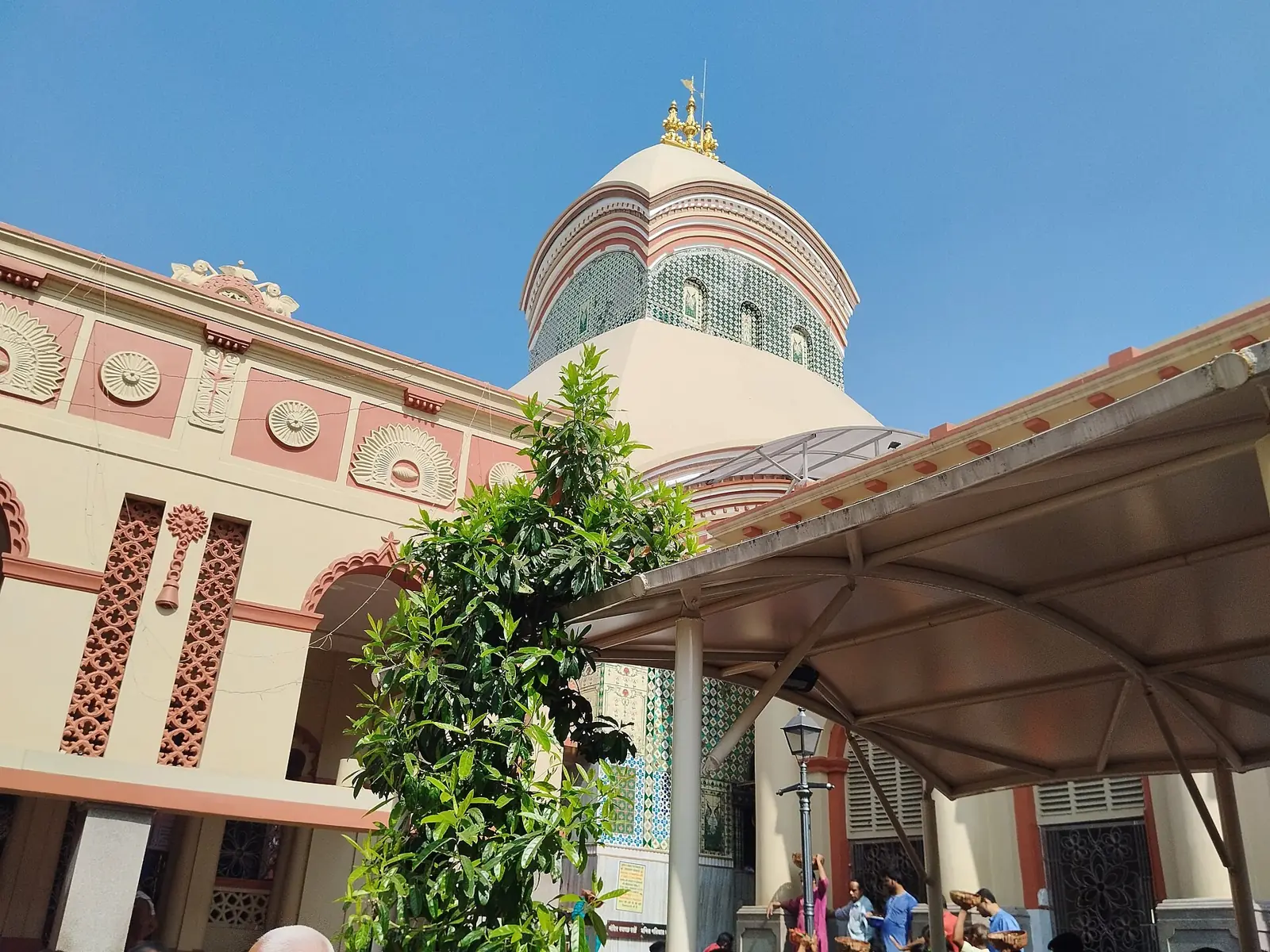
Kalighat is one of the 51 Shakti Peeths, where tradition says Sati's right toe fell. Incredible India lists darshan from 5:00 AM to 2:00 PM and again from 5:00 PM to 10:30 PM, so the first slot is the one to take if you want fewer people. The present temple dates from the 19th century and was completed around 1809, though the site's story goes back much further.
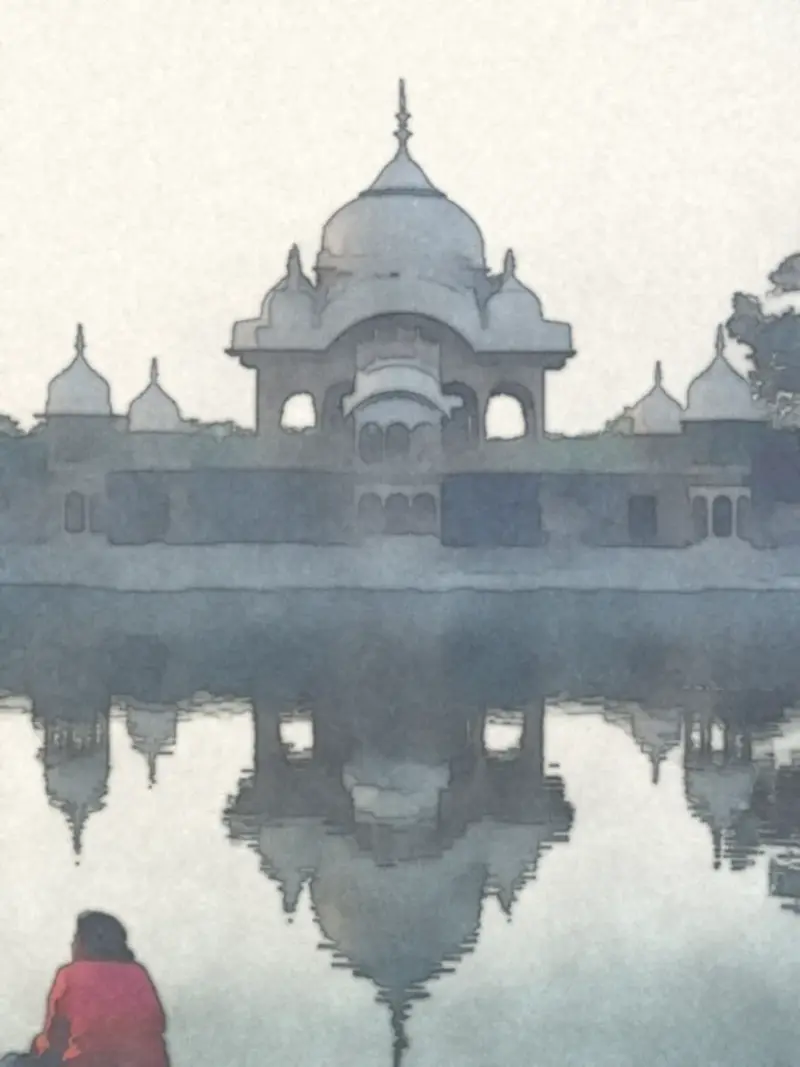
The sandstone image has three eyes, four hands and a long golden tongue. Head to the Natmandir, the big veranda built in 1835, for a view down into the sanctum, and look for the Jor Bangla platform from which people watch the rituals. The compound also holds the Kundupukur tank and a Nakuleshwar Mahadev temple.
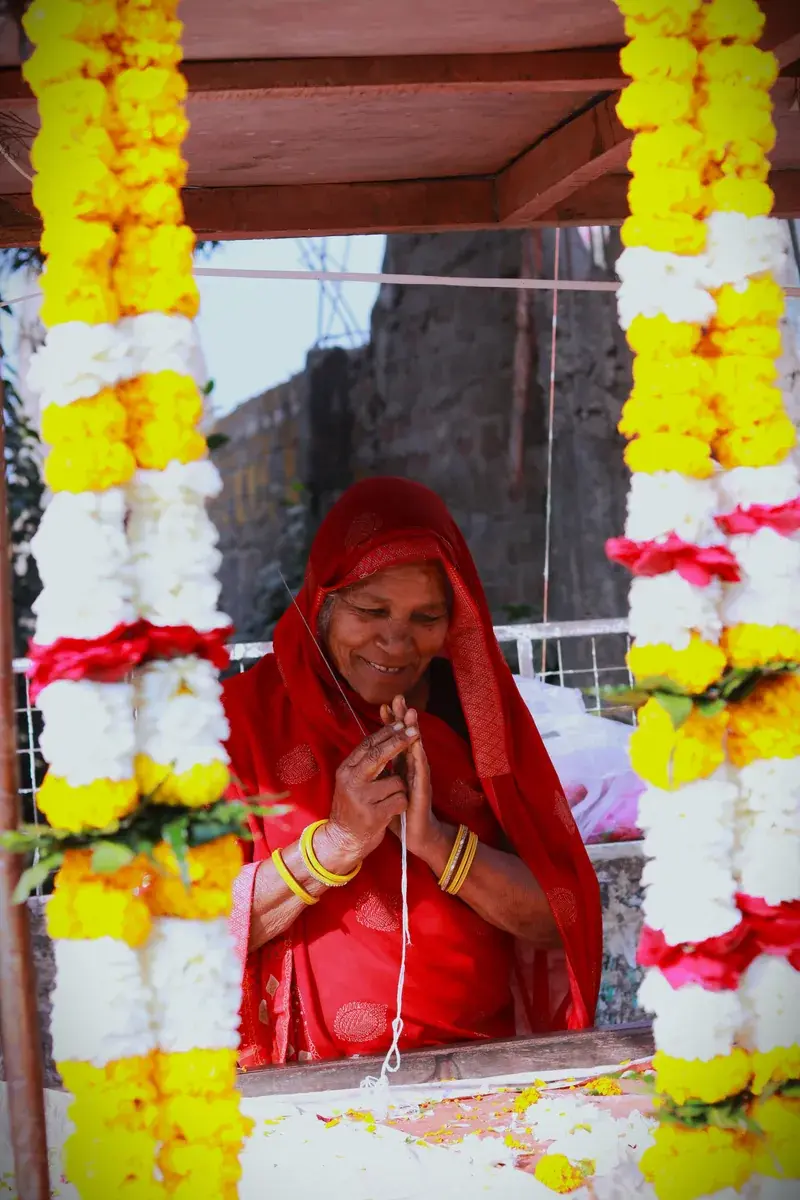
The rules of the queue and one thing to know
Tourists throng the place, as the tourism board puts it, and the official page gives no dress code or photography rule, so ask at the gate and keep your phone in a bag if you can. Wear shoes that come off quickly and carry something to hold them in.
The official page records animal sacrifice at Harkath Tala as an offering. If that is not something you want to see, the temple is large enough that you need not go near it, and you can leave through the Natmandir side.
Dakshineswar: the garden by the river
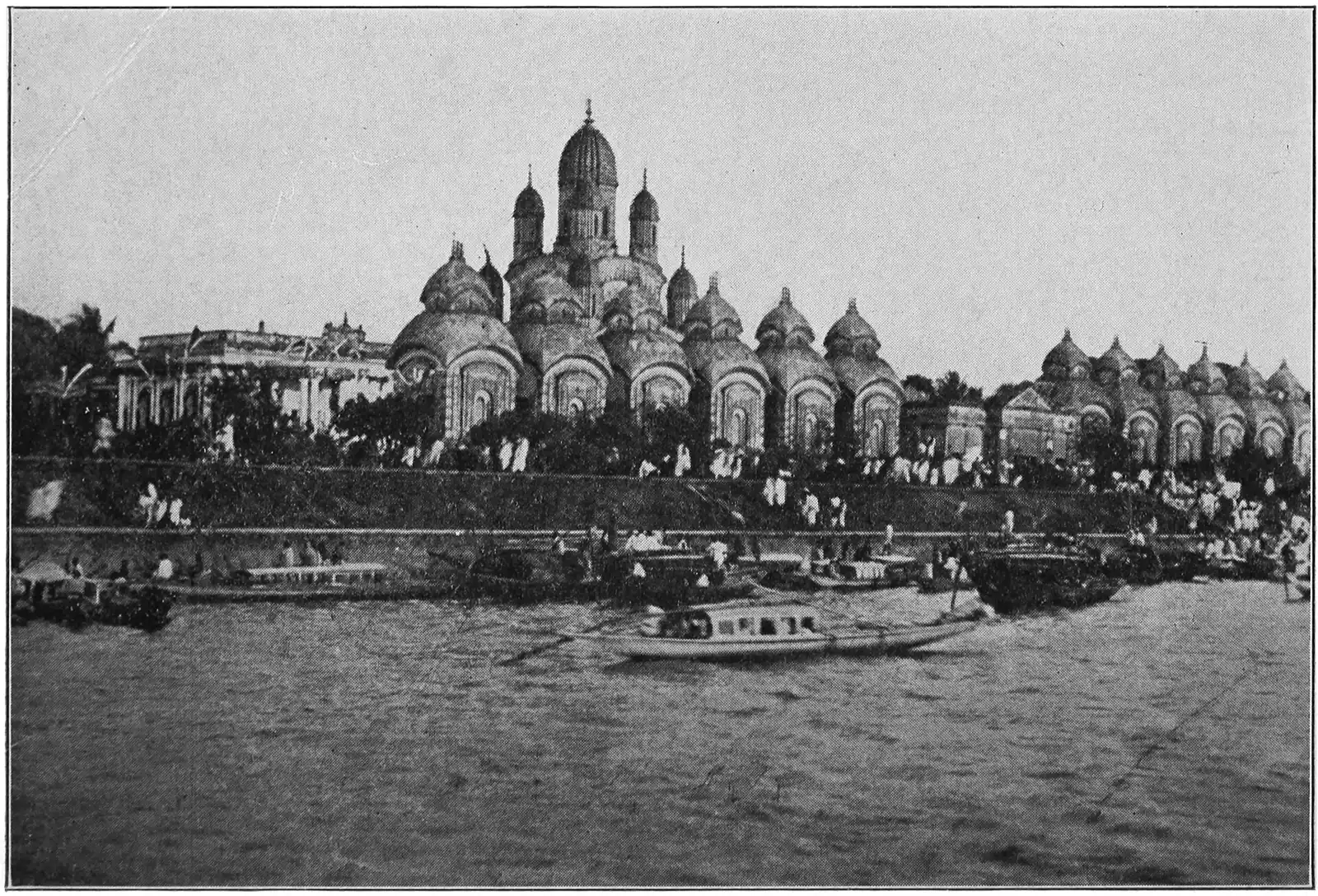
Dakshineswar opens at 6:30 AM and closes at 7:30 PM. Rani Rashmoni built it on a 20-acre plot after a dream in which the goddess asked for a temple near the river, and the idols were installed on 31 May 1855, the festival day of the deities' ritual bath. The formal name is Sri Sri Jagadishwari Mahakali. The style is Bengali nava-ratna, a three-storey sanctum under tall spires with a verandah around it.
The image is Bhavatarini, shown standing on Shiva on a silver thousand-petalled lotus. In front of the main temple, twelve small Shiva shrines hold black stone linga in a straight row, and the Radha Kanta temple has its own Radha and Krishna images. Outlook Traveller counts the Shiva row as 12 identical temples, in the aat chala style.
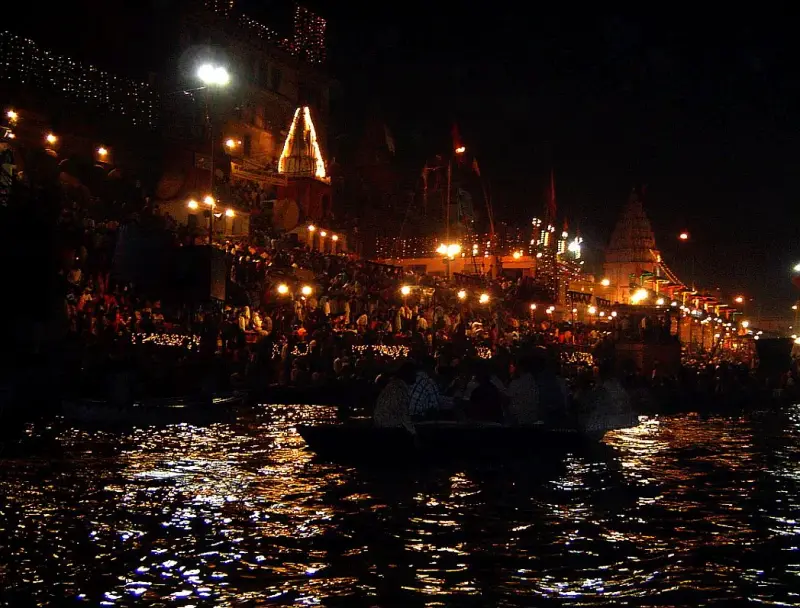
Where Ramakrishna lived
Walk away from the main shrine to see why many devotees prefer Dakshineswar. Sri Ramakrishna's room, where he lived for 14 years, displays his belongings, and Kuthi Bari, where Rani Rashmoni stayed with her family, is open to visitors. The Nahabat is where drum music plays during the daily aarti.
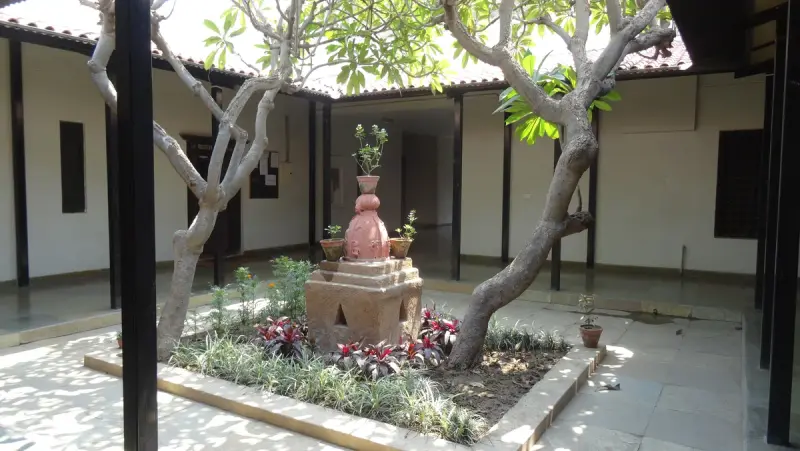
Bakul Tala Ghat is the bathing spot of Sarada Maa and the place where Ramakrishna was initiated into Tantra sadhana. The Panchavati, a grove, is where he spent twelve years in intense discipline. Give it a few unhurried minutes before you move on.
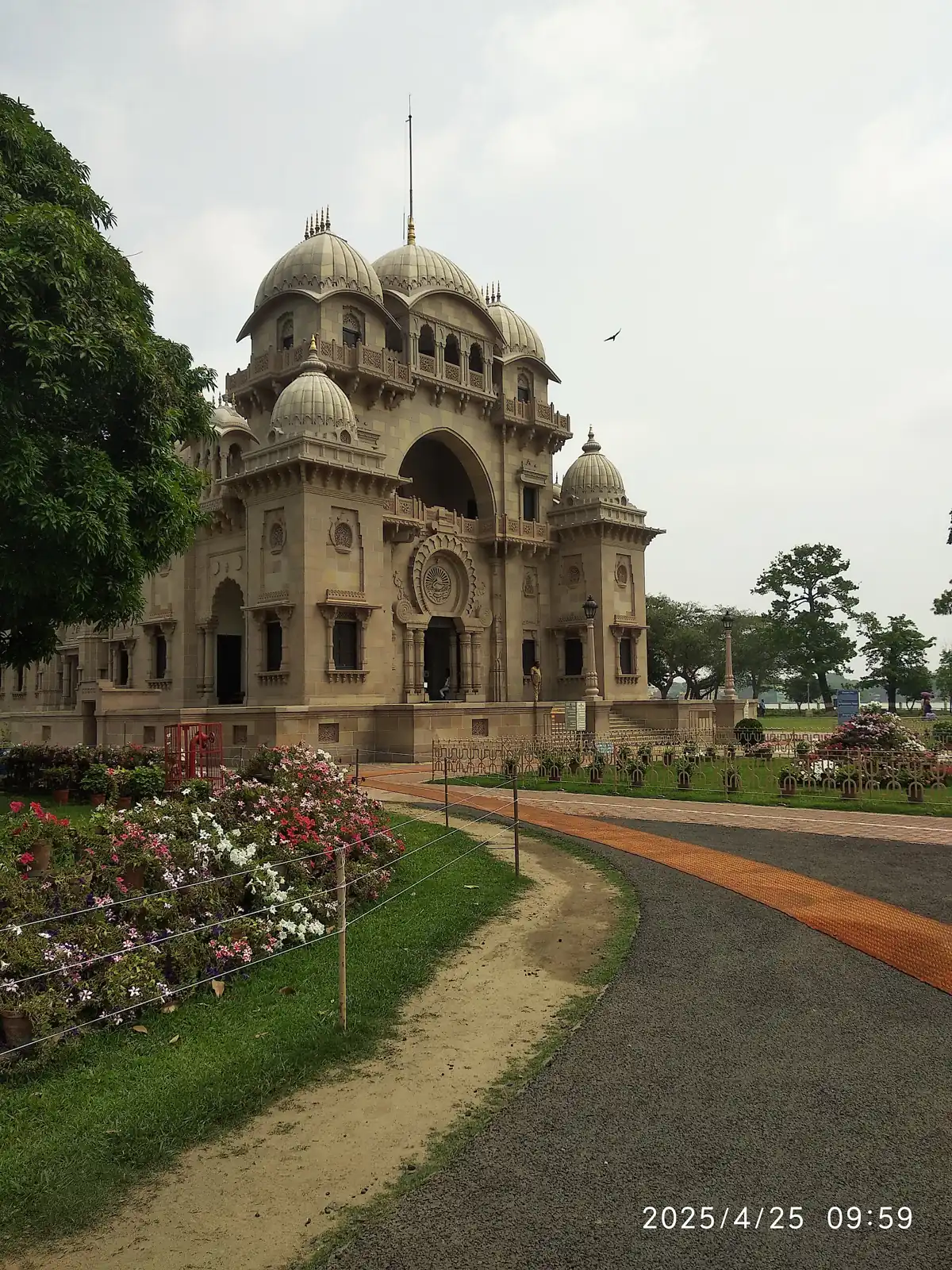
Belur Math across the water
Belur Math, headquarters of the Ramakrishna Mission, stands on the opposite bank from Dakshineswar, and the Incredible India page lists it among nearby attractions. The campus is laid out with lawns, flower beds and domed halls. Opening hours and the boat crossing times need confirming locally, because neither was published on the pages used for this guide.
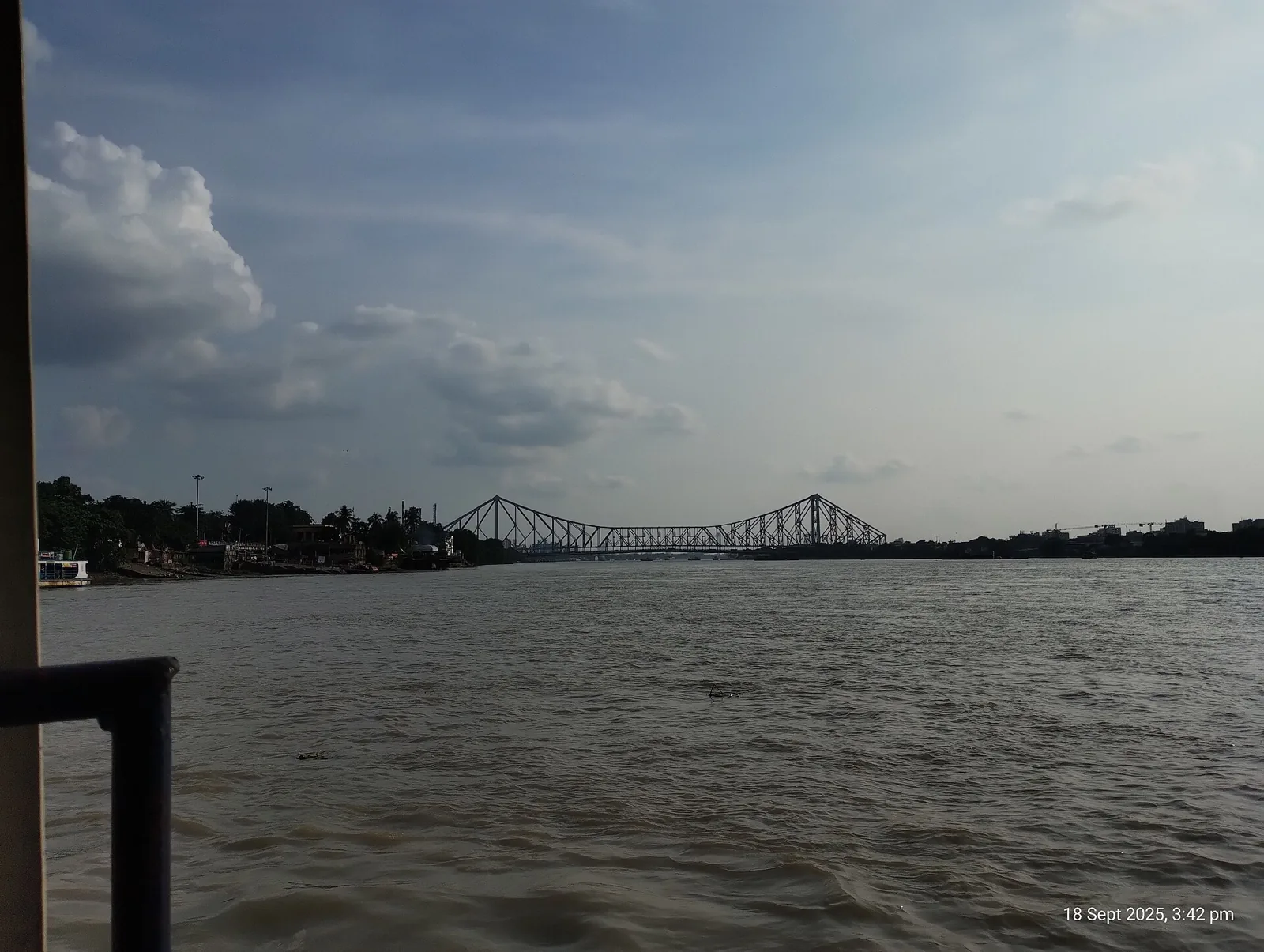
The Dakshineswar page also lists Howrah Bridge and Vidyasagar Setu among the sights within reach, if you want a river-bridge detour afterwards.
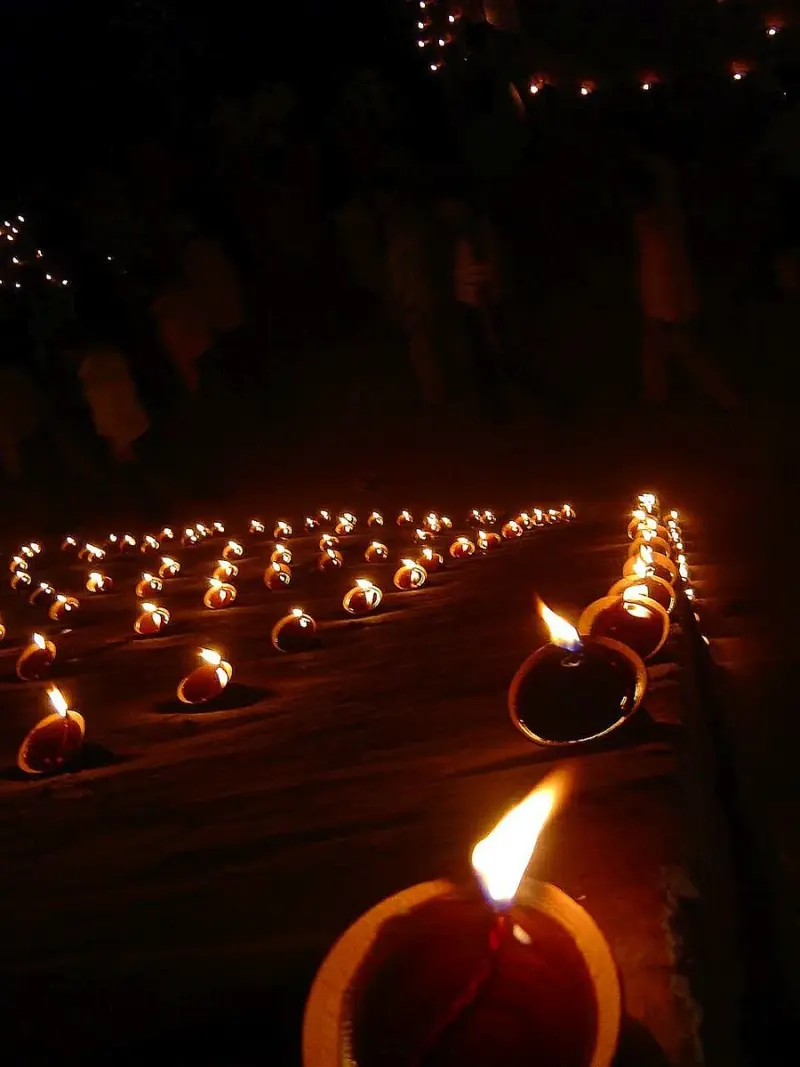
Order of the day
A workable order is Kalighat for the early slot, a breakfast stop, then Dakshineswar before the afternoon heat, and Belur Math at the end if the light and your legs agree. Reverse the order if you want the evening aarti at Dakshineswar, where the tourism board says the Nahabat provides drum music.
Winter, from December to February, runs at about 11 to 30 degrees Celsius on the Kalighat page, which is the easy season. April and May reach about 39 degrees, and that is a punishing time to queue outdoors.
Other Kali temples worth knowing
If you have time and curiosity, the Outlook Traveller feature lists Thanthania Kali Bari near College Street, with a clay Kali repainted every year, Lake Kalibari with its seat of five skulls, Dakat Kali Bari in Gariahat named for a bandit who worshipped there, and the Chinese Kali Bari in Tangra, where Chinese dishes are offered as bhog.
Let Laladham run it
Laladham meets you in Delhi, at the airport, station, home or hotel, and plans the complete trip: flights to Kolkata, a car and driver for the three stops, a stay by the water and timed darshan. Ask for a quote on the [book page](/book).
Questions, answered
What are the Kalighat temple timings?
5:00 AM to 2:00 PM and 5:00 PM to 10:30 PM, per Incredible India.
What are the Dakshineswar temple timings?
From 6:30 AM to 7:30 PM, according to the same site.
Can I do both temples in one day?
Yes, with Kalighat in the morning and Dakshineswar after it. Belur Math fits in if you start early.
Who built Dakshineswar?
Rani Rashmoni, after a dream about the goddess. It opened to worship in 1855.
Is photography allowed?
No rule is published on those pages, so ask at each gate and expect limits inside.
Which month is best?
December to February. April and May are hot, with highs near 39 degrees.