That is the useful way to plan. You are not choosing a festival, you are choosing a mood: a temple town in full theatre, a coastal city of human pyramids, a southern kitchen smelling of jackfruit leaves, or a quiet riverside vigil.
What happens everywhere
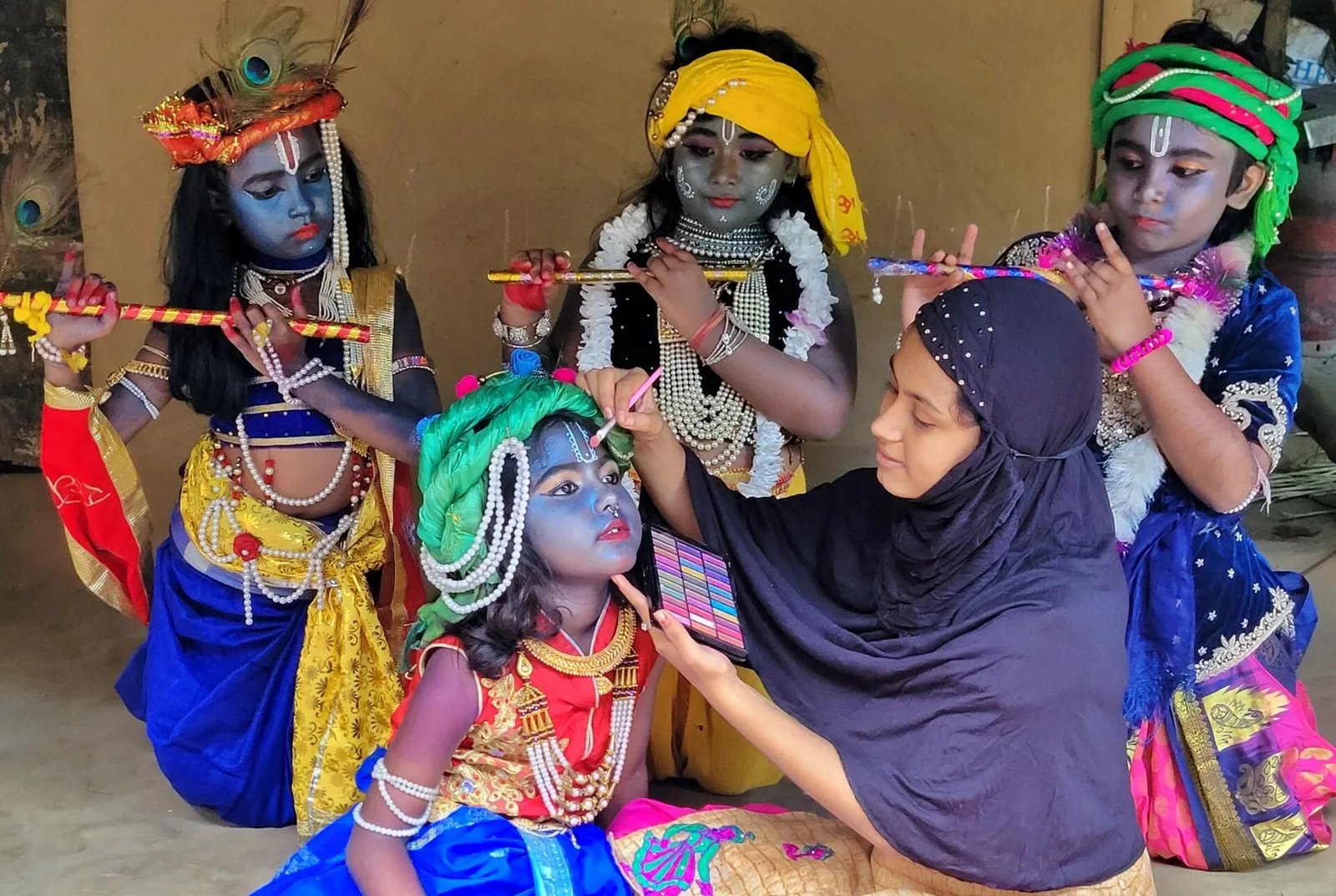
Many devotees fast and keep a night vigil, and the singing builds towards midnight. After the hour passes, the infant Krishna's idol is bathed, dressed and laid in a cradle, and the fast is broken with sweets shared out of the same plate. Women draw tiny footprints at the doorstep to mark him walking in.
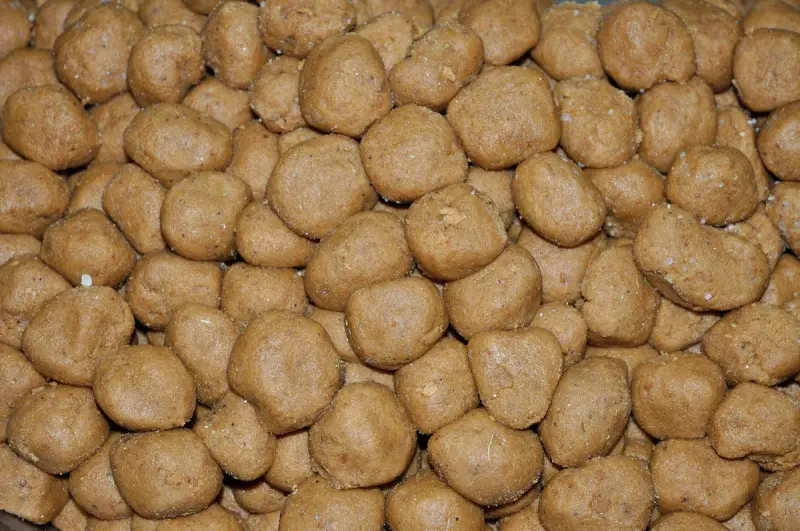
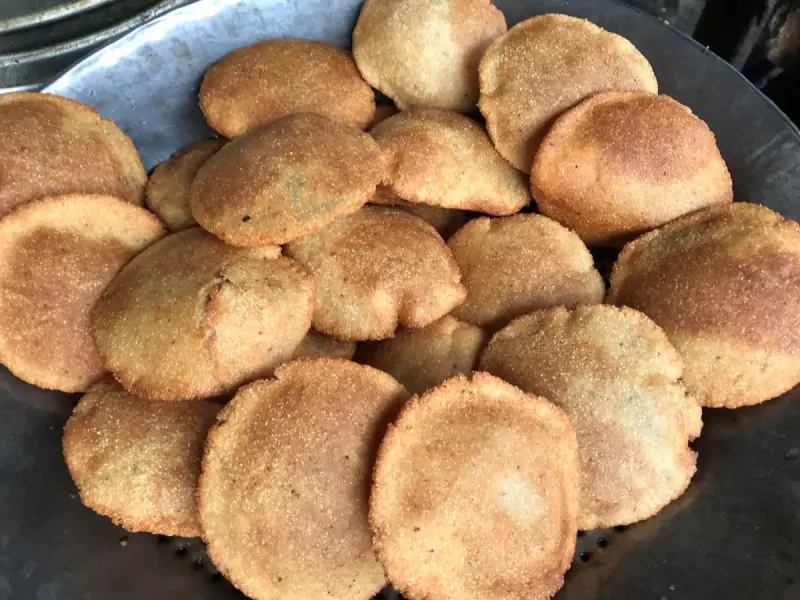
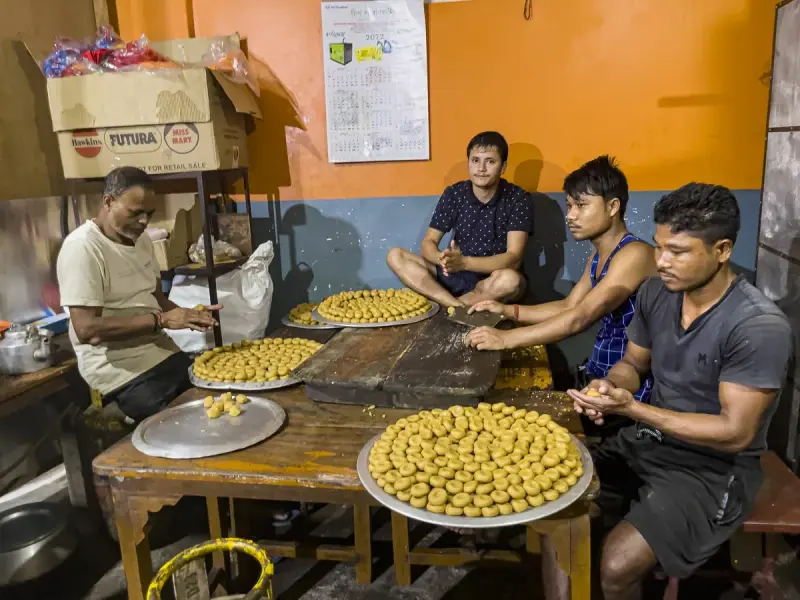
The offerings lean on butter, since this is the child who stole it: peda, panjiri, kheer, sabudana vada, seedai and thattai turn up on bhog plates across the country. Dahi handi follows the day after, with pots hung 20 to 40 feet in the air.
Mathura and Vrindavan: the full production
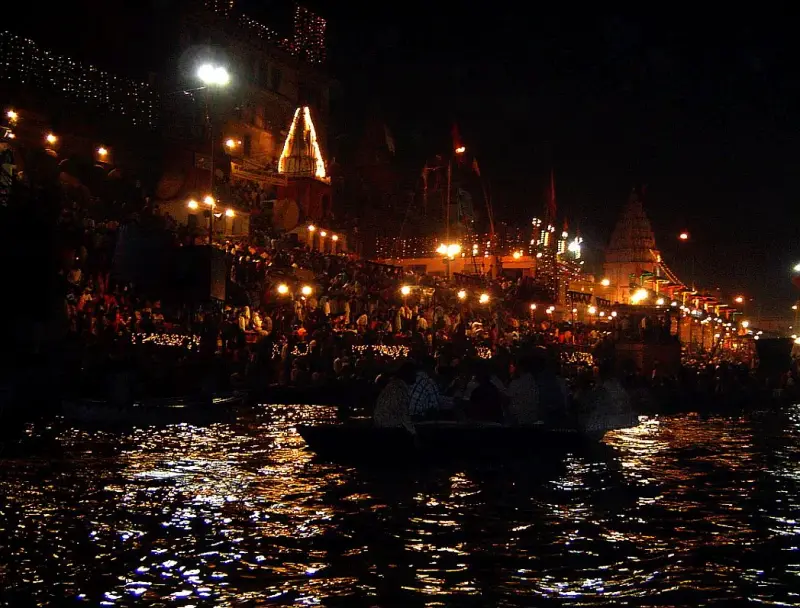
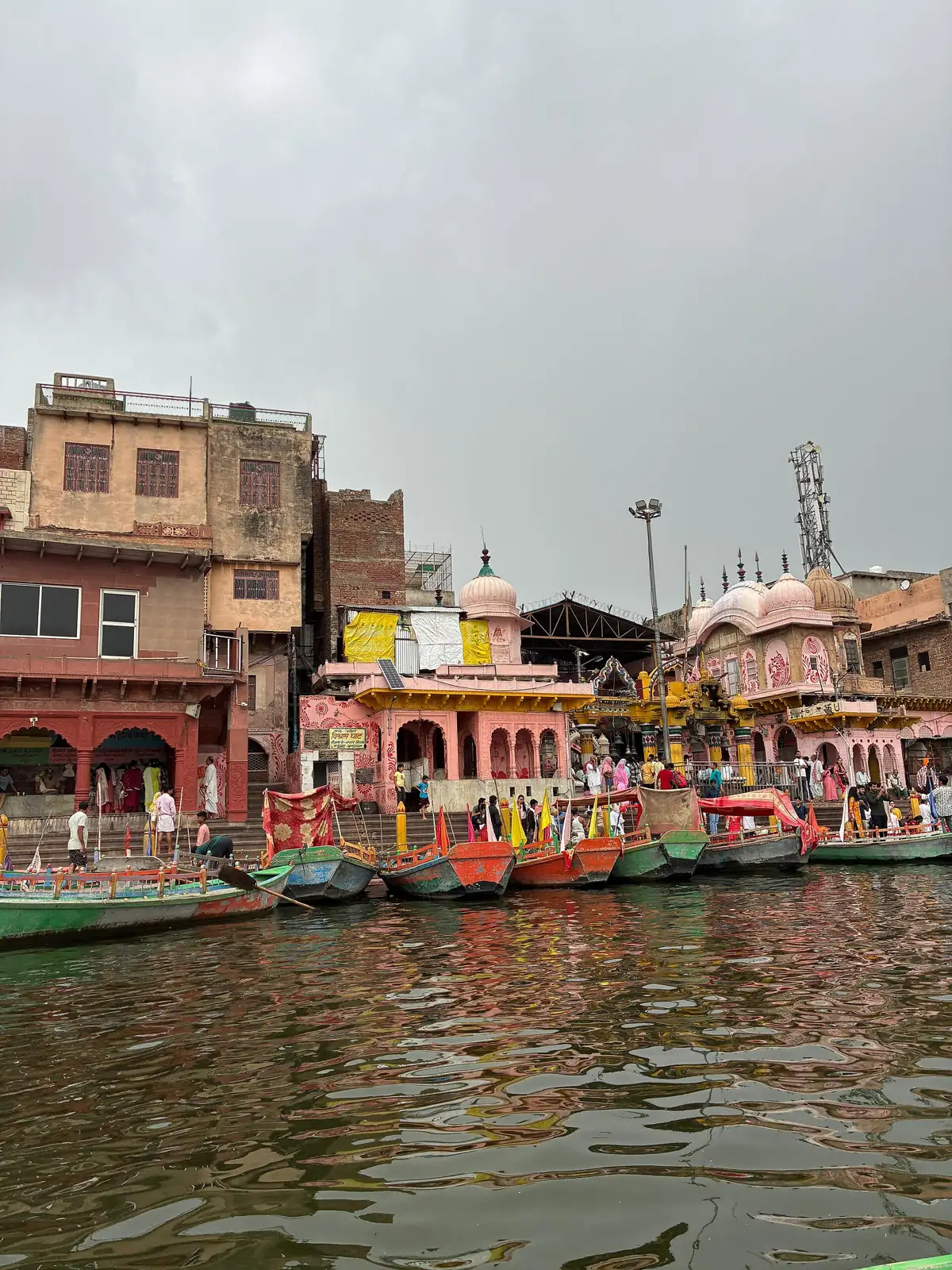
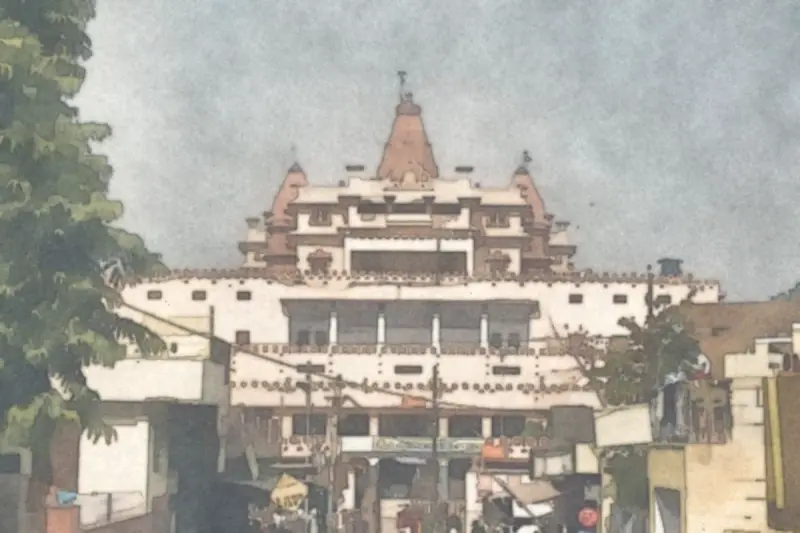
If you want the festival at its most theatrical, go to the birthplace. Outlook Traveller describes jhulanotsav swings for the idols, abhishek with milk, curd, honey and ghee, decorated temple tableaus and raas leela dance dramas. Morning pujas and midnight aartis run at the Janmasthan complex, and the Yamuna aarti at Vishram Ghat is the calm evening counterpart.
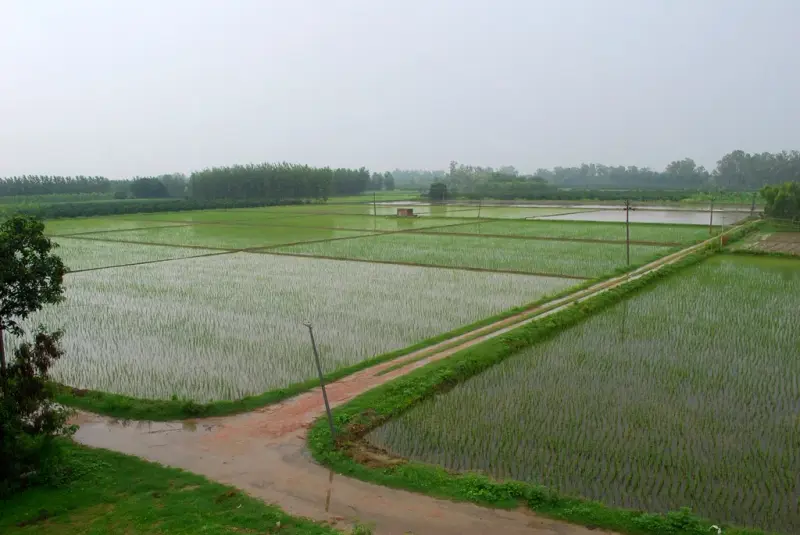
In Vrindavan, the celebration starts about ten days before the birthday, with raas leelas around the city and temples dressed in colour. Govind Dev, Nidhi Van, Radharaman, Ranganathji and ISKCON are the names the article gives, in a city it says has over 4,000 temples. The crowds are very large and August is hot and humid, so carry rain cover. Mathura Junction has trains to Delhi and Agra, and the nearest airport is Agra, about 60 km away.
Gokul the morning after
Gokul keeps its own date, a day behind, and it is the one place where a visitor gets soaked in good humour. Nandotsava, also called Dadhikana, has people drenching each other in curd and turmeric, while temple idols are bathed in curd, buttermilk and nectar with mantra chanting. If you are already in Braj for midnight, staying on for Gokul turns a one-night trip into a proper two-day arc.
Dwarka: the king's city
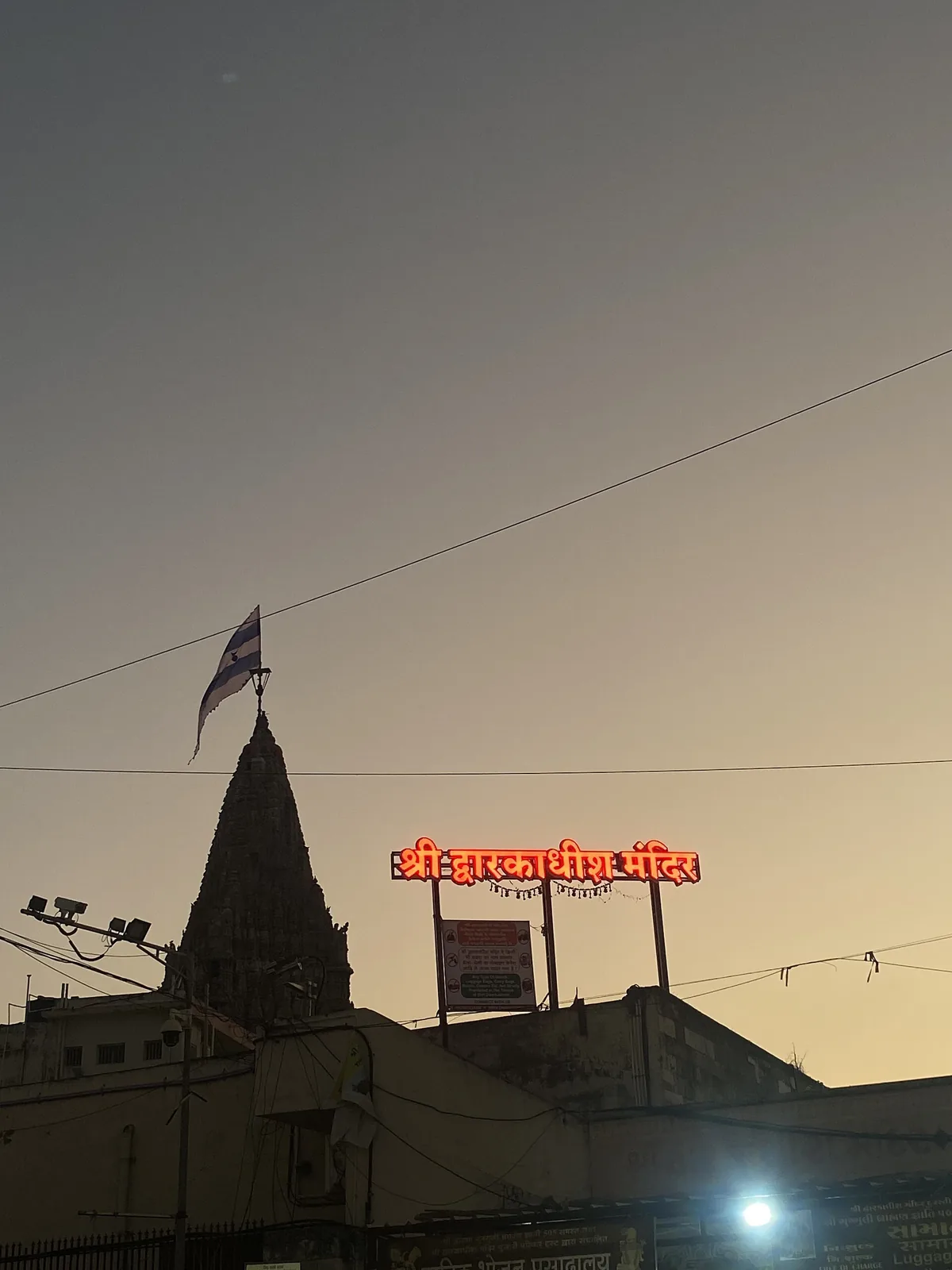
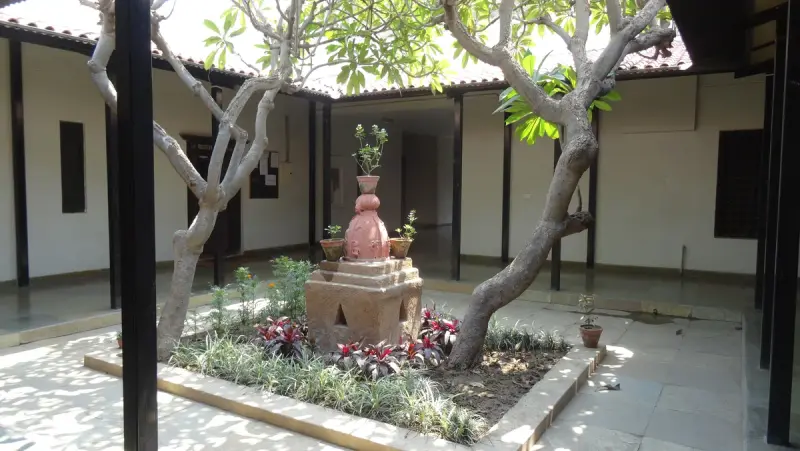
Dwarka marks the festival as the city where Krishna ruled. The five-storey Dwarkadhish Temple, with its 60 carved columns and towering spire, hosts a mangla aarti and temple rituals, bhajans, garba and raas. During Shravana, the Aboti Brahmins perform a daily Janmashtami puja known as nitya kram, so the build-up is longer than a single night. The Rukmini Temple belongs on the same walk.
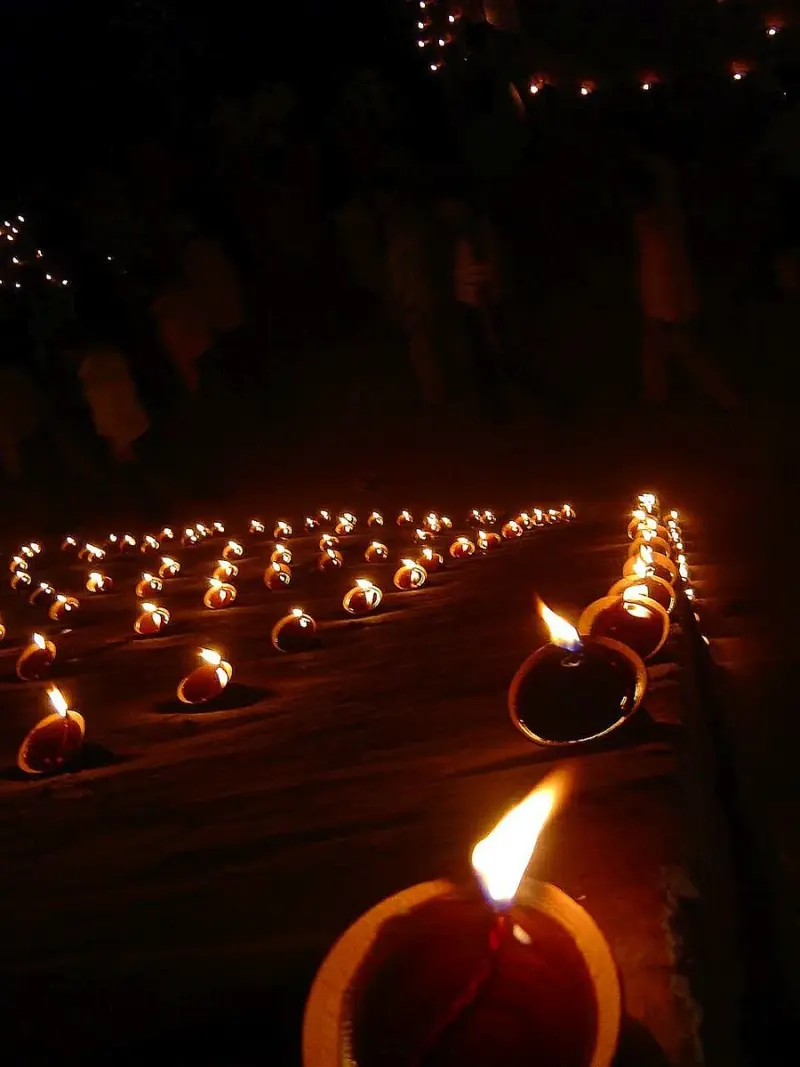
Expect devotees from all over India and plan for dusk, when the spire turns dark against the sky and the evening queue is at its most atmospheric.
Mumbai and the human pyramids
Mumbai is the day-after party. Govinda mandals build human pyramids to reach and break a curd pot hung high, and the Outlook Traveller piece calls it a significant affair with sponsors, politicians and tourists, naming Worli, Thane and Jogeshwari as the places to be. The official tourism site lists it as a western-coast custom, strongest in Mumbai, Goa and Gujarat. It is loud, crowded and good fun to watch, but not a quiet devotional day.
Udupi: swings, clay idols and kottige
In Udupi, street performers stage raas leela through folk song, dance and skits, and clay idols of baby Krishna are carried through the city in procession. The Krishna Mutt is the centre of the festival, and the food to look for is kottige, also called gunda, idlis steamed in jackfruit leaves and made for the occasion.
Puri and Kashi, the quieter options
At Puri's Jagannath Temple, the same tourism site notes Chhapan Bhog, an offering of 56 dishes to Krishna, Balarama and Subhadra. In Kashi, Outlook Traveller says Janmashtami falls within the wider Shravan period when Shiva devotion is intense, midnight Nishita puja at ISKCON and Krishna temples is solemn, and ghats stay active all night. Crowd control is heavy, with police and drone surveillance around temple zones, with no big dahi handi events or town-wide processions. Choose Kashi if you want to be part of something without being pushed.
Choosing, and the dates
Pick Braj for theatre, Dwarka for the story of the king, Mumbai for energy, Udupi for food and Kashi for quiet. The dates move with the lunar calendar and the published pages disagree on the year they list, so confirm the tithi in the current panchang and book rooms well before it.
Whichever you choose, arrive a day early. Roads close, the midnight hour is hard to reach by car, and the festival is more rewarding if you have found your lane before the crowd does.
Let Laladham run it
Laladham picks you up in Delhi, from the airport, station, home or hotel, and runs the complete trip: Mathura and Vrindavan for midnight, Gokul the next morning, or flights and a driver for Dwarka and the south. Ask for a quote on the [book page](/book).
Questions, answered
At what time is Krishna born on Janmashtami?
At midnight, which is why every temple builds its main aarti around that hour.
Where is Janmashtami celebrated the most?
Mathura and Vrindavan are the centre, with Dwarka, Udupi, Mumbai and Puri each marking it in their own way.
What is dahi handi?
A pot of curd, butter and fruit hung high and broken by a human pyramid, held a day later and found chiefly along the western coast.
Why does Gokul celebrate a day later?
Gokul observes it a day late, with Nandotsava and the curd and turmeric play.
Which city is quietest for Janmashtami?
Kashi, where the night is solemn and public processions stay modest.
Do I need to book early?
Yes. Rooms in Braj and Dwarka fill well ahead, and the lunar date can shift by a day.