This is a guide for someone planning the trip, not a brochure. It covers the hill-top temple and its queue logic, the Gomti Ghat below it, the island across the water, Nageshwar on the way, and the plain arithmetic of reaching Gujarat's western tip from the capital.
Start at the water, not the temple
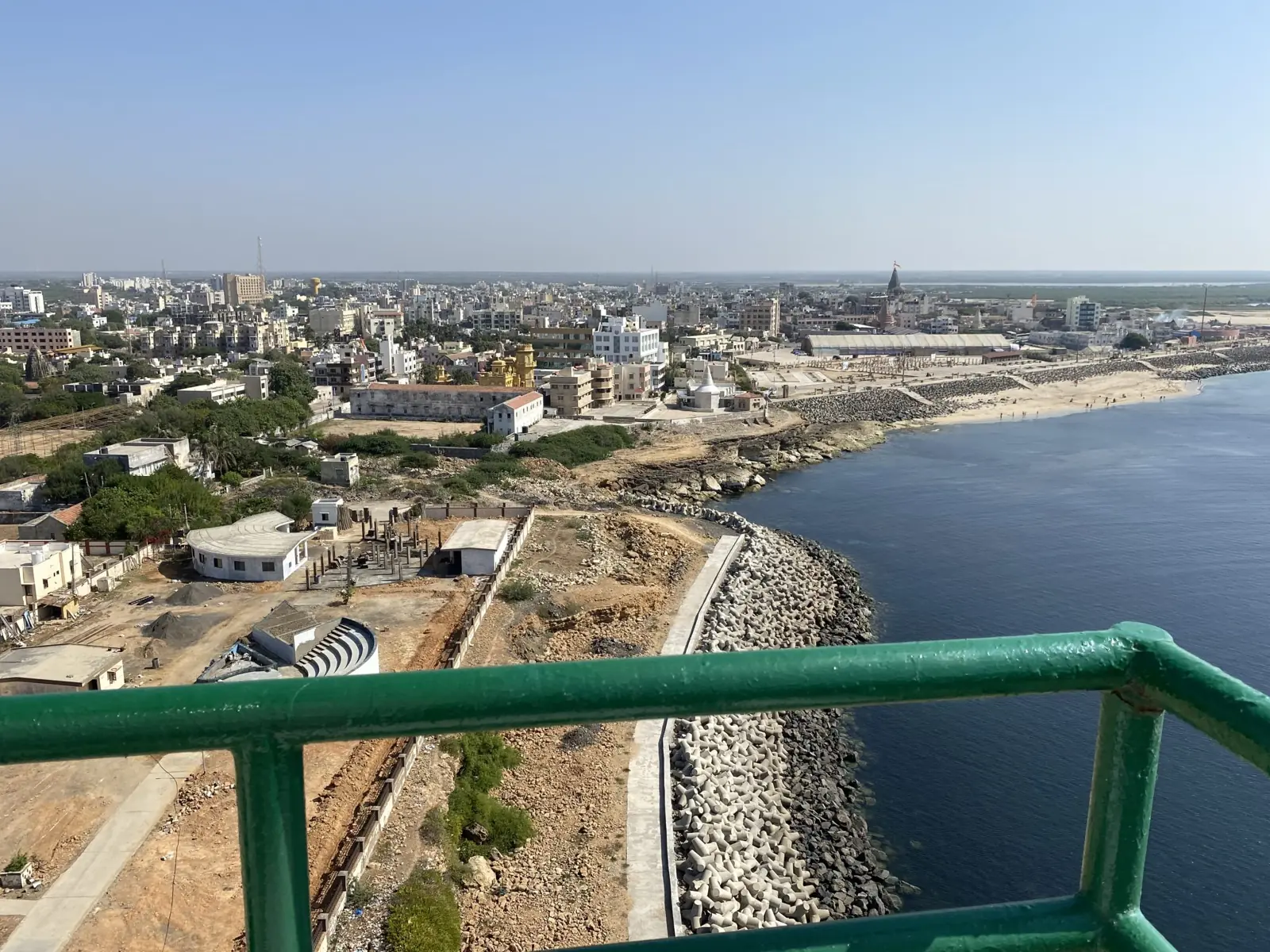
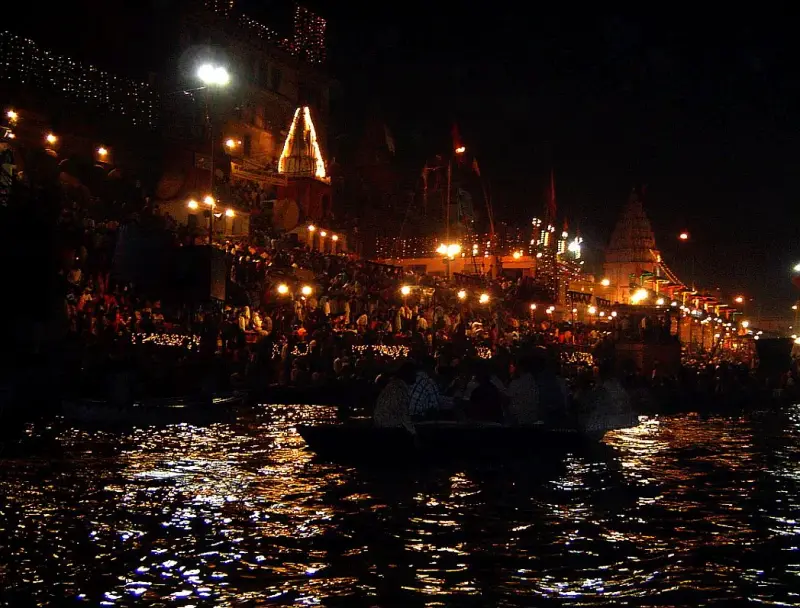
Gomti Ghat is open round the clock and costs nothing, and the official tourism page itself says early morning or late afternoon is when it is quiet and the views are good. That is the hint. The river meets the sea here at a bathing pool called Gomti Kund, and the custom is to dip before you climb to the temple. Small shrines line the ghat for Samudra, Saraswati, Lakshmi, Shiva, Rama, Krishna and Sudama, plus a little temple for the river goddess herself.
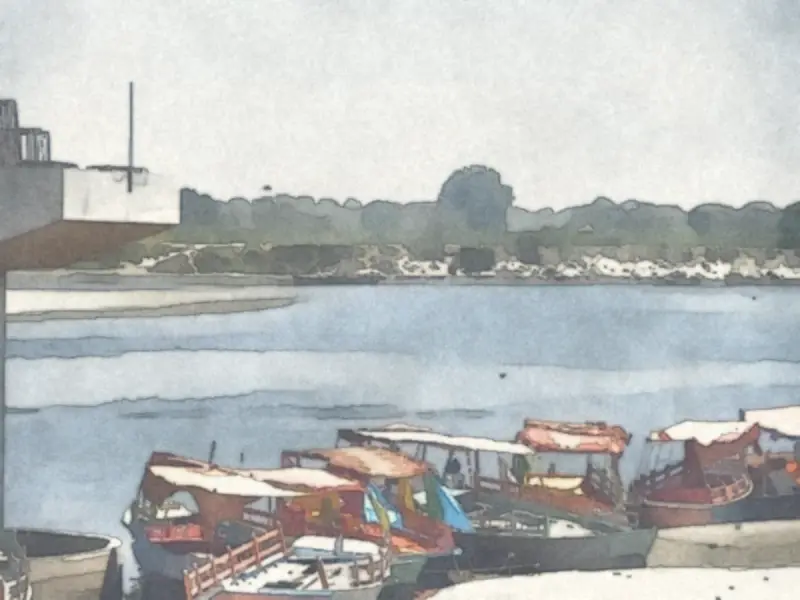
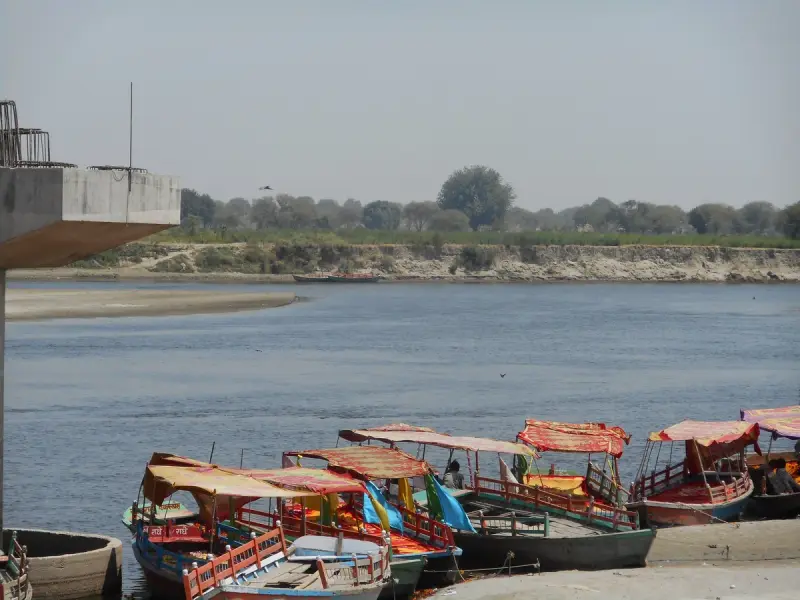
The ghat has a second life as a promenade. You can hire a boat on the Gomti for a view of the town from the water, there are decorated camels for a ride, and stalls sell seashell jewellery. If you only have an hour of light, spend it here before the temple, because the temple will want you indoors, phoneless, and moving with a queue.
The temple and how the day is cut up
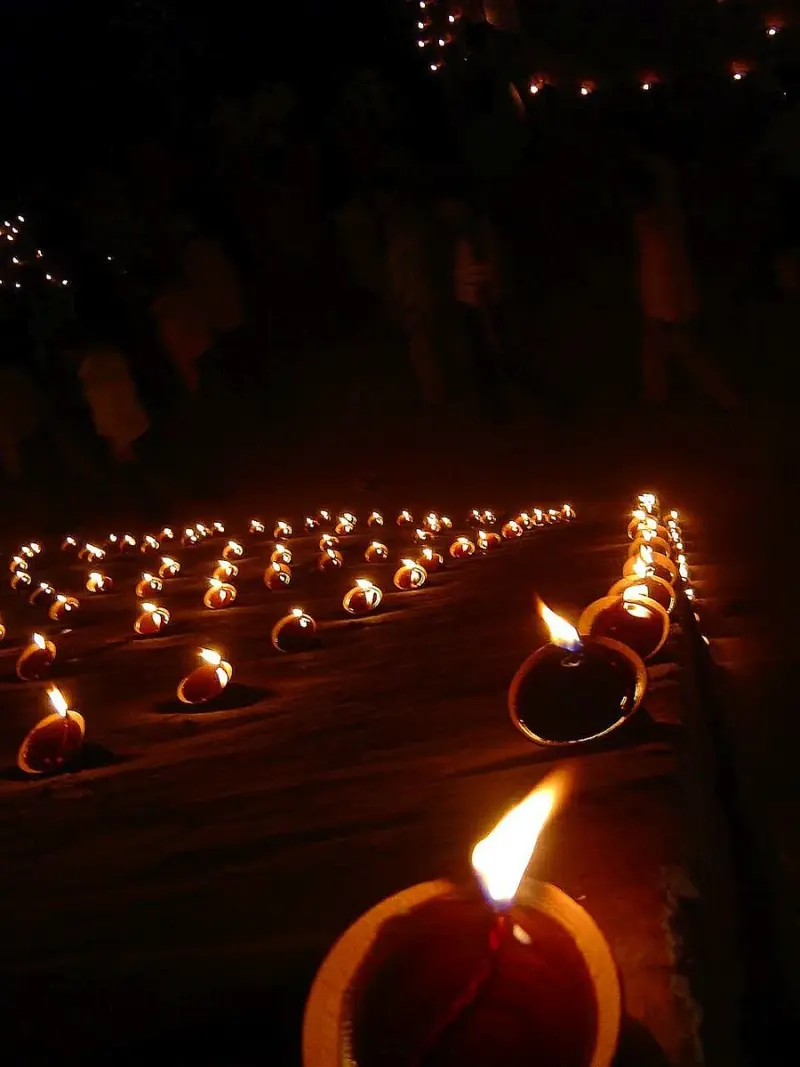
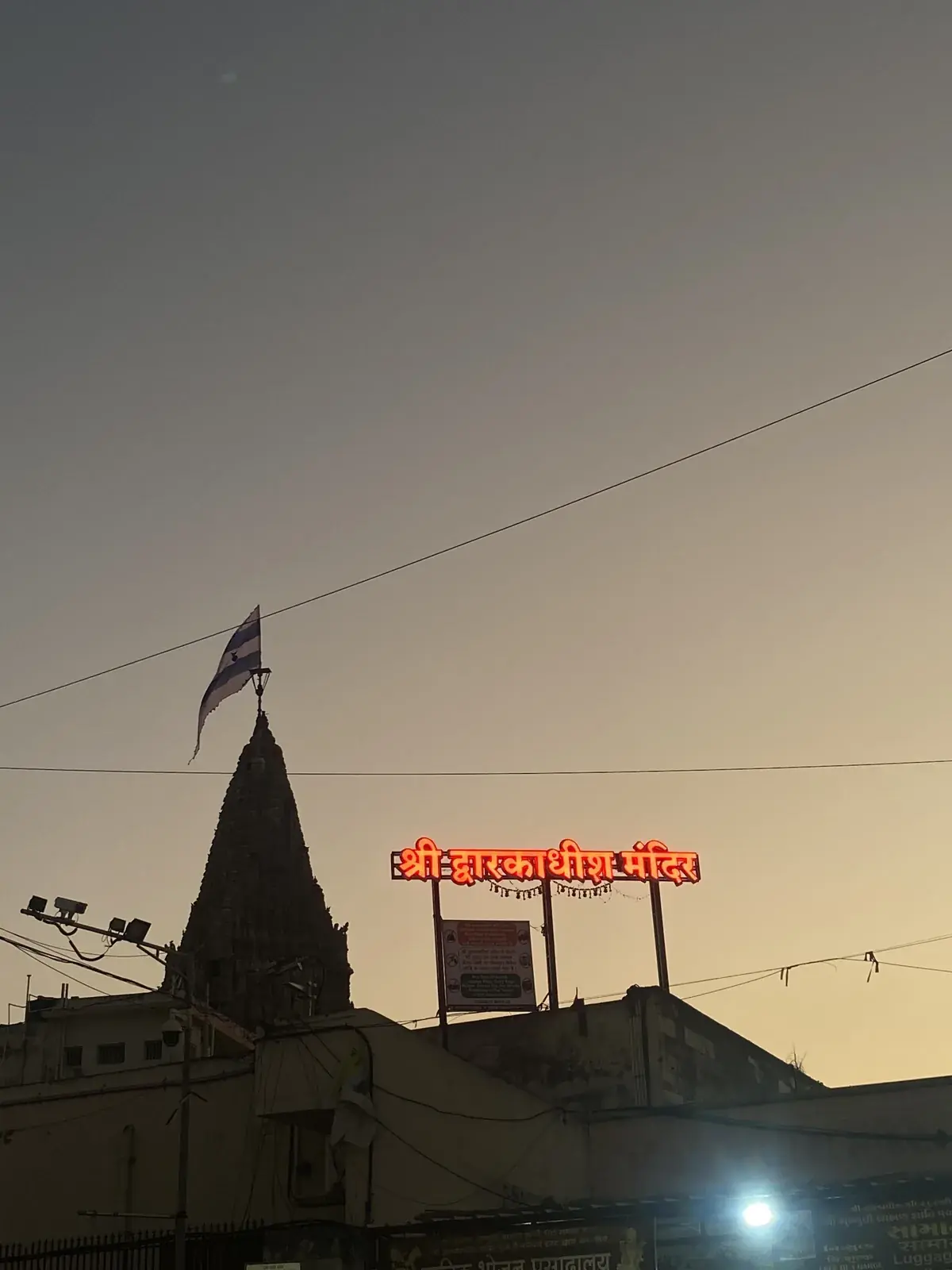
The temple is the Jagat Mandir, Krishna as the king of Dvaraka, and the schedule is built around the deity's day: Mangala before sunrise, Shringar in the late morning, Rajbhog at midday, Sandhya at dusk and Shayan at night. Listings online disagree on the exact clock times, so treat every number you read as a starting point. The widely quoted windows are roughly 6:30 am to 1 pm and 5 pm to 9:30 pm, with a midday closure when the sanctum is not open for continuous darshan. One listing gives Mangal Darshan between 7 and 8 am, the Shringar aarti about 10:30 am and the Sandhya aarti around 7:30 pm.
The flag on the spire, 52 yards of cloth bearing a sun and a moon, is changed five times a day by the temple's own count, so look up while you queue. Plan one to two hours. Nothing is charged at the gate; paid darshan categories also exist, from a few hundred rupees upward, and the counter is the place to ask what is on offer that day rather than trusting a number on a blog. The rule that catches people out is the phone: no phones or cameras inside the shrine. Bags and valuables go to a storage counter first, and the receipt matters, because the queue exit may not bring you back to the same door.
The approach and the steps
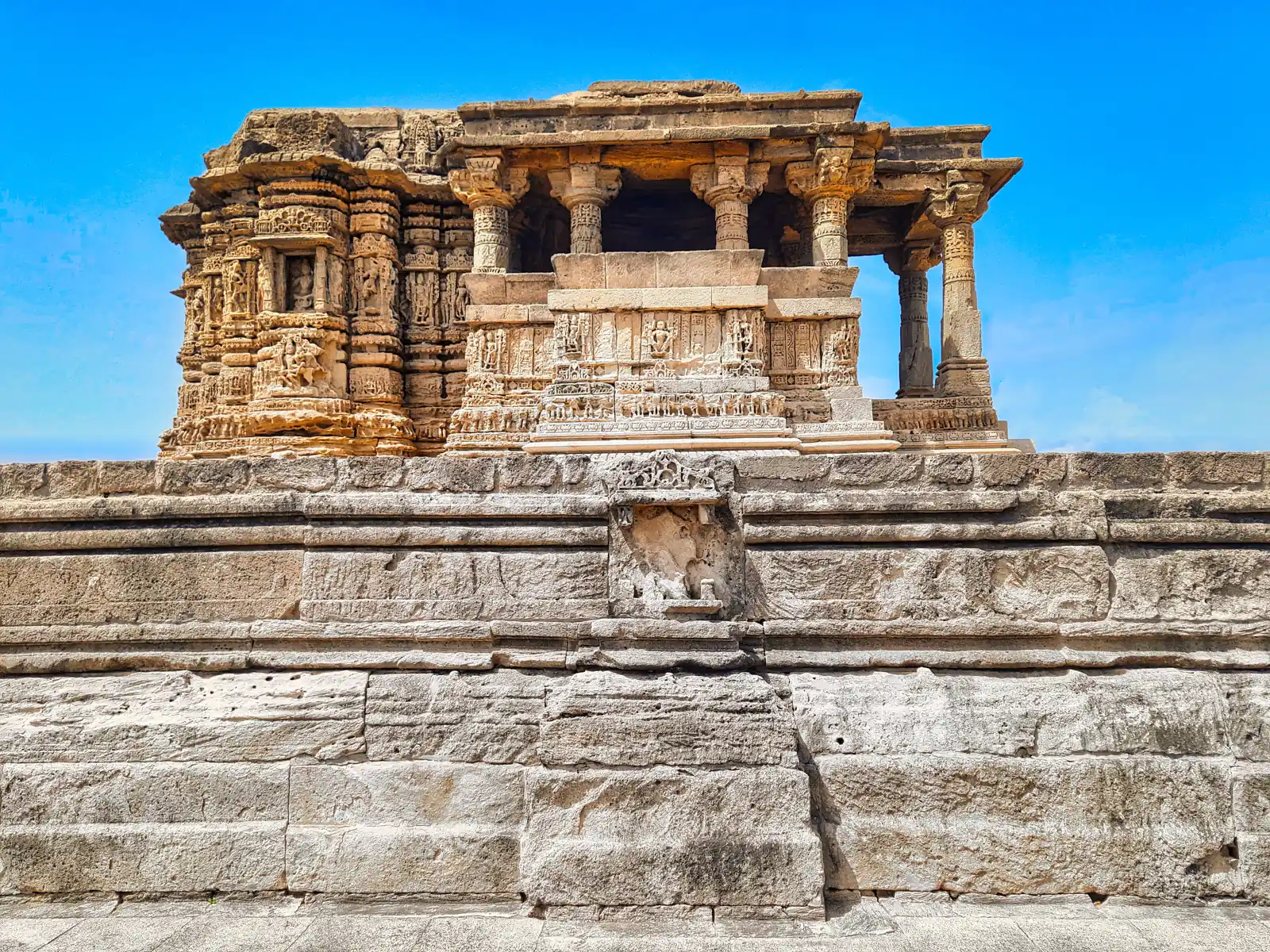
The temple stands on a small hill, and you climb 56 steps to reach it. You enter by the Swarga Dwar, named for heaven, and leave by the Moksha Dwar, named for liberation, so you do not go out the way you came in. Queue arrangements get reshuffled during crowds, so older gate descriptions go out of date quickly. Do not leave the line for an unofficial shortcut, keep children and elders with an adult, and agree a meeting point outside the queue in case the group splits at the security check.
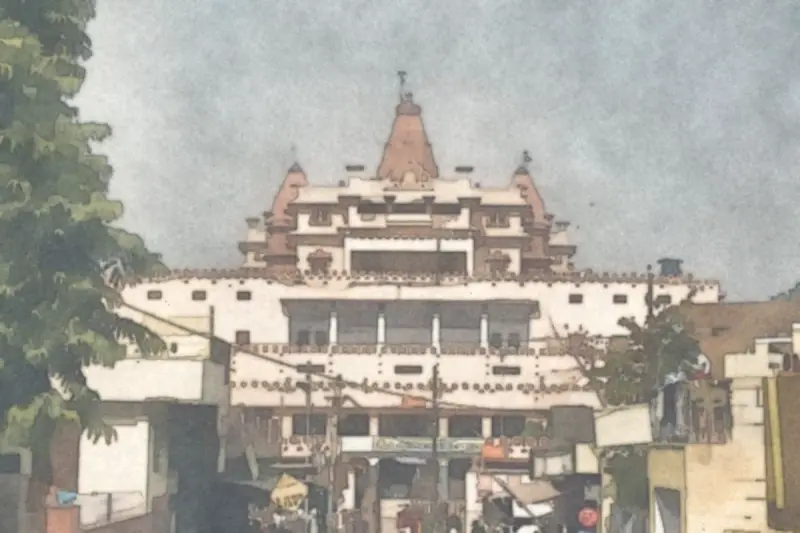
If stairs are hard for someone in your group, ask staff for the least demanding route before you join the line; it is a normal question and they answer it daily.
Bet Dwarka: the crossing is half the point
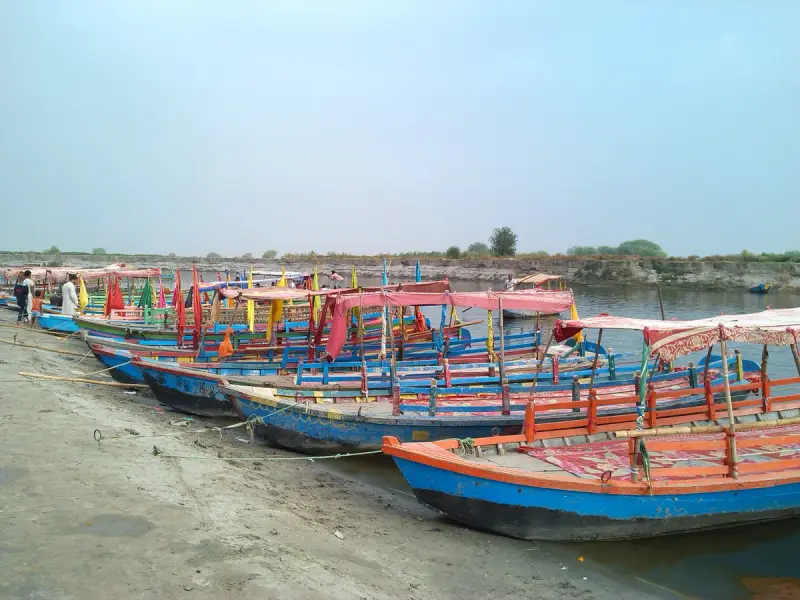
Bet Dwarka, also called Shankhodhar, is an island in the Gulf of Kutch. The base is Okha, about 32 km from Dwarka town by road. From the jetty at Okha it is roughly 5 km across by public boat, about 15 to 20 minutes, with boats from about 6 am to 7 pm that leave once they fill, every 10 to 15 minutes. A seat on a public boat is around Rs 10 to 30; a whole private boat is quoted around Rs 2,000. A newer road bridge now gives access too, but the last stretch still takes time, so do not plan a tight onward connection.
On the island, the Keshavraiji temple is the main one, and rice is offered there in memory of Sudama's gift of beaten rice to Krishna. A Hanuman shrine with Hanuman and his son Makardhwaja and a Rukmani temple sit nearby. Temple opening hours on the island are short, roughly 9 am to 1 pm and again in the late afternoon. Treat the crossing and the island as a half day, and cover your upper arms and legs.
Nageshwar, Rukmini and the loop that works
Nageshwar, the Shiva jyotirlinga, is about 16.6 km from Dwarka and 22.8 km on to Bet Dwarka, which is why the usual loop runs from the temple town to the Shiva shrine, on to Okha and the island, and home to your room by evening. The Rukmini temple is a separate road stop outside the main complex. A Shaktipeeth shrine and Bhadkeshwar Mahadev are the quieter extras, and Shivrajpur beach is there for a sunset walk.
A day for the temple and the ghat, a second for the Shiva shrine and the water crossing, is the sensible minimum. Squeezing everything into one day means rushing the Gomti steps, which is exactly the part worth slowing down for.
Getting there from Delhi, honestly
Delhi to Dwarka is about 1,360 km by road and roughly 1,320 to 1,330 km by rail, and travel sites say plainly that few people drive it in one go. Direct trains are thin: the schedule shows only about two a week from Delhi, taking around 23 to 24 hours, and timings in the listings conflict, so book from a live timetable. Dwarka station is about 3 km from the temple. The practical route for most is a train or flight to Ahmedabad or Rajkot, or a flight to Jamnagar, then road from there.
Late-night arrivals are common on this line. Arrange the pickup before you leave and confirm the final drop-off point, because the last section into the temple lanes is often closed to vehicles.
When to go and what to carry
October to March is the comfortable window, with winter days around 20 to 28 degrees on the island. Summer is very hot, and the monsoon brings rain and can pause the boats. Janmashtami brings enormous crowds, transport limits and a squeeze on rooms, so book early if you are aiming for it and do not assume a smooth final approach that day.
Carry a small day bag, change for boats and shoe counters, a light scarf or dupatta for covering up, and a charged phone for the walk, since you will not have it in the sanctum.
Let Laladham plan the long way round
Laladham runs complete trips from Delhi: we meet you at the airport, station, your home or your hotel, and plan the whole Gujarat route with the driver, stays and temple timing handled for you. For a trip this long we plan the Delhi-to-Gujarat leg honestly, usually fly or train first and a driver on the ground, then Dwarka, Nageshwar and the island on your own pace. Tell us your dates on the [book page](/book) and ask for a quote.
Questions, answered
How many days do I need for Dwarka?
Two is a comfortable minimum: one for the Dwarkadhish temple and Gomti Ghat, another for Nageshwar, Okha and the boat to Bet Dwarka. One long day works only if you skip the island.
Can I take my phone into the Dwarkadhish temple?
No. Phones and cameras are not allowed inside the shrine, so use the storage counter for bags and valuables and keep the receipt.
How do I get to the island?
From Dwarka go about 32 km to Okha, then take a public boat of roughly 5 km and 15 to 20 minutes from the jetty. A bridge also gives road access now, but check current arrangements locally.
What does the Bet Dwarka boat cost?
Public boats are quoted around Rs 10 to 30 a person and a private boat around Rs 2,000, so confirm at the jetty.
Is there a fee for darshan at Dwarkadhish?
Regular entry is free. Paid categories exist and prices vary by type, so ask at the counter.
When is the best time to visit Dwarka?
October to March, when days are mild. Avoid the peak heat of summer and check ferry operation in the monsoon.