The plan below assumes a morning start from Delhi. Roads run roughly 260 km, so count on a five or six hour drive with a proper breakfast stop, and treat day one as a half day of sightseeing rather than a full one.
Day 1: leave Delhi early, reach the Pink City by lunch
The route out of Delhi is the old Gurgaon, Behror, Shahpura line, a little under 260 km by the usual reckoning. A seven o'clock start puts you in Jaipur for a late lunch, and you will want a long one, because the afternoon is spent on foot. Check in, drink water, and head into the walled quarter after three, when the sun has started to lose its edge.
Start at Jantar Mantar, which opens 9 am to 5 pm. Built between 1728 and 1734 by Jai Singh II, it is the largest of the five observatories he founded, and the Samrat Yantra stands about 27 metres high and is said to tell time to within two seconds. Take a guide, because without one the instruments look like abstract sculpture. Then it is a short step to the City Palace, where the Mubarak Mahal and its costume galleries are the quiet corners.
The Hawa Mahal opens 9 am to 4:30 pm, but its real life is from the street. There is no front entrance, only a rear one, and the upper floors are reached by ramps. Most people will be happy with the facade from a first-floor cafe across the road, where the many small windows catch the last light.
Day 2: Amber at opening time, Nahargarh when the sun drops
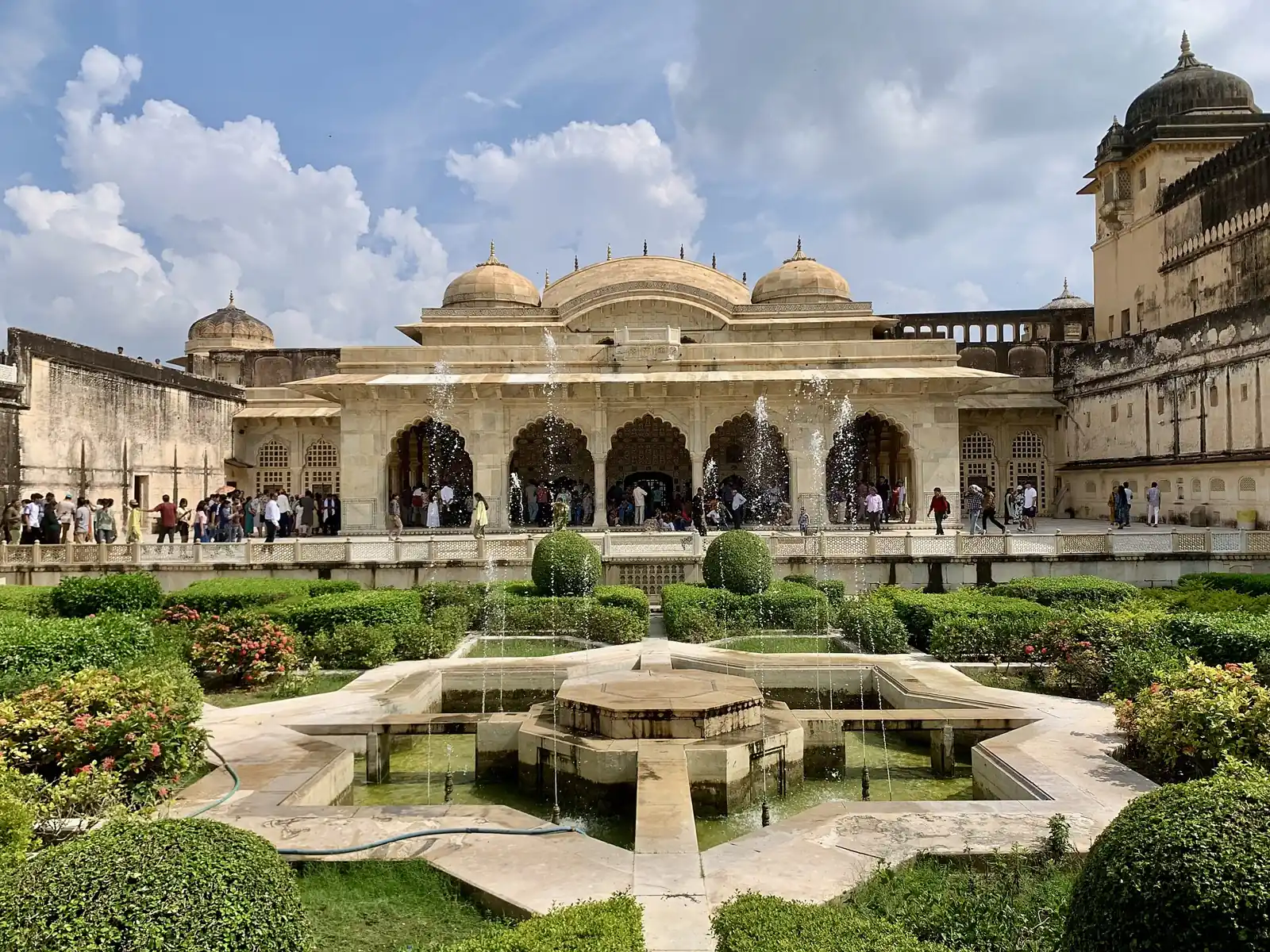
Amber sits roughly ten kilometres north of town above Maota Lake. Reach it at opening, since published hours differ between sources, from 8 am to 9:30 am, and the courtyards are noticeably emptier in the first hour. You can walk up, take the elephant ride (animal welfare groups ask visitors to avoid it) or drive up from the rear. Walk it if your knees allow, and spend most of your time in the Sheesh Mahal and the garden court, not in the first courtyard where the crowd gathers.
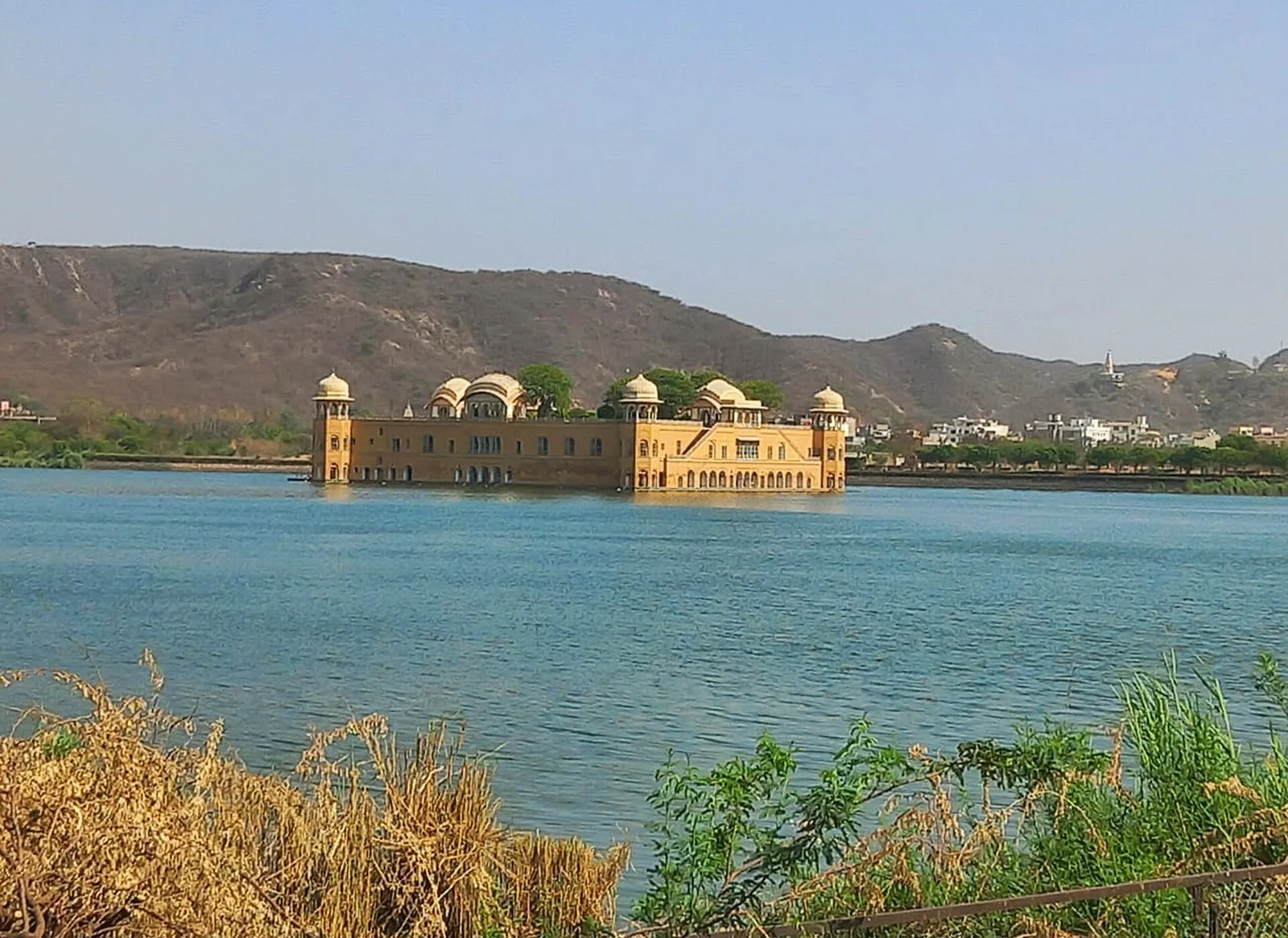
Jal Mahal is on the road back to town, on an island in Man Sagar Lake about 4 km north of the City Palace. The interior is not open to the general visitor in most accounts, though a government guide hints at a boat tour, so ask when you arrive. Looking from the bank costs nothing and, that page adds, is just as lovely.
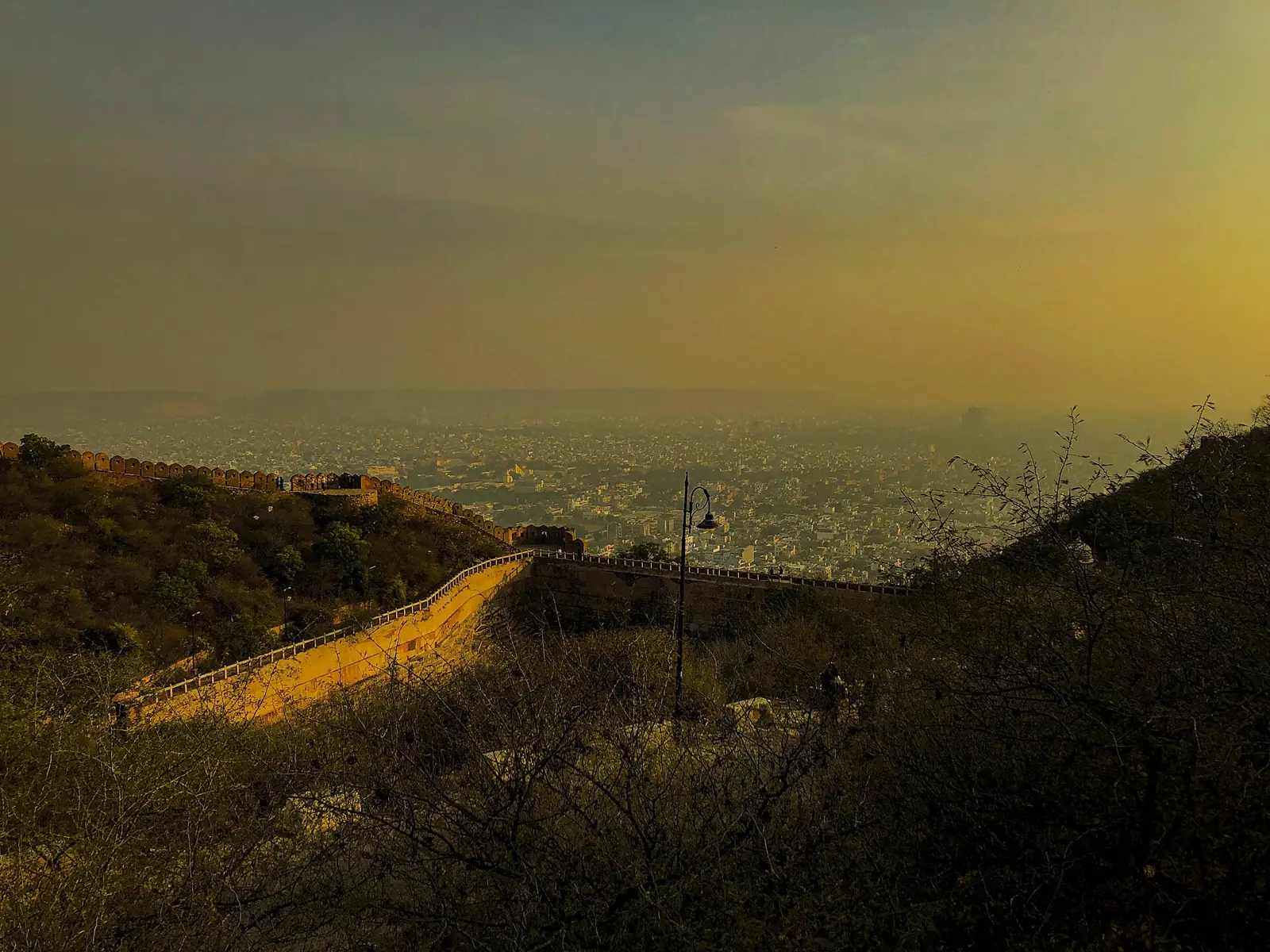
Give the afternoon to Jaigarh and then Nahargarh. Nahargarh runs 10 am to 5:30 pm, so arrive around four, wander the ramparts, and stay at the walls as the plains go amber. Walking up the many steps is free, and only the fort interior takes a ticket.
Day 3: Galta, Gaitor and the bazaars at their own pace
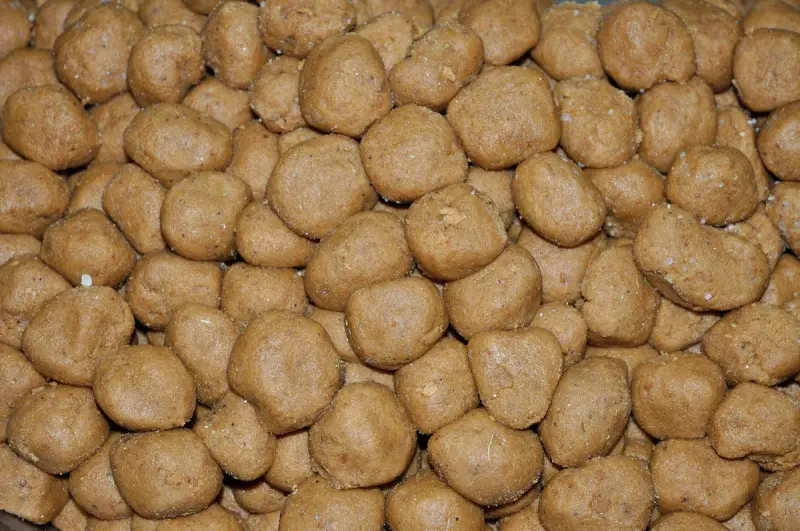
Galta Ji is the day's reward. The temple complex lies in a rocky valley around ten kilometres from the centre, and the macaques and langurs here are plentiful and bold. Lonely Planet warns that peanuts sold at the gate attract aggressive crowds, so do not buy them. Keep bags zipped, hold your phone close, and watch your footing on the stone. The Surya Mandir above it, on a ridge about 200 metres high, is one of the least crowded sunset points in the city.
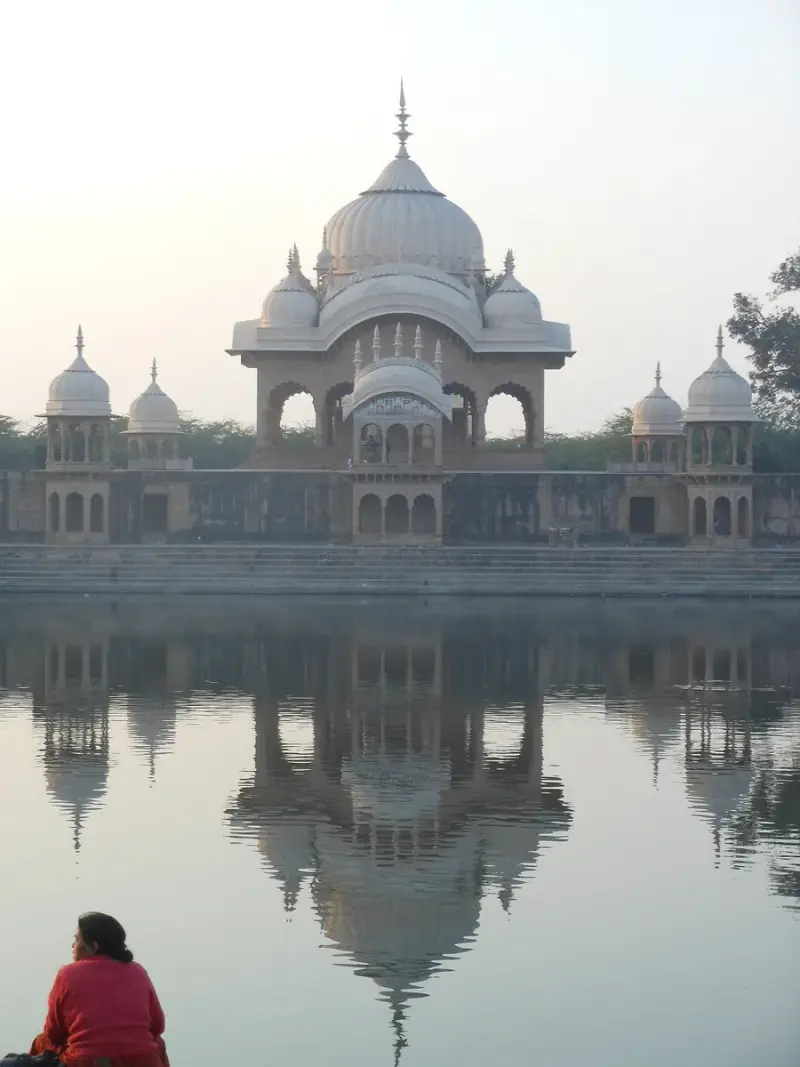
After Galta, the Royal Gaitor Tumbas are a calm contrast: carved marble and sandstone cenotaphs of the Kachhwaha rulers, set against the Nahargarh hills. Outlook Traveller calls it a meditative place, and that is true if you go early. The Anokhi Museum of Hand Printing in a haveli near Amber is also worth a stop if block printing interests you, with demonstrations and workshops.
Bazaar time in the afternoon: Johari for textiles and jewellery, Tripolia for steel, brass and lac bangles (look for Maniharon ka Raasta), Chandpol for marble workers carving deities, and Ramganj for leather shoes.
What to eat
Breakfast kachori from a Chandpole stall is a classic, and the Incredible India itinerary specifically mentions aloo and pudina kachoris. Rawat Mishthan Bhandar, near Polo Victory, is known for mirchi vada and mawa kachori, and LMB inside the walls for chaat and tikki. For a full Rajasthani thali, Chokhi Dhani about 12 km from town combines village theming with the food; it is touristy but fun with children.
When to go
Winter is the comfortable window, from late October. In summer, May can touch 44 or 45 degrees Celsius, and the Jantar Mantar's open stone instruments hold the heat. Plan the monuments for the first and last hours of the day in April to June. The monsoon greens the hills around Amber and Nahargarh, but some days are washouts.
If you have a fourth day
Spend it on Abhaneri's stepwell, Samode, or Bagru's block printing villages. Outlook Traveller also reckons Amer, Jaigarh and Nahargarh together take a full day on their own, so if you want to see all three forts in depth, add the day rather than rushing Day 2.
Planning with Laladham
Laladham picks you up in Delhi from the airport, a station, your home or hotel, and keeps one driver for all three days, so you never haggle for an auto between forts. We plan the stay, the timing and the tickets around your pace. Share your dates and group size on the [book page](/book) and ask for a quote.
Questions, answered
How far is Jaipur from Delhi?
About 260 km by road, roughly five to six hours depending on traffic and breakfast stops.
Can I go inside Jal Mahal?
Most accounts say the interior is closed to visitors. One official page mentions boat tours, so confirm there. Lakeside viewing is free.
Are the monkeys at Galta Ji dangerous?
They are bold, not harmless. Do not buy peanuts at the gate, keep bags closed and avoid carrying food in your hand.
Is walking up Nahargarh free?
The official viewpoints page says walking up the steps is free, while entry to the fort interior needs a ticket.
What are the opening hours of the main monuments?
Official pages list Hawa Mahal 9 am to 4:30 pm, Jantar Mantar 9 am to 5 pm and Nahargarh 10 am to 5:30 pm. Sources disagree on Amber, so check before you go.
When is the best time?
Winter, when days are mild. April to June is very hot.