Most people give the city a single halt on the road south, and that is a mistake only because the fort alone eats a morning. This guide splits the city into the fort, the palace, the tombs and the evening, with the sources' disagreements marked so you do not trust a stale clock.
Climbing in: the gates and the guides
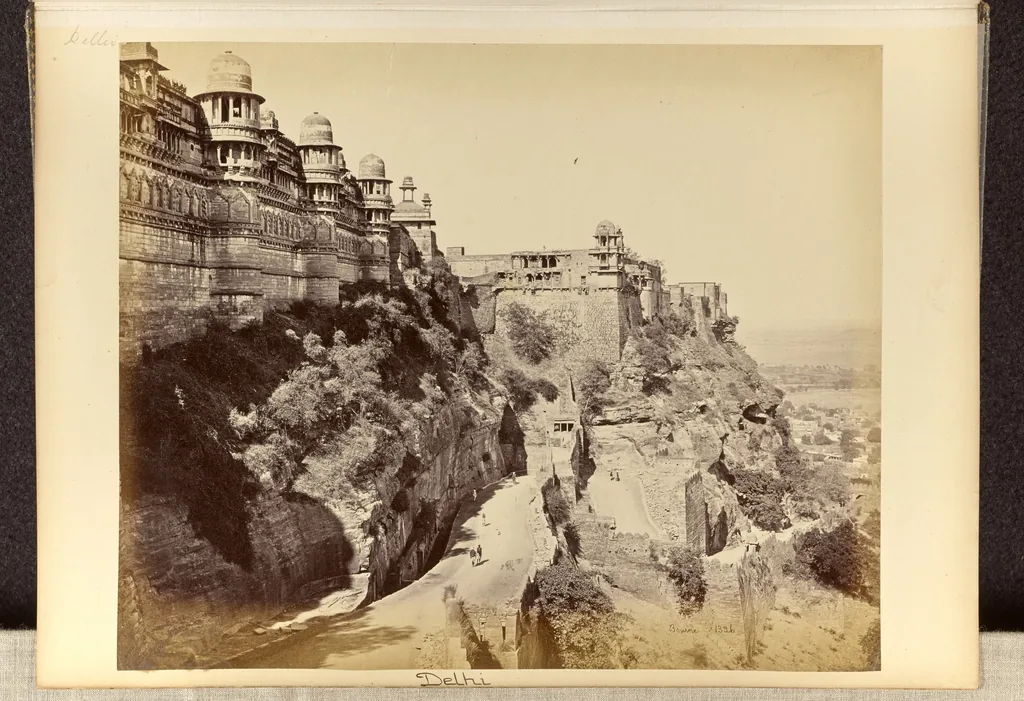
The usual walking approach starts at the southeastern Urwahi Gate and is, in one writer's word, a climb, with a view at the top that justifies it. The other end, Gwalior Gate, opens at the old Hazira town on the northeast, where the bazaar is busy from about 6 am to 9 pm. At the entrance small boys offer to guide you; the Archaeological Survey's own guide is the one to hire for the underground passages, since you cannot see them without one.
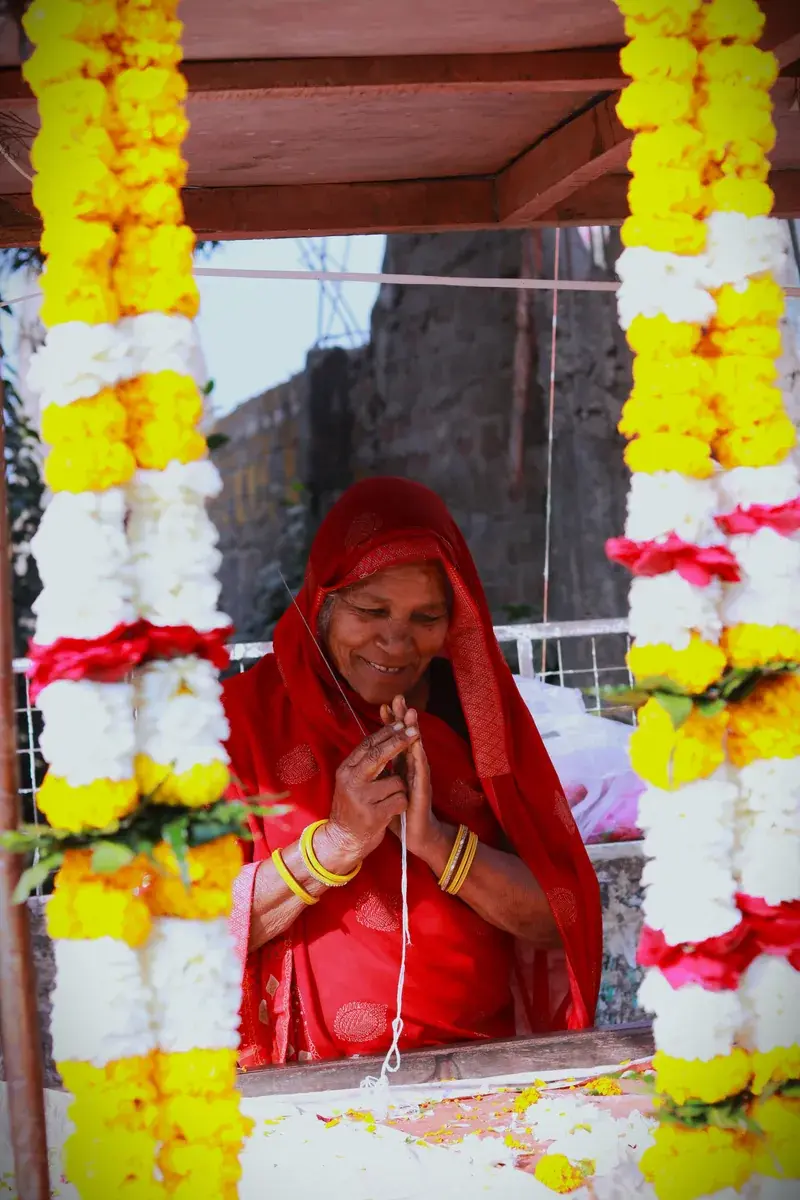
Fort hours are listed as running anywhere from 6 or 7 am to 5:30 pm, with fees around Rs 75 for Indians on several pages and quite different numbers on others, so confirm at the gate. Allow three or four hours, wear shoes with grip, carry water because there is little to buy inside, and keep the sun off your head. Go early or in the late afternoon, never at noon in summer.
Man Mandir and the queen's museum
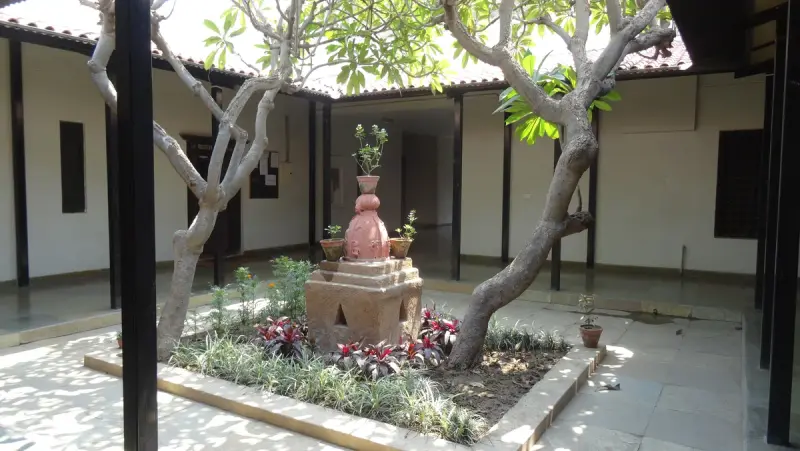
Raja Man Singh Tomar's palace, built between 1486 and 1516, is the fort's glory: tile bands in blue, green, yellow and red, lattice screens and fine stone carving, with underground passages below. A queens' siesta room was later used as a dungeon, and the royal baths get daylight through a ventilation system built into the rock.
The Gujari Mahal, a 15th century palace raised for Queen Mrignayani, is now an archaeological museum whose best-known treasure is a statuette of the tree goddess Shalbhanjika. Lights and power can be unreliable inside, so one visitor waited for the electricity to come back before a cabinet could be opened. Weekly closing days differ between listings.
Teli ka Mandir, Sas Bahu and the Jain hillside
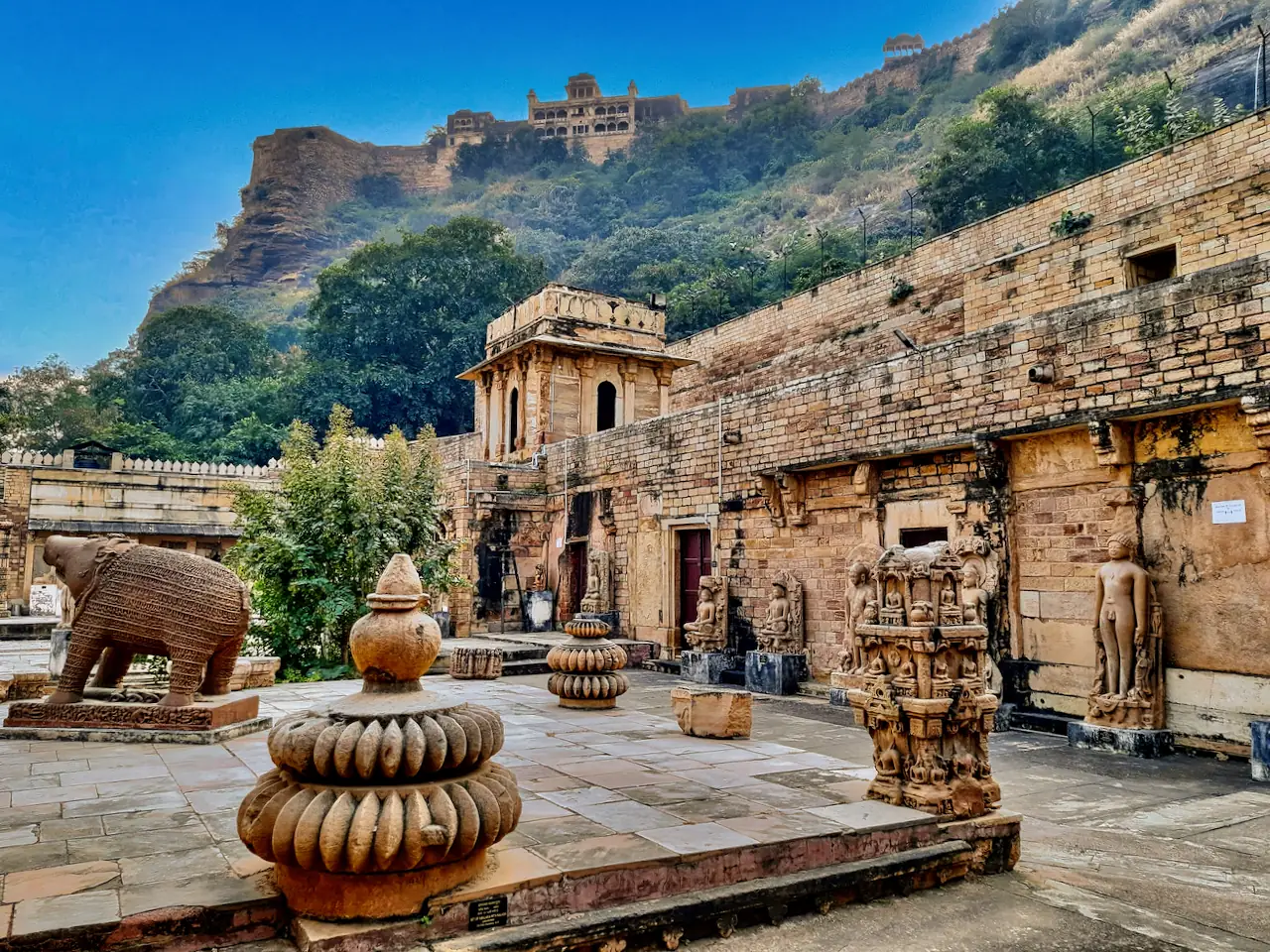
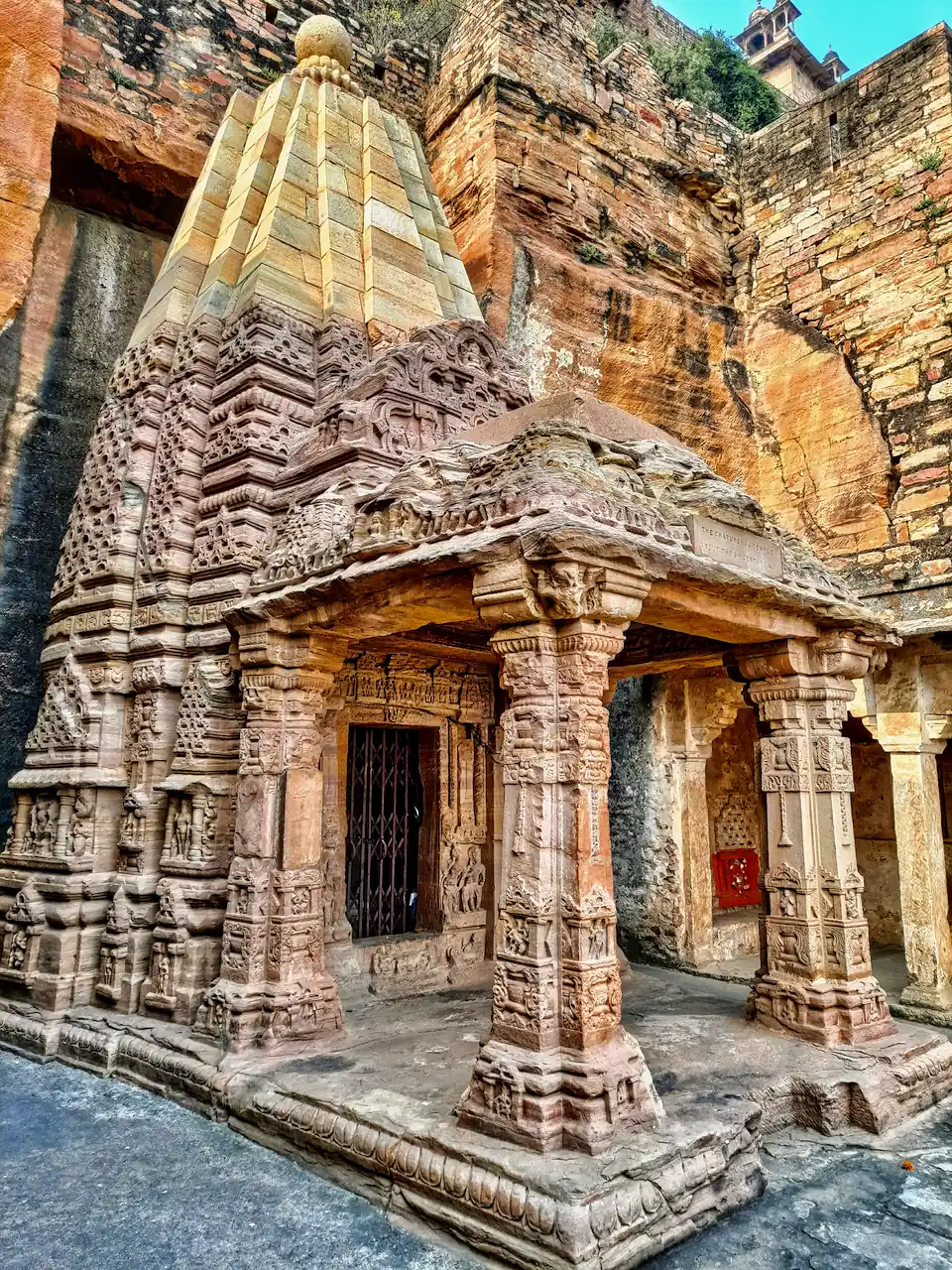
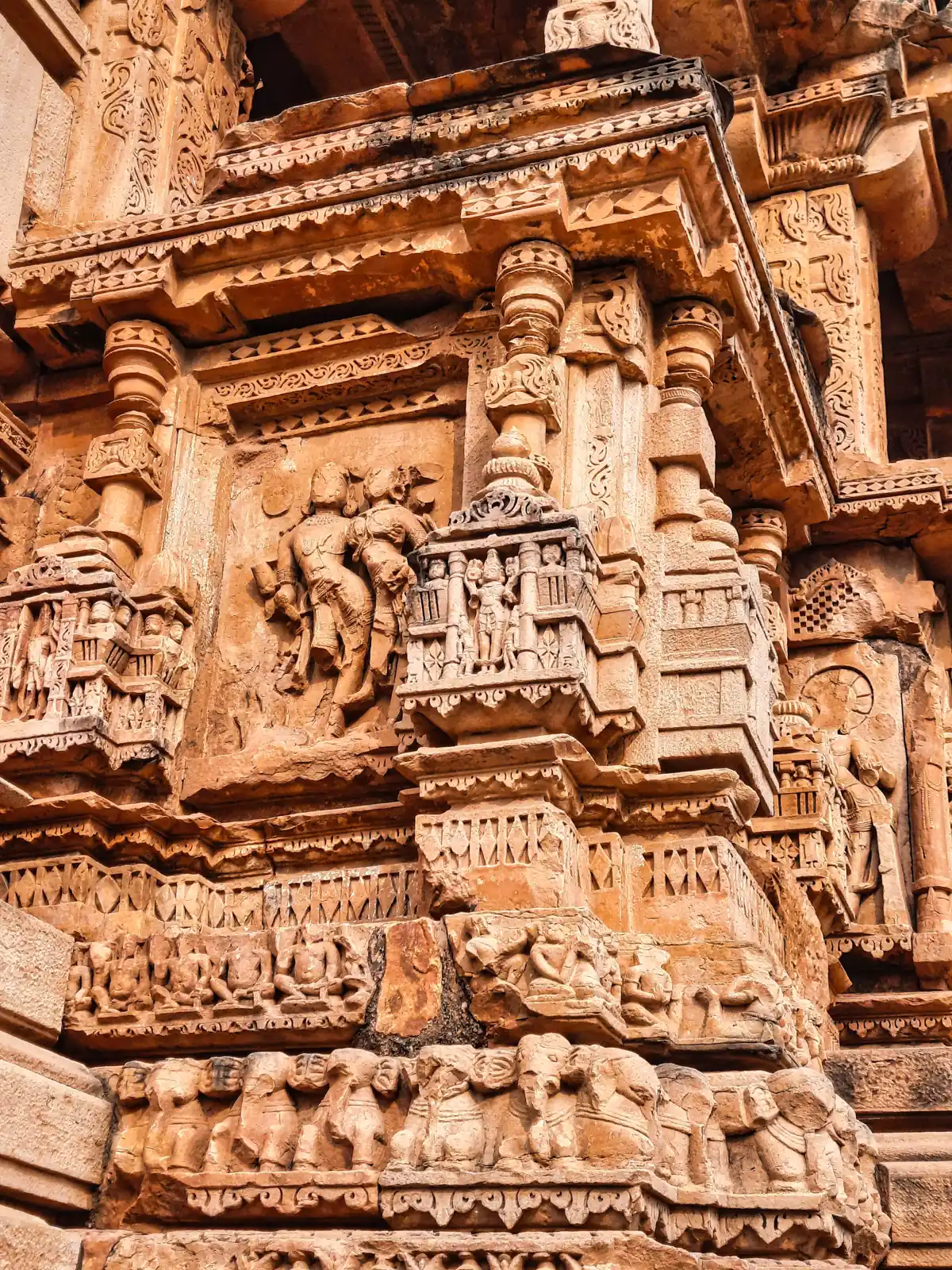
Teli ka Mandir is about 100 feet tall and is dated variously to the 8th, 9th or 11th century, blending north Indian and Dravidian shapes, with elephant carvings and a heavy doorway. The Sas Bahu temples, twin shrines for Vishnu and Shiva, are free and a good place to sit when your legs ask.
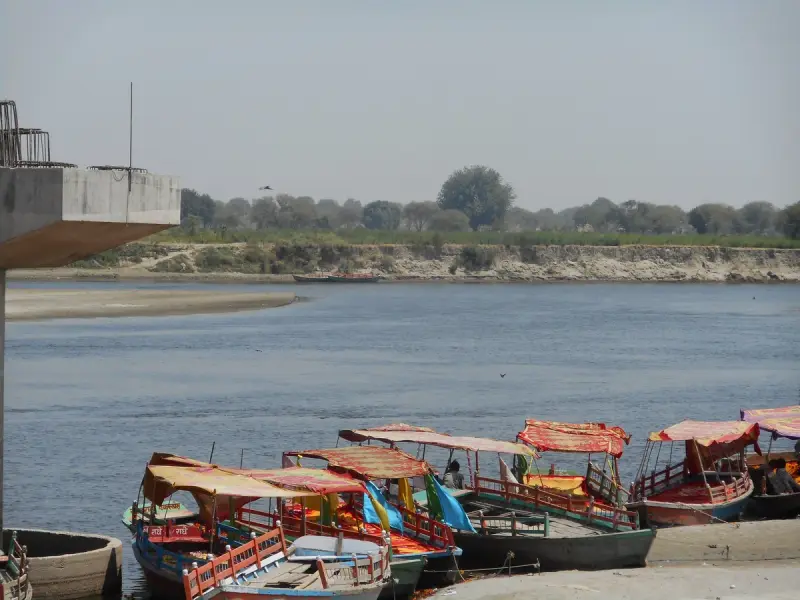
On the cliff, Jain figures are carved into the hillside, from small ones to enormous ones. Many have had their faces gouged out, but one large figure keeps a dignified face. For sunset, walk to the western ramparts, which look over the town and the plain.
Gurdwara Data Bandi Chhor
The gurdwara marks where Guru Hargobind was held at the fort, and there is a lake behind it. A popular story says he helped free 52 kings; tell it as tradition and not as a proven date. Cover your head, remove footwear and follow the usual gurdwara rules.
Jai Vilas Palace and the evening
The Jai Vilas Palace was the Scindia family's seat. The museum is open Tuesday to Sunday from 10 am to 6 pm and closed on Mondays, with tickets reported at Rs 300 for Indians and Rs 850 for foreigners on a recent press report, so recheck the figures. Inside, a red Belgian glass chandelier hangs in the entrance hall, a crystal fountain of 291 pieces dating to 1843 still works, and a silver train carried brandy and cigars around the banquet table. The Durbar Hall's ceiling is gilded with about 560 kg of gold and was under restoration when the report was written, so ask whether it is open.
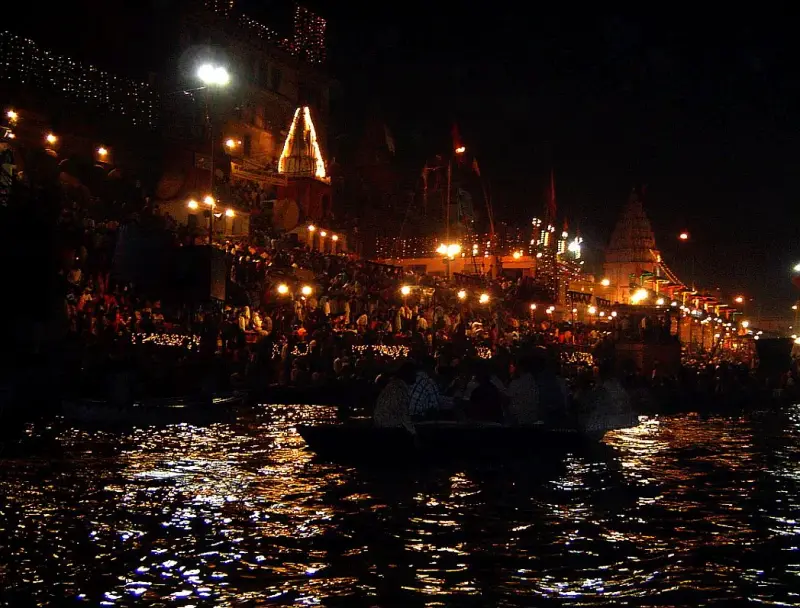
Give the fort the first day and the palace the second, followed by the museum and a walk through Sarafa Bazaar. The sound and light show is staged below the fort walls in the evening, with Hindi at 7:30 pm and English at 8:30 pm listed on one guide. A visitor who attended on a quiet night found only about six people there, so do not expect a crowd.
Music, tombs and sweets
UNESCO has named Gwalior a City of Music, and the Tansen Samaroh runs for several days from 25 December. Tansen's tomb, free and open in the daytime, sits near the tomb of Mohammad Ghaus with its lattice and Afghan-style domes, and Sarod Ghar, a museum of vintage instruments, is the former home of Ustad Hafiz Ali Khan.
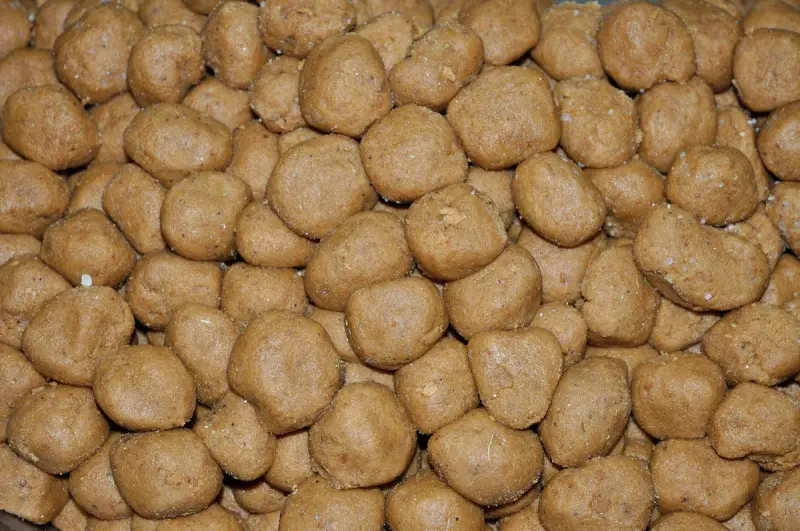
For food, the tourism page names SS Kachori for bedai poori and kachori, Bahadura ke Laddu, Panchi Petha, and gajak in winter.
Getting there and onward
Gwalior's airport is about 9 km out and the railway station is about 3 km from the centre. Agra is about 120 km away and Orchha about 110, so the city sits well between the Golden Triangle and Orchha or Khajuraho, which is some 280 km on. From Delhi the train is the sane choice for the first leg, and the fort is best taken on a fresh morning.
Season and the tourism helpline
October to March is the comfortable window, with December and January the coolest. Summer is too hot on the ridge, and the monsoon makes access difficult. Expect power cuts in the museums. MP Tourism lists a helpline at 1800 233 7777 for questions about hours, which is more reliable than a stale blog.
Let Laladham plan the Gwalior stop
Laladham picks you up in Delhi from your home, hotel, the airport or a station and drives a Madhya Pradesh route with Gwalior as the first morning, a driver, stays and the evening show planned. Tell us your dates on the [book page](/book) and ask for a quote.
Questions, answered
How long does Gwalior Fort take?
Most of a morning, more with the museum and the show.
Which gate should I walk up from?
Urwahi on the southeast for a walk, or Gwalior Gate on the northeast from the old bazaar.
What is Teli ka Mandir?
A tall, heavily carved temple blending north and south Indian styles, dated to the 8th, 9th or 11th century depending on the source.
Is Jai Vilas Palace open on Mondays?
No, the weekly closing day is Monday.
How far is Gwalior from Agra?
About 120 km, so Gwalior breaks the journey toward Orchha neatly.
Is there a music connection?
Tansen's tomb, and a winter festival in his name.